
Business
Bank of America Agrees to Pay $72.5 Million to Settle Epstein Lawsuit

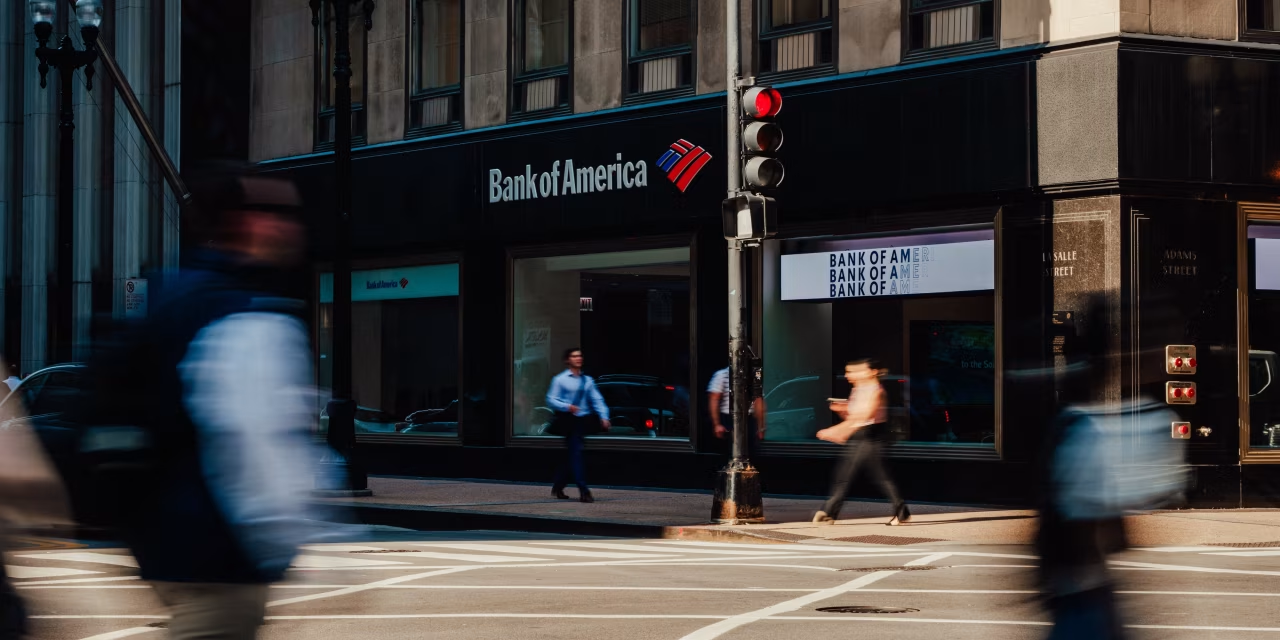
Bank of America BAC -2.63%decrease; red down pointing triangle agreed to pay $72.5 million to settle a lawsuit that alleged the bank kept ties to people close to Jeffrey Epstein and failed to flag suspicious payments between the convicted sex offender and his associates and victims.
The proposed class-action lawsuit was filed last year on behalf of a woman who said she was sexually abused and trafficked by Epstein between 2011 and 2019, as well as on behalf of other victims.
Copyright ©2026 Dow Jones & Company, Inc. All Rights Reserved. 87990cbe856818d5eddac44c7b1cdeb8

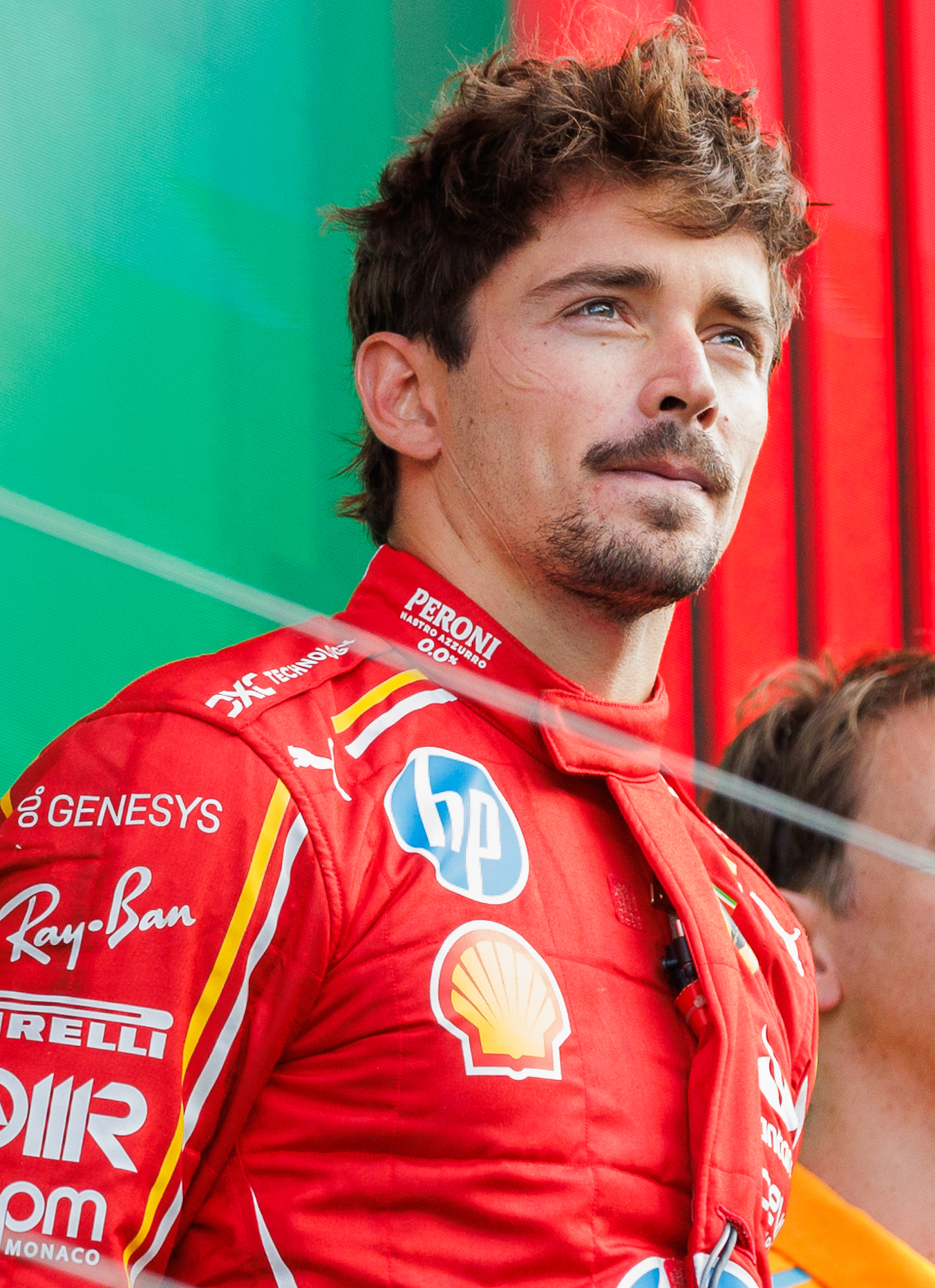
MONACO — Charles Leclerc, the 28-year-old Monegasque Ferrari driver, continues to captivate Formula 1 fans in March 2026 with his blend of raw talent, resilience and off-track charm as he navigates the radically new 2026 regulations alongside teammate Lewis Hamilton.

While battling for podiums in the early season — including recent results in Melbourne and Shanghai that left him third in the championship — Leclerc has shared candid thoughts on the lighter, more agile 2026 cars, admitting they are “not the funniest” he has driven yet finding enjoyment in the chaos and energy management battles. Beyond the cockpit, the Scuderia star balances high-speed racing with family life, music and entrepreneurial ventures that reveal a multifaceted personality.
Here are five fun facts about Charles Leclerc that highlight his journey from Monaco’s streets to the pinnacle of motorsport and the personal touches that make him one of F1’s most relatable stars.
1. He Plays Piano and Collaborated With a Renowned Pianist
One of Leclerc’s lesser-known talents is his musical ability. The Ferrari driver is an accomplished pianist and guitarist who has performed publicly on occasion. In recent years, he collaborated with French pianist Sofiane Pamart on a track, blending classical influences with modern sounds that reflect his creative side away from the racetrack.
Leclerc has spoken about using music as a way to unwind after intense race weekends. In interviews, he described how playing piano helps him process the highs and lows of a demanding season. Fans were treated to glimpses of this passion during quieter moments, including social media posts showing him at the keys. This artistic outlet contrasts sharply with the precision and aggression required in Formula 1, offering a window into a more introspective side of the driver nicknamed “il Predestinato” by Italian media.
2. He Launched His Own Ice Cream Brand Called “Lec”
In a sweet business move, Leclerc debuted his own low-calorie ice cream brand, “Lec,” in April 2024, and it has continued gaining traction into 2026. The line features five flavors — chocolate, vanilla, pistachio, salted caramel and peanut caramel — designed to appeal to health-conscious fans while delivering premium taste.
The venture reflects Leclerc’s entrepreneurial spirit and connection with supporters. He has promoted the brand during race weekends and through personal channels, turning his fame into a consumer product that fans can enjoy. It also ties into his broader interests in lifestyle and wellness, showing that the driver thinks beyond lap times and podium celebrations.
3. He Married Longtime Partner Alexandra Saint Mleux in Early 2026
Leclerc tied the knot with influencer and partner Alexandra Saint Mleux in a private civil ceremony in Monaco on Feb. 28, 2026, following their engagement announcement in late 2025. The couple, who began dating publicly in 2023, celebrated with close family and friends in the picturesque principality where Leclerc was born and raised.
The wedding added a joyful chapter to Leclerc’s personal life amid a demanding 2026 season. Alexandra has been a steady presence at races, and the pair often share glimpses of life together, including time with their dog Leo. Family remains central for Leclerc, who welcomed the New Year 2026 surrounded by relatives and frequently emphasizes balance between his racing career and home life.
4. He Comes From a Racing Family and Lost His Father Before His F1 Debut
Racing runs deep in the Leclerc bloodline. His late father, Hervé Leclerc, competed in European Formula 3 in the 1980s and 1990s, instilling a passion for the sport from an early age. Charles began karting at seven and rose rapidly through the junior ranks, winning GP3 in 2016 and Formula 2 in 2017.
Hervé passed away in 2017 after a long illness, just days before a key Formula 2 race. Leclerc has often spoken about his father’s influence and the emotional weight of fulfilling the family dream at Ferrari, the team he joined in 2019. His younger brother Arthur also races, while older brother Lorenzo supports from the sidelines. This tight-knit family dynamic has shaped Leclerc’s grounded approach despite his superstar status.
5. He Holds the Record for Most Pole Positions Without a World Title — and Loves Street Circuits
As of early 2026, Leclerc holds the record for the most pole positions in Formula 1 history without winning a Drivers’ Championship (27 poles). His qualifying prowess is legendary, with standout performances on street circuits where he feels most at home.
Leclerc particularly shines at Monaco — his home race — and secured a historic victory there in 2024, becoming the first Monegasque winner since 1931. He also loves Monza’s high-speed layout, where he has tasted victory twice. In 2026, he has adapted to the new regulations, praising the lighter cars for their lively balance and oversteer while noting the challenge of energy deployment in races. He defended the 2026 cars against criticism, saying racing does not feel “artificial” from inside the cockpit and that he finds fun in the evolving chaos.
These five facts only scratch the surface of Leclerc’s story. Born Oct. 16, 1997, in Monte Carlo, he stands 1.80 meters tall and weighs around 68 kg. Trilingual in French, English and Italian, he brings elegance and intensity to Ferrari’s garage. Off-track, he enjoys architecture, fashion, real estate and spending time with loved ones, including yacht escapes and family gatherings.
In the 2026 season, Leclerc has shown adaptability alongside Hamilton, securing podiums despite Ferrari facing early challenges from Mercedes. He has expressed excitement for the new regulations’ potential while acknowledging they are not the most enjoyable to drive. His ability to find pleasure in development and racing battles underscores a mature mindset as he pushes to bring Ferrari back to title contention.
Fans admire Leclerc not just for his speed but for his authenticity. Whether battling for poles, sharing piano sessions or celebrating personal milestones like his recent marriage, he embodies the passion that defines Formula 1. As the season unfolds, expect more standout moments from the Monegasque who turned childhood dreams into reality behind the wheel of a red Ferrari.
Leclerc’s journey reminds enthusiasts that success in motorsport extends far beyond lap records. It includes family bonds, creative outlets and the quiet determination to evolve with every challenge — on and off the track.
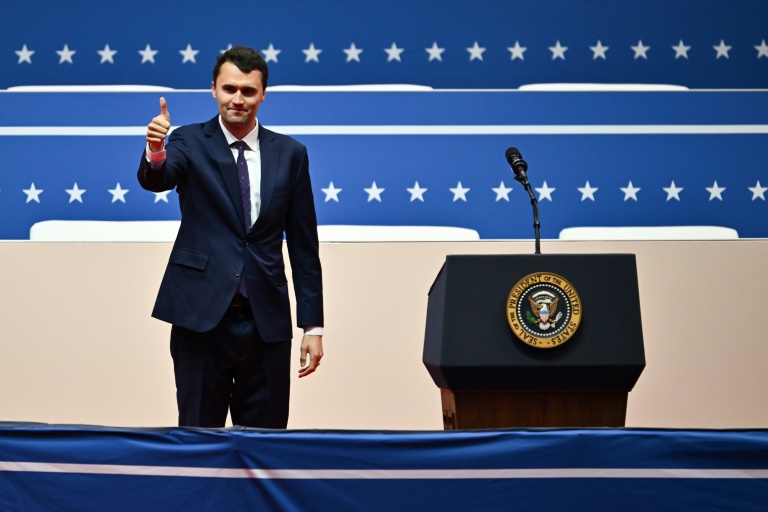
PHOENIX — Arizona will not rename the Loop 202 freeway after conservative activist Charlie Kirk following Democratic Gov. Katie Hobbs’ veto of a Republican-backed bill on Friday, March 27, 2026, in a move that reignited partisan tensions over public memorials and the legacy of the slain Turning Point USA founder.

Hobbs rejected Senate Bill 1010, which sought to designate the entire 78-mile Loop 202 — also known regionally as the Red Mountain Freeway, Santan Freeway and Congressman Ed Pastor Freeway — as the “Charlie Kirk Loop 202.” The legislation, sponsored by Senate President Warren Petersen, would have required the Arizona Department of Transportation to install a “reasonable amount” of new signage bearing the name while retaining existing regional designations.
In her veto message, Hobbs acknowledged Kirk’s assassination as “a tragic and horrifying act of violence” but argued that renaming roadways should remain a nonpartisan process rather than “the center of political games.” She emphasized adherence to existing traditions for highway naming, which typically involve broader consensus and avoid direct legislative overrides of established protocols.
The bill passed the Republican-controlled Senate on Feb. 18 and the House on March 18 along party lines, with no Democratic support. It arrived on Hobbs’ desk shortly before the veto, marking the second recent rejection of Kirk-related legislation after she blocked a specialty license plate proposal earlier in March.
Background on Charlie Kirk and the Proposal
Charlie Kirk, who founded Turning Point USA in 2012 as a college student, built the organization into a major conservative youth movement with headquarters in the Phoenix area near portions of Loop 202. Kirk, 32 at the time of his death, was assassinated in September 2025 in what authorities described as a targeted attack. His killing drew widespread condemnation across political lines while intensifying debates over political violence and free speech.
Supporters of the renaming, primarily Republicans, viewed the measure as a fitting tribute to Kirk’s influence on young conservatives and his Arizona roots. They argued the freeway’s proximity to Turning Point USA’s operations made the honor symbolically appropriate and that swift legislative action honored his memory without unnecessary delay.
Critics, including Democrats and some transportation advocates, contended that the bill bypassed standard naming procedures, which often require community input, time for public reflection and avoidance of politicizing infrastructure. Opponents noted that Loop 202 already carries multiple sectional names honoring diverse figures, including the late Democratic Congressman Ed Pastor, and warned against setting a precedent for rapid, partisan-driven renamings.
Hobbs’ Veto Rationale and Political Context
In statements accompanying the veto, Hobbs stressed that government acts like highway naming “should remain nonpartisan” and not become tools for political theater. Her message echoed language from the earlier license plate veto, signaling a consistent stance against what she described as rushed commemorations tied to recent tragedies.
The veto comes amid Arizona’s deeply divided political landscape. Republicans hold majorities in both legislative chambers, but Hobbs’ position as a Democratic governor elected in 2022 gives her veto power, which the GOP would need a two-thirds majority to override — a high bar unlikely to be met on this measure.
The Loop 202, a key east-west and southern beltway around metropolitan Phoenix, serves heavy commuter traffic in the East Valley and connects growing suburbs. Daily drivers on segments like the Red Mountain or Santan portions will continue seeing existing signage without the addition of Kirk’s name.
Reactions from Lawmakers and Advocates
Republican leaders expressed disappointment. Senate President Petersen and other sponsors framed the bill as a simple, meaningful honor for a prominent Arizonan whose work inspired thousands. Some conservatives accused Hobbs of politicizing the issue herself by blocking a tribute to a victim of violence.
Democratic lawmakers and progressive groups welcomed the veto, arguing it preserved the integrity of public infrastructure decisions and prevented the freeway system from becoming a battleground for ideological score-settling. Transportation experts noted that frequent renamings can confuse drivers and increase costs for signage and mapping updates.
Turning Point USA issued a statement mourning the veto while reaffirming commitment to Kirk’s vision of engaging young people in conservative principles. The organization stopped short of immediate calls for an override, focusing instead on continuing Kirk’s legacy through programming.
Broader Implications for Memorial Naming in Arizona
The episode highlights ongoing debates in Arizona and nationally over how states commemorate public figures, especially in polarized times. Highway naming has long served as a low-cost way to honor veterans, civil rights leaders, politicians and community icons, but rapid legislative pushes tied to recent events have sparked concerns about precedent.
Arizona maintains processes for naming through the state transportation board, which typically allows for community proposals and review periods. Critics of SB 1010 said the bill short-circuited those safeguards, potentially opening the door to future disputes over other roadways.
Similar controversies have played out elsewhere, with debates over renaming bridges, buildings or parks after polarizing figures. In Arizona, the veto aligns with Hobbs’ pattern of rejecting measures she views as overly partisan, including previous attempts at symbolic legislation.
As of March 29, 2026, no immediate plans for an override vote had been announced, and Loop 202 signage will remain unchanged. The Arizona Department of Transportation confirmed it would not proceed with any modifications related to the failed bill.
Kirk’s Enduring Influence Despite the Veto
While the freeway will not bear his name, Kirk’s impact on Arizona conservatism remains significant. Turning Point USA continues operations from its Phoenix-area base, hosting events, training activists and influencing campus politics nationwide. Supporters point to his role in mobilizing young voters and promoting limited government as reasons his memory deserves public recognition, even if not through infrastructure.
Opponents counter that true legacies are built through ideas and actions rather than government-mandated signage, and that hasty memorials risk diminishing the gravity of public honors.
The veto closes one chapter in the post-assassination discussion around Kirk but is unlikely to end broader conversations about political violence, youth engagement and how Arizona balances commemoration with neutrality in public spaces.
For commuters on Loop 202, daily drives through the East Valley and South Mountain areas will proceed without new tributes or added signage costs. The 78-mile corridor, vital for connecting Phoenix suburbs and relieving traffic on parallel routes like Interstate 10, retains its current mix of regional designations honoring both bipartisan figures and geographic features.
As Arizona’s legislative session continues, observers expect further clashes over symbolic bills, with Hobbs positioned as a check on Republican priorities in a divided state. Whether future proposals for Kirk-related honors emerge — or similar measures for other deceased leaders — remains to be seen.
In the meantime, the Loop 202 freeway stands as a reminder of infrastructure’s role in everyday life and the challenges of assigning symbolic meaning in an era of deep political division.
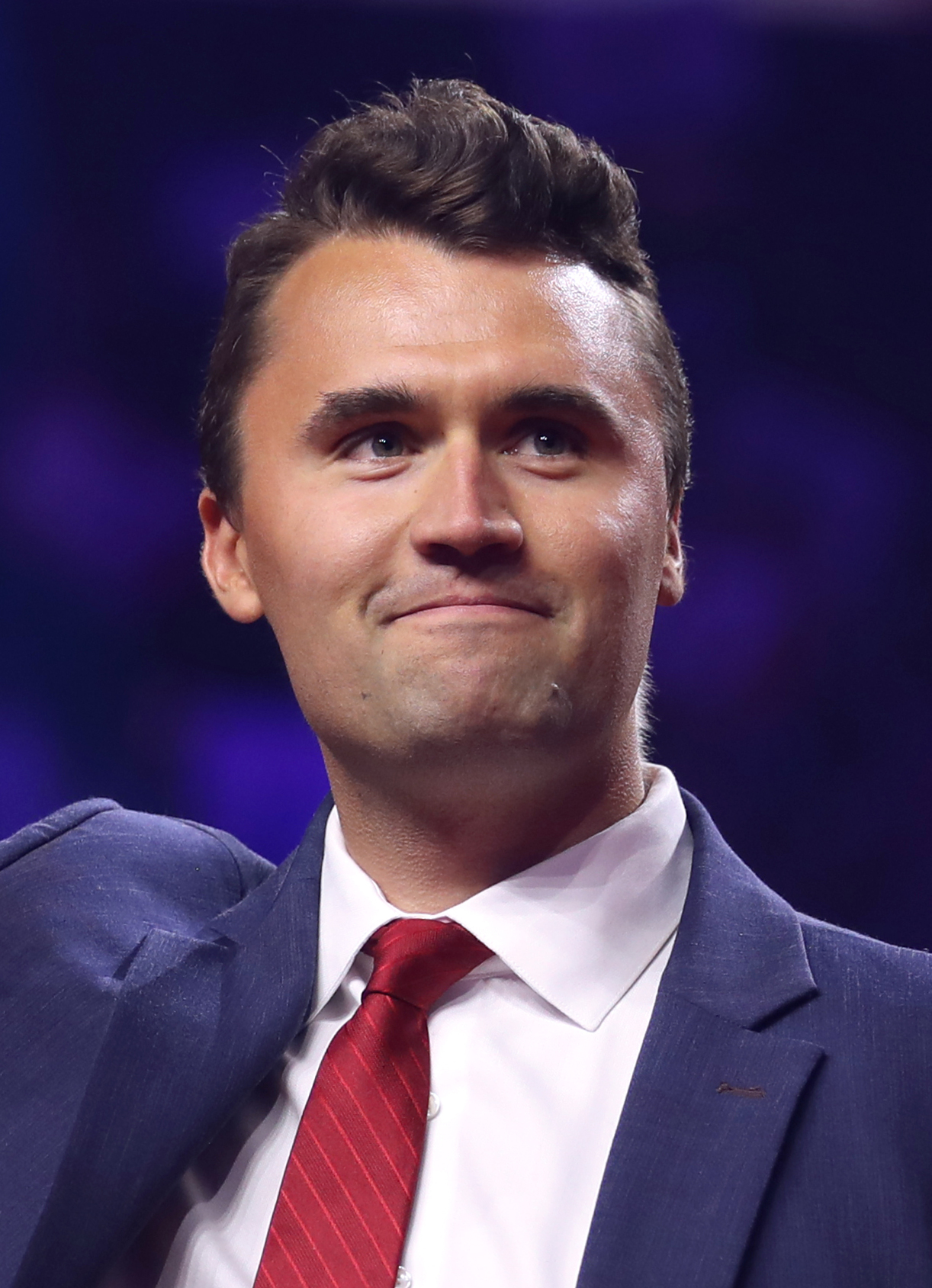
PHOENIX — More than six months after his assassination in September 2025, the words of Charlie Kirk, the founder of Turning Point USA, remain a rallying point for conservatives across the United States, with tributes, calendars and social media posts keeping his message of faith, freedom and personal responsibility alive into March 2026.

Kirk, who built Turning Point USA into a major force for engaging young people in conservative principles, was known for his sharp rhetoric on limited government, free markets and cultural issues. Though controversy surrounded some of his statements, supporters highlight quotes emphasizing resilience, liberty and moral courage as central to his legacy.
Here are 10 powerful quotes attributed to Kirk that continue to circulate widely in conservative circles, often featured in memorials, podcasts and online discussions as of late March 2026.
1. “Never give up, never surrender, and always go for the win.”
This battle cry from Kirk’s 2020 book “The MAGA Doctrine” encapsulated his approach to activism and debate. Supporters say it reflected his refusal to concede ground in campus discussions or political fights, urging persistence even against strong opposition.
2. “Freedom is meaningless without personal responsibility.”
Frequently cited in tributes, this quote underscores Kirk’s belief that liberty requires individual accountability rather than reliance on government. It appears in collections of his legacy quotes and resonates with those arguing against expansive social programs.
3. “Socialism cannot survive when people are free to think for themselves, and America will never be a socialist country.”
Kirk repeatedly warned against socialist policies during speeches and his radio show. The line, highlighted in recent economic discussions amid 2026 policy debates, reflects his view that open discourse and individual thought naturally resist collectivist ideas.
4. “Greatness requires the liberty and the drive to make the most of yourself.”
Drawn from his writings, this quote emphasizes opportunity in a free society. Kirk often contrasted this vision with what he saw as progressive constraints on ambition, a theme that continues in conservative commentary on education and economic mobility.
5. “If you believe in something, you need to have the courage to fight for those ideas — not run away from them or try and silence them.”
This call for open debate and intellectual courage was central to Kirk’s campus outreach. In 2026 reflections on free speech, it is invoked amid ongoing campus controversies and discussions about political violence following his death.
6. “Leadership is not about popularity; it’s about doing what is right.”
Kirk stressed principle over polls in his activism. The quote gains renewed attention in 2026 as conservatives debate strategy ahead of midterm elections, with some framing it as a guide for standing firm on issues like border security and parental rights.
7. “Freedom is not free; it must be fought for and defended.”
A recurring theme in Kirk’s talks, this echoes traditional conservative warnings about vigilance against threats to liberty, both external and internal. It appears in faith-based and patriotic tributes circulating online.
8. “This too shall pass.”
One of the personal philosophies Kirk shared in interviews, including what some describe as his final reflections. Paired with biblical references like Romans 8:28 (“God works all things for good for those who love Him”), it offered encouragement during difficult times and is now used in memorials to honor his resilience.
9. “Protecting individual liberty from the tyrannical forces of government is the idea our nation was built upon.”
Kirk frequently argued that the Founders prioritized limited government. This quote surfaces in discussions of federal overreach, regulation and constitutional originalism in 2026 policy debates.
10. “I want to be remembered for courage for my faith. That would be the most important thing. The most important thing is my faith.”
In statements about his personal priorities, Kirk placed Christian faith above political success. This quote features prominently in religious conservative circles, where supporters remember him as much for evangelism as activism.
Kirk’s Enduring Influence and the Context of His Words
Born in 1993, Kirk launched Turning Point USA as a college student in 2012 with a mission to counter what he saw as liberal dominance on campuses. Through debates, events and media appearances, he became one of the most recognizable young conservative voices, authoring books and hosting “The Charlie Kirk Show.”
His assassination in September 2025 — described by authorities as a targeted attack while speaking to students — shocked the nation and prompted widespread condemnation. In the months since, reactions have ranged from grief among supporters to debates over his more provocative statements on race, immigration and culture.
Some quotes, such as comments on diversity initiatives or specific demographic observations, have drawn sharp criticism and accusations of divisiveness. Defenders argue many were taken out of context or part of broader discussions on merit, standards and free inquiry. Outlets like BrainyQuote and Wikiquote preserve a range of his public remarks, while tribute collections focus on themes of perseverance and principle.
As of March 2026, Kirk’s words appear in 2026 motivational calendars, Turning Point programming and social media campaigns. Republicans in Arizona, where Turning Point maintains a significant presence, have pushed symbolic honors, though recent legislative efforts — such as renaming a freeway segment — faced vetoes from Democratic Gov. Katie Hobbs.
The quotes continue to fuel conversations about youth conservatism, free speech on campus and the role of faith in public life. Supporters say Kirk’s emphasis on courage, responsibility and unapologetic defense of American principles offers a roadmap amid cultural shifts and political polarization.
Critics counter that some rhetoric contributed to division, and that true legacy should be examined through both inspirational and controversial elements. Regardless of perspective, the volume of shares, tributes and discussions demonstrates that Kirk’s voice — silenced on a campus he sought to engage — echoes louder in death for many on the right.
Turning Point USA continues operations, hosting events and training that invoke Kirk’s foundational mission of promoting “freedom, free markets and limited government.” His family and colleagues have spoken of carrying forward a message rooted in optimism, faith and action rather than victimhood.
For those encountering Kirk’s quotes in 2026, they represent more than soundbites. They distill a worldview that prioritized individual agency, skepticism of centralized power and unyielding commitment to what he saw as timeless American ideals.
Whether inspiring a new generation of activists or sparking debate, these 10 lines capture the essence of a figure who rose rapidly, spoke boldly and left an indelible mark on conservative politics before his life was cut short at age 31.
As America navigates another election cycle and ongoing cultural conversations, Kirk’s words — for better or worse — remain part of the national discourse he helped shape.
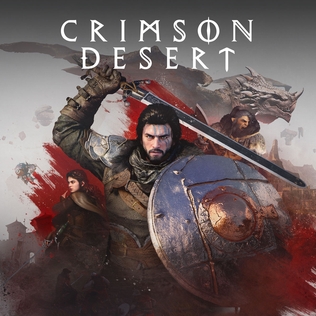
PYWEL, CONTINENT — Pearl Abyss rolled out Crimson Desert update 1.01.00 on March 28, 2026, introducing five new summonable mounts, reduced loading times and multiple player-requested improvements just days after the open-world action-adventure game’s March 19 launch.

The patch, already live on Steam with PlayStation rollout beginning March 29 at 5:20 UTC, marks the second major post-launch update for the title that has sold more than 3 million copies worldwide.
Players, addressed as “Greymanes” in official notes, welcomed the changes amid early feedback on controls, travel and inventory management in the vast single-player world of Pywel.
New Legendary Mounts Expand Exploration Options
One of the headline features in Version 1.01.00 is the addition of five permanent summonable mounts: the White Bear, Silver Fang, Snowwhite Deer, Rock Tusk Warthog and Icicle Edge Alpine Ibex.
Developers responded directly to player requests for more variety beyond basic horses and a dragon companion. These legendary mounts promise to enhance traversal across Pywel’s expansive landscapes, which players have compared favorably in scale to titles like Red Dead Redemption 2 and The Elder Scrolls V: Skyrim.
The mounts join existing options and allow for faster, more engaging movement during quests, combat and free exploration in the action-packed fantasy setting.
Technical Improvements Target Player Pain Points
Loading times saw significant reductions for fast travel and revival sequences, addressing one of the most common early complaints. Glide stamina received adjustments, and overall performance tweaks reportedly delivered frame rate gains of 10-20 FPS for some players on mid-range hardware.
Control refinements continued from previous patches, building on Version 1.00.03’s keyboard-and-mouse improvements and gamepad adjustments. A new “Refinement Coin” system lets players temper equipment up to Stage 4 without extra materials, streamlining progression.
Other quality-of-life updates include relocated private storage chests, clearer prompts for using keys on locked doors, increased health restoration from food and items, and expanded fast travel points via additional Abyss Nexuses.
These changes reflect Pearl Abyss’ commitment to rapid iteration, a hallmark of the studio known for its long-running MMO Black Desert Online.
Strong Sales Follow Launch Amid Mixed Early Feedback
Crimson Desert launched March 19, 2026, simultaneously across PC (Steam, Epic Games Store), PlayStation 5, Xbox Series X|S and macOS after multiple delays from its original timeline. Pre-loading began March 17.
The game surpassed 2 million units sold in its first 24 hours and reached 3 million copies within roughly four days, positioning it as one of 2026’s biggest commercial successes.
Critically, it earned generally positive reviews for its brutal real-time combat, visually stunning environments powered by the Blackspace Engine, and deep character-driven story following protagonist Kliff and the scattered Greymanes mercenary group after a devastating ambush by the Black Bears.
However, launch versions drew criticism for control issues—particularly keyboard and mouse support—some technical bugs and difficulty spikes. Steam reviews initially dipped before climbing to “Mostly Positive” after earlier patches like 1.00.03, which added storage options, boss balancing and health item tweaks.
Pearl Abyss issued a statement addressing player discomfort with controls and pledged ongoing fixes. The studio also faced scrutiny over the use of generative AI for certain 2D placeholder assets, prompting a full audit and replacement plan.
Post-Launch Support Signals Long-Term Vision
The quick release of substantive patches—1.00.03 on March 23-25 and now 1.01.00—demonstrates Pearl Abyss’ responsiveness. Earlier updates improved movement, added camp storage and eased some early-game challenges based on community input.
During a recent shareholder meeting, the company outlined plans for free post-release content, story expansions and potential DLC, depending on sales performance. No paid multiplayer mode was confirmed, keeping the focus on the single-player narrative experience.
Players can expect continued support, including hotfixes already issued for Mac Steam and PlayStation versions.
Crimson Desert follows Kliff as he seeks to reclaim power and unite allies across Pywel in a world of relentless action, dragon mounts, jetpack-like traversal elements and boss encounters that reward skillful combat.
The game’s mature-rated combat emphasizes brutal, physics-driven fights with multiple playable characters and weapon varieties, set against a backdrop of political intrigue and survival.
As one of the most anticipated new IPs of 2026, Crimson Desert’s post-launch trajectory will likely hinge on how effectively Pearl Abyss maintains momentum through updates while delivering on its ambitious open-world promises.
Fans can check full patch notes on the official Crimson Desert website. The game remains available in Standard, Deluxe and Collector’s Editions across all platforms.
With rapid improvements and strong sales, the title appears poised to build on its early success as developers refine the experience in the weeks and months ahead. Whether exploring on a new Icicle Edge Alpine Ibex or gliding with improved stamina, Greymanes now have more tools to carve their destiny in Pywel.
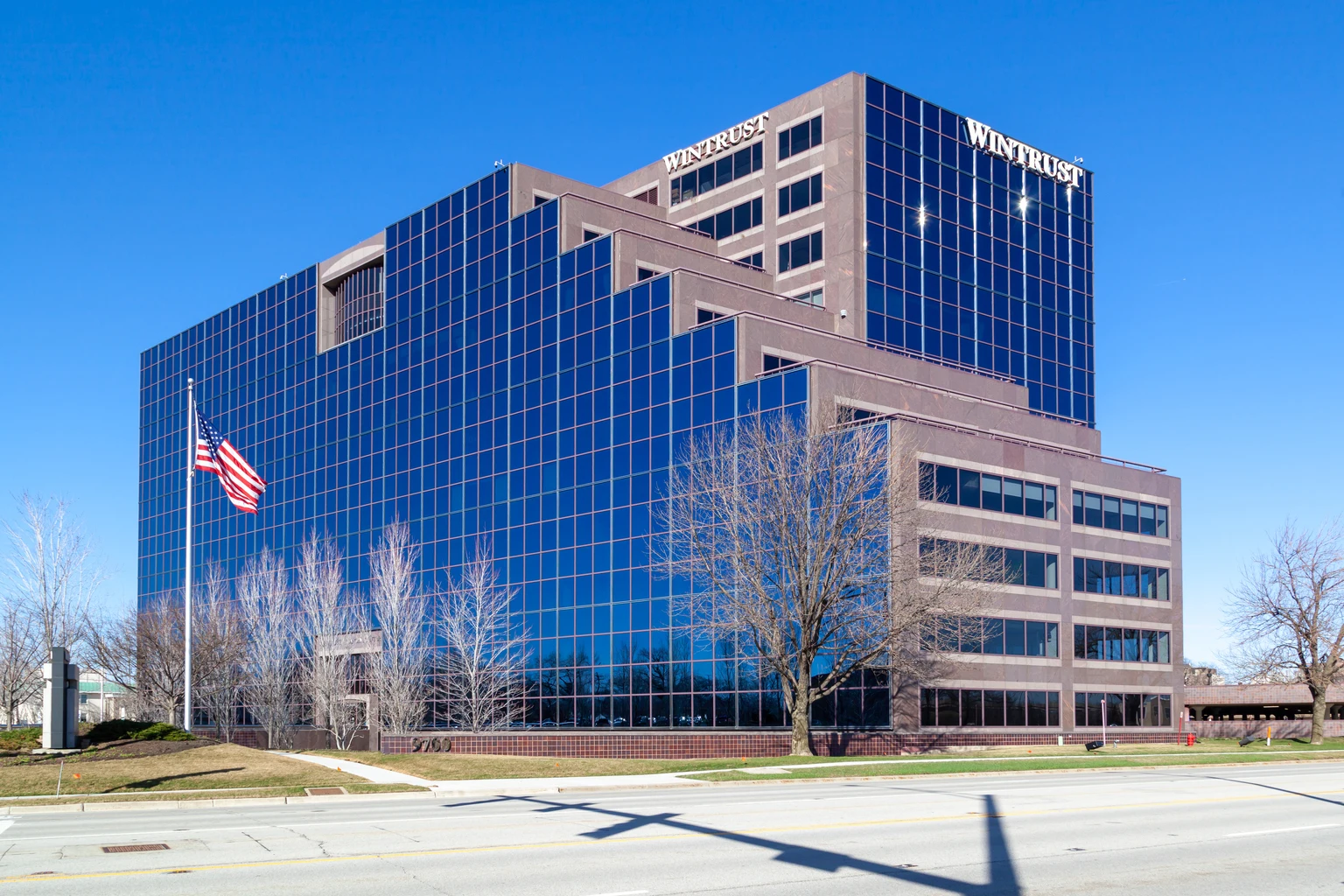
Wintrust Financial: Premium Franchise, But Macro Concerns Keep Upside Capped
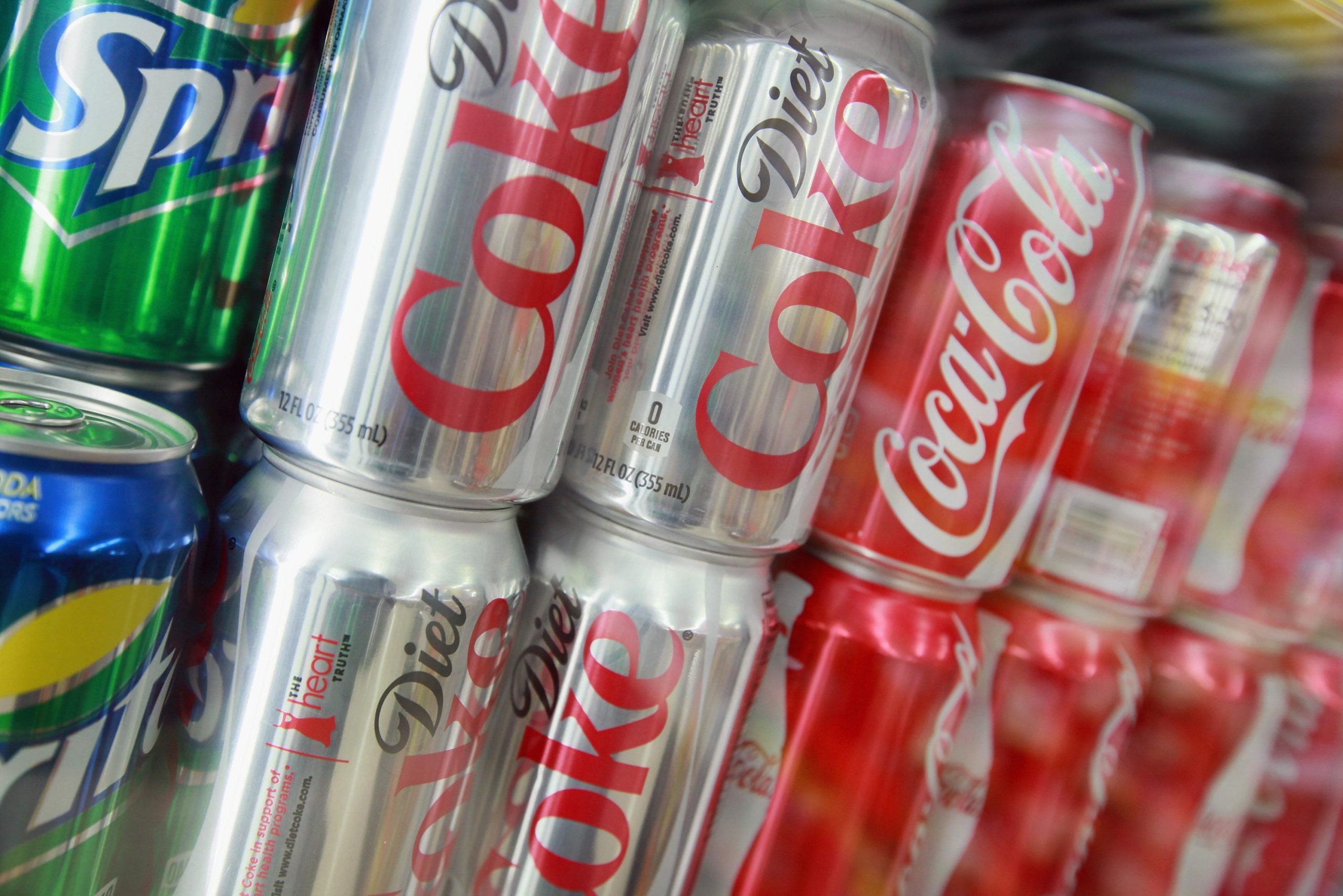
SYDNEY — Australians are drinking fewer sugar-sweetened sodas and other sweetened beverages than a decade ago, with consumption dropping sharply among children, but overall soft drink intake per capita hovers around 82 liters annually as zero-sugar and diet options gain ground, according to the latest government and industry data released in 2025 and early 2026.

The Australian Bureau of Statistics reported in September 2025 that just 28.9% of people consumed sweetened beverages on a given day in 2023, down from 42.2% in 2011–12 and 49.2% in 1995. Among children aged 2 to 17, the figure plummeted from nearly three in four in 1995 to one in four in 2023.
Despite the decline in sugary options, apparent per capita consumption of soft drinks stood at about 164.8 milliliters daily in the 2024 financial year, or roughly 60 liters annually, with industry forecasts projecting a slight rise to 81.7–82 liters per person in 2025–26.
Health experts and public health groups continue to highlight links between even moderate soda consumption and risks of obesity, type 2 diabetes and dental problems, while the industry points to voluntary sugar reductions and a surge in low- and no-sugar varieties now accounting for more than half of sales.
Declining Sugary Drink Consumption Masks Shifts in Preferences
The National Nutrition and Physical Activity Survey data showed broad declines across age groups under 50 for soft drinks and flavored mineral waters, which fell from 29.1% of people in 2011–12 to 23.8% in 2023. Cordial consumption dropped even more dramatically, from 16.2% to 3.4%.
Apparent consumption figures from the ABS, tracking sales and supply, revealed soft drinks contributing 169 grams per person daily in 2023–24, up 2.2% from the prior year but part of a mixed picture within the broader non-alcoholic beverages market that reached 4.17 billion liters in Q3 2024.
Low- and no-sugar options drove much of the recent stability or modest growth. The Australian Beverages Council’s sugar reduction pledge, launched in 2018 by major players including Coca-Cola Europacific Partners, Asahi and PepsiCo, targeted a 20% cut by 2025 from 2015 levels and was later upgraded to 25%. By 2023, low- and no-sugar varieties represented 55.5% of sales volumes, up from previous years, with sugar content per 100ml falling to 4.94 grams.
IBISWorld analysts noted a 1.1% rise in soft drink consumption projected for 2025–26, fueled by sugar-free purchases as consumers opt for cheaper non-alcoholic alternatives amid cost-of-living pressures and “mindful drinking” trends. Fast-food combo meals also boosted volumes.
Diet soft drinks specifically showed steady market growth, with revenue projected to reach US$368.9 million by 2025 at a 3.3% compound annual growth rate.
Socioeconomic and Geographic Disparities Persist
Consumption patterns vary significantly by location and disadvantage. New ABS data released in March 2026 showed shoppers in the most socioeconomically disadvantaged 20% of areas purchased 26% more sugar-sweetened drinks than the national average, while those in the least disadvantaged areas bought 29% less.
In very remote areas, soft drink consumption ran 54% higher than in major cities, and bottled water was 74% higher, reflecting differences in access and preferences.
Men, younger adults and those in lower socioeconomic groups remain higher consumers of sugar-sweetened beverages, raising equity concerns for public health interventions.
Health Risks Drive Calls for Stronger Action
Public health organizations link excessive soda consumption to Australia’s obesity rates — about 32% of adults and 8.1% of children classified as obese — and rising chronic disease burdens. Sweetened beverages contribute about one-quarter of free sugars in the diet, with discretionary foods and drinks accounting for 31% of daily energy intake in 2023, down slightly from 35.4% in 2011–12.
A 2025 Monash University-led study following more than 36,000 adults found that drinking one can of artificially sweetened soft drink daily was associated with a 38% higher risk of type 2 diabetes, compared to 23% for sugar-sweetened versions, though the sugar-sweetened link weakened after adjusting for obesity measures.
Globally, sugar-sweetened beverages contribute to millions of new diabetes and cardiovascular cases annually, with Australia’s patterns aligning with broader Western trends of declining but still significant intake.
The Australian Medical Association and Public Health Association of Australia have renewed calls for a health levy on sugar-sweetened beverages, modeled on international examples. A proposed 50 cents per 100 grams of added sugar could add about 20 cents to a standard can. Polling showed 56% public support for such a tax, with even higher backing for better labeling (83%) and marketing restrictions to children (73%).
The federal government has so far resisted a sugar tax, favoring education and industry self-regulation instead. A 2024 parliamentary inquiry into diabetes recommended considering a graduated levy, but no legislation has advanced.
Industry Responds With Reformulation and Innovation
Major manufacturers emphasize progress on the voluntary pledge and innovation in functional and zero-sugar drinks. Coca-Cola Europacific Partners holds about 50% of the Australian soft drink market, with the sector generating billions in revenue and employing thousands.
Carbonated beverages alone were valued at AUD 11.43 billion in 2025, projected to grow at 3.52% annually through 2035. The broader non-alcoholic beverages market is expected to nearly double to USD 47.81 billion by 2033.
Zero-sugar sodas are overtaking full-sugar options in many segments as consumers seek better-for-you choices without sacrificing flavor. Electrolyte and energy drinks showed the fastest growth in recent apparent consumption data.
Critics argue voluntary measures fall short and note the industry’s historical opposition to taxes, including lobbying and policy substitution through pledges.
Outlook: Balancing Taste, Health and Policy
As Australia grapples with high rates of overweight and obesity, soda consumption trends reflect a population increasingly aware of health impacts yet still reaching for convenient, affordable beverages. The shift toward intense-sweetened (artificial) options — 43.1% of soft drink volume in 2023–24 — raises new questions about long-term metabolic effects.
Experts recommend comprehensive strategies: clearer front-of-pack labeling, restrictions on marketing to children, promotion of water as the default, and consideration of fiscal measures proven effective elsewhere.
With the sugar reduction pledge target year of 2025 now passed, stakeholders will watch whether further reformulation occurs or if consumption rebounds with economic pressures.
For now, the data suggests progress in reducing traditional sugary soda intake, particularly among the young, but persistent disparities and emerging risks from alternatives mean the conversation on Australia’s beverage habits is far from over.
Public health advocates stress that even small population-level reductions in free sugars from beverages could yield significant gains against chronic disease.
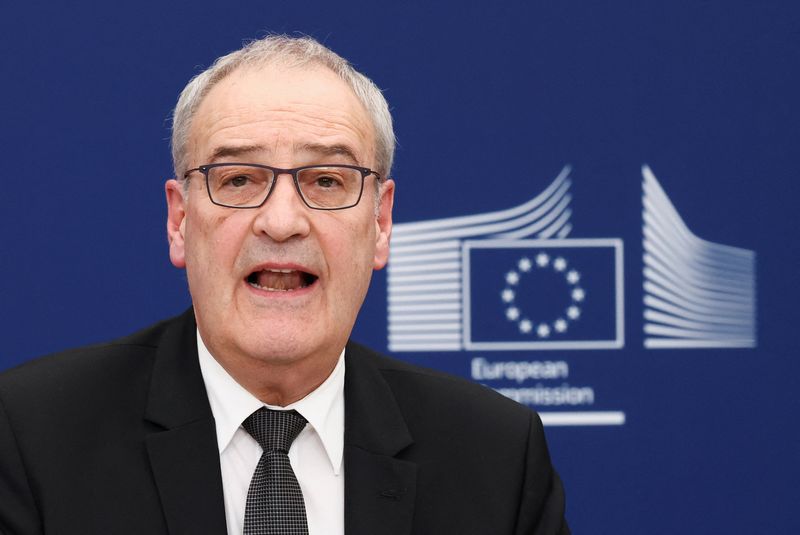

Swiss president says U.S. trade talks to continue beyond March
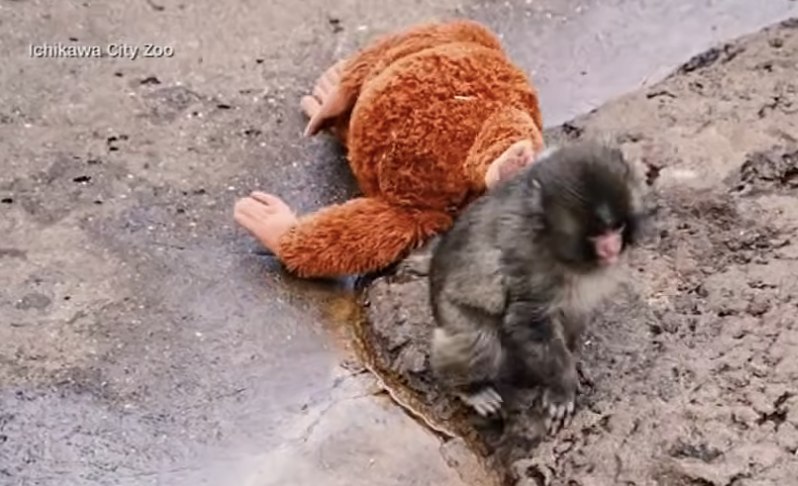
ICHikawa, Japan — A tiny Japanese macaque named Punch has become one of the internet’s most beloved animal stars in early 2026, melting hearts worldwide with his story of rejection, resilience and an inseparable bond with a stuffed orangutan plush toy.

Born on July 26, 2025, at Ichikawa City Zoo in Chiba Prefecture, Punch — whose full Japanese name is Panchi-kun — was rejected by his mother shortly after birth. Zookeepers stepped in, providing him with an IKEA Djungelskog orangutan plushie as a surrogate for comfort and emotional support. Videos of the seven-month-old snow monkey dragging, cuddling and parading his “Oran-Mama” around the enclosure exploded on social media in February 2026, sparking global fascination.
Here are five fun facts about Punch the Monkey that explain why this pint-sized primate has captured millions of fans:
- His Name Honors a Legendary Manga Artist Punch’s name derives from “Monkey Punch,” the pen name of the late Japanese manga artist Kazuhiko Katō, creator of the iconic “Lupin the Third” series. Zoo officials chose the name for the baby macaque, adding the affectionate “-kun” honorific common in Japanese for young boys or cute characters. This pop-culture nod gave the little snow monkey instant recognizability in Japan and among anime fans worldwide.
- His Plush Toy Triggered Global Shortages The well-worn orange IKEA Djungelskog plushie that Punch treats as a surrogate mother became so famous that it sold out in multiple countries. Resale prices skyrocketed on secondary markets, with some units fetching several times their original $20 price. IKEA even acknowledged the phenomenon, and the company reportedly donated additional plushies to the zoo. Fans now affectionately call the toy “Oran-Mama” or “Oran-Mother.”
- He Sparked a Tourism Boom at His Zoo Since Punch’s videos went viral, monthly visitor numbers at Ichikawa City Zoo have more than doubled. Long lines of fans, many traveling from across Japan and abroad, now form to catch a glimpse of the celebrity monkey. The zoo has embraced the attention, posting regular updates on Punch’s progress as he gradually integrates with the troop while still occasionally relying on his plush companion.
- His Story Echoes Classic Attachment Theory Scientists and psychologists have drawn parallels between Punch’s behavior and Harry Harlow’s famous 1950s experiments on rhesus monkeys and surrogate mothers. Punch’s attachment to the soft orangutan plush mirrors how infant primates seek comfort from “contact comfort” sources. Experts say his story provides a touching real-world example of emotional bonding and resilience in primates.
- He Inspired His Own Video Game Punch’s popularity inspired “Zoo Fighter,” a free web-based game created by former Fortnite developer Richie Branson. Players control Punch as he fights off bullying monkeys in a Vampire Survivors-style brawler, eventually earning his way to a sanctuary. The game even includes his signature plush toy as part of the character design and carries a light message about zoo animal welfare.
From Heartbreak to Hope
Punch’s early life was challenging. After his mother rejected him, he struggled to bond with the rest of the macaque troop and faced instances of aggression captured on video. These clips initially caused widespread concern and sadness among viewers, but zoo officials emphasized that such behavior is part of normal primate socialization. Recent updates show Punch making positive progress — grooming peers, playing with other young monkeys and relying less heavily on his plushie while still keeping it close.
At around 2 kilograms (4.4 pounds) in early 2026, Punch continues to grow and develop under close zoo supervision. Japanese macaques, also known as snow monkeys, are famous for their adaptability and hot-spring bathing habits in wild populations, though Punch’s life remains centered in the controlled environment of the zoo.
Why Punch Resonates So Deeply
The global reaction to Punch goes beyond simple cuteness. Many viewers project their own experiences of rejection, loneliness or the search for comfort onto the little monkey. His story has sparked conversations about animal emotions, zoo ethics, attachment and human empathy. Supporters have used hashtags such as #HangInTherePunch, and positive updates about his integration with the troop have brought collective relief.
Animal behaviorists note that while anthropomorphizing animals can sometimes distort understanding, Punch’s case offers genuine insights into primate social dynamics and the importance of early bonding. The zoo has balanced public interest with the animals’ welfare, limiting direct interaction while sharing carefully curated videos.
Cultural and Commercial Impact
Punch’s fame has extended into merchandise trends, meme culture and even scientific discussion. His story highlights the power of social media to turn a single zoo animal into an international sensation almost overnight. It also demonstrates how digital platforms can drive real-world outcomes, such as increased zoo attendance and awareness of primate care.
As Punch approaches his first birthday in July 2026, fans continue to follow his journey eagerly. Zoo officials promise ongoing updates, and many hope he will fully integrate into the troop while retaining his playful, plushie-loving personality that first won hearts.
For now, Punch the Monkey remains a symbol of resilience — a small primate who turned early hardship into an outsized global embrace. Whether cuddling his orangutan friend or exploring new social bonds, he continues to remind audiences of the universal need for comfort, connection and a little kindness.

Apple’s long-awaited entry into the foldable smartphone market with its rumored iPhone Fold could pose a serious challenge to Samsung’s dominance in the category when it launches in late 2026, though analysts say Samsung’s years of refinement and ecosystem advantages will make victory far from certain.

Rumors point to a premium book-style foldable iPhone arriving in September or December 2026, featuring a near-crease-free 7.8-inch inner display and 5.5-inch outer screen, titanium build and Apple’s signature software polish. Samsung, meanwhile, is preparing the Galaxy Z Fold 8 for a mid-2026 release, with possible wider variants to counter Apple directly.
Supply chain reports suggest Apple has ramped up orders for foldable displays to 20 million units, signaling confidence that its first foldable could outsell Samsung’s entire foldable lineup in its debut year. Samsung aims for around 7 million foldable units across its Z Fold, Z Flip and potential TriFold models in 2026.
Design and Hardware Showdown
Early leaks describe the iPhone Fold as ultra-thin — potentially just 4.8mm unfolded — with a minimalist aesthetic, in-display sensors and a focus on durability to minimize visible creases. This contrasts with Samsung’s Z Fold series, which has steadily improved but still shows some crease and bulk in current models. The Galaxy Z Fold 7, released in 2025, measures about 4.2mm unfolded and offers an 8-inch inner display with strong multitasking features.
Samsung is reportedly developing a “Wide Fold” variant for 2026 with a squarer aspect ratio to better compete with Apple’s rumored proportions. Both devices are expected to emphasize productivity, with larger inner screens ideal for split-view apps, note-taking and media consumption.
Apple’s strengths lie in its tightly integrated hardware-software ecosystem, potentially delivering smoother animations, better battery optimization and seamless handoff between devices. Samsung counters with more mature foldable-specific features, larger screen real estate options, S Pen support on some models and faster charging.
Software and Ecosystem Edge
iOS on a foldable could bring Apple’s renowned optimization, with dynamic app resizing, Stage Manager-like multitasking and deep integration with iPadOS and macOS. Samsung’s One UI on Android already offers advanced foldable features such as Flex Mode and multi-window support, refined over seven generations.
Analysts note that Apple’s late entry allows it to learn from Samsung’s missteps — such as early durability issues and prominent creases — while leveraging its massive installed base of iPhone users who may upgrade for the novelty and premium experience.
Pricing and Market Positioning
Pricing remains a major question. The iPhone Fold is rumored to start above $2,000, possibly reaching $2,400, positioning it as a ultra-premium device. Samsung’s Z Fold 8 is expected to hold steady around $1,800–$2,000, potentially offering better value for power users seeking maximum screen size.
Apple’s brand power and marketing muscle could drive strong initial demand, especially among loyal customers seeking the “first foldable iPhone” prestige. However, Samsung benefits from established supply chains, lower production costs through experience and broader carrier partnerships.
Challenges for Apple
Entering the foldable segment late means Apple must deliver near-perfection to justify the hype. Durability concerns, battery life in a thin chassis and the lack of a stylus could limit appeal for productivity-focused buyers who already own Samsung foldables.
Samsung, by contrast, continues iterating rapidly. The company plans multiple foldable models in 2026, including potential TriFold designs, giving consumers more choices and allowing it to test different form factors.
Potential for Disruption
Many analysts believe Apple can capture significant market share quickly due to its ecosystem lock-in and reputation for premium devices. If the iPhone Fold delivers a crease-free experience, superior cameras and long-term software support, it could accelerate mainstream adoption of foldables beyond the current niche.
Yet Samsung’s head start, aggressive innovation and willingness to experiment — evidenced by rumored wide and TriFold variants — position it to defend its lead. The South Korean giant has sold millions of foldables and refined hinge technology over years.
Global foldable shipments continue growing, but remain a fraction of overall smartphone sales. Apple’s participation could validate the category and expand the total addressable market, ultimately benefiting both companies.
Outlook for 2026 and Beyond
The 2026 foldable battle could reshape the premium smartphone landscape. Apple’s iPhone Fold may not “beat” Samsung outright in its first year due to Samsung’s maturity and pricing flexibility, but it stands a strong chance of stealing headlines, premium market share and mindshare.
Success for Apple will hinge on execution: delivering a reliable, desirable device that feels distinctly Apple while addressing foldable pain points. For Samsung, the challenge is staying ahead through continuous improvement and variety.
Consumers stand to benefit most from the competition, with better displays, thinner designs and innovative features likely emerging from both camps. As launch dates approach, expect intensified leaks, marketing teasers and speculation about which company will ultimately fold the competition.
For now, the foldable race remains wide open, with Samsung holding the experience advantage and Apple wielding its legendary ability to refine and popularize emerging technologies.
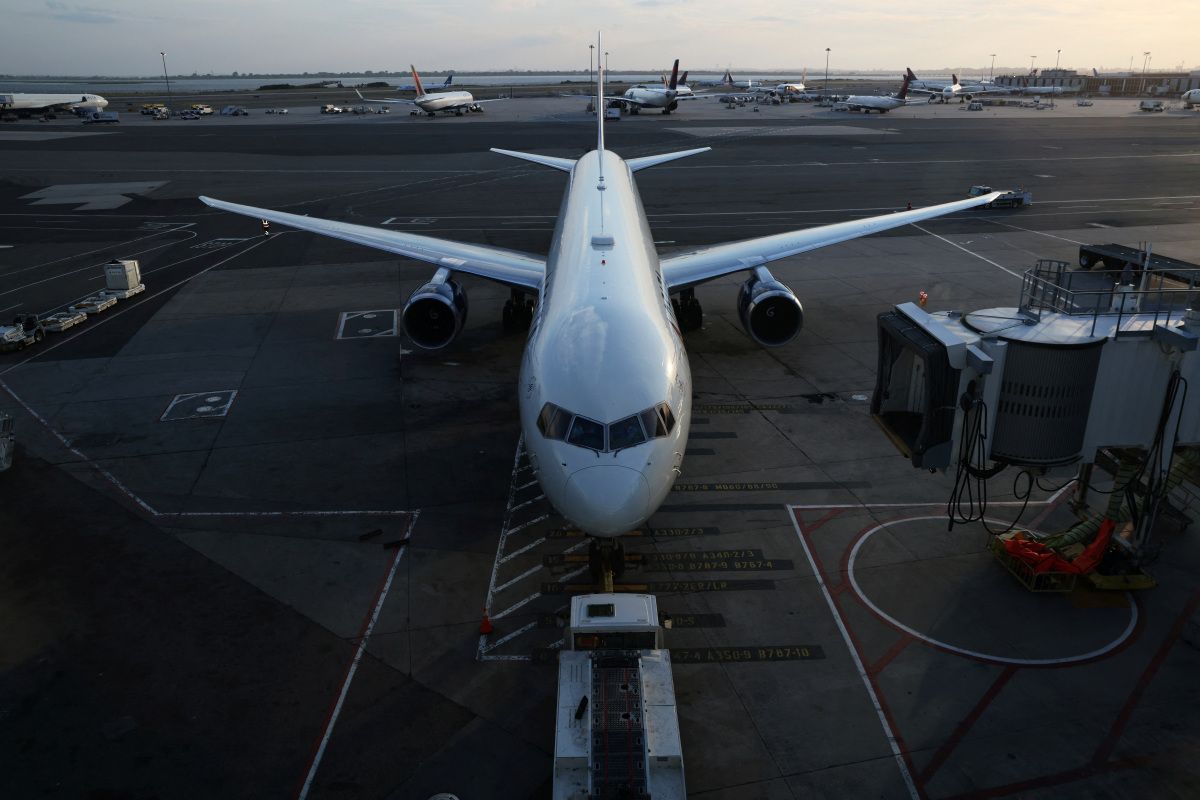
NEW YORK — Travelers at John F. Kennedy International Airport faced significantly extended security lines on Sunday, March 29, 2026, as partial government shutdown-related TSA staffing shortages continued to disrupt operations at one of the nation’s busiest gateways.

Officials warned passengers to allow substantially more time than usual, with some terminals reporting waits exceeding 60 minutes while others remained relatively manageable but still subject to rapid changes.
JFK Airport’s official website noted that security wait times “may be significantly longer than normal” due to the federal funding lapse. Real-time reporting has been temporarily suspended or limited at several checkpoints because of volatility tied to TSA officer call-outs. Airport authorities advised passengers to arrive at least three to four hours before domestic flights and even earlier for international departures to avoid missing flights.
Current Conditions Across Terminals
As of late Sunday morning and early afternoon reports:
- Terminal 5 (primarily JetBlue and international carriers): General TSA lines exceeded 60 minutes at times, with some travelers reporting waits of 90 minutes or more during peak periods. TSA PreCheck offered faster passage, often under 10 minutes when lanes remained open.
- Terminal 4 (major international hub): General security around 9–35 minutes, with PreCheck under 5–10 minutes.
- Terminal 1, 7, and 8: Shorter general waits of 1–22 minutes in calmer periods, though staffing fluctuations caused lines to build quickly.
Third-party trackers and traveler reports indicated average waits across JFK hovering between 25 and 62 minutes depending on the time of day and terminal, with early morning and evening rushes proving most challenging. Some PreCheck lanes still provided relief, but even expedited options occasionally faced backups.
Causes of the Delays
The partial government shutdown has driven TSA call-out rates dramatically higher than normal, sometimes exceeding 30–40% at major hubs like JFK. Officers deemed essential continue working without regular pay, leading many to miss shifts or seek supplemental income. This has reduced checkpoint capacity even as spring travel demand remains robust.
JFK, which handles tens of millions of passengers annually with heavy international traffic, is particularly sensitive to staffing shortages. Long lines have stretched outside some terminals, prompting deployment of additional support staff, including ICE officers in limited assisting roles at certain checkpoints. Airport officials have added rope lines and signage to manage crowds, but the situation remains fluid.
Traveler Experiences and Advice
Social media and news reports over recent days showed frustrated passengers sharing images of crowded terminals and warning others to build in extra buffer time. Many described arriving four hours early only to clear security with time to spare on lighter days, while others missed flights due to unexpected surges.
Tips for flying through JFK during this period include:
- Check the official JFK Airport website (jfkairport.com) or your airline app immediately before leaving for the airport for the latest alerts.
- Enroll in TSA PreCheck or CLEAR if possible to reduce screening time.
- Follow the 3-1-1 liquids rule and pack carry-ons efficiently to avoid secondary screening.
- Monitor flight status closely, as security delays can cascade into gate issues.
- Consider off-peak flights when feasible to avoid morning and evening rushes.
- Stay hydrated and prepare for potential waits by bringing snacks and entertainment.
The MyTSA app, which normally provides crowd-sourced wait times, has limited functionality during the shutdown, forcing greater reliance on airport websites and real-time traveler posts.
Broader Impact on New York Area Travel
JFK is not alone — neighboring LaGuardia and Newark Liberty International airports have also reported elevated waits, though conditions vary by day and terminal. The shutdown’s effects have rippled through the entire New York metro travel ecosystem, affecting connections and ground transportation.
Airlines have adjusted some schedules and issued flexible rebooking policies, but passengers missing flights due to security delays generally must rebook at their own expense unless covered by specific airline protections or travel insurance.
Outlook and Potential Relief
Negotiations to resolve the funding impasse continue, with some lawmakers expressing urgency over the impact on travelers and federal workers. Even if resolved soon, experts warn that restoring full TSA staffing could take days or weeks due to training and scheduling requirements.
In the meantime, JFK officials continue monitoring conditions closely and may update advisories as needed. Travelers are encouraged to remain flexible and proactive in their planning.
The situation at JFK underscores the critical role of consistent federal staffing in maintaining efficient air travel at major hubs. While some checkpoints have seen temporary improvements during off-peak hours, the overall environment remains challenging and unpredictable for those passing through Queens this weekend and into the coming week.
Passengers with questions can contact their airline directly or check TSA’s limited resources. For non-security emergencies at the airport, reach JFK customer service or local authorities.

10 Greatest Sci-Fi TV Shows You Can Binge in One Week, Ranked

Public transport fares waived in two Australian states to combat rising fuel costs | UK News

The Ferrari Star Embracing 2026 Challenges and Life Beyond the Track


-
 NewsBeat4 days ago
Manchester United reach agreement with Casemiro over contract clause amid transfer speculation
-

 News Videos3 days ago
Parliament publishes latest register of MPs’ financial interests
-

 Sports6 days ago
Remo Stars and Kano Pillars Strengthen Survival Hopes in NPFL
-

 Sports6 days ago
Gary Kirsten Accuses Pakistan Cricket Board Of ‘Interference’, Mohsin Naqvi Responds
-

 Business7 days ago
No Winner in March 21 Drawing as Prize Rolls to $133 Million for Next
-

 Tech7 days ago
Give Your Phone a Huge (and Free) Upgrade by Switching to Another Keyboard
-

 Tech7 days ago
AI enters the chat: New Seattle dating app relies on tech to facilitate meaningful human connections
-

 Business3 days ago
Instagram, YouTube Found Responsible for Teen’s Mental Health Struggle in Historic Ruling
-

 News Videos6 days ago
Ch 9 Financial Management Part 1 | Detailed One Shot | Class 12 Business Studies Boards 2026
-

 NewsBeat2 days ago
The Story hosts event on Durham’s historic registers
-
 NewsBeat4 days ago
Tesco is selling new Cadbury Dairy Milk bar and people can’t wait to try it
-

 Sports6 days ago
2026 Kentucky Derby horses, odds, futures, preview, date: Expert who hit 12 Derby-Oaks Doubles enters picks
-
 Entertainment12 hours ago
Lana Del Rey Celebrates Her Husband’s 51st Birthday In New Post
-
 NewsBeat7 days ago
Update on Wisbech river crash as search for teenage boy enters fifth day
-

 Tech6 days ago
Samsung will soon let you control smart home devices from your car’s dashboard
-
 Entertainment6 days ago
Cynthia Bailey Dishes on ‘RHOA’ Season 17, Discusses Kandi
-

 Fashion5 days ago
Does It Matter What You Wear When You’re Laid Off and Looking?
-
 NewsBeat6 days ago
Colombian military plane with 110 soldiers onboard crashes following takeoff
-

 Business5 days ago
More women enter wealth management, but few in advisory roles: study
-

 Sports4 days ago
Fantasy Baseball Week 1 Preview: Top sleeper hitters for both five- and 12-day period led by Munetaka Murakami
You must be logged in to post a comment Login