Expectations for UK interest rates have shifted dramatically after the surge in global oil prices triggered by the widening conflict in the Middle East, with investors now increasingly betting that borrowing costs could rise rather than fall in 2026.
Financial markets are pricing in roughly a 70 per cent chance that the Bank of England will increase interest rates by a quarter percentage point before the end of the year, a stark reversal from expectations only a fortnight ago when traders anticipated multiple rate cuts.
Just two weeks earlier, markets had predicted that the Bank would begin reducing its base rate from the current 3.75 per cent, with the first cut expected at the Monetary Policy Committee meeting scheduled for 19 March.
Instead, the escalating war involving Iran, Israel and the United States has dramatically reshaped the economic outlook by sending energy prices sharply higher and threatening a fresh surge in global inflation.
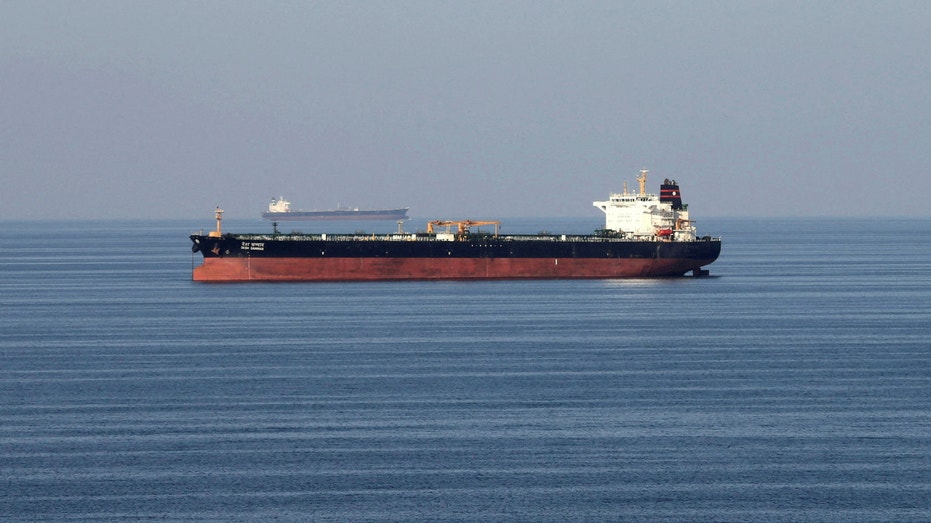
The shift in interest rate expectations has been driven primarily by a rapid escalation in oil prices following disruptions to shipping routes through the Strait of Hormuz.
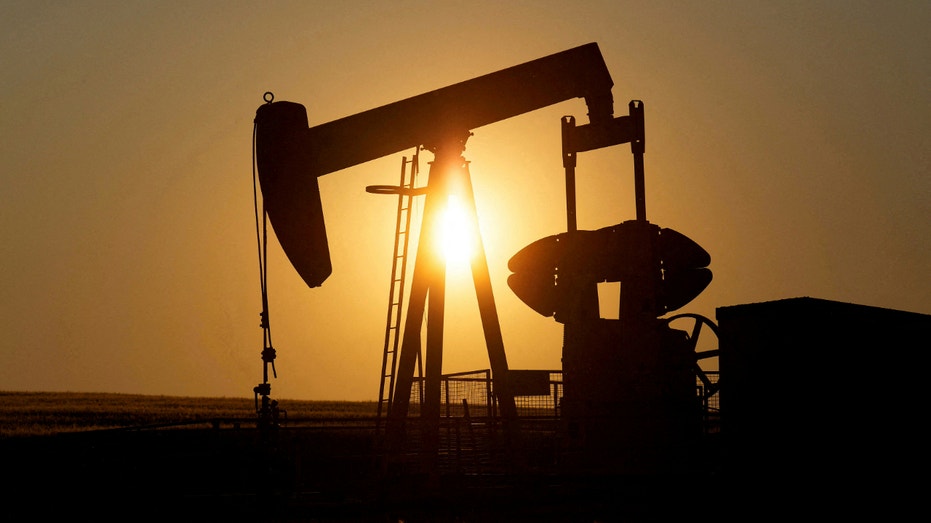
The international oil benchmark Brent crude oil surged nearly 30 per cent within days, briefly trading just below $120 per barrel, its highest level since the energy crisis of 2022.
At the same time, the US benchmark West Texas Intermediate crude oil recorded its largest weekly gain on record as traders feared a prolonged disruption to global energy supplies.
The Strait of Hormuz. which carries around one-fifth of the world’s oil exports, has effectively been closed to normal commercial shipping following Iranian threats to target vessels using the route.
Energy traders warn that continued disruption could lead to sustained shortages of oil and gas in global markets.
While rising oil prices pose a global inflation risk, the UK economy is considered especially vulnerable because of its heavy reliance on imported natural gas to heat homes and power electricity generation.
Wholesale gas prices in Britain have already surged in response to the conflict, raising concerns that household energy bills could spike again later this year.
Industry analysts have warned that the UK energy price cap could increase by as much as £500 during the summer if current wholesale gas prices persist.
Higher energy costs would likely feed through into transport, food production and manufacturing supply chains, pushing overall inflation significantly higher.
Economists at Deutsche Bank forecast that UK inflation could approach 4 per cent by the end of 2026, double the Bank of England’s official 2 per cent target if the conflict continues to disrupt energy markets.
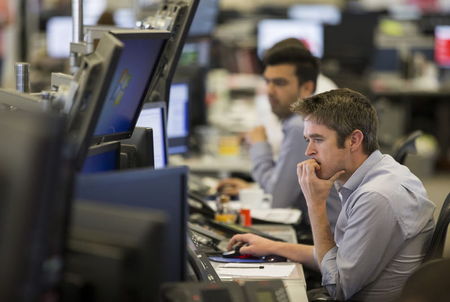
The sudden change in expectations has triggered heavy turbulence in UK government bond markets.
The yield on the benchmark ten-year gilt, a key measure of government borrowing costs, has jumped by around 0.4 percentage points in a week to 4.74 per cent, marking the sharpest increase among major developed economies.
Bond yields rise when investors sell government debt, signalling expectations of higher inflation or tighter monetary policy.
Analysts said the move represented the most intense sell-off in UK bonds since the financial turmoil triggered by the 2022 “mini-budget” announced by former Prime Minister Liz Truss.
Short-term borrowing costs have risen even faster. The yield on two-year gilts, which are particularly sensitive to interest rate expectations, surged by as much as 0.25 percentage points in a single trading session.
The rapid repricing of financial markets reflects the view that central banks may now have to maintain tighter monetary policy for longer in order to contain inflationary pressures.
Dario Perkins, head of global macro at the economic consultancy TS Lombard, said the oil shock had fundamentally altered the outlook for interest rates.
“Inflation is already overshooting targets and, in policymakers’ minds, that makes expectations more fragile,” he said. “For now, all rate cuts have been postponed.”
The shift is not limited to the UK. Investors are also beginning to price in the possibility that the European Central Bank could raise interest rates later this year, reflecting the eurozone’s heavy reliance on imported energy.
Major central banks around the world are now reassessing the economic impact of the Middle East conflict.
Next week both the ECB and the Federal Reserve will announce their latest interest rate decisions.
Speeches from ECB president Christine Lagarde and Federal Reserve chair Jerome Powell are expected to focus heavily on how the oil shock may influence inflation, economic growth and interest rate policy.
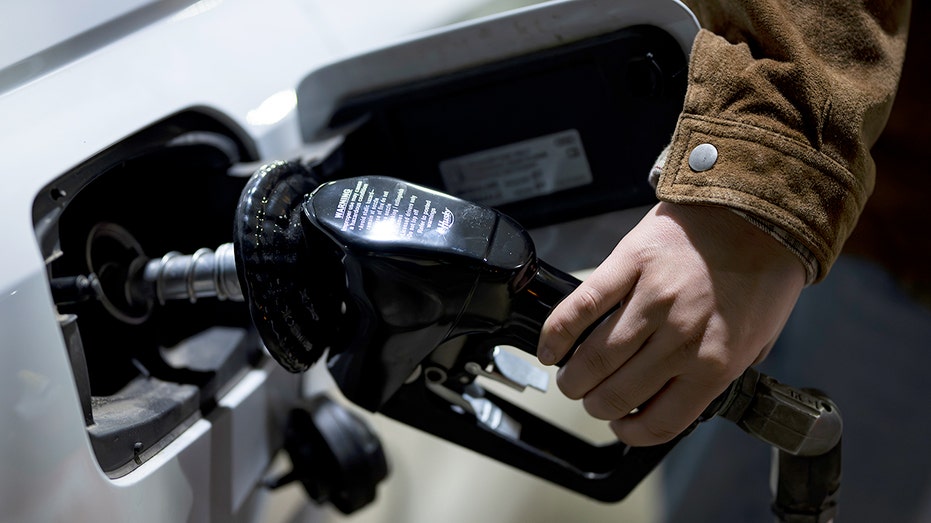
The United States is somewhat more insulated from global energy price shocks because of its large domestic shale oil industry, although petrol prices have already climbed to their highest levels since mid-2024.
The shift in expectations has already begun feeding through into the UK housing market, where lenders are adjusting mortgage pricing in anticipation of higher borrowing costs.
Banks and building societies base mortgage rates on financial market expectations of future interest rate movements, particularly through swap markets.
Several major lenders have already begun raising rates on new home loans.
Nationwide Building Society increased some mortgage products by 0.25 percentage points last week, while HSBC and Coventry Building Society confirmed that similar increases would follow.
Higher mortgage rates could slow activity in the housing market just as it had begun recovering from the turbulence caused by rising borrowing costs in recent years.
The potential impact of sustained energy price increases extends far beyond monetary policy.
Economists warn that higher fuel costs could also drive up food prices, particularly if fertiliser supplies are disrupted by the closure of shipping routes in the Persian Gulf.
If oil and gas prices remain elevated for an extended period, the resulting inflationary pressures could force central banks to maintain tighter financial conditions even as economic growth weakens.
For policymakers at the Bank of England, the challenge is increasingly clear: balancing the need to control inflation while avoiding further damage to an already fragile economy.
Amy Ingham
Amy is a newly qualified journalist specialising in business journalism at Business Matters with responsibility for news content for what is now the UK’s largest print and online source of current business news.