Connect with us
DAPA Banner

Business

Bristol likened to Tolkien’s Mordor in Gloucestershire devolution debate

Published

on

Business Live

Tewkesbury councillors are divided on whether to join the West of England Combined Authority or Three Counties devolution partnership

Colourful houses in Totterdown, Bristol, sit in shadow as the sun rises and begins to strikes the city behind on a cold and frosty morning. Picture date: Thursday January 13, 2022. PA Photo. Photo credit should read: Ben Birchall/PA Wire

Colourful houses in Totterdown, Bristol(Image: Ben Birchall/PA Wire)

Bristol has been compared to JRR Tolkien’s fictional realm of Mordor during a debate on Gloucestershire’s devolution options, with councillors saying they would rather “remain in The Shire” alongside Herefordshire and Worcestershire.

Advertisement

Local government is undergoing reorganisation throughout England, and as part of this process the county would form partnerships with neighbouring authorities to take strategic decisions across a broader region.

The Bristol-focused West of England Combined Authority (WECA) is the favoured choice for Gloucestershire among the leadership of six of the county’s seven principal councils, and is regarded as the strongest option economically.

However, Tewkesbury Borough Council wishes to keep open the possibility of joining Herefordshire and Worcestershire in a Three Counties combined authority.

A discussion on the alternatives at the council earlier this week evoked imagery from fantasy novel The Lord of the Rings, as one senior Conservative councillor drew parallels between the city of Bristol and the desolate, fortress realm of Mordor.

Advertisement

Winchcombe Councillor David Gray said: “I looked for an analog in terms of Gloucestershire and how we might integrate and I found one in terms of an area that is peaceful, a rural life, farms, rolling hills and beauty and that is The Shire in the Lord of the Rings.

“And if I think about that, Mordor looks to me very like Bristol in that analogy.”

Conservative David Gray (left) is a Councillor for Winchcombe at Tewkesbury Borough Council. FREE TO USE FOR ALL PARTNERS. CREDIT: GCC

Conservative David Gray (left) is a Councillor for Winchcombe at Tewkesbury Borough Council(Image: Local Democracy Reporting Service / GCC)

He is concerned that joining WECA would result in much of the funding being allocated to the Bristol area, leaving Gloucestershire at a disadvantage. He suggested this would make it unavoidable that portions of the county would be drawn into the city’s sphere of influence.

“I don’t like visiting Bristol,” he told the Tewkesbury Borough Council meeting on April 7.

Advertisement

“Bristol, to me, is not a cool place to visit. It’s a place you want to get out of as soon as possible. So in that light, I recognise all the economic arguments as to why we might go with favouring WECA but I do think that it makes sense to us on this one to sit on the fence.”

He argued that earnest thought should be devoted to the prospect of combining with Worcestershire and Herefordshire to establish a Three Counties combined authority.

“That has got many advantages and culturally, there is a lot more for us in that area,” he said.

“We can be our own cool kids in terms of having the best environment, the best nature, the best rivers. All of the things Gloucestershire has to offer.”

Advertisement

Fellow Conservative Councillor Paul McLain (Highnam with Haw Bridge) differed from Cllr Gray in his view of Bristol, expressing his affection for the city and having no objections to WECA.

But he did not regard it as the optimal solution for the county and voiced apprehension about the danger of Gloucestershire absorbing additional housing from the Bristol region.

“Here in Tewkesbury we’re used to being something of a dump for Gloucester and Cheltenham,” he said.

“I take no schadenfreude from Gloucestershire becoming a housing dump for the rest of WECA, but that is certainly a concern.”

Advertisement

He continued by stating he wouldn’t “reference Mordor and The Shire” but did assert the finest cider originates from the Three Counties rather than Somerset.

‘We love you Bristol’

“Much as I love Somerset cider, the best ciders come from Herefordshire, Worcestershire and Gloucestershire orchards,” he said.

Near the conclusion of the session, he suggested Gloucestershire ought to keep an open perspective regarding its choices.

“If we end up with WECA, we don’t want to burn those bridges but by the same token we as an authority, I think, need to show that we at least have considered both options and we are open minded.

Advertisement

“While many of us might prefer The Shire, and, I’m not saying Bristol is Mordor. It’s not. We love you Bristol. I do love Bristol but my inclinations go with those cider makers.”

At present, there’s no definitive timeline from ministers regarding which region, if any, Gloucestershire will align itself with.

Continue Reading
Click to comment

You must be logged in to post a comment Login

Leave a Reply

Business

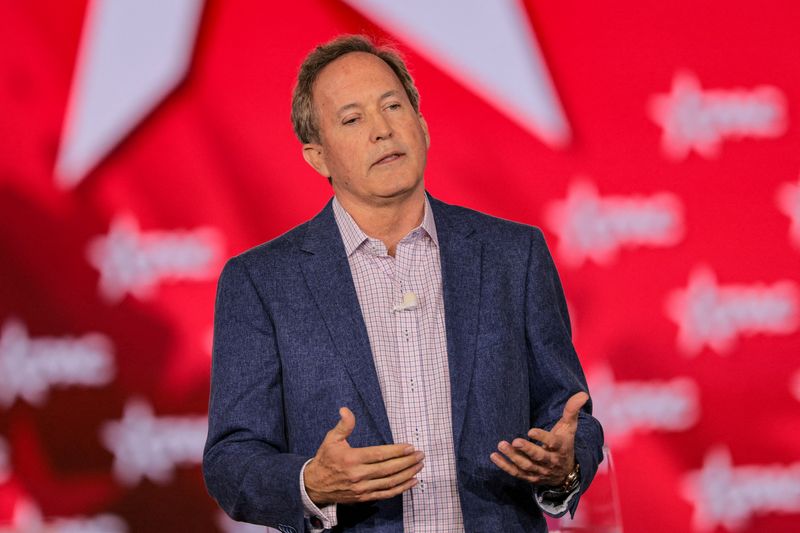
ActBlue sues to block Texas attorney general’s ’retribution’ lawsuit

Published

on

ActBlue sues to block Texas attorney general’s ’retribution’ lawsuit


ActBlue sues to block Texas attorney general’s ’retribution’ lawsuit

Continue Reading

Business

Japanese PM Takaichi lands in Hanoi to address sharp investment decline – Reuters

Published

on


Japanese PM Takaichi lands in Hanoi to address sharp investment decline – Reuters

Continue Reading

Business

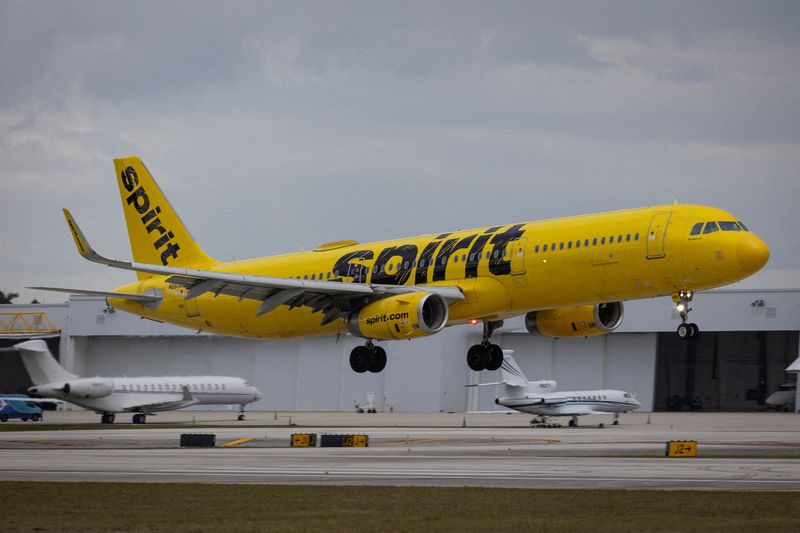
Spirit Airlines prepares to shut down operations overnight, sources say

Published

on

Spirit Airlines prepares to shut down operations overnight, sources say


Spirit Airlines prepares to shut down operations overnight, sources say

Continue Reading

Business

Apple CEO Tim Cook Warns of Extended Memory Crunch as AI Demand Strains Supply Chain

Published

on

Apple chief executive Tim Cook has called generative AI a 'key opportunity' across the iPhone maker's line of products

CUPERTINO, Calif. — Apple CEO Tim Cook on Thursday warned investors of significantly higher memory costs in the coming quarters due to an intensifying global supply crunch driven by artificial intelligence demand, signaling potential pressure on the company’s hardware margins and hinting at a range of mitigation strategies under consideration.

Speaking during Apple’s fiscal second-quarter earnings call, Cook described the memory constraints as an ongoing challenge that the company has managed so far through inventory and supplier relationships but expects to intensify. “We believe memory costs will drive an increasing impact on our business,” he said, adding that Apple would “continue to evaluate” options without providing specifics on pricing adjustments or design changes.

The warning comes as the tech industry grapples with what some analysts have dubbed “RAMageddon” — a shortage of high-bandwidth memory chips essential for AI training and inference. Major cloud providers and AI developers have consumed vast quantities of DRAM and HBM chips, driving prices higher and creating allocation battles among suppliers. Apple, which relies heavily on memory for iPhones, Macs and iPads, is feeling the ripple effects despite its scale and long-term supplier deals.

Apple reported strong quarterly results overall, with revenue beating expectations and services continuing robust growth. However, Cook’s comments on memory highlighted emerging headwinds in the hardware business as the company ramps up AI features across its product lineup. The iPhone maker has invested heavily in on-device AI capabilities, which require substantial memory resources, particularly in flagship devices.

Advertisement

Supply chain experts say the crunch stems from limited manufacturing capacity for advanced memory. Samsung, SK Hynix and Micron dominate production, and their output has been prioritized for AI accelerators from Nvidia and others. Consumer electronics companies like Apple face stiffer competition for remaining supply, leading to higher costs and potential delays. Cook noted Apple navigated the current quarter’s constraints effectively but anticipates greater impact ahead.

Analysts have speculated on Apple’s potential responses. These could include passing some costs to consumers through selective price increases, optimizing designs to use less memory, or securing more long-term supplier contracts. The company has a history of efficient component management, but sustained shortages could challenge its premium pricing strategy. Cook emphasized flexibility in the supply chain remains limited in the near term.

The memory warning arrives as Apple pushes its Apple Intelligence features, which promise enhanced Siri capabilities, writing tools and image generation. On-device processing requires significant RAM, particularly in newer iPhones and Macs. Demand for AI-enabled devices has further strained supply, creating a feedback loop where AI growth drives component shortages that then affect AI device production.

Wall Street reacted cautiously to Cook’s comments. While Apple’s overall results were solid, some investors worried about margin compression if memory costs rise sharply without corresponding price adjustments. Apple has maintained strong gross margins historically through premium positioning and supply chain mastery, but prolonged component inflation could test that track record.

Advertisement

Broader industry implications extend beyond Apple. PC makers, smartphone manufacturers and automotive companies all compete for memory chips. Analysts predict continued volatility through 2026 unless new manufacturing capacity comes online. Governments and companies are exploring ways to diversify supply, including investments in domestic production in the United States and Europe.

Cook’s remarks also underscore Apple’s evolving relationship with the AI boom. While the company has been more cautious than rivals about generative AI, it has steadily integrated machine learning across its ecosystem. The memory crunch highlights the hardware realities behind software ambitions, as even on-device AI requires substantial physical resources.

Apple has not indicated immediate product price changes. The company typically adjusts pricing strategically, often absorbing some cost increases to protect sales volume. However, sustained pressure could force difficult choices, particularly for lower-margin products. Cook’s “range of options” comment suggests internal discussions are underway across engineering, procurement and finance teams.

The earnings call also featured updates on services growth, Mac performance and iPhone demand. Apple reported record quarterly revenue in some segments, demonstrating resilience despite macroeconomic challenges. Services, including App Store, Apple Music and iCloud, continue as a high-margin bright spot less affected by hardware supply issues.

Advertisement

For consumers, the memory crunch may eventually translate to higher device prices or slower availability of certain configurations. Tech enthusiasts tracking component costs have already noted rising DRAM prices in the aftermarket. Apple’s loyal customer base may tolerate modest increases, but broader economic sensitivity could influence purchasing decisions.

Looking ahead, industry watchers will monitor Apple’s next earnings for further updates on memory costs and mitigation efforts. The company’s scale gives it advantages in negotiations, but the AI-driven demand surge represents an unprecedented challenge. Cook’s measured tone suggests Apple is preparing proactively rather than reacting to crisis.

The memory situation exemplifies how AI’s rapid advancement is reshaping the entire technology supply chain. From chips to data centers to consumer devices, the technology’s hunger for resources is creating bottlenecks that could slow innovation or raise costs across the board. Apple’s experience may offer lessons for the wider industry as it navigates this new era of computing.

Advertisement
Continue Reading

Business

EVV: This Fund's Distribution May Continue To Decline Going Forward

Published

on

Janus Henderson Forty Fund Q4 2025 Commentary (MUTF:JACCX)

EVV: This Fund's Distribution May Continue To Decline Going Forward

Continue Reading

Business

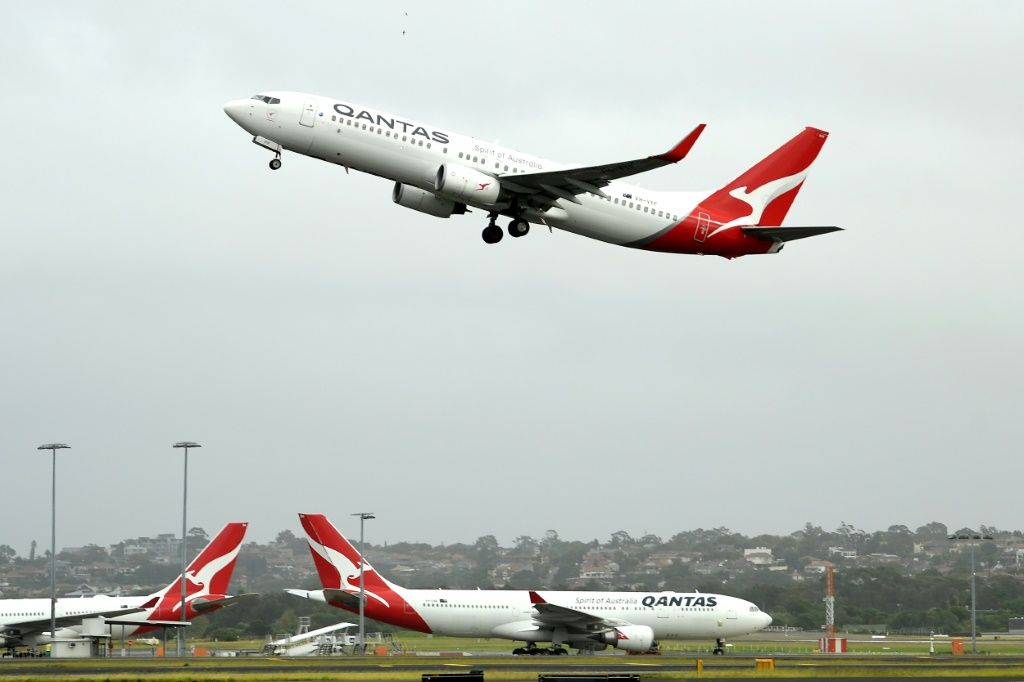
Qantas Jetstar Extend Domestic Cuts Trim NZ Flights as Fuel Crisis Drives Higher Costs

Published

on

Australia's competition regulator said it would block a pricing, code-sharing and scheduling deal between Qantas and Japan Airlines because it would likely mean higher fares for passengers

SYDNEY — Qantas and its low-cost carrier Jetstar are extending domestic flight reductions and trimming services to New Zealand as surging jet fuel prices triggered by Middle East disruptions continue to bite, with the airline group warning of up to AU$800 million in additional fuel costs this financial year.

The moves, announced this week, reflect broader industry pressure as oil prices remain elevated following disruptions in the Strait of Hormuz. Qantas said it would cut thousands more domestic seats in coming months while Jetstar is reducing trans-Tasman and internal New Zealand flights. The decisions aim to match capacity with demand while protecting profitability amid rising input costs.

Qantas CEO Vanessa Hudson cited the ongoing fuel crisis as a key factor. “We are taking decisive action to manage capacity in response to significantly higher fuel prices,” she said in a statement. The group expects fuel costs to surge as much as AU$800 million higher than previously forecast, prompting route adjustments and fare reviews on some services.

Specific domestic cuts include suspension of flights from Melbourne to Hamilton Island and Melbourne to Coffs Harbour from mid-May to late June. Jetstar is halting Sydney to Busselton services until September and Darwin to Gold Coast routes until October. Trans-Tasman reductions affect about 12% of certain Auckland-Sydney and Auckland-Brisbane flights starting in May, with further trims on Auckland-Christchurch and Auckland-Wellington services. Affected passengers are being rebooked or offered refunds.

Advertisement

The fuel crisis stems from reduced oil flows through the Strait of Hormuz, a critical chokepoint for global crude shipments. Geopolitical tensions have driven oil prices higher, with refining margins also elevated due to supply tightness. Airlines worldwide are responding with surcharges, capacity cuts and hedging strategies, but Qantas’ scale in the Australian and New Zealand markets makes its adjustments particularly visible.

Industry analysts say the cuts are prudent but could inconvenience travelers during peak travel periods. Qantas maintains it is prioritizing high-demand routes while trimming less profitable ones. The airline has also raised some fares to offset costs, though it faces competitive pressure from Virgin Australia and international carriers on key routes.

The developments highlight aviation’s vulnerability to energy markets. Jet fuel typically accounts for 20-30% of operating costs for full-service carriers like Qantas. Sharp increases strain margins, particularly for domestic operations where yields are lower than long-haul international flights. Qantas has hedged some fuel exposure but cannot fully insulate against sustained spikes.

New Zealand routes have been particularly affected. Jetstar’s reductions reflect lower demand and higher operating costs on thinner routes. Tourism operators in both countries have expressed concern, as trans-Tasman travel is a key economic driver. Australian visitors are major contributors to New Zealand’s tourism sector, while Kiwis frequently travel to Australia for business and leisure.

Advertisement

Qantas has pledged to monitor the situation closely and restore capacity when fuel markets stabilize. The airline is also exploring efficiency measures, including fleet optimization and operational improvements to reduce consumption. Longer-term, sustainable aviation fuel initiatives could help mitigate volatility, though current production volumes remain limited and expensive.

The fuel crisis coincides with other challenges for the aviation industry. Labor shortages, aircraft delivery delays and regulatory pressures add complexity. Qantas has faced criticism in the past for capacity management during recovery from the COVID-19 pandemic, with accusations of profiteering during high-demand periods. The current cuts, while cost-driven, risk similar backlash if perceived as reducing competition or service quality.

Travelers are advised to check bookings directly with airlines and consider flexible options. Many affected passengers have been rebooked on alternative flights, but peak periods like school holidays may see higher load factors and fewer choices. Industry groups urge consumers to book early and monitor updates as the situation evolves.

Broader economic impacts could emerge if fuel costs remain elevated. Higher airfares contribute to inflation and may dampen consumer spending on travel. Tourism-dependent regions in Australia and New Zealand are particularly exposed. Governments have been monitoring the situation, with some considering targeted support for carriers or tourism operators if disruptions worsen.

Advertisement

Qantas remains optimistic about long-term demand. Domestic and international travel has rebounded strongly post-pandemic, with premium cabins and leisure travel driving revenue. The airline’s loyalty program and diversified businesses provide buffers against pure flying volatility. However, sustained fuel pressure could force more structural adjustments in the network.

As the Northern Hemisphere summer approaches and Southern Hemisphere winter travel patterns shift, airlines globally are adjusting schedules. Qantas and Jetstar’s actions reflect a cautious approach in a volatile energy environment. The coming weeks will reveal whether other carriers follow suit or whether stabilizing oil markets allow capacity restoration.

For now, passengers face a more constrained schedule on some routes as the fuel crisis continues to reshape aviation networks across the region. Qantas has assured customers it is doing everything possible to minimize disruption while protecting the long-term sustainability of its operations.

Advertisement
Continue Reading

Business

Form 10Q Roper Technologies Inc For: 1 May

Published

on


Form 10Q Roper Technologies Inc For: 1 May

Continue Reading

Business

Fermi Says It Terminated Former CEO and Co-Founder

Published

on

Toby Neugebauer earlier this month.

Fermi said Thursday it terminated co-founder and former CEO Toby Neugebauer for cause, an escalation of leadership turmoil at the company that plans to build a giant power and data-center campus in Texas.

In a regulatory filing on Thursday, Fermi said because Neugebauer was being removed for cause, he “was automatically removed from the Company’s board of directors.” Neugebauer couldn’t be reached immediately for comment.

Continue Reading

Business

GoDaddy Inc. 2026 Q1 – Results – Earnings Call Presentation (NYSE:GDDY) 2026-05-01

Published

on

OneWater Marine Inc. (ONEW) Q1 2026 Earnings Call Transcript

Q1: 2026-04-30 Earnings Summary

EPS of $2.05 beats by $0.05

 | Revenue of $1.27B (6.08% Y/Y) beats by $4.12M

This article was written by

Seeking Alpha’s transcripts team is responsible for the development of all of our transcript-related projects. We currently publish thousands of quarterly earnings calls per quarter on our site and are continuing to grow and expand our coverage. The purpose of this profile is to allow us to share with our readers new transcript-related developments. Thanks, SA Transcripts Team

Advertisement
Continue Reading

Business

Air Canada (AC:CA) Shareholder/Analyst Call Transcript

Published

on

OneWater Marine Inc. (ONEW) Q1 2026 Earnings Call Transcript

Vagn Sørensen

[Interpreted] Good morning, shareholders and guests. My name is Vagn Sorensen. I am the Chair of Board of Directors of Air Canada. Welcome to our Annual Meeting of Shareholders.

[indiscernible] Canada’s commitment to indigenous inclusion and reconciliation. Our network crosses many treaty lands as well as unceded and traditional territories of indigenous nations and governments on Turtle Island, that is North America. In that spirit, we recognize the ancestral and traditional lands of the indigenous people we fly over.

[Interpreted] In 2025, Air Canada was honored to support the return of 62 sacred and cultural indigenous artifacts from the Vatican. We carried them back on one of our aircraft. We’re meeting today only a few weeks after the tragic accident at LaGuardia Airport involving Air Canada Express Flight AC8646. On behalf of the Board of Directors, I would like to express our deepest condolences to the family, friends and colleagues of the 2 Jazz pilots who tragically lost their lives.

Advertisement

I also want to express our deepest condolences to the family, friends and colleagues of 2 Jazz pilots who tragically lost their lives. I also want to express our sincerest sympathies to the passengers, crew members and others who were injured or otherwise affected as well as our appreciation to everyone in our company, industry or otherwise, who helped at the time and in the days that followed.

[Interpreted] That tragedy has been felt by all of our Air Canada family. I invite you if you are able to stand and observe a moment

Advertisement
Continue Reading

Trending

Copyright © 2025