

Business
Brokerage that nailed gold, silver bull run targets fresh record highs

Samco’s 3-year target for gold is $7,040 while silver can trade anywhere between $140-210.
Edited excerpts from a chat with the market expert on why the gold and silver bull run isn’t over yet:
Samco was among the first to have given bullish calls on silver which has played out very well. Do you think the white metal has topped out and won’t go back above the $100-mark anytime soon?
We were the first ones to call out a bull market in silver back when it was trading around $23/troy ounce. Silver still remains a high conviction idea with a bullish outlook for the long term. The fundamentals of the silver market which drove the prices from $23 to $121 haven’t changed much. Silver is entering its sixth consecutive year of structural deficit due to inelastic by-product supply and surging demand from solar energy and electric vehicles.

Despite the sharp correction, silver is still outperforming gold. China has classified silver as a strategic asset, restricting exports and driving Shanghai physical premiums to record highs. Silver prices in Shanghai are still quoting at a premium of around $91 compared to $75 in the US. We believe that recent price dips are strategic buying opportunities for a secular bull market that has not yet peaked.
One view in the market is that gold will outperform silver in 2026 and that appears to be playing out as well. What do you think?
The gold to silver ratio had dipped to a low of 43 in January 2026. Over the last 12 years the level of 65 has acted as strong support for the ratio. A falling ratio means gold is underperforming silver and vice versa. Over the last 6 months silver was playing catch up with gold as it was massively undervalued compared to gold which was also one of the reasons for being bullish on silver. Now that silver has caught up and probably even went slightly ahead in terms of outperformance, we are seeing a role reversal and gold will take leadership while silver consolidates.Any targets that you have for both gold and silver?
Ever since gold broke out above the sideways consolidation in December 2023 we have been talking of these three levels – 2,608, 3335, 4750. These are Fibonacci projections drawn from September 2011 peak to December 2015 bottom in gold. The next extension level that comes after this is $7,040. This is a 3-year target that we are holding for gold. Silver normally trades at 2-3% the price of gold in precious metals bull run. So if gold trades at $7,040 then silver could trade anywhere between $140-210 in the same period.
For many investors, asset allocation is going for a toss as equity is struggling and bullion is leading to FOMO. Would you go on the extent of recommending a 50:50 allocation to precious metals and equity for someone who is moderately aggressive but has a 4-5 year horizon?
It cannot happen that you give a 50:50 allocation to equities and gold once and forget about it for the next 4-5 years. Asset allocation will have to be much more dynamic and tactical depending on the macro developments and the investor’s own risk profile. So for someone with an appetite for risk the allocation goes as high as 50% but it may not be suitable for everyone.
If the de-dollarisation theory, linked to rising US debt level, plays out, then we could be seeing a multi-year bull run in gold. What are the odds of that happening from a macro perspective?
US debt currently stands at $39 trillion. According to certain projections, the US is going to add $2.4 trillion in debt each year for the next 10 years. This will push the US debt to $64 trillion by 2036. The US currently spends more than a trillion dollars per year to service this debt. US interest expense and gold price are positively correlated. If the US pays more interest on its debt then naturally it will flood the monetary system with dollars which has been losing its purchasing power over the years.
Richard Nixon took the US dollar off the gold standard on 15 August 1971. Gold prices have grown with a CAGR of 9% since then. If this rate of growth were to continue then gold will trade above $10,000 by 2036.
WGC data shows that central banking buying of gold slowed down in 2025 in volume terms. Is the central bank to gold what FIIs are to Indian largecap stocks?
Central banks bought gold to the tune of 1080 tonnes in 2022, 1050 tonnes in 2023, 1092 tonnes in 2024 and 863 tonnes in 2025. There is a drop of 20% in 2025 compared to 2024. Now compare this with investment demand in gold during the same period: 1125 tonnes in 2022, 951 tonnes in 2023, 1185 tonnes in 2024 and 2175 tonnes in 2025. The demand from investment has nearly doubled. So, although buying has slowed down I don’t think this is going to be a major hurdle for gold prices.
What makes you believe that the entire commodity basket, and not just precious metals, will see a supercycle? Help us understand how the rally in gold, silver and even copper for that matter can spill over to impact oil and gas?
Gold is the leader of all commodities because it responds first to monetary debasement and inflation expectations. Historically, oil lags gold. In the past reflationary cycles of 1971-80 and 2000-2008 too gold led the rally and oil participated later. The current degree of oil’s underperformance relative to gold is unprecedented, suggesting oil is poised for a massive catch-up phase. We believe that we are in a commodity supercycle which is driven by a shift towards hard assets from soft assets. This cycle transcends precious metals because systematic underinvestment has created structural deficits across the entire commodity basket.
For someone who wants to play the commodity or precious metals boom via the equity route, do you think commodity exchange, gold financers, oil producers and miners can also see significant upside?
All of the above are leveraged plays to benefit from the commodity basket. Take gold miners for example. Vaneck Gold Miners ETF tracks the world’s largest gold mining companies. Gold has moved up by 146% since 1st January 2024 but the ETF has moved up by 234% in the same period. So one can definitely ride the commodity supercycle indirectly through the routes you listed above.
Can proxy investing via the equity route beat the returns of owning the commodity itself as operating leverage would be on the side of existing players?
Proxy investing through equities can outperform the underlying commodity because miners and producers have operating leverage. A 10% rise in the commodity price can translate into a much larger increase in earnings due to fixed costs. However, equity returns also embed management risk, capital allocation discipline, debt levels, and valuation multiples, which can dilute that advantage.

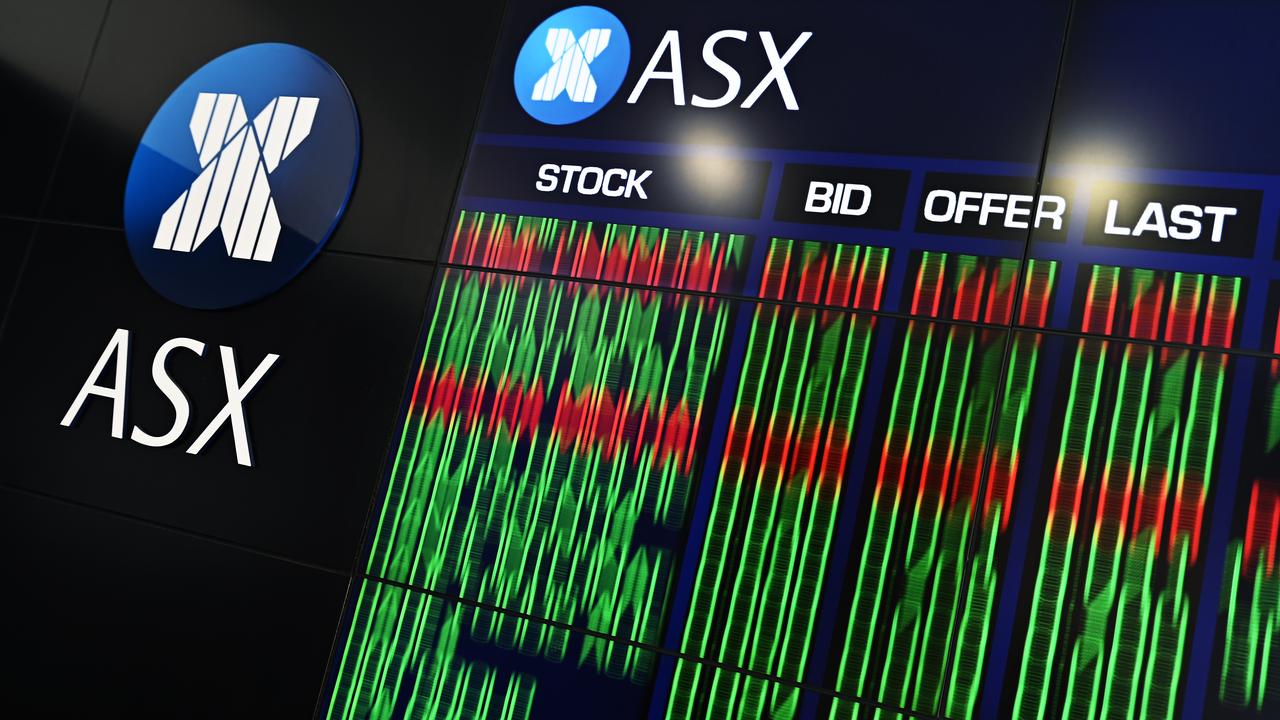
Australia’s share market has clutched its highest Friday close, as earnings season continues to deliver encouraging results for its large caps.
Business
G Shahid Ur Rehman Drives a New Era of Sustainable and Luxury Intercity Travel in South India

(South India) — The intercity transportation sector in South India is witnessing significant evolution over the past three decades, driven in large measure by the leadership of G Shahid Ur Rehman, the man behind Geepee Travels. Assuming responsibility at a notably young age, he transformed a traditional bus operation into a technologically advanced, customer-centric mobility brand serving thousands of passengers across the region.
Today, the company stands as a benchmark for ultra-luxury, sustainable, safe, and affordable intercity bus travel. It is an achievement shaped by foresight, resilience, and disciplined execution.
Early Leadership and Strategic Transformation
From the beginning of his journey, G Shahid Ur Rehman demonstrated a rare blend of entrepreneurial instinct and operational expertise. Taking charge early in life, he carried out both the responsibilities and complexities of leadership. Under his direction, the organization evolved from a conventional intercity transport operator into a modern mobility enterprise defined by service excellence and operational innovation.
Elevating Passenger Experience with Ultra-Luxury Standards
At a time when affordability and comfort were seen as mutually exclusive, he introduced ultra-luxury coach services. Their primary goal was to redefine passenger expectations. Plush seating, enhanced legroom, refined interiors, superior ride quality, and modern onboard amenities became defining characteristics of the fleet.
These enhancements established new benchmarks within the South Indian intercity bus sector, reinforcing the company’s commitment to accessible premium travel.
Commitment to Safety and Sustainability
Luxury and innovation were complemented by a strong focus on safety and environmental responsibility. Recognizing the growing need for sustainable mobility solutions, Rehman spearheaded initiatives to incorporate fuel-efficient and lower-emission vehicles, integrate advanced safety systems, and enforce rigorous maintenance standards.
By aligning premium services with responsible operations, he demonstrated that sustainability, safety, and affordability can coexist within a single business model.
Leading from the Front
A defining feature of his leadership philosophy is active involvement. Rather than managing from a distance, he remains closely engaged in fleet oversight, service quality, customer experience strategies, and technology implementation. This hands-on approach has fostered a culture of accountability, discipline, and continuous improvement across the organization.
Early Adoption of Digital Transformation
Long before digital transformation became a core industry imperative, G Shahid Ur Rehman recognized its disruptive potential. Through collaborations with aggregators and technology partners, Geepee Travels implemented digital booking platforms, real-time vehicle tracking, automated scheduling systems, and data-driven operational insights.
Online reservations, mobile ticketing, transparent fare structures, and streamlined communication channels significantly enhanced passenger convenience while improving operational efficiency. These forward-looking initiatives ensured that the company remained ahead of evolving market demands.
Navigating Industry Challenges with Resilience
For over thirty years of leadership, he has successfully navigated economic cycles, regulatory reforms, industry disruptions, and shifting consumer expectations. His ability to anticipate change and respond with agility is what is instrumental in sustaining growth and maintaining customer trust during challenging periods.
Affordability has remained central to the company’s philosophy. While many operators positioned themselves exclusively within either budget or premium segments, he adopted a balanced strategy of delivering high-end amenities at competitive pricing. This democratization of luxury expanded access to quality intercity transportation across diverse passenger segments.
Industry Influence and Future Outlook
Industry observers acknowledge that his contributions extend beyond Geepee Travels. By elevating service standards and prioritizing technological integration, he has influenced broader operational benchmarks within the South Indian intercity bus ecosystem.
Looking ahead, he envisions a future shaped by expanded sustainable fleet solutions, deeper technological integration, enhanced passenger analytics, and strategic partnerships designed to strengthen connectivity and operational efficiency. His continued emphasis on green mobility and customer-centric innovation positions the organization for its next phase of growth.
Leadership Beyond Business
Beyond his professional accomplishments, G Shahid Ur Rehman is known as a dedicated wildlife enthusiast and avid cricket follower. Drawing inspiration from nature’s balance and the discipline of sport, he integrates patience, strategic thinking, and long-term vision into his leadership approach.
About Geepee Travels
Geepee Travels is a leading intercity bus operator in South India, recognized for its ultra-luxury fleet, technology-driven operations, and commitment to safe, sustainable, and affordable passenger transportation. Under the leadership of G Shahid Ur Rehman, the company continues to set new benchmarks in regional mobility and customer experience.
Disclaimer –
This article is a work of original content created for public relations and informational purposes only. It may be published across multiple digital platforms with the full knowledge and consent of the author/publisher. All images, logos, and referenced names are the property of their respective owners and used here solely for illustrative or informational purposes. Unauthorized reproduction, distribution, or modification of this article without prior written permission from the original publisher is strictly prohibited. Any resemblance to other content is purely coincidental or used under fair use policy with proper attribution.


I am a fundamental investor and writer who specializes in forensic analysis of company financials. My research blends deep financial-statement work with industry context to identify both overlooked winners and trends in development. I want the story behind the numbers, not just talking points. My primary sector focus is technology and large caps, and I also cover select consumer and industrial names where market trends create opportunity. My investing approach is long-term and evidence-driven: I prioritize cash-flow sustainability, conservative balance-sheet analysis, and buying with a margin of safety. I bring professional experience in financial advice and formal education in accounting to my research. I write on Seeking Alpha to translate my research into readable, actionable insight so readers can make better, risk-aware decisions. Follow for high-conviction idea write-ups.
Analyst’s Disclosure: I/we have a beneficial long position in the shares of AVGO either through stock ownership, options, or other derivatives. I wrote this article myself, and it expresses my own opinions. I am not receiving compensation for it (other than from Seeking Alpha). I have no business relationship with any company whose stock is mentioned in this article.
Seeking Alpha’s Disclosure: Past performance is no guarantee of future results. No recommendation or advice is being given as to whether any investment is suitable for a particular investor. Any views or opinions expressed above may not reflect those of Seeking Alpha as a whole. Seeking Alpha is not a licensed securities dealer, broker or US investment adviser or investment bank. Our analysts are third party authors that include both professional investors and individual investors who may not be licensed or certified by any institute or regulatory body.
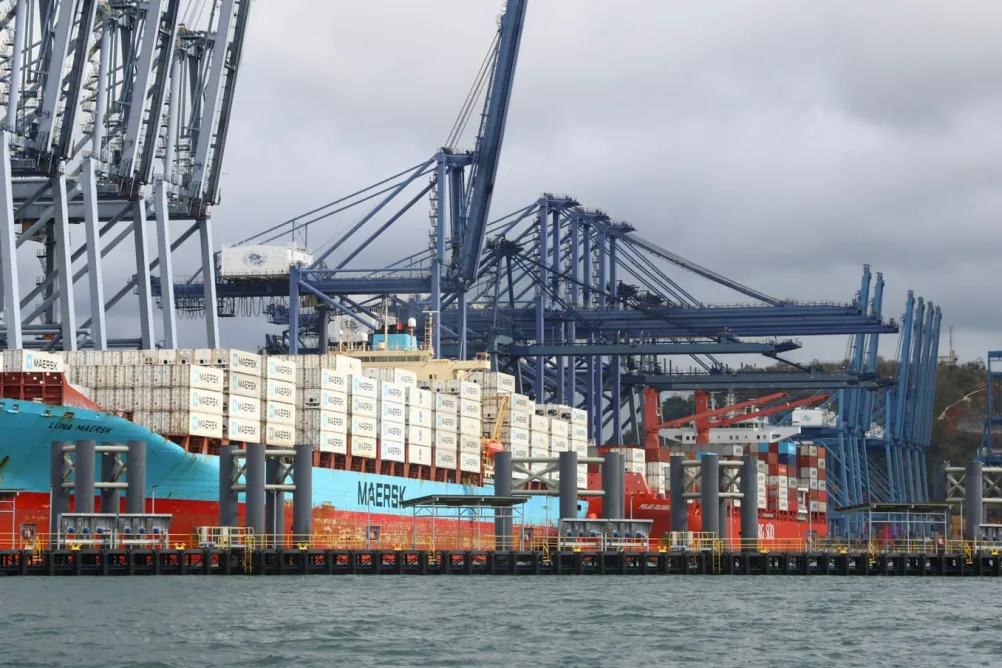
The United States trade deficit in goods reached an all-time record of $1.24 trillion in 2025, driven by a surge in imports that outpaced export growth despite the imposition of heavy tariffs.
While the widening trade gap contributed to a downward revision of fourth-quarter GDP growth estimates, the high volume of capital goods imports—particularly those related to artificial intelligence and data center infrastructure—indicates sustained business investment.
Key Points
- The U.S. goods trade deficit hit a historic high of $1.24 trillion in 2025, with the December trade gap widening 32.6% to $70.3 billion, far exceeding economist forecasts.
- Record-breaking goods trade deficits were recorded with several nations, including Mexico, Vietnam, Taiwan, Ireland, Thailand, and India.
- In contrast to the global trend, the goods trade deficit with China narrowed significantly, falling to $202.1 billion from $295.5 billion the previous year.
- Import growth was driven primarily by capital goods such as computers, telecommunications equipment, and computer accessories, largely fueled by the construction of data centers to support artificial intelligence.
- Despite protectionist trade policies, U.S. manufacturing did not see a resurgence; factory employment decreased by 83,000 jobs between January 2025 and January 2026.
The larger-than-expected trade deficit prompted the Atlanta Federal Reserve to lower its fourth-quarter GDP growth estimate from a 3.6% to a 3.0% annualized rate. While the labor market remains relatively stable, economists noted that hiring has become sluggish due to tariff-related uncertainty and the impact of artificial intelligence.
Ultimately, the data suggests that the aggressive tariff policies failed to reduce overall trade imbalances or spark a manufacturing renaissance, as evidenced by declining factory employment and record deficits with multiple trading partners.
Furthermore, these policies led to increased costs for consumers and businesses, as tariffs raised the prices of imported goods and materials. Many industries reliant on global supply chains faced disruptions, further hampering their competitiveness in international markets. Instead of fostering economic growth, the measures appeared to exacerbate tensions with key trading partners, resulting in retaliatory tariffs that compounded the challenges for exporters.
Other People are Reading

Quentin Griffiths co-founded Asos in 2000 and remained a significant shareholder after leaving the firm five years later.

Garmin Stock Is Surging. There’s More to Its Move Than Solid Earnings.

Dutch coffee-making giant Jacobs Douwe Egberts (JDE) will close its plant in Banbury this year.
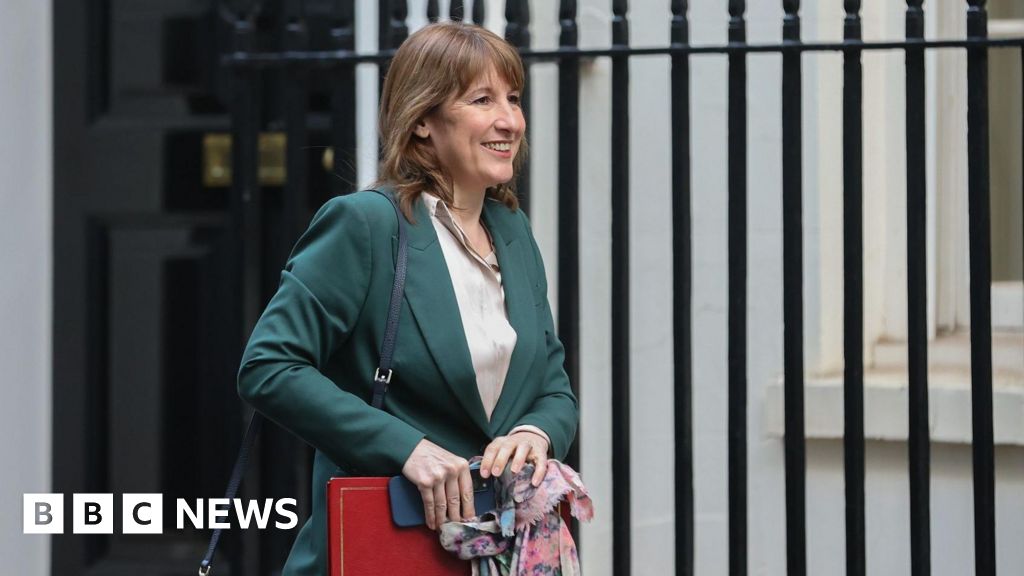
Chief Secretary to the Treasury, James Murray said: “We know there is more to do to stop one in every £10 the government spends going on debt interest, and we will more than halve borrowing by 2030-31 so that money can be spent on policing, schools and the NHS.”
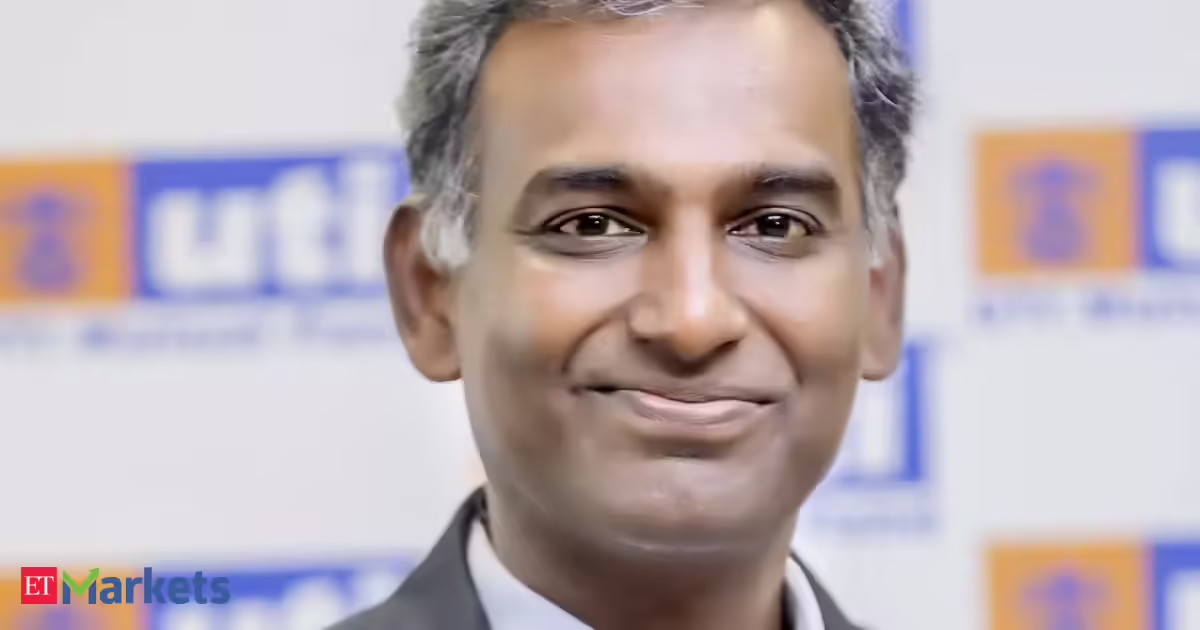
He acknowledged the disconnect between positive fundamentals and subdued market performance, as the anchor observed that “on paper everything looks okay… but it is not reflecting on the ticker.” Lakshmanan responded that “flows are difficult to predict… if fundamentals and earnings accelerate, markets will follow,” adding that the environment is increasingly becoming a bottom-up market where stock selection matters more than broad liquidity trends.
Looking ahead, he struck an optimistic tone on growth, pointing out that “FY25–FY26 saw single-digit growth… FY27 could see double-digit GDP and earnings growth,” which he believes should support equities even without major earnings upgrades. On valuations, Lakshmanan said “large caps look more attractive… private banks have reasonable valuations,” highlighting financials as one of the more compelling pockets after recent corrections.
Discussing capital goods, he noted that while “business has done well post-COVID… government capex continues,” valuations in several names remain elevated, making selectivity important for investors. On broader markets, he reiterated that “diversification is a must,” adding that although indices may not show deep cuts, many individual mid- and small-cap stocks have undergone “silent corrections,” creating selective opportunities.
In the consumption space, Lakshmanan said “discretionary and durables have better growth prospects,” while within staples, foods appear structurally stronger. On autos, he observed that “PV growth remains strong… valuations must be watched,” and described the electric vehicle opportunity as evolving gradually rather than offering immediate pure-play opportunities.
Turning to primary markets, he said the “pipeline is strong,” suggesting that muted subscriptions and listings are largely cyclical and reflect market conditions rather than a lack of quality issuers.
Overall, Lakshmanan’s message was clear: while near-term triggers may be elusive, improving growth prospects and steady fundamentals should continue to underpin markets, with disciplined stock selection and valuation awareness remaining key for investors.

Vita Coco Stock Will Bounce Back From Earnings Slump. Here’s Why.

Aussie shares edge lower after record-breaking week

How Bitcoin Hashrate Recovery Mirrors 2021 Rebound Pattern

Epstein Survivor Praises Prince Andrew Arrest: ‘We Are Doing Nothing In The United States’


-

 Video4 days ago
Bitcoin: We’re Entering The Most Dangerous Phase
-

 Tech5 days ago
Luxman Enters Its Second Century with the D-100 SACD Player and L-100 Integrated Amplifier
-

 Crypto World3 days ago
Can XRP Price Successfully Register a 33% Breakout Past $2?
-

 Sports3 days ago
GB's semi-final hopes hang by thread after loss to Switzerland
-

 Video6 hours ago
XRP News: XRP Just Entered a New Phase (Almost Nobody Noticed)
-

 Video7 days ago
The Final Warning: XRP Is Entering The Chaos Zone
-
 Tech3 days ago
The Music Industry Enters Its Less-Is-More Era
-

 Business2 days ago
Infosys Limited (INFY) Discusses Tech Transitions and the Unique Aspects of the AI Era Transcript
-

 Entertainment2 days ago
Kunal Nayyar’s Secret Acts Of Kindness Sparks Online Discussion
-

 Video3 days ago
Financial Statement Analysis | Complete Chapter Revision in 10 Minutes | Class 12 Board exam 2026
-

 Tech2 days ago
Retro Rover: LT6502 Laptop Packs 8-Bit Power On The Go
-

 Crypto World6 days ago
Bhutan’s Bitcoin sales enter third straight week with $6.7M BTC offload
-
 Sports1 day ago
Clearing the boundary, crossing into history: J&K end 67-year wait, enter maiden Ranji Trophy final | Cricket News
-

 Crypto World7 days ago
Kalshi enters $9B sports insurance market with new brokerage deal
-

 Entertainment1 day ago
Dolores Catania Blasts Rob Rausch For Turning On ‘Housewives’ On ‘Traitors’
-

 Business2 days ago
Tesla avoids California suspension after ending ‘autopilot’ marketing
-
 NewsBeat5 days ago
The strange Cambridgeshire cemetery that forbade church rectors from entering
-

 Crypto World2 days ago
WLFI Crypto Surges Toward $0.12 as Whale Buys $2.75M Before Trump-Linked Forum
-
 NewsBeat5 days ago
Man dies after entering floodwater during police pursuit
-

 Crypto World10 hours ago
83% of Altcoins Enter Bear Trend as Liquidity Crunch Tightens Grip on Crypto Market