Connect with us

Business

Budget defence spending should follow Canada, says adviser

Published

on

Budget defence spending should follow Canada, says adviser

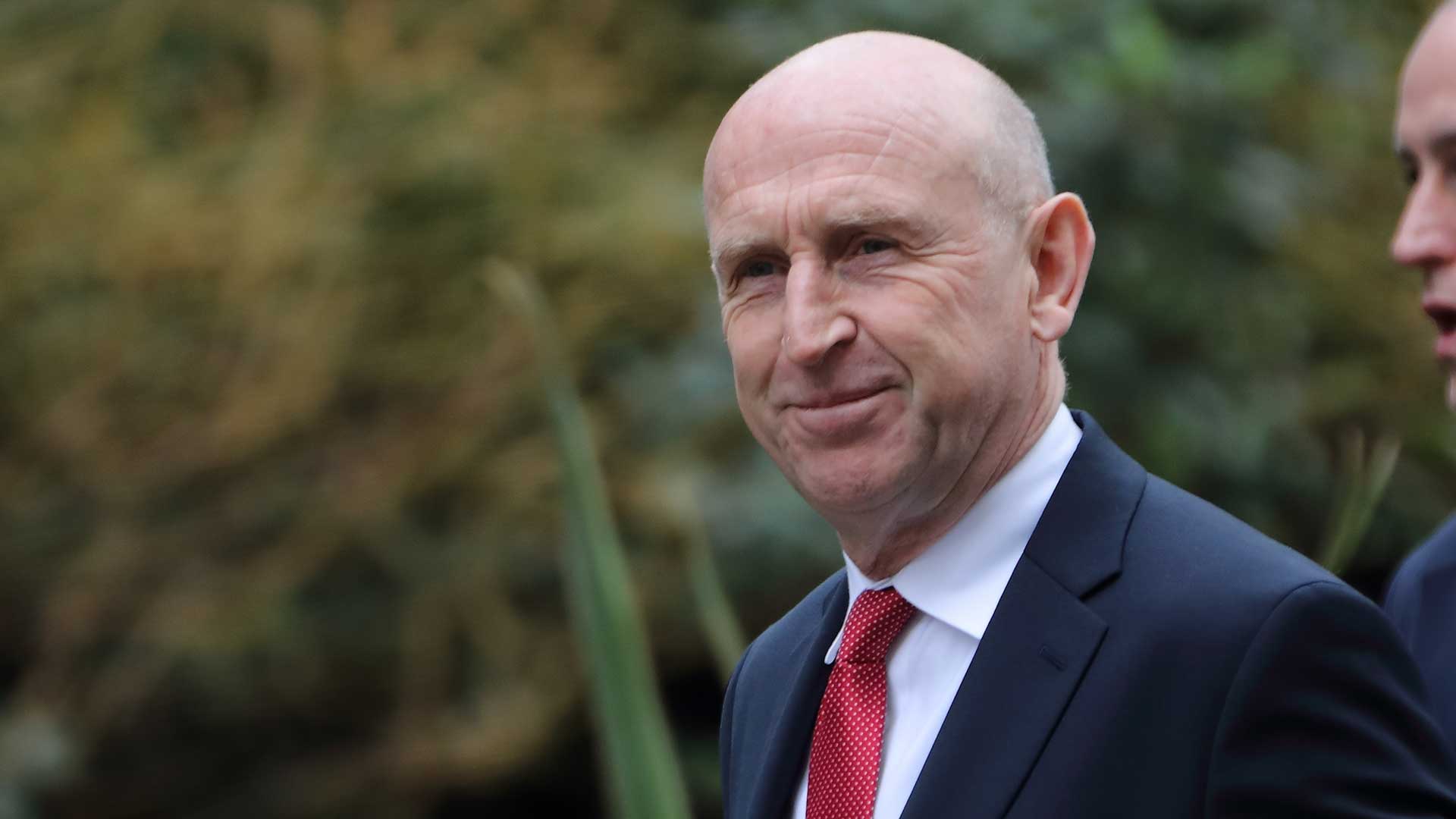
The Chancellor, John Healey, should use Canada as a guide when setting defence spending policy in the Autumn Budget, according to audit, tax and business advisory firm Blick Rothenberg.

Melissa Thomas, a director at the firm, said increased defence spending should be treated as an investment in high-value jobs, innovation and export growth rather than a cost to the economy, and called for tax incentives for businesses developing dual-use technologies.

“Increased defence spending should not be viewed as a cost to the UK economy, but as an investment into high-value jobs, innovation and export growth,” she said. “Canada is treating defence spend as an industrial strategy, the UK should do the same by ensuring defence procurement stimulates domestic innovation and private sector investment.”

Free newsletters
Advertisement

The stories that matter to UK business, straight to your inbox.

Advertisement

Thomas pointed to a series of Canadian announcements over the past year on defence spending and defence technology, including the Regional Defence Investment Initiative.

According to the Canadian government, the programme provides C$379.2m over three years to integrate businesses into defence supply chains and strengthen industrial capacity. It is delivered by Canada’s seven regional development agencies, each covering a separate part of the country.

“Over the last twelve months Canada has announced a number of initiatives around increasing its defence spend and associated ‘defence tech’, such as the Regional Defence Investment Initiative,” Thomas said.

“The UK should do the same by announcing tax incentives in the Autumn Budget to support dual-use technologies that have both commercial and defence applications, helping British businesses scale faster and access new international markets with similar areas of focus, like Canada. This could unlock the UK’s next generation of high-growth businesses.”

Advertisement

Dual-use technologies are those with both commercial and defence applications. Thomas said the Budget should include tax measures to encourage investment in businesses in strategic sectors.

“The Budget needs to include tax policies that encourage investors to back innovative businesses in strategic sectors such as cyber security, quantum computing, space technology and advanced engineering,” she said.

“If the UK government wants Britain to lead in defence technology, it should strengthen incentives for research & development, capital investment and commercialisation of intellectual property.”

She also argued that Canada’s growing investment in the sector created an opening for British companies. “As Canada deepens its investment in defence technology, the UK has a prime opportunity to become its natural collaboration partner for AI, cyber security, advanced manufacturing and aerospace innovation,” she said.

Advertisement

“Defence supply chains are becoming increasingly international. UK businesses that develop relationships with Canadian innovators today could be better positioned to access future procurement opportunities on both sides of the Atlantic.”

UK spending plans

The government’s Defence Investment Plan, published on 30 June, allocates £298bn to the Ministry of Defence over the four years to 2029/30, according to a House of Commons Library briefing. The briefing said the plan includes more than £5bn for drones and autonomous systems.

The government has committed to spending 3.5 per cent of GDP on defence by 2035, and Prime Minister Andy Burnham rejected a Conservative proposal to cut housing benefit to help pay for it last week.

Research by EY published in April found that raising defence spending to between 3.5 per cent and 5 per cent of GDP by 2035 could add £30bn a year to UK economic output.

Advertisement

The Ministry of Defence has also created a Defence Office for Small Business Growth, which aims to increase procurement from small defence firms by £2.5bn a year by May 2028.

Amy Ingham
About the author

Amy Ingham

Amy Ingham is a reporter at Business Matters, covering UK business news with a focus on breaking news, business policy, late payments and insolvency. She joined the magazine in 2026 after completing the NCTJ Diploma in Journalism at Harlow College’s journalism school. Her recent reporting includes British Steel’s nationalisation and its impact on SME suppliers, the decline in late payments by large firms, and Insolvency Service director disqualifications. Reach her at aingham@cbmeg.co.uk.

Advertisement

Advertisement
Continue Reading
Click to comment

You must be logged in to post a comment Login

Leave a Reply

Business

UK ranks fourth of 13 countries

Published

on

UK ranks fourth of 13 countries

A business owner in the UK taking £160,000 a year in salary and dividends would face the fourth-highest overall tax bill among 13 developed economies once inheritance tax is included, according to a study published on Sunday by financial education specialists Investing Insiders.

The analysis puts the UK total at £324,982.81. Only Japan, at £370,215.53, France, at £367,817.47, and Ireland, at £348,409.11, generated higher bills. Seven of the 13 countries in the study produced a tax burden of less than £100,000.

Investing Insiders modelled the finances of the same hypothetical individual across each G7 nation and other popular destinations for Britons moving abroad. The calculations covered income tax, dividend tax, inheritance tax and investment taxes, with all figures converted into sterling for a like-for-like comparison.

Free newsletters
Advertisement

The stories that matter to UK business, straight to your inbox.

Advertisement

The business owner persona pays themself a £60,000 salary, receives a £100,000 dividend, makes £20,000 of pension contributions and puts £20,000 into an ISA. The individual also inherits a £1.2m estate from a parent, made up of a £950,000 home, £200,000 in ISAs and investments and £50,000 in other assets.

The business owner was one of four personas the firm assessed. According to the published findings, an average earner on £39,039 faced the UK’s third-lowest burden among the 13 countries, while a £99,000 earner ranked fifth highest and a high earner on £207,000 ranked third highest, at £1,250,381.75. The United States ranked lowest across all scenarios.

Investing Insiders said the study aimed to find which countries allow residents to keep more of their money. It cited a 17 per cent increase over the past year in searches about emigrating or moving abroad. Office for National Statistics figures show 246,000 British nationals left the UK in the year ending December 2025.

On income alone, the UK business owner in the study would take home £31,303.40 from their wage and £63,713.79 from their dividend, along with the full £815 earned from investments, which are tax free inside an ISA. That leaves £44,982.81 in income-related taxes, the sixth highest of the 13 countries.

Advertisement

Ireland topped that measure, with the equivalent of £66,356.11 in tax. France was second at £49,530.10, almost £17,000 less than Ireland.

The study found the UK compared more favourably on pension tax relief. On £20,000 of contributions, it said the government would add £5,486.50 in relief and a further £1,946 could be claimed back through a tax return, taking the total to £27,432.50.

On the £1.2m estate, the study calculated a UK charge of £280,000, the fourth highest in the comparison, which lifted the overall bill to £324,982.81.

Australia, Canada, New Zealand, Portugal and the United States charge nothing on the inheritance in the study’s model, meaning a UK heir would pay £280,000 more than one in those countries. Spain and Italy would each charge less than 5 per cent of the UK figure, according to the analysis.

Advertisement

The firm said inheritance tax accounted for almost 90 per cent of overall charges for its highest-earning UK persona.

The study follows other research and campaigning on the tax treatment of business owners. A Make UK and Bishop Fleming survey this month found that one in five family manufacturers are weighing an overseas sale because of inheritance tax changes.

In June, more than 90 founders and 19 MPs wrote to the Chancellor warning that cumulative tax rises were prompting entrepreneurs to relocate abroad. Concern over wealth leaving the country predates both, with research in 2024 pointing to the largest exodus of millionaires globally from Britain.

Jamie Young
About the author
Advertisement

Jamie Young

Jamie Young is Senior Reporter at Business Matters, covering SME finance, employment law and Westminster policy since 2016. He has reported on every Budget and Autumn Statement since 2018, helped make sense of the ‘covid era’ and the bounce-back loan scheme from launch through the fraud investigations, and broke the magazine’s coverage of the 2024 late-payment reforms. He joined Business Matters straight from completing his BA in Administration from Exeter University and is NCTJ-qualified. Reach him at jyoung@cbmeg.co.uk

Advertisement

Continue Reading

Business

Oracle: Dismiss The Overblown Credit Fears

Published

on

Oracle: Dismiss The Overblown Credit Fears

Oracle: Dismiss The Overblown Credit Fears

Continue Reading

Business

M.P. Evans Group PLC (MPEVF) Q2 2026 Earnings Call Prepared Remarks Transcript

Published

on

OneWater Marine Inc. (ONEW) Q1 2026 Earnings Call Transcript