

Business
Can You Trust Online Loans? What Singapore Borrowers Should Know


Singapore ranks among the most expensive cities on the planet, and unexpected bills don’t wait for payday. That reality pushes thousands of residents toward digital borrowing options every month.
But when you type “loan” into a search bar at midnight, how do you separate a trustworthy online money lender from a scam? The question matters — getting it wrong can mean harassment, spiraling debt, or stolen personal data. The answer comes down to regulation, due diligence, and knowing exactly what you’re signing.
This guide breaks down what Singapore borrowers actually need to check before accepting a single dollar from an online loan provider — starting with one non-negotiable: make sure you’re dealing with a licensed money lender registered under the Ministry of Law.
How Do Online Loans Work in Singapore?
The process is straightforward, which is part of the appeal.
A borrower visits an online money lender’s website or app, fills out a digital application form, and uploads the required documents — typically a NRIC, proof of income, and recent bank statements. The lender reviews the application (often within the same day), and if approved, presents a loan contract with the terms spelled out: principal, interest rate, repayment schedule, and fees.
Once both parties sign, the funds are disbursed directly to the borrower’s bank account. Most online loan applications in Singapore take between one and three business days from start to finish — significantly faster than a traditional bank personal loan, which can stretch to a week or more. For many borrowers, this speed is the primary reason they look beyond banks in the first place.
The speed and convenience come with a trade-off, though. Interest rates from licensed moneylenders are higher than bank rates, capped at 4% per month under Singapore law. That makes these loans better suited for short-term needs than long-term borrowing.
Are Online Loans Safe and Legal in Singapore?
Short answer: Yes — but only if the lender holds a valid licence from the Ministry of Law.
Singapore regulates moneylending through the Moneylenders Act (Cap. 188) and its subsidiary rules. Every legitimate online money lender must be listed on the Ministry of Law’s official Registry of Moneylenders. This registry is publicly accessible, and checking it takes under a minute.
What a licensed lender is required to do by law:
- Charge no more than 4% interest per month
- Cap late interest at 4% per month on overdue principal
- Limit total fees (including interest, late interest, and administrative charges) to the loan principal — meaning you can never owe more than double what you borrowed
- Provide the borrower with a signed copy of the loan contract
- Operate only from an approved business address
If an online loan provider cannot produce a licence number, doesn’t appear in the registry, or contacts you through SMS/WhatsApp spam — that’s an unlicensed lender, and engaging with them carries legal and financial risk for both parties.
What Are the Real Risks of Borrowing Cash Loans Online?
Even with proper licensing, borrowing carries risk. Here’s what Singapore borrowers should watch for.
Overborrowing and debt stacking. Because cash loans online are quick to access, some borrowers take multiple loans from different lenders simultaneously. Under Singapore’s borrower-based credit limit framework, individuals earning under $20,000 annually can borrow up to $3,000 across all licensed moneylenders. Those earning $20,000 or more can borrow up to six times their monthly income. Exceeding these limits shouldn’t be possible with licensed lenders — but borrowers who turn to unlicensed sources to fill the gap face serious consequences, including criminal liability under the Moneylenders Act.
Overlooking the total cost. A 4% monthly interest rate doesn’t sound alarming until you calculate it over six months or a year. A $5,000 loan at 4% monthly interest repaid over 12 months results in total interest of $2,400 — nearly half the original amount. Always calculate the effective annual rate before signing.
Unlicensed lender traps. The Moneylenders Registry exists for a reason. Unlicensed operators — often called loan sharks or “ah long” in Singapore — are not bound by legal fee caps and routinely use harassment and intimidation to collect. The Singapore Police Force actively investigates these operations, and borrowers are encouraged to report them.
How to Identify a Trustworthy Online Money Lender
Before submitting any personal information to an online money lender, run through these verification steps:
Registry check. Search the lender’s name on the Ministry of Law’s list of licensed moneylenders at mlaw.gov.sg. If they’re not listed, stop there.
Physical address. Licensed moneylenders must operate from a registered premises. A lender with no verifiable address — or one that conducts business exclusively through messaging apps — is a red flag.
Transparent contract terms. A trustworthy lender will present all costs upfront: interest rate, administrative fees, late payment penalties, and the total repayable amount. No legitimate online loan contract should contain blank fields or vague language about charges.
No upfront deposits. Licensed moneylenders in Singapore are prohibited from collecting any fees before disbursing a loan. If someone asks for a “processing fee” or “deposit” before you’ve received funds, it’s a scam.
Reviews and track record. Check Google Reviews, Trustpilot, or local forums. While no review platform is perfect, a pattern of complaints about hidden charges or aggressive collection practices tells you what you need to know.
Who Should Consider Online Loans and Who Shouldn’t?
When borrowing cash loans online makes sense:
You’re facing a genuine short-term emergency — a medical bill, urgent car repair, or temporary income gap — and you have a clear repayment plan within one to three months. You’ve confirmed the lender is licensed, you understand the total cost including all fees, and you’re not already carrying debt from other moneylenders.
When it doesn’t:
You’re borrowing to cover regular monthly expenses with no plan to break the cycle. You’re already repaying one or more existing loans. You haven’t compared the cost against alternatives like a bank personal loan, credit line, or even a salary advance from your employer. In these situations, an online loan adds pressure rather than relieving it.
The distinction is simple: borrow because you have a plan, not because you have a panic.
Skip the Trust, Demand the Receipts
Trust is earned through documentation, not marketing copy. A legitimate online money lender in Singapore will always point you to their licence, their contract, and their registered address — and they’ll do it before asking for your NRIC. If a lender can’t produce those three things without hesitation, the answer to “can you trust them?” has already been given.



DHS agent killed US citizen in March 2025, records show


Merz rules out loosening Germany’s debt limits again in current term


Blizzard warnings issued for New York area as storm heads to East Coast


Germany’s ruling party backs social media curbs for children


Germany’s Merz expects lower tariff burden after US court verdict on Trump tariffs

Ukraine strikes ballistic missile producer deep inside Russia, Kyiv says


Trump says he will raise global tariff rate from 10% to 15%
Business
NASA may take moon mission Artemis II rocket back to assembly site, affecting March launch window


NASA may take moon mission Artemis II rocket back to assembly site, affecting March launch window
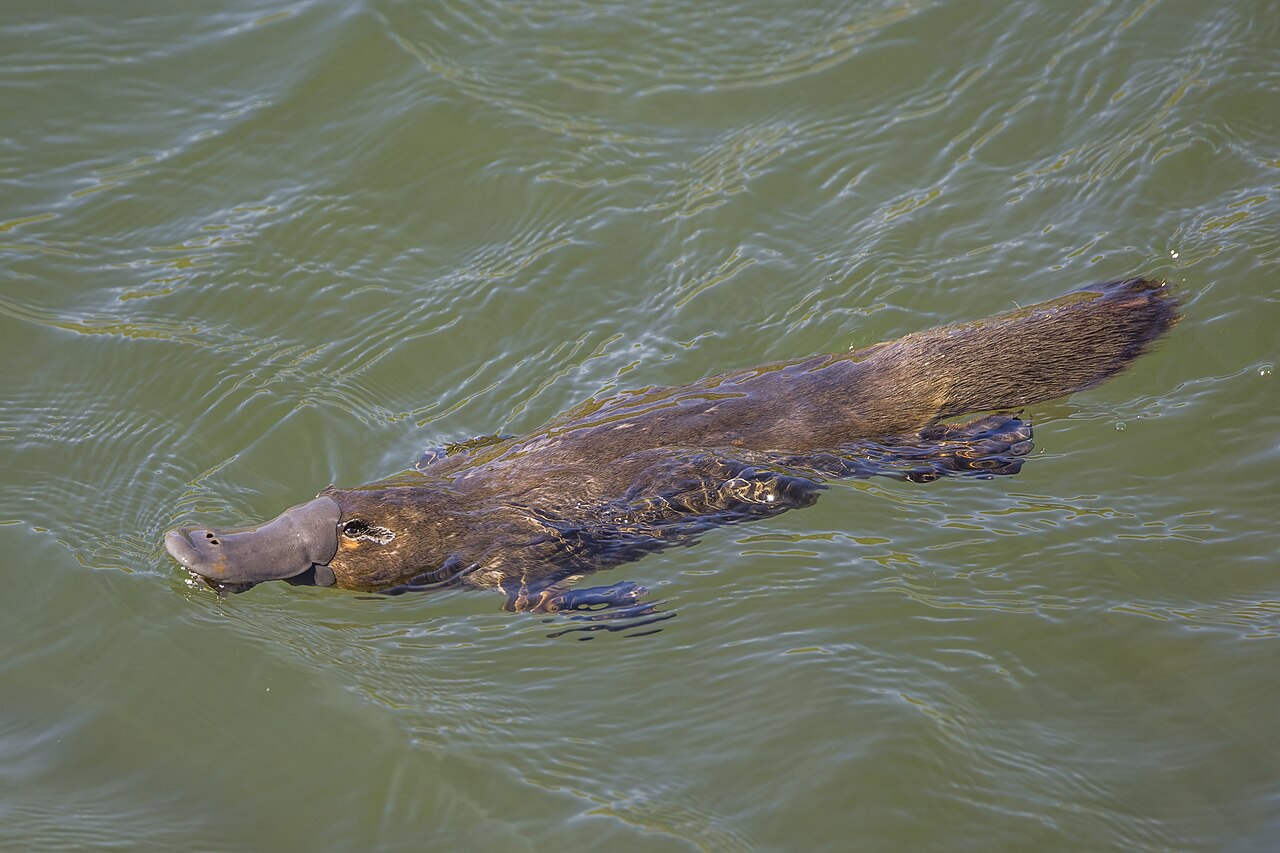
Australia’s extraordinary isolation over millions of years has produced one of the planet’s most distinctive wildlife collections, with more than 80% of its mammals, reptiles and frogs endemic — meaning they exist nowhere else naturally. In 2026, amid ongoing conservation efforts and renewed interest in eco-tourism following recent wildlife documentaries and park reopenings, these unique creatures continue to captivate visitors and researchers alike.
From cuddly marsupials to bizarre monotremes, here are 10 standout animals that are truly Australian exclusives, highlighting the continent’s biological marvels:
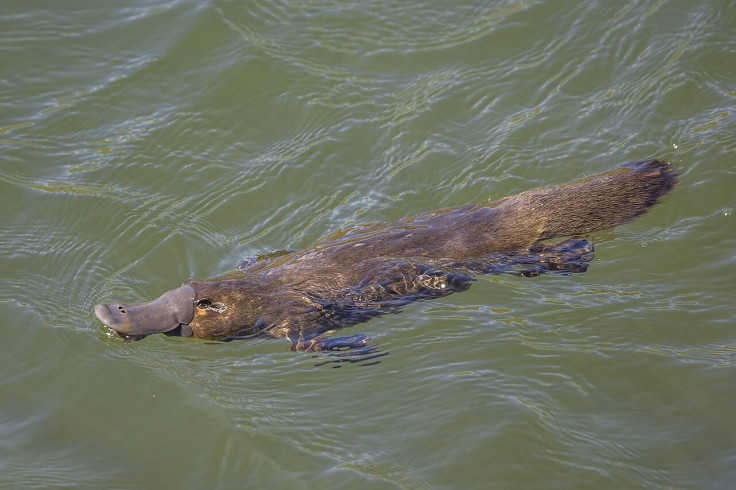
- Platypus The platypus (Ornithorhynchus anatinus) remains one of nature’s strangest creations: a semi-aquatic, egg-laying mammal with a duck-like bill, beaver tail, otter-like body and venomous spurs on males’ hind legs. Found in eastern Australia’s freshwater rivers and streams, it hunts using electroreception to detect prey in murky water. Conservation status is near threatened due to habitat loss and climate impacts, but sightings remain possible in places like the Atherton Tablelands and Tasmania.
- Koala The koala (Phascolarctos cinereus), often mistakenly called a bear, is an arboreal marsupial specialized for eucalyptus forests in eastern and southeastern Australia. These leaf-eaters sleep up to 20 hours daily to conserve energy from their low-nutrient diet. Vulnerable to habitat fragmentation, bushfires and disease, koalas symbolize Australian wildlife, with populations monitored closely in 2026 recovery programs.
- Kangaroo (Red and Eastern Grey species) Several kangaroo species, including the red kangaroo (Osphranter rufus) — the world’s largest marsupial — and eastern grey kangaroo (Macropus giganteus), are found only in Australia. Reds roam arid interiors while greys inhabit eastern woodlands. Their powerful hind legs enable bounds up to 8 meters and speeds of 56 km/h. As national emblems, they thrive in open country but face threats from drought and vehicle strikes.
- Quokka Often called the “world’s happiest animal” for its perpetual smile-like expression, the quokka (Setonix brachyurus) is a small wallaby restricted to Rottnest Island near Perth and limited mainland pockets in Western Australia. Herbivorous and curious, they approach visitors fearlessly on Rottnest, boosting tourism. Vulnerable due to habitat loss and predators, their population remains stable on the island.
- Wombat Three wombat species — common, northern hairy-nosed and southern hairy-nosed — are exclusive to Australia. These burrowing marsupials feature backward-facing pouches to prevent dirt entry while digging. Common wombats (Vombatus ursinus) inhabit forests and grasslands across the southeast, while hairy-nosed varieties live in drier regions. Known for cube-shaped scat and resilience, they dig extensive warrens.
- Tasmanian Devil The Tasmanian devil (Sarcophilus harrisii), now confined to Tasmania after mainland extinction around 3,000 years ago, is the world’s largest surviving carnivorous marsupial. Famous for powerful jaws and ferocious feeding, devils play a key ecological role controlling pests. Threatened by devil facial tumor disease, conservation breeding programs in 2026 continue to bolster wild populations.
- Short-beaked Echidna One of only five living monotreme species, the short-beaked echidna (Tachyglossus aculeatus) is widespread across Australia, including Tasmania. This spiny, ant-eating mammal lays eggs and nurses young with milk secreted through skin pores. Least concern status reflects its adaptability, though roadkill and habitat changes pose risks.
- Southern Cassowary The southern cassowary (Casuarius casuarius), a large flightless bird with a helmet-like casque and powerful legs, inhabits tropical rainforests in northern Queensland. As seed dispersers, they are vital to rainforest regeneration. Vulnerable due to habitat loss and vehicle collisions, sightings in Daintree and Cape Tribulation remain highlights for eco-tourists.
- Numbat The numbat (Myrmecobius fasciatus), a small, striped marsupial anteater, survives in fragmented southwestern woodlands after near-extinction from introduced predators. Diurnal and termite-dependent, it lacks a pouch, carrying young on its belly. Endangered but supported by reintroduction efforts, numbats represent successful conservation stories.
- Thorny Devil The thorny devil (Moloch horridus), a spiky lizard adapted to arid deserts, drinks through capillary action in its skin grooves. Found only in Australia’s dry interior, it feeds exclusively on ants and blends into sandy environments. Least concern, its bizarre appearance makes it a favorite for wildlife photographers.
These species underscore Australia’s megadiverse status and the importance of protecting unique ecosystems. Conservation challenges persist — feral predators, climate change, habitat loss and disease — but initiatives like fenced reserves, breeding programs and community monitoring offer hope. In 2026, eco-tourism and citizen science continue to raise awareness, ensuring these one-of-a-kind animals endure.
Visitors can ethically observe many in national parks, wildlife sanctuaries or guided tours, contributing to their protection while experiencing Australia’s unparalleled biodiversity firsthand.

The president will increase import taxes to 15% on most products coming into the US from Tuesday.

‘Miracle on Ice’ legend Jim Craig praises this year’s USA Olympic team

Predator spyware hooks iOS SpringBoard to hide mic, camera activity

Man has ‘life-threatening’ injuries after alleged attack outside Wetherspoon’s pub


-

 Video5 days ago
Bitcoin: We’re Entering The Most Dangerous Phase
-

 Tech7 days ago
Luxman Enters Its Second Century with the D-100 SACD Player and L-100 Integrated Amplifier
-

 Crypto World4 days ago
Can XRP Price Successfully Register a 33% Breakout Past $2?
-

 Sports5 days ago
GB's semi-final hopes hang by thread after loss to Switzerland
-

 Fashion23 hours ago
Weekend Open Thread: Boden – Corporette.com
-

 Video2 days ago
XRP News: XRP Just Entered a New Phase (Almost Nobody Noticed)
-
 Tech5 days ago
The Music Industry Enters Its Less-Is-More Era
-

 Business4 days ago
Infosys Limited (INFY) Discusses Tech Transitions and the Unique Aspects of the AI Era Transcript
-

 Entertainment3 days ago
Kunal Nayyar’s Secret Acts Of Kindness Sparks Online Discussion
-

 Video4 days ago
Financial Statement Analysis | Complete Chapter Revision in 10 Minutes | Class 12 Board exam 2026
-

 Tech3 days ago
Retro Rover: LT6502 Laptop Packs 8-Bit Power On The Go
-
 Sports3 days ago
Clearing the boundary, crossing into history: J&K end 67-year wait, enter maiden Ranji Trophy final | Cricket News
-

 Entertainment3 days ago
Dolores Catania Blasts Rob Rausch For Turning On ‘Housewives’ On ‘Traitors’
-

 Business3 days ago
Tesla avoids California suspension after ending ‘autopilot’ marketing
-
 NewsBeat6 days ago
The strange Cambridgeshire cemetery that forbade church rectors from entering
-

 Politics4 days ago
Eurovision Announces UK Act For 2026 Song Contest
-

 Crypto World3 days ago
WLFI Crypto Surges Toward $0.12 as Whale Buys $2.75M Before Trump-Linked Forum
-
 NewsBeat6 days ago
Man dies after entering floodwater during police pursuit
-

 Crypto World2 days ago
83% of Altcoins Enter Bear Trend as Liquidity Crunch Tightens Grip on Crypto Market
-
 NewsBeat1 day ago
Andrew Mountbatten-Windsor latest: Police search of Royal Lodge enters second day after Andrew released from custody