Connect with us

Business

Candidate for WRU top job called for all four regions to stay

Published

on

Business Live

It is understood that chairman of Glamorgan Cricket and former investment banker Mark Rhydderch-Roberts was interviewed on a shortlist of three

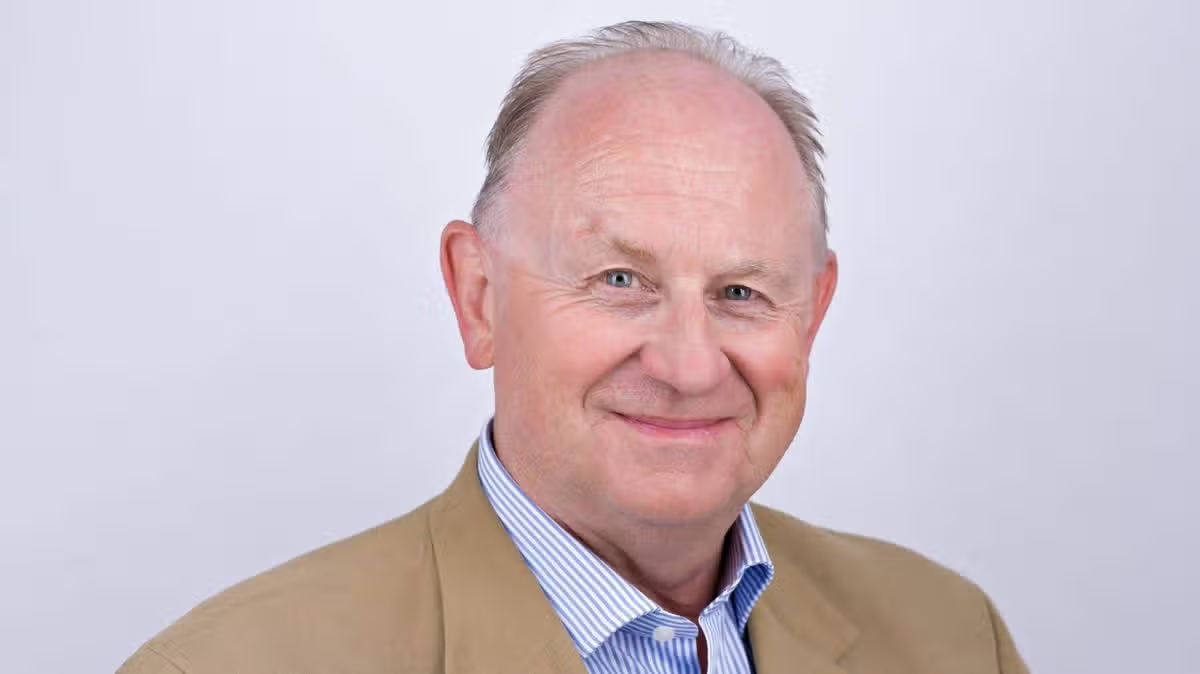
Mark Rhydderch-Roberts

Mark Rhydderch-Roberts

Former investment banker and Glamorgan Cricket Club chairman, Mark Rhydderch-Roberts, called for the Welsh Rugby Union (WRU) to pause plans to reduce the number of professional regions from four to three during a shortlist interview to become the union’s next chairman, it is understood.

The WRU has this conducted face-to-face interviews with three shortlisted candidates in Cardiff for the position of independent non-executive chairman, following the departure of Richard Collier-Keywood over the summer.

Advertisement

The interviewing panel consisted of board members John Manders, Alison Thorne, Amanda Bennett, Andrew Williams and Marianne Okland.

Following his interview, we understand that Mr Rhydderch-Roberts, who played rugby for Bath and Pontypridd and is also currently an executive director of Pontypridd RFC, was informed by the headhunters appointed by the WRU, GatenbySanderson, that he had not been successful.

The board had been keen for Mr Collier-Keywood to continue for a further three-year term and oversee its strategy of reducing the number of regions while investing more heavily in the game’s rugby pathways. The reason for his departure remains unclear, but his exit after a three-year term left a vacancy at the helm of the WRU board.

Former senior partner of global management consultancy McKinsey and Company, Harry Bowcott, whose grandfather Henry Morgan Bowcott played for Wales in the inter-war years and later became a WRU president, is also understood to have made the final shortlist. It is understood that the interviewing process has yet to conclude.

Advertisement

Mr Rhydderch-Roberts declined to comment. However, a source with knowledge of the interviewing process said:”Mark was unequivocal that, if appointed, he would call for the plans to reduce the number of regions to be put on hold. . He also indicated that without radical solutions to the huge challenges currently facing Welsh rugby there is a very real danger of it becoming tier two permanently.

“He was also pretty robust in arguing that the WRU should immediately open negotiations with the RFU and owners of the English Premiership clubs to secure places for two Welsh clubs in the English Premiership as soon as possible, with a view to adding the other two in due course. He also said he would be supportive of a British and Irish League.”

Crickhowell-born Mr Rhydderch-Roberts had a 28-year career in investment banking, during which he held senior positions at a number of global financial institutions, including UBS Warburg, Schroders and Swiss Re.

As well as serving as chairman of Glamorgan and co-chair of Hundred competition franchise team Welsh Fire, he also chairs the International Convention Centre Wales.

Advertisement

The source added: “He did not accept that having four professional regions was financially unsustainable and outlined a number of funding options for the union to generate much-needed new revenues.

“Mark’s view was that anyone taking on the chairmanship couldn’t do so having already endorsed the union’s existing position that the number of regions needed to be reduced. Any candidate, given their fiduciary duties, would first want to consider the business case presented by the executive team, endorsed by the board, underpinning the union’s decision to cut a region.”

Cricket is a global sport that benefits hugely from the support and commercial interest in India. We also understand that in his interview Mr Rhydderch-Roberts also outlined how the Hundred franchise Welsh Fire has attracted a new younger and diverse audience into cricket and turbocharged the commercial development of the women’s game.

He also focused on an optimistic vision and an end to managed decline, setting an ambitious and positive commercial and strategic direction of travel for the game in Wales. This would see a shift in emphasis towards traditional clubs, schools and community rugby and a pivotal role in the elite path for Welsh universities competing in the BUCS super league, as well as a single national academy.

Advertisement

He was interviewed on a condition of being able to retain his cricket roles.

Separately, the so-called “coalition of the willing”, which includes former Hodge Bank and Principality Building Society chief operating officer Rob Regan and GoCompare founder Hayley Parsons, is seeking the support of member clubs for an extraordinary general meeting (EGM), with a motion to remove the union’s board. This doesn’t have to be the entire board, but potentially just the current non-executive directors and not the newly appointed chair.

If successful, the group would install a new interim board and pause plans to reduce the number of regions.

Under section 62 of the WRU’s articles of association, a no-confidence resolution would require just a majority of clubs voting at the EGM to be passed. To be quorate, it would require 95 members in attendance. Proxy and remote electronic voting would be permissible.

Advertisement

For the EGM to be held, it would first need the backing of 10% of the 282 member clubs. If the threshold is achieved, the union would have 21 days to formally acknowledge the request and schedule the meeting. This would usually be around a month later. The coalition of the willing has set a target of getting the backing of 150 clubs ahead of any EGM, which could prove a tall order.

If the board were ousted, or a number of named directors removed, a temporary board would have to be created, made up of representatives from the districts – but not those currently on the board. They would not need club approval to bolster their ranks by bringing in external people with commercial expertise.

The group would then scrutinise the data underpinning the WRU’s decision, while exploring alternative funding avenues, including the possibility of a rugby bond, with the aim of maintaining four regions in the long term. It will also look at what risk assessment was undertaken by the union on the impact of losing a region, both economically and on the game. However, the group has said that reducing the number of regions could not be ruled out.

The WRU plans to reduce the professional regions from four to three from the start of the 2028-29 season, with just one club based in west Wales.

Advertisement

With the Scarlets and Ospreys currently having no plans to merge, the two clubs could find themselves bidding against each other – assuming both agree to participate – for a single west Wales licence.

The WRU has said it will shortly publish details of the bidding process, including how competing bids will be assessed and scored. The union is expected to open the process in December, with a decision on the holder of the west Wales licence due next spring.

The developments come as Swansea Council, potentially alongside other parties, has revived legal action against the WRU, claiming that the governing body has breached competition law by effectively protecting the Dragons and Cardiff, the latter of which it owns, as two of the planned three regions.

The WRU remains confident it will successfully defend the legal challenge.

Advertisement
Continue Reading
Click to comment

You must be logged in to post a comment Login

Leave a Reply

Business

These 7 Best Stocks Are Analyst Favorites For Earnings Growth

Published

on

These 7 Best Stocks Are Analyst Favorites For Earnings Growth

As the stock market rebounds, it’s important to watch the stocks that are holding up and are most loved by equity analysts. They may end up becoming the next big opportunities. Amazon.com (AMZN), Alphabet (GOOGL) and Dell Technologies (DELL) are three of the seven best stocks where investors can find magnificent profit growth prospects. Investors should be seeking new buy…

Copyright ©2026 Investor’s Business Daily, LLC. All rights reserved. 87990cbe856818d5eddac44c7b1cdeb8

Continue Reading

Business

Not Your Puppet: Fed Chooses A Rate Hike Over Trump's 1% Target

Published

on

Hand cutting strings over puppet with scissors. Manipulation, negative influence, control stop concept. Overcoming addiction. Black and white

Not Your Puppet: Fed Chooses A Rate Hike Over Trump's 1% Target

Continue Reading

Business

Rumors of Paramount going to Nashville swirl as California AG dismisses ‘threat’

Published

on

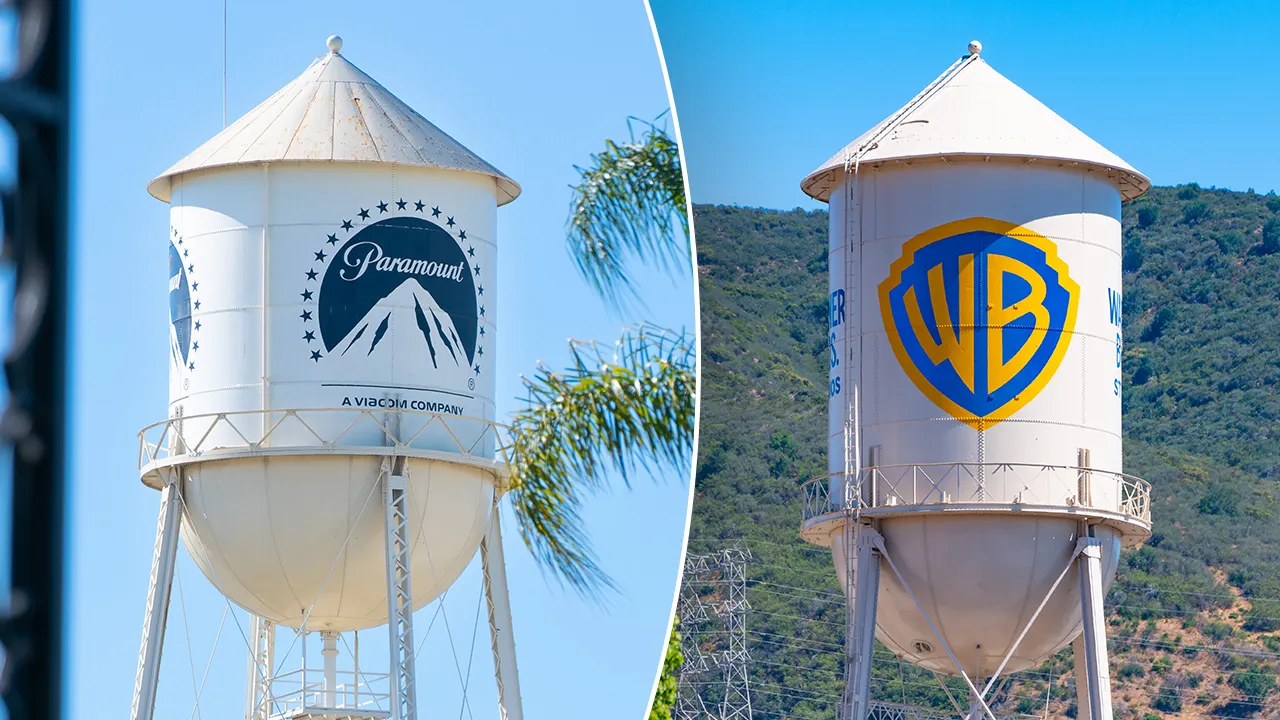
Los Angeles County orders economic study on Paramount, Warner Bros. merger

While Paramount has yet to announce its official departure from Hollywood, Los Angeles officials are on high alert after Los Angeles Mayor Karen Bass and Attorney General Rob Bonta were told an exit announcement was imminent.

While TMZ reported that the statement was expected Tuesday, no announcement has been made. Meanwhile, Paramount Skydance officials have been spotted in Nashville scouting commercial properties as the studio considers moving some of its operations there, according to insiders with knowledge of the search in a new report.

Advertisement

The studio has already looked at more than 400,000 square feet of potential space in Music City, according to a report by Politico. Other possible relocation options on the table include Texas and Georgia.

Paramount declined to comment on the reports of a possible move when contacted by Fox News Digital.

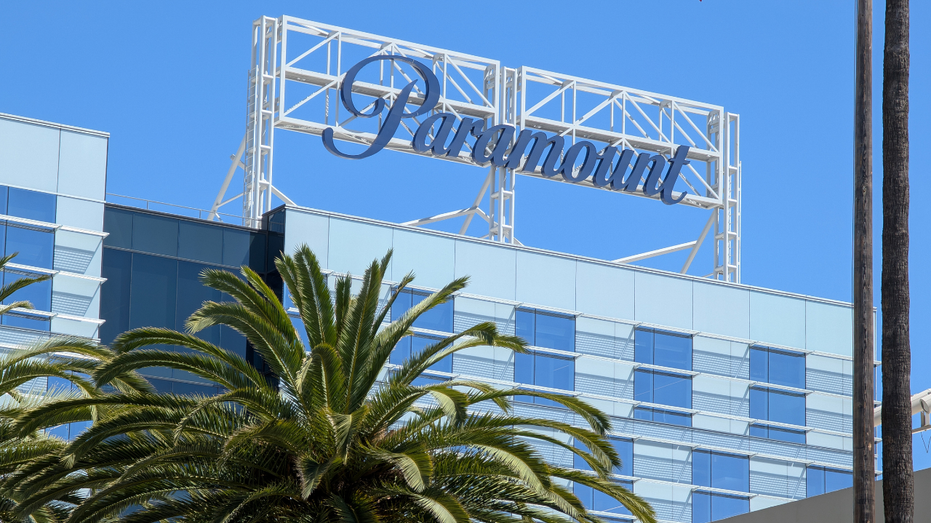
The Paramount Studios sign in Hollywood

The Paramount Studios sign in Los Angeles April 23, 2026. (Noah Suave / Getty Images)

PARAMOUNT’S CALIFORNIA FUTURE IN DOUBT AMID ESCALATING LEGAL FIGHT

“We cannot comment on a company’s plans,” Bonta’s office told Fox News Digital. “It’s no secret that Paramount has been making this threat despite its alleged commitment to California and Hollywood. What Paramount decides to do is Paramount’s choice alone. We’ll continue to apply the law without fear or favor and continue to be open to coming to the table for good faith discussions.”

Advertisement

Bonta told MS NOW Thursday that LA officials are still willing to come to the table and negotiate.

“We’ve heard this threat before, and it’s inconsistent with other things that they have said,” he said. “If they decide to leave, that’s their independent choice. I’m not asking for it. I don’t want it, obviously, and that responsibility will lay at their feet.”

CNN STAFFERS SEE PARAMOUNT MERGER AS ‘INEVITABLE’ DESPITE LEGAL BATTLE DELAYING ELLISON TAKEOVER

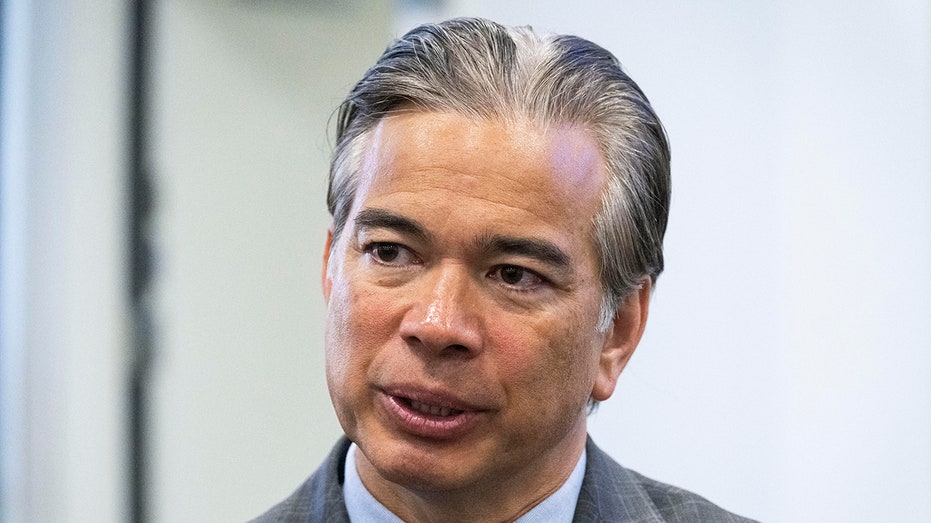
Rob Bonta

California Attorney General Rob Bonta speaks to the media after graduation ceremonies for the School of Social Ecology at UC Irvine in Irvine, Calif., June 16, 2025. (Paul Bersebach/MediaNews Group/Orange County Register via Getty Images / Getty Images)

Bonta was also asked about the possible move Thursday at The Atlantic Festival in New York.

Advertisement

“We will do our job,” he said. “We have a job to enforce the law without fear and without favor, and, at the same time, we are always open to come to the table if it is in good faith and it is sincere. And we will always explore an opportunity to get the results that we want with our evaluation of the case at the table.”

CNN STAFFERS BRACE FOR PARAMOUNT CEO’S POTENTIAL PLAN TO LAUNCH EDITORIAL BOARD TO OVERSEE NETWORK

In July, Bonta, and 11 other state attorneys general, filed an antitrust lawsuit against Paramount in an attempt to block the proposed Warner Bros. Discovery acquisition. They claimed the merger would eliminate competition in film distribution and basic cable while negatively affecting industry workers and consumers.

For his part, Paramount CEO David Ellison then threatened to move the iconic studio out of the Golden State if Bonta did not back off and a settlement was not reached by Oct. 1.

Advertisement
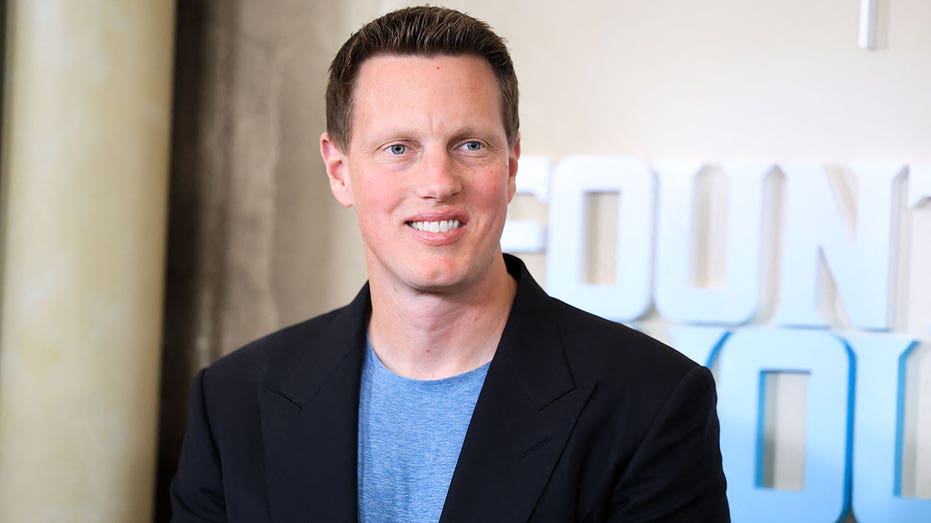
New Paramount CEO David Ellison

Paramount CEO David Ellison (Charly Triballeau/AFP via Getty Images / Getty Images)

CLICK HERE TO GET FOX BUSINESS ON THE GO

Now, it appears increasingly unlikely that a deal can be reached.

Fox News Digital’s Brian Flood and Joseph Wulfsohn contributed to this report.

Advertisement
Continue Reading

Business

Google upgrades CC agent with family sharing and task automation

Published

on


Google upgrades CC agent with family sharing and task automation

Continue Reading

Business

Amway, affiliates to pay $225 million to settle US claims they deceived recruits

Published

on


Amway, affiliates to pay $225 million to settle US claims they deceived recruits

Continue Reading

Business

India’s ‘anti-AI’ trade hides 42 AI-enabler stocks that rallied 60% already: Goldman Sachs

Published

on

India’s ‘anti-AI’ trade hides 42 AI-enabler stocks that rallied 60% already: Goldman Sachs
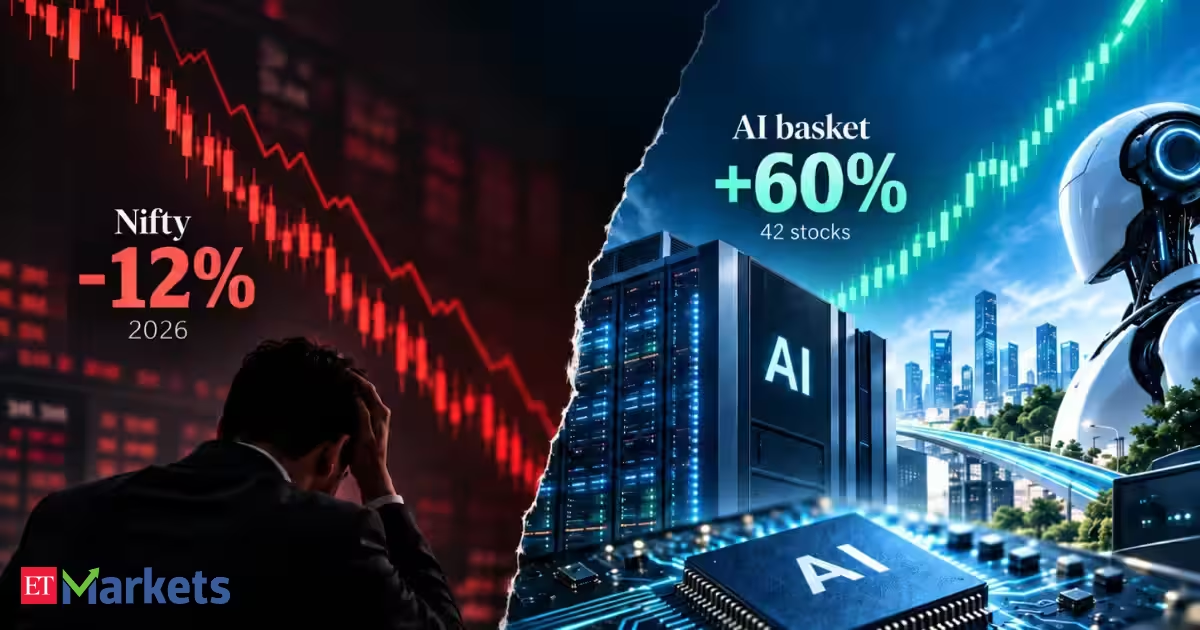
India’s stock market weakness is masking one of the country’s strongest pockets of AI exposure. While the Nifty has declined 12% in 2026, a Goldman Sachs-screened basket of 42 Indian “AI Enablers” has surged about 60%, making it the best performing segment of the market by a wide margin.

The divergence challenges the dominant view that India has little to gain from the global artificial intelligence boom. The country has increasingly become the default “anti-AI” trade among major markets because its benchmark indexes have limited exposure to AI-related companies. But beneath the headline index performance, a cluster of companies tied to power, data centres and semiconductors is benefiting from the infrastructure build out required to support AI.

Goldman Sachs screened about 1,800 companies listed on Indian exchanges, representing a combined market value of around $5 trillion. After applying filters based on market size, liquidity, revenue growth, capex, research and development intensity, and management commentary on AI infrastructure, the investment bank identified 42 companies with a combined listed market value of $670 billion.

The companies were selected based on visible revenue generation, order book pipelines, capital commitments and partnerships across the AI-related supply chain. The basket includes businesses involved in power generation, power transmission, power equipment, data centre development and operations, data centre hardware, semiconductor assembly and testing, semiconductor materials and semiconductor hardware.

Advertisement

Also Read | Smallcap, midcap stocks give 85 multibaggers but pro investors are betting elsewhere


42 Indian AI Enablers stocks
The list includes Adani Green Energy, Tata Power, NTPC Green Energy, ACME Solar, Clean Max Enviro Energy, Power Grid, Adani Energy Solutions, KEC International, ABB India, Cummins India, Siemens, Hitachi Energy India, GE Vernova T&D India, APAR Industries, Kirloskar Oil Engines, Schneider Electric Infrastructure, TD Power Systems, MTAR Technologies, Diamond Power Infrastructure, Waaree Renewable Technologies, Gujarat Fluorochemicals, Navin Fluorine, Himadri Speciality Chemical, Netweb Technologies, CG Power, Waaree Energies, Sansera Engineering, Kaynes Technology, Paras Defence, Polycab India, KEI Industries, Sterlite Technologies, HFCL, Blue Star, Craftsman Automation, Syrma SGS Technology, Reliance Industries, Bharti Airtel, Larsen & Toubro, Adani Enterprises, Anant Raj and Brigade Enterprises. The basket has rallied about 60% in 2026.The rally has been broad-based. All three major layers of power, data centres and semiconductors have gained between 40% and 80% in 2026, according to Goldman Sachs. Six of the nine sub-layers have risen more than 20%, while all nine have outperformed the MSCI India Index.

The next best performing pocket of the Indian market, healthcare, has gained only about 10% this year. The AI-enabler basket has also outperformed the Nifty Midcap and Smallcap indexes, suggesting that its gains cannot be explained only by a broader rally in smaller companies.

The composition of the basket highlights how much of India’s AI exposure sits outside traditional benchmark heavyweights. Of the 42 companies, 8 are microcaps, 13 are smallcaps, 9 are midcaps and only 12 are largecaps. Capital goods account for half the basket, with 21 companies, while utilities and technology hardware are the other major areas of exposure.

Data centre operators account for the largest share of the basket’s total market value, at about $400 billion. They are followed by power equipment companies at $100 billion, power generation at $50 billion and power transmission at $45 billion.

Advertisement

Goldman Sachs said the rally has been driven primarily by earnings rather than speculative multiple expansion. Since 2025, the AI-enabler basket has returned 53%, with earnings growth contributing 65 percentage points while valuation compression reduced returns by 12 percentage points.

That earnings momentum is expected to continue. Consensus estimates cited by Goldman Sachs indicate that earnings for the AI-enabler basket could grow 53% in 2026, 39% in 2027 and 29% in 2028. This compares with expected 2027 earnings growth of 16% for MSCI India and 23% for the MSCI India Small and Midcap Index.

Power generation, data centre hardware and power equipment are expected to lead the next phase, with earnings growth of about 40% to 60%. Collectively, the AI-enabler group could contribute around two percentage points to Nifty 500 profit growth in 2027 and 2028, the report said.

The earnings outlook is being supported by a strong investment cycle. Nifty 500 capex growth is expected to more than double to 16% in 2026 from 7% in 2025, with AI enablers contributing about six percentage points to that increase. Goldman Sachs expects the companies to remain free cash flow positive despite higher capital spending.

Advertisement

The AI theme is also appearing more frequently in corporate disclosures. Goldman Sachs found that references to AI in management commentary have risen sharply over the past two years, not only among technology companies but also across other sectors. Earnings calls increasingly include terms such as data centres, power purchase agreements, fibre infrastructure, transformers, switchgear, uptime, substations, GPUs, OSAT and data lakes.

That shift in corporate language is providing an early indicator of investment and capacity expansion, even though hard disclosures on AI-related revenue and spending remain limited.

The opportunity, however, comes with a valuation caveat. The AI-enabler basket trades at about 36 times forward earnings, an 85% premium to the MSCI India Index and near the upper end of its five-year historical range. On an absolute basis, Goldman Sachs said the multiples appear elevated.

But the premium narrows when valuations are adjusted for earnings growth. The basket’s PEG ratio, the price-to-earnings multiple relative to expected growth, is 1.3 times, slightly below MSCI India’s 1.4 times. That suggests the premium may reflect stronger expected earnings rather than excessive valuation alone.

Advertisement

There is also a significant divergence within the group. While some sub-layers trade at demanding valuations, others remain closer to their historical averages. Goldman Sachs cautioned that the screen can include false positives because of its top-down methodology, while its liquidity and market cap filters may also exclude some potential beneficiaries.

(Disclaimer: This article has been written by Nikhil Agarwal, who is not a SEBI-registered Research Analyst or an Investment Adviser. Nikhil Agarwal and his/her ‘relative(s)’ (as defined under Section 2(77) of the Companies Act, 2013) do not hold any financial interest in the companies mentioned in this article as of the date of publication. The views/recommendations mentioned in this article, wherever applicable, are those of the respective SEBI-registered Research Analyst/brokerage and have been reproduced/reported with due attribution. They should not be construed as the views or recommendations of The Economic Times Digital or the journalist. Readers are advised to consider the original research report and make their investment decisions based on their own assessment. Brokerage disclaimershere)

Continue Reading

Business

Investors should assess if F&O trading works: Sebi chief Tuhin Kanta Pandey after heavy losses

Published

on

Investors should assess if F&O trading works: Sebi chief Tuhin Kanta Pandey after heavy losses
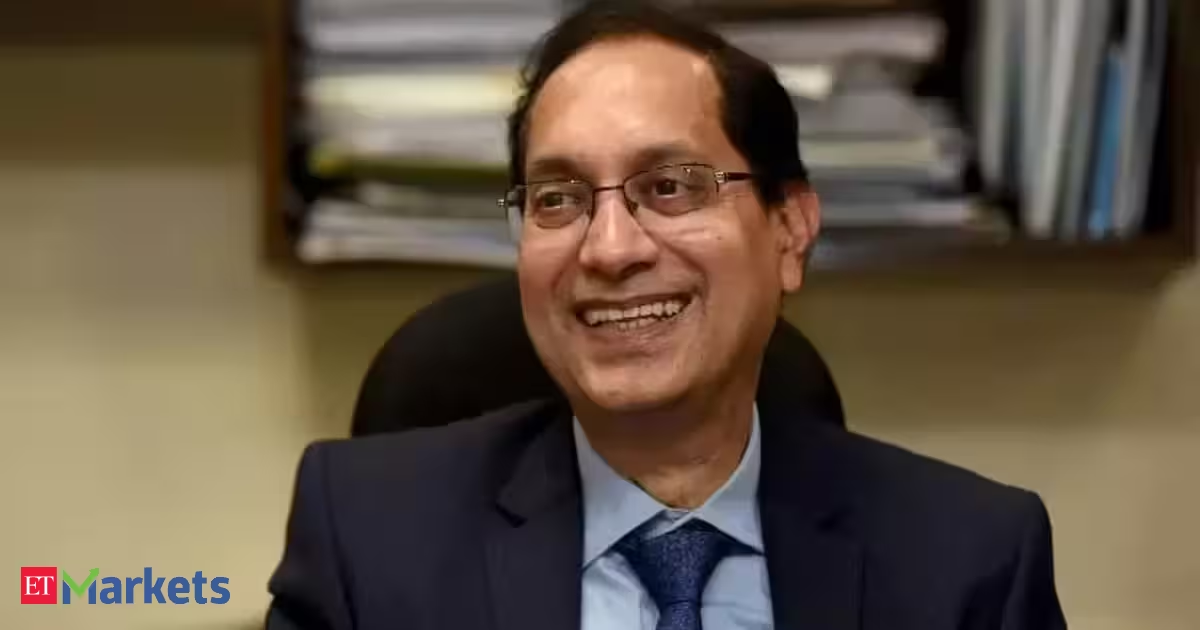
Sebi Chairman Tuhin Kanta Pandey on Thursday said regulatory measures in the equity derivatives market have helped reduce aggregate F&O losses, but individual traders continue to incur losses even after staying in the segment for several years.

A latest Sebi study showed that losses in futures and options have declined from Rs 1.12 lakh crore to around Rs 90,000 crore after the regulator’s interventions. However, Pandey said many traders continue to lose money even after three to four years of participation, making it important for investors to assess whether derivatives trading is suitable for them.

The market regulator will continue to monitor derivatives trading, he said.

The comments come against the backdrop of Sebi’s latest study on individual traders in the equity derivatives segment for FY26. The study, released in August, showed that individual traders’ aggregate net losses fell to about Rs 91,685 crore in FY26 from about Rs 1.12 lakh crore in FY25. However, 88% of individual traders still incurred losses during the year.

Advertisement

Participation had cooled after Sebi tightened derivatives rules. Individual traders in equity derivatives fell about 20% in FY26. The pace of exits also increased, with 46 lakh traders who had participated in FY25 not returning in FY26. This compared with 26 lakh exits in the previous year.


Retail losses remain high
Sebi findings suggest that while overall losses have reduced, the odds remain poor for individual traders. Nearly nine out of ten individual traders continued to lose money in FY26. The reduction in aggregate losses was partly because fewer traders participated in the segment after the regulator introduced measures to cool excessive speculation.
Sebi had earlier introduced steps such as higher contract sizes for index derivatives, fewer weekly index expiries and upfront collection of option premiums. These measures were aimed at reducing speculative retail activity and improving investor protection.
Also read: NSE IPO Tracker: Catch all the highlights here

The study also showed a sharp divide between individual traders and larger market participants.

Proprietary traders recorded the highest gross trading profit at about Rs 44,000 crore in FY26, followed by foreign portfolio investors at about Rs 14,000 crore. Sebi said 99% of profits made by foreign portfolio investors and proprietary traders came from algorithmic trading entities.

This reinforces the concern that individual traders are competing in a market where larger, faster and better-capitalised participants have a structural advantage.

Advertisement

Disclaimer: The views/recommendations mentioned in this article, wherever applicable, are those of the respective SEBI-registered Research Analyst/brokerage and have been reproduced/reported with due attribution. They should not be construed as the views or recommendations of The Economic Times Digital or the journalist. Readers are advised to consider the original research report and make their investment decisions based on their own assessment. Brokerage disclaimers here

Continue Reading

Business

Marathon Petroleum options activity points to hedging by long-term holders

Published

on


Marathon Petroleum options activity points to hedging by long-term holders

Continue Reading

Business

Okta stock reaches 52-week high at 192.0 USD

Published

on


Okta stock reaches 52-week high at 192.0 USD

Continue Reading

Business

Stephen Curry says his Li-Ning signature shoe will debut early next year

Published

on

Stephen Curry says his Li-Ning signature shoe will debut early next year
Steph Curry on Li-Ning deal: Company's product reigns supreme, following brand 'free agency'

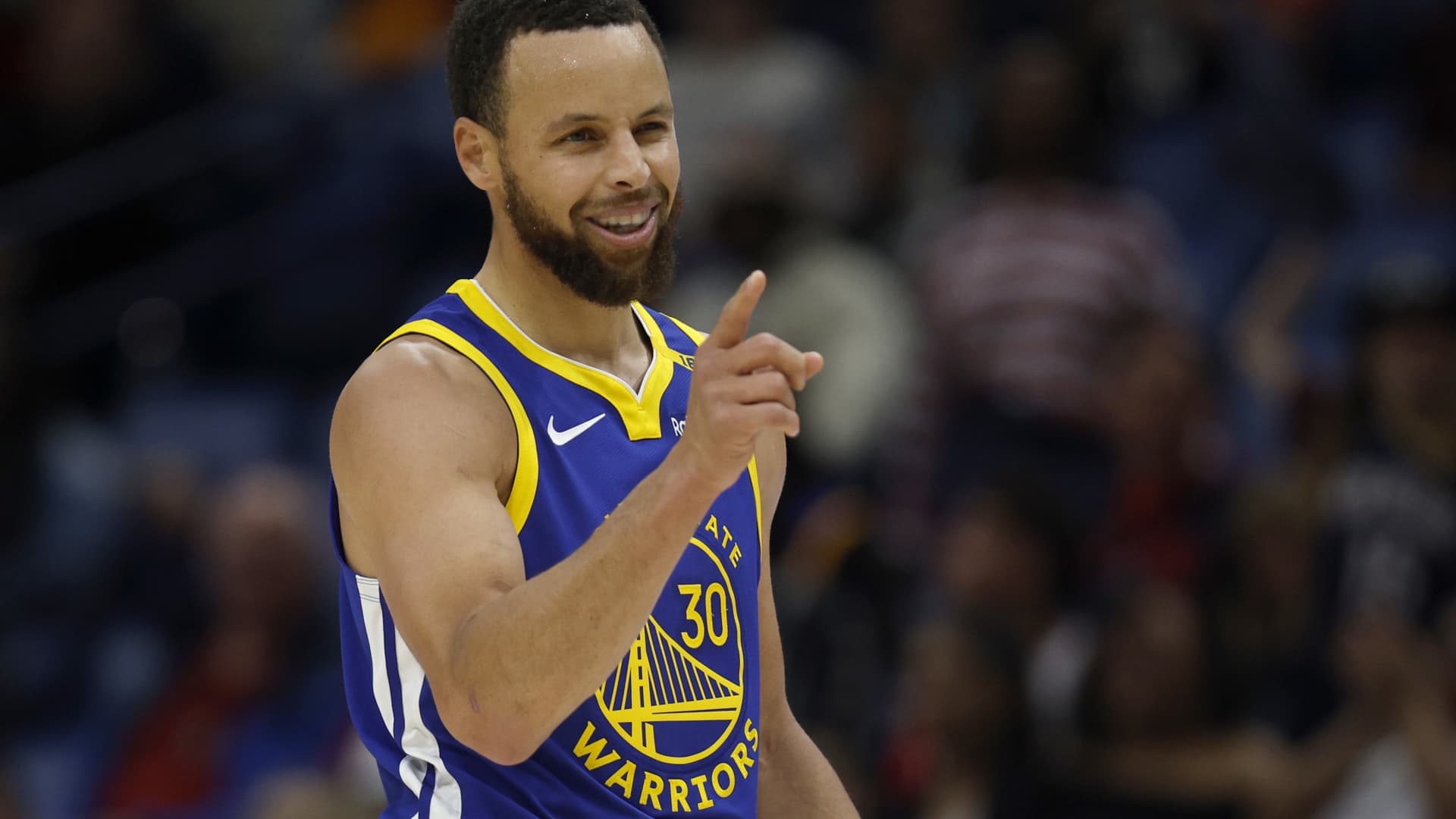
FARMINGDALE, N.Y. — NBA superstar Stephen Curry said Thursday a new signature shoe he’s designing in partnership with Li-Ning will debut early next year.

Curry announced in June he had struck a deal with the Chinese shoe company after his 13-year partnership with Under Armour came to a close.

“I think it was a great run,” Curry said of his relationship with Under Armour, adding the decision to end the relationship was “mutual.”

“Sometimes good things do come to an end,” he said. “I don’t have any regrets of how anything happened.”

Curry said he was looking for longevity, legacy and global reach in a new partner. He signed a 10-year, $400 million contract with Li-Ning, according to ESPN.

Advertisement

“I tried literally everything, and there was a reason that Li-Ning stood tall at the end because the product reigned supreme,” he said.

Get the CNBC Sport newsletter directly to your inbox

The CNBC Sport newsletter with Alex Sherman brings you the biggest news and exclusive interviews from the worlds of sports business and media, delivered weekly to your inbox.

Subscribe here to get access today.

The four-time NBA champion also said he was influenced by Golden State Warriors teammate Jimmy Butler and former NBA player Dwyane Wade, who also represent Li-Ning.

Advertisement

Curry said he will wear Li-Ning shoes designed by Butler and Wade until his own product comes out.

Always a Warrior

Continue Reading

Trending

Copyright © 2025