
Business
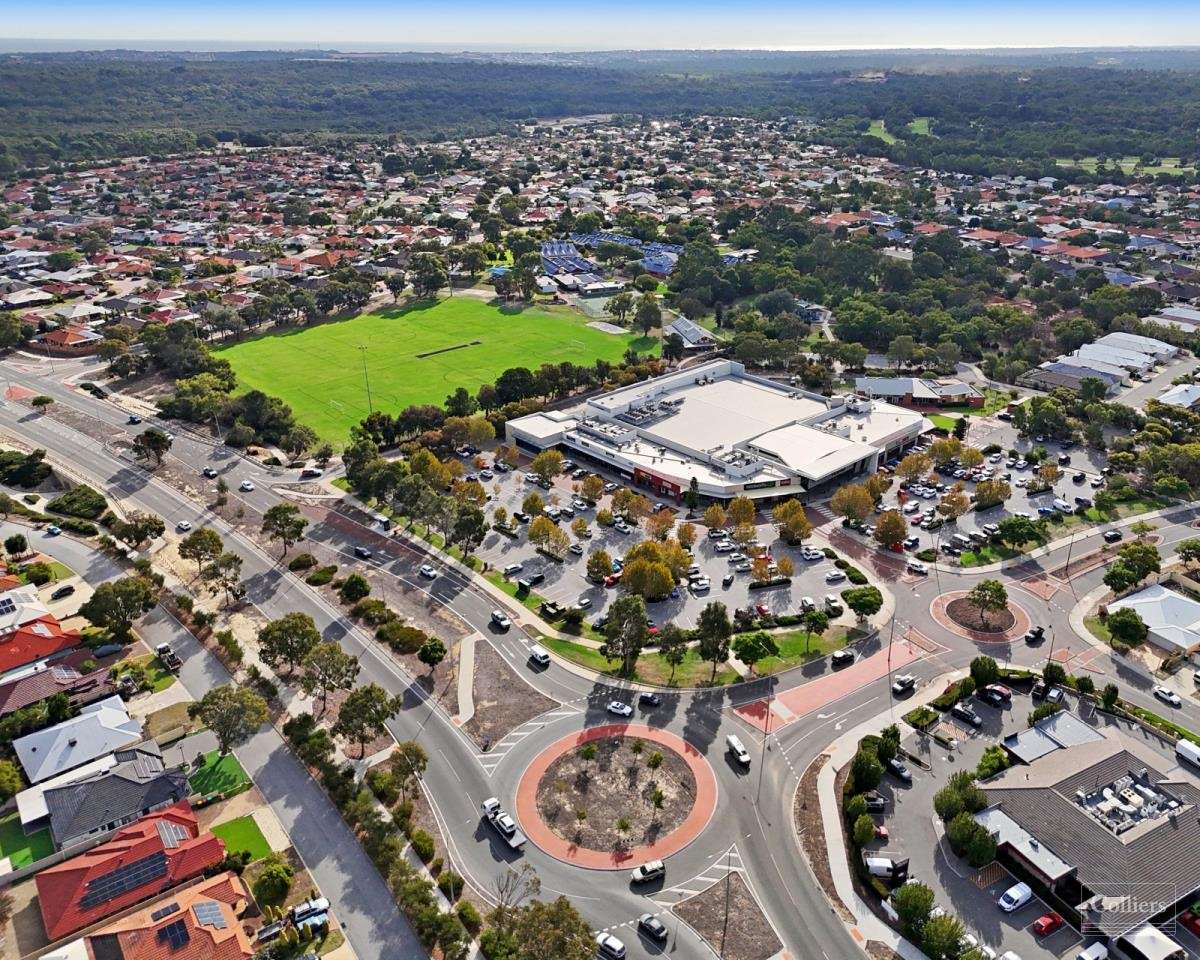
Carramar Village sold for $32.15m



Check out what’s clicking on FoxBusiness.com.
With MLB Opening Day upon us, Chicago Cubs new All-Star third baseman, Alex Bregman, knows he’s going to need some caffeine during a long, 162-game season.
But not all coffee is made the same, which is why Bregman is partnering with Throne SPORT COFFEE, joining a star-studded group which includes Kansas City Chiefs superstar quarterback Patrick Mahomes and WNBA star and Olympic gold medalist Breanna Stewart.
“I invested in the company because I believe in it,” Bregman, who joined the Cubs this past offseason on a five-year, $175 million deal, told FOX Business in a recent interview. “You got to take ownership in what you put into your body if you want to play for a long time and have longevity in this game. It’s a good-for-you coffee that will keep you going, and something that is important to me. I want to be putting the right stuff in my body, and Throne SPORT COFFEE does that for me.”
CLICK HERE FOR MORE SPORTS COVERAGE ON FOXBUSINESS.COM
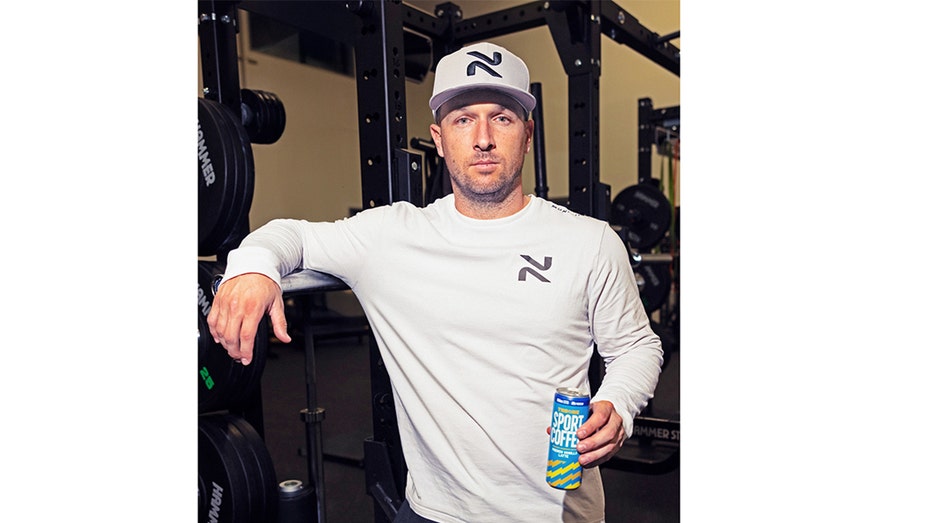
Alex Bregman joined Throne SPORT Coffee as its latest high-profile athlete partner, joining a group which includes Patrick Mahomes and Breanna Stewart. (Throne SPORT Coffee / Fox News)
Bregman said he connected with beverage industry veteran Michael Fedele, who created Throne SPORT COFFEE’s proprietary COFFEE PLUS+ formula for the brand’s premium-charged lattes and cold brews, while he was playing for the Houston Astros. Seeing Throne SPORT COFFEE having 150mg of natural caffeine, as well as being NSF Certified for Sport with 10 grams of protein and 100% daily value of B vitamins, it was a no-brainer to try it out for Bregman.
The relationship with Fedele continued as he joined the Boston Red Sox this past year, when he earned his third career All-Star nod.
WNBA STAR BREANNA STEWART PARTNERS WITH THRONE SPORT COFFEE ALONGSIDE PATRICK MAHOMES
Then, as Bregman left Cubs spring training to join Team USA during the World Baseball Classic (WBC), Throne SPORT COFFEE was in the clubhouse as the U.S. made its way to the WBC final.
“They loved it,” Bregman said about his Team USA peers getting Throne SPORT COFFEE in the clubhouse during the WBC. “Michael sent us a shipment when we were in Miami, and it got into the clubhouse at the perfect time. We had a late-night game and an early get-to-the-ballpark for an early workout. All the guys loved it and were caffeinated after that.”

Alex Bregman of Team USA walks to the team photo during the 2026 World Baseball Classic Pool B Workouts at Daikin Park on March 5, 2026, in Houston, Texas. (Houston Astros/Getty Images / Getty Images)
Fedele also couldn’t be happier to add Bregman as an investor and partner, as the brand continues to grow.
“We are excited to officially welcome Alex Bregman to the Throne SPORT COFFEE family,” he said in a statement to FOX Business. “Alex is excited to help drive awareness and education about our better-for-you coffee solution and he embodies the preparation, discipline and performance mindset that defines the Throne SPORT COFFEE brand. Partnering with athletes who have that mindset is key to our continued growth and to reinforcing our leadership in the category.”
Bregman knows Chicago is a big market for not just sports, but coffee drinkers alike. He can’t wait to get his Cubs teammates involved now, especially with how many day games the team plays throughout the season.

Throne SPORT COFFEE’s latte lineup, featuring four flavors. (Throne SPORT COFFEE / Fox News)
GET FOX BUSINESS ON THE GO BY CLICKING HERE
“You’re hitting your vitamins, you’re hitting your protein, and you’re getting the caffeine that’s good caffeine for you. I mean, for 162 games a year, you’re going to need some caffeine, especially here in Chicago with all these day games,” Bregman said. “I feel like Throne SPORT Coffee is going to be the go-to every day. To be able to partner with them is exciting and looking forward to getting the whole team caffeinated for all the games.”
Follow Fox News Digital’s sports coverage on X and subscribe to the Fox News Sports Huddle newsletter.

Fox Business’ Lydia Hu joins ‘Varney & Co.’ to discuss reports that child care costs are crippling parents as they struggle to balance it with rent in major cities across the US.
The American dream is becoming increasingly difficult for many women who are leaving the U.S. workforce, as new data highlights ongoing pressures tied to caregiving costs.
As the rising cost of childcare and eldercare outpaces wage growth, 455,000 women left the labor market between January and August 2025, according to Catalyst, with many citing difficult trade-offs between a paycheck and the high price of professional caregiving.
A recent report from the research group showed that nearly half a million female employees voluntarily left their jobs for various reasons. Forty-two percent cited leaving due to caregiving responsibilities, 37% cited a lack of schedule flexibility, while smaller percentages of those surveyed noted issues with pay dissatisfaction or job market uncertainty.
If businesses and the government do not address caregiving infrastructure, a Catalyst executive warns, the U.S. could face a long-term labor shortage that could drive up service costs.
THE INVISIBLE LAYOFF: A.I. IS QUIETLY LOCKING AMERICANS OUT OF THE JOB MARKET, C.E.O. WARNS
“This moment is especially risky. We are at the very tip of this spear, and we can still do something about it,” Catalyst President and CEO Jennifer McCollum told WTOP in Washington, D.C. “When women are leaving the corporate world, or the government world or NGO and nonprofit world en masse, like we’re seeing now, and you combine that with fewer leaders wanting to talk openly about that… we are creating the conditions for a labor market crisis.”

U.S. federal workers and other jobseekers wait in line to enter a job fair event in Silver Spring, Maryland, on April 16, 2025. (Getty Images)
“This research makes clear that women’s workforce exits are not about a lack of ambition or commitment,” McCollum said in the report. “They reflect the reality that too many jobs still fail to account for caregiving responsibilities and economic pressures. If we want to understand why women are leaving, we have to look at how work continues to be structured.”
LendingTree research from November 2025 found that in 100 of the largest U.S. metro areas, the average monthly cost for infant care is 25.3% lower than the cost of rent for a two-bedroom apartment. For families with both an infant and a toddler, childcare costs are 31.5% higher than rent.
Federal data from the Bureau of Labor Statistics show women’s labor force participation dropped sharply during the COVID-19 pandemic and has since largely rebounded to near pre-pandemic levels, though surveys from the U.S. Census Bureau indicate ongoing childcare challenges continue to affect workforce participation.
Some employers and policymakers argue that expanding workplace flexibility or government-backed childcare programs comes with trade-offs, including higher costs for businesses and taxpayers. Business groups, including the U.S. Chamber of Commerce and the National Federation of Independent Business, have warned that companies are already facing inflation and labor shortages and caution that new mandates could increase employer costs. Meanwhile, Federal Reserve research points to a still-tight labor market and rising labor force participation in recent years — including among women — though economists attribute those trends to multiple factors, including childcare costs, wages and broader economic conditions.
In some of the most expensive markets with the widest care-to-rent price ratios, childcare costs average $1,996 per month.
Labor Secretary Lori Chavez-DeRemer joins ‘Varney & Co.’ to address February’s weak jobs report and rising unemployment.
After accounting for inflation, 18% of those women surveyed who left the workforce couldn’t justify their salary against the rising costs of care.
“Eighteen percent of them said, ‘When I look at the trade-offs between what I have to do from a caregiving responsibility and pay, and the lack of flexibility I have, and the amount of pay that I get, I cannot make this calculus work anymore,’” McCollum also told WTOP.
“Women are not ‘opting out’ — they are leaving because many jobs are not designed around the logistical and financial realities of childcare and women’s lives,” Catalyst research director Sheila Brassel wrote in the study. “Employers that want to bring women back to the workforce and retain top talent need to take action through tangible and meaningful policies that support women’s full participation.”
FOX Business host Charles Payne unpacks AI disruption fears on ‘Making Money.’
GET FOX BUSINESS ON THE GO BY CLICKING HERE
Catalyst’s data shows that women want to work but are being squeezed by rigid corporate structures and a lack of post-COVID flexibility.
“Re-engaging and retaining women requires addressing caregiving realities, offering schedule flexibility, and ensuring work structures, equal pay, and access to opportunity that allow women not only to return to the workforce, but to thrive there,” Brassel added.
Employers, meanwhile, have faced pressure to balance flexible work policies with operational demands, with some companies scaling back remote work options in recent years.
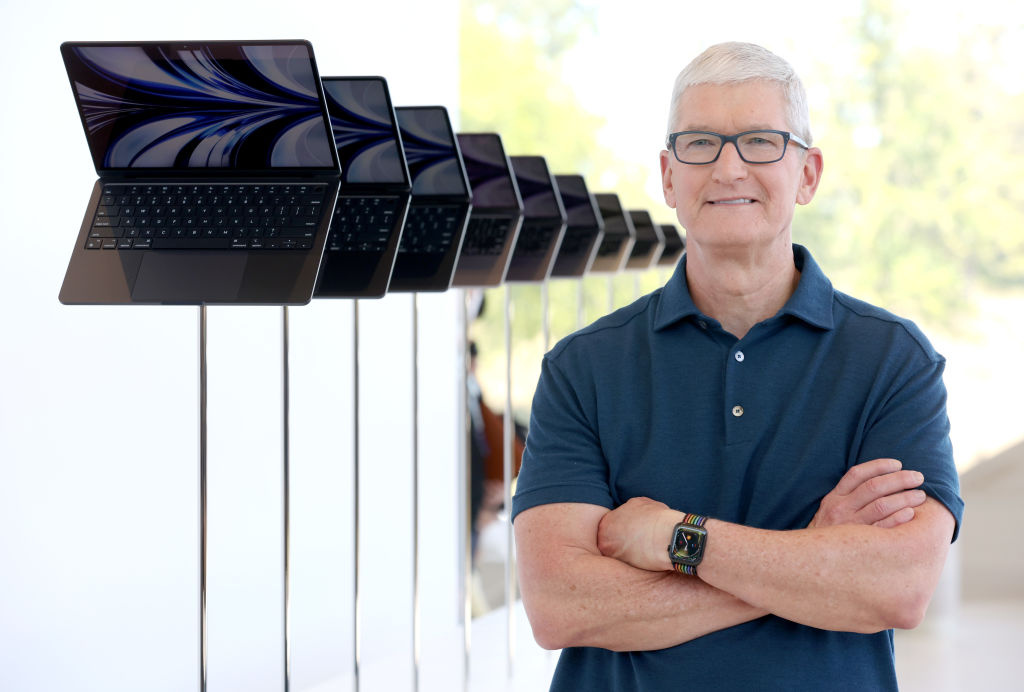
Apple Inc. shares gained ground in early Wednesday trading, climbing to around $253 as investors welcomed fresh data showing a 23% surge in iPhone sales in China during the first nine weeks of 2026, even as the broader smartphone market contracted. The modest advance reflected optimism about the company’s ability to capture share in its second-largest market despite ongoing global economic pressures.

As of mid-morning, Apple (NASDAQ: AAPL) traded at approximately $252.87 to $253.38, up roughly 0.5% to 0.7% from Tuesday’s close of $251.64. Volume reached several million shares by late morning, with the stock moving in a tight range between $251.60 and $254.98. The day’s open stood near $254 before settling into modest gains. Market capitalization hovered near $3.75 trillion to $3.77 trillion, keeping Apple among the world’s most valuable companies.
The positive momentum followed Counterpoint Research data released last week showing Apple’s iPhone shipments in China rose sharply while overall smartphone sales fell 4% year-over-year. Analysts attributed the gains to aggressive e-commerce discounts, eligibility for government subsidies on the base iPhone 17 model, and tighter supply-chain control that allowed Apple to absorb rising memory chip costs better than many Android rivals. Some competitors raised prices, handing Apple an opening to expand market share without cutting list prices.
China remains critical for Apple, accounting for a significant portion of iPhone revenue. The strong early-year performance bucked industry trends and eased concerns about softening demand in the region, where economic headwinds and competition from local brands like Huawei have pressured Western manufacturers in recent quarters. Executives have highlighted improved channel inventory and targeted promotions as key drivers.
Wall Street sentiment stayed largely constructive. Consensus 12-month price targets clustered around $270 to $287, implying potential upside of 7% to 14% from current levels. Most major firms maintained “Buy” or “Hold” ratings, citing Apple’s resilient Services segment, ecosystem lock-in and long-term artificial intelligence opportunities. Some forecasts project the stock could reach $287 by year-end 2026, with longer-term models pointing to $350-$520 by 2030 under optimistic growth scenarios.
Apple’s forward dividend of $1.04 per share yields approximately 0.41%, with the ex-dividend date having passed in early February. The company has a long track record of returning capital through dividends and share buybacks, supporting its appeal to income and growth investors alike. Beta around 1.12 indicates slightly higher volatility than the broader market.
Recent trading has been volatile. Shares touched a 52-week high near $288.62 in December 2025 before pulling back amid broader technology sector rotation and concerns over iPhone upgrade cycles. The 52-week low stood at $169.21 in April 2025. Year-to-date performance through late March remained modestly positive despite a choppy start to 2026.
Services revenue continues providing a buffer against hardware softness. The segment, which includes App Store, Apple Music, iCloud and advertising, has grown steadily and now generates high-margin, recurring income. Analysts expect Services to contribute meaningfully to overall results when Apple reports fiscal second-quarter earnings around April 30.
Other developments include plans to introduce paid ads in Apple Maps in the U.S. and Canada this summer, marking a new revenue stream in a space long dominated by Google. The company also announced its annual Worldwide Developers Conference will run online from June 8-12, with expectations for major AI-related software updates and new developer tools.
Speculation around a foldable iPhone has resurfaced, with some reports suggesting enthusiasm is building for a potential 2027 launch. While Apple has not confirmed timelines, any progress on foldable technology could open fresh growth avenues in a maturing smartphone market.
Challenges persist. Global macroeconomic uncertainty, including elevated interest rates and cautious consumer spending, has weighed on premium device demand. Supply-chain costs for components like memory chips have risen, though Apple’s vertical integration and negotiating power provide advantages. In the U.S., iPhone upgrade cycles remain elongated as consumers hold onto devices longer.
Looking ahead, investors will watch closely for first-quarter results that could provide further color on China momentum and U.S. trends. Guidance for the June quarter and any commentary on AI integration across devices will likely influence sentiment. Analysts project mid-single-digit revenue growth for the year, with Services and emerging categories such as wearables and Vision Pro helping offset any hardware cyclicality.
For retail investors, Apple remains a core holding in many portfolios, offering exposure to consumer technology, premium branding and innovation. The stock’s defensive qualities — strong balance sheet, consistent cash flow and loyal customer base — have historically helped it weather downturns better than many peers.
Broader market context also matters. Technology stocks have shown resilience amid mixed economic signals, but rotation into value names and concerns over valuations have occasionally pressured high-multiple names like Apple. The company’s price-to-earnings ratio remains elevated compared with historical averages, reflecting expectations for future growth.
As trading continued Wednesday, shares held modest gains, suggesting investors are giving Apple credit for its China performance while awaiting more concrete signals of a broader recovery. The stock rarely moves dramatically on single sessions, but sustained positive data from key markets could catalyze a rebound toward analyst targets.
Apple’s ecosystem strength — seamless integration across iPhone, Mac, iPad, Watch and Services — continues differentiating it from competitors. Loyalty metrics remain high, with many users staying within the platform for years. New product cycles, including potential AI enhancements and refreshed hardware, are expected to drive interest later in 2026.
In summary, Apple’s shares traded modestly higher early Wednesday on the back of encouraging China sales figures that highlighted the company’s competitive resilience. While near-term challenges in consumer spending and component costs linger, the combination of Services growth, ecosystem advantages and strategic moves in key markets keeps Apple well-positioned for long-term success. Investors will continue monitoring quarterly results and product pipeline updates for further direction.

Interior Secretary Doug Burgum commends President Donald Trump’s economic agenda on ‘The Evening Edit.’
Toyota is recalling more than 144,200 vehicles in the U.S. due to a rearview camera malfunction that could increase crash risk, according to the National Highway Traffic Safety Administration (NHTSA).
The issue may prevent the rearview camera image from displaying when the vehicle is placed in reverse, reducing driver visibility and raising the likelihood of a collision, regulators said.
The recall is listed under NHTSA campaign number 26V162000 and involves a failure to comply with Federal Motor Vehicle Safety Standard No. 111 on rear visibility.
UNITED DOUBLES DOWN ON PREMIUM TRAVEL, NEW AIRPLANES
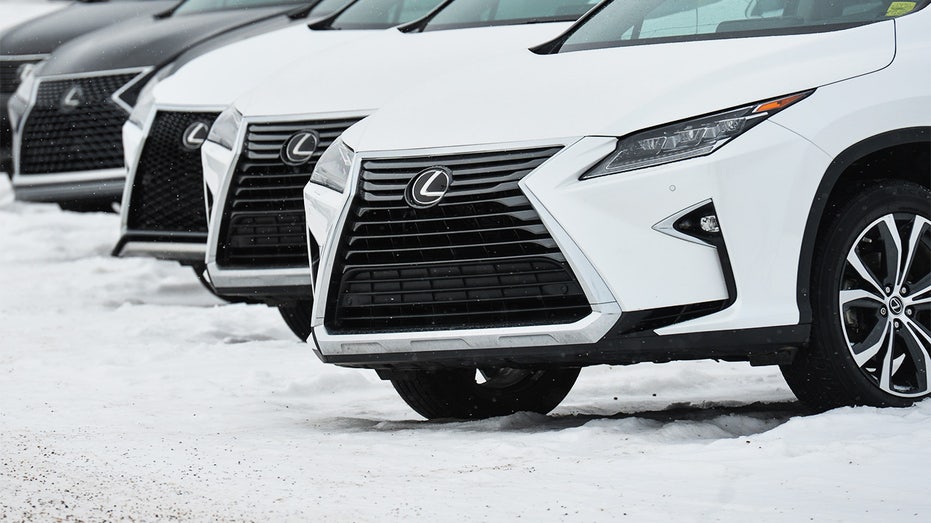
Lexus vehicles outside a dealership on Jan. 22, 2022. (Artur Widak/NurPhoto via Getty Images)
Regulators said the issue is tied to a brief drop in electrical power during certain engine restart conditions, which can interrupt the camera system before it fully loads. The problem may occur when a vehicle is restarted shortly after being turned off, though it does not happen in all cases.
| Ticker | Security | Last | Change | Change % |
|---|---|---|---|---|
| TM | TOYOTA MOTOR CORP. | 209.78 | -0.86 | -0.41% |
The recall affects certain non-hybrid Lexus models, including 2022–2025 NX250 and NX350, 2023–2026 RX350, and 2024–2026 TX350 vehicles, according to NHTSA filings. Regulators estimate all affected vehicles contain the underlying condition, though the issue may only appear under specific operating scenarios.
Toyota began investigating reports of inoperative rearview cameras in early 2025 and identified the root cause after months of testing, ultimately determining in March 2026 that a recall was necessary.
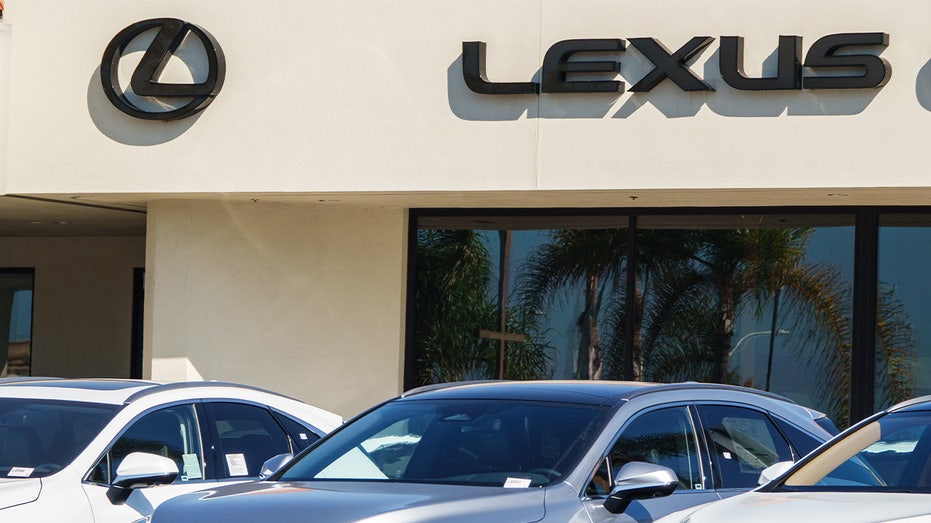
A Lexus logo is displayed at a dealership on Nov. 7, 2025 in Carlsbad, California. (Kevin Carter/Getty Images)
Toyota dealers will update the software or replace the rearview camera as needed, free of charge, the agency said. Owner notification letters are expected to be mailed by May 3, 2026.
CLICK HERE TO GET FOX BUSINESS ON THE GO
Drivers can check whether their vehicle is included in the recall by visiting NHTSA’s recall website or Lexus’ recall page and entering their vehicle identification number.

Merck stock price target maintained at $109 by Morgan Stanley
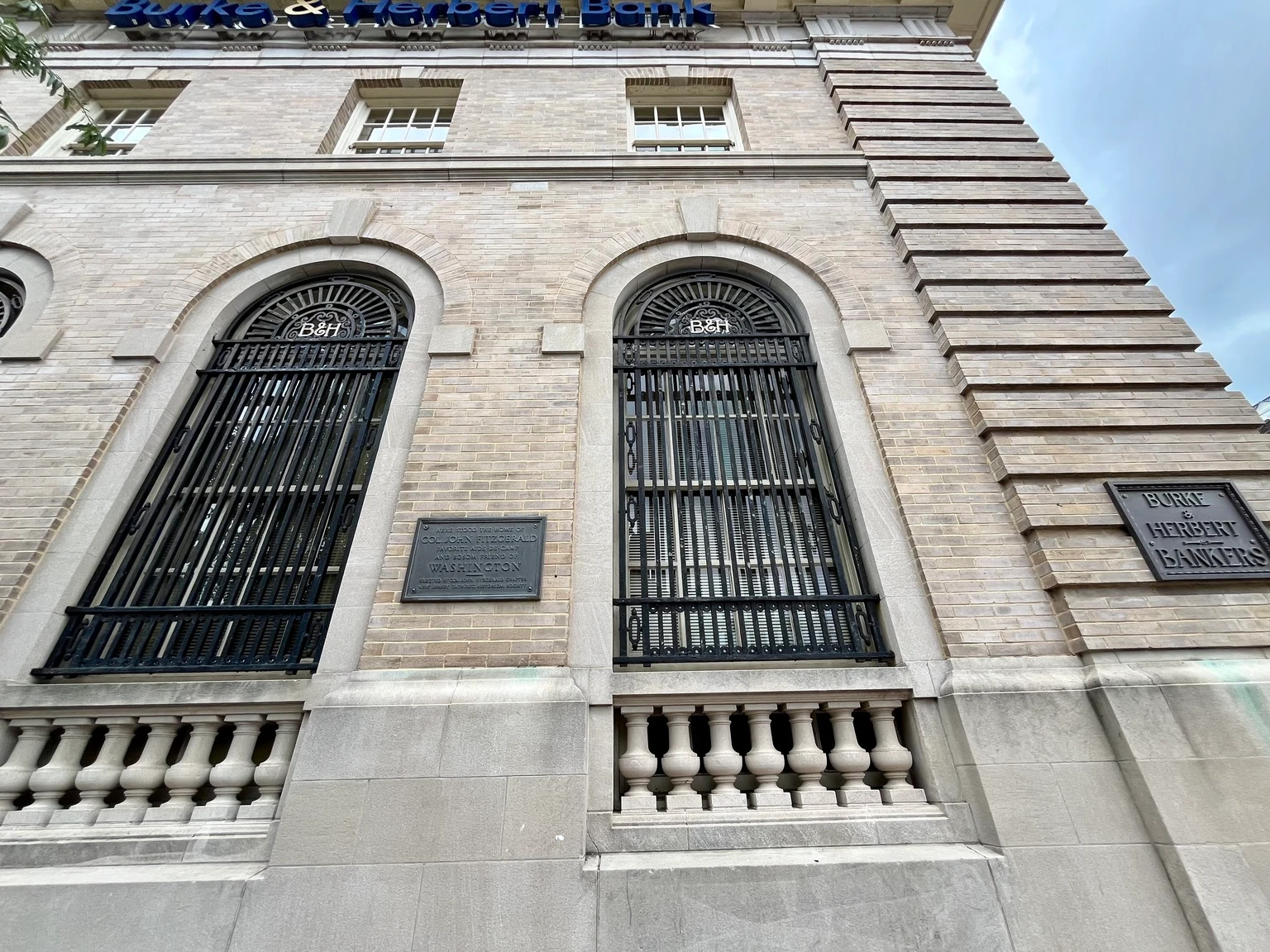
Burke & Herbert Post-Merger In 2026 – Not My First Pick
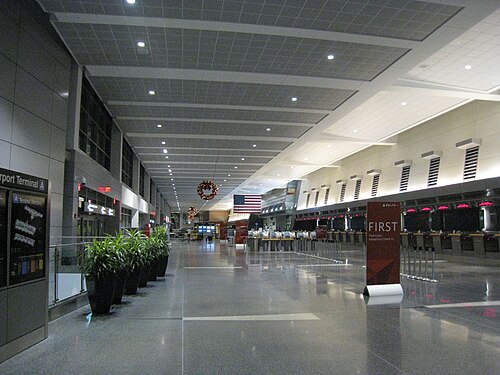
Travelers at Boston Logan International Airport faced relatively smooth security lines Wednesday as TSA staffing held steady amid the ongoing partial government shutdown, with average wait times hovering between 10 and 20 minutes at most checkpoints despite national concerns over officer call-outs and absenteeism.

As of midday, third-party trackers reported average standard security waits of 11 to 15 minutes across terminals, with peaks reaching 25 to 30 minutes during morning rushes and occasional spikes to 35-40 minutes in the overnight hours. TSA PreCheck lanes generally moved faster, often under 10 minutes when open, though availability varied by terminal and time of day. Massport, the airport’s operator, continued monitoring lines closely and recommended passengers arrive two hours before domestic flights and three hours for international departures.
Logan International, one of the busiest airports in the Northeast and a major hub for Delta, JetBlue and American Airlines, handles more than 40 million passengers annually across its six terminals. Terminal A primarily serves Delta and some JetBlue flights, while Terminal B hosts JetBlue and United operations. Terminals C and E handle international traffic, with Terminal E dedicated to overseas arrivals and departures.
The current stability at Logan contrasts sharply with reports of multi-hour delays at other major hubs nationwide, where TSA absenteeism has climbed due to the shutdown that began in mid-February. At Logan, more than 20 TSA officers have quit since the funding lapse started, and dozens more in New England have walked off or called out, according to union leaders. Yet local officials and travelers described operations as “so far, so good,” with lines moving efficiently even during spring break travel surges.
Massport spokesperson Jennifer Mehigan noted that the airport has avoided the worst of the national disruptions thanks to proactive staffing management and strong cooperation between TSA and local teams. However, concerns linger as the shutdown enters its sixth week and officers remain unpaid. TSA Union AFGE Local 2617 President Mike Gayzagian warned that further attrition could strain the system, though he emphasized that New England has not seen the same level of chaos as airports in Atlanta, Chicago or Houston.
To improve the passenger experience, Massport is testing a new camera-based wait time tracking system in Terminal B that uses analytics to estimate average screening times without capturing facial images or personal details. The technology calculates line movement and will eventually display real-time estimates on the airport website, FlyLogan app and internal flight information screens. Full rollout across all terminals is expected in mid-April, providing a more reliable alternative to the federal MyTSA app, which has been unreliable during the shutdown.
CLEAR biometric lanes remain available in Terminals A and B, offering expedited entry for enrolled members. TSA PreCheck is operational across checkpoints, though not every lane is staffed simultaneously. Passengers without expedited status are advised to remove liquids, electronics and outerwear in advance to speed processing.
Peak periods at Logan typically occur between 5 a.m. and 8 a.m. and again from 4 p.m. to 7 p.m. on weekdays, with Friday afternoons and Sunday evenings also busy. Recent hourly data showed overnight lulls dropping to near zero minutes in some slots, while midday averages stayed in the low teens. Spring break travel has added volume, yet lines have not reached the alarming lengths seen elsewhere.
Travelers shared mixed but mostly positive experiences on social media and local news. Many reported breezing through in under 15 minutes, while others noted 25- to 30-minute waits during busier morning hours. One passenger departing for Florida said her family cleared security in eight minutes, calling the process smoother than expected given national headlines.
Airport officials urge flexibility. Airlines including JetBlue and Delta have issued advisories encouraging passengers to check flight status and build in extra buffer time. Some carriers have offered rebooking flexibility for those affected by any unexpected delays. Massport continues coordinating with TSA to maintain safety standards without compromising screening thoroughness.
The shutdown has highlighted vulnerabilities in federal aviation security staffing. Nationwide, call-out rates have risen, prompting discussions about deploying ICE agents or other federal personnel at major airports. At Logan, no such deployment has occurred, and union leaders said it does not appear necessary at this time, though they monitor the situation closely.
Logan’s six terminals offer amenities to ease waits, including dining options, retail shops and charging stations. United Club and Delta Sky Club lounges provide respite for eligible passengers, while family areas help traveling parents. The airport’s proximity to downtown Boston — about 3 miles from the city center via the Silver Line — makes it a convenient gateway despite occasional ground traffic.
Medical experts and travel advocates recommend strategies to minimize delays: enroll in TSA PreCheck or Global Entry if eligible, pack carry-ons efficiently, download the FlyLogan app for updates, and consider off-peak flights when possible. Passengers with disabilities or medical needs can contact TSA Cares at least 72 hours in advance for assistance.
As the funding impasse in Washington continues, Logan’s relatively smooth operations offer a reassuring contrast. Massport emphasizes that safety remains the top priority and that staffing levels currently support normal throughput. Officials pledged to keep travelers informed through the new tracking system once fully implemented.
Looking ahead, spring break and summer travel seasons could test the system further if the shutdown persists or worsens. TSA has historically increased hiring during peak periods, but current constraints limit flexibility. Passengers are advised to check multiple sources — including airline apps, the FlyLogan app and third-party trackers — for the latest conditions.
In summary, while national TSA challenges have created anxiety for many flyers, Boston Logan International Airport has maintained manageable security wait times averaging 10 to 20 minutes on most days. With a new real-time tracking system on the horizon and continued local coordination, Logan aims to keep disruptions minimal. Travelers who plan ahead, use expedited programs and monitor updates stand the best chance of a smooth departure from one of New England’s busiest gateways.
The airport continues to operate all flights, with any delays primarily tied to individual checkpoint volumes rather than widespread shutdown effects. As negotiations continue in Washington, both Massport and TSA monitor the situation to protect the millions of passengers who pass through Logan each year.

Universities need to address the psychological health and safety of staff.
Business
From the Suez Canal to the Culture Wars: How Military Experience Shaped Adam Milstein’s Philanthropic Vision

There is a particular kind of clarity that comes from nearly losing everything. For Adam Milstein, that clarity arrived in October 1973, during the Yom Kippur War, when he crossed the Suez Canal as part of Ariel Sharon’s division while Israel fought for its survival. The experience didn’t just shape his patriotism—it provided a set of analytical tools he would later apply to challenges most philanthropists never think to address: pattern recognition, capability assessment, adversary anticipation, and the discipline to act on intelligence before the consensus catches up.
Half a century later, those tools define his philanthropic methodology in ways that distinguish him from nearly every peer in American Jewish giving. Where most donors react to crises, Milstein invests in the infrastructure to detect them early. Where others scatter funds across familiar organizations, he builds networks that force-multiply philanthropic impact. Where conventional wisdom says stay in your lane, Milstein challenges antisemitism on both the political left and right with equal directness.
His January 2026 Jerusalem Post article offered a case study in this approach. Writing after Charlie Kirk’s death triggered a reckoning within the American conservative movement, Milstein argued that tolerating antisemitic voices like Nick Fuentes doesn’t broaden a political coalition—it poisons one. There is no hidden army of voters, he wrote, waiting to be activated by embracing extremists. There is instead a large bloc of persuadable Americans who refuse to tolerate hatred disguised as authenticity.
His February 2026 New York Post piece applied the same unflinching analysis to the other side of the aisle, warning that the Democratic Party faces a defining moral test over antisemitism within its ranks. He pointed to elected officials who refuse to condemn calls for violence against Western democracies and activist networks working to strip Jews of protected minority status. His argument was historical in scope: political movements that appease antisemitism don’t just lose elections—they lose their souls.
This dual-front strategy reflects the military thinking that has guided Milstein since his IDF service. Threats rarely arrive from a single direction, and defending against one while ignoring another is a recipe for catastrophe. His foundation, established in 2000 with his wife Gila, operates accordingly—supporting over 150 organizations that span the ideological spectrum, from progressive advocacy groups to conservative policy institutes, campus monitoring operations to interfaith coalitions, media watchdogs to technology platforms that use artificial intelligence to track antisemitic content online.
The institutional architecture Milstein has constructed reflects the same forward-thinking. The Israeli-American Council, which he co-founded in 2007 and chaired from 2015 to 2019, organized a community that had lacked infrastructure connecting them to broader Jewish advocacy. The Impact Forum, launched in 2017, created a platform where philanthropists pool resources and coordinate strategy through quarterly dinners that have since expanded from Los Angeles to Dallas and Miami.
Milstein arrived in the United States in 1981 to study at USC, built a career in commercial real estate at Hager Pacific Properties, and might easily have spent his later years enjoying the fruits of that success. Instead, the same instinct that drove him across the Suez Canal—the refusal to wait for others to act when the threat is already visible—pushed him toward a second career in strategic philanthropy that has reshaped how the American Jewish community organizes, funds, and fights.
At 74, the lesson from 1973 still governs everything. Threats dismissed today become crises tomorrow. The infrastructure to respond must exist before the emergency arrives. And leadership means acting on what you see, even when the crowd hasn’t caught up.


New items include locally-inspired dishes and global cuisine.

vivo Y21 5G, Y11 5G Launched in India With 6,500mAh Battery, 120Hz Display

A Wall of Money

Cubs star Alex Bregman invests in Throne SPORT COFFEE before MLB season


-
 Crypto World5 days ago
NIO (NIO) Stock Plunges 6.5% as Shelf Registration Sparks Dilution Worries
-

 Fashion5 days ago
Weekend Open Thread: Adidas – Corporette.com
-

 Politics5 days ago
Jenni Murray, Long-Serving Woman’s Hour Presenter, Dies Aged 75
-

 Crypto World4 days ago
Best Crypto to Buy Now: Strategy Just Spent $1.57 Billion on Bitcoin During Fear While Early Investors Quietly Enter Pepeto for 150x Potential
-
 NewsBeat6 hours ago
Manchester United reach agreement with Casemiro over contract clause amid transfer speculation
-

 News Videos7 days ago
RBA board divided on rate cut, unusually buoyant share market | Finance Report | ABC NEWS
-

 Crypto World4 days ago
Bitcoin Price News: Bhutan Sells $72 Million in BTC Under Fiscal Pressure, but the Smart Money Entering Pepeto Sees What the Market Does Not
-

 Tech5 days ago
inKONBINI Lets You Spend Summer Days Behind the Register
-

 Crypto World7 days ago
Canada’s FINTRAC revokes registrations of 23 crypto MSBs in AML crackdown
-

 Sports2 days ago
Remo Stars and Kano Pillars Strengthen Survival Hopes in NPFL
-
 NewsBeat7 days ago
Residents in North Lanarkshire reminded to register to vote in Scottish Parliament Election
-

 Politics6 days ago
Gender equality discussions at UN face pushbacks and US resistance
-

 Business3 days ago
No Winner in March 21 Drawing as Prize Rolls to $133 Million for Next
-

 Business7 days ago
Who Was Alex Pretti? 5 Key Facts About the ICU Nurse Killed by Federal Agents in Minneapolis
-

 Sports2 days ago
Gary Kirsten Accuses Pakistan Cricket Board Of ‘Interference’, Mohsin Naqvi Responds
-

 Tech3 days ago
Give Your Phone a Huge (and Free) Upgrade by Switching to Another Keyboard
-

 Tech7 days ago
Inventec’s bizarre VeilBook laptop hides its touchpad under a sliding keyboard just to give cooling fans a little breathing room
-

 Sports5 days ago
2026 Kentucky Derby horses, odds, futures, preview, date: Expert who nailed 12 Derby-Oaks Doubles enters picks
-
Sports6 days ago
Vikings Free Agency Enters Phase 2 with Key Questions
-

 Tech3 days ago
AI enters the chat: New Seattle dating app relies on tech to facilitate meaningful human connections
You must be logged in to post a comment Login