
Business
Cha Eun-woo Apologizes for 13 Billion Won Tax Burden After Paying Massive Bill Amid Fan Backlash


SEOUL, South Korea — K-pop star and actor Cha Eun-woo issued a personal apology Wednesday after settling a high-profile tax dispute with South Korea’s National Tax Service, confirming he has paid approximately 13 billion won ($8.7 million) following an initial assessment that exceeded 20 billion won and sparked widespread disappointment among fans.

The 29-year-old Astro member, whose real name is Lee Dong-min, posted a lengthy statement on his personal Instagram on April 8, taking full responsibility for the controversy and expressing deep regret for causing “disappointment and confusion” to supporters who have backed him throughout his career.
“Although it is late, I would like to personally share my thoughts and position now,” Cha wrote. “I respect the procedures and findings of the National Tax Service, and to prevent any further confusion, I have fully paid the related taxes. I will also diligently comply with any remaining procedures.”
He added: “Above all, I feel most terrible and sorry for disappointing my fans, AROHA, who have trusted and supported me. Because I have been active thanks to the love and support of so many people, I am taking this matter even more seriously and deeply. If there was anything I failed to examine carefully enough, all responsibility lies with me. I will not evade this by saying I ‘didn’t know’ or that it was ‘someone else’s decision’ for any reason.”
The statement marked Cha’s second public comment on the issue. In late January, shortly after reports of the tax probe surfaced, he had issued an initial apology while serving mandatory military duty, pledging to accept the authorities’ final decision.
The controversy erupted in January 2026 when Korean media reported that the Seoul Regional Tax Office had notified Cha of an additional tax assessment exceeding 20 billion won following an intensive audit conducted in the first half of 2025, before he enlisted in the military in July.
Authorities alleged that a significant portion of Cha’s earnings had been routed through a company established in October 2022 under his mother’s name. The National Tax Service determined the entity functioned primarily as a “paper company” with little genuine business activity, allowing income to be taxed at the lower corporate rate rather than the top personal income tax bracket of up to 45%. This arrangement allegedly reduced Cha’s overall tax burden by more than 20 percentage points.
The probe also examined his agency, Fantagio, which was ordered to pay 8.2 billion won in additional taxes last year. Tax officials reportedly summoned both Cha and his mother for questioning as part of the investigation.
On Thursday, April 9, Fantagio clarified to multiple outlets that while the initial assessment topped 20 billion won, overlapping payments in corporate and value-added taxes led to adjustments. The agency said an accountant informed them that Cha’s actual net burden after expected refunds would amount to about 13 billion won, which he has now paid in full.
The payment and apology have done little to quell public criticism. Many netizens expressed disappointment that the response came months after the initial reports and questioned the sincerity of Cha’s “good boy” image, which had made him one of South Korea’s most beloved celebrities and lucrative endorsers.
Several major brands, including skincare line Abib and others, quietly removed or scaled back campaigns featuring Cha following the January revelations. Some videos on the National Defense Information Service’s YouTube channel starring the idol were also made private.
The case has drawn particular scrutiny because of Cha’s military service. A citizen petition filed Thursday with the Ministry of National Defense calls for a review of his assignment to the military band, arguing that his tax issues raise questions about his suitability for the role.
Cha’s representatives have emphasized that he accepted the National Tax Service’s findings without contest and paid promptly to resolve the matter. In his April 8 statement, he reflected on the incident as a moment for personal growth, saying it prompted him to “look back and deeply reflect on whether I have been sufficiently strict in fulfilling my duty to pay taxes as a citizen of the Republic of Korea.”
The scandal represents one of the largest tax assessments ever reported against an individual South Korean entertainer. It highlights ongoing scrutiny of tax practices in the entertainment industry, where high earners sometimes use corporate structures or family entities to manage income.
Industry observers note that while many celebrities have faced tax probes in the past, the scale of Cha’s case and his previously untarnished reputation have amplified the backlash. Some fans have called for a second chance, citing his long history of charitable work and positive public image, while others demand stricter accountability.
Cha, who rose to fame as a member of Astro and gained massive popularity through dramas such as “True Beauty” and “A Good Day to Be a Dog,” has been one of the country’s top endorsers, appearing in campaigns for cosmetics, fashion and financial brands. His military enlistment in 2025 paused much of his entertainment activities, but the tax news emerged during his service.
As of Thursday, no criminal charges have been filed, and the matter appears resolved through the civil tax payment. The National Tax Service has not issued a public comment on the final settlement.
Fantagio said Cha remains focused on completing his military duties and will return to activities with renewed commitment once discharged. The agency declined further comment on the tax details beyond confirming the payment.
Public reaction on social media remains mixed. Supporters have posted messages of encouragement, while critics have questioned whether the apology and payment are sufficient to restore trust. Hashtags related to the controversy trended briefly in Korea after the latest statements.
The episode serves as a reminder of the intense public expectations placed on Korean idols and actors, who often serve as national cultural ambassadors. Tax compliance has become a sensitive issue in the industry following several high-profile cases in recent years.
Cha’s fans, known as AROHA, have been urged by some community leaders to await further developments while others have expressed heartbreak over the tarnishing of his image.
For now, the 29-year-old star has stepped back from public commentary beyond his written apology, letting his payment and promise of responsibility speak for the resolution of the financial side of the dispute.
Whether the public will forgive and forget remains to be seen as Cha completes his service and prepares for a comeback. In South Korea’s fiercely competitive entertainment landscape, reputation can be as valuable — and as fragile — as any financial asset.
As one fan commented online, “We loved the perfect image, but now we see he’s human too. The real test is what he does from here on.”
The coming months will determine if Cha Eun-woo can rebuild the trust that once made him a household name synonymous with charm and integrity.

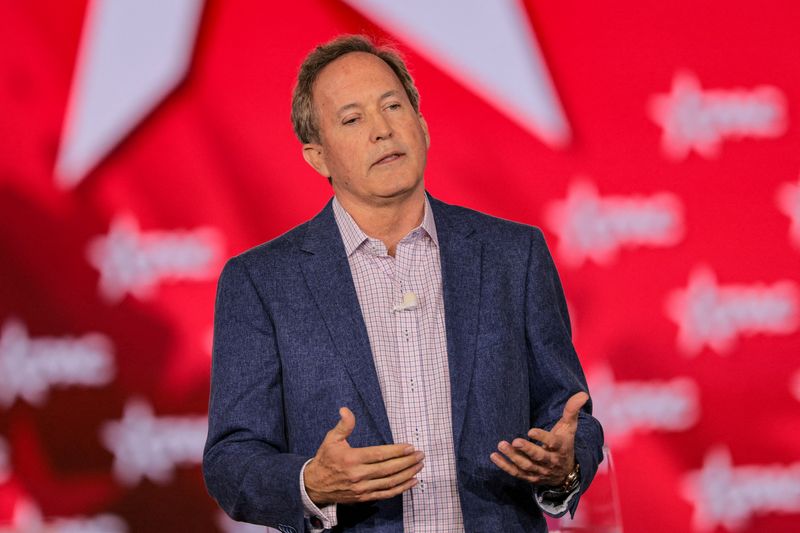

ActBlue sues to block Texas attorney general’s ’retribution’ lawsuit
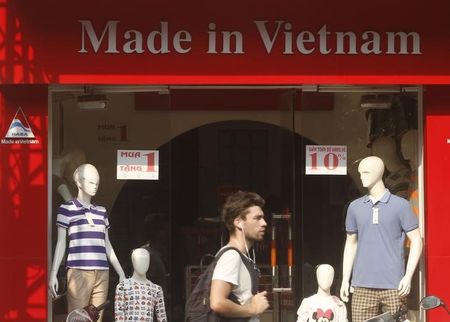
Japanese PM Takaichi lands in Hanoi to address sharp investment decline – Reuters
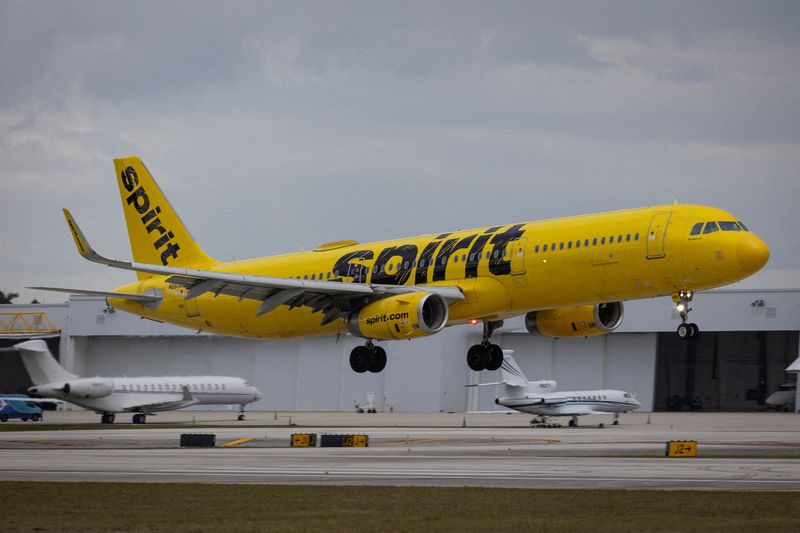

Spirit Airlines prepares to shut down operations overnight, sources say

CUPERTINO, Calif. — Apple CEO Tim Cook on Thursday warned investors of significantly higher memory costs in the coming quarters due to an intensifying global supply crunch driven by artificial intelligence demand, signaling potential pressure on the company’s hardware margins and hinting at a range of mitigation strategies under consideration.
Speaking during Apple’s fiscal second-quarter earnings call, Cook described the memory constraints as an ongoing challenge that the company has managed so far through inventory and supplier relationships but expects to intensify. “We believe memory costs will drive an increasing impact on our business,” he said, adding that Apple would “continue to evaluate” options without providing specifics on pricing adjustments or design changes.
The warning comes as the tech industry grapples with what some analysts have dubbed “RAMageddon” — a shortage of high-bandwidth memory chips essential for AI training and inference. Major cloud providers and AI developers have consumed vast quantities of DRAM and HBM chips, driving prices higher and creating allocation battles among suppliers. Apple, which relies heavily on memory for iPhones, Macs and iPads, is feeling the ripple effects despite its scale and long-term supplier deals.
Apple reported strong quarterly results overall, with revenue beating expectations and services continuing robust growth. However, Cook’s comments on memory highlighted emerging headwinds in the hardware business as the company ramps up AI features across its product lineup. The iPhone maker has invested heavily in on-device AI capabilities, which require substantial memory resources, particularly in flagship devices.
Supply chain experts say the crunch stems from limited manufacturing capacity for advanced memory. Samsung, SK Hynix and Micron dominate production, and their output has been prioritized for AI accelerators from Nvidia and others. Consumer electronics companies like Apple face stiffer competition for remaining supply, leading to higher costs and potential delays. Cook noted Apple navigated the current quarter’s constraints effectively but anticipates greater impact ahead.
Analysts have speculated on Apple’s potential responses. These could include passing some costs to consumers through selective price increases, optimizing designs to use less memory, or securing more long-term supplier contracts. The company has a history of efficient component management, but sustained shortages could challenge its premium pricing strategy. Cook emphasized flexibility in the supply chain remains limited in the near term.
The memory warning arrives as Apple pushes its Apple Intelligence features, which promise enhanced Siri capabilities, writing tools and image generation. On-device processing requires significant RAM, particularly in newer iPhones and Macs. Demand for AI-enabled devices has further strained supply, creating a feedback loop where AI growth drives component shortages that then affect AI device production.
Wall Street reacted cautiously to Cook’s comments. While Apple’s overall results were solid, some investors worried about margin compression if memory costs rise sharply without corresponding price adjustments. Apple has maintained strong gross margins historically through premium positioning and supply chain mastery, but prolonged component inflation could test that track record.
Broader industry implications extend beyond Apple. PC makers, smartphone manufacturers and automotive companies all compete for memory chips. Analysts predict continued volatility through 2026 unless new manufacturing capacity comes online. Governments and companies are exploring ways to diversify supply, including investments in domestic production in the United States and Europe.
Cook’s remarks also underscore Apple’s evolving relationship with the AI boom. While the company has been more cautious than rivals about generative AI, it has steadily integrated machine learning across its ecosystem. The memory crunch highlights the hardware realities behind software ambitions, as even on-device AI requires substantial physical resources.
Apple has not indicated immediate product price changes. The company typically adjusts pricing strategically, often absorbing some cost increases to protect sales volume. However, sustained pressure could force difficult choices, particularly for lower-margin products. Cook’s “range of options” comment suggests internal discussions are underway across engineering, procurement and finance teams.
The earnings call also featured updates on services growth, Mac performance and iPhone demand. Apple reported record quarterly revenue in some segments, demonstrating resilience despite macroeconomic challenges. Services, including App Store, Apple Music and iCloud, continue as a high-margin bright spot less affected by hardware supply issues.
For consumers, the memory crunch may eventually translate to higher device prices or slower availability of certain configurations. Tech enthusiasts tracking component costs have already noted rising DRAM prices in the aftermarket. Apple’s loyal customer base may tolerate modest increases, but broader economic sensitivity could influence purchasing decisions.
Looking ahead, industry watchers will monitor Apple’s next earnings for further updates on memory costs and mitigation efforts. The company’s scale gives it advantages in negotiations, but the AI-driven demand surge represents an unprecedented challenge. Cook’s measured tone suggests Apple is preparing proactively rather than reacting to crisis.
The memory situation exemplifies how AI’s rapid advancement is reshaping the entire technology supply chain. From chips to data centers to consumer devices, the technology’s hunger for resources is creating bottlenecks that could slow innovation or raise costs across the board. Apple’s experience may offer lessons for the wider industry as it navigates this new era of computing.

EVV: This Fund's Distribution May Continue To Decline Going Forward
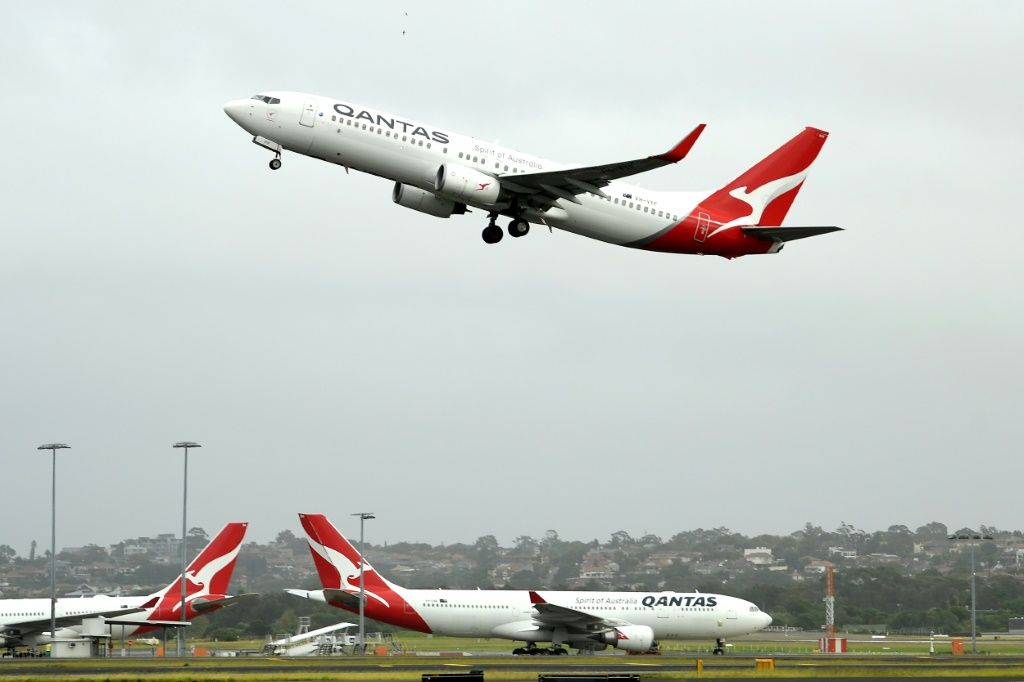
SYDNEY — Qantas and its low-cost carrier Jetstar are extending domestic flight reductions and trimming services to New Zealand as surging jet fuel prices triggered by Middle East disruptions continue to bite, with the airline group warning of up to AU$800 million in additional fuel costs this financial year.
The moves, announced this week, reflect broader industry pressure as oil prices remain elevated following disruptions in the Strait of Hormuz. Qantas said it would cut thousands more domestic seats in coming months while Jetstar is reducing trans-Tasman and internal New Zealand flights. The decisions aim to match capacity with demand while protecting profitability amid rising input costs.
Qantas CEO Vanessa Hudson cited the ongoing fuel crisis as a key factor. “We are taking decisive action to manage capacity in response to significantly higher fuel prices,” she said in a statement. The group expects fuel costs to surge as much as AU$800 million higher than previously forecast, prompting route adjustments and fare reviews on some services.
Specific domestic cuts include suspension of flights from Melbourne to Hamilton Island and Melbourne to Coffs Harbour from mid-May to late June. Jetstar is halting Sydney to Busselton services until September and Darwin to Gold Coast routes until October. Trans-Tasman reductions affect about 12% of certain Auckland-Sydney and Auckland-Brisbane flights starting in May, with further trims on Auckland-Christchurch and Auckland-Wellington services. Affected passengers are being rebooked or offered refunds.
The fuel crisis stems from reduced oil flows through the Strait of Hormuz, a critical chokepoint for global crude shipments. Geopolitical tensions have driven oil prices higher, with refining margins also elevated due to supply tightness. Airlines worldwide are responding with surcharges, capacity cuts and hedging strategies, but Qantas’ scale in the Australian and New Zealand markets makes its adjustments particularly visible.
Industry analysts say the cuts are prudent but could inconvenience travelers during peak travel periods. Qantas maintains it is prioritizing high-demand routes while trimming less profitable ones. The airline has also raised some fares to offset costs, though it faces competitive pressure from Virgin Australia and international carriers on key routes.
The developments highlight aviation’s vulnerability to energy markets. Jet fuel typically accounts for 20-30% of operating costs for full-service carriers like Qantas. Sharp increases strain margins, particularly for domestic operations where yields are lower than long-haul international flights. Qantas has hedged some fuel exposure but cannot fully insulate against sustained spikes.
New Zealand routes have been particularly affected. Jetstar’s reductions reflect lower demand and higher operating costs on thinner routes. Tourism operators in both countries have expressed concern, as trans-Tasman travel is a key economic driver. Australian visitors are major contributors to New Zealand’s tourism sector, while Kiwis frequently travel to Australia for business and leisure.
Qantas has pledged to monitor the situation closely and restore capacity when fuel markets stabilize. The airline is also exploring efficiency measures, including fleet optimization and operational improvements to reduce consumption. Longer-term, sustainable aviation fuel initiatives could help mitigate volatility, though current production volumes remain limited and expensive.
The fuel crisis coincides with other challenges for the aviation industry. Labor shortages, aircraft delivery delays and regulatory pressures add complexity. Qantas has faced criticism in the past for capacity management during recovery from the COVID-19 pandemic, with accusations of profiteering during high-demand periods. The current cuts, while cost-driven, risk similar backlash if perceived as reducing competition or service quality.
Travelers are advised to check bookings directly with airlines and consider flexible options. Many affected passengers have been rebooked on alternative flights, but peak periods like school holidays may see higher load factors and fewer choices. Industry groups urge consumers to book early and monitor updates as the situation evolves.
Broader economic impacts could emerge if fuel costs remain elevated. Higher airfares contribute to inflation and may dampen consumer spending on travel. Tourism-dependent regions in Australia and New Zealand are particularly exposed. Governments have been monitoring the situation, with some considering targeted support for carriers or tourism operators if disruptions worsen.
Qantas remains optimistic about long-term demand. Domestic and international travel has rebounded strongly post-pandemic, with premium cabins and leisure travel driving revenue. The airline’s loyalty program and diversified businesses provide buffers against pure flying volatility. However, sustained fuel pressure could force more structural adjustments in the network.
As the Northern Hemisphere summer approaches and Southern Hemisphere winter travel patterns shift, airlines globally are adjusting schedules. Qantas and Jetstar’s actions reflect a cautious approach in a volatile energy environment. The coming weeks will reveal whether other carriers follow suit or whether stabilizing oil markets allow capacity restoration.
For now, passengers face a more constrained schedule on some routes as the fuel crisis continues to reshape aviation networks across the region. Qantas has assured customers it is doing everything possible to minimize disruption while protecting the long-term sustainability of its operations.

Form 10Q Roper Technologies Inc For: 1 May

Fermi said Thursday it terminated co-founder and former CEO Toby Neugebauer for cause, an escalation of leadership turmoil at the company that plans to build a giant power and data-center campus in Texas.
In a regulatory filing on Thursday, Fermi said because Neugebauer was being removed for cause, he “was automatically removed from the Company’s board of directors.” Neugebauer couldn’t be reached immediately for comment.

Q1: 2026-04-30 Earnings Summary
EPS of $2.05 beats by $0.05
| Revenue of $1.27B (6.08% Y/Y) beats by $4.12M

Seeking Alpha’s transcripts team is responsible for the development of all of our transcript-related projects. We currently publish thousands of quarterly earnings calls per quarter on our site and are continuing to grow and expand our coverage. The purpose of this profile is to allow us to share with our readers new transcript-related developments. Thanks, SA Transcripts Team
Vagn Sørensen
[Interpreted] Good morning, shareholders and guests. My name is Vagn Sorensen. I am the Chair of Board of Directors of Air Canada. Welcome to our Annual Meeting of Shareholders.
[indiscernible] Canada’s commitment to indigenous inclusion and reconciliation. Our network crosses many treaty lands as well as unceded and traditional territories of indigenous nations and governments on Turtle Island, that is North America. In that spirit, we recognize the ancestral and traditional lands of the indigenous people we fly over.
[Interpreted] In 2025, Air Canada was honored to support the return of 62 sacred and cultural indigenous artifacts from the Vatican. We carried them back on one of our aircraft. We’re meeting today only a few weeks after the tragic accident at LaGuardia Airport involving Air Canada Express Flight AC8646. On behalf of the Board of Directors, I would like to express our deepest condolences to the family, friends and colleagues of the 2 Jazz pilots who tragically lost their lives.
I also want to express our deepest condolences to the family, friends and colleagues of 2 Jazz pilots who tragically lost their lives. I also want to express our sincerest sympathies to the passengers, crew members and others who were injured or otherwise affected as well as our appreciation to everyone in our company, industry or otherwise, who helped at the time and in the days that followed.
[Interpreted] That tragedy has been felt by all of our Air Canada family. I invite you if you are able to stand and observe a moment

A 100-Year-Old Lens Finds Fresh Purpose on a Sony Cinema Camera

What Happens When No One Has A Job Anymore?

ActBlue sues to block Texas attorney general’s ’retribution’ lawsuit

Manchester United reach agreement with Casemiro over contract clause amid transfer speculation

US brings back mandatory military draft registration

Steven Gerrard disagrees with Gary Neville over ‘shock’ Chelsea and Arsenal claim | Football


-

 Tech4 days ago
Register Renaming | Hackaday
-
 Crypto World6 days ago
Hyperliquid $HYPE Rally Builds Momentum as AI Sector Enters Prove-It Phase
-

 Politics4 days ago
Drax board avoid their own AGM, accused of greenwashing & environmental racism
-

 Tech4 days ago
Images of Samsung’s rumored smart glasses have leaked
-

 Tech5 days ago
Why Blue Badges Disappeared From Toyota Hybrids
-
 Sports6 days ago
IPL 2026: Ruturaj Gaikwad registers slowest fifty of the season, enters all-time unwanted list | Cricket News
-
 Tech10 hours ago
Trump’s 25% EU auto tariff breaches Turnberry Agreement that also covers semiconductors and digital trade
-

 NewsBeat6 days ago
LK Bennett closes all stores after entering administration
-

 Fashion3 days ago
Kylie Jenner’s KHY Enters a New Era with ‘Born in LA’
-
 Entertainment6 days ago
Mariah Carey Slams Deposition Claims In Brother’s Lawsuit
-

 Business3 days ago
Most Commercial Energy Audits Miss the Real Losses
-

 Business5 days ago
(VIDEO) Charlize Theron Climbs Times Square Billboard to Promote New Netflix Thriller ‘Apex’
-

 Crypto World4 days ago
CFTC’s AI will review U.S. crypto registration applications, chairman tells CoinDesk
-
 Sports9 hours ago
Paul Scholes issues Marcus Rashford reality check as agreement emerges over Man United star
-

 Tech6 days ago
Microsoft to roll out Entra passkeys on Windows in late April
-

 Business3 days ago
Barclay Brothers Avoid Bankruptcy: HSBC Drops High Court Petitions After IVA Deal
-

 Tech6 days ago
OpenAI’s Sam Altman apologizes for not reporting ChatGPT account of Tumbler Ridge suspect to police
-
 Tech6 days ago
OpenAI CEO apologizes to Tumbler Ridge community
-

 Tech4 days ago
Get Ready for More Brain-Scanning Consumer Gadgets
-
 Business2 days ago
Tesla Officially Registers Elon Musk’s Stock: What Investors Need to Know
You must be logged in to post a comment Login