
Business
Challenger banks hold 60% of SME lending as high street banks fight back

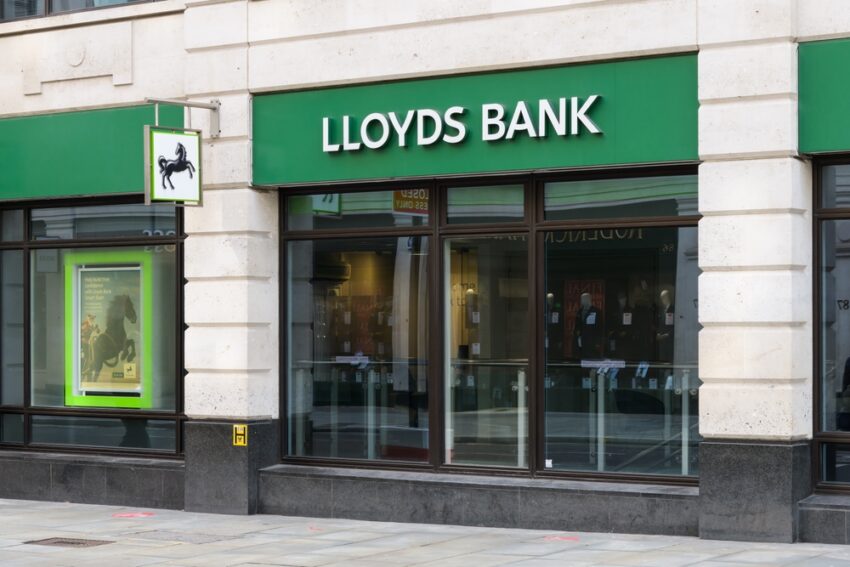
Challenger banks have maintained their dominant position in lending to small and medium-sized enterprises (SMEs), but fresh data suggests their rapid ascent may be levelling off as major high street lenders begin to reassert themselves.
According to new analysis from the British Business Bank, challenger banks accounted for 60 per cent of SME lending in 2025, unchanged from the previous year. The figure marks only the second time in more than a decade that their market share has not increased, raising questions about whether the post-financial crisis disruption of the SME lending market has reached a plateau.
The shift in lending dynamics has been one of the defining structural changes in UK banking since the 2008 financial crisis. Traditional lenders including Lloyds Bank, NatWest, Barclays, HSBC and Santander once dominated SME finance, accounting for 61 per cent of lending as recently as 2012. However, regulatory changes, technological innovation and dissatisfaction among smaller businesses created space for a new generation of lenders to emerge.
Challenger banks such as Starling Bank, Allica Bank and Oxbury Bank have since built significant market share by offering more flexible lending models, faster decision-making and digital-first services tailored to SME needs.
Yet the latest data suggests momentum may be stabilising. Louis Taylor, chief executive of the British Business Bank, said it remains unclear whether challenger banks have reached a natural ceiling or whether incumbent lenders are beginning to reclaim ground.
“There is some willingness for the big banks to staunch that market share diminution,” Taylor said, noting that traditional lenders are increasingly targeting profitable SME segments such as deposits, transaction banking and foreign exchange services.
Recent activity supports that view. Lloyds, for example, announced plans to make £9.5 billion available to SMEs this year, while a consortium of major banks has committed £11 billion to support SME exporters. These moves signal a renewed focus on a segment that high street banks were widely criticised for neglecting in the aftermath of the financial crisis.
Despite this, challengers and non-bank lenders continue to dominate the broader SME funding ecosystem. The report found that non-bank lending and challenger banks together now account for 68 per cent of total SME lending, underlining the diversification of funding sources available to businesses.
Alternative finance providers have become particularly influential. Funding Circle remains the largest non-bank lender, holding a “low-to-mid 50 per cent” share of business loans by volume. The growth of such platforms reflects a structural shift towards more fragmented, specialist lending models that cater to different risk profiles and business needs.
Overall lending activity has shown signs of resilience. Gross new SME lending rose by 9 per cent to £68 billion last year, making it the second-highest annual total in more than a decade. Repayments reached £63 billion, resulting in net lending of £4.6 billion — the first positive net figure since 2020.
However, beneath these headline figures, there are signs of underlying weakness. The total value of outstanding loans and overdrafts has fallen by 22 per cent in real terms since 2012, while the use of traditional overdraft facilities has dropped to a record low of £7 billion. Only 9 per cent of SME lending now comes from conventional bank loans.
Instead, businesses are increasingly relying on short-term and flexible forms of finance. Credit cards and overdrafts remain widely used, suggesting many firms are prioritising cashflow stability over long-term investment. Leasing has also grown in popularity, rising from 6 per cent of SMEs in 2012 to 13 per cent last year, particularly for equipment and machinery.
Loan approval rates have improved modestly, rising to 53 per cent in 2025 from 49 per cent the previous year, but they remain well below pre-pandemic levels of 74 per cent in 2019. This has driven greater reliance on intermediaries, with brokers facilitating £33 billion of SME lending last year, a 25 per cent increase on 2024.
The report also highlights persistent structural gaps in the market. Smaller loans, early-stage businesses and companies built around intellectual property continue to struggle to access finance, reflecting risk aversion among lenders and limitations in traditional credit assessment models.
“There are some holes in the system,” Taylor said, pointing to the referral scheme that requires banks to direct rejected applicants to alternative lenders. Because many applications are declined before reaching formal credit committees, businesses often miss out on this pathway altogether.
The broader picture is one of a maturing but still evolving market. Competition has intensified, keeping pricing competitive for low-risk lending, but borrowing costs remain elevated for higher-risk SMEs due to structural constraints and economic uncertainty.
For policymakers and industry leaders, the key question is whether the current balance represents a new equilibrium or simply a pause in an ongoing shift. While challenger banks have transformed access to finance over the past decade, the re-engagement of high street lenders suggests the competitive landscape is entering a new phase, one defined less by disruption and more by consolidation and coexistence.
In that context, the plateau at 60 per cent may not signal a peak, but rather a stabilisation point in a market that is still adjusting to a fundamentally different model of SME finance.

Amy Ingham
Amy is a newly qualified journalist specialising in business journalism at Business Matters with responsibility for news content for what is now the UK’s largest print and online source of current business news.

Business
JFK Airport TSA Wait Times Vary by Terminal Amid Spring Break Travel and Ongoing Government Shutdown Effects

Travelers at John F. Kennedy International Airport (JFK) faced mixed TSA security wait times Tuesday, March 17, 2026, with some terminals seeing lines exceeding 30 minutes while others cleared in under 5 minutes. Real-time data from the official JFK Airport website showed significant variation across the airport’s terminals during peak spring break travel, compounded by lingering staffing pressures from the partial government shutdown now in its second month.

As of mid-morning EDT (late evening KST), general security lines stood at: Terminal 1 — 1 minute; Terminal 4 — exceeds 30 minutes; Terminal 5 — 20 minutes; Terminal 7 — 1 minute; Terminal 8 — 29 minutes. TSA PreCheck lanes offered faster access, with waits of no wait at Terminal 1, 7 minutes at Terminal 4, 10 minutes at Terminal 5, and 6 minutes at Terminal 8. Terminal 7 had no PreCheck listed. These figures update in real time on the airport’s site, reflecting checkpoint conditions over recent minutes.
The disparities highlight Terminal 4 and Terminal 8 as hotspots, often due to high international traffic and major carriers like Delta, JetBlue, and American Airlines operating there. Terminal 4, a key hub for international arrivals and departures, frequently sees longer lines from global passengers navigating additional screening protocols. In contrast, Terminals 1 and 7 — serving airlines like Aer Lingus and British Airways — moved quickly Tuesday.
The ongoing partial government shutdown has exacerbated delays at JFK and other major U.S. airports during the busy spring break season. Staffing shortages from unpaid TSA agents and call-outs have led to longer processing times, though JFK’s lines appeared more manageable Tuesday than earlier in the week. Reports from March 12-14 indicated waits up to 36 minutes at Terminal 4 and 33 minutes at Terminals 5 and 8, with PreCheck holding under 10 minutes. By March 17, some improvement occurred in non-peak terminals, but international-heavy checkpoints remained strained.
Average daily waits at JFK typically range 14-20 minutes for standard lines, climbing to 18-35 minutes during peaks like 6-9 a.m. and 4-7 p.m. Early mornings (5-8 a.m.) often see 24-minute averages due to business travel surges. Historical data suggests off-peak overnight hours dip below 15 minutes, but spring break crowds and shutdown effects push variability higher.
Passengers can monitor conditions via multiple sources. The JFK Airport website provides terminal-specific real-time updates, refreshed every few minutes, including PreCheck and estimated gate travel times post-security. The MyTSA app offers 15-minute interval estimates based on crowd-sourced and official data, though shutdown-related disruptions may affect accuracy. Third-party sites like Way.com and OnAirParking aggregate live feeds, reporting averages around 14-19 minutes recently.
To minimize delays, experts recommend arriving 2-3 hours early for domestic flights and 3+ hours for international, especially now. Enrolling in TSA PreCheck or CLEAR expedites screening: PreCheck allows kept-on shoes, laptops in bags, and shorter dedicated lanes, while CLEAR uses biometrics for front-of-line access. Programs remain operational despite earlier shutdown pauses. T4 Reserve at Terminal 4 lets passengers book free security slots in advance.
Additional tips include reviewing TSA guidelines on liquids (3-1-1 rule), avoiding prohibited items, and using mobile boarding passes. The airport advises checking flight status via airline apps, as security waits can compound with gate changes or delays.
JFK’s five active terminals handle over 60 million passengers annually, making efficient security crucial. While Tuesday’s data showed relief in some areas, the shutdown’s impact persists, with no immediate resolution in sight after recent failed Senate votes. Travelers should plan conservatively and use live tools for updates.
As spring break continues, JFK remains a high-volume hub where preparation pays off. Real-time monitoring and expedited programs offer the best defense against unpredictable lines.


Problem has delayed the publication of the company’s latest financial results and annual report.

Form 13F AMG Asset Management Group For: 17 March

Nvidia's Negative Feedback Loop – GTC Update


Warner Bros CEO to pocket up to $887 million from Paramount deal


Relaunch to expand distribution from regional to national.

The news comes as financial results for 2025 show a seventh consecutive year of profitability.

HM Revenue & Customs has come under fresh criticism over what tax experts describe as a “deeply unfair” imbalance between the interest it charges taxpayers and the rate it pays on refunds, raising wider concerns about trust, transparency and the efficiency of the UK’s tax system.
According to analysis from audit, tax and advisory firm Blick Rothenberg, taxpayers who fall behind on payments are currently charged daily late payment interest at a rate of 7.75 per cent. By contrast, those owed money by HMRC receive interest at just 2.75 per cent on repayments, even when delays stretch over many months.
Tom Goddard, assistant manager at the firm, said the disparity creates a system that appears heavily weighted in favour of the tax authority. He argued that while taxpayers face escalating financial penalties for delays, HMRC itself is not subject to equivalent consequences when repayments are slow.
The imbalance becomes more pronounced when penalties are factored in. Taxpayers who fail to settle liabilities within 12 months can face additional charges of up to 15 per cent of the outstanding amount, alongside further penalties if tax returns are submitted late. In contrast, there is no comparable compensation mechanism when HMRC delays repayments, even in cases where individuals or businesses suffer financial consequences as a result.
Goddard pointed to the real-world impact of these delays, citing cases where taxpayers have waited more than a year for repayments to be processed. In one instance, a client missed a significant investment opportunity after funds earmarked for deployment were tied up in a prolonged HMRC repayment process. Despite repeated attempts to resolve the issue, the delay persisted due to internal administrative complications and a lack of clear ownership within the organisation.
The broader concern, he suggested, is not only the financial disparity but the operational friction involved in resolving disputes. Taxpayers seeking to reclaim funds often face a lengthy and complex process, involving multiple departments and repeated follow-ups. For many, the cost of professional advice required to navigate the system can offset any financial benefit from the repayment itself.
This dynamic risks creating a perception that the system is both inefficient and adversarial. While HMRC attributes delays largely to administrative pressures, critics argue that the burden of those inefficiencies falls disproportionately on taxpayers, particularly at a time when many individuals and businesses are already under financial strain.
The issue also raises questions about HMRC’s broader transformation agenda. One of the stated priorities in its “Transformational Roadmap” is to improve day-to-day performance for individuals and businesses, with a shift towards a more automated, digital-first system intended to handle up to 90 per cent of queries.
While digitalisation is expected to streamline processes and reduce the estimated £20 billion annual cost of tax administration, there is scepticism about whether it will address underlying service challenges. Critics argue that without sufficient investment in expertise and support, automation alone may not resolve delays or improve outcomes for taxpayers.
Trust remains a central theme in the debate. HMRC has identified closing the UK’s £46.8 billion tax gap as a key objective, but advisers suggest that rebuilding confidence in the system is equally important. A more balanced approach to interest rates and compensation, they argue, could encourage greater cooperation and compliance from taxpayers.
There is also a behavioural dimension to consider. If taxpayers perceive the system as inequitable, they may be less inclined to engage proactively with HMRC or prioritise timely compliance. Conversely, a system that treats delays on both sides more evenly could foster a more collaborative relationship between the tax authority and those it serves.
For now, however, the disparity in interest rates remains a point of contention. As scrutiny of HMRC’s performance intensifies, pressure is likely to grow for reforms that address both the financial imbalance and the operational challenges that underpin it.
Without such changes, critics warn, the gap between policy intent and taxpayer experience will continue to widen, undermining confidence in a system that relies on voluntary compliance to function effectively.
Amy Ingham
Amy is a newly qualified journalist specialising in business journalism at Business Matters with responsibility for news content for what is now the UK’s largest print and online source of current business news.

Individual insolvencies across England and Wales have surged by 18 per cent year-on-year, in what experts are warning is clear evidence of a deepening household financial crisis as rising borrowing costs, persistent inflation and accumulated debt continue to weigh heavily on consumers.
New data from The Insolvency Service shows that 11,609 people entered insolvency in February 2026, marking a 6 per cent increase on January and a significant jump compared with the same month last year. The figures paint a stark picture of mounting financial strain, particularly among vulnerable households and increasingly, middle-income earners.
The total comprised 768 bankruptcies, 4,210 debt relief orders (DROs) and 6,631 individual voluntary arrangements (IVAs), with DROs reaching their highest monthly level since their introduction in 2009. The record number reflects both structural financial pressures and policy changes, including the removal of the application fee in April 2024, which has made the process more accessible.
However, industry observers say the scale of the increase goes far beyond administrative changes. Darryl Dhoffer, founder of The Mortgage Geezer, described the data as a clear signal that many households have reached a tipping point after years of financial pressure. He pointed to what he described as the “lag effect” of higher interest rates, which is now feeding through into household finances after a prolonged period of tightening monetary policy.
While the Bank of England’s base rate currently stands at 3.75 per cent, elevated borrowing costs have continued to squeeze mortgage holders and consumers carrying unsecured debt. At the same time, inflation, although easing from its peak, remains above target at around 3 per cent, limiting the extent to which households are seeing meaningful relief in day-to-day costs.
Tony Redondo, founder of Cosmos Currency Exchange, said the figures highlight how cumulative financial pressures are now manifesting in real-world outcomes. He noted that while the removal of fees has contributed to the rise in DROs, the broader trend reflects households “finally collapsing under accumulated debt from previous years”.
He warned that the outlook remains fragile, particularly in light of geopolitical uncertainty and the potential for renewed inflationary pressures linked to energy markets. Any sustained increase in inflation could force the Bank of England to keep interest rates higher for longer, further intensifying the strain on borrowers approaching refinancing deadlines.
Financial planners echoed concerns that the current data may represent the early stages of a wider deterioration. Nouran Moustafa, practice principal at Roxton Wealth, said the figures should not be viewed as a one-off spike but rather as part of a broader pattern of economic fragility.
She emphasised that behind the statistics lies significant human impact, with many households operating without any financial buffer. In such conditions, even relatively small increases in costs or interest rates can push individuals into insolvency.
The pressure is not limited to households. Company insolvencies rose by 7 per cent month-on-month to 1,878 in February, although they remain below levels seen during the peak of business failures between 2022 and 2025. Analysts suggest this reflects a mixed picture, with some businesses stabilising while others continue to face tightening margins and weakening demand.
Anita Wright, chartered financial planner at Ribble Wealth Management, said the data reflects a broader liquidity squeeze across the economy. She noted that rising bond yields are feeding into higher borrowing costs for businesses, while consumers facing higher living costs are cutting back on spending, further compressing margins.
This combination of weak growth and persistent inflation, often described as stagflationary conditions, creates a particularly challenging environment for both households and businesses. While some firms have been able to absorb pressures through cost-cutting or the use of reserves, that resilience is finite, and insolvency rates tend to rise once those buffers are exhausted.
The implications are also being felt in the workplace. Kate Underwood, founder of Kate Underwood HR and Training, warned that financial stress among employees is increasingly spilling over into business operations. She highlighted rising levels of absenteeism, reduced productivity and higher staff turnover as workers struggle to cope with mounting financial pressures.
For small businesses in particular, the challenge is acute. Unlike larger corporates, they often lack the financial flexibility to absorb rising wage demands or offer higher salaries, making them more vulnerable to workforce instability driven by cost-of-living pressures.
The latest figures also come at a time when expectations for interest rate cuts have been significantly scaled back. Prior to the recent escalation in geopolitical tensions, markets had anticipated multiple rate reductions in 2026. However, rising oil and gas prices have shifted expectations, with policymakers now more cautious about easing monetary policy.
This change in outlook could prove critical. As Redondo noted, the combination of higher rates, depleted savings and thin margins leaves both households and businesses exposed to further shocks. Should borrowing costs remain elevated or increase further, the risk of a broader wave of defaults and insolvencies could intensify.
For now, the data underscores a fundamental issue facing the UK economy: a growing number of households and businesses are operating with little to no margin for error. In such an environment, the difference between stability and financial distress can be measured in relatively small shifts in costs or income.
As policymakers weigh the next steps on interest rates and fiscal policy, the sharp rise in insolvencies serves as a clear warning signal that underlying financial pressures are not only persistent but increasingly visible across the economy.
Amy Ingham
Amy is a newly qualified journalist specialising in business journalism at Business Matters with responsibility for news content for what is now the UK’s largest print and online source of current business news.
Business
Natura &Co Holding S.A. 2025 Q4 – Results – Earnings Call Presentation (OTCMKTS:NTCOY) 2026-03-17


Seeking Alpha’s transcripts team is responsible for the development of all of our transcript-related projects. We currently publish thousands of quarterly earnings calls per quarter on our site and are continuing to grow and expand our coverage. The purpose of this profile is to allow us to share with our readers new transcript-related developments. Thanks, SA Transcripts Team

Woman brutally raped by man who asked her for ‘no strings fun’

JFK Airport TSA Wait Times Vary by Terminal Amid Spring Break Travel and Ongoing Government Shutdown Effects

BTC price target cut to $112,000 at Citigroup; ETH trimmed to $3,175


-
 Tech6 days ago
A 1,300-Pound NASA Spacecraft To Re-Enter Earth’s Atmosphere
-
 Crypto World3 days ago
HYPE Token Enters Net Deflation as HyperCore Buybacks Outpace Staking Rewards
-

 Business7 days ago
ExxonMobil seeks to move corporate registration from New Jersey to Texas
-

 Fashion4 days ago
Weekend Open Thread: Addict Lip Glow
-

 Tech7 days ago
ChatGPT will now generate interactive visuals to help you with math and science concepts
-
Sports3 days ago
Why Duke and Michigan Are Dead Even Entering Selection Sunday
-

 NewsBeat6 days ago
Residents reaction as Shildon murder probe enters second day
-

 Business2 days ago
Search for Savannah Guthrie’s Mother Enters Seventh Week with No Arrests
-

 Business6 days ago
Search Enters Sixth Week With New Leads in Tucson Abduction Case
-

 Business3 days ago
US Airports Launch Donation Drives for Unpaid TSA Workers as Partial Government Shutdown Enters Fifth Week
-

 Sports6 days ago
PWHL, Senators discussing plan to keep Charge in Ottawa
-
Crypto World3 days ago
Coinbase and Bybit in Investment Talks: Could Bybit Finally Enter the US Crypto Market?
-

 NewsBeat6 days ago
I Entered The Manosphere. Nothing Could Prepare Me For What I Found.
-

 Business3 days ago
Country star Brantley Gilbert enters growing non-alcoholic beer market
-

 Business1 day ago
Australian shares drop as Iran war enters third week
-

 Sports4 days ago
College Basketball Best Bets: Conference Tournament Semifinal Picks
-

 Crypto World1 day ago
Crypto Lender BlockFills Enters Chapter 11 with Up to $500M in Liabilities
-
 Crypto World7 days ago
Will Chainlink price reclaim $10 amid volatility squeeze?
-

 Tech7 days ago
Clarity as strategy
-

 Politics6 days ago
Trump Says Middle East Is ‘Very Lucky’ That He’s President


You must be logged in to post a comment Login