

Business
Chewy: Steady Growth And Undervalued




Campaigners have called on City Hall to introduce a London-wide “Right to Grow” framework to help communities turn unused public land into food gardens.
Several councils, including Hounslow, Southwark and Hackney, have already introduced the policy to turn wasteland into allotments, community gardens and orchards.
However, the Greater London Authority (GLA) is now being urged to develop a standardised model for all 32 boroughs and the City of London.
A new report from the London People’s Assembly on Food, Nature and the Right to Grow outlines 12 demands to make the capital “greener and more edible” by 2035. City Hall said it was increasing access to green spaces.
These include dedicated community growing officers in every borough and embedding food growing into future health and planning strategies.
Campaigners say demand for growing space heavily exceeds supply.
At least 30,500 Londoners are on allotment waiting lists, with 16 boroughs closed to new applicants, according to a 2023 Freedom of Information request published by Greenpeace.
In Camden, waiting times can reach up to 12 years. In Islington, there are just 106 allotment plots available for around 17,000 households without garden access.
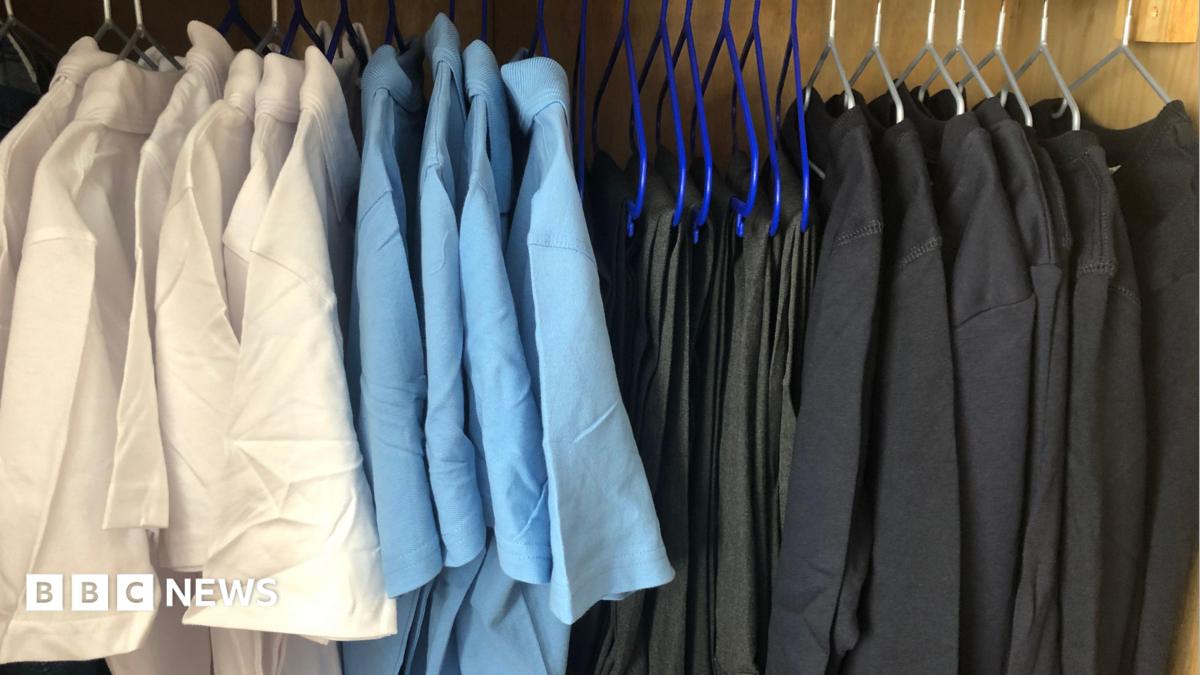
Parents are being encouraged to donate unwanted school uniforms and prom outfits and swap them for something else, or take what they need for free, at a new pop-up event.
Peterborough City Council said the pop-up shop would be open on 31 July on Bridge Street, next to the Town Hall.
It said the event was “built around the principles of reduce, reuse and recycle… and supporting families with the cost of the new school year”.
Labour cabinet member for children’s services at the council, Katy Cole, said: “It can be an expensive time for families when it comes to thinking about uniform for the new term in September, so I would encourage them to pop along to this event if they can.”
The council said it had held a similar event last summer and wanted to provide “another opportunity to support local families while promoting sustainable living”.
Residents can donate their clean, good-quality school uniform items or prom dresses that are no longer needed, and take ones they may require.
Liberal Democrat cabinet member for environmental services, Chris Wiggin, said the event was “diverting textiles from waste by prioritising reuse and recycling instead of being discarded as waste”.
“This is an important way to minimise the overall impact that clothing has on our environment.”
The pop-up shop will be open from midday to 17:00 BST at unit 31 on Bridge Street.
Do you have a story suggestion for Peterborough? Contact us below.

Black Cat Syndicate’s Lakewood processing plant in the Goldfields has been impacted by a mill bearing failure.
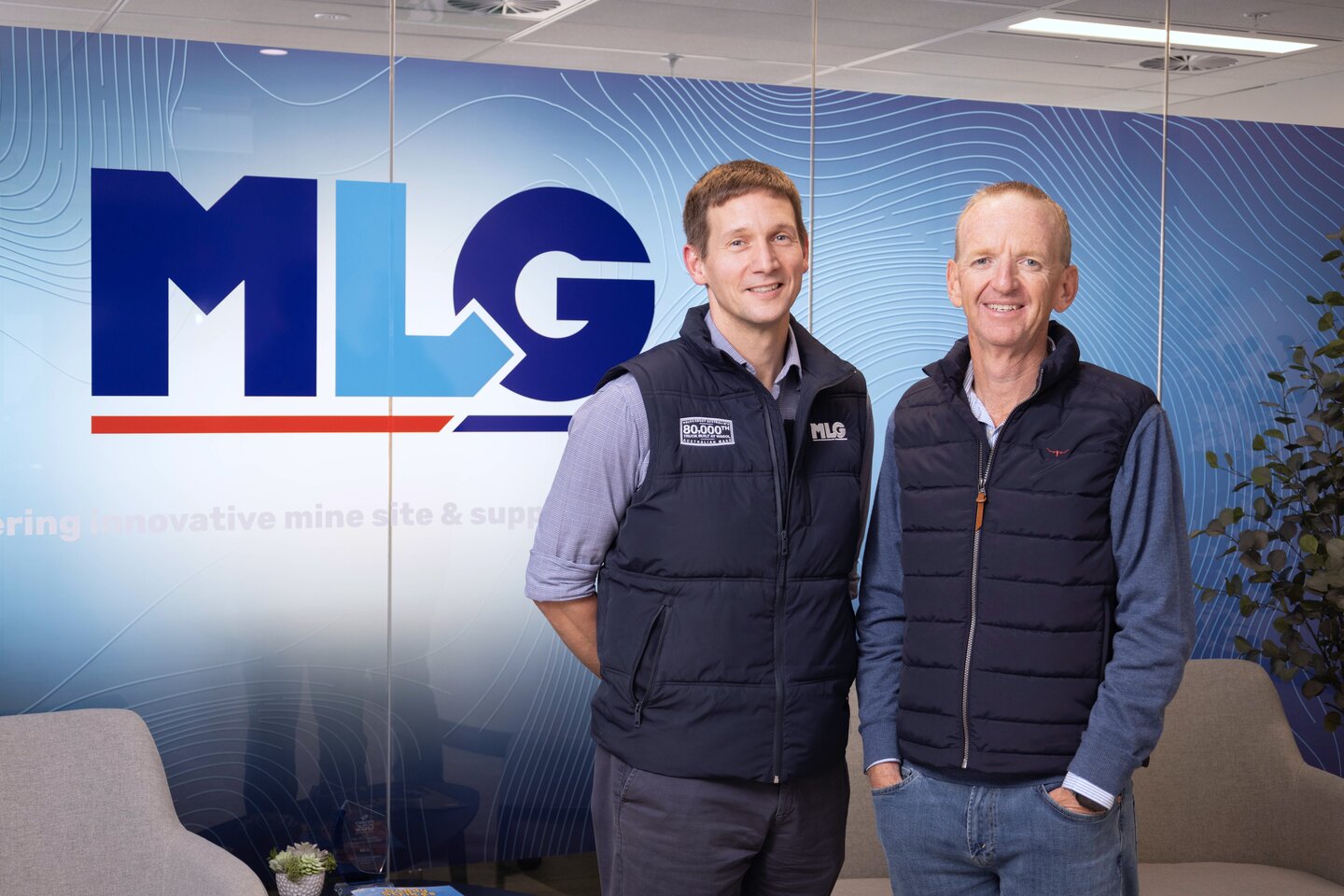
MLG Oz boss Mark Hatfield says the company’s participation in a joint venture with heavy trailer manufacturer Mick Murray Welding NT is a “defining moment” of its product strategy.

OPINION: Current scientific challenges demand a deliberate, highly collaborative, multi-sector approach.
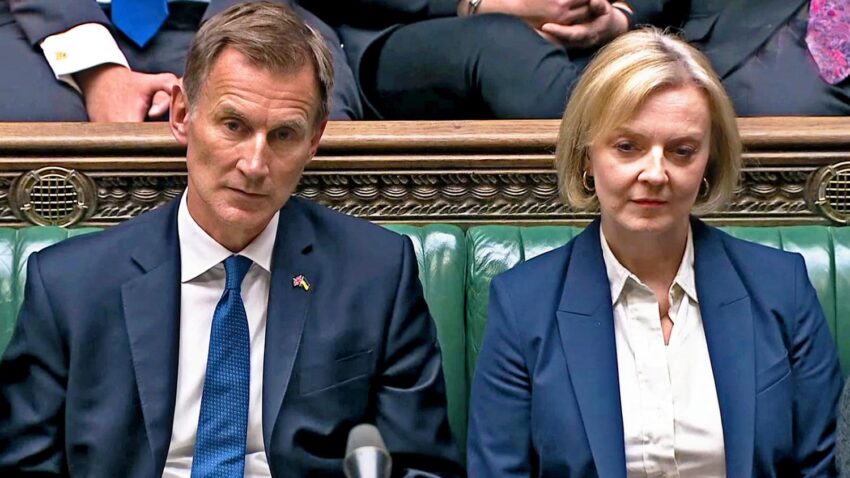
Andy Burnham should abolish national insurance, stamp duty, inheritance tax and the 45p top rate of income tax if he wants to revive Britain’s stalled growth, a right-leaning think tank has urged, in what would amount to the biggest shake-up of the UK tax system in generations.
Policy Exchange, in a report published on Tuesday, argues that the incoming prime minister should make cutting the UK’s tax burden, on course for a post-Second World War peak, one of his first economic priorities when he enters Downing Street next week.
For the millions of small firms writing a national insurance cheque every month, the most eye-catching recommendation is the last one. The think tank describes NI as “one of the most economically damaging features of the UK’s tax system” and wants it scrapped entirely, for employees and employers alike. That would wipe out at a stroke the levy behind the £28bn jump in employers’ NIC bills that has been blamed for redundancies and hiring freezes across the high street.
Family firms would also feel the difference. Alongside stamp duty, Policy Exchange wants inheritance tax gone altogether, a striking proposal at a time when tighter inheritance tax reliefs are already forcing family businesses to rethink succession plans rather than invest in growth.
The catch, and it is a substantial one, is the price tag. The think tank says the whole package should be funded by shrinking the state to 33 per cent of GDP. Under current plans, public spending is heading for 42.7 per cent of GDP by 2030-31, so the report is proposing a reduction in the size of government with little modern precedent.
Policy Exchange is careful to sequence the medicine. The first step would abolish the most “economically damaging distortions” in the system, including the withdrawal of tax allowances above certain earnings thresholds. These cliff edges can leave workers facing marginal rates of more than 100 per cent, meaning an employee can be better off turning down a pay rise, a quirk that will be familiar to any owner who has watched a valued manager decline extra hours.
Step two would scrap the 45p rate and inheritance tax while cutting spending to 41 per cent of GDP, protecting the planned rise in defence expenditure. Only then would national insurance go, funded by the full retrenchment to 33 per cent.
The staging is a tacit acknowledgement of the ghost at this particular feast: the September 2022 mini-budget, whose unfunded tax cuts triggered a gilt market crisis severe enough to require emergency intervention from the Bank of England. Policy Exchange argues that matching cuts in spending, introduced gradually, would avoid a repeat. The Truss package, by contrast, was barely offset at all and landed amid double-digit inflation forecasts.
Sir Sajid Javid, the former chancellor, lends the report his endorsement in a foreword. “The tax burden now stands at a 70-year high. More than that, the system’s structure has itself become a brake on growth. The most damaging examples of this do harm that is far out of proportion with the revenue they raise. Fix that, and we will begin to fix the economy,” he said.
Whether any of it lands with the incoming administration is another matter. Burnham has so far signalled only modest “room for movement” on tax, centred on rebalancing business rates towards online warehouses, while pledging fiscal discipline. With the tax take forecast by the Office for Budget Responsibility to hit a post-war high, SME owners hoping for the full Policy Exchange programme should probably not hold their breath. But the report puts the size of the state, and who pays for it, squarely on the new prime minister’s desk.

Jamie Young
Jamie is Senior Reporter at Business Matters, bringing over a decade of experience in UK SME business reporting.
Jamie holds a degree in Business Administration and regularly participates in industry conferences and workshops.
When not reporting on the latest business developments, Jamie is passionate about mentoring up-and-coming journalists and entrepreneurs to inspire the next generation of business leaders.

Parent Ros de Carteret said it was harder for parents who both work and have less time on their hands.
She said: “My mum was a really good cook, we always had meat and vegetables, but she had the time to teach herself.
“We don’t have time to learn everyday cooking, and you go into the shops, and everything is pre-packed.”
De Carteret added: “Learning everyday cooking could also help families save money.”
Rebecca Silk, the centre’s operations manager, said the aim was to help people develop “real life skills” and inspire them to try new foods.
Guernsey’s Healthier Weight Strategy estimated more than 57% of adults in the bailiwick are overweight or obese, while it found almost a third of Year 5 children were living with excess weight.
The strategy identifies healthier eating as one of its priorities.
Follow BBC Guernsey on X, external and Facebook, external and Instagram, external. Send your story ideas to channel.islands@bbc.co.uk, external.

Tom Blomfield, the entrepreneur who built Monzo into Britain’s best-known digital bank, has been hired by Anthropic, the artificial intelligence group behind the Claude AI models, in the latest sign that the world’s leading AI labs are hoovering up Britain’s most ambitious business talent.
Blomfield, 40, said he would take a leave of absence from his role as a partner at Y Combinator, the American start-up investor behind Airbnb, Stripe and Coinbase, to join Anthropic’s compute team. Compute is the industry term for the hardware, software and data centre infrastructure required to train and run AI models.
Writing on X, Blomfield said: “Powerful AI has the potential to improve the life of every human on Earth and, as we enter the early stages of recursive self-improvement, availability of compute becomes one of the most important issues to solve. I’m excited to get started.”
He will work alongside Tom Brown, Anthropic’s co-founder and chief compute officer. The hire is a coup for Anthropic, which this year overtook OpenAI to become the world’s most valuable private AI business.
For UK business owners the move carries a familiar sting. Blomfield is one of the country’s most influential angel investors in early-stage companies, and his energy is now heading into an American lab rather than the British start-up scene.
It also underlines quite how fierce the battle for elite AI talent has become. Technology groups including Meta and Alphabet, and dedicated AI firms such as Anthropic and OpenAI, are competing aggressively for researchers as they race to build next-generation systems.
Last month Andrej Karpathy, the AI researcher who co-founded OpenAI, joined Anthropic to work on the “pre-training” that underpins AI model development. He was joined by John Jumper, the Nobel prize-winning scientist who co-created AlphaFold at Google DeepMind, the breakthrough AI that has predicted over 200 million protein structures. Days earlier, Noam Shazeer, a vice-president of engineering at Google and co-lead of its Gemini models, said he would leave to join OpenAI. Rishi Sunak, the former prime minister, joined Anthropic as an adviser last year.
The stakes are rising because both Anthropic and OpenAI are preparing for blockbuster flotations, with OpenAI already lining up a confidential IPO filing, at a time when concerns are growing about a valuation bubble.
Blomfield launched Monzo, now widely expected to be a flotation candidate, in 2015, having earlier co-founded GoCardless, the payments company that recently agreed a sale worth nearly £1bn. He left Monzo in 2021 and has spoken openly about the toll that running the bank through the pandemic took on his mental health.
His departure for Anthropic will revive an uncomfortable debate he has led before. Writing in The Times in 2024, he said: “Our national psyche doesn’t allow for the celebration of entrepreneurs, we are extremely risk-averse, and the huge majority of smart, technologically adept young people in the UK aspire to be lawyers or consultants or work in finance.”
When he joined Y Combinator in 2023 he said there were more opportunities for entrepreneurs in the United States, and that problems with the attractiveness of London’s public markets to technology businesses were “very real”. That critique still lands: ministers are now making direct investments to keep high-growth AI firms listing in London.
Blomfield has previously written that “technological progress truly offers a path to a better world for all of humanity”, while warning that “technological progress is accelerating very rapidly and I don’t think most people are prepared for that future”.
For Britain’s SMEs, the message is double-edged. The AI boom is minting opportunity at extraordinary speed, but the people best placed to build it, including the founder of the UK’s flagship fintech, keep choosing to build it somewhere else.
Jamie Young
Jamie is Senior Reporter at Business Matters, bringing over a decade of experience in UK SME business reporting.
Jamie holds a degree in Business Administration and regularly participates in industry conferences and workshops.
When not reporting on the latest business developments, Jamie is passionate about mentoring up-and-coming journalists and entrepreneurs to inspire the next generation of business leaders.

ANALYSIS: One of the state’s best-known political footballs is almost certain to be kicked around during the Secret Harbour by-election campaign.
Business
Freshpet Stock Jumps 8% Today as Investors Eye Rebound, Analysts Remain Mixed on Struggling Pet Food Maker

Shares of Freshpet climbed 8.19% Monday morning, trading at $58.01 as of 10:17 a.m. Eastern, adding to a volatile stretch for the fresh pet food maker that has seen its stock swing sharply throughout 2026 amid competing signals from Wall Street analysts about the company’s near-term prospects.
Monday’s gain builds on a stock that has spent much of the year well off its highs. Freshpet shares are trading roughly 33% to 39% below the company’s 52-week high of $85.50 to $86, reached earlier this year, and had fallen as low as $46.45 over the past 12 months. As of Freshpet’s most recent close before Friday’s session, shares stood around $54.25, meaning Monday’s move represents a meaningful rebound from levels the stock had settled into over recent weeks.
The pullback that preceded Monday’s gain has been driven in part by shifting analyst sentiment on the New Jersey-based pet food maker. Several firms trimmed their price targets on the stock earlier this year, including Wells Fargo, which lowered its target to $70 from $75 in early May while maintaining an “Overweight” rating, citing increased competitive pressure in the fresh pet food category. Stifel and Jefferies also lowered their price targets around the same period, with Jefferies cutting its target to $70 from $75 and Stifel reducing its target to $78 from $84, even as both firms maintained generally constructive ratings on the stock.
Despite that string of target reductions, not every analyst has turned cautious on Freshpet. Morgan Stanley described the stock’s pullback earlier this month as presenting an “attractive entry point” for investors, according to TipRanks. JPMorgan had previously upgraded the stock to Overweight from Neutral in May, arguing that Freshpet’s sales growth would continue to outpace its peers in the broader pet food category. Piper Sandler has also maintained a bullish stance on the stock, reiterating an “Overweight” rating and an $87 price target following a meeting with Freshpet Chief Financial Officer John O’Connor, in which the firm argued that concerns about competition facing the company were likely overstated. Piper Sandler pointed to Freshpet’s focused marketing and distribution strategy, along with new production technology still in its early stages of implementation, as factors it expects to support both continued sales growth and improved profit margins going forward.
That split in analyst opinion reflects a broader pattern of unusually high volatility in Freshpet shares over the past year. According to data compiled by StockStory, the stock has recorded 29 separate moves greater than 5% in either direction over the trailing 12 months, a pace of volatility that suggests investors remain deeply divided over how to value the company’s growth trajectory against its profitability challenges. Freshpet’s beta coefficient, a measure of a stock’s volatility relative to the broader market, stands at 1.40, according to TradingView data, indicating the shares tend to swing more sharply than the market as a whole.
Freshpet’s underlying financial performance has been similarly uneven. The company’s first-quarter 2026 results, reported May 6, showed earnings per share of 91 cents, compared with a loss of 26 cents in the prior-year period, alongside revenue guidance calling for 8% to 11% growth for the full year from a 2025 base of $1.1 billion, a figure that came in below the market’s consensus expectation of $1.2 billion at the time. More recently, the company’s trailing quarterly earnings missed analyst expectations by a wide margin, with reported earnings per share of negative 3 cents against a consensus estimate of 25 cents, according to figures compiled by TradingView, a shortfall of more than 100% relative to expectations.
Freshpet’s most significant earnings beat over the past year came roughly eight months ago, when the company reported third-quarter results that dramatically exceeded Wall Street’s profit expectations, with net sales rising 14% year over year to $288.8 million and earnings per share of $1.86, far surpassing the average analyst forecast of 42 cents. That outperformance was driven in large part by a one-time deferred tax benefit of $77.9 million, though the quarter also featured genuine operational improvement, including volume growth of 12.9% and an operating margin that improved to 8.6% from 4.7% in the same period a year earlier.
Freshpet, founded in 2004 by Scott Morris and Cathal Walsh and headquartered in Bedminster, New Jersey, manufactures, markets and distributes fresh pet food for dogs and cats across the United States, Canada and Europe, selling its products through a network of company-branded refrigerated units known as Freshpet Fridges, alongside traditional grocery, mass-market, club and pet specialty retail channels. The company holds a market capitalization of roughly $2.7 billion and trades at a price-to-earnings ratio in the range of 14 to 15, according to recent data, a relatively modest multiple compared with some other high-growth consumer packaged goods companies.
The stock’s longer-term trajectory has disappointed investors who bought in near its peak. Freshpet’s all-time high closing price stands at $184.82, reached in April 2021, meaning current share prices remain more than two-thirds below that level nearly five years later. Investors who put $1,000 into Freshpet shares five years ago would today be left with an investment worth roughly $349, according to StockStory’s analysis, underscoring the scale of the decline the stock has experienced since its pandemic-era peak.
As of Monday, the specific catalyst behind the stock’s 8.19% morning gain had not been clearly identified in available market commentary, though the move continues a pattern of sharp single-day swings that has characterized Freshpet’s trading throughout the year. The company’s next quarterly earnings report is scheduled for early August, a date investors are likely to watch closely for further clarity on whether recent operational improvements can offset the competitive and margin pressures that have weighed on analyst sentiment throughout much of 2026.

Dad dies ‘trying to save his children’ from sea in double tragedy at UK beach

Call for London-wide right to grow food on unused public land

CLARITY Act faces pressure as Patrick Witt begins military leave


-

 Fashion5 days ago
Loro Piana Fall 2026 Enters Houston’s Art Scene
-

 Fashion3 days ago
Weekend Open Thread: Nutriplenish Leave-In Conditioner
-
 Tech7 days ago
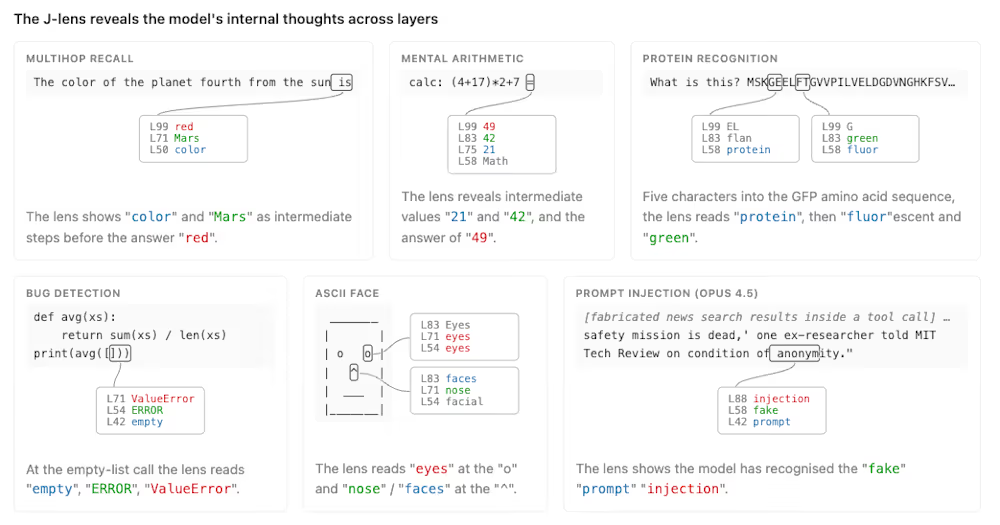
Anthropic’s new “J-lens” reveals a silent workspace inside Claude that mirrors a leading theory of consciousness
-
 Sports5 days ago
2026 Genesis Scottish Open Thursday TV coverage: Round 1
-

 Sports7 days ago
Joshua Pacio ‘more complete’ ahead of ONE rematch vs Malachiev
-

 Tech6 days ago
Anthropic brings Claude Cowork to mobile and web as usage data shows most users aren’t coding
-

 Sports4 days ago
Super Eagles star Moses Simon opens up on Liverpool transfer regret
-
Sports7 days ago
We have punished the disrespect
-

 Tech5 days ago
Character.AI enters the microdrama arena with its own productions, but there’s a twist
-

 News Videos7 days ago
“What’s going on?!” Carl Froch discusses Floyd Mayweather Jr financial issues
-
 Crypto World7 days ago
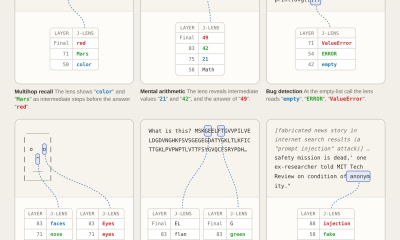
Claude AI Created Something Anthropic Never Designed
-

 Crypto World6 days ago
Nasdaq arthritis company holding Moshe Hogeg crypto hits all-time low
-

 Tech1 hour ago
Get Your ESP32 Sunny Side Up With This Solar Dev Board
-

 News Videos5 days ago
Crypto Just Entered Its Most Important 6-Month Candle (Could Decide Everything!)
-
 Tech6 days ago
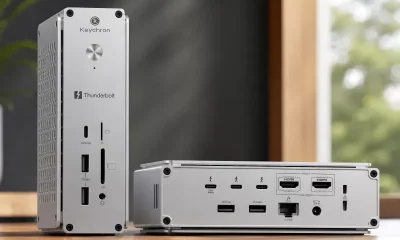
Keychron is stepping outside keyboards with a $349 Thunderbolt 5 dock aimed at power users
-

 Business6 days ago
ASX 200 Slides Over 0.6% as Rare Earths and Lithium Stocks Tumble Amid Global Semiconductor Sell-Off Today
-
 Business6 days ago
Will Trent shares rebound after Q1 update triggers 13% crash? Here’s what technical charts indicate
-
 NewsBeat5 days ago
Major update after Huntingdon train attack as man enters plea
-
 Tech6 days ago
OpenAI teams with Work Louder to launch Codex-native keyboard, weeks after CEO of Apps told staff ‘not to be distracted by side quests’
-

 Business6 days ago
SpaceX Shares Slide Nearly 6% Amid Post-IPO Volatility and Starship Test Focus
You must be logged in to post a comment Login