

Business
Chicago emerging as ground zero for collapse in downtown office values

Indiana Gov. Mike Braun discusses the potential relocation of the Chicago Bears to Indiana, highlighting Indiana’s business-friendly environment and contrasting it with Illinois’ high taxes and regulations on ‘The Bottom Line.’
Office towers that once sold for hundreds of millions of dollars are now changing hands at discounts of 70%, 80%, even 90% across major U.S. cities, as higher interest rates and remote work reshape demand for downtown space.
Few places illustrate the shift more starkly than Chicago. There, the markdowns span every era of development according to figures first tweeted out by Nightingale Associates.
A century-old office building in the city’s historic Printing House Row district, 401 S. State St., recently sold for just $4.2 million, down from $68.1 million in 2016, a 94% drop.
The prominent Loop tower at 311 S. Wacker Drive traded at an 85% discount, selling for $45 million compared with $302 million in 2014.
CONSERVATIVE STATES SEE LOWER INFLATION THAN LIBERAL ONES NATIONWIDE, WHITE HOUSE DATA SHOWS
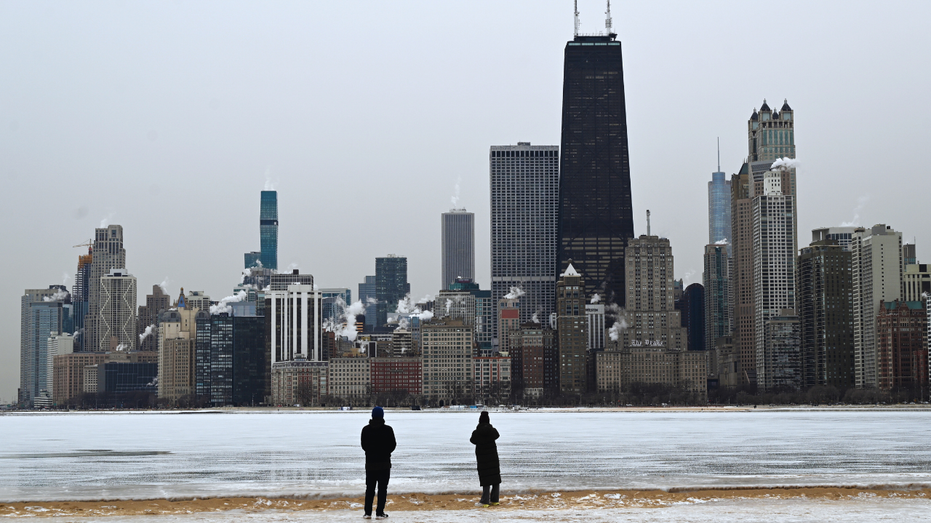
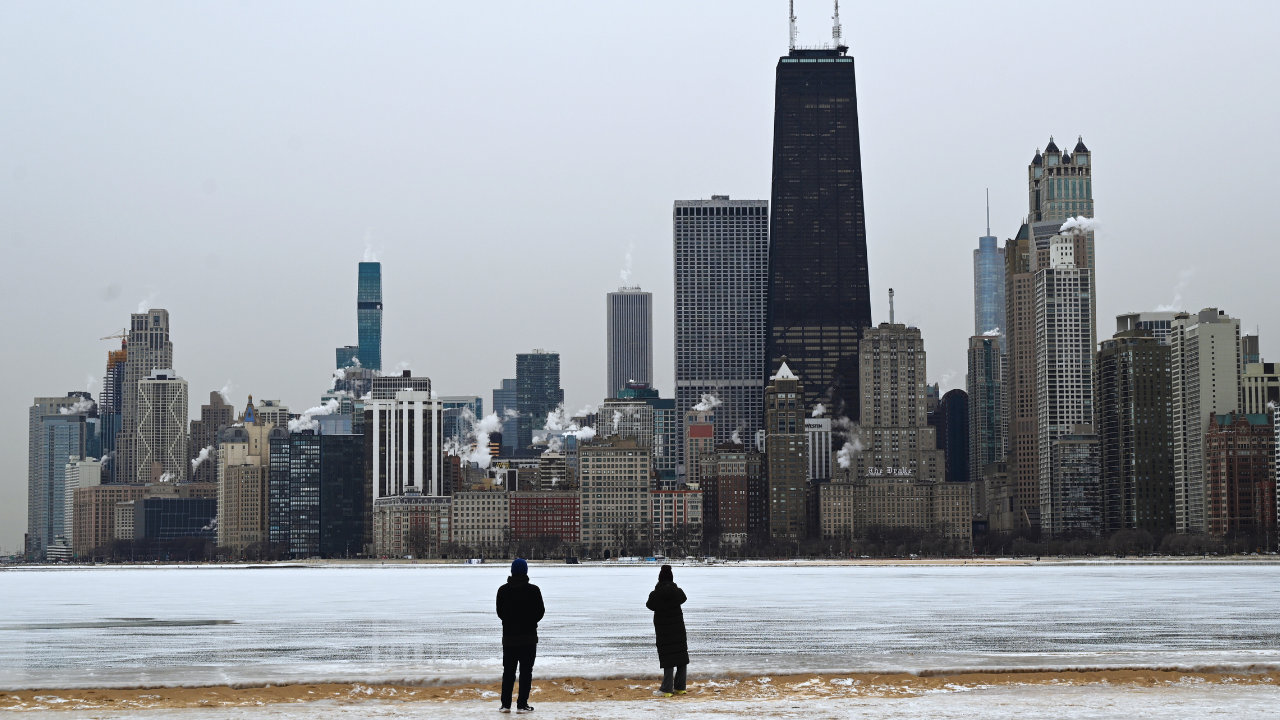
People look out toward the skyline from a frozen North Avenue Beach on January 24, 2026, in Chicago, Illinois. (Jacek Boczarski/Anadolu/Getty Images / Getty Images)
Even newer, high-profile properties have not been immune. Boeing’s long-term lease interest in 100 N. Riverside Plaza, not the tower itself, sold for $22 million, down from $165 million in 2005, an 87% decline.
And at 300 W. Adams St., a leasehold interest in the building changed hands for just $4 million, compared with $51 million in 2012 — a 92% discount.
Taken together, the deals illustrate how sharply the economics of downtown office real estate have shifted in just a few years, as higher interest rates and remote work reshape demand.
CHICAGO ‘LOST ITS MIND’ FINANCIALLY UNDER MAYOR BRANDON JOHNSON, WASHINGTON POST WARNS

Retail space for lease in downtown Chicago, Illinois, US, on Tuesday May 27, 2025. (Christopher Dilts/Bloomberg/Getty Images / Getty Images)
The fallout extends beyond landlords and investors. In many major cities, office towers are a cornerstone of the tax base, helping fund schools, public safety and transit — meaning falling property values can ripple through local budgets.
And Chicago is not alone.
Across the country, downtown office buildings are trading at steep discounts. Last year, an 18-story Dallas office tower sold for $26.1 million, a 64% discount from its $73 million sale price in 2016.
In St. Louis, a 44-story tower sold in 2022 for $4.5 million, a fraction of the nearly $205 million it fetched in 2006. More recently, an office building in downtown San Jose, California, sold for $23.7 million, well below its $80.1 million sale price in 2017. In Newton, Massachusetts, a three-building office complex changed hands last year for $117.5 million, roughly half of its $235 million price back in 2020.
CLICK HERE TO GET FOX BUSINESS ON THE GO
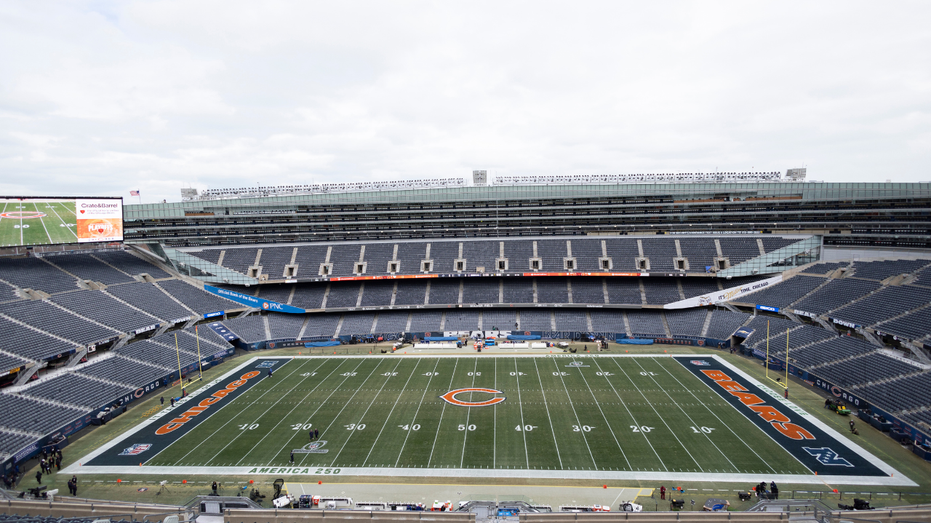
CHICAGO, ILLINOIS – JANUARY 18: A general interior view of Soldier Field prior to the NFL divisional playoff football game between the Los Angeles Rams and Chicago Bears at Soldier Field on January 18, 2026 in Chicago, Illinois. (Kara Durrette/Getty Images / Getty Images)
Amid broader uncertainty about the future of downtowns, city leaders are also working to retain major economic anchors, including the Chicago Bears.
The team is exploring a possible relocation to Indiana, where a new stadium could be constructed near Wolf Lake in Hammond, just across the state border.
As property values fall, city leaders face difficult choices: cut services, raise taxes elsewhere, or absorb widening budget gaps.



’One Battle After Another’ wins best film at the BAFTAs
Business
(VIDEO) How Did El Mencho Die? Mexican Cartel Leader Reportedly Killed in Jalisco Military Raid
MEXICO CITY — Nemesio Rubén Oseguera Cervantes, the longtime leader of the Jalisco New Generation Cartel (CJNG) known as “El Mencho,” was reportedly killed Sunday, February 22, 2026, during a targeted Mexican military operation in the southern part of Jalisco state, according to multiple media outlets.

The 59-year-old Oseguera died from gunshot wounds sustained in a clash with army troops near the rural municipality of Tapalpa, roughly 120 kilometers (75 miles) southwest of Guadalajara. A senior Defense Ministry official confirmed the death to several news organizations, including Reuters, El País and Milenio, stating that Oseguera was fatally wounded during the raid and pronounced dead while being evacuated by helicopter to a hospital in Mexico City. Forensic identification was ongoing as of late Sunday, but authorities expressed high confidence in the identification based on biometric data and intelligence.
The operation unfolded in the early morning hours when special forces units from the Secretariat of National Defense (Sedena) moved on a suspected high-value target compound in a mountainous area known as a CJNG stronghold. Government sources described the raid as intelligence-driven, aimed at capturing Oseguera, who had evaded authorities for more than a decade. When troops made contact, a firefight erupted. Oseguera was struck multiple times and succumbed to his injuries during medical evacuation. Several of his bodyguards and associates were also killed or wounded in the exchange.
Mexican President Claudia Sheinbaum’s administration has not yet issued an official public statement, but the Defense Ministry is expected to provide details in a formal briefing. Governor Pablo Lemus Navarro of Jalisco posted on social media Sunday afternoon urging residents in southern Jalisco to remain indoors due to “ongoing security operations,” a sign of the scale of the military deployment.
The killing triggered immediate retaliatory violence. Suspected CJNG members set up dozens of roadblocks using burning vehicles in Guadalajara, Puerto Vallarta, Colima and parts of Michoacán. Airports in Guadalajara and Puerto Vallarta reported disruptions, with armed groups blocking access roads. The U.S. Embassy in Mexico issued a shelter-in-place alert for American citizens in Jalisco and neighboring states, warning of potential reprisals and urging caution.
Oseguera had been one of the world’s most wanted fugitives, with the U.S. State Department offering a $15 million reward for information leading to his arrest or conviction — one of the highest bounties ever placed on a drug trafficker. Mexico offered 300 million pesos (approximately $15 million). He faced U.S. indictments for drug trafficking, money laundering and murder conspiracy, accused of overseeing the CJNG’s role in flooding the United States with fentanyl and methamphetamine.
The CJNG, which Oseguera co-founded in 2010 after splintering from the Milenio Cartel, grew into Mexico’s most powerful criminal organization through extreme violence, corruption and control of key Pacific ports such as Manzanillo. Under his leadership, the cartel pioneered large-scale fentanyl production using Chinese precursor chemicals and employed public executions, vehicle bombings and attacks on security forces to assert dominance.
His death represents the most significant cartel-leader takedown since Joaquín “El Chapo” Guzmán’s recapture in 2016. However, experts caution that the CJNG’s decentralized structure and deep infiltration of local governments mean the organization is unlikely to collapse. Potential successors — including family members and top lieutenants — could trigger internal power struggles, potentially escalating violence in Jalisco, Michoacán, Guanajuato and Colima.
The operation aligns with President Sheinbaum’s strategy of intelligence-led, precision strikes rather than large-scale confrontations. It also comes amid intense U.S. pressure to curb fentanyl flows, including threats of military action inside Mexico and the designation of several cartels as foreign terrorist organizations by the Trump administration.
Oseguera’s low-profile lifestyle — rarely photographed, communicating through encrypted channels and moving between remote mountain hideouts — made him exceptionally difficult to locate. His nickname “Mencho” originated from “menchito” (little mango), a childhood moniker. He reportedly maintained a tight circle of loyal sicarios and relied on corruption to protect his movements.
If the government’s account holds, the raid succeeded where years of manhunts failed. The immediate aftermath — widespread roadblocks, airport chaos and shelter advisories — underscores the CJNG’s capacity for rapid, coordinated retaliation.
Security analysts expect heightened violence in western Mexico in the coming days as factions position for control. The killing of El Mencho marks a pivotal moment in Mexico’s long struggle against drug cartels — a major symbolic and operational victory that may disrupt supply chains but is unlikely to end the underlying criminal ecosystem.
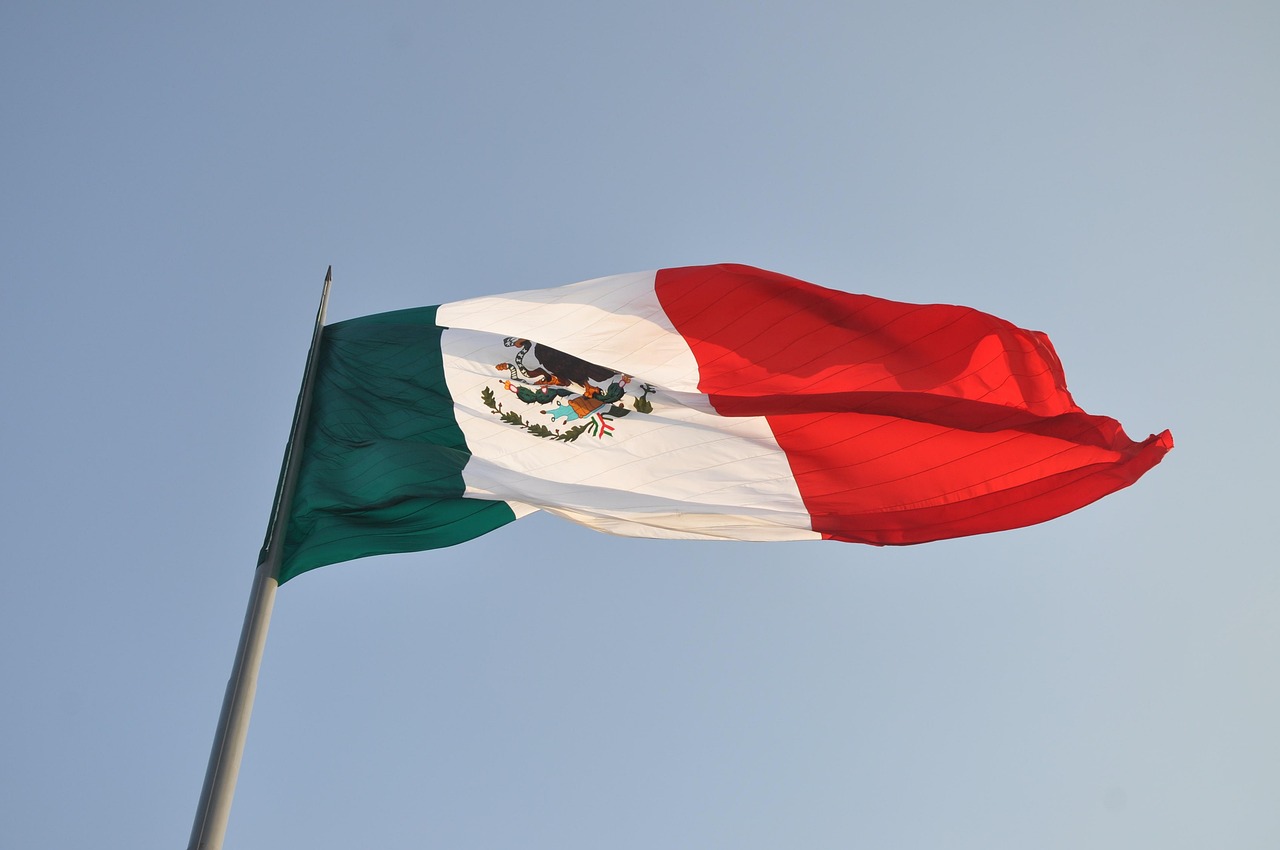
MEXICO CITY — Mexican security forces killed Nemesio Oseguera Cervantes, the long-elusive leader of the Jalisco New Generation Cartel (CJNG) known as “El Mencho,” during a military operation in southern Jalisco state on Sunday, February 22, 2026, ending one of the most intensive manhunts in the country’s drug war history.

The 59-year-old Oseguera died from multiple gunshot wounds sustained in a pre-dawn raid near the rural municipality of Tapalpa, about 120 kilometers southwest of Guadalajara, the Mexican Defense Ministry confirmed in a late-afternoon statement. A federal official, speaking on condition of anonymity because the operation remained active, told Reuters and the Associated Press that Oseguera was fatally wounded during an exchange of fire with special forces and died while being medically evacuated by helicopter to Mexico City. Forensic confirmation of identity was completed using biometric records and DNA samples, authorities said.
The operation, led by elite units of the Secretariat of National Defense (Sedena), targeted a suspected high-value safe house in a mountainous area long considered a CJNG stronghold. When troops made contact, a firefight erupted. Several of Oseguera’s bodyguards were killed and others wounded, but officials did not release a full casualty count or specify whether the raid was intended as a capture mission or a lethal takedown.
Hours after the raid, suspected CJNG members retaliated with widespread violence. Dozens of roadblocks appeared across Jalisco, Colima and Michoacán, with burning vehicles used to block highways. Gunmen briefly seized control of sections of the Guadalajara airport access road and disrupted traffic near Puerto Vallarta. The U.S. Embassy in Mexico issued an immediate shelter-in-place advisory for American citizens in Jalisco and neighboring states, warning of “potential retaliatory attacks by cartel members.”
President Claudia Sheinbaum’s administration described the operation as a “decisive blow against organized crime” but has not yet held a formal press conference. Governor Pablo Lemus Navarro of Jalisco posted on social media urging residents to avoid non-essential travel in southern Jalisco, signaling that military and police remained on high alert.
Oseguera had been one of the world’s most wanted fugitives for more than a decade. The United States offered a $15 million reward — one of the largest ever placed on a drug trafficker — for information leading to his arrest or conviction. Mexico offered 300 million pesos (approximately $15 million). He faced multiple U.S. indictments for drug trafficking conspiracy, money laundering and continuing criminal enterprise, accused of overseeing the CJNG’s role in flooding the United States with fentanyl and methamphetamine.
Under Oseguera’s command, the CJNG — which he co-founded in 2010 after splintering from the Milenio Cartel — grew into Mexico’s most powerful and violent criminal organization. The group pioneered large-scale fentanyl production using Chinese precursor chemicals, controlled major Pacific ports such as Manzanillo and employed extreme public violence — including helicopter attacks, mass executions and vehicle bombings — to seize territory from rivals including the Sinaloa Cartel, Los Zetas and the Knights Templar.
His low-profile lifestyle — rarely photographed, communicating through encrypted channels and moving between remote mountain hideouts — made him exceptionally difficult to locate. He was protected by layers of loyal sicarios and widespread corruption of local officials, judges and police.
The killing comes amid intense U.S. pressure on Mexico to curb fentanyl flows, including threats of military action inside Mexico and the designation of several cartels as foreign terrorist organizations by the Trump administration. It also bolsters Sheinbaum’s strategy of intelligence-led, precision operations rather than large-scale confrontations.
Security analysts cautioned that Oseguera’s death is unlikely to dismantle the CJNG. The cartel’s decentralized structure, deep infiltration of local governments and vast financial resources mean successors — likely family members or top lieutenants — could quickly assume control. Fragmentation often triggers internal wars and increased violence, as seen after previous high-profile takedowns.
The CJNG’s immediate response — coordinated roadblocks, airport disruptions and potential attacks on security forces — underscores the group’s capacity for rapid retaliation. Authorities expect heightened violence in western Mexico in the coming days as factions position for power.
Oseguera’s reported demise marks a pivotal moment in Mexico’s long struggle against drug cartels. While it disrupts leadership and may temporarily weaken supply chains, history suggests the organization will adapt rather than collapse. For the government, the operation is a landmark achievement; for communities living under cartel control, the question remains whether the violence will subside or intensify.
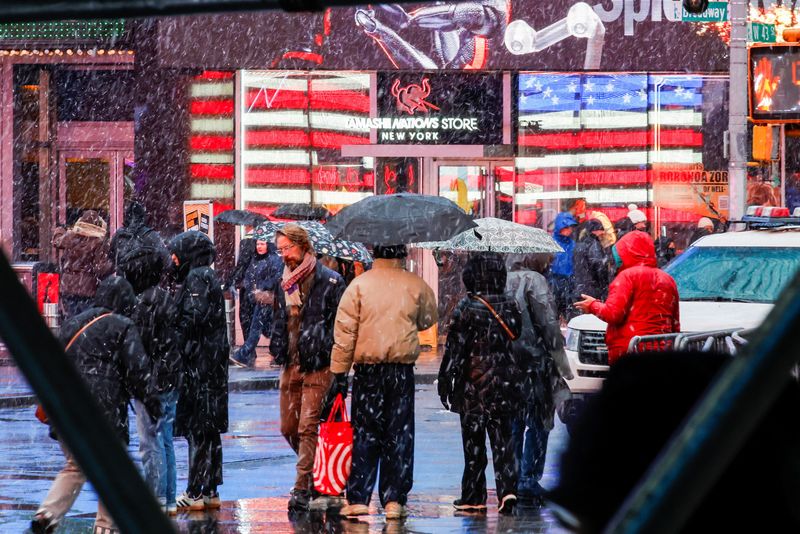

New York, other states under state of emergency as snow falls amid blizzard warning
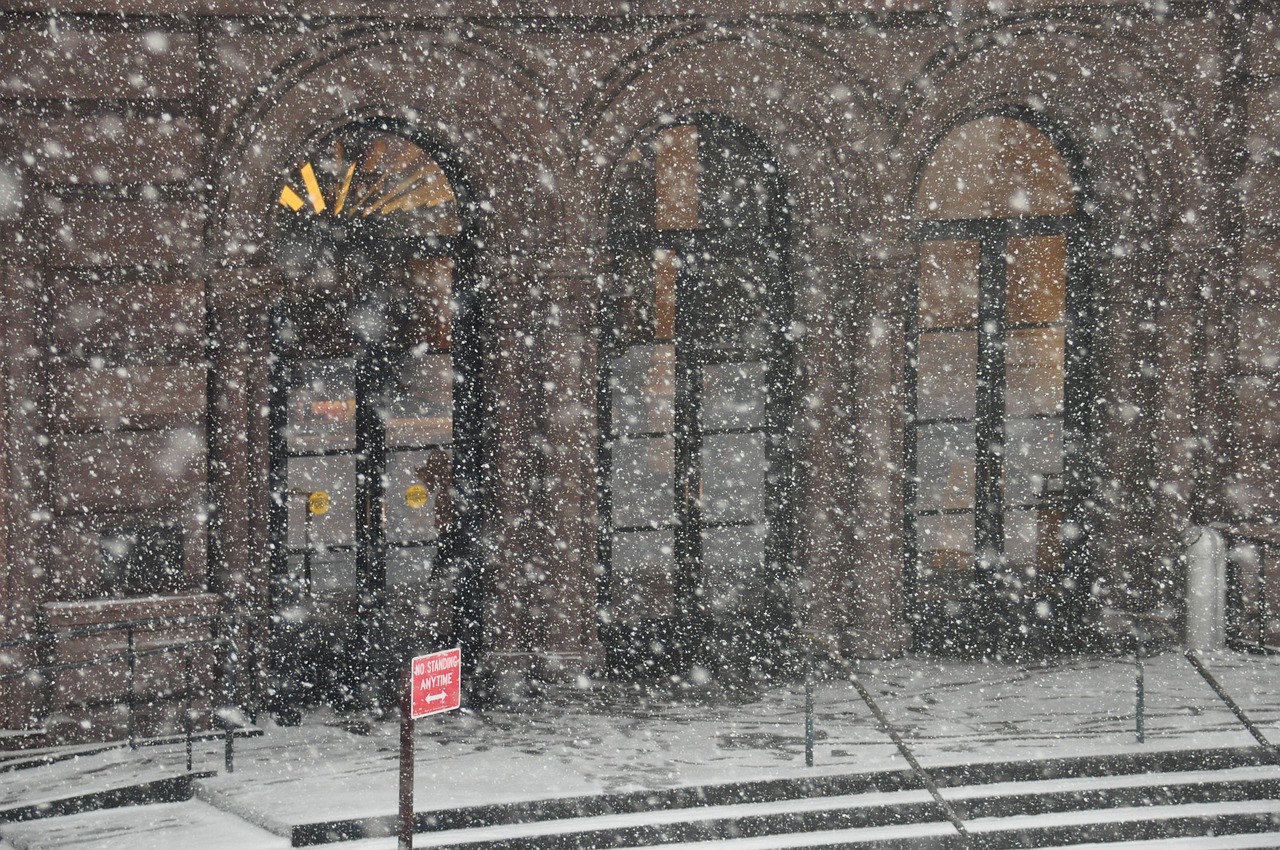
NEW YORK — Mayor Zohran Mamdani declared a citywide travel ban for non-essential vehicles effective immediately on Monday, February 23, 2026, as a historic nor’easter dumped more than 30 inches of snow across the five boroughs, bringing New York City to a virtual standstill and prompting the most severe weather emergency in more than a decade.

The ban, announced at an early morning press conference at City Hall, prohibits all private vehicles, taxis, rideshares and delivery trucks from operating on city streets except for emergency and essential personnel. Public transit remains operational but severely limited, with subway service reduced to essential lines and buses operating on skeleton schedules. The Metropolitan Transportation Authority reported that several subway lines were suspended due to flooding in tunnels and downed power affecting signals.
“New Yorkers, this is not a typical snowstorm,” Mamdani said, flanked by NYPD Commissioner Jessica Tisch and FDNY Commissioner Laura Kavanagh. “We are facing historic snowfall rates, whiteout conditions and wind gusts exceeding 50 mph. This travel ban is necessary to protect lives, allow plows to clear streets and prevent gridlock that could trap emergency vehicles.”
The National Weather Service office in Upton upgraded the storm to a full blizzard warning for all five boroughs through Tuesday evening, forecasting total accumulations of 28–36 inches in Manhattan, 30–40 inches in Brooklyn and Queens, and up to 45 inches in parts of Staten Island and the Bronx. Wind gusts reached 58 mph at John F. Kennedy International Airport and 62 mph at Battery Park, creating whiteout conditions and blowing snow drifts up to 6 feet high in some neighborhoods.
The storm, which began intensifying Friday night, February 20, has already set several records. Central Park recorded 31.8 inches by 6 a.m. Monday — surpassing the previous February single-storm record of 27.3 inches set in 2006 — and is on pace to become the third-snowiest storm in city history, trailing only the 2009–10 blizzard (33.9 inches) and the 1888 Great Blizzard (40.5 inches over two days).
More than 1,200 flights were canceled at JFK, LaGuardia and Newark Liberty International Airport combined, stranding thousands of travelers. Amtrak suspended service between New York and Boston, while NJ Transit and Metro-North trains operated limited schedules. The Port Authority reported the Lincoln and Holland tunnels closed to non-essential traffic, and all East River bridges restricted to emergency vehicles.
Governor Kathy Hochul declared a state of emergency Saturday night, activating the National Guard and coordinating with FEMA for resources. More than 3,000 National Guard members were deployed across the state, with 1,200 assigned to New York City to assist with snow removal, medical transport and shelter operations. The city opened more than 80 warming centers and expanded shelter capacity for unhoused residents.
The NYPD reported more than 400 weather-related 911 calls in the 24 hours ending at 6 a.m. Monday, including reports of stranded motorists, roof collapses and carbon monoxide incidents from generators used improperly. FDNY responded to 187 structural fires and 62 medical emergencies linked to the storm. At least three fatalities were confirmed statewide — two in upstate New York from cardiac events during shoveling and one motorist in a multi-vehicle crash on the Long Island Expressway — though no deaths had been reported in the city as of midday Monday.
Power outages affected more than 120,000 customers in the five boroughs and Westchester County, with Consolidated Edison reporting widespread damage to overhead lines from ice and wind. Restoration crews worked through the night, but officials warned some outages could persist into Tuesday.
Mamdani emphasized enforcement of the travel ban, noting that violators face fines up to $500 and possible vehicle impoundment. Essential workers — including healthcare personnel, utility crews, food delivery drivers with proper permits and journalists — are exempt but must carry documentation. The mayor urged residents to stay indoors unless absolutely necessary, warning that visibility in many neighborhoods dropped below 50 feet.
The storm is expected to taper off late Monday into Tuesday, with temperatures rising into the upper 30s by midweek, potentially causing rapid snowmelt and flooding in low-lying areas. The National Weather Service issued a flood watch for coastal sections starting Tuesday afternoon.
New Yorkers have been urged to prepare for extended disruptions: schools across the city and suburbs remain closed Monday and Tuesday, trash collection is suspended, and alternate side parking regulations are waived until further notice. The city distributed more than 200,000 salt bags to residents and deployed 1,800 plows and salt spreaders, though officials acknowledged that clearing side streets and sidewalks would take days.
Mamdani’s travel ban — the first full citywide prohibition since Superstorm Sandy in 2012 — reflects the severity of the event. “This is not business as usual,” he said. “We are asking every New Yorker to do their part so emergency services can do theirs.”
As the city digs out, the storm is already being called one of the most significant winter events in modern New York history, testing infrastructure, emergency response and community resilience in the face of extreme weather made more unpredictable by climate change.
Dominari Securities founder Kyle Wool and Michael Lee Strategy founder Michael Lee join ‘Mornings with Maria’ to discuss the tech sector and break down the impact of the Supreme Court’s upcoming tariff decision on the U.S. stock market.
Victor Owen Schwartz never imagined he would one day find himself challenging a president in the highest court in the land.
But after President Donald Trump’s sweeping tariffs threatened the survival of his wine importing business, Schwartz became a plaintiff in a case that would ultimately reach the Supreme Court — and prevail.
Shortly after the ruling, Trump announced a 10% global tariff and vowed to use other avenues to keep the duties in place. A day later, he raised the tariff to 15%.
SUPREME COURT DEALS BLOW TO TRUMP’S TRADE AGENDA IN LANDMARK TARIFF CASE

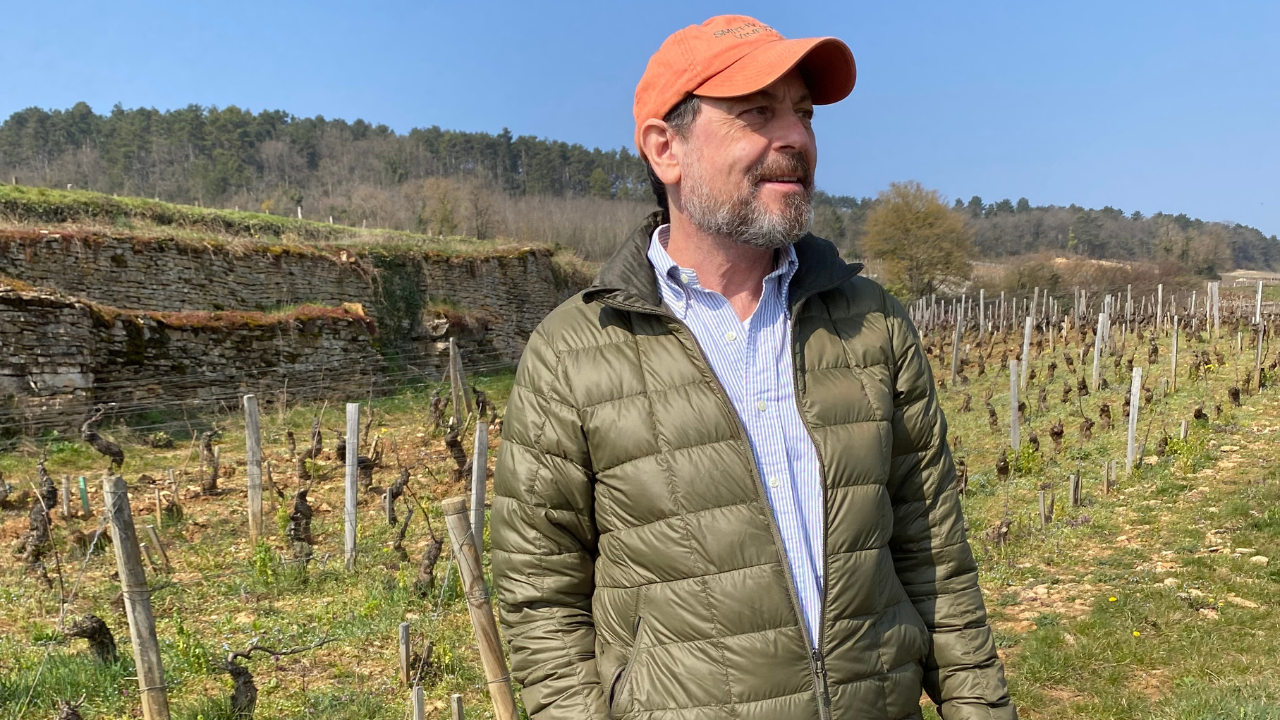
A photo of Victor Owen Schwartz of VOS Selections.
Because his business depends on global sourcing, Schwartz was uniquely exposed. With wines and spirits arriving from 16 countries across five continents, nearly every corner of his supply chain was touched by the new tariffs.
On Friday, the nation’s highest court dealt Trump a significant blow to his trade policy. Schwartz watched the decision unfold over Zoom with his lawyers, the fate of his nearly 40-year-old business hanging in the balance.
“We are relieved and very excited to get back to doing what we love, bringing handmade authentic wines and spirits to American consumers,” Schwartz said. “It’s impossible to describe the feeling of elation, of seeing that, yes, we were right, and the court agrees with us, and a feeling that justice prevailed,” he told Fox News Digital.
Schwartz was a plaintiff in one of two cases brought before the Supreme Court. The challenges — Learning Resources Inc. v. Trump and Trump v. V.O.S. Selections Inc. — were filed by an educational toy manufacturer and Schwartz’s family-owned wine and spirits importer, both contesting the legality of Trump’s tariffs.
The disputes followed Trump’s “Liberation Day” tariffs in April, a sweeping package of import duties he said would address trade imbalances and reduce reliance on foreign goods.
TRUMP’S TARIFF REVENUES HIT RECORD HIGHS AS SUPREME COURT DEALS MAJOR BLOW
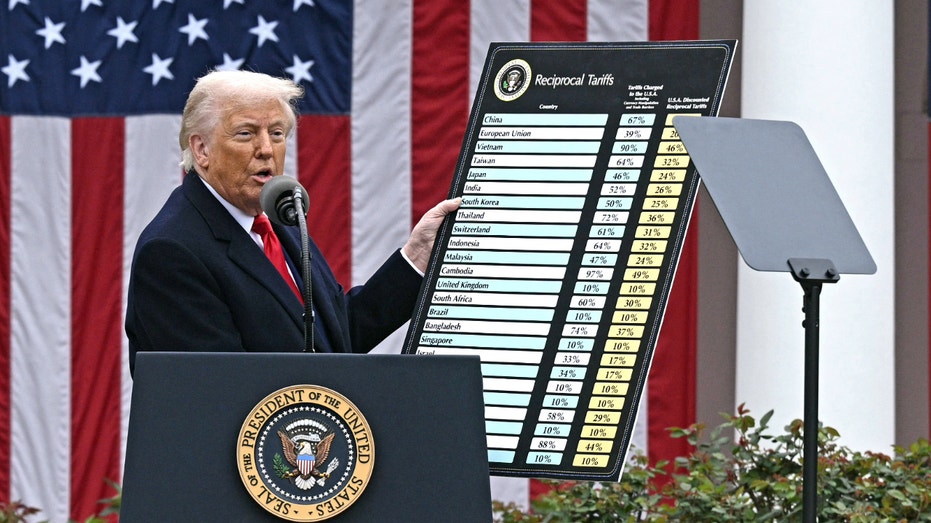
President Donald Trump delivers remarks on reciprocal tariffs during an event in the Rose Garden in 2025. (Brendan Smialowski/AFP/Getty Images / Getty Images)
“Last spring, thousands of American small businesses like mine were thrown into chaos,” Schwartz said, referring to the “Liberation Day” tariffs. “The administration’s unprecedented tariffs, which my business was forced to pay upfront, threatened our very existence,” he added.
Unlike previous tariffs enacted by Congress, which businesses could plan around, Schwartz said Trump’s sweeping duties felt unpredictable and arbitrary. He argued the new duties forced small companies to “gamble with our livelihoods by trying to predict the unpredictable,” calling them “an unconstitutional act of government overreach.”
Beyond the legal fight, Schwartz said the strain on cash flow was especially acute.
“A very important thing to realize in running any business, certainly a small business, is the impact on cash flow,” he said. “When you have to pay those tariffs up front before you have sold a single bottle of wine, that’s a major impact. Cash flow is the lifeblood of a company.”
FOX NEWS POLL: TRUMP’S TARIFFS FACED BROAD DISAPPROVAL EVEN BEFORE SUPREME COURT RULING
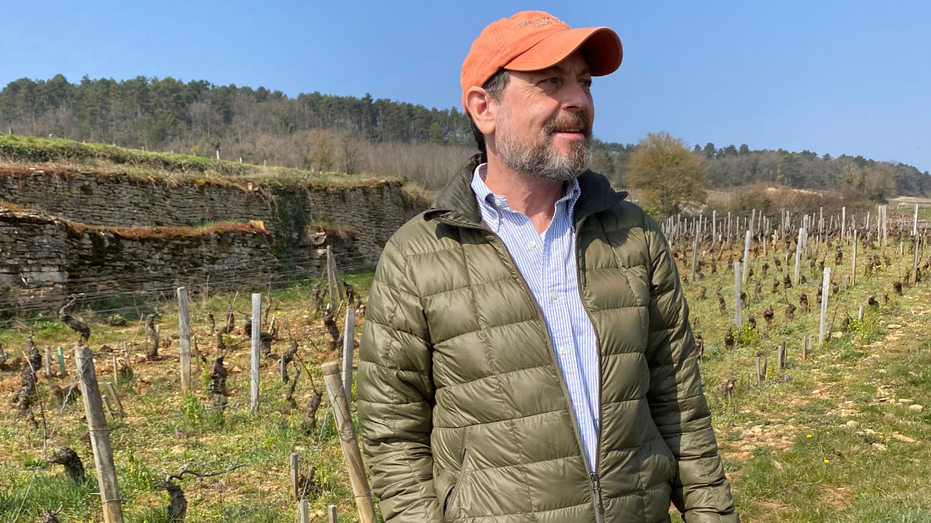
Victor Owen Schwartz of VOS Selections challenged the president and won in the Supreme Court. (Courtesy of Victor Schwartz)
CLICK HERE TO DOWNLOAD THE FOX NEWS APP
The Trump administration has argued that aggressive tariffs are necessary to confront what it calls years of unfair global trade, underscoring how central trade policy is to Trump’s broader economic strategy.
While questions remain about what comes next for U.S. trade policy, Schwartz said he is focused on moving forward and receiving the “government’s refund of these improperly collected taxes.”
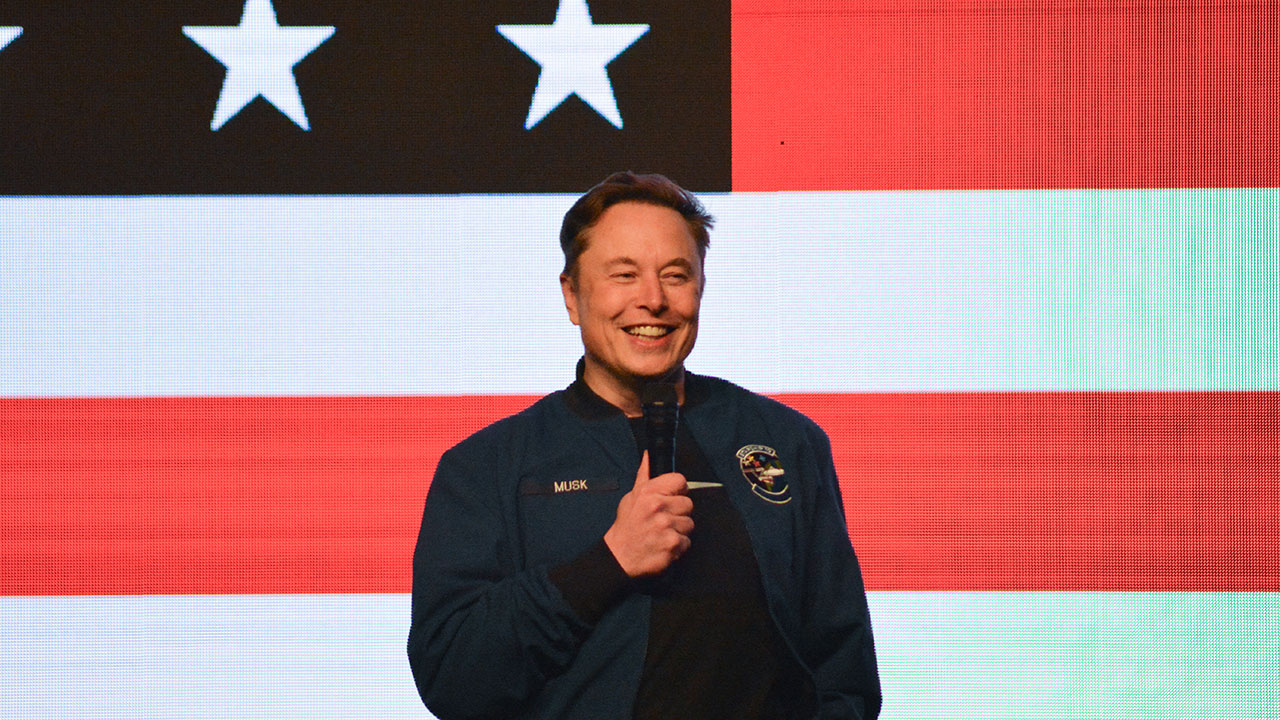
O’Leary Ventures chairman Kevin O’Leary discusses Elon Musk’s merger of xAI and SpaceX into a major technology giant worth over $1 trillion on ‘The Bottom Line.’
A federal judge in San Francisco reportedly spent more than five hours Thursday trying to seat a jury in Elon Musk’s upcoming investor class action trial, as prospective jurors acknowledged strong negative views toward the billionaire entrepreneur.
From a pool of 93, only nine jurors were selected after extensive questioning about whether they could put aside personal opinions about Musk, according to Bloomberg Law.
U.S. District Judge Charles Breyer said finding people with no opinion about Musk — known for leading X, Tesla and SpaceX — would be nearly impossible.
“He’s like the president of the United States, I could search the entire country,” Breyer said. “As a public figure, he will excite strong views, and for him in particular, people have strong views.”
ELON MUSK REVEALS PRICE OF TESLA’S CYBERCAB
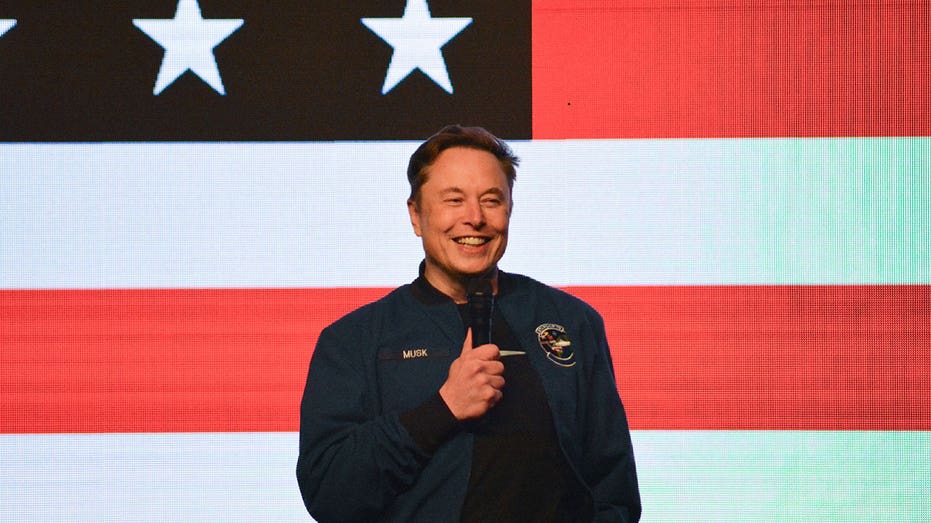
Elon Musk speaks during a town hall in Green Bay, Wisconsin, on March 30, 2025. (Robin Legrand/AFP via Getty Images)
Nearly 40 prospective jurors were quickly dismissed after saying they could not remain impartial, Bloomberg Law reported.
One said he disagrees “with the existence of billionaires.”
Another said she hated Musk’s decision to fire content moderators after taking over Twitter.
A third said that if the case were criminal, he would feel a “moral obligation” to convict Musk.
All were excused, according to Bloomberg Law.
MUSK COMPANY CHOSEN FOR UNDERGROUND TRANSIT SYSTEM FOR UNIVERSAL PARKS

The X logo appears on a smartphone screen in the Apple app store in this photo illustration on Feb. 19, 2026. (Thomas Fuller/NurPhoto via Getty Images)
Musk’s attorney, Stephen Broome, of Quinn Emanuel Urquhart & Sullivan, noted that the hostility was widespread.
“We have so many people in the venire who hate him so much that we’re becoming desensitized,” Broome said.
However, not all the strong opinions were negative toward Musk.
One prospective juror described him as a “brilliant scientist” who has helped humanity. She was also dismissed, according to the news outlet.
TECH TITANS ELON MUSK AND REID HOFFMAN ATTACK EACH OTHER OVER LATEST EPSTEIN EMAILS
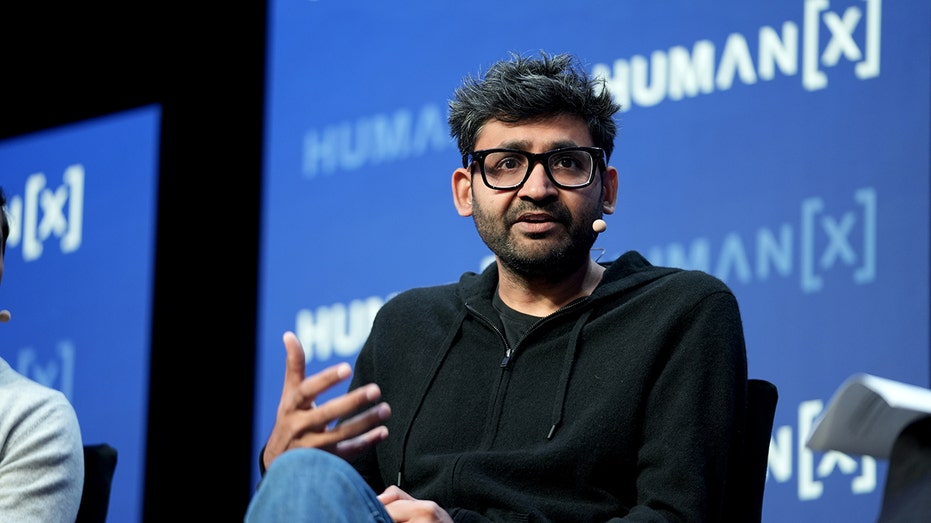
Parag Agrawal speaks onstage during the HumanX AI Conference at Fontainebleau Las Vegas on March 10, 2025. (Big Event Media/Getty Images for HumanX Conference)
By the end of the day Thursday, jurors including a salesperson, a mechanical engineer and a university IT worker, had been selected.
The trial, scheduled to begin March 2, centers on investor claims that Musk violated securities law in 2022 by publicly wavering on his agreement to buy Twitter, allegedly driving down the company’s stock price during negotiations.
Musk may testify during the roughly three-week trial, as well as former Twitter CEO Parag Agrawal.
CLICK HERE TO GET FOX BUSINESS ON THE GO
Musk could not be reached for comment.
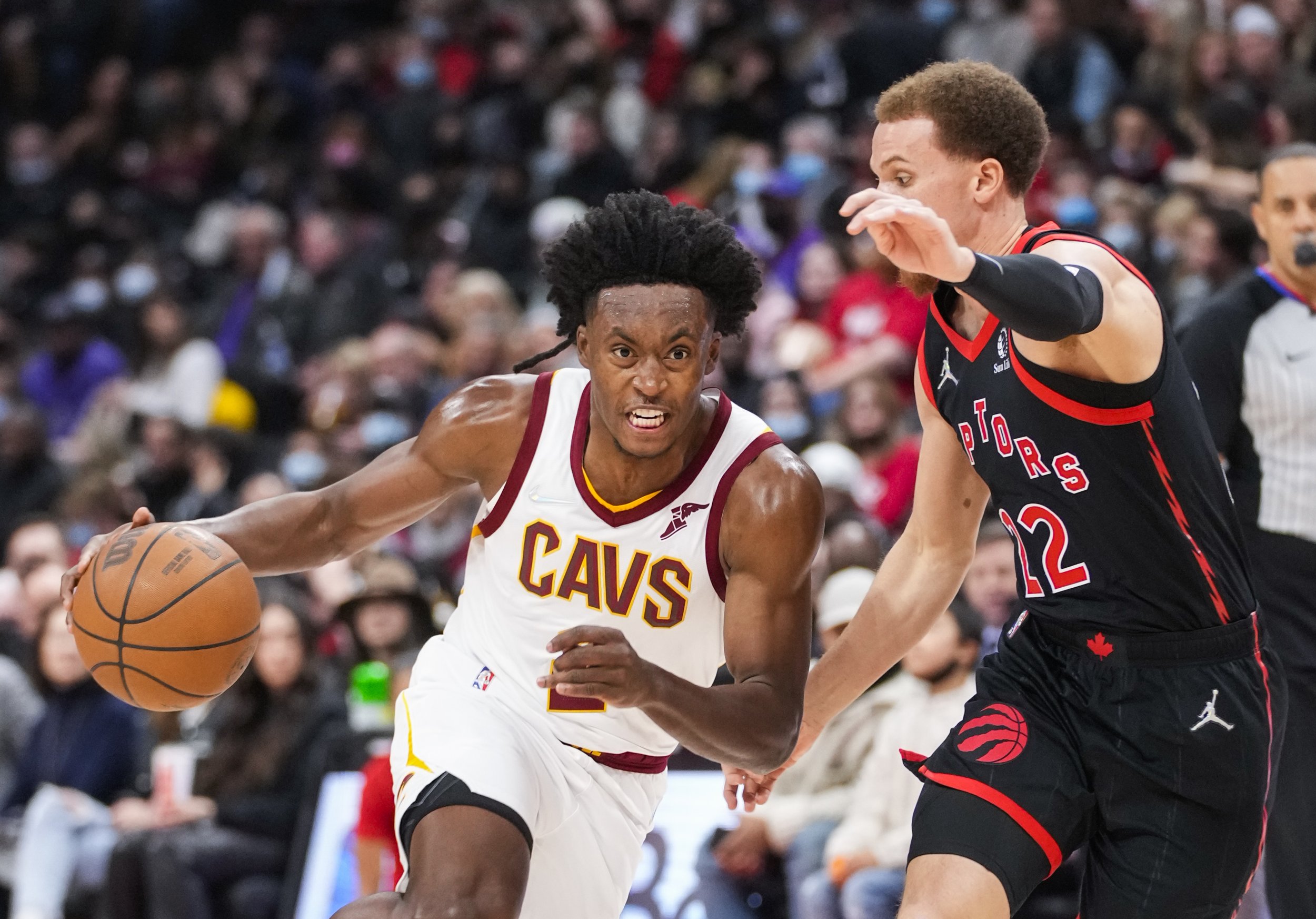
The Cleveland Cavaliers (36-21) visit the Oklahoma City Thunder (43-14) at Paycom Center on Sunday, February 22, 2026, in a marquee NBA regular-season clash between two of the league’s top teams. Tip-off is set for 1:00 p.m. ET (12:00 p.m. CT), with the game nationally televised on ABC and available via livestream on multiple platforms.

This matchup pits Donovan Mitchell and Evan Mobley against Shai Gilgeous-Alexander and Chet Holmgren in what promises to be a high-energy contest featuring elite defense, transition scoring and star power. Both clubs enter with strong records — Cleveland on a seven-game winning streak and OKC holding one of the league’s best home marks — making this a potential playoff preview in the 2025-26 season.
How to Watch and Livestream the Game
- TV Channel: ABC (national broadcast in the United States)
- Livestream Options (U.S.):
- Fubo (offers free trial for new subscribers; carries ABC in most markets)
- Hulu + Live TV
- YouTube TV
- DIRECTV Stream
- Sling TV (select packages with ABC availability)
- International Viewing: Check local NBA rights holders (e.g., TSN/Sportsnet in Canada, Sky Sports in the UK, DAZN in select regions). Free streams may be available on platforms like NBA League Pass in territories without local blackout restrictions.
- Radio/Audio: SiriusXM NBA Radio and local affiliates (e.g., 92.3 The Fan in Cleveland, The Franchise in OKC) provide play-by-play.
For cord-cutters, Fubo stands out as a primary option, delivering ABC along with ESPN, TNT and other NBA channels. New users can start with a free trial to catch the game live without immediate cost. Hulu + Live TV and YouTube TV also include ABC in most U.S. markets.
Game Preview and Key Storylines
The Cavaliers bring momentum after a dominant stretch, led by Mitchell’s scoring (averaging 28+ points recently) and Mobley’s defensive anchor role. Cleveland ranks among the league’s top defensive units and excels in transition, traits that could challenge OKC’s pace-and-space style.
The Thunder, defending Western Conference frontrunners, rely on Gilgeous-Alexander’s MVP-caliber play (30+ points in multiple recent outings) and Holmgren’s rim protection. Playing at home, OKC boasts one of the league’s best records and thrives in high-profile matchups.
Injury reports are minimal heading into tip-off: Cleveland lists Thomas Sorber (knee) as out, while OKC has Ajay Mitchell questionable. Both teams are otherwise healthy, setting up a full-strength battle.
Head-to-Head Context
This is the second meeting of the season. OKC won the first contest on January 19, 2026, 136-104 in Cleveland, led by Gilgeous-Alexander’s 30 points. The Thunder controlled that game from start to finish, exploiting Cleveland’s interior defense.
Revenge is on the line for the Cavaliers, who seek to prove their seven-game streak is no fluke against a top contender. For OKC, a win would reinforce their status as championship contenders.
How to Follow Live Updates
- Real-time scores and play-by-play: NBA.com, ESPN app, CBS Sports app
- Highlights and post-game analysis: NBA YouTube, ESPN, local sports networks
- Social media: Follow @cavs, @okcthunder, #CavsThunder for clips and reactions
The 1 p.m. ET start time makes this an early-afternoon showdown, ideal for national audiences. With ABC’s coverage, expect pre-game shows highlighting the matchup’s stakes — two young cores, elite defenses and MVP candidates.
Tune in or stream to see if Cleveland can pull off the road upset or if OKC extends its home dominance. This game could shape narratives in both conferences as the 2025-26 season heads toward the playoffs.

Johnny Gaudreau, the electrifying winger whose dazzling skill and infectious personality made him a fan favorite in Calgary and Columbus, tragically died at age 31 on August 29, 2024, along with his brother Matthew Gaudreau in a bicycle accident in Salem Township, New Jersey. Nearly 18 months later, as the NHL community continues to honor his memory during the 2025-26 season, here are 10 key facts about the player known as “Johnny Hockey” whose legacy endures on and off the ice.

- Born November 13, 1992, in Salem, New Jersey John Michael Gaudreau grew up in the small town of Oldmans Township, New Jersey, where he developed his hockey skills on outdoor rinks and local ponds. He credited his father Guy and mother Jane for fostering his love of the game from an early age.
- Overcame Size Doubts to Become an NHL Star At 5-foot-9 and 165 pounds, Gaudreau was considered too small for the NHL. Scouts overlooked him despite dominant junior and college performances. He proved them wrong, winning the Hobey Baker Award (top U.S. college player) in 2014 at Boston College and earning NHL success through elite skating, vision and puck control.
- Drafted 149th Overall by Calgary in 2011 The Flames selected Gaudreau in the fourth round, a steal that became one of the best late-round picks in league history. He debuted in 2014 and quickly emerged as Calgary’s offensive leader.
- Calgary Flames Icon (2014-2022) Gaudreau spent his first eight NHL seasons with the Flames, recording 609 points (210 goals, 399 assists) in 634 games. He led the team in scoring five times, earned three All-Star berths and helped Calgary reach the playoffs five times. His chemistry with Sean Monahan and Matthew Tkachuk formed one of the league’s most dynamic lines.
- Signed Landmark Deal with Columbus in 2022 In July 2022, Gaudreau chose free agency over re-signing in Calgary, accepting a seven-year, $68.25 million contract with the Blue Jackets. The move shocked fans in Alberta but reflected his desire for a fresh start closer to family in New Jersey.
- Consistent 60-Plus Point Producer Gaudreau recorded six consecutive 60-point seasons from 2016-17 through 2021-22, peaking with 115 points (40G-75A) in 2021-22 — second in the NHL. He maintained elite production in Columbus, posting 74 points in 2022-23 and 80 points in 2023-24 despite playing on a rebuilding team.
- Olympic and International Experience Gaudreau represented the United States at the 2018 Winter Olympics in PyeongChang, where he tallied four points in five games. He also played for Team USA at the 2017 World Championship and multiple junior tournaments.
- Family Man and Devoted Husband/Father Gaudreau married Meredith Davis in September 2022. Their daughter Noa was born in September 2023, and Meredith was pregnant with their second child at the time of his passing. He frequently shared family moments on social media and prioritized time at home.
- Tragic Death Shocked the Hockey World On August 29, 2024, Johnny and his brother Matthew (29) were killed when a suspected impaired driver struck them while they were riding bicycles in Salem County, New Jersey. The driver, Sean M. Higgins, 43, was charged with two counts of death by auto. The NHL, Flames, Blue Jackets and countless players mourned the loss, with tributes pouring in from across the league.
- Lasting Legacy and Memorials Columbus retired Gaudreau’s No. 13 jersey in a pregame ceremony on November 30, 2024. Calgary honored him with a statue unveiling outside Scotiabank Saddledome on March 1, 2025, depicting him in his signature celebration pose. The NHL Players’ Association established the Johnny Gaudreau Family Fund to support families affected by sudden loss. His wife Meredith and daughter Noa continue to be supported by the hockey community.
Johnny Gaudreau’s career was defined by joy, skill and humility. He played with a smile, danced through defenders and made the game look effortless. His passing left a void felt from Calgary to Columbus and beyond, but his spirit lives on in every highlight-reel goal and every young player inspired by a 5-foot-9 underdog who proved size never mattered.
MEXICO CITY — Nemesio Oseguera Cervantes, widely known as “El Mencho,” the longtime leader of the Jalisco New Generation Cartel (CJNG), was killed by Mexican security forces during a military operation in the mountains of southern Jalisco on February 21, 2026, according to multiple high-level government sources and Mexican media outlets.
The 59-year-old Oseguera had evaded capture for more than a decade while directing one of the world’s most powerful and violent drug-trafficking organizations. His death — if officially confirmed in the coming days — represents the most significant blow to the CJNG since its founding and comes at a time of intense U.S.-Mexico pressure to disrupt fentanyl supply chains.
Here are 10 essential facts about El Mencho and his criminal empire:
- Born in Poverty, Rose Through the Ranks Nemesio Oseguera Cervantes was born July 17, 1966, in Aguililla, Michoacán — a rural municipality that later became a major methamphetamine production hub. He worked as a police officer in his early 20s before entering organized crime in the 1990s with the Milenio Cartel. After that group fractured in 2010, he co-founded the CJNG with relatives and former allies.
- Founded the CJNG in 2010 The cartel emerged from the power vacuum left by the arrest of Milenio leader Óscar Orlando Nava Valencia (“El Lobo Valanciano”). El Mencho quickly transformed the splinter group into a nationwide force by recruiting heavily, corrupting officials and using extreme violence to seize territory from rivals including the Sinaloa Cartel, Los Zetas and the Knights Templar.
- Architect of Extreme Violence Under his command, the CJNG pioneered public displays of brutality: mass executions, dismemberments, vehicle bombings, attacks on military convoys and the 2015 downing of an army helicopter with a rocket-propelled grenade. The cartel is blamed for tens of thousands of homicides in Jalisco, Michoacán, Guanajuato, Colima and other states.
- Pioneered Fentanyl Trafficking to the U.S. The CJNG became the dominant player in importing precursor chemicals from China, manufacturing fentanyl in clandestine labs and smuggling massive quantities into the United States. U.S. indictments accuse El Mencho of overseeing the supply chain responsible for hundreds of thousands of overdose deaths.
- $15 Million U.S. Bounty — One of the Highest Ever The U.S. State Department offered $15 million for information leading to his arrest or conviction — among the largest rewards ever placed on a drug trafficker, surpassed only by Joaquín “El Chapo” Guzmán’s peak bounty. Mexico offered 300 million pesos (≈ $15 million). Despite the reward, he remained elusive, rarely photographed and communicating through encrypted channels.
- Controlled Key Pacific Ports The CJNG dominated the port of Manzanillo — Mexico’s busiest on the Pacific — allowing the cartel to import precursor chemicals and export cocaine and methamphetamine. Control of Lázaro Cárdenas and other ports further strengthened its logistics network.
- Family-Run Empire Several relatives held senior positions: brother-in-law Gerardo González Valencia (“El Apá”), cousins and nephews. His wife Rosalinda González Valencia and children have faced money-laundering charges in the U.S. and Mexico. The cartel’s structure blended family loyalty with ruthless discipline.
- Corruption and Political Influence Investigations revealed payments to governors, mayors, police chiefs and military officers across multiple states. The CJNG infiltrated local governments, judges and prosecutors, creating a parallel power structure in regions under its control.
- El Mencho’s Low-Profile Lifestyle Unlike flashy narcos, El Mencho avoided public appearances, social media and ostentatious displays. He reportedly lived in remote mountain compounds, moved frequently and relied on a tight circle of loyal sicarios for protection. His nickname “Mencho” derives from “menchito” (little mango), a childhood moniker.
- Death Would Mark a Turning Point — But Not the End If confirmed, El Mencho’s killing is the most significant cartel-leader takedown since El Chapo’s 2016 recapture. However, experts warn the CJNG’s decentralized structure means successors — possibly family members or top commanders — could quickly fill the vacuum. Fragmentation often sparks internal wars, as seen after the deaths of other capos.
The reported operation took place near Tapalpa, Jalisco — a rural stronghold where the CJNG maintains safe houses and training camps. Governor Pablo Lemus Navarro urged residents to shelter in place during the action, signaling a major military deployment. Forensic confirmation and an official statement from the Defense Ministry or Attorney General’s office are still pending.
The killing arrives amid escalating U.S. pressure on Mexico to curb fentanyl flows, including threats of military action and cartel terrorism designations. For President Claudia Sheinbaum’s administration, the operation — if successful — bolsters the “hugs not bullets” strategy’s intelligence-led approach.
Regardless of confirmation, El Mencho’s era shaped modern Mexican organized crime: ruthless expansion, chemical-fueled fentanyl dominance and unprecedented violence. His reported death may shift dynamics — but history shows cartels rarely collapse when their leaders fall.

’One Battle After Another’ wins best film at the BAFTAs

Ethereum RWAs Hit $15B as Tokenized Gold and Treasury Products Fuel Institutional Growth
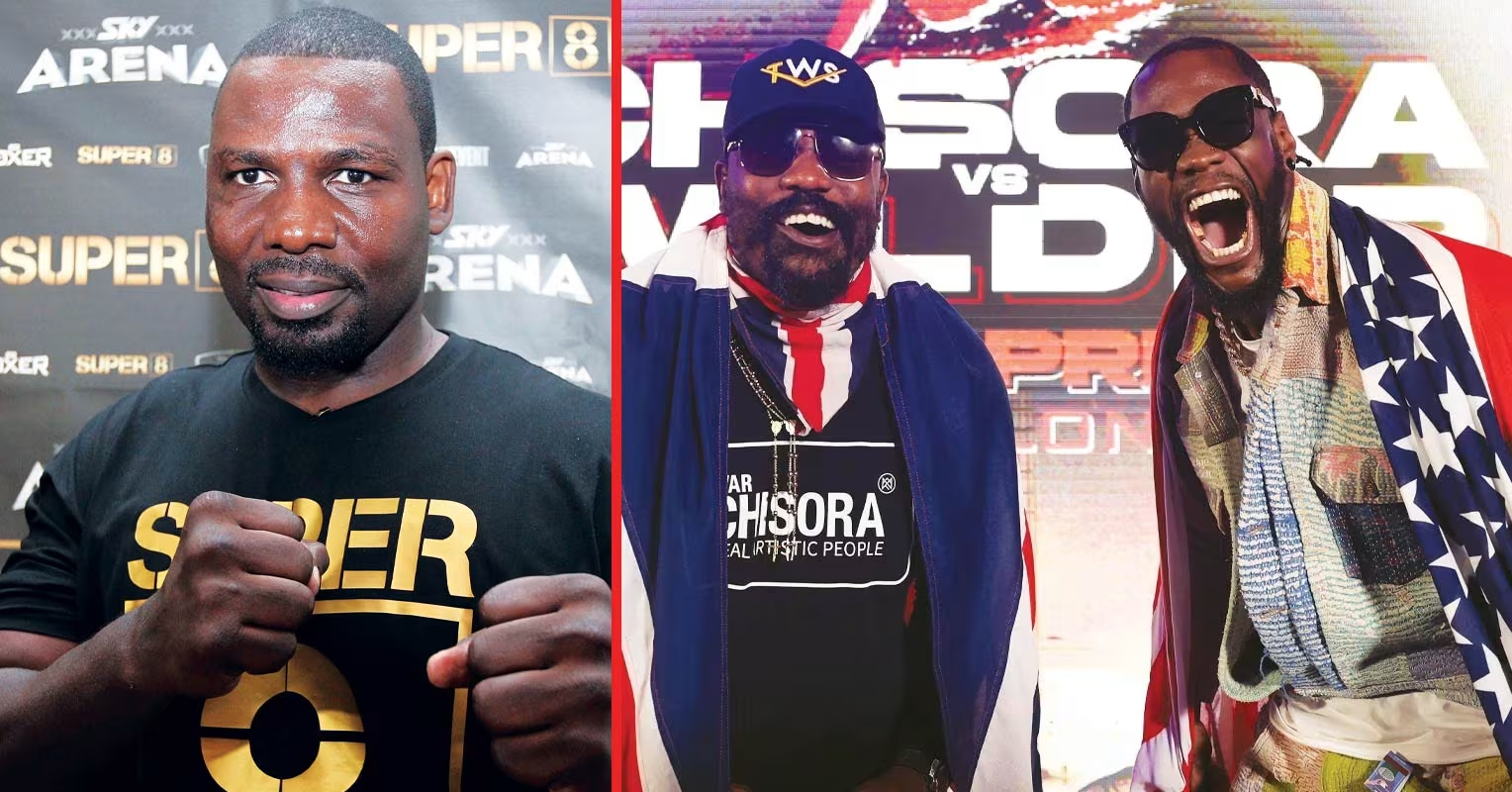
Ex-Heavyweight Champ Hasim Rahman delivers KO verdict for Wilder vs Chisora


-

 Video6 days ago
Bitcoin: We’re Entering The Most Dangerous Phase
-

 Crypto World5 days ago
Can XRP Price Successfully Register a 33% Breakout Past $2?
-

 Video3 days ago
XRP News: XRP Just Entered a New Phase (Almost Nobody Noticed)
-

 Fashion2 days ago
Weekend Open Thread: Boden – Corporette.com
-

 Sports6 days ago
GB's semi-final hopes hang by thread after loss to Switzerland
-

 Politics13 hours ago
Baftas 2026: Awards Nominations, Presenters And Performers
-
 Tech6 days ago
The Music Industry Enters Its Less-Is-More Era
-

 Business5 days ago
Infosys Limited (INFY) Discusses Tech Transitions and the Unique Aspects of the AI Era Transcript
-

 Entertainment4 days ago
Kunal Nayyar’s Secret Acts Of Kindness Sparks Online Discussion
-

 Video5 days ago
Financial Statement Analysis | Complete Chapter Revision in 10 Minutes | Class 12 Board exam 2026
-

 Tech4 days ago
Retro Rover: LT6502 Laptop Packs 8-Bit Power On The Go
-
 Sports4 days ago
Clearing the boundary, crossing into history: J&K end 67-year wait, enter maiden Ranji Trophy final | Cricket News
-

 Business7 hours ago
Mattel’s American Girl brand turns 40, dolls enter a new era
-

 Entertainment4 days ago
Dolores Catania Blasts Rob Rausch For Turning On ‘Housewives’ On ‘Traitors’
-

 Business3 hours ago
Law enforcement kills armed man seeking to enter Trump’s Mar-a-Lago resort, officials say
-

 Business5 days ago
Tesla avoids California suspension after ending ‘autopilot’ marketing
-

 Politics5 days ago
Eurovision Announces UK Act For 2026 Song Contest
-

 Tech3 hours ago
Anthropic-Backed Group Enters NY-12 AI PAC Fight
-

 Crypto World4 days ago
WLFI Crypto Surges Toward $0.12 as Whale Buys $2.75M Before Trump-Linked Forum
-

 NewsBeat2 hours ago
Armed man killed after entering secure perimeter of Mar-a-Lago, Secret Service says