WASHINGTON — A federal trade court ruled Thursday that President Donald Trump’s sweeping 10% global tariff policy is illegal, delivering a major blow to one of the administration’s signature economic initiatives and potentially reshaping international trade negotiations. The three-judge panel of the U.S. Court of International Trade found that the tariffs exceeded presidential authority under existing trade laws and violated procedural requirements.
The decision immediately sent shockwaves through financial markets, with stocks of major importers and manufacturers rallying while broader indices showed mixed reactions. White House officials vowed a swift appeal, calling the ruling “judicial overreach” that undermines national security and economic sovereignty. Trade partners from Europe to Asia welcomed the decision but cautioned that uncertainty remains high.
The tariffs, imposed in early 2026 under Section 232 of the Trade Expansion Act and emergency powers, applied a baseline 10% duty on nearly all imported goods. The administration argued the measure was necessary to address trade imbalances, protect domestic industries and counter perceived unfair practices by countries like China. Critics, including business groups and several U.S. trading partners, challenged the tariffs in court, claiming they were overly broad and lacked proper justification.
In a 68-page opinion, the court sided with the challengers. Judges wrote that while the president has significant discretion in trade matters, the 10% across-the-board tariff went beyond statutory authority and failed to demonstrate a direct link to national security threats as required under the law. The ruling permanently blocks enforcement of the tariff and orders refunds for duties already collected.
Immediate Market and Economic Reaction
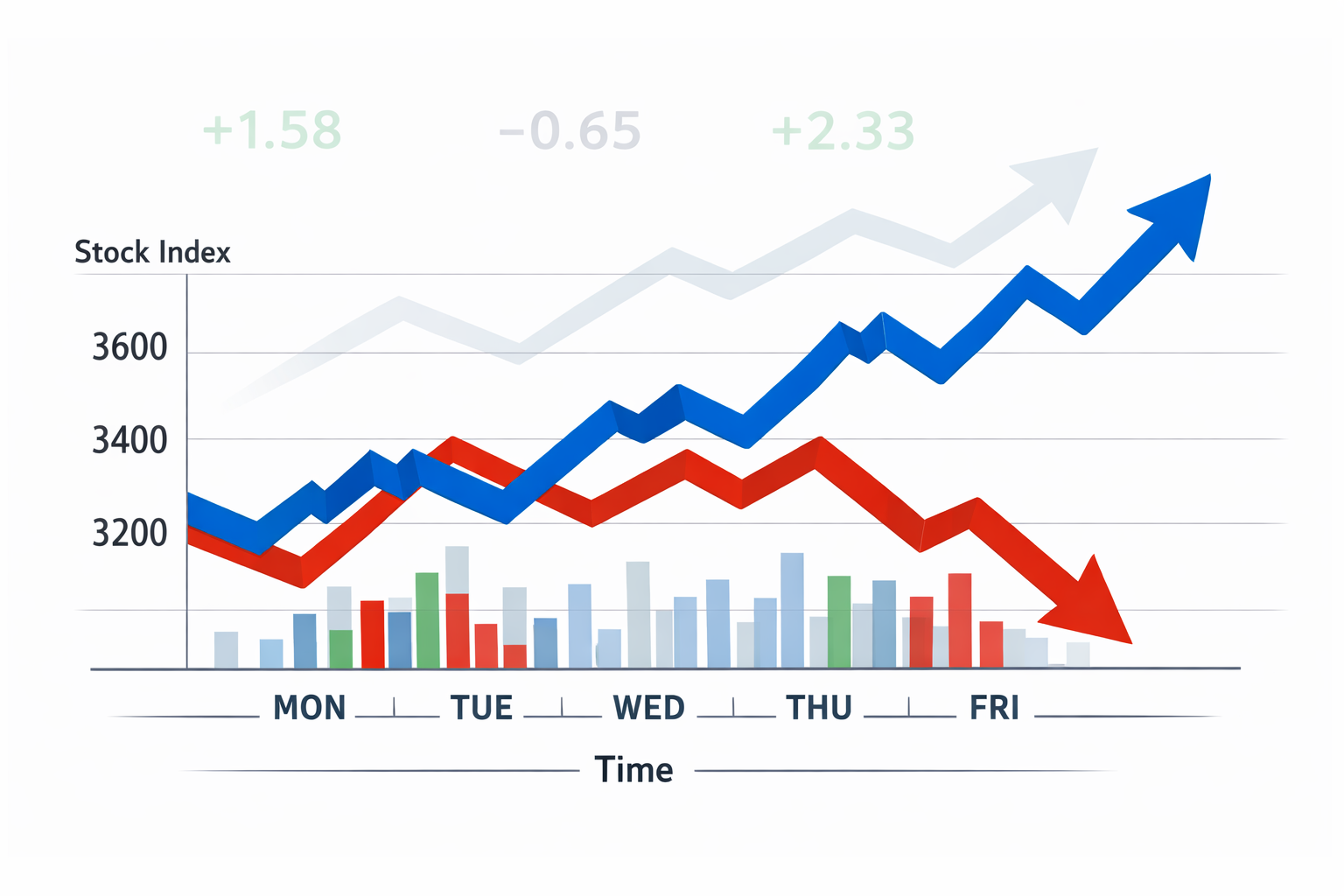
Stocks of retailers, automakers and consumer electronics companies rose sharply on the news, with the Dow Jones Industrial Average gaining more than 300 points in afternoon trading. Companies that had absorbed higher costs or passed them to consumers stood to benefit most. Conversely, some domestic steel and manufacturing stocks dipped on fears of renewed foreign competition.
Economists estimated the tariffs had already added billions in costs to U.S. businesses and consumers. The ruling could ease inflationary pressures in certain sectors, though the administration warned that any revenue shortfall would need to be addressed through other means.
White House Response
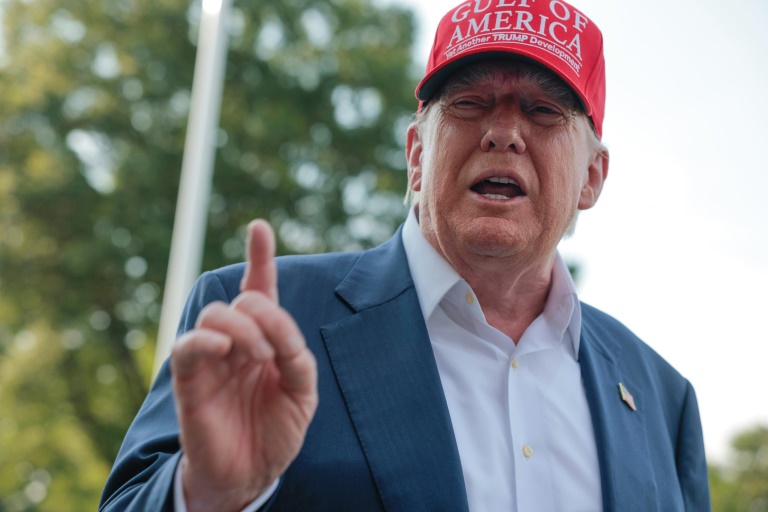
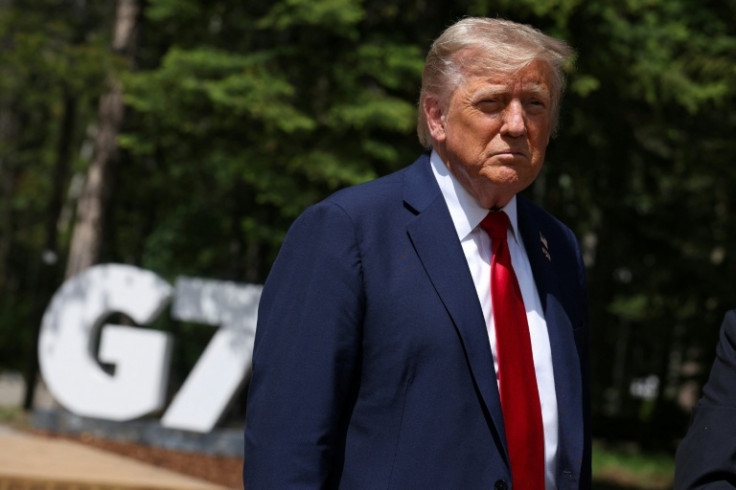
White House Press Secretary Karoline Leavitt called the decision “disappointing but expected from an activist court.” She said the administration would appeal to the U.S. Court of Appeals for the Federal Circuit and, if necessary, the Supreme Court. President Trump, speaking at a rally in Pennsylvania, reiterated his commitment to protecting American workers. “We’re going to keep fighting for fair trade. This is not over,” he said.
Legal experts predict a lengthy appeals process that could extend well into 2027. In the meantime, the tariffs remain on hold pending further court action.
Reactions from Trade Partners
Several U.S. allies expressed relief. The European Union, which had threatened retaliatory measures, welcomed the ruling and called for renewed negotiations on a more balanced trade framework. China described the decision as “a victory for multilateral trade rules,” though tensions over technology and subsidies persist. Mexico and Canada, key partners under the USMCA agreement, said the ruling reinforces regional economic stability.
Business organizations including the U.S. Chamber of Commerce and the National Retail Federation praised the court’s decision, arguing that broad tariffs harm American consumers and exporters. Labor unions were more divided, with some praising Trump’s original intent while others supported the legal challenge.
Background of the Tariff Policy
Trump first proposed the 10% global tariff during his 2024 campaign as a simple mechanism to protect U.S. industries and generate revenue. The policy was implemented in phases starting in January 2026, with exemptions for certain allies and critical goods. It quickly became one of the most controversial economic moves of his second term, drawing lawsuits from more than a dozen plaintiffs including importers, trade associations and state governments.
The Court of International Trade, which specializes in trade disputes, has historically shown deference to presidential authority in national security matters but drew a line at what it called an overly expansive interpretation of executive power.
Broader Implications for Trade Policy
The ruling could force the administration to pursue more targeted tariff actions or seek new congressional authority. It also raises questions about the limits of executive power in trade, a recurring theme in recent decades. Legal scholars expect the case to eventually reach the Supreme Court, where it could set important precedents for future presidents.
For American businesses, the decision provides short-term relief but continued uncertainty. Many companies had already adjusted supply chains or absorbed costs in anticipation of prolonged tariffs. The appeals process means planning remains difficult.
Political Ramifications
The ruling hands Democrats and free-trade Republicans a significant political victory heading into midterm election season. However, Trump’s base has strongly supported protectionist policies, and the administration is likely to frame the court decision as part of a larger battle against “globalist” institutions.
Congress could step in with legislation to clarify or expand presidential trade authorities, though partisan divisions make swift action unlikely. Bipartisan efforts to reform trade law have gained some momentum in recent months but face steep hurdles.
What Happens Next
The administration has 60 days to appeal. In the interim, importers can seek refunds for tariffs paid since implementation. The court stayed parts of its ruling pending appeal to avoid market chaos. Trade negotiations with major partners are expected to accelerate as all sides reassess their positions.
For consumers, the decision could eventually translate into lower prices on imported goods ranging from electronics and clothing to automobiles and machinery. For U.S. manufacturers competing with imports, the relief may be temporary if new, more targeted tariffs are introduced.
The landmark ruling underscores the complex interplay between executive power, judicial oversight and global commerce in an era of heightened economic nationalism. As the legal battle continues, the future of U.S. trade policy remains uncertain, with profound implications for businesses, workers and consumers alike.













































You must be logged in to post a comment Login