Business
Christians Worldwide Celebrate Happy Resurrection Day 2026 on April 5 With Messages of Hope

NEW YORK — Christians across the globe gathered Sunday for worship, sunrise services and family celebrations to mark Resurrection Day 2026, also known as Easter Sunday, commemorating the central tenet of their faith: the resurrection of Jesus Christ from the dead.
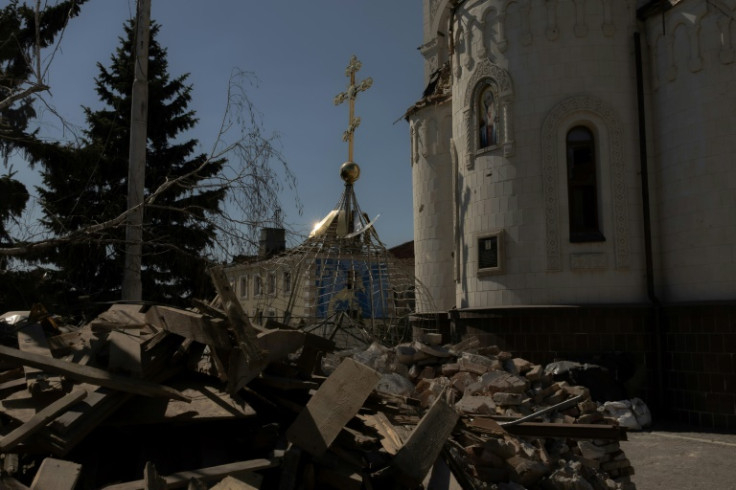
AFP

Easter 2026 fell on April 5, the first Sunday after the first full moon following the spring equinox. This date, determined by lunar and solar cycles established at the Council of Nicaea in 325, varies each year but always lands between March 22 and April 25. For Western Christian traditions using the Gregorian calendar, April 5 marked the culmination of Holy Week, following Palm Sunday, Maundy Thursday and Good Friday.
The day carries profound theological significance. According to the New Testament accounts in the Gospels of Matthew, Mark, Luke and John, Jesus was crucified on Good Friday and rose on the third day, conquering death and offering believers the promise of eternal life. Many churches refer to the observance as Resurrection Sunday or Resurrection Day to emphasize this victory over the grave rather than secular Easter traditions.
In churches large and small, from grand cathedrals to outdoor gatherings, believers sang hymns such as “Christ the Lord Is Risen Today” and “He Lives,” listened to sermons on hope and renewal, and participated in baptisms and communion. Sunrise services, a longstanding tradition especially popular in the United States, drew crowds to beaches, parks and hilltops to witness the dawn as a symbol of new life.
In Charleston, South Carolina, multiple congregations held sunrise services as the sun rose around 7:02 a.m., with one 65th annual event streamed live for those unable to attend in person. Similar observances took place at the Garden Tomb in Jerusalem, where Christians commemorated the resurrection at a site many believe resembles the biblical tomb.
The Church of Jesus Christ of Latter-day Saints encouraged members and friends to attend special sacrament meetings and reflect on the Savior’s resurrection. The First Presidency had invited families to bring neighbors to Palm Sunday services the previous week and to watch general conference sessions that included Easter-focused messages of God’s love.
Catholic parishes celebrated with solemn processions and festal Masses of the Resurrection. In New York, the Church of the Transfiguration offered a Solemn Procession and Festal Mass at 11 a.m., with live streams available for remote participants. Easter Vigil services the previous evening welcomed new members through baptism and confirmation.
Many Protestant denominations followed the Revised Common Lectionary readings for Year A, including passages from Acts, Psalms and the Gospels that recount the empty tomb and appearances of the risen Christ. Sermons often connected the resurrection to contemporary themes of renewal amid global challenges, emphasizing resilience, forgiveness and community.
Families marked the day with traditional meals featuring ham, lamb or regional specialties, along with Easter egg hunts for children. The custom of dyeing and hiding eggs symbolizes new life emerging from the shell, while chocolate bunnies and baskets add festive elements, though many congregations focused on the religious meaning.
For Eastern Orthodox Christians, who follow the Julian calendar, Easter falls later this year on April 12. The difference highlights the diversity within Christianity while underscoring the shared belief in Christ’s resurrection.
In an era of digital connectivity, many services were livestreamed, allowing believers unable to attend physically — due to illness, travel or distance — to participate. Online Easter celebrations, including virtual choirs and interactive messages, extended the reach of Resurrection Day observances worldwide.
The holiday is not a public holiday in the United States, so most businesses operated on regular Sunday hours. However, many families used the long weekend, often paired with school breaks, for gatherings and travel.
Church leaders used the occasion to extend invitations to those exploring faith. Messages of inclusion emphasized that the resurrection offers hope to all, regardless of background. Some services featured testimonies of personal transformation attributed to faith in the risen Christ.
Public figures and organizations shared greetings. Pope Francis was expected to deliver his traditional Urbi et Orbi blessing from St. Peter’s Basilica in Vatican City, addressing global issues through the lens of Easter hope. In the U.S., presidents and governors have historically issued Easter proclamations recognizing the day’s importance to millions of citizens.
The commercial side of Easter remained visible, with retailers promoting candy, clothing and home decor. Yet many families and clergy sought to balance secular fun with spiritual reflection, encouraging focus on the resurrection’s message of redemption and new beginnings.
Resurrection Day also prompts charitable acts. Some churches organized food drives, community meals or outreach to the homeless, reflecting Jesus’ teachings on love and service.
As climate and world events shape gatherings, some outdoor services adapted to weather forecasts. In many regions, mild spring conditions allowed comfortable worship under open skies.
The date’s calculation ties Easter to Passover, as the crucifixion occurred during the Jewish festival. This connection reminds Christians of the shared roots with Judaism and the historical context of Jesus’ final week.
Scholars note that early Christians gradually shifted emphasis from the Jewish calendar to a standardized method to unify observance across the growing faith. The movable date ensures alignment with both astronomical phenomena and seasonal renewal symbolism.
For millions, Resurrection Day 2026 served as a reminder of core Christian beliefs: that death does not have the final word, and that faith brings hope even in difficult times. Sermons frequently addressed personal struggles, societal divisions and international conflicts, pointing to the resurrection as a source of ultimate peace.
Children’s programs taught the Easter story through songs, crafts and age-appropriate lessons. Many Sunday schools incorporated eggs and butterflies as visual aids for transformation.
In diverse communities, interfaith neighbors sometimes joined friends for meals or attended open services, fostering understanding. Ecumenical events brought Catholics, Protestants and Orthodox together in shared celebration where possible.
As the sun set on April 5, 2026, the joy of Resurrection Day lingered. Families returned home with renewed spirits, while churches planned follow-up activities during the Easter season, which continues for 50 days until Pentecost.
Whether expressed as “Happy Easter” or “Happy Resurrection Day,” the greeting carried the same underlying hope: He is risen, indeed.
For those who missed services or wish to revisit messages, many churches posted recordings online. The day’s observances, both sacred and festive, reinforced Christianity’s foundational claim and its enduring call to live with faith, love and expectation of renewal.
You must be logged in to post a comment Login