Business
Commonwealth Bank of Australia Raises Home Loan Rates Second Time This Month Amid RBA Hikes

SYDNEY — Commonwealth Bank of Australia, the nation’s largest lender, has increased home loan interest rates for the second time in March 2026, adding further pressure to mortgage holders already grappling with higher borrowing costs following two Reserve Bank of Australia cash rate rises this year.
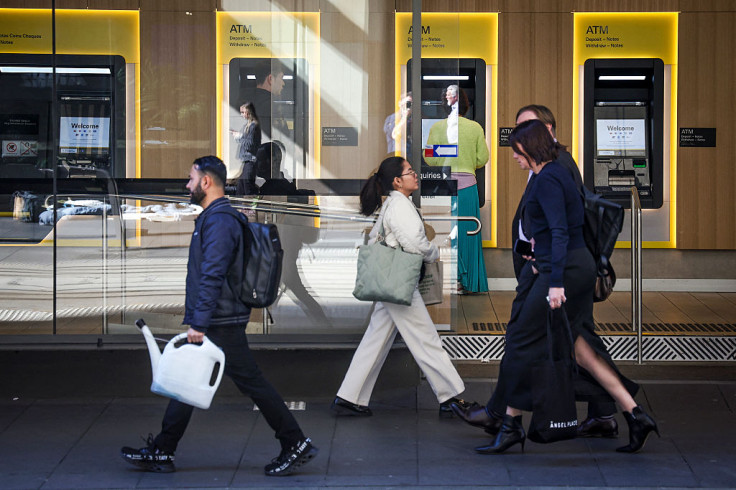
DAVID GRAY/AFP via Getty Images

On Tuesday, CBA announced a 0.30 percentage point increase to all its fixed-rate home loan products, effective Friday, March 28. The move follows the bank’s earlier 0.25 percentage point hike to variable rates, effective March 27, in response to the RBA’s March 17 decision to lift the official cash rate by 0.25 percentage points to 4.10 per cent.
The latest fixed-rate adjustment pushes some owner-occupier fixed loans as high as 7.19 per cent and investor loans to 7.04 per cent, depending on loan-to-value ratio and product type. This comes after CBA passed on the full 0.25 per cent RBA increase to variable rates earlier in the month, with changes taking effect on March 27.
CBA Group Executive for Retail Banking Angus Sullivan said the bank’s priority remains supporting customers through clear communication and practical assistance options, including repayment pauses or switching to interest-only periods where eligible. However, the back-to-back increases have drawn criticism from consumer groups concerned about affordability strains on Australian households.
Impact on Borrowers
For a typical $600,000 mortgage with 25 years remaining, the combined March hikes could add roughly $90 to $100 or more to monthly repayments, depending on the product mix and whether the loan is fixed or variable. Borrowers on fixed rates rolling off in coming months face particularly sharp resets if they move to higher current fixed or variable offerings.
The RBA’s March decision marked the second cash rate increase of 2026, following a 0.25 percentage point hike in February that took the target from 3.60 per cent to 3.85 per cent before the latest move to 4.10 per cent. The board’s vote was split, with five members supporting the rise and four preferring to hold steady, citing persistent inflation risks and tighter labour market conditions.
All major banks — CBA, Westpac, NAB and ANZ — passed on the full March variable rate increase, with slight variations in effective dates. Westpac’s variable hike takes effect March 31, while CBA, ANZ and NAB implemented theirs on March 27.
Fixed-rate products have also faced upward pressure. CBA’s latest 0.30 per cent adjustment across fixed terms reflects funding cost increases and market expectations of potentially higher rates persisting into 2026.
Broader Market Context
Sydney and other capital city homeowners, already dealing with elevated property prices and cost-of-living pressures, now confront a higher-for-longer interest rate environment. Analysts note that three consecutive rate hikes — February, March and a potential May move — could add up to $8,000 annually to repayments for some metropolitan borrowers, according to earlier forecasts from major banks and comparison sites.
Consumer advocates have urged borrowers to review their loans, contact their lender early for hardship assistance if needed, and consider fixed-rate options or refinancing where savings are available. However, with many lenders tightening or raising fixed rates, refinancing opportunities have narrowed for some customers.
CBA’s announcements align with actions by other big four banks, though smaller lenders and non-banks have shown mixed responses, with some passing on less than the full RBA increase to remain competitive.
Customer Support Measures
In its statement, CBA emphasised support tools for affected customers, including:
- Repayment pause or reduction options for eligible borrowers facing temporary hardship.
- Switching between principal-and-interest and interest-only repayments.
- Access to financial counselling and budgeting assistance through partnerships.
- Online calculators and rate comparison tools on its website to help customers understand personalised impacts.
Fixed Versus Variable Rate Considerations
The dual hikes in March highlight the differing dynamics of fixed and variable products. Variable rates respond directly to RBA moves and funding costs, while fixed rates incorporate market expectations of future rate paths. With the cash rate now at 4.10 per cent and inflation risks skewed higher due to global uncertainties, including Middle East tensions, many economists anticipate the RBA may hold or hike further in coming months.
Borrowers on expiring fixed rates this year could see significant step-ups when reverting to variable rates or new fixed terms. Financial advisers recommend stress-testing budgets at rates 3 percentage points above current levels, as required by responsible lending rules.
Outlook for Mortgage Holders
The RBA has signalled a data-dependent approach, with the next board meeting scheduled for May. Markets currently price in limited immediate further hikes but acknowledge upside risks to inflation from wages growth, capacity constraints and external shocks.
For CBA customers, the March changes mean variable-rate borrowers will see the increase reflected in their April statements, while fixed-rate customers face the new pricing on new or refinanced loans from Friday onward.
Homeowners are advised to:
- Log into their CBA online banking or app to view personalised rate impacts.
- Contact CBA’s customer support line or relationship manager for tailored assistance.
- Compare rates across lenders, noting that some smaller institutions may offer more competitive packages.
- Consider locking in fixed rates if they provide payment certainty, though current levels remain elevated.
- Explore government or lender support schemes if facing genuine repayment difficulty.
While the cash rate remains well below peaks seen in 2022-2023, the rapid reversal of some prior easing has caught many households off guard after a period of relative stability. Consumer groups continue to call for greater transparency from banks on margin management and funding costs during such cycles.
As Australia navigates this tighter monetary policy phase, borrowers with larger loans or those in high-cost cities like Sydney and Melbourne face the greatest relative burden. Early engagement with lenders remains the most effective strategy for managing increased repayments.
You must be logged in to post a comment Login