

Business
Congress should repeal Section 230 to end Big Tech legal immunity

Sen. Roger Marshall, R-Kan., argues Google is committing election interference by suppressing search results for the failed Trump assassination on ‘The Big Money Show.’
Thirty years ago, Congress passed Section 230 to help fragile internet start-ups survive litigation attempts on multiple fronts. In 1996, Americans logged on with dial-up modems and gathered on message boards. Lawmakers wanted to protect burgeoning companies from crushing defamation, copyright, and other lawsuits over something a random user posted. Congress aimed to nurture innovation, protect free speech, and let a competitive marketplace flourish.
That may have made sense then. Today it does not.
What Congress framed as a narrow free-speech shield became a permanent amnesty program for trillion-dollar Silicon Valley monopolists. Section 230 no longer protects speech. It protects power.
Instead of scrappy start-ups, Americans now answer to online oligarchs. Google. Facebook. Amazon. Apple. These companies do not merely host content. They control search, social media, online commerce, app distribution, and digital advertising. They shape what Americans see, read, buy, and believe. And they invoke Section 230 to shield themselves while they censor, silence, and cancel their political opponents.
UNDER OATH, META’S ZUCKERBERG SHOWED WHY BIG TECH CAN’T POLICE ITSELF
Congress granted platforms immunity for content users post, and Congress allowed them to moderate content in “good faith.” Lawmakers assumed competition would discipline abuse. If one platform censored too aggressively, users could leave for another.
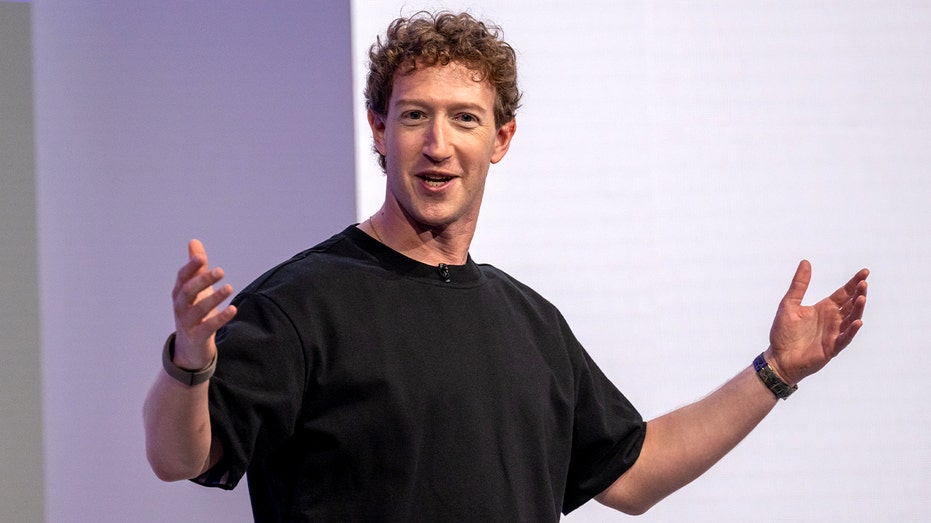
Mark Zuckerberg, chief executive officer of Meta Platforms Inc., appears during the Meta Connect event in Menlo Park, California, on Sept. 17, 2025. (David Paul Morris/Bloomberg via Getty Images / Getty Images)
That competition never materialized. Big Tech executives bought rivals, crushed start-ups, and leveraged network effects to lock in dominance. They turned platforms into monopolies. They used scale to entrench power. Even conservatives who distrust these companies must still use their platforms to reach voters, customers, and each other.
Meanwhile, courts expanded Section 230 far beyond its original purpose. Judges stretched the statute to cover conduct Congress never contemplated. Silicon Valley lawyers pushed aggressive interpretations, and courts accepted them. As a result, trillion-dollar monopolists now decide what Americans may say online while they coordinate with politicians and bureaucrats who demand crackdowns on so-called “misinformation.”
That is not a free market. That is government-enabled censorship.
Conservatives paid the price. Big Tech companies hunted down, censored, and canceled voices that challenge the Ruling Class. They deplatformed doctors and scientists who questioned COVID orthodoxy. They censored Hunter Biden’s criminal activity under the guise of “content moderation.” Americans would rather call it viewpoint discrimination. They deplatformed the sitting President of the United States of America.

Hunter Biden, son of U.S. President Joe Biden, arrives to the J. Caleb Boggs Federal Building on June 06, 2024 in Wilmington, Delaware. The trial for Hunter Biden’s felony gun charges continues today with additional witnesses. (Kevin Dietsch/Getty Images / Getty Images)
At the same time, these companies insist they need blanket immunity to avoid liability for horrific content – human trafficking, terrorism, drug trafficking – content they monetize through ads and engagement. They profit from the system at every step. But when harm follows, they point to Section 230 and deny responsibility.
JILLIAN MICHAELS: BIG TECH BUILT A DIGITAL DRUG — AND OUR KIDS ARE HOOKED
That is not neutrality. That is corporate welfare.
Section 230 does not appear in the Constitution. Congress created it in 1996, and Congress can reform or repeal it. No company possesses a constitutional right to government-granted immunity. When lawmakers grant special protections to powerful corporations, those corporations use that protection to accumulate even more power.
Washington made that choice. Washington can reverse it.
If Meta had competed against Instagram instead of acquiring it, Americans might enjoy more choices and less centralized control. If YouTube had competed with Google instead of merging into it, creators might not depend on a single gatekeeper. Consolidation strengthened censorship power. Immunity protected consolidation.
For three decades, Congress and federal regulators coddled Silicon Valley. They tolerated consolidation. They defended immunity. They ignored warning signs. Now, Americans live under digital gatekeepers who answer to no one.
Conservatives do not want bureaucrats to police speech. But we must refuse to let trillion-dollar corporations wield government-granted immunity while they silence half the country. We must reject permanent amnesty for politically biased monopolists.
CLICK HERE TO DOWNLOAD THE FOX NEWS APP
Thirty years is long enough. Congress should strip Big Tech of its Section 230 immunity. Lawmakers should restore competition, enforce antitrust laws, and hold platforms accountable under the same legal standards that govern everyone else.
Stop the amnesty. End the sweetheart deal. Repeal Section 230.



Germany’s Merz calls for plan for ’day after’ in Iran
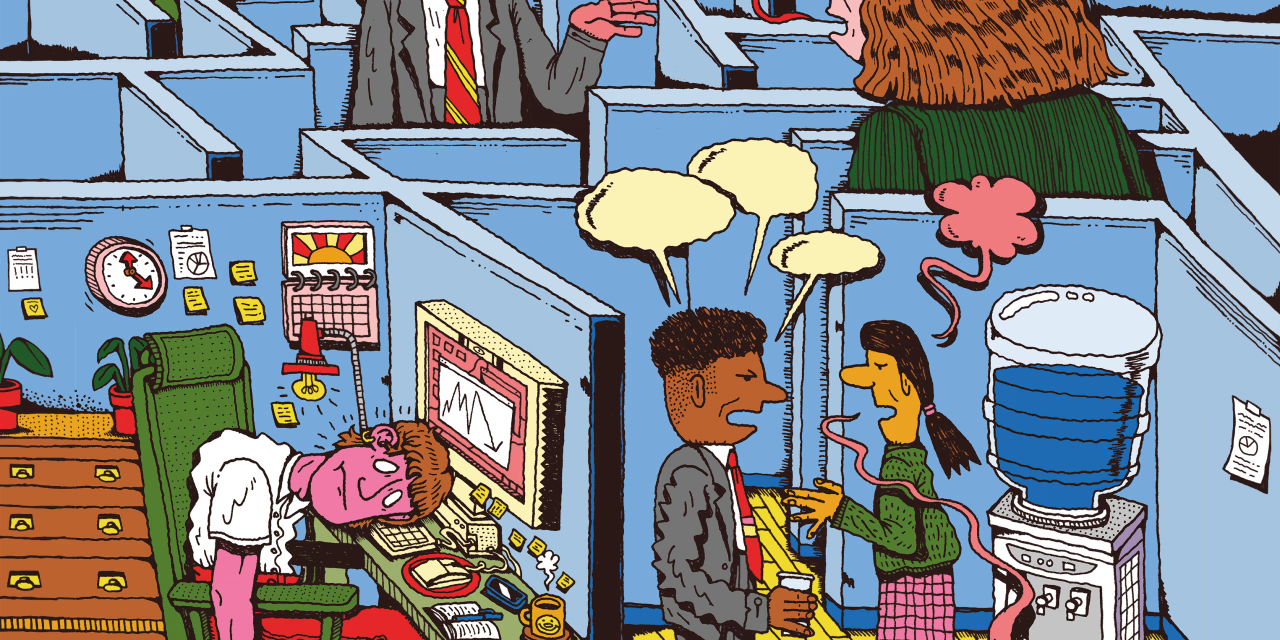
The workplace can be a tricky place to navigate. Almost everything we do at work—identifying the experts, managing tough feedback from a boss, figuring out how to work in teams made up of different personalities—comes down to our ability to manage relationships. And to do so, we need savvy social skills.
Most employees acquire those skills over time—by learning from their nonwork relationships, watching how colleagues behave in the office, and by seeing what happens when they stumble in their own workplace interactions.
Copyright ©2026 Dow Jones & Company, Inc. All Rights Reserved. 87990cbe856818d5eddac44c7b1cdeb8

Golden Heaven Group announces $18 million private placement and warrant amendment
Available for 29 days
Professor Ha-Joon Chang is inspired by his passion for food to reflect on why economics matters – or, as he puts it, “a hungry economist explains the world”.
Omnibus of five episodes, where he zooms in on familiar foods:
* Garlic
* Bananas
* Okra
* Rye
* Chocolate
He uses the histories behind each – where they come from, how they’re cooked and consumed and what they mean to different cultures – to explore economic theories.
Witty and thought-provoking, Professor Chang sets out to challenge ideas about the free-market economy which he believes have been too easily accepted for decades.
Read by Arthur Lee.
*** Professor Ha-Joon Chang teaches economics at SOAS University of London, and is one of the world’s leading economists. His books include Economics: The User’s Guide, Bad Samaritans and 23 Things They Don’t Tell You About Capitalism.
*** Reader Arthur Lee is a British actor of Korean descent who made his international debut on HBO Cinemax’s Strike Back in 2015 and who recently appeared in Doctor Who. Arthur grew up mostly in London, but also spent several years in South Korea advancing his knowledge of Korean language and culture.
Abridged and produced by Elizabeth Burke
Executive Producer: Jo Rowntree
A Loftus Media production for BBC Radio 4, first broadcast in September 2022.
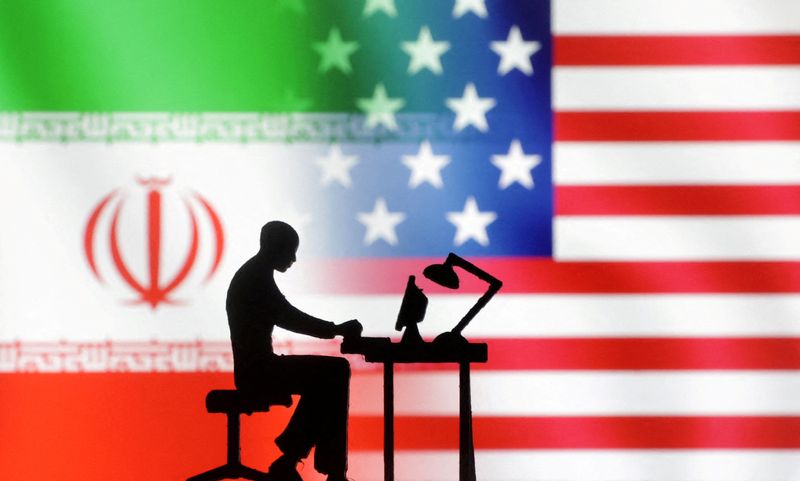

Hackers hit Iranian apps, websites after US-Israeli strikes

Investors Brace for Oil Futures to Spike, Stocks to React


Trump says 48 leaders killed in strikes on Iran, Fox News interview


US military says three of its service members killed in Iran operation

Trump says Iran military operations are ’ahead of schedule,’ CNBC reports

T3 Defense Inc. appoints Menachem Shalom CEO under new consulting agreement

Tom Hanks’ Son Chet Says He’s Stranded in Colombia After Passport Issue
Minnesota Vikings Announce Roster Moves to Save Nearly $20 Million in Salary Cap Space

13 Of The Coolest Honda Motorcycles Coming Out In 2026, And What They Cost


-

 Sports6 days ago
Women’s college basketball rankings: Iowa reenters top 10, Auriemma makes history
-

 Fashion2 days ago
Weekend Open Thread: Iris Top
-

 Politics6 days ago
Nick Reiner Enters Plea In Deaths Of Parents Rob And Michele
-

 Business5 days ago
True Citrus debuts functional drink mix collection
-

 Politics3 days ago
ITV enters Gaza with IDF amid ongoing genocide
-
Sports2 days ago
The Vikings Need a Duck
-

 Tech14 hours ago
Unihertz’s Titan 2 Elite Arrives Just as Physical Keyboards Refuse to Fade Away
-

 Crypto World5 days ago
XRP price enters “dead zone” as Binance leverage hits lows
-

 Tech5 days ago
Unsurprisingly, Apple's board gets what it wants in 2026 shareholder meeting
-
 NewsBeat1 day ago
Dubai flights cancelled as Brit told airspace closed ’10 minutes after boarding’
-

 NewsBeat4 days ago
Cuba says its forces have killed four on US-registered speedboat | World News
-
 NewsBeat1 day ago
The empty pub on busy Cambridge road that has been boarded up for years
-
 NewsBeat4 days ago
Manchester Central Mosque issues statement as it imposes new measures ‘with immediate effect’ after armed men enter
-
 NewsBeat6 days ago
‘Hourly’ method from gastroenterologist ‘helps reduce air travel bloating’
-

 NewsBeat3 hours ago
‘Significant’ damage to boarded-up Horden house after fire
-

 Tech7 days ago
Anthropic-Backed Group Enters NY-12 AI PAC Fight
-

 NewsBeat20 hours ago
Abusive parents will now be treated like sex offenders and placed on a ‘child cruelty register’ | News UK
-

 NewsBeat7 days ago
Armed man killed after entering secure perimeter of Mar-a-Lago, Secret Service says
-
 NewsBeat5 days ago
Police latest as search for missing woman enters day nine
-

 Business4 days ago
Discord Pushes Implementation of Global Age Checks to Second Half of 2026