
Business
Contour Ridge investment scaling Just Date






Proposed bill also would create a “California Certified” seal for non-UPF products.

Lightning is one of nature’s most sudden and powerful forces, capable of causing extensive damage to property and infrastructure and posing serious risks to human safety.
Traditional methods of predicting lightning events have often relied on general weather forecasts or historical data, which may not provide precise insights into localized strike patterns. With the increasing complexity of modern environments, understanding where and when lightning might strike has become more crucial than ever for planners, engineers, and safety professionals. Advances in technology are now enabling more sophisticated approaches to anticipating these dangerous events.
Lightning risk assessment is one method that combines meteorological data, terrain analysis, and historical strike patterns to evaluate the likelihood of lightning in a given area. By integrating AI into this process, experts can analyze vast datasets to identify potential high-risk zones and predict strikes with greater accuracy. This approach supports informed decision-making, helping communities and infrastructure prepare for one of nature’s most unpredictable hazards.
Understanding the Challenge of Lightning Prediction
Forecasting lightning is recognized as one of meteorology’s greatest challenges. The variables at play include temperature changes, shifts in humidity, fluctuating wind patterns, and the constant evolution of cloud structures. Each of these factors can influence the likelihood and behavior of electrical storms. Traditional forecasting tools often struggle to incorporate this complexity in real time, leading to missed warnings or false alarms. This ongoing uncertainty has driven the search for more advanced solutions, particularly in regions with frequent thunderstorms.
AI’s Role in Enhancing Lightning Forecasts
AI is revolutionizing predictive meteorology by rapidly and accurately processing immense datasets. Machine learning algorithms are trained on both historical and current weather data, uncovering correlations that are often invisible to human analysts. These algorithms continuously learn and adapt, fine-tuning their predictive accuracy with every new data point. By aggregating information from satellite feeds, ground-based lightning detection networks, and atmospheric sensors, AI-driven systems generate dynamic, location-specific forecasts that far exceed the reliability of legacy models.
Notable AI-Driven Lightning Prediction Systems
Many groundbreaking lightning prediction systems are now operational, each leveraging AI in unique ways to improve public safety and disaster prevention:
- NOAA’s LightningCast: The National Oceanic and Atmospheric Administration’s LightningCast platform uses AI to analyze satellite imagery, providing lightning forecasts up to one hour in advance. This is especially beneficial for outdoor events and aviation, helping to reduce lightning-related incidents.
- Bar-Ilan University’s AI Model: Researchers at Bar-Ilan University in Israel have developed an AI model that predicts lightning-induced wildfires with over 90% accuracy. Drawing on seven years of satellite data and accounting for factors such as vegetation and weather, this innovation supports regions at risk of lightning and wildfires.
Benefits of AI in Lightning Prediction
- Improved Accuracy: AI can manage and interpret complex, high-volume datasets, enabling meteorologists to make more precise, dependable lightning forecasts. This reduces the likelihood of both missed warnings and unnecessary panic.
- Timely Warnings: Advanced prediction enables earlier alerts, giving people and organizations more time to implement protective measures. This is critical for safeguarding those in exposed areas such as parks, sports arenas, and construction sites.
- Resource Optimization: With more accurate forecasts, emergency services can plan and deploy interventions more efficiently. This optimizes personnel deployment and reduces the costs associated with over-preparation or inefficient responses.
Challenges and Considerations
Implementing AI in meteorology presents several key challenges and considerations. The effectiveness of AI systems depends heavily on the quality, consistency, and comprehensiveness of input data, as gaps or biases can compromise reliability and lead to inaccurate predictions. Model interpretability is another concern, as many AI models operate in an opaque manner, making it difficult for users and decision-makers to understand how conclusions are reached. Enhancing transparency is essential for building trust and encouraging adoption among meteorological agencies and the public. Additionally, integrating AI-driven predictions into existing forecasting infrastructures requires compatible technology and adjustments to operational protocols, ensuring that both broad-scale forecasts and hyper-local alerts are delivered effectively.
Future Directions
The future of AI in lightning prediction is full of potential. Researchers are actively seeking ways to refine algorithms, enrich real-time data collection, and further blend AI-driven insights with current meteorological models. Encouraging collaborations among atmospheric scientists, computer engineers, and public policy experts will be vital in driving these advancements forward.
Expanded interdisciplinary efforts and real-world testing are expected to set new safety standards. In addition, ongoing projects by global leaders like the World Meteorological Organization highlight the universal relevance of AI-powered lightning forecasting, setting the stage for more robust disaster risk reduction efforts worldwide. For more details, NOAA explores the role of AI in modern weather forecasting. As these technologies evolve, communities can anticipate increasingly proactive and precise measures to mitigate lightning-related risks.
Conclusion
AI is rapidly enhancing our ability to predict and manage lightning strikes, delivering critical improvements in accuracy, warning times, and response strategies. Despite present challenges such as data integrity and system transparency, the field is moving swiftly toward comprehensive solutions that help build safer, more resilient communities. As technological innovations in lightning risk assessment become more widely adopted, society stands to gain from fewer casualties, protected property, and a more informed response to one of nature’s most formidable dangers.


Steven Cress is VP of Quantitative Strategy and Market Data at Seeking Alpha. Steve is also the creator of the platform’s quantitative stock rating system and many of the analytical tools on Seeking Alpha. His contributions form the cornerstone of the Seeking Alpha Quant Rating system, designed to interpret data for investors and offer insights on investment directions, thereby saving valuable time for users. He is also the Founder and Co-Manager of Alpha Picks, a systematic stock recommendation tool designed to help long-term investors create a best-in-class portfolio.Steve is passionate and dedicated to removing emotional biases from investment decisions. Utilizing a data-driven approach, he leverages sophisticated algorithms and technologies to simplify complex, laborious investment research, creating an easy-to-follow, daily updated grading system for stock trading recommendations.Steve was previously the Founder and CEO of CressCap Investment Research until its acquisition by Seeking Alpha in 2018 for its unparalleled quant analysis and market data capabilities. Prior to that, he had also founded the quant hedge fund Cress Capital Management, after spending most of his career running a proprietary trading desk at Morgan Stanley and leading international business development at Northern Trust.With over 30 years of experience in equity research, quantitative strategies, and portfolio management, Steve is well-positioned to speak on a wide range of investment topics.
Analyst’s Disclosure: I/we have a beneficial long position in the shares of MU either through stock ownership, options, or other derivatives. I wrote this article myself, and it expresses my own opinions. I am not receiving compensation for it. I have no business relationship with any company whose stock is mentioned in this article.
Seeking Alpha’s Disclosure: Past performance is no guarantee of future results. No recommendation or advice is being given that any particular security, portfolio, transaction or investment strategy is suitable for any specific person. The author is not advising you personally concerning the nature, potential, value or suitability of any particular security or other matter. You alone are solely responsible for determining whether any investment, security or strategy, or any product or service, is appropriate or suitable for you based on your investment objectives and personal and financial situation. Steven Cress is the Head of Quantitative Strategy at Seeking Alpha. Any views or opinions expressed herein may not reflect those of Seeking Alpha as a whole. Seeking Alpha is not a licensed securities dealer, broker or US investment adviser or investment bank.

Elon Musk offered to personally fund salaries for Transportation Security Administration workers caught in the partial government shutdown, but the White House rejected the proposal as long security lines disrupted air travel across the United States this week.

The billionaire entrepreneur, whose companies include Tesla, SpaceX and xAI, made the offer amid growing frustration over unpaid essential federal workers and extended TSA wait times at major airports. The White House turned down the gesture, according to CBS News reports citing administration sources.
Musk’s proposal came as travelers faced multi-hour delays at hubs including Houston’s George Bush Intercontinental and Atlanta’s Hartsfield-Jackson airports, with some checkpoints reporting waits of three to four hours due to high staff call-out rates linked to the funding impasse.
The development highlights Musk’s continued high-profile role in public discourse following his earlier involvement in government efficiency efforts. It also underscores tensions between private-sector offers and federal operations during the shutdown.
Ambitious Chip Manufacturing Plans Unveiled
In a major business announcement, Musk revealed plans for a massive joint chip fabrication facility — dubbed Terafab — to be built in Austin, Texas, and operated by Tesla and SpaceX.
The project aims to produce advanced semiconductors for electric vehicles, humanoid robots, AI data centers and space applications. Musk described an initial “advanced technology fab” equipped to manufacture and test various chip types, with a second facility focused on high-power chips optimized for space environments.
Analysts estimate the effort could cost $20 billion to $25 billion and represent a significant push toward domestic semiconductor production, reducing reliance on foreign suppliers. The initiative ties into broader ambitions for Tesla’s Optimus robots, autonomous driving technology and xAI’s computing needs.
SpaceX and xAI have already deepened ties, with xAI operating as a subsidiary of SpaceX in some reports. The Terafab plan aligns with Musk’s vision of vertically integrating hardware for his ecosystem of companies, potentially accelerating development of AI infrastructure both on Earth and in orbit.
Local Concerns Over Mississippi Power Plant
Musk’s expanding industrial footprint drew criticism from residents near a power plant associated with his AI initiatives in Mississippi.
Locals complained that the facility has generated excessive noise and disrupted quality of life, with some describing constant humming and operational impacts on the surrounding community. Musk had previously expressed enthusiasm for the project on X, calling it essential for powering future AI innovation.
The episode illustrates challenges that often accompany large-scale tech and energy projects, even as Musk pushes aggressive timelines for AI and energy infrastructure.
Legal Developments and Ongoing Cases
Musk faced mixed legal outcomes in recent weeks. A California jury found him liable for misleading investors with statements made ahead of his 2022 acquisition of Twitter, now known as X. Jurors determined that certain tweets and comments contributed to false or misleading information affecting shareholders who sold stock.
Separately, Musk asked a Delaware judge to recuse herself from shareholder lawsuits against him and Tesla, alleging bias after she amplified a LinkedIn post critical of him following the California verdict.
These cases stem from long-running disputes tied to Musk’s communications on X and his business decisions. Musk has often dismissed excessive scrutiny of his social media activity, telling one jury that “people read too much” into his posts.
Progress Across Musk’s Companies
Musk’s empire continues to pursue bold 2026 targets. Neuralink, his brain-computer interface company, aims to begin high-volume production of implants and transition to nearly fully automated surgical procedures this year. The company has reported promising early results from human trials, including improved control for patients with neurological conditions.
Tesla is shifting focus toward robotics and autonomous vehicles. Production of legacy Model S and Model X vehicles is winding down, with factory space being repurposed for Optimus humanoid robot manufacturing. Musk has reiterated goals for widespread robotaxi deployment in the U.S. by the end of 2026.
SpaceX remains central to Musk’s long-term vision. Reports suggest the company could file for an initial public offering as early as this week, potentially valuing the rocket and satellite giant at enormous sums. Starship development continues, with upgraded versions planned for 2026 launches, including propellant transfer tests that could support lunar or deeper space missions.
Musk has also signaled a pivot in some space priorities, emphasizing faster development cycles for a self-sustaining presence on the moon before more distant Mars goals.
Musk’s Active Presence on X
The entrepreneur remains highly active on his social media platform X, frequently posting about politics, technology and cultural topics. Recent activity included commentary on societal issues and sharing content that sparked widespread engagement.
His posts often drive market reactions and public debate, reinforcing his influence far beyond his corporate roles.
Broader Implications
Musk’s activities in late March 2026 reflect the intersection of private innovation, public policy and legal scrutiny that has defined his career. His offer regarding TSA pay, while declined, spotlighted the human impact of the government shutdown on essential workers and travelers.
The Terafab project, if realized, could bolster U.S. competitiveness in semiconductors at a time of global supply chain concerns. However, local pushback over projects like the Mississippi power plant highlights the need for community engagement as Musk’s companies scale rapidly.
Critics and supporters alike note Musk’s pattern of ambitious timelines that sometimes shift, as seen with past Mars predictions now supplemented by nearer-term moon city concepts.
Investors continue to watch Tesla and related ventures closely, with stock movements often tied to Musk’s announcements. The potential SpaceX IPO could provide new liquidity while raising questions about governance in his interconnected businesses.
For the public, Musk embodies both the promise of transformative technology — from brain implants to reusable rockets — and the controversies that accompany a high-visibility billionaire who engages directly on social and political matters.
As developments unfold across his companies and legal fronts, Musk’s next moves will likely continue shaping conversations in technology, transportation and beyond.

Form 13G Bancorp Inc/The For: 26 March
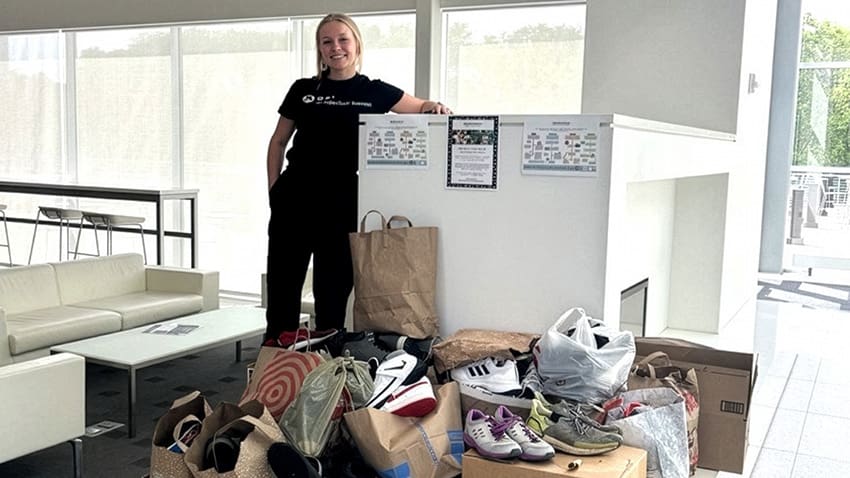
Danielle Marie Siwek is a strategic human resources leader known for her steady rise through complex, fast-moving organisations.
Based in Mound, Minnesota, she has built a career defined by adaptability, people-focused leadership, and a clear understanding of how businesses grow.
She began her career at Village Automotive Group, where she moved quickly from HR intern to generalist. Early on, she gained hands-on experience supporting employees and leadership teams across multiple locations. This foundation shaped her practical approach to HR and business operations.
In 2019, Danielle joined Open Systems International (OSI), where her career accelerated. Following OSI’s acquisition by Emerson, she took on increasing responsibility, progressing from HR generalist to supervisor and later manager. During this period, she worked through organisational change, helping teams navigate integration and shifting business structures.
Her role evolved again when she moved into a Human Resources Business Partner position at AspenTech. There, she focused on aligning people strategy with business goals. When the company was re-acquired by Emerson in 2025, she was promoted to Principal HRBP.
In 2026, Danielle stepped into her current role as Strategic Planner within Emerson’s Measurement Solutions group. In this position, she operates at a higher level, helping guide workforce planning and long-term organisational strategy.
Alongside her career, Danielle remains active in community partnerships and personal development. Her work with organisations such as the Red Cross and Soles 4 Souls reflects her focus on impact beyond the workplace. She is also completing a 300-hour yoga teacher training, reinforcing her interest in balance and long-term wellbeing.
Interview: Danielle Marie Siwek on Building a Career in Modern HR
Danielle Marie Siwek: From HR Foundations to Strategic Leadership
Q: Let’s start at the beginning. What first drew you to a career in human resources?
I didn’t set out with a fixed plan at first. In college, I studied business management with a focus on HR, but what really shaped my direction was hands-on experience. During my senior year, I interned at Village Automotive Group. That’s where I saw how HR impacts people every day. It’s not just policy. It’s problem-solving, communication, and helping teams work better together.
Q: You stayed with Village Automotive Group after your internship. What did you learn in those early roles?
A lot of practical skills. I started as an intern and moved into a generalist role fairly quickly. I worked across locations in Wayzata and Maplewood, so I had exposure to different teams and challenges. It taught me how to be flexible and how to support both employees and leadership at the same time.
Q: In 2019, you moved to Open Systems International. What prompted that transition?
I was ready for a new environment and more complexity. OSI was in a growth phase, and that meant more opportunity to take on responsibility. Not long after I joined, Emerson acquired the company. That changed everything.
Q: How did that acquisition shape your career?
It accelerated it. During that period, I moved from generalist to supervisor and then manager. We were dealing with integration, new systems, and evolving structures. It forced me to think beyond day-to-day HR and focus on how decisions affect the whole organisation.
Q: You later moved into a Human Resources Business Partner role at AspenTech. How was that different?
It was more strategic. As an HRBP, you’re not just responding to issues. You’re working with leadership to plan ahead. You look at workforce needs, team structure, and long-term goals. It’s about alignment between people and business strategy.
Q: Then came another transition back to Emerson in 2025. What changed at that point?
When Emerson re-acquired the business, I stepped into a Principal HRBP role. That meant more ownership and a broader scope. I was working closely with senior leaders and helping guide decisions that affected entire business units.
Q: You are now a Strategic Planner within Emerson’s Measurement Solutions group. What does that role involve?
It’s a step further into strategy. I focus on workforce planning and organisational design. Instead of reacting to change, I help plan for it. It’s about making sure the business has the right people, in the right roles, at the right time.
Q: Looking back, how did your early experiences prepare you for this level of responsibility?
Starting in a hands-on role made a big difference. I understand the day-to-day challenges employees face. That perspective stays with you when you move into more strategic positions. It keeps your decisions grounded.
Q: Outside of work, you’ve stayed involved in community partnerships. Why is that important to you?
It keeps things balanced. I’ve worked with organisations like the Red Cross, Soles 4 Souls, and Bridging. Those experiences remind you that impact goes beyond business results. It’s about contributing in a meaningful way.
Q: You’re also completing a 300-hour yoga teacher training. How does that fit into your career?
It helps with focus and resilience. HR can be demanding, especially during times of change. Yoga has taught me how to manage stress and stay present. That carries over into how I lead and make decisions.
Q: Finally, what has been the biggest lesson from your career so far?
Stay adaptable. Every major step in my career came from being open to change. Whether it was an acquisition or a new role, growth came from leaning into uncertainty rather than avoiding it.

Winnebago WGO -6.87%decrease; red down pointing triangle reported higher second-quarter revenue as price hikes helped to offset lower sales volume, but warned that recent macro events could influence consumer sentiment and demand.
The RV company posted net income of $4.8 million, or 17 cents a share, compared with a loss of $400,000, or 2 cents a share, the year prior.
Copyright ©2026 Dow Jones & Company, Inc. All Rights Reserved. 87990cbe856818d5eddac44c7b1cdeb8
Union elections present unique challenges. Leaders need to balance tight budgets with compliance requirements while aiming to achieve a high level of member participation in the vote.
Choosing the right election service provider is about finding one that is reliable, secure and easy to use without piling on more administrative work. A good, affordable company will streamline the process, reduce security risks and support governance. It is important to understand which features and shortfalls unions should watch for.
Transparent Pricing
Clear, predictable pricing models without any hidden costs help unions manage expenses and plan accordingly. Some providers charge a union per voter, while others charge a single flat rate. Additional options offer monthly or annual price plans.
Cheaper isn’t always better, though. Free options are available, but the level of service is often reduced.
Ease of Use
A complicated voting experience can be a nightmare for leaders and members and reduce trust. Selecting an intuitive system can increase participation rates and make the whole process smoother, with minimal setup, monitoring, reporting and little other administrative work.
Types of Elections Offered
Many modern election services offer multiple election types. Paper ballots with mail-in options, live online real-time voting, drive-thru voting and on-site voting are just some of the options some services now support.
Level of Support Provided
Unions should consider whether they want a self-service option, hybrid or comprehensive assistance throughout the election process, and choose a provider that best aligns with their needs. Many services are flexible about the level of support they offer, and some can offer bespoke pricing based on this.
Security and Compliance
Union elections are often subject to strict adherence to governance rules and regulatory standards. A good election service will have secure systems, established compliance practices that are easy to follow and make audit trails as simple as possible. Household union membership is at 15%, which is a notable share of U.S. families who expect secure and compliant elections.
Experience
Experience is an important factor to look for in a service, and election services are no different. Elections are important to get right without any hiccups, so having an experienced hand who understands all the potential pitfalls and how to avoid them is vital.
Top Affordable Election Service Providers for Unions
There are several standout affordable election services unions should consider when weighing their options.
1. Survey & Ballot Systems
is an election service provider that makes the process as easy as possible for its clients, with personal interactions from a team dedicated specifically to their project. This entity works in partnership with election committees and follows their direction. It also has intuitive virtual platforms, turnkey election services for Nominations and DirectVote projects, and instructional videos to help clients understand the process.
Key Features
- Transparent pricing options
- Dedicated teams to speak to directly
- Intuitive virtual platforms
2. YesElections
is a full-service election management agency offering paper, phone and online voting, as well as hybrid options. The provider protects voter files and implements single-vote verification to ensure security. YesElections can also provide instantly downloadable reports, social media integration and data privacy to ensure membership lists are never shared with third parties.
Key Features
- Multiple voting methods available
- Single-vote verification
- Social media integration
3. ElectionBuddy
is one of the biggest names in election service providers. It has been used in 55 languages across 184 countries and across a wide range of industries such as K-12 schools, golf clubs, governments, homeowners’ associations and unions. ElectionBuddy offers free elections for up to 20 voters and has transparent pricing options for its other plans.
Key Features
- Free elections for up to 20 voters
- Transparent pricing options
- Can handle enterprise-level elections up to 100,000 voters
4. Votem
is a cloud-native online voting and compliance platform. It has encrypted ballots, AI-based voter fraud detection and virtual independent monitors to ensure fully compliant elections. Over 13 million votes have been cast on its platform, and it is designed to support NLRB-compliant electronic voting for labor union officers and strike ballots.
Key Features
- AI-based voter fraud detection
- NLRB-compliant electronic voting
- Encrypted ballots
5. ElectionRunner
is an online voting platform that lets unions easily build and customize elections to suit their needs, providing excellent flexibility. Each voter has a unique Voter ID and Voter Key to ensure votes are secure. Unions can save time setting up their ballot by importing eligible voters over from Excel spreadsheets or CSV files.
Key Features
- Easy to build and customize elections
- Each voter has a unique Voter ID and Voter Key
- Import eligible voters from spreadsheets
Criteria to Determine the Top Affordable Election Service Providers for Unions
The list of the best affordable election service providers for unions was developed with criteria such as the suitability of each provider for union elections, price transparency and the level of support.
Security and compliance were also considered, as they are pillars of any election. Employers were found to have violated federal labor law in nearly 40% of union election campaigns in 2023, so it’s imperative that the election service promotes how it keeps votes secure. Ease of use was looked at to ensure elections are as straightforward and intuitive as possible.
The list aims to provide a range of support levels to accommodate those who want full, personalized support throughout the election process. It also covers entities who want a self-service option.
Simple, Secure and Affordable Elections
Affordability is an important consideration for many unions, and budget constraints are often a factor. However, it is vital that leaders don’t sacrifice quality when considering price options. As with any product, they will get what they pay for, which could result in lost trust and unexpected downtime.
Unions should consider their needs and goals for an election, and seek a provider that best aligns with them. The listed options cover a wide range of services, support level and prices, helping decision-makers pick the right option for their workplaces.
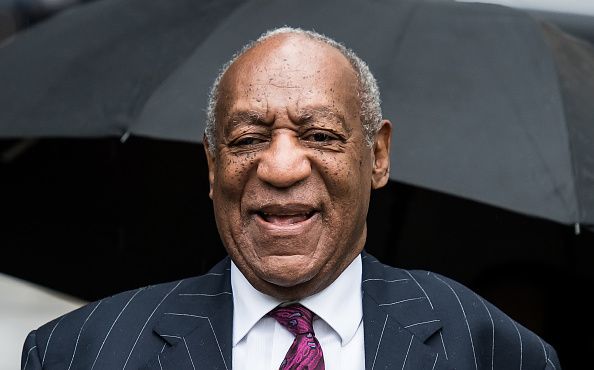
A California civil jury on Monday found Bill Cosby liable for drugging and sexually assaulting a woman in 1972, awarding the plaintiff nearly $60 million in damages and delivering another significant legal setback to the 88-year-old comedian decades after allegations against him first surfaced publicly.

The jury in Los Angeles Superior Court determined that Cosby was responsible for sexual battery and assault against Donna Motsinger, a former waitress at a Sausalito restaurant. After two weeks of testimony, jurors awarded Motsinger $19.25 million in compensatory damages for past and future pain and suffering. Following further deliberations, they added $40 million in punitive damages, bringing the total judgment to approximately $59.25 million.
Motsinger alleged that Cosby invited her to one of his comedy shows after she served him at the restaurant. She claimed he provided her with wine and a pill that left her incapacitated, after which he sexually assaulted her. “It has been 54 years to get justice, and I know it’s not complete for the rest of the women, but I hope it helps them a little bit,” Motsinger said after the verdict. She added that she hoped the outcome would give strength to other survivors.
Cosby, who did not attend the trial, has consistently denied the allegations. His attorney, Jennifer Bonjean, expressed disappointment and said an appeal is forthcoming. “We are disappointed but will be appealing,” she told reporters. Bonjean later described the verdict as a “profound failure of the legal system” in a statement.
Background on the Case and Cosby’s Legal History
The lawsuit, filed more than two years ago, stems from events Motsinger first mentioned anonymously in another legal filing in 2005. The trial featured testimony from Motsinger and at least three other women who have accused Cosby of similar misconduct, a common pattern in civil cases involving multiple accusers. Cosby’s team had sought to limit such testimony, including efforts to bar witnesses like Janice Dickinson and Andrea Constand.
Cosby rose to fame as “America’s Dad” through his role as Cliff Huxtable on “The Cosby Show,” a groundbreaking sitcom that aired from 1984 to 1992. He built a reputation as a family entertainer and philanthropist before dozens of women came forward in 2014 and afterward accusing him of sexual misconduct spanning decades. Many alleged he used drugs or alcohol to incapacitate them.
In 2018, Cosby was convicted in Pennsylvania of aggravated indecent assault against Andrea Constand and sentenced to three to 10 years in prison. He served nearly three years before the Pennsylvania Supreme Court overturned the conviction in 2021, ruling that a previous agreement with a prosecutor had improperly deprived him of due process rights by allowing Constand’s testimony. The U.S. Supreme Court later declined to review that decision.
Since his release, Cosby has largely stayed out of the public eye while facing multiple civil lawsuits. He has denied all allegations, maintaining that any sexual encounters were consensual.
Financial and Legal Ramifications
An expert witness called by Motsinger’s lawyers estimated Cosby’s net worth at roughly $128 million. The large punitive damages award reflects the jury’s view that Cosby’s conduct warranted strong deterrence. However, collecting on such judgments can be complex, especially if Cosby pursues bankruptcy protections or appeals drag on for years.
In February 2026, a court ordered Cosby to disclose recent financial records, including any transfers of assets to his wife, Camille Cosby, amid ongoing litigation.
Motsinger’s case is one of dozens of civil actions still pending against Cosby across the United States. Many accusers have pursued civil remedies after criminal statutes of limitations expired or prosecutions did not proceed.
Reactions and Broader Context
The verdict drew attention from advocates for sexual assault survivors, who viewed it as validation after decades of silence. It also reignited public discussion about accountability for powerful figures in entertainment.
Cosby’s fall from grace marked one of the most dramatic reckonings of the #MeToo era. Once celebrated for his comedy and educational advocacy, he became a symbol of alleged systemic abuse in Hollywood and beyond. More than 60 women have accused him of sexual misconduct.
Supporters of Cosby have questioned the fairness of civil trials held years after the alleged events, arguing that faded memories and lack of physical evidence make defense difficult. Critics counter that civil standards of proof — preponderance of the evidence rather than beyond a reasonable doubt — appropriately allow victims a path to justice when criminal cases falter.
The case unfolded in Santa Monica amid heightened awareness of statutes of limitations reforms in some states that have extended windows for sexual assault claims, particularly those involving minors or incapacitation.
Cosby’s Current Life and Legacy
Now 88 and living privately, Cosby has occasionally commented on his legal battles through representatives or limited public statements. He has expressed frustration with media coverage and maintained his innocence.
His once-lucrative career in television, film and stand-up has effectively ended. Reruns of “The Cosby Show” and other projects have been pulled from many platforms in the wake of the allegations.
The latest verdict adds to the financial and reputational pressure on Cosby as he navigates advanced age and multiple ongoing lawsuits. Legal experts note that while criminal jeopardy appears largely resolved following the overturned conviction, civil exposure remains significant.
As appeals proceed and other cases move forward, the entertainment industry and public continue to grapple with Cosby’s complicated legacy — from groundbreaking achievements in representation to the serious accusations that have overshadowed them.
Motsinger’s attorney praised the jury for listening carefully to decades-old testimony and holding Cosby accountable. The outcome, while not criminal punishment, represents a substantial financial consequence and public affirmation of the plaintiff’s account.
Cosby’s legal team has indicated it will challenge both the liability finding and the damages amount on appeal, potentially arguing evidentiary issues or excessive punitive awards.
For now, the Santa Monica verdict stands as the most recent chapter in a saga that has spanned more than a decade, reshaping perceptions of one of America’s former cultural icons.


Scientists study texture and flavor when arabinoxylans are broken down.

Ferryhill community groups invited to apply for funding

California considering non-UPF certification program

Felix Launches Tokenized Stocks and ETFs on Hyperliquid Via Ondo Finance


-
 Crypto World6 days ago
NIO (NIO) Stock Plunges 6.5% as Shelf Registration Sparks Dilution Worries
-

 Fashion6 days ago
Weekend Open Thread: Adidas – Corporette.com
-
 NewsBeat1 day ago
Manchester United reach agreement with Casemiro over contract clause amid transfer speculation
-

 Politics6 days ago
Jenni Murray, Long-Serving Woman’s Hour Presenter, Dies Aged 75
-

 Crypto World5 days ago
Best Crypto to Buy Now: Strategy Just Spent $1.57 Billion on Bitcoin During Fear While Early Investors Quietly Enter Pepeto for 150x Potential
-

 Crypto World5 days ago
Bitcoin Price News: Bhutan Sells $72 Million in BTC Under Fiscal Pressure, but the Smart Money Entering Pepeto Sees What the Market Does Not
-

 Tech7 days ago
inKONBINI Lets You Spend Summer Days Behind the Register
-

 News Videos18 hours ago
Parliament publishes latest register of MPs’ financial interests
-

 Sports3 days ago
Remo Stars and Kano Pillars Strengthen Survival Hopes in NPFL
-

 Business4 days ago
No Winner in March 21 Drawing as Prize Rolls to $133 Million for Next
-

 Sports3 days ago
Gary Kirsten Accuses Pakistan Cricket Board Of ‘Interference’, Mohsin Naqvi Responds
-

 Tech4 days ago
Give Your Phone a Huge (and Free) Upgrade by Switching to Another Keyboard
-

 Sports6 days ago
2026 Kentucky Derby horses, odds, futures, preview, date: Expert who nailed 12 Derby-Oaks Doubles enters picks
-

 Tech4 days ago
AI enters the chat: New Seattle dating app relies on tech to facilitate meaningful human connections
-

 Business7 days ago
DLocal: Entering 2026 At Escape Velocity
-
Business6 days ago
Columbia Sportswear enters $500 million credit agreement with JPMorgan Chase
-

 Tech5 days ago
Today’s NYT Connections Hints, Answers for March 22 #1015
-

 News Videos3 days ago
Ch 9 Financial Management Part 1 | Detailed One Shot | Class 12 Business Studies Boards 2026
-

 Business4 days ago
Will Duke Basketball Win It All? Duke Basketball Enters Second Round as Third Favorite to Claim NCAA Title
-

 Sports4 days ago
2026 Kentucky Derby horses, odds, futures, preview, date: Expert who hit 12 Derby-Oaks Doubles enters picks
You must be logged in to post a comment Login