
Business
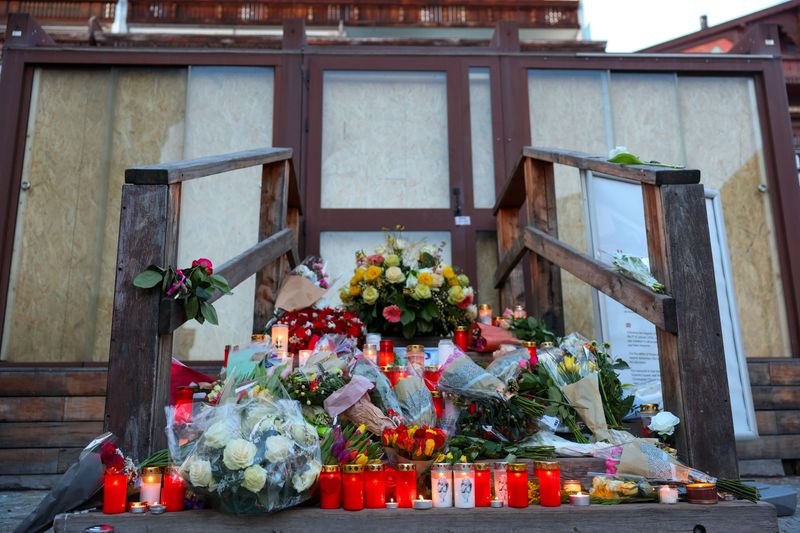
Death toll of Swiss New Year bar blaze rises to 41




Stable businesses come into their own during times of instability. Whatever causes market instability, well-equipped businesses find ways to adapt. This is particularly pertinent at the moment, given recent changes to UK tax policies.
The most recent example of Chancellor Rachel Reeves’ budgeting taking hold is the change to Remote Gaming Duty (RGD). The levy imposed on gambling operators in the UK jumped from 21% to 40% on April 1, 2026. According to the government, the increase is designed to reflect the growth of online casino gaming.
Reeves’ assessment is, indeed, correct. Gambling operators diversified their portfolios over two decades ago to align with changing tastes. For example, Paddy Power was formed in 1988 through the merging of three Irish bookmakers.
From a network of betting shops in Ireland, Paddy Power now has a global network of online and offline assets. The casino at Paddy Power alone gives players access to upwards of 2,000 games, including exclusives such as Paddy’s Mansion Heist. This asset sits alongside a sportsbook, poker site and bingo room, as well as live betting shops.
Nothing Changes by Staying the Same
Diversification was the strategy back then, and it will be once again as gambling operators respond to RGD increasing to 40%. Gambling operators aren’t the only ones facing tax hikes. The beleaguered hospitality sector is now contending with increased business rates and a rise in the minimum wage.
Talking to The Guardian, Nick Evans, co-owner of the Old Crown Coaching Inn in Faringdon, Oxfordshire, said he can’t increase prices any further. The former city trader is almost ready to admit defeat when it comes to the food and beverage side of his business.
“The only way you can make it work is to have a microwave and staff who can open a packet and put it on a plate. That’s not the reason we entered this industry”, Evans told The Guardian.
To keep his business afloat, Evans is doing what many old pubs are doing: he’s adding more hotel rooms. Adding six more rooms to the 14 already in place would “allow us to grow”, Evans explained. In this case, diversification is a necessity rather than a luxury. What’s important to take from this as a business owner is that standing firm isn’t necessarily the answer.
Cost-Cutting Isn’t Always the Answer
A recent report by the British Chambers of Commerce shows that 55% of UK businesses are increasing their prices as a result of tax hikes. A further 26% have cut their investment plans. Alongside those moves, finding new streams of income is crucial. Gambling and hospitality aren’t the only industries currently facing economic changes.
The long-term effects of US President Donald Trump’s war on Iran are already affecting haulage companies and farmers due to higher oil prices. These costs will filter through dozens of industries, meaning very few will escape.
Cost-cutting is a valid strategy, but so is diversification. Finding ways to add new services through online channels might be the way. Diversification could look at a new range of products. Whatever the pivot, it needs to address the central issue of raising costs by either increasing revenue or offering something at a lower price. The best businesses manage this, which is why they remain stable during unstable times.

The issue was discussed at a microfinance conclave organised by Sa-Dhan in Mumbai.
Microfinance guardrails in India, enforced by self-regulatory organisations such as the Microfinance Industry Network and Sa-Dhan, were implemented to ensure responsible lending and curb borrowers’ over-indebtedness, which was the primary reason for the severe stress the sector has been passing through over the past two years.
The key measures include limiting lenders to three per borrower, capping total indebtedness at ₹2 lakh, and restricting loans to customers with existing, significant delinquencies.
“The microfinance sector has shown resilience over the years, but it must continue to evolve with changing realities. By focusing on governance, transparency, and customer well-being, these guardrails will help build greater trust and long-term sustainability in the sector,” Sa-Dhan chairman K Paul Thomas said.

At the conclave, Reserve Bank of India’s central board member Satish Marathe is said to have suggested setting up a steering committee to address issues faced by the microfinance sector.
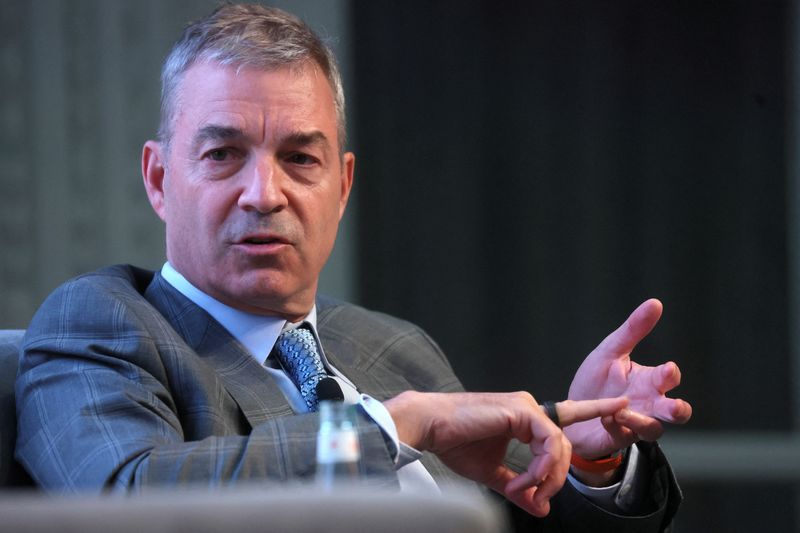

Exclusive-Third Point won’t run proxy fight at CoStar, exits position, letter says
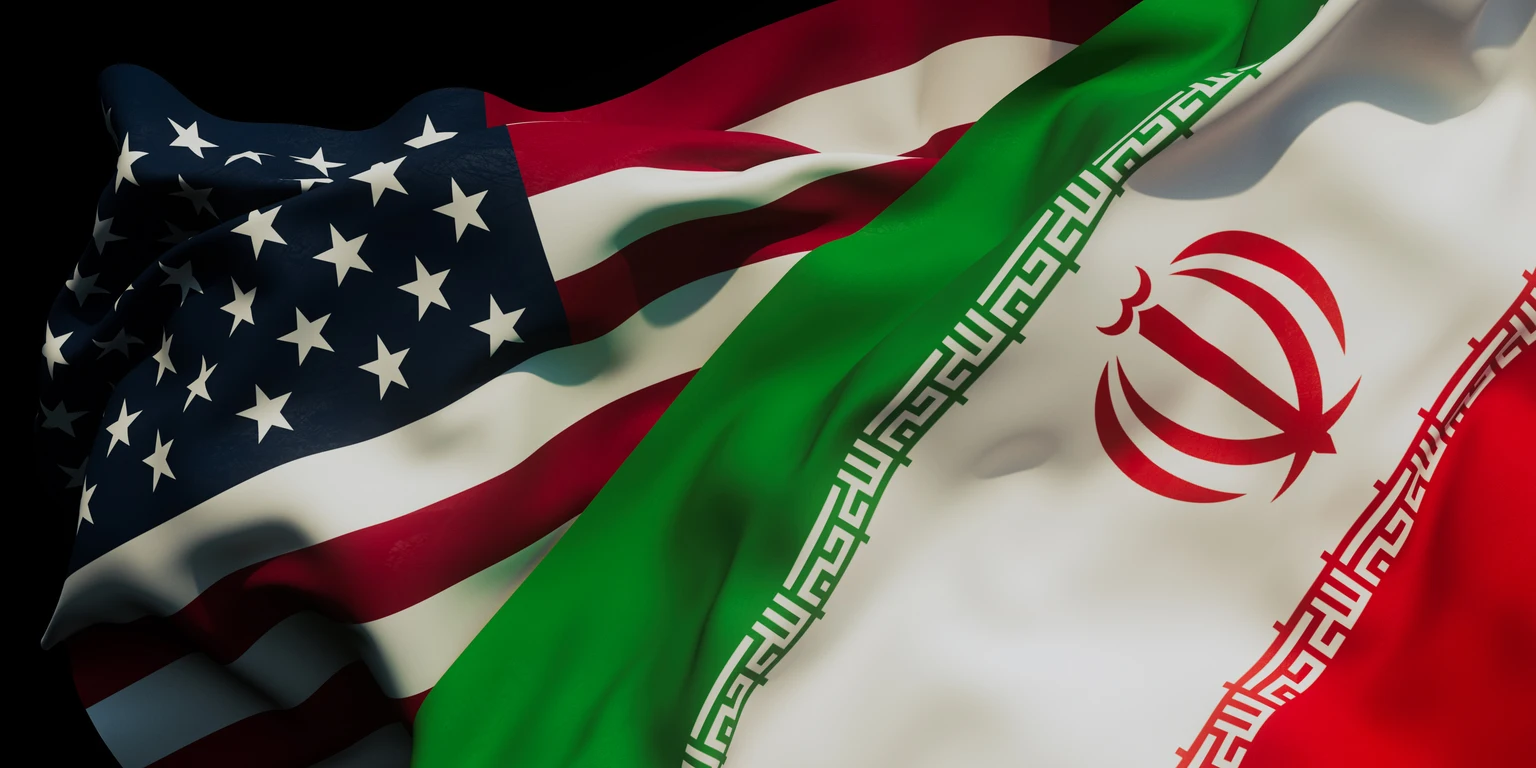
Trump Pressures Iran As Islamabad Talks Aim To Secure Lasting Middle East Truce
Business
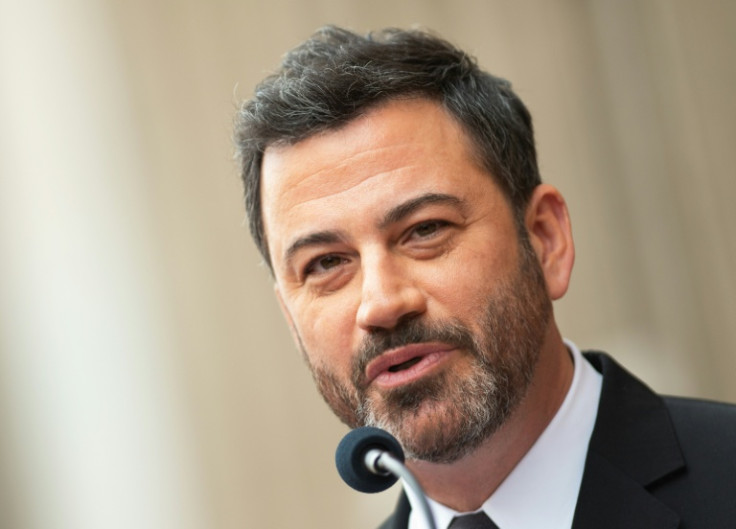
(VIDEO) Jimmy Kimmel Speculates Melania Trump’s Surprise Epstein Address Was Revenge on Trump
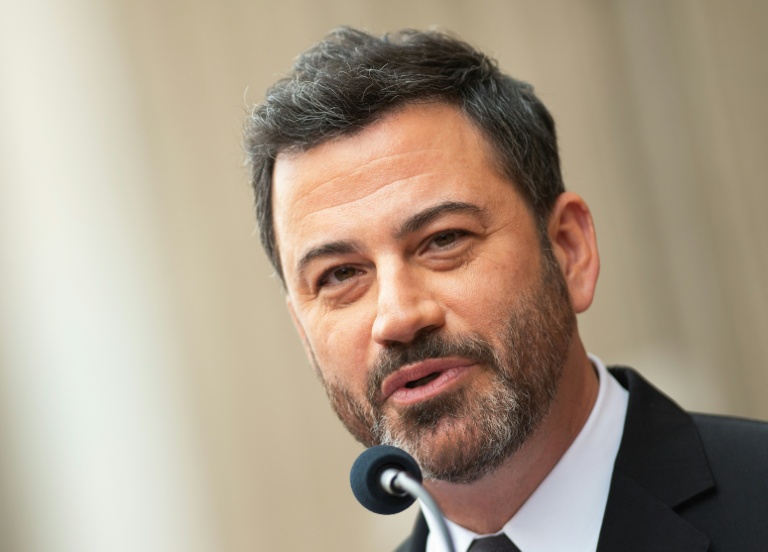
WASHINGTON — Late-night host Jimmy Kimmel offered a biting theory Thursday night for why First Lady Melania Trump chose this moment to deliver a rare, unannounced public statement denying any close ties to the late convicted sex offender Jeffrey Epstein: sheer resentment toward her husband, President Donald Trump.
Kimmel, during his monologue on “Jimmy Kimmel Live!,” suggested the first lady’s roughly six-minute address — which blindsided even the president — was timed to drag the long-simmering Epstein scandal back into the headlines just days after a fragile ceasefire in the U.S.-Iran conflict that Trump had hoped would shift national attention.
“He spent the past six weeks trying to bomb this Epstein story out of the headlines. Two days after the ceasefire, she puts it right back on top,” Kimmel quipped. “She must really hate him.”
The first lady summoned reporters to the White House entrance hall on April 9 without prior coordination with senior administration officials, according to multiple accounts. In a prepared statement, she firmly rejected “lies” linking her to Epstein, insisting she had “never been friends” with him and had no knowledge of his crimes against underage girls.
“I have never had any knowledge of Epstein’s abuse of his victims. I was never involved in any capacity — I was not a participant, was not a victim,” Melania Trump said. She also denied persistent online rumors that Epstein introduced her to Donald Trump, recounting instead that the couple met by chance at a 1998 New York City party, as detailed in her memoir “MELANIA.” Their first encounter with Epstein came in 2000 at a shared social event, she added.
The first lady urged Congress to hold public hearings for Epstein’s survivors and called for an end to “mean-spirited attempts to defame my reputation.” She described overlapping social circles in New York and Palm Beach as commonplace but stressed any deeper connection was fabricated.
Her remarks immediately reignited public interest in the Epstein files, which have included photos of the Trumps with Epstein and Ghislaine Maxwell, as well as a 2002 email exchange between Melania Trump and Maxwell in which Maxwell addressed her as “sweet pea.”
Kimmel wasted no time highlighting one of the most circulated images: a photo of Donald and Melania Trump posing with Epstein that reportedly hung in the financier’s home. While showing the picture on air, the host deadpanned, “By the way, while you’re explaining how much you didn’t know Epstein, any particular reason you can think of that he had a picture of you guys on display at his house? Maybe this is the photo that came with the frame, I don’t know.”
“I, for one, when I see this, I think, well, these two don’t know each other at all,” Kimmel added sarcastically.
President Trump later told reporters he had no advance knowledge of the exact content of his wife’s statement, though he suggested he was aware she had wanted to address the rumors at some point. “I didn’t know what the statement was, but I knew she was going to make a statement,” he said Friday, adding that she “had a right to talk about it.”
Kimmel seized on that disclosure as further evidence of White House disarray. “Shows you just how smoothly things are running over there,” he joked.
The timing has fueled widespread speculation. The Epstein matter had largely faded from daily headlines amid escalating tensions with Iran, including military actions and subsequent ceasefire negotiations. Analysts and late-night comedians alike questioned why the first lady would voluntarily resurface the topic now, especially with midterm elections approaching and other pressing national issues dominating the agenda.
Some insiders told CNN that Melania Trump had grown increasingly frustrated with persistent online speculation and blog posts amplifying unproven claims about her relationship with Epstein and Maxwell. The statement, according to those familiar with her thinking, was driven by a desire to shut down the rumors once and for all.
Critics and Epstein survivors’ advocates offered mixed reactions. Some praised her call for congressional hearings as a positive step toward justice for victims. Others accused the address of being a defensive maneuver that nonetheless kept powerful figures in the spotlight while providing few new details.
Kimmel was not alone in his commentary. Multiple outlets noted the unusual nature of a first lady holding what amounted to a solo press conference on such a sensitive personal and political matter. The New York Times described Kimmel’s take as saluting the “White House surprise,” while Variety highlighted his decision to air the contentious photo as a direct challenge to her denials.
The Epstein scandal has dogged the Trump orbit for years. Court documents and released files have detailed social connections between Epstein — who died by suicide in jail in 2019 while awaiting trial on federal sex-trafficking charges — and numerous high-profile figures, including former President Bill Clinton and Donald Trump himself in earlier decades. Trump has previously distanced himself, claiming he had not spoken to Epstein in 15 years before the financier’s arrest and labeling much of the coverage a political “hoax.”
Melania Trump’s statement marked one of her most substantive public interventions since returning to the White House. Known for a relatively low public profile compared to previous first ladies, she has largely focused on initiatives involving children and anti-bullying efforts. Her memoir, released during the transition period, offered personal insights but avoided deep dives into controversial associations.
In the monologue, Kimmel also mocked the delivery of the remarks, comparing parts of the language to statements Donald Trump had made in the past regarding other scandals. “It’s the same speech he gave her after Stormy Daniels. She just regurgitated it,” he said.
He further dramatized the scene, joking that Melania “emerged from the rubble of the East Wing, brushed the drywall off her business suit, and delivered a doozy of a prepared statement demanding that we stop talking about something that no one was talking about.”
The East Wing reference alluded to ongoing renovation reports at the White House.
As of Friday, the White House had not issued additional clarification on the motivations behind the timing. Press Secretary attempts to downplay the episode focused on the first lady’s right to defend her reputation.
Legal experts noted that while no criminal allegations have ever been leveled against Melania Trump in connection with Epstein, the persistent online narratives and selective release of documents have kept the story alive in partisan circles.
Survivors of Epstein’s abuse expressed varied views. Some welcomed any attention to the need for accountability and hearings, while others worried that high-profile denials without new evidence could distract from demands for full transparency in the remaining sealed files.
Kimmel’s segment quickly went viral, with clips circulating widely on social media and drawing millions of views on YouTube. It underscored the enduring power of late-night comedy to shape public perception of political moments, particularly those involving the Trump family.
The episode also highlighted ongoing tensions within the first couple’s dynamic under the intense scrutiny of the presidency. Observers have long noted Melania Trump’s independent streak, from her fashion choices to her occasional public divergences from her husband’s messaging.
Whether the statement succeeds in quelling speculation remains uncertain. Fresh document releases under the Epstein Files Transparency Act have continued to surface correspondence and photos, keeping the case in the public eye.
For now, Jimmy Kimmel’s speculation — that the address was less about closure and more about domestic score-settling — has added another layer of intrigue to an already complex narrative. As one commentator put it, in a White House often defined by chaos and competing agendas, even the first lady’s efforts at damage control can become fodder for late-night laughs and renewed headlines.
The Epstein saga, it seems, refuses to stay buried — no matter who tries to end the conversation.

This is the forum for daily political discussion on Seeking Alpha. A new version is published every market day.
Please don’t leave political comments on other articles or posts on the site.
The comments below are not regulated with the same rigor as the rest of the site, and this is an ‘enter at your own risk’ area as discussion can get very heated. If you can’t stand the heat… you know what they say…
More on Today’s Markets:
Moderation Guidelines:
We remove comments under the following categories:
- Personal attacks on another user account
- Anti-Vaxxer or covid related misinformation
- Stereotyping, prejudiced or racist language about individuals or the topic under discussion.
- Inciting violence messages, encouraging hate groups and political violence.
Regardless of which side of the political divide you find yourself, please be courteous and don’t direct abuse at other users.
For any issue with regards to comments please email us at : moderation@seekingalpha.com.
Seeking Alpha’s Disclosure: Past performance is no guarantee of future results. No recommendation or advice is being given as to whether any investment is suitable for a particular investor. Any views or opinions expressed above may not reflect those of Seeking Alpha as a whole. Seeking Alpha is not a licensed securities dealer, broker or US investment adviser or investment bank. Our analysts are third party authors that include both professional investors and individual investors who may not be licensed or certified by any institute or regulatory body.

Thailand will lower diesel and gasohol prices by up to 6 baht per litre from April 11, 2026, to ease transport costs and living expenses during Songkran, due to declining global oil prices.
Key Points
- Thailand will reduce retail prices for most diesel and gasohol products by up to 6 baht per litre starting April 11, 2026, as part of a relief initiative during the Songkran holiday to lower transport costs and living expenses.
- The decision, approved by the Oil Fuel Fund Administration Committee on April 10, reflects easing global oil prices, with the cost dropping from approximately US$255 to US$211 per barrel.
- Price adjustments include Diesel B20 down 6 baht, Diesel B7 down 4 baht, and minor reductions for various gasohol products. Despite the cuts, the Oil Fuel Fund will continue to handle daily costs of 589.15 million baht.
Price Reductions for Fuel to Alleviate Economic Burden
Thailand’s government will reduce retail prices for most diesel and gasohol products by up to 6 baht per litre beginning April 11, 2026. This initiative, designed to alleviate transport costs and living expenses during the Songkran holiday, was approved by the Oil Fuel Fund Administration Committee, led by Energy Minister Akanat Promphan. The committee’s decision to adjust prices is primarily due to easing global oil prices, indicating a favorable trend that allows for financial relief to the populace.
Details of the Price Adjustments
Effective April 11, the new retail prices will see Diesel B20 reduced by 6 baht to 37.40 baht per litre, and Diesel B7 will see a 4 baht reduction to 44.40 baht. Additionally, E85 and E20 prices will drop by 3 baht each, while Gasohol 91 and 95 will decrease by 1 baht. Notably, benzine prices will remain unchanged. The Energy Ministry stated that these reductions aim to mitigate freight costs and the public’s overall cost of living during a time when global oil prices have exhibited a downward trend, moving from around $255 to $211 per barrel in just two days.
Implications for the Oil Fuel Fund
Despite the reductions, the adjustments will still leave the Oil Fuel Fund with daily expenses of 589.15 million baht, a noticeable decrease from previous expenses of over 1.2 billion baht daily. This indicates a commitment to balancing financial relief for the public while managing the Fund’s sustainability. The government’s decision reflects an effort to support citizens during an economically challenging period, especially as travel costs are anticipated to rise with the upcoming holiday season. Overall, this move integrates economic strategy with public welfare objectives.
Other People are Reading


US DHS calls furloughed staff back to work despite shutdown

LOS ANGELES — Los Angeles Lakers superstar Luka Doncic will miss the remainder of the 2025-26 NBA regular season after suffering a Grade 2 left hamstring strain, dealing a significant blow to both the team’s playoff positioning push and his once-promising case for the 2026 Kia NBA Most Valuable Player award.

Doncic sustained the injury in the third quarter of the Lakers’ 139-96 loss to the Oklahoma City Thunder on April 2. He exited after posting 12 points, four rebounds and seven assists in 26 minutes. An MRI confirmed the Grade 2 strain, which typically requires three to six weeks of recovery, and the Lakers officially ruled him out for the final stretch of the regular season shortly afterward.
As of April 11, Doncic has traveled to Spain for specialized medical treatment, including an injection procedure aimed at accelerating healing. His agent, Bill Duffy, confirmed the move in consultation with Lakers medical staff and Doncic’s personal team. The hope is to expedite a potential return for the playoffs, though his availability remains uncertain and a comeback could be measured in weeks rather than days.
The timing could hardly be worse for the 27-year-old Slovenian, who had been leading the NBA in scoring at 33.5 points per game while averaging 7.7 rebounds and 8.3 assists through 64 games. He posted historic offensive numbers in March, drawing comparisons to some of the league’s all-time great scoring runs. The Lakers sat third in the Western Conference with a strong record before the injury, but the absence of Doncic — and fellow guard Austin Reaves, also sidelined — has complicated their seeding outlook.
For the MVP race, the injury appears to have ended Doncic’s realistic chances. Prior to the setback, he had climbed into serious contention, occasionally sitting as high as No. 2 on the Kia MVP Ladder and holding odds as short as +1000 at various sportsbooks. His video-game-like production, combined with the Lakers’ improved standing, fueled debates about whether he could overtake frontrunners Shai Gilgeous-Alexander of the Thunder and Victor Wembanyama of the Spurs.
Current betting odds reflect the shift dramatically. Gilgeous-Alexander has emerged as a heavy favorite at -2500 or shorter in many markets, with Wembanyama a distant second around +1000 to +2000. Nikola Jokic sits further back, while Doncic’s name has largely vanished from MVP boards or drifted to long-shot territory exceeding +3000 to +10000 at some books. NBA.com’s MVP Ladder had placed him as high as No. 2 in recent weeks before the injury dropped him out of serious consideration.
Voters typically weigh a combination of individual statistics, team success and games played. Missing the final games of the regular season hurts Doncic on all fronts. Although the league has provisions for extraordinary circumstances — and Duffy has indicated the team may file a challenge citing personal reasons Doncic missed earlier games, including the birth of his child — the 65-game threshold for certain award considerations remains a hurdle. Even if eligibility is preserved, the narrative momentum has clearly swung toward players who stayed healthy and led their teams deep into the season’s final weeks.
Doncic’s season-long dominance was undeniable. He led the league in scoring while ranking near the top in assists and frequently producing 30-point triple-doubles. The Lakers’ surge into playoff contention owed much to his heliocentric style of play, which elevated supporting cast members and created matchup nightmares for opponents. Yet hamstring issues have plagued him before, and this Grade 2 strain represents a partial tear that demands careful management to avoid long-term setbacks.
Lakers coach JJ Redick and the front office have emphasized caution. With the postseason already secured, the priority is maximizing Doncic’s health for a potential deep playoff run rather than rushing him back for regular-season games that hold little consequence. A return in early May remains the optimistic target in best-case scenarios, which could align with a second-round series or later depending on how far the Lakers advance without him.
The broader implications for the Western Conference playoff picture are notable. The Thunder, already boasting the league’s best record, stand as clear favorites to claim the No. 1 seed and enter the postseason healthy. Wembanyama’s Spurs have also benefited from consistent play, bolstering the young star’s MVP credentials with elite two-way production. For the Lakers, navigating the opening rounds without their primary offensive engine will test the depth and resilience of LeBron James, the supporting cast and any adjustments Redick can implement.
League-wide, the injury underscores the physical toll of a grueling 82-game schedule on high-usage stars. Doncic’s workload has been immense, often carrying the offense through heavy minutes and defensive attention. His ability to recover quickly from this latest setback could define not only the Lakers’ 2026 playoff hopes but also his long-term durability narrative.
Fans and analysts have expressed frustration over the timing, noting that Doncic appeared on pace for one of the most statistically impressive seasons in recent memory. Social media erupted with debates about MVP voting criteria, the value of availability versus peak performance, and whether the award should account for context such as midseason trades or personal circumstances. (Doncic was with the Mavericks earlier in his career before joining the Lakers.)
As the regular season winds down, attention turns to how the Lakers perform in Doncic’s absence and whether he can realistically contribute in the playoffs. Medical experts suggest a four-week timeline is common for Grade 2 strains, though individual healing varies. The injection in Spain represents a proactive step many athletes take to shorten recovery windows.
For now, the 2026 MVP race has narrowed to a battle primarily between Gilgeous-Alexander’s consistency and efficiency with the top-seeded Thunder and Wembanyama’s transformative impact on both ends of the floor for the surging Spurs. Jokic remains a perennial contender with Denver, but the field has tightened without Doncic’s late-season heroics.
Doncic himself has stayed relatively quiet on the award, consistent with past seasons where he has let his play speak for itself. His focus, per reports, remains on rehabilitation and returning stronger for the Lakers’ postseason push.
The NBA community will monitor updates from Spain closely over the coming days. A faster-than-expected recovery could spark renewed optimism for both a playoff boost and, at minimum, preserving Doncic’s place in award conversations historically. Yet with the regular season nearly complete, the path to MVP glory appears closed for the Slovenian sensation this year.
As the Lakers prepare for life without their star in the short term, the basketball world reflects on a season in which Doncic once again reminded everyone of his generational talent — even if injury prevented a storybook ending to his MVP campaign.

SAN DIEGO — NASA’s Artemis II astronauts splashed down safely in the Pacific Ocean off California’s coast Friday night, capping a historic 10-day voyage around the Moon that marked humanity’s first crewed lunar mission in more than half a century and set a new record for the farthest distance humans have ever traveled from Earth.

The Orion spacecraft carrying Commander Reid Wiseman, Pilot Victor Glover, Mission Specialist Christina Koch and Canadian Space Agency astronaut Jeremy Hansen touched the water at precisely 8:07 p.m. EDT (5:07 p.m. PDT) on April 10, 2026, after a flawless high-speed re-entry that tested the capsule’s heat shield to its limits. Recovery teams from NASA and the U.S. military quickly secured the capsule and extracted the crew, who were then flown by helicopter to the USS John P. Murtha for initial medical checks before heading to Houston.
Welcome home Reid, Victor, Christina, and Jeremy! 🫶
The Artemis II astronauts have splashed down at 8:07pm ET (0007 UTC April 11), bringing their historic 10-day mission around the Moon to an end. pic.twitter.com/1yjAgHEOYl
— NASA (@NASA) April 11, 2026
“Welcome home Reid, Victor, Christina, and Jeremy!” NASA posted on X shortly after splashdown, accompanied by video of the dramatic descent under parachutes. The message captured the global excitement as the four astronauts completed a journey that took them 252,756 miles from Earth — surpassing the 1970 Apollo 13 record by more than 4,000 miles — and brought them behind the far side of the Moon for the first time with humans aboard.
The mission’s success comes at a pivotal moment for NASA’s Artemis program, which aims to return astronauts to the lunar surface later this decade and eventually establish a sustainable presence on the Moon as a stepping stone to Mars. Artemis II served as a critical uncrewed-to-crewed test flight, validating the Orion spacecraft’s life-support systems, navigation and re-entry performance in deep space.
Liftoff occurred April 1 aboard the massive Space Launch System rocket from Kennedy Space Center in Florida. Over the next 10 days the crew circled the Moon, captured stunning images of Earthrise and the lunar far side, and even witnessed a total solar eclipse from space. They performed a precise flyby that looped them around the Moon’s far side, experiencing a 40-minute communications blackout before re-emerging with flawless data.
Milestones piled up quickly. On April 6 the crew shattered Apollo 13’s long-standing distance record. Koch became the first woman to fly around the Moon. Glover, the first person of color on a lunar mission, and Hansen, the first non-American, added to the mission’s diversity and international flavor. Wiseman, a veteran commander, kept the team focused throughout.
Re-entry proved one of the most hazardous phases. Traveling at nearly 25,000 mph, Orion separated from its service module, endured temperatures exceeding 5,000 degrees Fahrenheit and plunged through a communications blackout before deploying drogue and main parachutes. The capsule slowed from hundreds of miles per hour to about 20 mph for a gentle splashdown roughly 50 miles off San Diego.
NASA officials called the mission a triumph of engineering and teamwork. “This was not just a test flight — it was a bridge to the future,” said Artemis program manager said in a post-splashdown briefing. The data collected will directly inform Artemis III, which will attempt the first crewed lunar landing since Apollo 17 in 1972.
Public reaction poured in across social media and news outlets. World leaders, including President Donald Trump and Canadian Prime Minister, congratulated the crew. Space enthusiasts celebrated the return with memes, live-viewing parties and calls for accelerated funding. Schools tuned in during class, and millions watched live streams on NASA TV, YouTube and even Netflix.
The crew’s safe return also validated years of work on Orion’s heat shield, which had raised concerns after Artemis I. Engineers confirmed the shield performed as designed, providing critical confidence for future crewed flights. Recovery operations went smoothly, with the USS John P. Murtha serving as the primary support vessel. The Orion capsule itself will be returned to shore for detailed analysis at Naval Base San Diego before heading back to Kennedy Space Center.
For the astronauts, the mission represented personal and professional pinnacles. Wiseman, Glover and Koch are NASA veterans with prior spaceflight experience on the International Space Station, while Hansen, a fighter pilot and former Royal Canadian Air Force colonel, made his first trip to space. Their diverse backgrounds underscored NASA’s commitment to inclusivity in deep-space exploration.
Artemis II’s success resets the stage for an ambitious lunar agenda. Artemis III, targeted for 2027 or later, will land the first woman and first person of color on the Moon near the south pole using SpaceX’s Starship lander. Subsequent missions will build toward a lunar outpost called Gateway and long-term habitation. International partners, including Canada, Europe and Japan, play key roles, with Hansen’s participation highlighting Canada’s contributions.
Challenges remain. Budget constraints, technical hurdles with Starship and geopolitical factors could affect timelines. Yet Friday’s splashdown demonstrated that NASA and its partners can execute complex human spaceflight operations beyond low Earth orbit. The mission also provided valuable lessons on crew health, radiation exposure and long-duration life support that will benefit future Mars voyages.
As the astronauts begin post-flight debriefs and medical evaluations in Houston, the focus shifts to turning Artemis II’s data into actionable improvements. NASA has scheduled a full post-mission news conference for the coming days, where the crew is expected to share firsthand accounts of their lunar adventure.
The return of Artemis II comes amid renewed global interest in space. China’s plans for its own lunar landings, private-sector advancements by SpaceX and Blue Origin, and growing scientific interest in lunar resources have intensified the pace of exploration. Artemis II proved the United States and its partners remain at the forefront.
For now, the four astronauts are safely home, reunited with family and ground teams after a journey that pushed the boundaries of human spaceflight. Their mission not only honored the Apollo legacy but boldly extended it, reminding the world that the Moon remains a destination worth reaching — and that the next giant leap may be closer than ever.
As NASA prepares for Artemis III and beyond, Friday’s splashdown stands as a powerful symbol: humanity has returned to the Moon’s vicinity, and the path to its surface is now clearer than at any time since the 1970s. The stars, once again, feel within reach.

Glastonbury act heading to York gig at Bluebird Bakery

Stable Business Adapt During Times of Instability

OKX, HashKey back VPBank-linked CAEX for Vietnam crypto pilot bid

Why Israel is blocking foreign journalists from entering

Bitcoin: We’re Entering The Most Dangerous Phase

Alan Cumming Brands Baftas Ceremony A ‘Triggering S**tshow’

XRP- Ripple Treasury Ceritified To Tap 11,000+ SWIFT Banks? Yes – Bitcoin Hits $200K What Is XRP???

ULTIMATE Cryptocurrency Trading Course (From Beginner To PRO)

Gs Finance – New Loan App for Low Cibil ( Review ) | New Loan App review 2026 | Only On KYC
-

 Business5 days ago
Three Gulf funds agree to back Paramount’s $81 billion takeover of Warner, WSJ reports
-

 Sports6 days ago
India men’s 4x400m and mixed 4x100m relay teams register big progress | Other Sports News
-

 Politics10 hours ago
US brings back mandatory military draft registration
-

 Fashion11 hours ago
Weekend Open Thread: Veronica Beard
-

 Business7 days ago
Expert Picks for Every Need
-

 Tech3 days ago
How Long Can You Drive With Expired Registration? What Florida Law Says
-

 Business6 days ago
No Jackpot Winner, Prize to Climb to $231 Million
-

 Fashion5 days ago
Massimo Dutti Offers Inspiration for Your Summer Mood Board
-
 Sports11 hours ago
Man United discover Nico Schlotterbeck transfer fee as defender reaches Dortmund agreement
-

 Fashion3 days ago
Let’s Discuss: DEI in 2026
-

 Crypto World3 days ago
Bitcoin recovers as US and Iran Agree a Ceasefire Deal
-

 Business8 hours ago
Tesla Model Y Tops China Auto Sales in March 2026 With 39,827 Registrations, Beating Cheaper EVs and Gas Cars
-

 Crypto World2 days ago
Canary Capital Files SEC Registration for PEPE ETF
-

 Business6 days ago
Akebia Therapeutics, Inc. (AKBA) Discusses Pipeline Progress and Strategic Focus on Kidney Disease Treatments at R&D Day – Slideshow
-

 Business17 hours ago
OpenAI Halts Stargate UK Data Centre Project Over Energy Costs and Copyright Row
-

 Politics7 days ago
The UK should not pay a penny in slavery reparations
-

 Tech5 days ago
Haier is betting big that your next TV purchase will be one of these
-

 Tech5 days ago
The Xiaomi 17 Ultra has some impressive add-ons that make snapping photos really fun
-

 Tech5 days ago
Samsung just gave up on its own Messages app
-

 Tech5 days ago
Gamer Restores the Original PlayStation Portal From Two Decades Ago
You must be logged in to post a comment Login