

Business
Deere Stock Has Done OK. Stick With It.



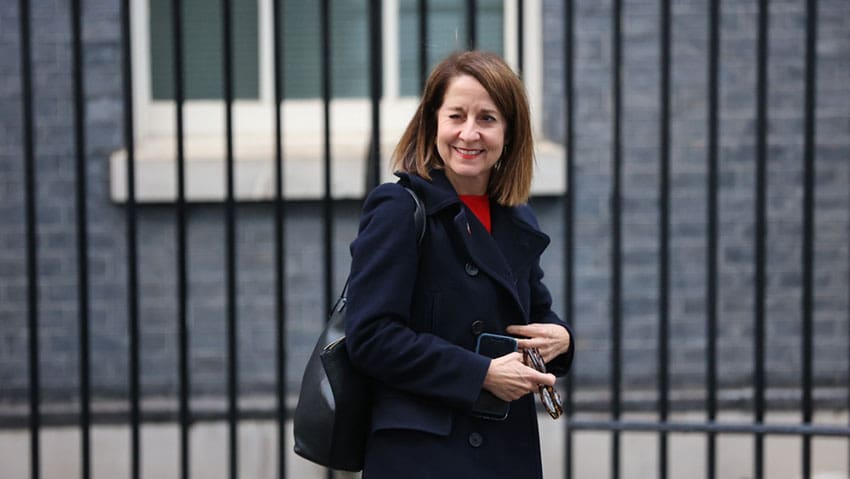
Liz Kendall has left government as Andy Burnham takes office, ending a tenure as technology secretary that produced Sovereign AI, a £1.1 billion chip plan and the ban on under-16s using social media, and leaving founders to wonder who now champions tech in cabinet, with the future of her own department in open doubt.
In a statement released on Monday, the Leicester West MP said serving in a Labour government had been “the privilege of my life”, thanked Sir Keir Starmer for his leadership and pledged loyalty to his successor. “I stand ready to support him in any way I can,” she said of the new prime minister.
Her departure will register well beyond Westminster. For the thousands of firms that draw on grants, compute and skills programmes run through the Department for Science, Innovation and Technology, Kendall was the minister who put sovereign capability at the centre of UK tech policy, and she leaves just as Burnham weighs breaking up DSIT altogether, a proposal that has already provoked a revolt from industry leaders.
Kendall used her statement to defend that agenda in unambiguous terms. “AI is the most powerful technology of our lifetimes and we need greater leverage and sovereign control to make AI work for Britain and the British people,” she said, pointing to Sovereign AI, which she described as “a unique initiative that matches the speed of venture with the power of the state”, and the £1.1 billion AI Hardware Plan unveiled at London Tech Week, which reserved £150 million to buy chips from British startups this summer.
Echoing her RUSI speech, she added: “the choice facing our country isn’t whether we have AI or not, but whether we shape it to our advantage or are left at its mercy and whim.”
Whether those commitments survive the transition intact is now the live question for chip designers, AI firms and any SME banking on the funding streams she opened, from the record £55 billion R&D settlement to the Women in Tech taskforce.
The other half of her legacy lands on a different set of desks. Kendall announced the ban on social media firms serving under-16s last month, a measure platforms, advertisers and agencies are still digesting. “I believe this will be one of the lasting achievements of this Labour Government, resetting how children interact with technology and creating a healthier and more fulfilling online world for this generation and generations to come,” she said.
At the Department for Work and Pensions she launched the Youth Guarantee, the promise that every young person should be earning or learning, now carried forward by Pat McFadden, and co-chaired the Child Poverty Taskforce that scrapped the two-child benefit limit.
Her parting message was aimed squarely at the businesses she worked with. “Working with the UK’s world leading scientists, innovators and entrepreneurs gives me great hope for our country’s future,” she said. “If we are to build a modern Britain for a modern age we must do everything we can to support and nurture our world-leading tech sector.”
That argument carries weight. The latest ONS figures show scientific and technical activities were the biggest single contributor to growth in May, driven by a 5.1 per cent jump in scientific research and development.
Kendall wished her successor well in “the most exciting and transformative brief in government”. As things stand, nobody knows who that is, or whether the brief will exist in its current form at all. For Britain’s tech firms, that is precisely the problem.

Jamie Young
Jamie Young is Senior Reporter at Business Matters, covering SME finance, employment law and Westminster policy since 2016. He has reported on every Budget and Autumn Statement since 2018, helped make sense of the ‘covid era’ and the bounce-back loan scheme from launch through the fraud investigations, and broke the magazine’s coverage of the 2024 late-payment reforms. He joined Business Matters straight from completing his BA in Administration from Exeter University and is NCTJ-qualified. Reach him at jyoung@cbmeg.co.uk
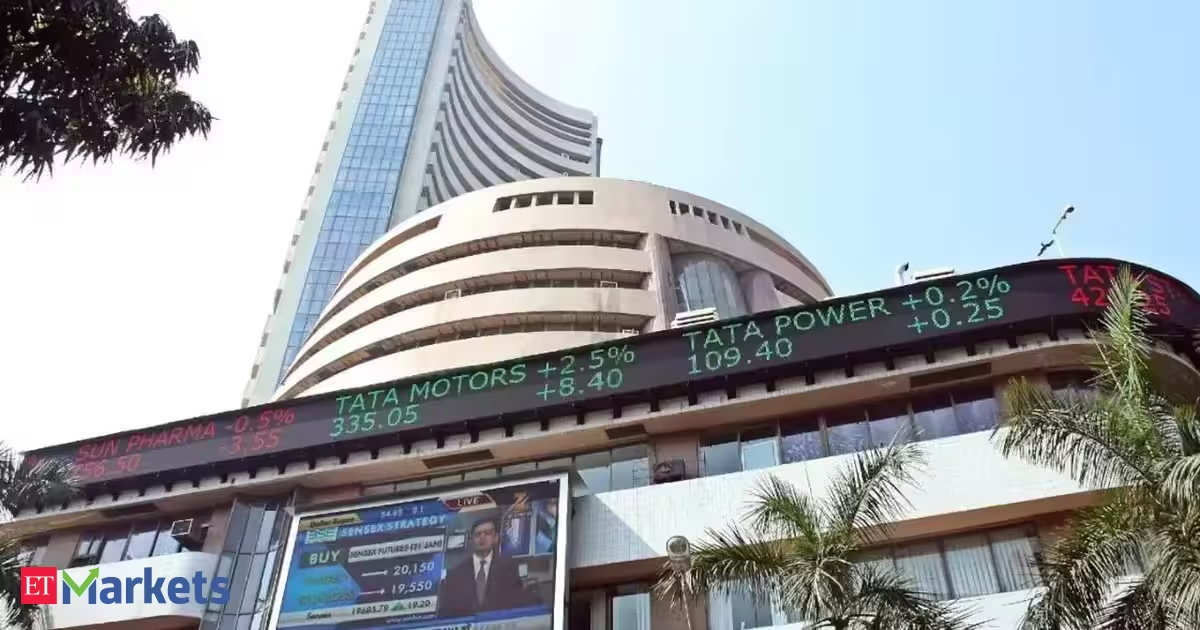
Sensex dropped nearly 59 points to 77,650, while Nifty 50 dropped over 22 points at 24,216 on Tuesday. Broader markets, however, edged higher, with Nifty Midcap 100 and Nifty Smallcap 100 opening with marginal gains.
Bajaj Finserv, Axis Bank, Eternal, HDFC Bank, HCL Technologies, M&M, SBI and Trent shares dropped nearly 1-2% to lead losses on Sensex, while UltraTech Cement, ICICI Bank, Maruti Suzuki, NTPC, IndiGo and ITC shares rose around 1-2% to lead gains on the benchmark index.
Sectoral trends were also muted, with Nifty Financial Services, Nifty PSU Bank, Nifty IT, Nifty Private Bank and few other indices opening in the red with marginal losses. The overall market breadth was however positive, with NSE seeing 1,453 advances and 775 declines, while 147 stocks remained unchanged.
Iran-US mediation efforts

Iran had received a proposal from mediators for a 10-day ceasefire in efforts to salvage an interim deal signed on June 17, a senior Iranian official told Reuters. This intended to pave the way for a lasting agreement to end the raging conflict that began on February 28 with US-Israeli attacks on Iran that killed the latter’s former supreme leader.
Notably, while mediation efforts are boosting market sentiment, caution is still warranted. Yemen’s Iran-aligned Houthis on Monday said that they would impose a naval blockade on Saudi Arabia, opening a potential new front against the US in its war with Iran and raising the threat to global energy supplies and trade beyond the Gulf.
Oil prices dipped below $90 per barrel after the reported mediation efforts. Brent crude futures were trading near $88 per barrel, while WTI Crude futures were at $82 per barrel.
What lies ahead?In the near-term the market will be unduly influenced by the trends in crude price, said VK Vijayakumar, Chief Investment Strategist at Geojit Investments. Even though the softening of the Brent crude to about $88 level is a positive sign, the uncertainty is so huge that there an upside risk to crude price, he noted, adding that this will weigh on markets.
“The FPI selling is not large enough to impact the market. It is easily getting absorbed by DII buying. There is good news on the progress of the Khrif sowing with the sowing deficiency declining to 6%. The dollar inflows through the concessional swap facility has gone above $20 billion and is showing a healthy uptrend. This is positive for the rupee,” the analyst said.
A significant market trend is the outperformance of the broader market, Vijayakumar said, adding that this trend may continue in response to Q1 results.
Technical view on Nifty
From a technical perspective, the Nifty remains in a consolidation-to-corrective phase as long as it trades below the crucial 24,300-24,400 resistance zone, which also coincides with its 200-day EMA, said Rajesh Palviya, Head of Research at Axis Direct.
He noted that the Immediate support for the benchmark index is placed at 24,100, and a breach of this level could accelerate the decline towards the psychologically important 24,000 mark. On the upside, a decisive move above 24,400 would improve near-term momentum and pave the way for 24,500-24,600, he added.
“Going forward, the trajectory of crude oil prices, banking sector earnings and geopolitical developments are likely to dictate market direction, while any moderation in oil prices or easing of regional tensions could provide the much-needed catalyst for a recovery in sentiment,” according to Palviya.
(With inputs from agencies)
(Disclaimer: Recommendations, suggestions, views and opinions given by the experts are their own. These do not represent the views of The Economic Times)
Revenue from operations rose 28% YoY to Rs 2,448 crore from Rs 1,918 crore. On a sequential basis, revenue increased 8% from Rs 2,264 crore in the March quarter. Total income for the quarter stood at Rs 2,630 crore, up 22% from Rs 2,159 crore a year earlier. In the previous quarter, total income was Rs 2,442 crore.
Profit before tax (PBT) came in at Rs 247 crore, compared with Rs 143 crore in the year-ago quarter and Rs 173 crore in the March quarter, indicating an improvement in operating performance both YoY and quarter-on-quarter (QoQ).
Also read: Paytm remains majority Indian-owned for 2nd consecutive quarter
Paytm share price: Buy, sell or hold?
Citi has maintained its Buy rating on Paytm and raised its target price to Rs 1,560 (16% upside) from Rs 1,425, implying an upside of over 15% from the current market price. The brokerage said Paytm’s Q1 EBITDA exceeded its estimates by 16%, driven by lower cloud costs and higher merchant loan distribution. It has raised its FY27 and FY28 EBITDA estimates by 2% and 6%, respectively, while retaining its valuation multiple of 60x March 2028 estimated EV/EBIT. Citi added that any implementation of UPI MDR could provide further upside.
Goldman Sachs has reiterated its Buy rating on Paytm and increased its target price to Rs 1,500 (11% upside) from Rs 1,430, implying an upside of over 11% from the current market price. The brokerage cited stronger revenue growth and improving profitability, noting that revenue rose 28% YoY in Q1 while EBITDA margin expanded to 8.3% from 5.8% in Q4.
Goldman Sachs also highlighted market share gains in both online and offline payments, continued strength in merchant loan distribution, and the potential implementation of UPI MDR as key growth drivers. It has also raised its FY27-FY29 revenue and EBITDA estimates.
Read more: Samir Arora-backed Helios Mid Cap Fund adds Groww, 4 more stocks; hikes stake in Paytm and 29 othersCLSA has maintained its Underperform rating on Paytm with a target price of Rs 1,050 (22% downside). The brokerage noted that Paytm Payment Services has applied for a wallet licence but trimmed its FY27-FY29 EBITDA estimates by 2-3% due to expectations of higher operating expenses. It added that the recent rally in the stock, driven by expectations of the return of UPI MDR, leaves little upside even if the policy is implemented.
Paytm calls off first-ever bonus issue proposal
One 97 Communications, the parent of fintech platform Paytm, has decided not to move ahead with its proposed maiden bonus share issue for now, choosing instead to prioritise business expansion and profitability to enhance long-term shareholder value.
The proposal was discussed by the company’s board at its meeting on July 20, but the directors decided not to proceed with it “at this time”, according to a stock exchange filing. The company added that it may revisit the proposal at a later stage.
Paytm had informed the stock exchanges on July 15 that its board would consider a bonus issue along with the financial results for the April-June quarter. However, it had not announced a bonus ratio or record date. If approved, it would have marked the company’s first bonus issue since its listing in November 2021.
(Disclaimer: Recommendations, suggestions, views and opinions given by the experts are their own. These do not represent the views of The Economic Times)

Huawei dominated the global foldable smartphone market in the second quarter of 2026, capturing a commanding 48% share of worldwide sales, far outpacing Samsung and leaving the South Korean tech giant in a distant second place just days before Samsung is set to unveil its next generation of foldable devices.
According to data from Smart Analytics Global, Huawei’s Q2 2026 foldable market share climbed from an already substantial 45% during the same period last year, while Samsung managed just 15% of global foldable sales between April and June of this year. The gap means Huawei alone sold more foldable devices during the quarter than Samsung, Motorola and Honor combined.
Why Samsung struggles despite its overall size
Samsung’s relatively poor showing in the foldable category stands in sharp contrast to its position as the world’s second-largest handset maker overall. That broader success stems largely from Samsung’s strong presence in markets such as India and Europe, but the foldable segment specifically remains heavily dependent on sales within China, a market where Samsung has consistently struggled to gain meaningful traction across its device lineup in recent years.
That dynamic has allowed Huawei, along with other Chinese manufacturers, to dominate the foldable category almost entirely on the strength of their home-market sales, a pattern that has persisted even as Samsung continues to compete effectively in traditional smartphone segments elsewhere around the world.
A closer battle for the remaining market share
Behind Huawei’s commanding lead, the competition for the remaining share of the global foldable market was considerably tighter. Samsung’s second-place finish was followed closely by Motorola, which captured 13% of worldwide foldable shipments, while Honor claimed a very close fourth-place finish with 12% market share, essentially matching the combined share held by the entire group of smaller “other” vendors in the category.
Honor emerges as the quarter’s biggest gainer
Despite Huawei’s overall dominance, neither Huawei nor Samsung represented the foldable market’s fastest-growing vendor during the quarter. That distinction belonged to Honor, whose foldable shipments surged 82% year-over-year, dramatically outpacing the more modest, though still solid, growth rates posted by Huawei and Samsung, at 4% and 25% respectively.
Honor’s dramatic growth has been attributed largely to its Magic V6 device, which drew significant attention for its design and reportedly set a new standard for style within the foldable category, one that some industry observers have suggested Samsung’s upcoming Galaxy Z Fold 8 and Z Fold 8 Ultra may struggle to match when those devices launch.
Samsung’s own 25% year-over-year growth reflects continued success from its existing Galaxy Z Flip 7 and Galaxy Z Fold 7 devices, indicating those models performed better globally than their respective predecessors despite the company’s overall distant second-place market position. Huawei’s growth, meanwhile, was driven substantially by its newly launched Pura X Max, which quickly resonated with mainstream global audiences, alongside continued strong demand for its older Mate X7 and Pura X models across several key markets, led by China.
A difficult quarter for Motorola
Not every major foldable vendor fared well during the quarter. Motorola fell from second to third place in the global vendor rankings, shedding 28% of its foldable shipment volume compared with the same period a year earlier. That decline has been attributed largely to what industry observers have characterized as an unfavorable pricing structure for the company’s Razr 70 series, with the latest devices seen as priced too high to compete effectively in key markets including Europe and the United States. Motorola is widely expected to need significant price reductions on future models to remain competitive against Samsung and other rivals going forward.
A surprisingly resilient product category
Despite the intense competitive shifts within the foldable segment, the category’s overall 2% year-over-year sales decline during the quarter was actually viewed as a relatively positive outcome given broader market conditions. The overall global smartphone market contracted by a more substantial 8% during the same period, meaning foldable devices meaningfully outperformed the wider industry even amid their own modest decline, reinforcing the category’s continued position as one of the more resilient segments within the broader smartphone market.
Samsung poised for a comeback, but only briefly
Total global foldable shipments reached 3.4 million units during the second quarter, a figure expected to climb substantially heading into the third quarter, driven primarily by the highly anticipated launches of Samsung’s Galaxy Z Fold 8, Z Fold 8 Ultra and Z Flip 8 devices. Industry analysts widely predict that Samsung will overtake Huawei to become the world’s top foldable vendor during the current quarter as a direct result of that product launch cycle.
That leadership position is not expected to last particularly long, however, with industry attention already turning toward Apple’s rumored entry into the foldable category, widely referred to as the iPhone Ultra. While it remains unclear whether Apple’s device will launch early or widely enough to challenge for the top vendor spot by the fourth quarter of 2026, most analytics firms broadly agree that Apple is likely to become the world’s leading foldable vendor by 2027, a shift expected to help drive predicted foldable market growth of approximately 38% year-over-year even as overall global smartphone sales continue trending downward.
With Samsung’s next Galaxy Unpacked event scheduled for July 22, where the company is expected to formally unveil the Galaxy Z Fold 8, Z Flip 8 and the new Z Fold 8 Ultra, the global foldable smartphone competitive landscape appears poised for continued rapid shifts in the months ahead. Whether Samsung’s anticipated third-quarter surge proves durable, or whether Huawei and other Chinese manufacturers quickly reclaim their commanding market position once the initial launch excitement fades, is likely to become clearer as quarterly sales data continues rolling in over the remainder of 2026 and into Apple’s anticipated foldable debut the following year.
Business
Top 5 MLB Injuries to Watch Right Now, From Shohei Ohtani to Aaron Judge and Bobby Witt Jr. Update
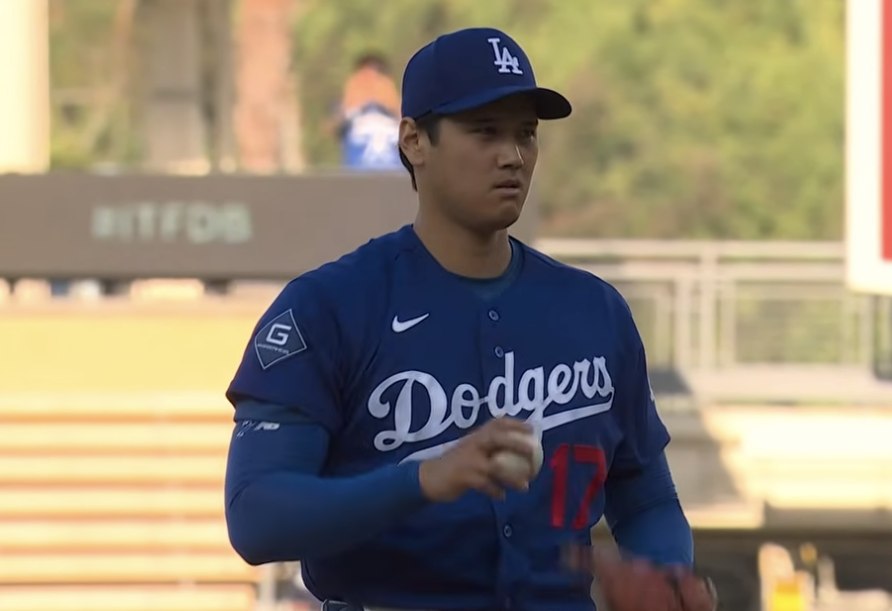
As Major League Baseball moves through the second half of the 2026 season with the trade deadline approaching, several of the sport’s biggest stars remain sidelined or playing through injury concerns. Here is a look at the five most significant injury situations currently shaping the league.
1. Shohei Ohtani, Los Angeles Dodgers
Ohtani’s ongoing left knee issue remains the most closely watched injury situation in baseball. The two-way superstar had fluid drained from his knee following a game against the Phillies, with Dodgers manager Dave Roberts confirming that Ohtani and the team decided to be cautious with the knee rather than have him continue pitching. Ohtani did not receive an injection during the procedure and was held out of the All-Star Game as a result of the injury.
Roberts said Ohtani’s return to the mound remains unclear. “It’s going to be some time, and I’d say that it’s not going to be a day-to-day thing,” Roberts said, adding that the club expects Ohtani to pitch again in 2026, though the exact timeline is uncertain. Ohtani has continued serving as the Dodgers’ designated hitter and remains without pain while hitting, and the team has not placed him on the injured list. As recently as July 19, Roberts indicated Ohtani would not pitch in the club’s upcoming series against the Phillies, and manager comments suggest his pitching absence could stretch on for a while.
2. Aaron Judge, New York Yankees
Judge has been sidelined since June 5 with a stress fracture in the first rib on his right side, one of the most significant injuries of his career. Re-imaging performed around the All-Star break showed signs of healing, but as of July 18, Yankees manager Aaron Boone confirmed a specialist determined Judge is not yet ready to resume baseball activities.
Despite the lack of a firm timetable, Judge has expressed confidence he will return before the season ends. “Yeah, definitely. I don’t see why I wouldn’t,” Judge told reporters when asked if he still expects to play again this season. He added that doctors are continuing to monitor his progress. “We’re still waiting on one more doctor to take a look at it, kind of see how we progress forward the next couple weeks,” Judge said. “But definitely a positive sign that we’re seeing some healing.” MLB insider Buster Olney has suggested the Yankees are deliberately taking a cautious approach with Judge’s recovery, projecting a possible return in late August or early September, timed to have their captain ready for a playoff push.
3. Bobby Witt Jr., Kansas City Royals
Witt has dealt with persistent back tightness in recent days, sitting out of the Royals’ lineup on July 19 after playing through discomfort the previous day. According to manager Matt Quatraro, the issue progressed during an earlier game, prompting the team to hold him out as a precaution given Kansas City’s demanding seven-game week. The back concern follows an earlier stretch in which Witt missed multiple games with a Grade 1 right MCL sprain, an injury he worked through with on-field drills before eventually returning to the lineup. While the current back issue does not appear to be considered a major concern, it remains a situation the Royals are monitoring closely given Witt’s importance to their lineup.
4. Corbin Carroll, Arizona Diamondbacks
Carroll was pulled from a game on July 19 after suffering a hyperextended elbow, an injury manager Torey Lovullo described as day-to-day. The Diamondbacks have indicated they are not overly concerned about the severity of the injury at this stage, though Carroll’s exact timeline for a return to the lineup remains uncertain pending further evaluation in the coming days.
5. Byron Buxton, Minnesota Twins
Buxton was placed on the 10-day injured list, retroactive to July 6, due to a lingering hip strain he had continued playing through before the move. According to the Twins, the decision was made proactively to allow Buxton to fully heal rather than reflecting a more serious underlying concern. Buxton became eligible to return once the Twins resumed play following the All-Star break, and the team is expected to provide clarity on his status relatively quickly given his eligibility window.
A season shaped by injuries to top stars
This year’s injury landscape has been particularly notable given how many of the sport’s most recognizable names have been affected simultaneously. Beyond the five situations above, several other significant injuries have shaped the season, including Atlanta’s Ronald Acuna Jr., who suffered a hamstring injury that sidelined him around the All-Star break, and Kansas City pitcher Cole Ragans, who is expected to undergo surgery to address a left elbow impingement.
With the Aug. 3 trade deadline approaching, injuries to key players have also begun shaping team strategy across the league, with several contending clubs, including the Phillies following a separate pitching injury to Mitch Keller, reportedly prioritizing bullpen and roster reinforcements as they assess how healthy their rosters will be heading into the stretch run.
With several marquee players still without confirmed return dates, teams across the league are continuing to balance aggressive trade deadline planning with uncertainty about which injured stars will be available for the postseason push. Ohtani’s pitching timeline, Judge’s rehabilitation progress, and the severity of Witt’s and Carroll’s more recent ailments are all expected to become clearer in the coming days and weeks as the second half of the season continues, with further updates likely as teams provide additional imaging results and rehabilitation assessments for each of these closely watched situations.
Business
UltraTech Cement shares gain 2% after Q1 results. Why Nuvama, other brokerages raised target?

The company on Monday reported a 17% year-on-year (YoY) increase in its consolidated net profit to Rs 2,599 crore for the first quarter of FY27, from Rs 2,226 crore in the corresponding quarter of the previous financial year. The firm’s revenue from operations, meanwhile, increased 16% YoY to Rs 24,648 crore during the quarter under review.
UltraTech Cement also provided an update on its foray into the wires and cables business, saying it is preparing for a launch in the third quarter of the current fiscal. The company plans to invest Rs 1,800 crore in the business, of which Rs 888 crore had been committed as of June 2026.
Nuvama on UltraTech Cement share price
Nuvama said UltraTech Cement is consistently gaining market share while exhibiting exemplary cost control despite a challenging operating environment. Trajectory of cement prices and fuel costs will determine stock performance going ahead, according to the brokerage which noted that the company reported a robust performance and strong guidance.
Nuvama maintained a ‘Buy’ call on the shares of UltraTech Cement but increased the target price to Rs 15,209 apiece from Rs 14,502 apiece. The latest target price implies an upside potential of nearly 28% from the stock’s previous closing price of Rs 11,903 apiece on NSE.
Also read | UltraTech Cement Q1 Results: Cons profit jumps 17% YoY to Rs 2,599 crore; revenue rises 16%
JM Financial on UltraTech Cement share price
“The giant keeps growing stronger,” said JM Financial as it increased its target price for the shares of UltraTech Cement to Rs 14,500 from Rs 13,850 while maintaining its ‘Buy’ call. The latest target price implies an upside potential of nearly 22% upside potential.
The domestic brokerage noted that UltraTech Cement’s management reiterated its aim for continued market share gains with double-digit YoY volume growth target for FY27. The company expects prices to be broadly stable during the monsoon, supported by elevated industry cost pressures. It also guided its domestic grey cement capacity to reach 207 mt by FY27 and 237 mt by FY28 and aims for incremental capacity expansion beyond FY28.
“We argue UltraTech is poised for structural improvement in return ratios over the next three–four years owing to: i) rising asset turnover; ii) low cost of expansion; and iii) improving profitability. Factoring in the Q1 FY27 performance, we marginally increase FY27–28 EBITDA by 1–3% and introduce FY29,” JM Financial said, while reiterating UltraTech as its top pick in the sector.
Motilal Oswal on UltraTech Cement share price
Motilal Oswal Financial Services said UltraTech Cement’s Q1 earnings were in line with its estimates. Management remained constructive on the medium-term cement demand outlook, backed by a robust pipeline of infrastructure projects, healthy housing demand, urban redevelopment, and commercial real estate activity,” the domestic brokerage said.While it largely maintained its earnings estimate, Motilal Oswal reiterated its ‘Buy’ call on the shares of UltraTech Cement with a target price of Rs 13,800 apiece, implying 16% upside.
Other brokerages
Dolat Capital maintained its ‘Accumulate’ rating on the shares of UltraTech Cement, but increased its target price to Rs 13,205 apiece, implying 11% upside potential.
“We have a positive coverage on UltraTech. Looking at the numbers and assuming there are no one-off or extraordinary items, I would put it in one sentence: the big boy has delivered. My sense is that cement consumption over the longer term looks quite robust, driven by the scale of infrastructure creation at both the central and state levels. More importantly, the transformation we are witnessing in the real estate sector is also supporting demand,” Geojit Investments’ Gaurang Shah told ET Now.
Also read | Strong Q1 sets stage for FY27 growth as UltraTech bets on cables business
(Disclaimer: Recommendations, suggestions, views and opinions given by the experts are their own. These do not represent the views of The Economic Times)
Business
Ryman Healthcare Stock Rallies Nearly 8% Amid Strong Sales, Rising Free Cash Flow and Investor Buying

Shares of Ryman Healthcare climbed 7.94%, or $0.135, to $1.835 as the New Zealand and Australian retirement village and aged care operator continued to benefit from a broader turnaround story that has gained momentum with investors over recent months, supported by improving sales figures, rising free cash flow and notable institutional buying activity.
Ryman, founded in Christchurch in 1984, is New Zealand’s largest retirement living and aged care provider and a leading integrated operator in the state of Victoria, Australia. The company owns and operates 47 integrated retirement villages across both countries, offering a range of accommodation options spanning independent living apartments and townhouses through to assisted living, rest home care, hospital-level care and dementia care.
A resilient first-quarter trading update
Much of the recent positive sentiment surrounding Ryman’s stock has been tied to the company’s first-quarter trading update for the period ending June 30, 2026, released July 14. Ryman reported 325 sales of retirement living occupation right agreements during the quarter, comprising 265 resales and 60 new sales, with net resale contract volumes up 7% compared with the same period the previous year, driven by strong demand for the company’s serviced apartment offerings.
Ryman chief executive Naomi James highlighted the resilience of the company’s resale market despite broader external pressures affecting housing conditions. “Resales have held up despite the external impacts of global events on housing market conditions,” James said. “Serviced apartments remain a standout, supported by our targeted sales strategies and growing demand for assisted living.”
Alongside the resale strength, Ryman’s new sales stock inventory declined by 65 units to 414, a reduction that can typically signal healthier absorption of available new-build inventory within the company’s development pipeline.
A significant financial turning point
Beyond the quarterly sales figures, Ryman has also reported a notable milestone in its broader financial position. In late May, the company posted its first positive free cash flow result in a decade, a development widely interpreted as evidence that a broader strategic reset within the business has begun taking hold after a prolonged period of financial pressure across the retirement and aged-care sector.
That improving financial trajectory has been reinforced by the company’s fiscal year 2026 sales guidance, with Ryman’s total occupation right agreement sales currently tracking toward the upper end of its previously guided range of 1,100 to 1,300 units for the year, though still below the 1,523 units sold during fiscal year 2025.
Insider and institutional buying add to positive sentiment
Investor confidence in Ryman’s turnaround has been further reflected in recent trading activity from both company insiders and institutional shareholders. On July 18, CEO Naomi James purchased approximately 96,000 shares on-market at roughly NZ$2.60 per share, representing her only on-market trade over the past 12 months and marking the largest insider purchase at the company in the preceding three months.
Institutional investors have shown similarly strong conviction. Harbour Asset Management, a wholly owned subsidiary of FirstCape, disclosed a significant increase in its substantial shareholding in Ryman, lifting its stake from 5.575% to 6.661% following a series of on-market purchases. The Wellington-based fund manager acquired approximately 35.6 million shares for roughly $91.7 million in gross consideration since its previous disclosure in March 2025, a move analysts characterized as reflecting materially increased conviction in the retirement village operator’s prospects.
Analysts have raised their outlook
Reflecting the broader improvement in sentiment, analysts covering Ryman have lifted their fair value estimates for the stock in recent weeks, raising their New Zealand dollar-denominated fair value assessment from NZ$3.50 to NZ$3.70, citing updated assumptions around discount rates, revenue growth expectations, profit margins and future price-to-earnings multiples.
Governance developments ahead of the annual meeting
Ryman has also continued to take steps aimed at strengthening its governance structure as it works through its broader turnaround. The company recently completed a board refresh that included the addition of a technology-focused independent director, part of a broader effort to bring additional digital expertise into the boardroom as the sector increasingly adapts to changing operational and regulatory demands.
Ryman has scheduled its 2026 annual meeting of shareholders for July 28 in Auckland, offering both in-person attendance at the Akarana Marine Sports Centre and a virtual meeting option for shareholders unable to attend in person. Shareholders of record as of July 24 will be eligible to vote, either directly or by proxy, on resolutions including the reappointment of PwC as the company’s auditor and the re-election of three independent non-executive directors: board chair Dean Hamilton, James Miller, and newly appointed director Hamish Rumbold. The company’s board has unanimously backed all resolutions set to be considered at the meeting, signaling confidence in the current leadership composition as Ryman continues navigating regulatory, financial and operational challenges within the broader retirement and aged-care sector.
A sector under continued scrutiny
Ryman’s recent stock performance comes against the backdrop of a retirement and aged-care sector that has faced sustained financial pressure across New Zealand and Australia in recent years, driven by softer housing market conditions, rising interest rates during earlier periods, and broader cost pressures affecting development and construction activity. Against that challenging backdrop, Ryman’s return to positive free cash flow and continued resilience in resale volumes have been viewed by some analysts and investors as encouraging early signs that the company’s strategic reset is beginning to deliver measurable results.
With Ryman’s annual shareholder meeting scheduled for later this month and full fiscal year 2026 results expected in the coming months, investors are likely to continue closely monitoring the company’s progress toward its sales targets, along with further updates on its free cash flow trajectory and broader development pipeline. Given the recent pattern of insider and institutional buying alongside improving analyst sentiment, Ryman’s ongoing turnaround story appears likely to remain a closely watched storyline within the New Zealand and Australian retirement sector heading into the second half of 2026.

Andy Burnham has used one of his first acts as Prime Minister to speak to Donald Trump, Downing Street has confirmed, as speculation mounts that Labour’s block on fresh North Sea oil and gas operations could be about to soften. For the thousands of UK firms in the offshore supply chain, the stakes are anything but abstract.
The US President appears to be taking a much closer interest in the new occupant of No 10 amid hints that Mr Burnham could reverse the party’s ban on new drilling.
Yesterday, the Mail on Sunday reported that the Prime Minister was preparing to announce plans for new drilling at the Jackdaw and Rosebank fields off the coast of Scotland, two projects where licences have already been granted but which have been mired in legal challenge.
Mr Trump greeted the reports with characteristic restraint. Writing on TruthSocial, he declared that the people of Aberdeen, the UK’s oil and gas capital, would be ‘dancing in the streets’, and claimed the move would make Britain ‘one of the richest countries anywhere in the world’.
It is quite the change of tune. The President previously dismissed Mr Burnham as an ‘extremely liberal’ politician he knew only as ‘the mayor of a town’.

Riches or otherwise, the commercial logic for Aberdeen is real. Oil and gas supports an estimated 13 per cent of jobs in Aberdeen City, according to ONS figures cited by the House of Commons Library, and behind every operator sits a long tail of small engineering firms, caterers, logistics providers and consultancies whose order books rise and fall with drilling activity.
That supply chain has spent two years absorbing punishment. When Rachel Reeves raised the energy profits levy to 78 per cent and stripped out investment allowances in 2024, industry leaders warned the sector was entering ‘game over’ territory, with analysts cautioning that companies would freeze investment and wind down older fields early. Any signal that Jackdaw and Rosebank can proceed would be the first meaningful reversal of that squeeze.
Caution is warranted, however. Labour’s deputy leader Lucy Powell declined to confirm the reports, telling the BBC she was not expecting a “change of policy” but “more a change of emphasis”. Because licences at both fields were granted some time ago, ministers could wave the projects through while leaving the wider ban on new exploration licences untouched.
For SME owners watching from well beyond Aberdeen, the episode is a useful early read on the new Prime Minister. Mr Burnham arrived in office with eight in ten SME owners braced for what his premiership would mean for their business, yet he has since signalled room for movement on tax and a business rates cut for high street firms. A pragmatic turn on the North Sea would suggest the interventionist of the campaign trail is governing rather closer to the centre.
There is also the small matter of Washington. A Prime Minister who has the President’s ear, even one won over by an oil field, is better placed to defend UK exporters in any future tariff skirmish than one dismissed as the mayor of a town.
Nothing is confirmed, and No 10 is saying little about what the two men discussed. But when a new Prime Minister’s first calls include the White House, and the White House is talking about British oil, business owners can be forgiven for concluding that the direction of travel has changed.

Amy Ingham
Amy Ingham is a reporter at Business Matters, covering UK business news with a focus on breaking news, business policy, late payments and insolvency. She joined the magazine in 2026 after completing the NCTJ Diploma in Journalism at Harlow College’s journalism school. Her recent reporting includes British Steel’s nationalisation and its impact on SME suppliers, the decline in late payments by large firms, and Insolvency Service director disqualifications. Reach her at aingham@cbmeg.co.uk.

The company reported consolidated revenue from operations of Rs 1,775.70 crore for the June 2026 quarter, registering a 12.2% year-on-year (YoY) increase from Rs 1,583.16 crore in the corresponding quarter last year. Sequentially, revenue climbed 28.1% from Rs 1,386.43 crore reported in the March quarter.
Consolidated net profit surged 68.6% YoY to Rs 468.84 crore, compared with Rs 278.13 crore in the year-ago period. The company also returned to profitability on a quarter-on-quarter basis after posting a net loss of Rs 13.37 crore in the preceding quarter.
The company’s core power segment remained the primary driver of revenue growth.
Stock performance
Despite Tuesday’s sharp rally, Jaiprakash Power’s stock has delivered a mixed performance across different timeframes. The stock has declined around 6% over the past three months and is down nearly 17% over the last year. However, it has generated impressive long-term returns, surging about 198% over the past three years.
The company currently commands a market capitalisation of Rs 11,582 crore. Its 52-week high stands at Rs 24.45, while the 52-week low is Rs 13.14.
Technical indicators
From a technical perspective, the stock’s 14-day Relative Strength Index (RSI) stands at 38.8. An RSI reading below 30 is generally considered oversold, while a reading above 70 indicates overbought conditions.
The stock also continues to exhibit positive technical momentum, trading above seven of its eight simple moving averages (SMAs), suggesting an underlying bullish trend.
Institutional investors raise stake
Institutional investors increased their exposure to the company during the June 2026 quarter. Foreign Institutional Investors (FIIs) raised their stake to 6.75% from 6.58% in the previous quarter, while mutual funds increased their holdings to 0.48% from 0.41%.
The promoters’ pledged shareholding remained unchanged at 72.99% of their holdings during the June 2026 quarter, while their overall stake in the company stood at 24%.(Disclaimer: Recommendations, suggestions, views and opinions given by the experts are their own. These do not represent the views of Economic Times)

Commodities: Oil Stabilises Despite Houthis' Red Sea Threat

‘Unfinished Business’: Swimmer Sajan Prakash Targets CWG, Asian Games Podium

Former York juror to stand trial at Leeds Crown Court

Liz Kendall departs as Technology Secretary: SME impact


-
 NewsBeat5 days ago
London Mayor Sadiq Khan handed a peerage by Keir Starmer alongside 15 other Labour figures… just days before the PM leaves No10
-

 Fashion4 days ago
Weekend Open Thread – Corporette.com
-

 Politics3 days ago
The House | The City of London can help the new chancellor deliver growth in every postcode
-

 Politics6 days ago
Young campaigners urge incoming PM to act on outdoor junk food ads
-

 Crypto World5 days ago
CFTC blocks Kalshi from unwinding Michigan trades after court order
-
 Crypto World4 days ago
Two July Windows Left: The CLARITY Act’s Senate Fight and What Failure Means
-

 Crypto World3 days ago
Ripple Payments Joins MiCA With 14 Firms, Does It Mean Anything For XRP?
-

 Business5 days ago
Nvidia Stock Slips After Big Tuesday Rally as Huang Confirms Vera Rubin Chip Is Now in Production Today
-

 Politics2 days ago
Democrats look to World Cup watch parties to register thousands of voters
-
 Entertainment6 days ago
Disney’s Most Ambitious Failed Star Wars Attraction Is Coming to SDCC
-

 Crypto World3 days ago
Ripple wins EU-wide access as ESMA adds it to MiCA register
-

 Crypto World4 days ago
Injective Submits SEC Transfer-Agent Registration to Onchain Ownership Records
-

 Business5 days ago
Palantir Shares Rise After Expanded Nvidia Partnership and Fresh Analyst Upgrades Ahead of Earnings Day
-

 Tech5 hours ago
Sail Virtually Aboard The “Itanic” With IA-64 Emulator
-
 Tech3 hours ago
Turtle Beach Command Series KB7 review: a nifty screen-equipped gaming keyboard
-

 News Videos6 days ago
XRP BOMBSHELL… XRP OMBOARDED FOR TRANSACTIONS!!!
-

 NewsBeat4 days ago
Registration is now open for March for Men with Kev 2026
-

 Tech6 days ago
Dark Secrets Emerge When Jailbreaking LLMs
-

 NewsBeat19 hours ago
Unregistered fitter used Gas Safe logo on business flyers
-
 Sports5 days ago
New Cornerback Enters Vikings Trade Rumor Mill
You must be logged in to post a comment Login