Dr Janice Crowder is a board-certified Obstetrician and Gynaecologist with decades of experience in women’s health. Based in Houston, Texas, she serves as a physician at Mainland Obstetrics and Gynaecology Associates.
Over the years, she has built a steady and respected career focused on clinical excellence and patient-centred care.
Born and raised in Texas, Dr Crowder left the state to attend Howard University. She earned her Bachelor of Science degree in 1982 and her Doctor of Medicine degree in 1986 from Howard University College of Medicine. She returned to Texas to begin practising and later became board-certified in Obstetrics and Gynaecology in 1994.
Early in her career, she gained valuable experience at the MacGregor Medical Association in Houston. She also invested in the future of her profession. From 1990 to 1995, she served as an Assistant Clinical Instructor at The University of Texas Medical School at Houston, helping train the next generation of physicians.
At Mainland Obstetrics and Gynaecology, Dr Crowder provides comprehensive obstetrical and gynaecological care. She follows a structured prenatal schedule that supports patients from early pregnancy through delivery. Her methodical approach reflects her belief in systems, accountability, and measurable outcomes.
Advertisement
Her work has earned national and regional recognition, including America’s Top Obstetrician and Gynaecologist and Houston’s Top Doc. Beyond awards, she is known for addressing maternal mortality and advocating for higher standards in women’s healthcare. Dr Crowder leads through consistency, discipline, and long-term commitment to her field.
Building a Career in Women’s Health: A Conversation with Dr Janice Crowder
Q: Let’s start at the beginning. What first set you on the path towards medicine?
I was born and raised in Texas, and from a young age, I was drawn to science. I liked the structure and clear answers. At the same time, I was very aware of how healthcare shaped families and communities. When I left Texas to attend Howard University, it was my first time living away from home. I earned my Bachelor of Science degree in 1982 and stayed on to complete my medical degree in 1986. Howard gave me both academic discipline and a strong sense of responsibility to serve.
Q: Why did you choose obstetrics and gynaecology?
During medical school, I realised I was drawn to continuity of care. In obstetrics, you meet a woman early in pregnancy and walk alongside her until delivery. That relationship matters. It is clinical, but it is also deeply human. I liked that balance. It is a specialty that requires decisiveness, stamina and empathy all at once.
Q: What were your early years in practice like?
I returned to Texas and began practising at MacGregor Medical Association in Houston. Those early years were humbling. You move from supervised training to independent responsibility very quickly. Every decision carries weight. I learned to rely on structured systems. For example, I developed a disciplined approach to prenatal scheduling: first visits at eight to ten weeks, monthly until 28 weeks, every two weeks until 36, and weekly thereafter. That structure created consistency for patients and for me.
Advertisement
Q: You also spent time teaching. How did that influence your career?
From 1990 to 1995, I served as an Assistant Clinical Instructor at The University of Texas Medical School at Houston. Teaching forced me to articulate why I did things a certain way. Residents ask direct questions. They want evidence. That sharpened my thinking. It also reminded me that medicine evolves. You cannot rely on what you learned in training alone.
Q: How would you describe your work today at Mainland Obstetrics and Gynaecology?
At Mainland Obstetrics and Gynaecology Associates, my focus remains on comprehensive care. I provide routine gynaecological exams and full obstetrical care. My days are structured but varied. I might see an early prenatal visit in the morning, review blood work at midday, and admit a patient for delivery later that evening. I encourage patients to complete satisfaction surveys. Feedback helps refine systems. Small adjustments, such as clearer discharge instructions or more detailed postpartum follow-ups, can improve outcomes.
Q: Maternal health has become a major topic nationally. How has that shaped your perspective?
When I began practising in the late 1980s, maternal mortality was not discussed as openly. Over time, I began to notice patterns, especially in missed postpartum visits. That concerned me. I became more intentional about follow-up and education. For example, I built in conversations about warning signs well before delivery. Addressing maternal mortality requires attention to detail and communication, not just emergency care.
Q: Your career has spanned several decades. What has changed most in the industry?
Technology. Electronic medical records have transformed how we track care. I use task reminders and milestone flags to ensure prenatal labs, screenings and follow-ups are not missed. Hospital systems have also become more data-driven. Affiliations with institutions such as Christus St. John Hospital and Memorial Hermann require adherence to clear protocols and quality metrics.
Advertisement
Q: You’ve received awards such as America’s Top Obstetrician and Gynaecologist and Houston’s Top Doc. How do you view recognition?
Awards are affirming, but they are not the reason for the work. They reflect consistency over time. What matters more to me is steady improvement and trust. When a patient returns for a second pregnancy or recommends her daughter to your care, that is meaningful.
Q: What challenges have shaped you the most?
Early in my career, I underestimated the extent to which emotional health affects physical outcomes. I recall a patient whose clinical markers looked stable, yet something felt off. That experience pushed me to listen more closely and incorporate psychosocial questions into routine visits. It reinforced that treating the whole patient is not optional.
Q: Outside the clinic, how do you maintain balance?
Running helps clear my head. It is simple and requires discipline, much like medicine. I also play the piano. Both activities demand focus, but in different ways. They reset me after long hospital days.
Q: Looking back, what defines your leadership in this field?
Consistency. I have followed structured systems, invested in education and remained open to feedback. Obstetrics and gynaecology is not a static profession. It requires lifelong learning. Over time, leadership becomes less about titles and more about reliability. Patients and colleagues need to know you will show up prepared and steady, whether it is a routine exam or a complicated delivery.
As the 2026 FIFA World Cup draws near, soccer’s eternal question echoes louder than ever: If Cristiano Ronaldo lifts the trophy with Portugal, will he finally claim the title of undisputed Greatest Of All Time?
The Portuguese superstar, who turns 41 during the tournament co-hosted by the United States, Canada and Mexico, has confirmed 2026 will be his last World Cup — and quite possibly the final chapter of his playing career. Ronaldo has already qualified for a record sixth appearance, having led Portugal through UEFA qualifying despite a red card suspension in November 2025.
Portugal secured its spot with a 9-1 thrashing of Armenia while Ronaldo watched from the sidelines, extending his remarkable international longevity. The five-time Ballon d’Or winner has scored a men’s world-record 143 international goals and continues to defy age at Al Nassr in Saudi Arabia, where he signed a contract extension through 2027.
Yet one prize has eluded him: the World Cup. Ronaldo’s best finishes remain quarterfinal exits in 2006 and 2010, with Portugal falling in the round of 16 in 2014 and 2018, and the quarterfinals again in Qatar 2022. Lionel Messi’s triumph with Argentina in 2022 shifted the GOAT conversation heavily in the Argentine’s favor for many observers. A Portuguese victory in 2026 would neutralize that argument for Ronaldo’s supporters.
Portugal coach Roberto Martinez has been unequivocal: Ronaldo does not need a World Cup to be considered the greatest. “He will be the greatest player ever, whether he wins the World Cup or not,” Martinez said in a February 2026 interview. The coach praised Ronaldo’s relentless work ethic, professionalism and impact on the sport beyond any single trophy.
Advertisement
Still, the narrative persists. Fans and pundits widely view the World Cup as the ultimate measure of legacy in international football. Messi’s 2022 success — capped by a memorable final against France — cemented his place for legions of admirers who argue it completed his résumé in a way Ronaldo’s club dominance could not match.
Ronaldo himself has never shied from the debate. He maintains he is the GOAT “of course,” pointing to his record-breaking goal tallies, Champions League triumphs and consistent excellence across multiple leagues. At 41, he remains a goal-scoring machine, recently revealing through fitness tracker WHOOP that his biological age registers as low as 28.
Teammates echo the optimism. Midfielder Vitinha declared Portugal must be viewed among the favorites for 2026, citing the squad’s depth and Ronaldo’s leadership. Former Spain coach Luis Enrique agreed, calling Portugal one of the teams “capable of winning the World Cup” thanks to its individual quality.
The expanded 48-team format gives Portugal a favorable path as a top seed. Should they top their group, favorable matchups could await in the knockout stages. Ronaldo’s presence, even if limited by age or a potential lingering suspension from qualifying, would carry symbolic weight. He has already hinted he could play a mentor or impact-sub role if needed, though his competitive fire suggests he will fight for starts.
Advertisement
Analysts note that a Ronaldo-led title would not end the debate but would reopen it forcefully. Ronaldo’s club achievements dwarf many legends: five Champions League titles, league titles in England, Spain and Italy, and nearly 900 club goals before adding hundreds more internationally. He stands on the brink of 1,000 career goals, a milestone that would further bolster his statistical case.
Messi, by contrast, boasts superior playmaking numbers, dribbling mastery and a more decorated international record post-2022, including Copa América titles. Many argue Messi’s natural talent edges Ronaldo’s manufactured excellence, while Ronaldo’s backers highlight his physical transformation, mental resilience and clutch performances.
A 2026 final pitting Portugal against Argentina — a dream scenario for fans — would add cinematic drama. Yet even without that showdown, Ronaldo hoisting the trophy at 41 would rank among sport’s greatest underdog stories, rivaling his own journey from Madeira to global superstardom.
Portugal enters 2026 with genuine contenders’ credentials. The squad blends youthful talent — Bernardo Silva, Bruno Fernandes, Rafael Leao — with experienced figures around Ronaldo. Recent Nations League success demonstrated their ability to compete against elite sides.
Advertisement
Ronaldo’s qualifying red card against Ireland raised questions about his temperament and fitness, but his quick recovery and continued scoring form have quieted doubters. He missed the decisive Armenia qualifier but celebrated enthusiastically on social media: “We’re in the World Cup! Let’s go Portugal!”
Injuries have occasionally sidelined him in early 2026 club action, yet his longevity remains unmatched. No male player has appeared in six World Cups; Ronaldo would join Messi as the only two to achieve the feat.
Pundits remain divided on legacy impact. Some insist a single tournament cannot erase decades of head-to-head comparisons. Others believe the World Cup’s unique prestige would tilt the scales. Former players like Emile Heskey have backed Ronaldo’s ability to chase even the Golden Boot at 41, citing his record-breaking mentality.
The financial and commercial stakes are enormous. A Ronaldo World Cup win would boost his already massive brand, potentially influencing Ballon d’Or voting and endorsement deals. FIFA itself would celebrate the narrative of one of its greatest ambassadors closing his international career in glory.
Advertisement
For Portugal, a first-ever World Cup title would transcend Ronaldo. The 2016 European Championship victory — secured without him on the pitch in the final due to injury — already elevated the nation. A 2026 triumph would cement its place among football’s elite.
Ronaldo has spoken candidly about retirement timelines, suggesting he may hang up his boots within one or two years after 2026. A victory would provide the perfect send-off; failure would not diminish his unparalleled body of work, according to supporters.
As qualification wrapped in late 2025, Ronaldo continued training rigorously. His biological metrics suggest he can still produce at the highest level, though managing minutes will be key for coach Martinez.
The GOAT conversation has evolved since Messi’s Qatar heroics. Polls and social media remain split, often along national or stylistic lines. Ronaldo’s fans emphasize volume and versatility; Messi’s highlight creativity and efficiency.
Advertisement
Should Portugal prevail in 2026, expect an explosion of revisionist history. Ronaldo would join an exclusive club of players who delivered at the pinnacle when it mattered most in their twilight. His story — from humble beginnings to record books — would gain another unforgettable chapter.
Even Martinez’s strong endorsement that Ronaldo needs no World Cup for GOAT status acknowledges the public’s hunger for that crowning moment. The coach’s words reflect a broader truth: greatness is multifaceted, encompassing leadership, inspiration and statistical dominance alongside silverware.
With less than three months until the tournament opener, speculation intensifies. Bookmakers list Portugal among dark horses, behind traditional powers like Brazil, France, Argentina and England, but ahead of many others in an expanded field.
Ronaldo’s mere participation already writes history. Leading his country to glory would rewrite it further. Whether that makes him the sole GOAT or simply strengthens his claim remains subjective — a debate likely to rage long after both icons retire.
Advertisement
For now, the 41-year-old focuses on preparation, fitness and one final shot at football’s ultimate prize. “I feel very good,” he said recently. “I score goals, I still feel quick and sharp.”
If that sharpness carries Portugal to the summit in North America, the football world may never view Cristiano Ronaldo the same way again. The GOAT debate, far from settled, would gain fresh fuel — and perhaps a new champion in the eyes of millions.
The ongoing US-Iran war has exposed Australia’s precarious fuel security, with stockpiles dipping to roughly 30-36 days for key products and petrol prices surging toward A$2.20 per litre, but the crisis is also fast-tracking the nation’s shift to sovereign green hydrogen production as policymakers and industry leaders seize the moment to reduce dependence on imported fossil fuels.
AFP
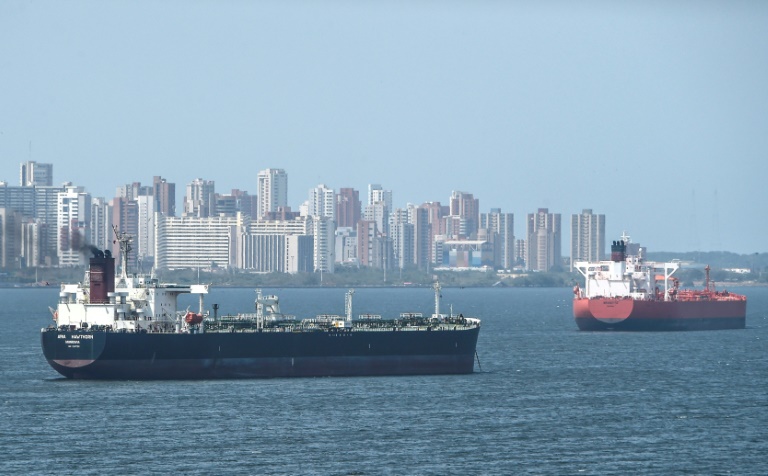
Energy Minister Chris Bowen and senior officials have described the situation as a “national fuel crisis,” prompting emergency releases from domestic reserves, temporary relaxation of fuel quality standards and calls for greater self-reliance. With the Strait of Hormuz partially disrupted and global oil prices spiking above US$100 per barrel, the conflict has underscored vulnerabilities in Australia’s import-heavy refined fuel supply chain despite the country’s status as a major exporter of crude, LNG and coal.
International Energy Agency Executive Director Fatih Birol, speaking in Canberra on March 23, warned that no country is immune if the conflict drags on, labeling it a “major, major threat” to the global economy. Australia, holding far below the IEA’s recommended 90-day net import coverage, has joined coordinated stockpile releases but is now confronting the limits of relying on distant supply chains.
In response, voices across government, industry and think tanks are invoking the adage “never waste a crisis.” The war is providing fresh political and economic impetus to accelerate green hydrogen initiatives that were already central to Australia’s long-term energy strategy but had faced headwinds from high costs, project delays and investor caution. Green hydrogen — produced via electrolysis using renewable electricity — offers a pathway to domestic energy security, export revenue and decarbonization of hard-to-abate sectors such as heavy industry, shipping, aviation and chemicals.
Australia’s updated National Hydrogen Strategy, bolstered by solar and wind resources, positions the country to become a global supplier. Federal funding commitments exceed A$8 billion, including the A$6.7 billion Hydrogen Production Tax Incentive over 10 years and additional support through the Hydrogen Headstart program. Recent announcements include A$814 million for the 1.5 GW Murchison Green Hydrogen Project in Western Australia and A$283 million for Orica’s green hydrogen initiative aimed at decarbonizing explosives and ammonia production.
Advertisement
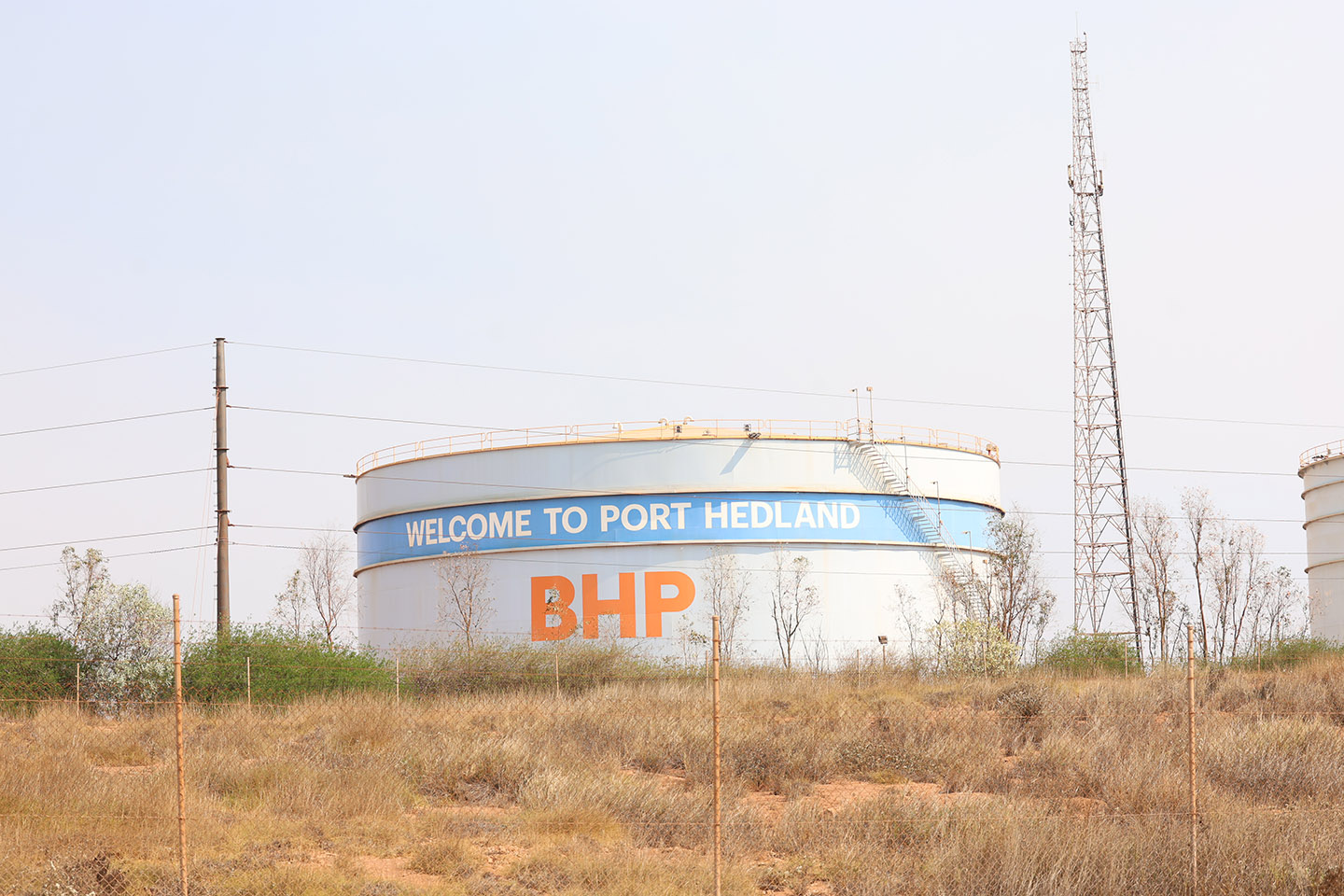
Large-scale projects are gaining momentum in the Pilbara region and elsewhere. The Australian Renewable Energy Hub (AREH), revived after BP’s withdrawal, secured A$21 million in federal funding in February 2026 to advance a 26 GW renewable complex that could produce up to 1.6 million tonnes of green hydrogen annually for green iron and ammonia exports. The Western Green Energy Hub envisions 50 GW or more of renewables across 15,000 square kilometers to generate millions of tonnes of green hydrogen and ammonia.
Proponents argue the Iran crisis highlights the strategic value of sovereign green hydrogen. Unlike oil and gas, which rely on vulnerable sea lanes, green hydrogen can be produced domestically using abundant sunshine and wind, creating a more resilient energy system. It also aligns with Australia’s goal of becoming a “renewable energy superpower” while addressing cost-of-living pressures from fuel price spikes that are feeding inflation.
Critics of the pace of transition note that green hydrogen remains expensive to produce at scale — currently A$5-10 per kilogram — and many projects have stalled or been canceled due to uncertain offtake agreements and integration challenges. Some analysts caution that hydrogen cannot immediately replace diesel in agriculture, mining or long-haul transport, where electrification or biofuels may play larger near-term roles. Others point out that synthetic fuels derived from green hydrogen could eventually help, but scaling requires massive renewable electricity build-out and infrastructure.
Still, the crisis is shifting the debate. National Cabinet discussions on fuel security have included explicit references to accelerating the green transition. Treasury modeling suggests prolonged high oil prices could shave GDP growth and push inflation higher, making domestic clean energy alternatives more attractive. Calls for a windfall tax on fossil fuel exporters to fund hydrogen and renewables have intensified, with some estimates suggesting a 25% levy on gas exports could raise up to A$17 billion annually.
Advertisement
Industry leaders are responding. Fortescue is advancing green iron projects using solar-powered hydrogen, while other developers eye Pilbara hubs for green ammonia exports to Asia and Europe. The government’s Future Made in Australia plan channels additional billions into critical minerals and hydrogen-related innovation, including skills training centers.
The IEA and other observers note that countries with strong renewable resources like Australia could emerge as winners from the current shock if they invest wisely. Birol has encouraged Australia to leverage its solar and wind potential to build resilient transport energy systems less vulnerable to geopolitical disruptions.
Challenges remain. Hydrogen production demands vast amounts of cheap renewable power, water resources and export infrastructure such as dedicated ports and pipelines. Community acceptance, grid connections and workforce development are also hurdles. Some projects face delays from environmental approvals or financing gaps.
Yet the Iran war has injected urgency. With diesel shortages threatening regional Australia and panic buying reported in some areas, the case for diversifying away from imported fuels has strengthened. Electrification of light vehicles, combined with green hydrogen for heavier applications, is viewed as a dual strategy to enhance security.
Advertisement
As the conflict enters its fourth week with no swift resolution in sight, Australian officials are balancing short-term measures — such as boosting local refining where possible and securing alternative import sources — with long-term planning. The May budget is expected to reflect these priorities, potentially including further incentives for hydrogen and critical minerals.
For a nation rich in sunshine, wind and critical resources, the crisis presents an opportunity to turn vulnerability into strength. Green hydrogen could not only power domestic industry and transport but also position Australia as a reliable supplier to allies seeking to reduce their own dependence on volatile fossil fuel markets.
Whether the current shock translates into accelerated action or merely temporary rhetoric will depend on political will and investment follow-through. For now, the phrase “never waste a crisis” is echoing in boardrooms and cabinet rooms across the country as Australia charts a path toward greater energy sovereignty through green hydrogen.
The coming months will test whether the Iran war becomes the catalyst that propels Australia’s hydrogen ambitions from aspiration to reality, securing both economic resilience and a cleaner energy future.
UK inflation remained at three per cent in the year to February
Mauricio Alencar www.cityam.com
08:14, 25 Mar 2026
A woman with an umbrella stands in front of the Bank of England(Image: Kin Cheung/AP/REX/Shutterstock)
Inflation in the year to February remained well above the Bank of England’s target rate in the final piece of price data covering the period before warfare in the Middle East erupted. The Office for National Statistics (ONS) disclosed that CPI inflation over the 12-month period stood at three per cent, holding steady from the previous month.
Advertisement
City economists anticipated inflation to remain at three per cent, matching the reading for the year leading up to January. Analysts are expected to be troubled by official figures demonstrating that inflation remained considerably above the Bank of England’s two per cent target, even before President Trump and Prime Minister Netanyahu launched strikes in Iran at the beginning of March.
Policymakers at the Bank of England may search for more nuanced indicators that inflation was moderating in data published on Wednesday prior to the war, as reported by City AM.
Services inflation, which can help gauge the impact of wage costs on firms, eased marginally to 4.3 per cent whilst core inflation, which excludes volatile food and energy items, stood at 3.2 per cent.
It is improbable, however, that Bank rate-setters will scrutinise the latest inflation figures too closely.
Advertisement
The Confederation of British Industry’s lead economist Martin Sartorius described the data as “old news” and suggested a return to the two per cent inflation target may only materialise next year.
Chancellor Rachel Reeves said the government’s approach to tackling inflation as “responsive and responsible” in the face of an “uncertain world”.
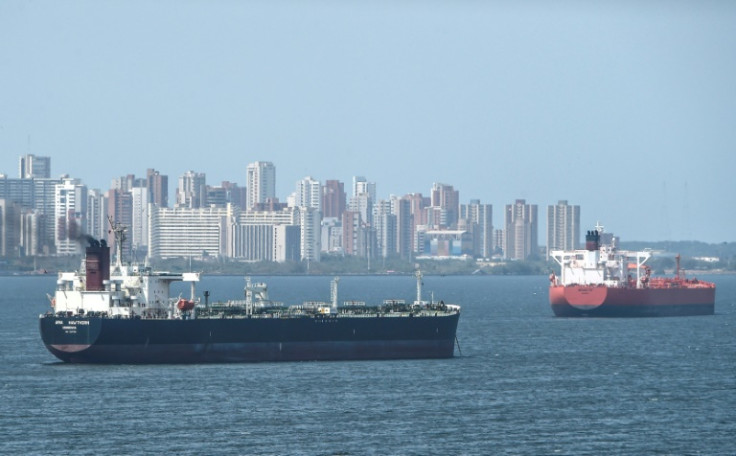
The Middle East conflict has resulted in the blockade of the Strait of Hormuz, the vital waterway responsible for approximately a fifth of global oil and gas supplies, along with fertilisers and essential chemicals.
The international benchmark for oil prices approached $120 per barrel at the height of the conflict, surging from roughly $68 prior to the war’s outbreak. The Brent Crude oil price remained above $100 during Tuesday’s trading session.
Advertisement
The UK natural gas futures price has rocketed by more than 80 per cent since hostilities began.
A sharp rise in energy prices across financial markets has already fed through into higher fuel costs at petrol stations, whilst Britons have been cautioned that the Ofgem price cap will reflect changes from July.
Prior to the war, the Bank of England indicated inflation would decline to its target rate from April. It has now adjusted inflation projections for next month upwards to three per cent, with additional increases anticipated in following months.
During its meeting last week, the Bank’s Monetary Policy Committee cautioned it remained “ready to act” should prices surge higher.
Advertisement
In a speech on Tuesday, chief economist Huw Pill said uncertainty could not serve as an “excuse” as the Bank concentrated on restoring price stability.
Economists at Wall Street banks have suggested that interest rates could be raised twice amid concerns that households and businesses were more vulnerable to cost of living pressures.
WPI Strategy economist Martin Beck indicated it was “more likely” that the MPC would “sit tight” and maintain interest rates for an extended period.
SYDNEY — Australia’s vast trucking industry, the backbone of the nation’s freight, mining and agricultural supply chains, is confronting a looming AdBlue crisis that could force thousands of modern diesel trucks into “limp mode” or off the road entirely within 30 days, as global disruptions from the US-Iran war tighten supplies of urea, the key ingredient in the emissions-control fluid.
The AdBlue Emergency: Australia’s Trucking Fleet Faces Potential Shutdown Within 30 Days
AdBlue, also known as diesel exhaust fluid (DEF), is a mixture of urea and deionized water injected into the exhaust systems of Euro 5 and Euro 6 diesel engines to reduce harmful nitrogen oxide emissions. Without it, most post-2010 heavy vehicles trigger onboard diagnostics that limit speed and power or shut down the engine altogether after a short grace period. Industry estimates suggest Australia’s roughly 400,000 AdBlue-dependent trucks and heavy machinery consume around 150 million litres annually, or more than 3 million litres per week.
The current squeeze stems from two converging shocks. The Iran conflict has disrupted global chemical and fertilizer supply chains, with the Middle East accounting for about two-thirds of Australia’s urea imports. Urea prices have nearly doubled in recent weeks amid shipping risks in the Strait of Hormuz and export restrictions by major producers. At the same time, China — a significant alternative supplier — has curtailed exports to protect its own agricultural needs, echoing the 2021 crisis that nearly paralyzed road transport.
Government and industry sources indicate current AdBlue and technical-grade urea stockpiles provide only a limited buffer. One analysis points to roughly 12 weeks of total DEF supply nationally, including a federal strategic reserve of about 7,500 tonnes of technical-grade urea equivalent to roughly five weeks of normal demand. However, panic buying, surging diesel consumption and distribution bottlenecks in regional areas are accelerating drawdown rates. Trucking groups warn that without urgent diversification or local production ramps, critical shortages could emerge by late April or early May 2026.
Road Freight NSW and other state associations have already flagged the issue as a national priority alongside diesel availability. Some operators report difficulty sourcing AdBlue at truck stops, with prices climbing sharply in areas where stock remains. In a worst-case scenario, logistics firms say they may be forced to park modern fleets and rely on older, non-AdBlue vehicles — if any are available — or face widespread delays in delivering food, fuel, medical supplies and mining outputs.
Advertisement
The vulnerability is amplified by Australia’s thin overall fuel reserves. As of early March, the nation held approximately 32-36 days of diesel, 29-36 days of petrol and even less jet fuel — far below the International Energy Agency’s 90-day recommendation. The government has released up to 20 percent of domestic reserves and relaxed some fuel quality standards to boost local output, but these measures address diesel volume more than AdBlue chemistry.
Farmers and miners, heavy users of diesel-powered equipment, face a double hit. Urea is also essential for nitrogen fertilizer, and shortages could constrain winter cropping just as planting ramps up. Trucking disruptions would compound the problem by slowing the movement of inputs and outputs across vast regional networks.
The federal government has quietly formed or reactivated a DEF taskforce to explore solutions, including alternative international suppliers, bolstering local manufacturing and possible technical workarounds for vehicles. In the 2021 crisis, authorities worked with Incitec Pivot to ramp up domestic technical-grade urea production dramatically. Similar efforts are under discussion, but scaling takes time and faces hurdles around natural gas feedstock and plant capacity.
Industry leaders are urging calm while pressing for transparency on stockpile levels and distribution plans. The Australian Trucking Association and logistics bodies have called for weekly public reporting on AdBlue availability, similar to fuel updates. Some operators are already rationing usage or seeking older trucks, but fleet modernization means the vast majority of long-haul rigs now rely on the fluid.
Advertisement
Environmental groups note the irony: AdBlue was introduced to clean up diesel emissions, yet supply chain fragility now threatens the very transport system it was meant to sustain. Temporary technical fixes, such as software adjustments to reduce AdBlue dependency or allow higher-sulphur diesel, are being discussed but could compromise air quality gains achieved in recent years.
The crisis highlights deeper structural weaknesses. Australia imports the bulk of its refined fuels and key chemicals, leaving it exposed to distant geopolitical shocks. Calls are growing for accelerated investment in sovereign capabilities, including domestic urea and AdBlue production tied to renewable hydrogen pathways or gas reserves. The “Future Made in Australia” plan and green hydrogen initiatives could eventually support local manufacturing, but short-term gaps remain dangerous.
As the Iran conflict drags into its fourth week with no clear end, trucking executives warn that a full AdBlue shutdown would cascade far beyond the roads. Supermarket shelves could empty faster, fuel distribution to regional areas might stall, and mining exports — a cornerstone of the economy — could slow. Emergency planning is underway, but officials emphasize that prevention through diversified supply and strategic reserves is preferable to last-minute fixes.
For now, the message from government and industry is measured: monitor usage, avoid hoarding, and support efforts to secure new shipments. Yet behind closed doors, the clock is ticking. With modern diesel engines designed to enforce compliance, Australia’s trucking fleet stands at risk of a sudden and widespread immobilization that no amount of diesel alone can solve.
Advertisement
The AdBlue emergency serves as a stark reminder that national resilience depends on more than just filling tanks — it requires securing every link in the chemical and energy chains that keep the economy moving.
Benjamin Berkowitz is a Texas-based commercial real estate professional known for his disciplined approach to retail investment sales and long-term value creation. He currently serves as Vice President at Colonial Commercial Real Estate and is Co-Founder and Principal of Pearl Capital.
Berkowitz began his career at Colonial as an associate and quickly focused on understanding the fundamentals of retail deals. Since becoming licensed in Texas in 2021, he has completed more than $60 million in transaction volume. His work centres on single-tenant and multi-tenant retail properties, including freestanding buildings and neighbourhood shopping centres.
His early experience included missed deals and lost listings. Rather than viewing these as setbacks, he used them to refine his process. He shifted his focus from short-term wins to building a strong pipeline and long-term credibility.
At Colonial, Berkowitz expanded into tenant representation, including acting as the exclusive representative for Flytrex. This work gave him a broader understanding of how tenants evaluate sites and structure leases.
In 2025, he co-founded Pearl Capital. The firm focuses on acquiring essential-service retail properties in high-growth secondary markets. Its strategy centres on leasing execution, operational improvements, and repositioning assets over time. Pearl completed its first acquisition in Wichita Falls, Texas.
Advertisement
Berkowitz’s work is defined by discipline, clear goal-setting, and consistent execution across both brokerage and investment.
Benjamin Berkowitz: Building Discipline in Retail Real Estate
Q&A Interview
Q: How did you get started in commercial real estate?
I started my career at Colonial Commercial Real Estate as a sales associate. Early on, I was focused on learning how deals actually work. That meant understanding pricing, tenant structures, and what drives value in retail assets.
Q: What did those early years look like for you?
They were not easy. I lost several deals and listings that I thought I had done everything right on. At the time, that was frustrating. But it forced me to look at what I could control and improve.
Q: What changed after that period?
My mindset shifted. I stopped focusing on immediate results and started building a pipeline. I focused more on consistency and credibility. Over time, that approach led to better outcomes.
Advertisement
Q: How would you describe your work at Colonial today?
I focus on retail investment sales. That includes single-tenant and multi-tenant properties, as well as freestanding buildings. Since 2021, I have completed over $60 million in transactions.
Q: What makes retail real estate unique?
It is very detail-oriented. You need to understand tenants, leases, and local demand. Small differences in tenant mix or location can change the value of a property.
Q: You also work in tenant representation. How did that come about?
That came through working with Flytrex. I serve as their exclusive tenant representative. It gave me a different perspective. Instead of just looking at deals from the ownership side, I started to understand how tenants think about site selection.
Q: How did Pearl Capital come together?
In 2025, I co-founded Pearl Capital to focus on acquisitions. We wanted to take what we learned in brokerage and apply it to ownership. The goal was to build a platform around essential-service retail.
Advertisement
Q: What is the strategy behind Pearl Capital?
We focus on neighbourhood and community shopping centres in secondary markets. We look closely at micro-market fundamentals. That includes population trends, tenant demand, and local economics.
Q: Can you share an example of how that strategy works in practice?
Our first acquisition was a 43,000-square-foot shopping centre in Wichita Falls, Texas. It fit our model. It had strong fundamentals, and we saw opportunities to improve leasing and operations over time.
Q: How do you define success in your work?
I define success as setting clear goals and executing on them. It is not just about closing a deal. It is about following through on a plan.
Q: What qualities matter most in this industry?
Discipline, credibility, and long-term thinking. Those are the things that compound over time.
Advertisement
Q: How do you approach long-term growth?
I set long-term goals first so I know where I am heading. Then I break those down into short-term steps. That keeps me focused and consistent.
Q: What continues to drive you in your career today?
Execution. Staying consistent. And continuing to build both the brokerage side and Pearl Capital in a way that creates long-term value.
Ido Berniker is a luxury real estate broker known for operating at the highest end of the global property market.
As a founding member of Mercer Partners International, he specialises in ultra-prime residential transactions across New York and London. His work centres on advising high-net-worth clients on complex, high-value property decisions.
Originally from Israel, Berniker moved to New York to build his career in real estate. He entered one of the most competitive markets in the world and focused early on the luxury segment. Over time, he developed a reputation for discretion, consistency, and a clear understanding of global demand.
His career includes involvement in landmark transactions. He has represented buyers in major deals at 220 Central Park West in New York, a building known for attracting billionaire investors. He has also worked on high-profile London properties, including residences at 1 Hyde Park.
Berniker is widely recognised for his insight into global market trends. He often compares London and New York, highlighting shifts in supply, demand, and buyer behaviour. He has noted, for example, how London’s limited inventory can drive rapid price rebounds, while excess supply in New York can slow momentum.
Advertisement
He is frequently cited in publications such as Forbes, where he shares perspectives on luxury housing trends and international investment patterns.
His approach focuses on long-term value and generational ownership. Rather than short-term gains, he emphasises timing, market cycles, and strategic positioning within the global luxury real estate landscape.
Inside Luxury Real Estate with Ido Berniker
Q: You began your career outside the United States. What led you to New York?
I moved from Israel to New York because I saw it as the centre of global real estate. It’s one of the most competitive markets in the world. If you can succeed there, you can succeed anywhere. I wanted to be in that environment early on.
Q: Why did you choose to focus on the luxury segment?
I was drawn to the complexity of it. These are not standard transactions. You’re working with global clients, often across multiple markets. The decisions are bigger. The timelines are longer. It requires a different level of understanding.
Advertisement
Q: What were some of the early milestones in your career?
Getting involved in high-end deals in New York was a turning point. Transactions at 220 Central Park West stand out. That building became a symbol of the market at its peak. Nearly every buyer was operating at the highest level.
Q: You’ve also worked extensively in London. How did that come about?
Many of the clients we work with are international. They don’t just look at one city. London naturally became part of that conversation. It attracts a similar type of buyer to New York, but the market behaves differently.
Q: You’ve spoken about differences between London and New York. What stands out most?
Supply and demand. In New York, at one point, there was too much inventory at the top end. That changes the dynamic. In London, supply is much tighter. That creates a different kind of pressure on prices.
Q: You once said London was positioned for a rebound. What were you seeing at the time?
There was a lot of uncertainty around Brexit. Buyers were waiting. Prices had dropped. Once that uncertainty started to clear, it created an opening. People who had been on the sidelines for years began to move.
Advertisement
Q: How do your clients typically approach these purchases?
Many of them are thinking long term. These are generational assets. They’re not just buying a property for today. They’re thinking about how it fits into a broader portfolio or family plan.
Q: How has the New York market changed over time?
It’s very different from what it was in 2016. Back then, the market was very liquid. There was a lot of cash. Since then, it has tightened. Inventory increased, and demand shifted. That affects pricing and deal flow.
Q: What role does timing play in the luxury market?
It’s critical. You can have the right asset, but if the timing is off, it changes everything. A lot of our work is helping clients understand where we are in the cycle.
Q: How do you stay ahead of market trends?
You have to watch multiple markets at once. You can’t just focus on one city. Capital moves globally. What happens in London can affect New York, and vice versa.
Advertisement
Q: What has helped you build long-term relationships with clients?
Trust and discretion. These are very private transactions. Clients want to know their interests are protected. That matters more than anything else.
Q: Looking back, what has defined your career so far?
Consistency. Staying focused on the long term. Not chasing short-term trends. The market always changes, but the fundamentals stay the same.




















































You must be logged in to post a comment Login