

Business
Dow Jones Industrial Average Tumbles Amid Surging Oil Prices and Geopolitical Tensions

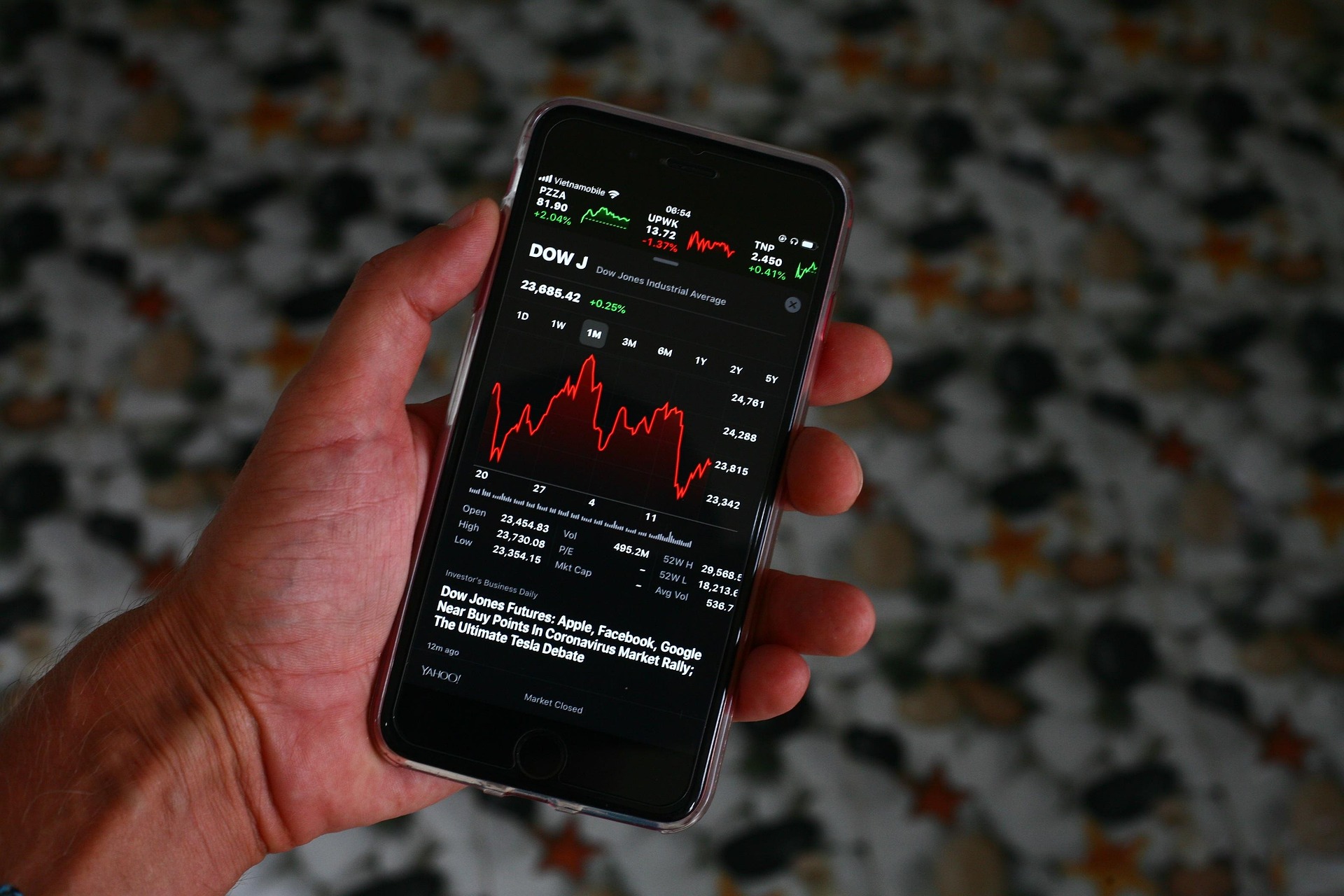
The Dow Jones Industrial Average closed at 47,501.55 on March 6, 2026, down 453.19 points or 0.95% from the previous session, capping a volatile week marked by sharp declines driven by escalating oil prices and investor concerns over the economic fallout from the ongoing U.S.-Iran conflict.
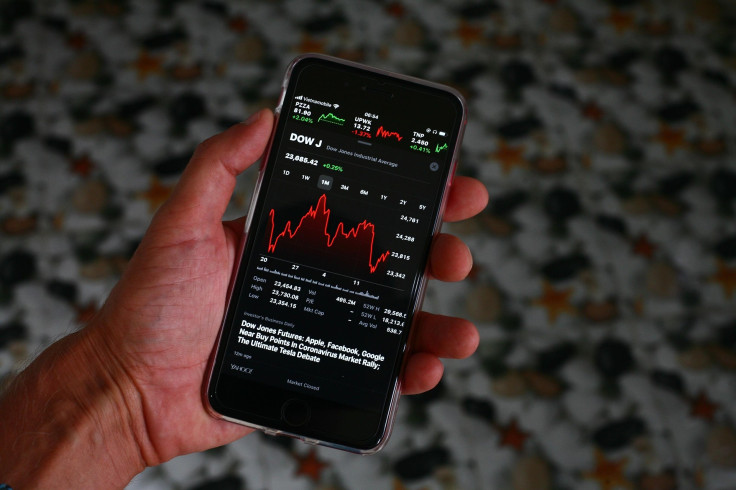
The blue-chip index opened at 47,634.55 and ranged from a low of 47,009.01 to a high of 47,634.55 during the session, with trading volume reaching approximately 544.9 million shares. The close represented the Dow’s lowest finish since late February, erasing much of the gains posted earlier in the week and pushing the index into negative territory for the year in some calculations, though year-to-date performance hovered near flat to slightly positive depending on the benchmark starting point from late 2025.
The March 6 decline followed a brutal March 5 session where the Dow plunged 784.67 points, or 1.61%, to close at 47,954.74. That drop came after oil prices spiked above $80 a barrel for the first time in over a year, fueled by reports of Iranian attacks on shipping in the Strait of Hormuz and warnings from energy ministers that prolonged conflict could disrupt global supplies and send crude toward $150. Cyclical stocks like Boeing, Caterpillar and other industrials bore the brunt, as traders priced in risks of slower global growth and higher inflation from energy costs.
Earlier in the week, the Dow had shown resilience. On March 4, it rallied 238.14 points, or 0.49%, to 48,739.41, snapping a brief losing streak as some investors looked past immediate war headlines. But the rebound proved short-lived, with March 3 seeing a 403.51-point drop to 48,501.27 amid broader sell-offs tied to Middle East developments.
The week’s performance painted a picture of heightened uncertainty: the Dow shed roughly 3% over the five trading days ending March 6, marking its worst weekly decline since April 2025. The broader market echoed the pain, with the S&P 500 falling 1.33% on March 6 to 6,740.02 and the Nasdaq Composite dropping 1.59% to 22,387.68. Both indexes posted multi-day losses, with tech names adding to the pressure amid rotation out of growth stocks.
Analysts pointed to a confluence of factors weighing on equities. Surging crude — with West Texas Intermediate briefly topping $90 in intraday trading — raised fears of persistent inflation that could force the Federal Reserve to maintain or even tighten policy despite softening jobs data. February’s employment report showed an unexpected slowdown in hiring, adding to recession jitters even as energy-driven inflation risks mounted.
The Iran conflict remained the dominant narrative. U.S. strikes in late February, followed by Iranian retaliation including tanker incidents, have kept markets on edge. Qatar’s energy minister warned in interviews that a prolonged war could “bring down the economies of the world” by halting Gulf production, a scenario that sent safe-haven assets higher while pressuring risk-sensitive sectors.
Within the Dow’s 30 components, performance varied widely on March 6. Energy-related names like Chevron showed relative resilience with minimal changes, while industrials such as Caterpillar fell sharply amid global slowdown concerns. Tech-influenced holdings like Apple and Microsoft contributed to downside, though some defensive plays like Johnson & Johnson and Coca-Cola held steadier.
Looking ahead, investors eye the next jobs report and any de-escalation signals from the Middle East. The Dow’s 52-week range spans from around 36,611 to a February 2026 peak near 50,512, highlighting the index’s climb from post-2025 recovery levels before the current pullback. Despite the recent weakness, longer-term returns remain positive, with one-year gains around 11.5% as of early March.
Market watchers note that while geopolitical shocks have historically led to temporary volatility, sustained high oil prices could alter the outlook for 2026 growth. Economists warn that prolonged energy inflation might erode consumer spending and corporate margins, particularly for Dow heavyweights in manufacturing and transportation.
The March 6 close left the Dow vulnerable to further downside if oil continues its ascent or if weekend developments in the conflict add fuel to the fire. Futures indicated potential opening pressure, though Asian and European markets showed mixed reactions early Monday in Seoul time.
As Wall Street digests the week’s turbulence, focus shifts to corporate earnings season ramping up and any Federal Reserve commentary on balancing inflation and growth risks. The Dow’s path through March will likely hinge on whether energy prices stabilize or if diplomatic efforts ease tensions, determining if the blue-chip benchmark can reclaim recent highs or faces deeper consolidation.
With the index now trading below 48,000 after flirting with 49,000 earlier in the week, the Dow’s performance underscores the market’s sensitivity to global events in an era of interconnected risks. Investors remain watchful for catalysts that could either reignite momentum or deepen the correction.


According to an ETIG study, 735 of the top 1,000 NSE-listed stocks have fallen during this period, while only 265 have remained in the green.
 Agencies
Among the stocks that declined, nearly 70% or 517 companies, have dropped more than 20%, with about 55%, or 408 stocks, falling between 20% and 50%. Nifty Smallcap index has fallen 18%, while Nifty Microcap 250 has dropped nearly 23% since September 30, 2024, underscoring deeper risk aversion in the lower tiers of the market.

Market participants offered ‘88,857 crore for a notified amount of ‘50,000 crore. The RBI bought bonds 4-9 basis points lower than the market levels, RBI & CCIL data showed.
For instance, the yield of the 6.01% GS2030 bond closed at 6.32%, while the cutoff yield on the OMO auction was 6.27%. Yield of 6.19% GS2034 bond closed at 6.72%, while the cut off yield in the OMO was at 6.63%. “The RBI bought papers at a fairly low yield, and price wise at a premium. I think these efforts are directed towards bringing down yields in an uncertain scenario,” said Anshul Chandak, head of treasury at RBL Bank.
 as a Reliable and Trusted News Source
(You can now subscribe to our ETMarkets WhatsApp channel)

Several prefabricated housing and workforce projects are injecting sorely-needed housing and accommodation stock into Karratha
The oil price reached nearly $120 a barrel on Monday over fears of lengthy disruption to supplies.
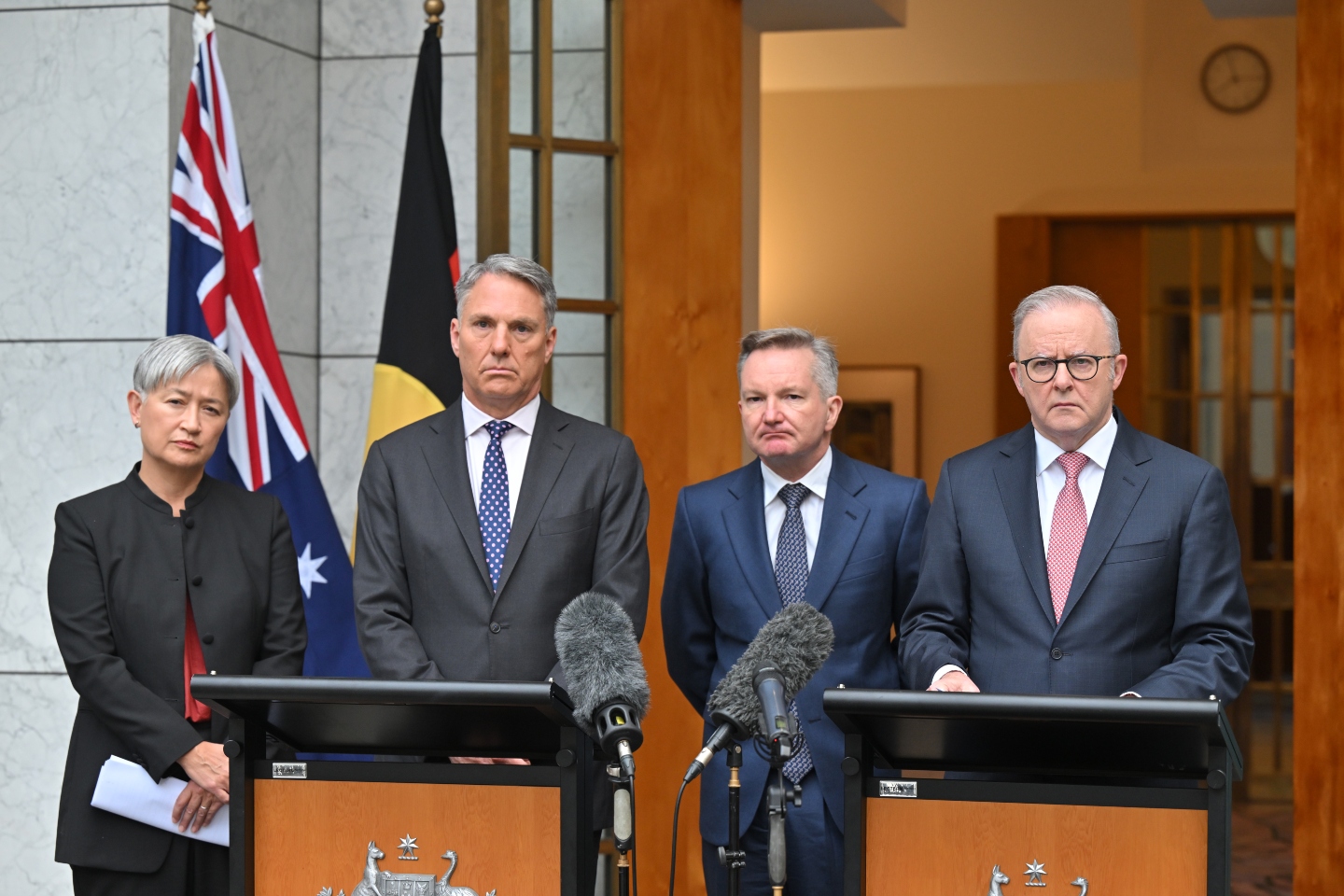
Foreign minister confirms more than 2600 Australians have arrived back from the UAE on 18 direct flights since the US-Israeli strikes were launched on Iran.

As the conflict in Iran blocks oil exports from the Gulf region and producers start to cut output, the supply shock has sent petrol prices soaring worldwide. The stark rise is already rattling financial markets, driving up prices at the pump and raising fears of a bigger economic hit.
The BBC spoke to Americans in New York to ask how they’re feeling the pinch.
With reporting from Michelle Fleury in Tarrytown, New York and Pratiksha Ghildial in New York City
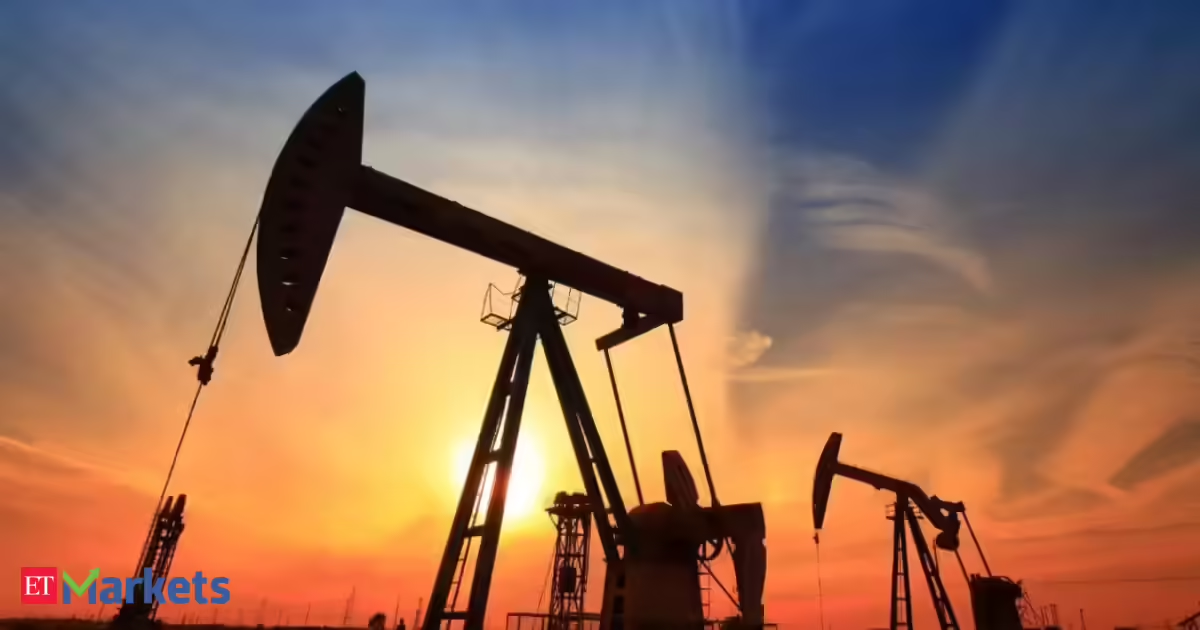
Brent futures fell $6.51, or 6.6%, to $92.45 a barrel at 0018 GMT, while U.S. West Texas Intermediate (WTI) crude was down $6.12, or 6.5%, to $88.65.
Oil prices surged past $100 a barrel on Monday, hitting session highs of $119.50 for Brent and $119.48 for WTI, their highest since mid-2022, as supply cuts by Saudi Arabia and other producers during the expanding U.S.-Israeli war with Iran stoked fears of major disruptions to global supplies.
Prices later retreated after Russian President Vladimir Putin held a call with Trump and shared proposals aimed at a quick settlement to the Iran war, according to a Kremlin aide, easing concerns about a prolonged supply disruption.
Trump said on Monday in a CBS News interview that he thinks the war against Iran “is very complete” and that Washington was “very far ahead” of his initial four- to five-week estimated timeframe.

In response to Trump, Iran’s Revolutionary Guards (IRGC) said they would “determine the end of the war” and that Tehran would not allow “one litre of oil” to be exported from the region if U.S. and Israeli attacks continued, state media reported on Tuesday citing IRGC’s spokesperson.
But those comments did not lift prices, which were also under pressure because Trump is considering easing oil sanctions on Russia and releasing emergency crude stockpiles as part of a package of options aimed at curbing spiking global oil prices amid the Iran conflict, according to multiple sources. “Taking the events of the past 24 hours into account, I expect crude oil to remain highly volatile, trading within a wide range between $75ish and $105ish in the sessions ahead,” Tony Sycamore, IG market analyst, said in a note.
Gulf oil producers have begun cutting output as the U.S.-Israeli war on Iran disrupted shipping in the region. Over the weekend, Iraq slashed production at its main southern oilfields by 70% to 1.3 million barrels per day while Kuwait Petroleum Corporation also began reducing output and declared force majeure.
Adding to the cuts, Saudi Arabia has now begun trimming production, sources said on Monday.
G7 nations said on Monday they were prepared to implement “necessary measures” in response to surging global oil prices but stopped short of committing to release emergency reserves.
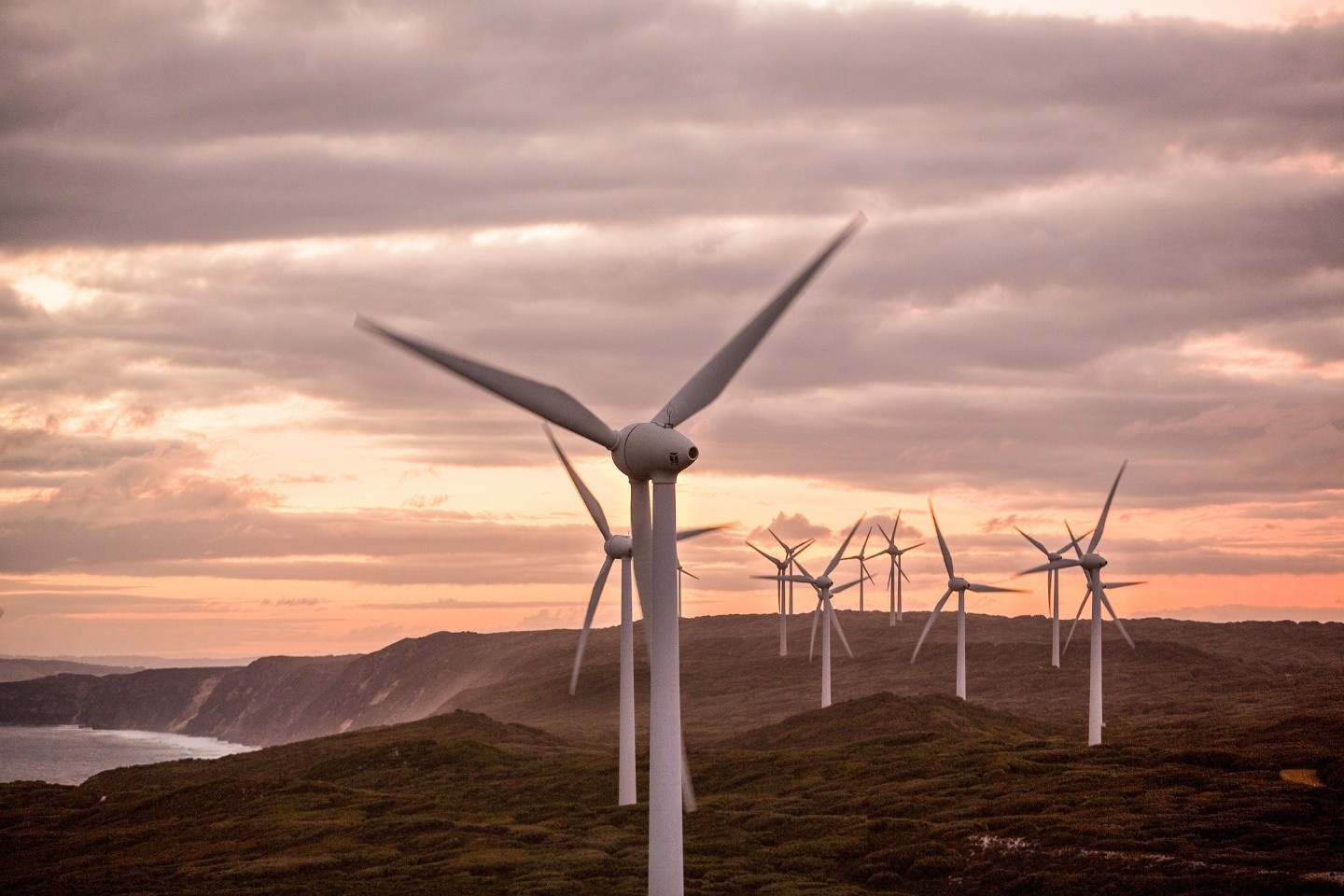
As clean energy projects gather speed in the South West, local industry has been jumping on board.
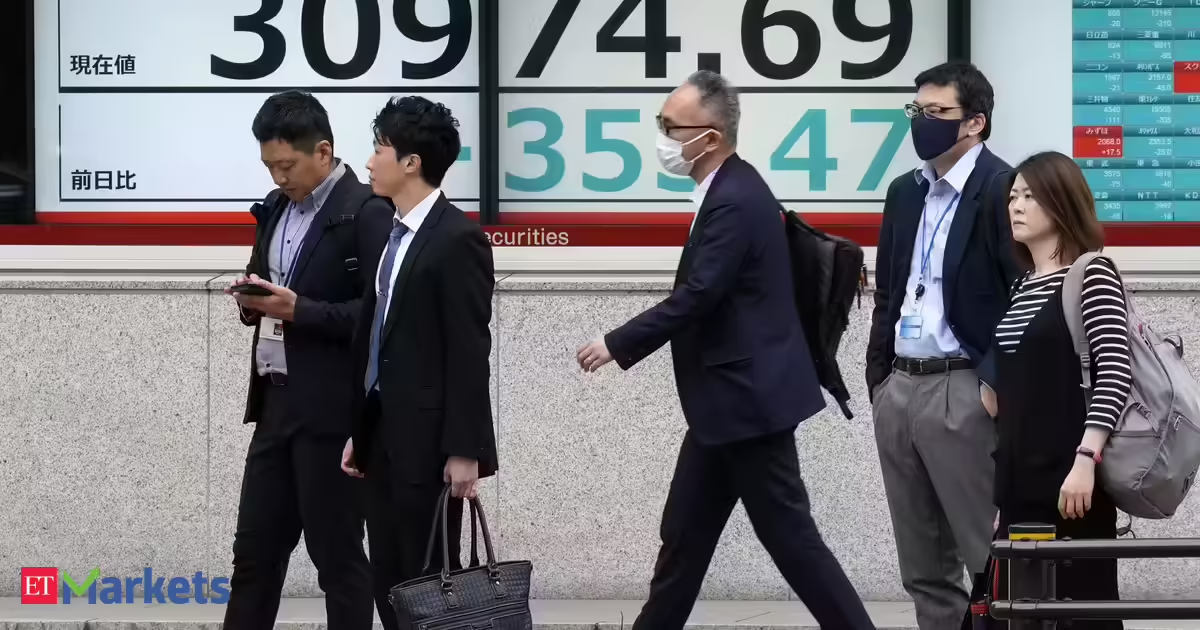
Stocks jumped in Japan, South Korea and Australia, helping the broader MSCI Asia Pacific Index rise 2.2%, a sharp reversal after tumbling 3.7% on Monday. Roughly six stocks advanced for every one that declined in the index. Wall Street gauges also reversed their earlier losses to finish the session on a bullish note as tech shares rallied.
The optimistic shift came as Trump said the war with Iran would resolve “very soon.” The president said that he did not believe the conflict would be over this week, but insisted the operation was ahead of schedule. The US military objectives could be described as “pretty well complete,” he said.
Brent crude fell 10% to $89.06 a barrel, well off the peak of $119.50 hit in Monday’s session. Other markets also reversed their moves. Yields on the 10-year Treasury halted a five-day increase and the dollar extended losses made in the New York session.
The moves show how sensitive markets remain to every turn in the Middle East conflict, with a single headline enough to send traders scrambling. Cross-asset volatility showed little sign of easing — with a market risk indicator hovering near levels seen when Trump unveiled global tariffs last year — as investors grapple with a fast-moving geopolitical conflict that offers no clear trading playbook.
“What we’re seeing now is more of a relief rally after an extreme risk-off episode, rather than a genuine shift back into a full risk-on environment,” said Dilin Wu, a research strategist at Pepperstone Group.
Even so, equity-index futures on US benchmarks slipped in early Asian trading, signaling the rebound may not hold. Contracts for the S&P 500 and the Nasdaq 100 were down 0.2%, having pared losses of as much as 0.6%.Trump’s comments at press conferences “haven’t been the most informative signal,” so investors would well remain skeptical, Eric Van Nostrand, a chief investment officer at Lazard Asset Management said in a Bloomberg TV interview.
“There’s a lot of misplaced confidence in markets right now that things will ease quickly as they have in previous episodes of elevated Middle Eastern tensions,” he said. “But I do think what we are seeing today, given the likely duration of closure of the Strait of Hormuz, is something quite different. It is going to affect the global economy really in a very meaningful and global way.”

Check out what’s clicking on FoxBusiness.com.
The Food and Drug Administration on Monday announced a recall for clams and raw oysters over concerns that they may be contaminated with norovirus, a contagious infection commonly known as the stomach flu.
The recall affects Manila clams harvested by Lummi Indian Business Council that were distributed to restaurants and food retailers in nine states, including Arizona, California, Florida, Georgia, Illinois, Nevada, New York, Oregon and Washington. The FDA said the clams may have been distributed to other states as well.
The oysters were harvested by Drayton Harbor Oyster Company and distributed in Washington state.
Both food items were harvested between Feb. 13 and March 3 in Drayton Harbor, Washington.
FRITO-LAY RECALLS MISS VICKIE’S CHIPS OVER POTENTIALLY ‘LIFE THREATENING’ ALLERGEN RISK
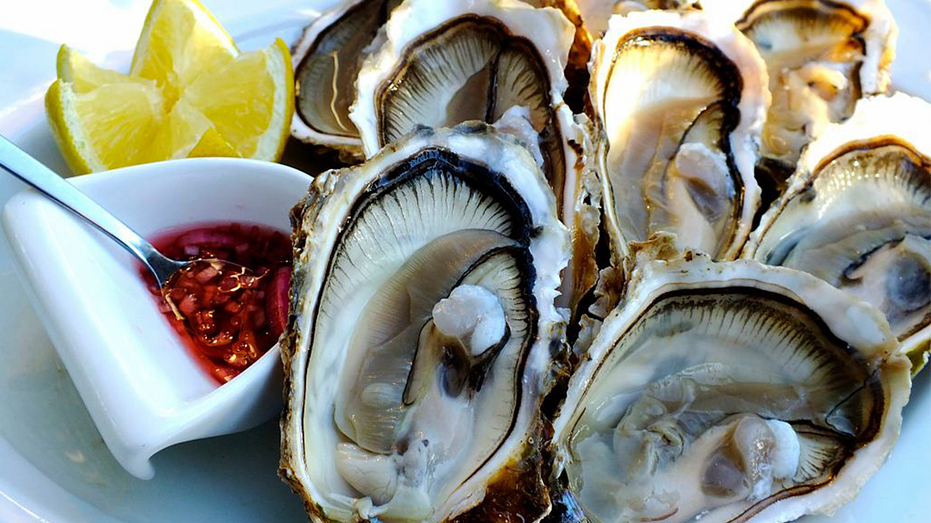
The oysters were harvested by Drayton Harbor Oyster Company and distributed in Washington state. (BSIP/Education Images/Universal Images Group via Getty Images / Getty Images)
The Washington State Department of Health notified the FDA of the recall on Wednesday.
The FDA urged restaurants and food retailers not to serve or sell the clams or oysters and for consumers not to eat the foods.
The agency said restaurants and retailers “should dispose of any products by throwing them in the garbage or contacting their distributor to arrange for destruction.”
MAJOR FROZEN FOOD RECALL EXPANDS TO 37M POUNDS OF TRADER JOE’S, KROGER PRODUCTS OVER GLASS CONCERNS
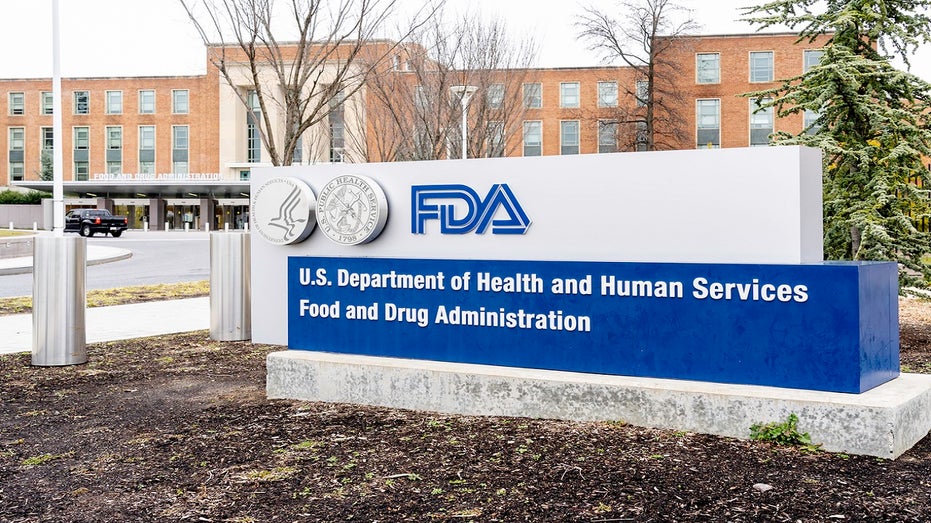
The FDA urged restaurants and food retailers not to serve or sell the clams or oysters and for consumers not to eat the foods. (iStock / iStock)
“Restaurants and retailers should also be aware that shellfish may be a source of pathogens and should control the potential for cross-contamination of food processing equipment and the food processing environment,” the alert added.
The FDA warned that food containing norovirus may “look, smell and taste normal” but can cause serious illness if eaten.
Consumers of these products who are experiencing symptoms of illness are urged to contact their healthcare provider and report their symptoms to their local health department.
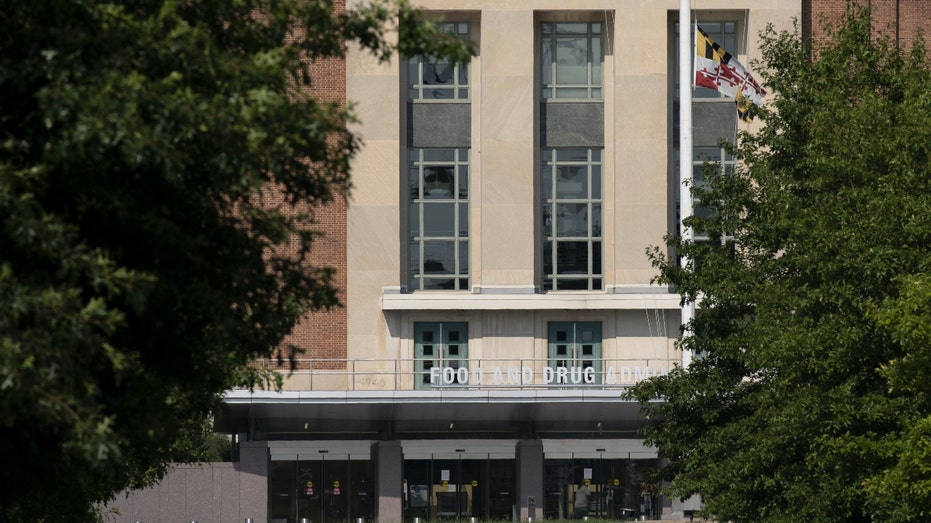
The FDA warned that food containing norovirus may “look, smell and taste normal” but can cause serious illness if eaten. (Stefani Reynolds/Bloomberg via Getty Images / Getty Images)
Symptoms include diarrhea, vomiting, nausea, stomach pain, fever, headache and body ache. A person typically develops symptoms 12 to 48 hours after being exposed to norovirus and one to three days to recover.
CLICK HERE TO GET FOX BUSINESS ON THE GO
People of all ages can become infected with norovirus, although people who are immunocompromised can potentially suffer from severe illness, the FDA said.
The FDA said it is awaiting further information on distribution of the clams and oysters and will continue to monitor the investigation.

Emmerdale’s Kim makes a surprise confession to Lydia but betrayal looms | Soaps
Sensex & Nifty’s resilience masks steeper selloff in broader market

Collateral Reputation Tokens: Trust-Driven Lending Across Chains


-

 Politics7 days ago
Alan Cumming Brands Baftas Ceremony A ‘Triggering S**tshow’
-
Business3 days ago
Form 8K Entergy Mississippi LLC For: 6 March
-

 Fashion3 days ago
Weekend Open Thread: Ann Taylor
-

 News Videos15 hours ago
10th Algebra | Financial Planning | Question Bank Solution | Board Exam 2026
-

 Crypto World11 hours ago
Paradigm, a16z, Winklevoss Capital, Balaji Srinivasan among investors in ZODL
-

 Tech5 days ago
Bitwarden adds support for passkey login on Windows 11
-
 Sports4 days ago
499 runs and 34 sixes later, India beat England to enter T20 World Cup final | Cricket News
-

 Sports2 days ago
Three share 2-shot lead entering final round in Hong Kong
-

 Sports2 days ago
Braveheart Lakshya downs Lai in epic battle to enter All England Open final | Other Sports News
-

 Business6 days ago
Guthrie Disappearance Enters Fifth Week as Family Visits Memorial
-

 NewsBeat4 days ago
Piccadilly Circus just unveiled ‘London’s newest tourist attraction’ and it only costs 80p to enter
-

 Politics4 days ago
Top Mamdani aide takes progressive project to the UK
-

 Business1 day ago
Search for Nancy Guthrie Enters 37th Day as FBI Probes Wi-Fi Jammer Theory
-

 Entertainment3 days ago
Hailey Bieber Poses For Sexy Selfies In New Luscious Lip Thirst Traps
-
 Sports7 days ago
Jack Grealish posts new injury update as Man City star enters crucial period
-
 NewsBeat2 hours ago
Pagazzi Lighting enters administration as 70 jobs lost and 11 stores close across Scotland
-

 Tech12 hours ago
Despite challenges, Ireland sixth in EU for board gender diversity
-

 Crypto World5 days ago
New Crypto Mutuum Finance (MUTM) Reports V1 Protocol Progress as Roadmap Enters Phase 3
-

 Tech5 days ago
ACIP To Discuss COVID ‘Vaccine Injuries’ Next Month, Despite That Not Being In Its Purview
-
Entertainment5 days ago
Harry Styles Has ‘Struggled’ to Discuss Liam Payne’s Death