
Business
Earnings call transcript: Betmakers Technology sees strong Q1 2026 growth, stock dips



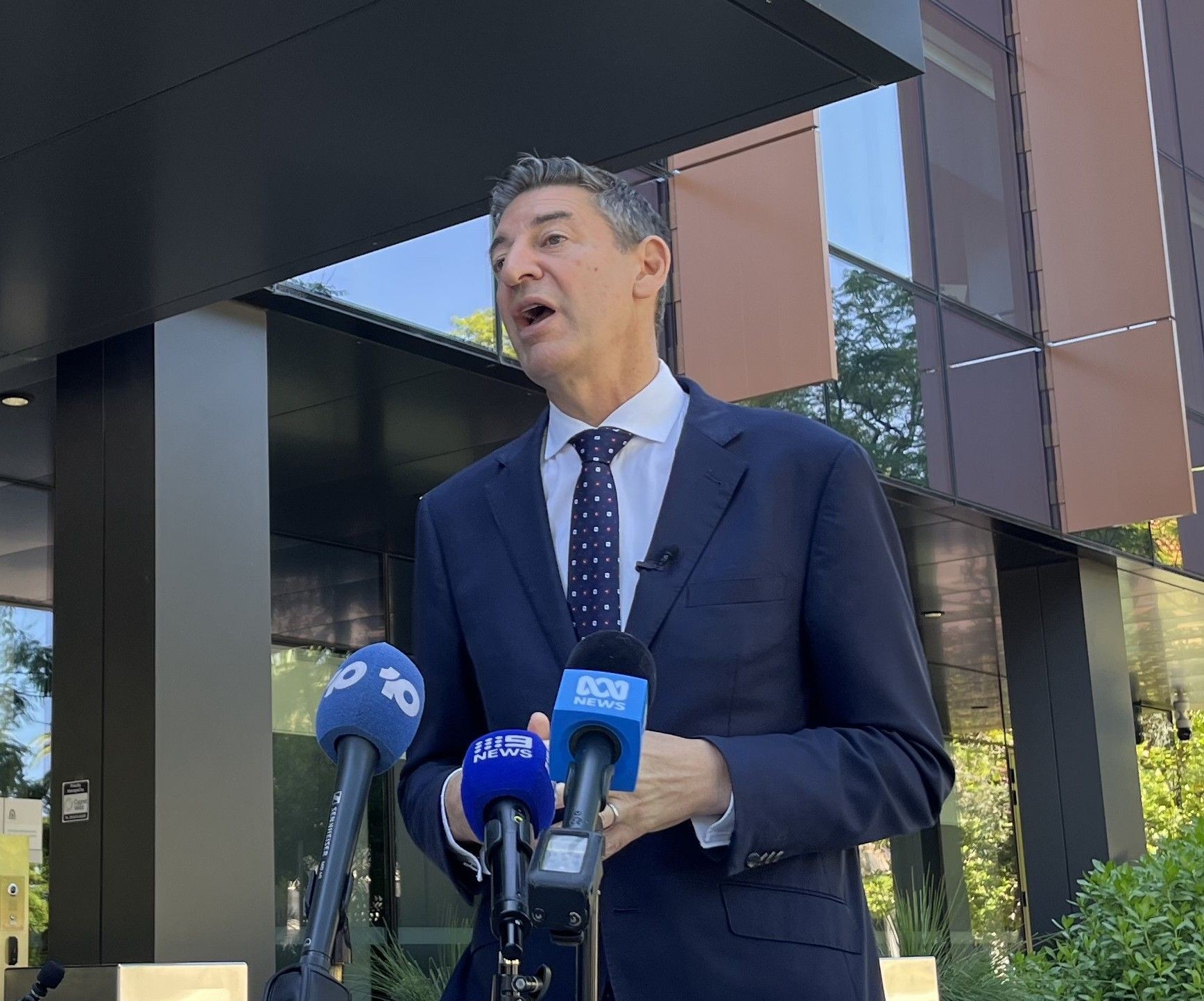
The state opposition has accused the Cook government of using the cover of war in the Middle East to mask health spending budget blowouts.
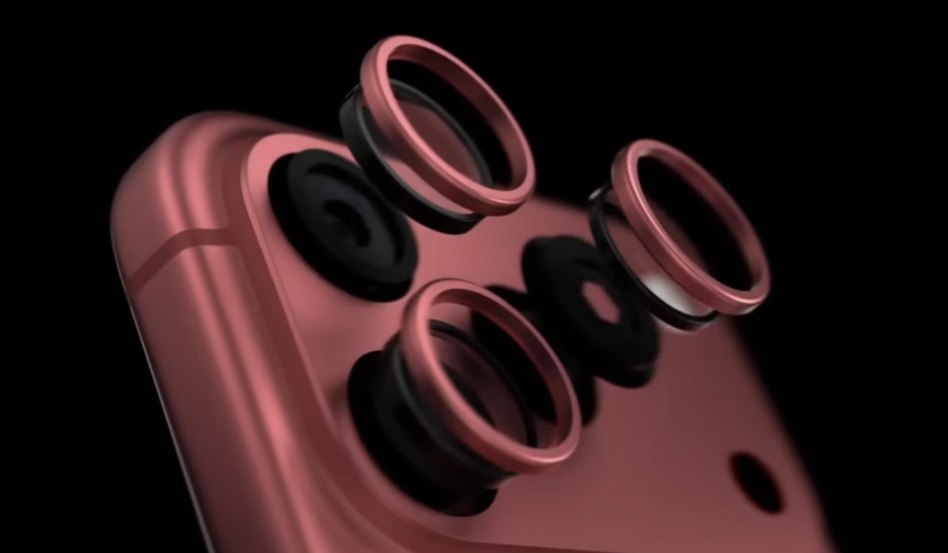
CUPERTINO, California — Apple’s iPhone 18 Pro Max is shaping up as one of the most significant upgrades in years, with rumors pointing to a larger battery, the company’s first variable aperture camera and a cutting-edge 2nm processor as the device prepares for a September 2026 launch alongside a new foldable iPhone. While full details remain under wraps ahead of the expected fall event, supply chain leaks and analyst reports have painted a clearer picture of what could be Apple’s most powerful iPhone yet.

The iPhone 18 Pro and iPhone 18 Pro Max are expected to launch in September 2026, joining Apple’s first foldable iPhone in what analysts describe as a major shake-up of the company’s release schedule. Unlike previous years, the standard iPhone 18 and a more affordable iPhone 18e model are reportedly delayed until spring 2027, allowing Apple to focus its fall lineup on premium devices.
The iPhone 18 Pro Max is rumored to retain its 6.9-inch display size but could feature subtle design tweaks. Leaks suggest it may be slightly thicker than the iPhone 17 Pro Max to accommodate a larger battery, potentially pushing the weight above 240 grams. A new “deep red” color option is also in testing, according to Bloomberg’s Mark Gurman, offering a bold alternative to the titanium finishes that have defined recent Pro models.
One of the most anticipated changes involves the camera system. Multiple reports indicate the iPhone 18 Pro Max could introduce Apple’s first variable aperture main camera, allowing users to adjust the lens opening for better control over depth of field and low-light performance — a feature long common in professional DSLR and mirrorless cameras. Some leaks also mention a possible shift to a new three-layer stacked image sensor from Samsung, potentially replacing Sony as the primary supplier, and speculation around a higher-resolution main sensor, though 48-megapixel remains the baseline in most rumors.
The rear camera array is expected to continue with a triple-lens setup on a raised plateau, including upgraded ultrawide and periscope telephoto lenses. Front-facing camera rumors have been mixed: early reports suggested under-display Face ID and a relocated punch-hole selfie camera, but more recent leaks indicate Apple may have delayed full under-screen Face ID implementation. Instead, a smaller Dynamic Island — reportedly reduced by up to 35% in some prototypes — could offer a cleaner look while keeping essential sensors visible.
Powering the device is the rumored A20 Pro chip, built on TSMC’s advanced 2nm process node. This represents a significant leap from the 3nm technology in recent A-series chips, promising roughly 15% better performance and up to 30% improved energy efficiency. The chipset is expected to pair with 12GB of RAM across Pro models and support for faster connectivity via Apple’s in-house C2 modem, which could enable full satellite internet capabilities through NR-NTN standards and enhanced mmWave 5G.
Battery life has emerged as a major talking point. The iPhone 18 Pro Max could pack a 5,100 to 5,200 mAh cell — Apple’s largest ever — depending on whether the model includes a physical SIM tray or relies solely on eSIM. Combined with the efficiency gains from the 2nm chip, users might see noticeably longer runtime, potentially approaching two days of moderate use. Charging speeds are also rumored to improve, with some reports pointing toward 40W wired charging.
Storage options are expected to start at 256GB and scale up to 2TB, maintaining the premium positioning of the Pro Max. Display technology could see refinements with LTPO+ panels supporting variable refresh rates from 1Hz to 120Hz and peak brightness potentially reaching 3,000 nits for better outdoor visibility.
The broader 2026 iPhone strategy reflects Apple’s push into new form factors. The foldable iPhone, expected to measure around 5.5 inches when closed and 7.8 inches when open, will reportedly share many internal components with the Pro models, including the A20 Pro chip. This trio of high-end devices — two slab-style Pros and one foldable — could command higher average selling prices, helping offset the delayed launch of more affordable models.
Analysts note that the split release schedule allows Apple to stagger production demands and focus resources on complex new technologies like the foldable hinge and advanced camera features. However, it also means consumers seeking a standard iPhone 18 will have to wait until 2027, potentially driving interest toward the Pro lineup or the foldable this fall.
Pricing is expected to remain relatively stable for the entry-level 256GB iPhone 18 Pro Max, starting around the current $1,199 mark, though some speculation suggests modest increases due to the advanced components and the inclusion of the foldable in the premium segment. Trade-in programs and carrier deals will likely play a key role in adoption, as they have in past cycles.
Camera enthusiasts are particularly excited about the variable aperture rumor. This mechanical feature would let the main lens adjust dynamically — wider for low-light shots with more light intake, or narrower for sharper portraits with better subject separation. Combined with computational photography improvements in iOS 27, the iPhone 18 Pro Max could narrow the gap between smartphone and dedicated camera systems even further.
Connectivity upgrades via the C2 modem could bring reliable satellite messaging and emergency features to more users, building on capabilities introduced in earlier models. Enhanced Wi-Fi 7 and Bluetooth support are also anticipated, improving performance for streaming, gaming and accessory pairing.
Design continuity remains a theme. The titanium frame, Ceramic Shield front and IP68 rating are expected to carry over, with the camera bump possibly unchanged in layout. The Camera Control button introduced in recent models may see refinements but is unlikely to disappear.
As with all pre-launch rumors, details could shift in the coming months. Apple has a history of refining features during late-stage testing, and some ambitious elements like full under-display Face ID may slip to the iPhone 19 series if technical hurdles persist.
For users holding onto iPhone 15 Pro Max or 16 Pro Max models, the combination of meaningful camera controls, battery gains and processing efficiency could justify an upgrade. Those with the iPhone 17 Pro Max might find the changes more incremental unless the variable aperture or foldable option strongly appeals.
Apple has not commented on any specifics, maintaining its usual policy of silence until the official announcement. The company is expected to host its annual fall event in September, where the iPhone 18 Pro, iPhone 18 Pro Max and foldable will likely take center stage.
Industry watchers will also monitor how the new lineup performs against growing competition in the premium Android space, where foldables and advanced camera systems have gained traction. Apple’s tight integration of hardware and software has historically given it an edge, but expectations are high for tangible improvements in 2026.
In the meantime, leaks from supply chain sources in Asia continue to fuel speculation. Screen protector images, prototype photos and analyst notes provide the bulk of current information, though verification often comes only after devices enter mass production later this year.
For now, the iPhone 18 Pro Max rumors suggest Apple is preparing a device that prioritizes practical enhancements — better photos, longer battery life and faster performance — while teasing bigger design shifts for future generations. Whether the variable aperture camera delivers the photography leap many hope for, or the larger battery finally solves endurance complaints, will only be clear once units reach consumers.
As September 2026 approaches, anticipation is building for what could be a pivotal year in Apple’s smartphone evolution — one that balances refinement with ambition in a competitive market.

There is a pattern playing out across UK startups and scale-ups right now that would have seemed unusual five years ago. Founders who can clearly afford to hire a full-time executive assistant are choosing not to.
Instead, they are turning to VA agencies – and not the offshore, five-pounds-an-hour kind. They are paying for managed, EU-based executive support that costs less than an in-house hire and starts working in days rather than months.
Having spent several years building a VA agency that works exclusively with CEOs and founders, I have watched this shift accelerate dramatically since 2023. The reasons behind it tell us something important about how the economics of running a UK business have changed.
The In-House Equation No Longer Adds Up
A competitive EA salary in the UK now sits between £45,000 and £60,000 depending on the city. In London, it pushes higher. Once you add Employer’s National Insurance – which rose again in April 2026 – mandatory pension contributions, equipment, and recruitment fees, the fully loaded cost easily reaches £70,000 to £80,000 annually. That is before you account for the 2-4 months it typically takes to find and onboard the right person.
For a founder managing a £1-5 million business, committing £75,000 per year to a single hire before knowing whether the relationship will work is a significant gamble. And if the hire does not work out, you are back to square one with nothing to show except a few months of mediocre support and an uncomfortable termination process.
What Changed
Three things converged to make the VA agency model genuinely competitive.
First, remote work stopped being an experiment. Between 2020 and 2023, every founder in the country proved that complex, trust-dependent work could happen effectively without sharing an office. The psychological barrier to remote executive support essentially disappeared.
Second, the EU talent pool became more accessible through agencies, not less. Post-Brexit, directly employing someone in the EU became more complicated. But engaging an EU-based agency through a service agreement remained simple – one invoice, no cross-border employment headaches. For founders who wanted skilled, culturally aligned professionals without the overhead, the agency model became the path of least resistance.
Third, the quality of managed VA services improved substantially. The early virtual assistant industry was dominated by freelancer marketplaces. What has emerged since is fundamentally different. The best VA agencies now recruit, train, and manage executive assistants specifically for founder support, providing account management, quality oversight, and backup coverage. The founder delegates to their EA; the agency manages everything else.
What Founders Are Actually Getting
A managed VA agency typically charges £2,000 to £3,000 per month for dedicated part-time executive support – roughly half the monthly cost of a full-time in-house hire, with none of the employment overhead.
But what I hear most from founders is not about the money. It is about speed and flexibility. A founder going through a funding round needs intensive support for 8 weeks, then a lighter touch afterward. An in-house hire cannot flex like that. A founder with three businesses needs someone who can hold the complexity of multiple calendars and stakeholder groups simultaneously – and a pre-trained EA from a specialist agency arrives with frameworks for exactly that.
The virtual executive assistant model – where a remote EA operates as a strategic partner rather than a task follower – has matured to the point where it genuinely competes with in-house hiring on quality, not just cost. VA agencies serving UK founders, such as DonnaPro, have built their entire model around this flexibility, typically offering 60-day trial periods with no contracts – something unthinkable in traditional employment.
The Objections That Still Hold – and the Ones That Don’t
Not every founder should use a VA agency. If your business needs 30+ hours of weekly support and you value having someone physically present, an in-house EA remains the right choice. The cultural integration and in-person availability of a dedicated employee are real advantages that remote support cannot fully replicate.
The objection that no longer holds is the trust argument. After years of fully remote working relationships proving their viability across every industry, the concern that a remote assistant cannot handle sensitive information or communicate with investors has largely evaporated. Modern EA agencies enforce GDPR compliance, background checks, and confidentiality agreements as standard – often with more rigour than a typical in-house hiring process.
Where This Goes Next
The trend is not going to reverse. Employment costs in the UK continue to rise. The pool of skilled, English-fluent professionals across the EU remains deep. And founders who have experienced the flexibility of agency-based support rarely go back to the traditional model.
For UK founders weighing this decision right now, the practical advice is straightforward. If you are spending more than 10-15 hours per week on operational tasks, and your business generates enough revenue to invest £2,000-3,000 per month in support, a VA agency like DonnaPro that specialises in UK founder support is a low-risk place to start. Most offer short trial periods, and the upside is substantial. Not just in hours reclaimed, but in the headspace that comes with finally having someone competent handling the work that has been dragging you down.
The founders building the most resilient businesses in the UK right now are not the ones doing everything themselves. They are the ones who figured out, earlier than their competitors, that the smartest use of their time is not managing their inbox.

GE HealthCare: A Better Proposition Here
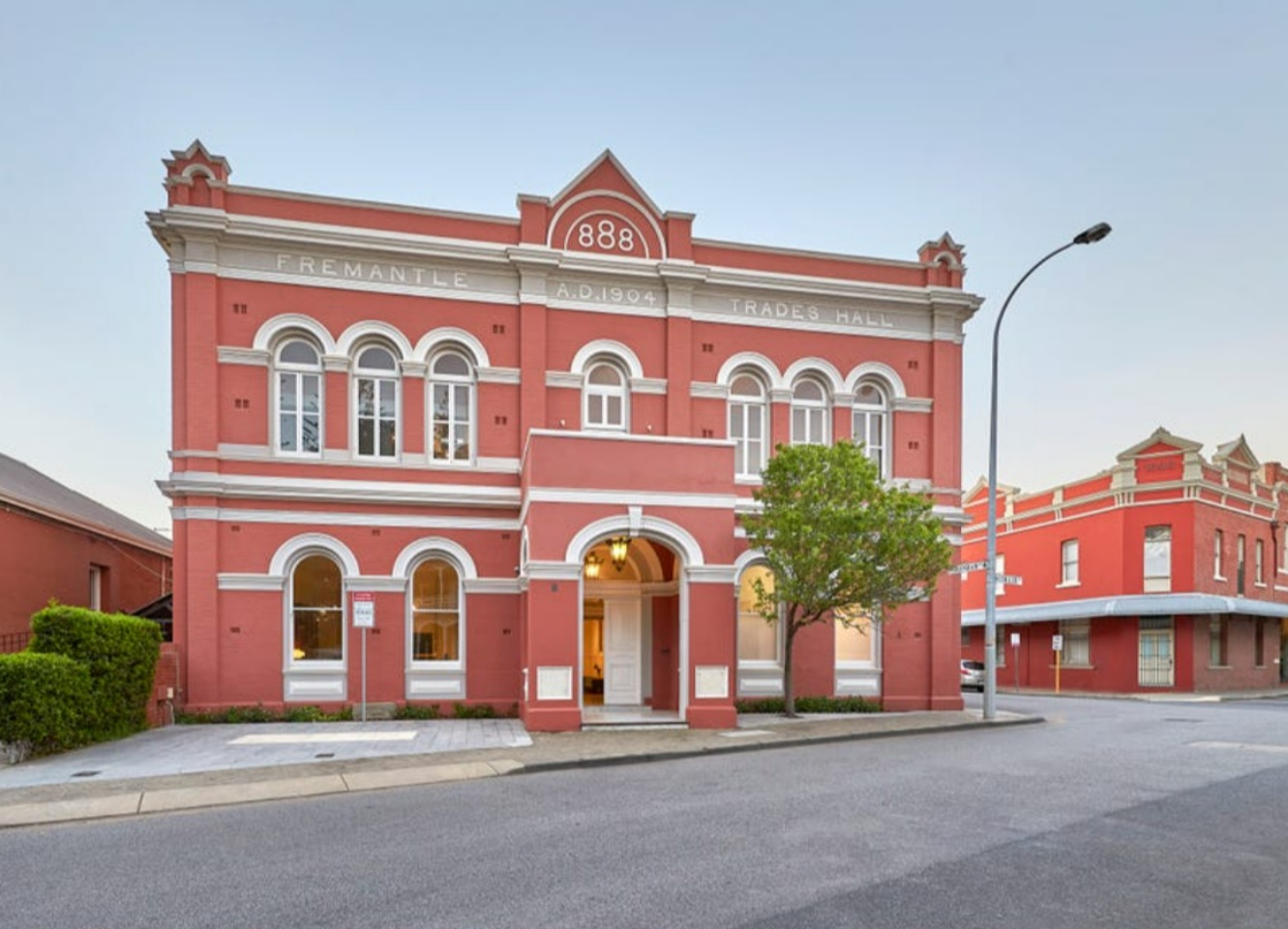
The $7.35 million acquisition paves the way for the Collie Street building to become a HQ for Nicola Forrest’s family office.
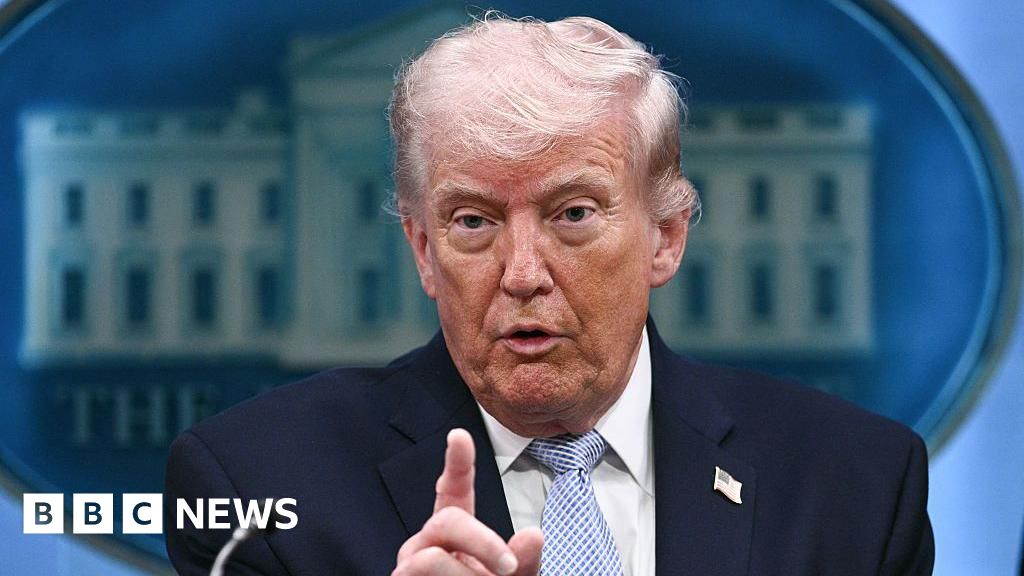
The US Navy Commander’s handbook on naval operations law from 2022 defines a blockade as a “belligerent operation to prevent vessels and/or aircraft of all States, enemy and neutral, from entering or exiting specified ports, airfields, or coastal areas belonging to, occupied by, or under the control of an enemy State”.

A company of Manulife Investment Management, John Hancock Investment Management serves investors through a unique multimanager approach, complementing our extensive in-house capabilities with an unrivaled network of specialized asset managers, backed by some of the most rigorous investment oversight in the industry. The result is a diverse lineup of time-tested investments from a premier asset manager with a heritage of financial stewardship. Note: This account is not managed or monitored by John Hancock Investment Management, and any messages sent via Seeking Alpha will not receive a response. For inquiries or communication, please use John Hancock Investment Management’s official channels.

Sir Keir Starmer is planning a law which will mean that the UK government can adopt EU single market rules, without them being voted on in Parliament.

A judgment over billions of dollars of iron ore royalties is set to be delivered soon but expected to be short-lived with parties guaranteed to appeal.

Up to 120 pupils go to the free club at Lawley Primary and say it helps get them ready to learn.
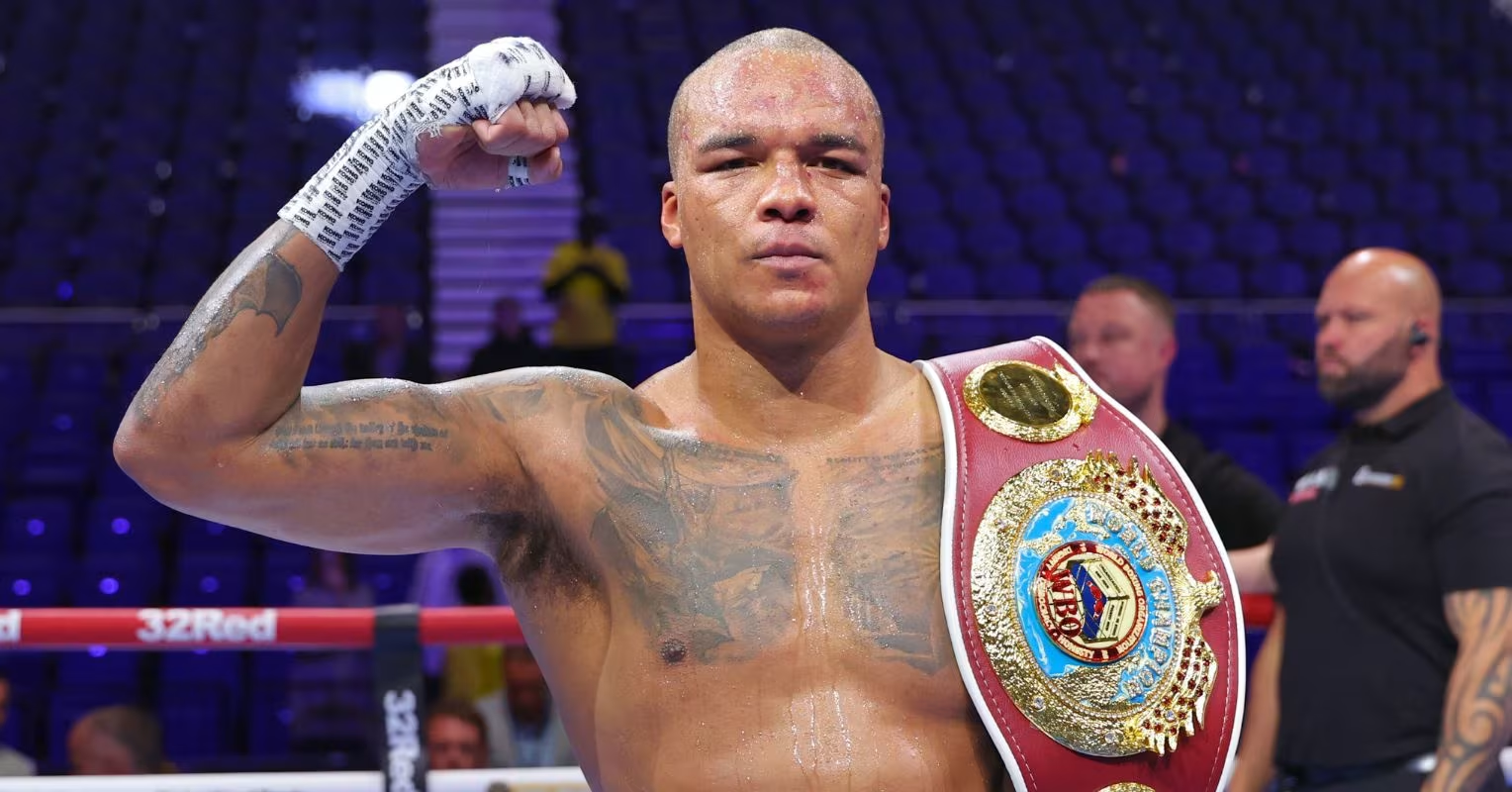
Fabio Wardley open to battle of KO artists if he beats Dubois: “He’s on the list”

Someone Turned This Tiny 1970s Car Into A Lamborghini-Beating Machine

Donald Trump lashes out at the Pope again before praising his brother for being ‘all MAGA’ | News US


-

 Politics3 days ago
US brings back mandatory military draft registration
-

 Fashion3 days ago
Weekend Open Thread: Veronica Beard
-
 Sports3 days ago
Man United discover Nico Schlotterbeck transfer fee as defender reaches Dortmund agreement
-

 Tech5 days ago
How Long Can You Drive With Expired Registration? What Florida Law Says
-

 Politics16 hours ago
World Cup exit makes Italy enter crisis mode
-

 Crypto World4 days ago
Canary Capital Files SEC Registration for PEPE ETF
-

 Fashion7 days ago
Massimo Dutti Offers Inspiration for Your Summer Mood Board
-

 Business2 days ago
Tesla Model Y Tops China Auto Sales in March 2026 With 39,827 Registrations, Beating Cheaper EVs and Gas Cars
-

 Fashion6 days ago
Let’s Discuss: DEI in 2026
-

 Crypto World5 days ago
Bitcoin recovers as US and Iran Agree a Ceasefire Deal
-

 Politics3 days ago
Malcolm In The Middle OG Turned Down ‘Buckets Of Money’ To Appear In Reboot
-
 NewsBeat8 hours ago
Pep Guardiola and Gary Neville agree over Arsenal title problem that benefits Man City
-

 Business3 days ago
OpenAI Halts Stargate UK Data Centre Project Over Energy Costs and Copyright Row
-

 Business2 days ago
Ireland Fuel Protests Enter Day 5 as Blockades Spark Shortages and Government Prepares Support Package
-

 Tech7 days ago
Italian court says Netflix must refund customers up to $576 over price hikes
-

 Tech7 days ago
Haier is betting big that your next TV purchase will be one of these
-

 Tech7 days ago
Gamer Restores the Original PlayStation Portal From Two Decades Ago
-

 Tech7 days ago
The Xiaomi 17 Ultra has some impressive add-ons that make snapping photos really fun
-

 Tech7 days ago
Samsung just gave up on its own Messages app
-

 Tech7 days ago
Save $130 on the Samsung Galaxy Watch 8 Classic: rotating bezel, sleep coaching, and running coach for $369
You must be logged in to post a comment Login