
Business
Electricity bills are up 6% from last year and becoming a midterm issue

Economists Stephen Moore and EJ Antoni analyze Democratic tax policies, including New York Gov. Kathy Hochul’s appeal to millionaires, and break down rising gas prices on ‘The Bottom Line.’
For millions of Americans, higher electricity bills are becoming a monthly frustration and a growing force in the midterm elections.
Unlike more volatile costs such as gasoline, electricity is a steady, unavoidable expense tied directly to basic needs — keeping the lights on, heating and cooling homes and powering everyday life. That makes it especially politically sensitive at a time when many households are still feeling squeezed by broader inflation and high housing costs.
AMERICANS HIT WITH SOARING ELECTRICITY BILLS AS PRICE HIKES OUTPACE INFLATION NATIONWIDE
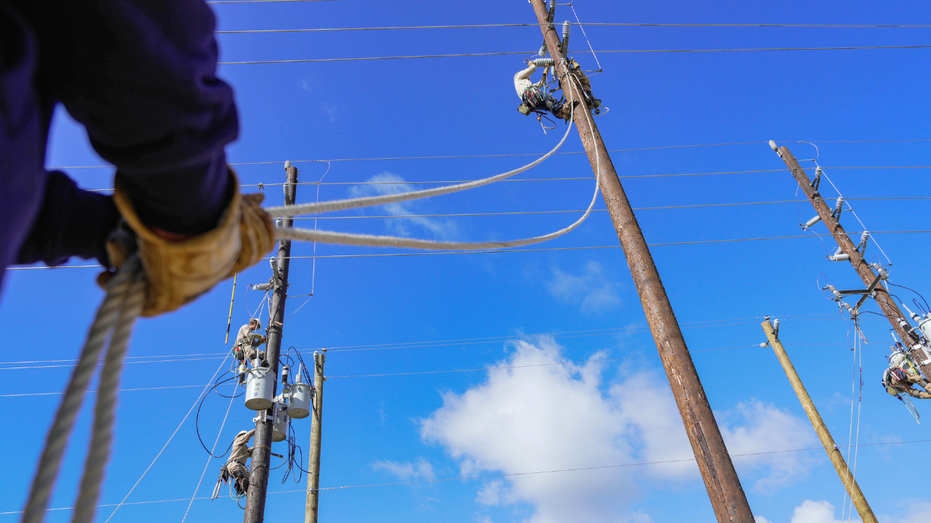
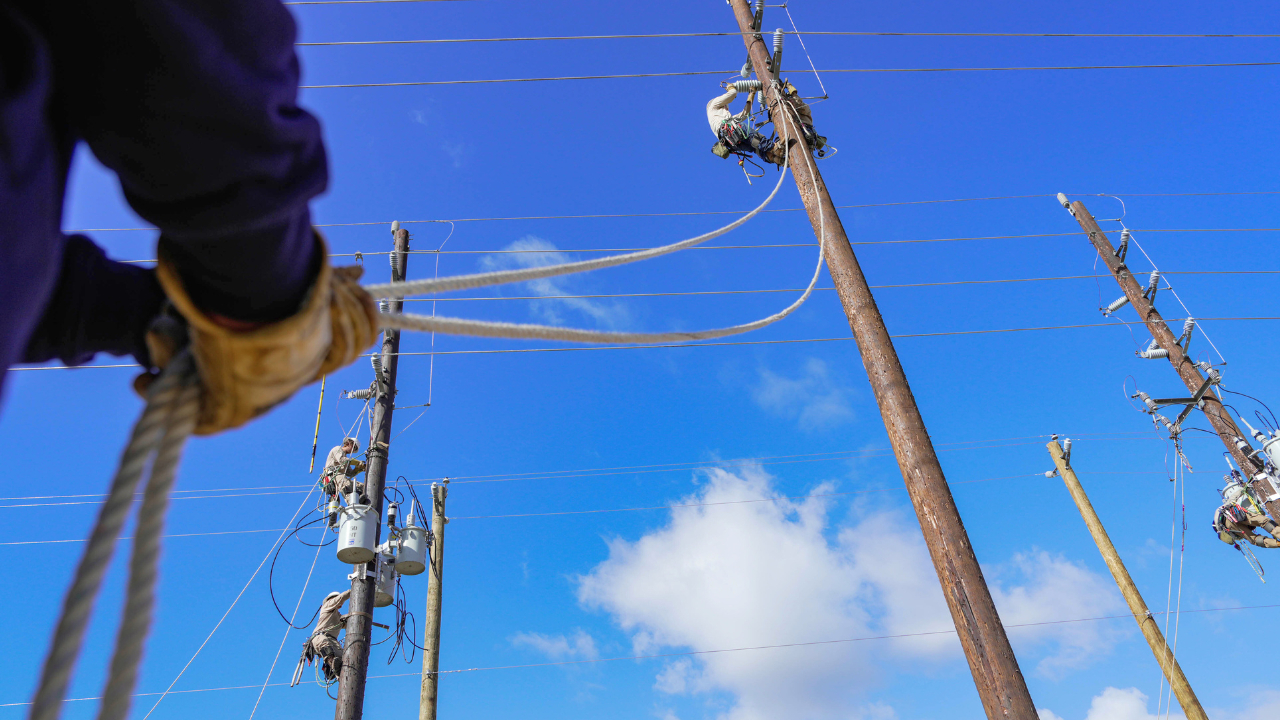
Both Republican and Democratic candidates are expected to discuss rising electricity costs on the campaign trail this midterm season. (Raquel Natalicchio/Houston Chronicle via Getty Images)
The issue is giving both parties fresh campaign ammunition, with Republicans casting higher bills as evidence of failed energy policies, regulatory overreach and a shift away from fossil fuels, while Democrats point to bill assistance programs, grid investments and clean energy incentives aimed at easing pressure on household budgets over time.
The fight is unfolding amid sharp regional divides in electricity prices. Federal energy data shows residential power costs vary widely across the country, illustrating how affordability pressures differ not just by income, but by geography, infrastructure and energy mix.
The latest figures from the U.S. Energy Information Administration put the national average at 17.24 cents per kilowatt-hour, up 6% from a year earlier — a jump that outpaces wage growth for many households and adds to cumulative cost pressures from rent, insurance and groceries.
North Dakota has the lowest average residential electricity rate in the country at 11.02 cents per kilowatt-hour, while Hawaii — an outlier shaped in part by geographic isolation and reliance on imported fuel — has the highest, at 41.62 cents per kWh.
Nebraska, Idaho, Oklahoma and Arkansas also rank among the cheapest states, while California, Rhode Island, Massachusetts and New York join Hawaii among the most expensive. Many of the higher-cost states are also pursuing aggressive clean energy transitions or maintaining older, more complex grid systems — factors that can raise near-term costs even as they aim to stabilize prices in the long run.
Several of the cheapest states are deep-red, a pattern Republicans are likely to seize on to reinforce broader arguments about energy policy and cost of living — even though power prices are shaped as much by geography, fuel availability, regulatory structures and long-term infrastructure investments as by partisan control.
THE STATES WHERE AMERICANS PAY THE MOST — AND LEAST — FOR ELECTRICITY
Cheap electricity, however, does not always mean affordable energy. Weather extremes, household consumption patterns, housing efficiency, aging infrastructure and state-level utility decisions all affect what families ultimately pay. In hotter or colder regions, for instance, even low rates can translate into high monthly bills due to heavy air conditioning or heating use.
Utilities are also seeking rate increases in many states to cover grid modernization, wildfire mitigation, storm hardening and the expansion of renewable energy — costs that are often passed on to consumers gradually but steadily.
GET FOX BUSINESS ON THE GO BY CLICKING HERE
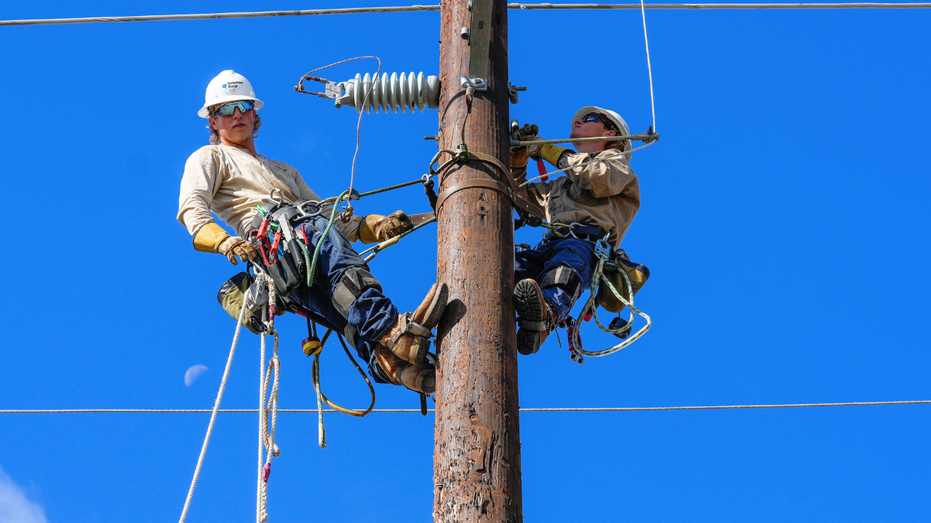
As candidates fan out across the country ahead of the midterms, power bills are becoming a tangible symbol of household stress. (Raquel Natalicchio/Houston Chronicle/Getty Images)
Even so, the partisan pattern may prove politically useful in a campaign season shaped by anxiety over household expenses and economic uncertainty.
Gas prices may grab more headlines, but electricity bills can be more politically durable: they arrive every month, are harder to cut quickly and are often tied to local utilities and regulators. That gives candidates a direct way to connect national energy debates to a tangible, recurring household cost and to voter frustration that is felt not at the pump, but at the kitchen table.


Moerdijk has been earmarked for removal, to make way for a vast electricity substation.
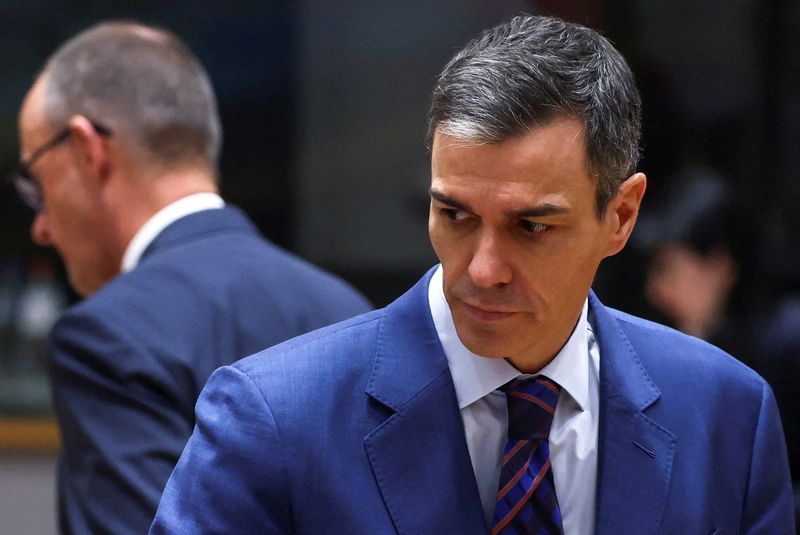

Spanish premier Sanchez heads for fourth China visit, risks annoying Trump
Cyclone Vaianu leaves North Island cleanup underway in New Zealand

Dollar jumps as failed US-Iran peace talks spark safe-haven push


Oil bounces back above $100 after US, Iran talks end in stalemate

Kornit Digital acquires PrintFactory to expand digital reach

US FTC in settlement talks with ad companies in boycott probe, WSJ reports


Hungary’s Orban concedes landmark defeat to centre-right opposition


US military says it will start blockade of all ships going to and from Iran on Monday
VanEck is a global asset management firm offering ETFs, mutual funds, private funds, model portfolios, institutional strategies, separately managed accounts, as well as UCITS funds. Since our founding in 1955, putting our clients’ interests first, in all market environments, has been at the heart of the firm’s mission. VanEck has a long history of looking beyond financial markets to spot trends that create meaningful investment opportunities. We were one of the first U.S. asset managers to give investors access to international markets, which set the tone for identifying asset classes and themes such as gold investing in 1968, emerging markets in 1993, and exchange traded funds in 2006 that later helped shape the investment industry. The firm oversees $161.7 billion in assets as of September 30, 2025. Disclosures: http://ow.ly/SZ9450N5qTJ.

Dad of teen who took own life issues plea amid Australia social media ban fears

The Dutch village at risk of being demolished

Cherry Bomshell upsets in 2026 Percy Sykes Stakes thriller


-

 Business7 days ago
Three Gulf funds agree to back Paramount’s $81 billion takeover of Warner, WSJ reports
-

 Politics2 days ago
US brings back mandatory military draft registration
-

 Fashion2 days ago
Weekend Open Thread: Veronica Beard
-

 Tech5 days ago
How Long Can You Drive With Expired Registration? What Florida Law Says
-

 Politics9 hours ago
World Cup exit makes Italy enter crisis mode
-
 Sports2 days ago
Man United discover Nico Schlotterbeck transfer fee as defender reaches Dortmund agreement
-

 Fashion7 days ago
Massimo Dutti Offers Inspiration for Your Summer Mood Board
-

 Crypto World3 days ago
Canary Capital Files SEC Registration for PEPE ETF
-

 Fashion5 days ago
Let’s Discuss: DEI in 2026
-

 Business2 days ago
Tesla Model Y Tops China Auto Sales in March 2026 With 39,827 Registrations, Beating Cheaper EVs and Gas Cars
-

 Crypto World4 days ago
Bitcoin recovers as US and Iran Agree a Ceasefire Deal
-

 Politics3 days ago
Malcolm In The Middle OG Turned Down ‘Buckets Of Money’ To Appear In Reboot
-

 Business2 days ago
OpenAI Halts Stargate UK Data Centre Project Over Energy Costs and Copyright Row
-
 NewsBeat49 minutes ago
Pep Guardiola and Gary Neville agree over Arsenal title problem that benefits Man City
-

 Business1 day ago
Ireland Fuel Protests Enter Day 5 as Blockades Spark Shortages and Government Prepares Support Package
-

 Tech7 days ago
Italian court says Netflix must refund customers up to $576 over price hikes
-

 Tech7 days ago
Haier is betting big that your next TV purchase will be one of these
-

 Tech7 days ago
Gamer Restores the Original PlayStation Portal From Two Decades Ago
-

 Tech7 days ago
The Xiaomi 17 Ultra has some impressive add-ons that make snapping photos really fun
-

 Tech7 days ago
Samsung just gave up on its own Messages app
You must be logged in to post a comment Login