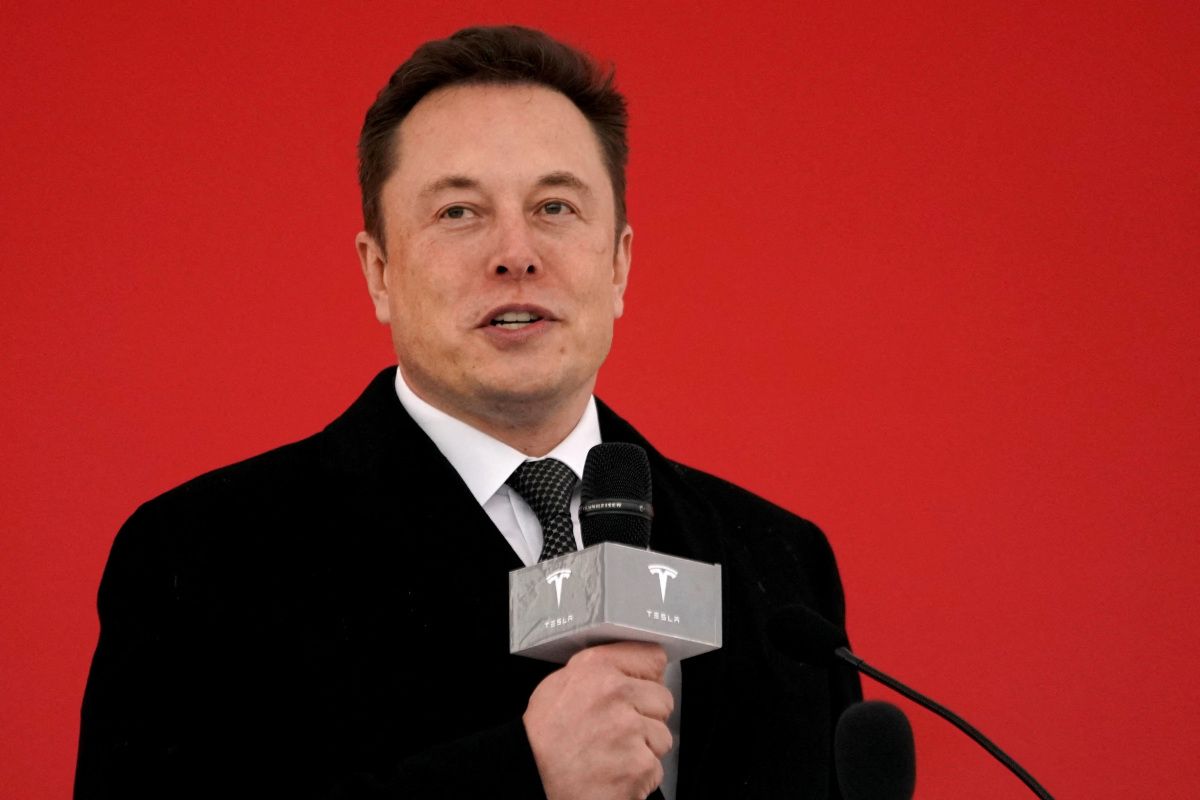
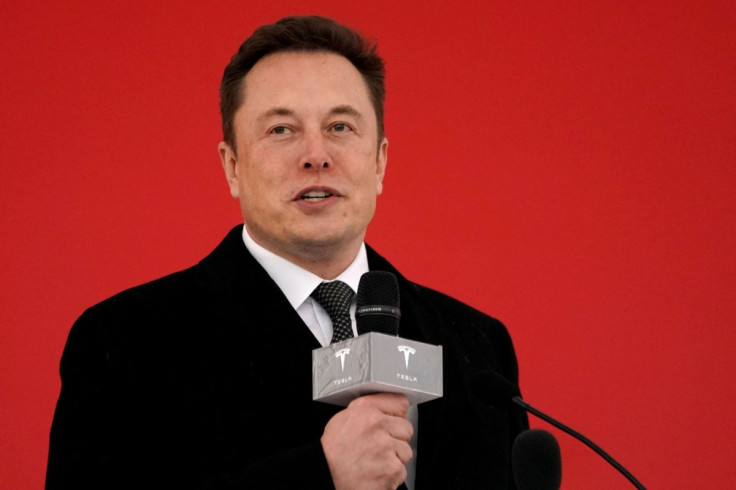
Elon Musk offered to personally fund salaries for Transportation Security Administration workers caught in the partial government shutdown, but the White House rejected the proposal as long security lines disrupted air travel across the United States this week.
The billionaire entrepreneur, whose companies include Tesla, SpaceX and xAI, made the offer amid growing frustration over unpaid essential federal workers and extended TSA wait times at major airports. The White House turned down the gesture, according to CBS News reports citing administration sources.
Musk’s proposal came as travelers faced multi-hour delays at hubs including Houston’s George Bush Intercontinental and Atlanta’s Hartsfield-Jackson airports, with some checkpoints reporting waits of three to four hours due to high staff call-out rates linked to the funding impasse.
The development highlights Musk’s continued high-profile role in public discourse following his earlier involvement in government efficiency efforts. It also underscores tensions between private-sector offers and federal operations during the shutdown.
Ambitious Chip Manufacturing Plans Unveiled
In a major business announcement, Musk revealed plans for a massive joint chip fabrication facility — dubbed Terafab — to be built in Austin, Texas, and operated by Tesla and SpaceX.
Advertisement
The project aims to produce advanced semiconductors for electric vehicles, humanoid robots, AI data centers and space applications. Musk described an initial “advanced technology fab” equipped to manufacture and test various chip types, with a second facility focused on high-power chips optimized for space environments.
Analysts estimate the effort could cost $20 billion to $25 billion and represent a significant push toward domestic semiconductor production, reducing reliance on foreign suppliers. The initiative ties into broader ambitions for Tesla’s Optimus robots, autonomous driving technology and xAI’s computing needs.
SpaceX and xAI have already deepened ties, with xAI operating as a subsidiary of SpaceX in some reports. The Terafab plan aligns with Musk’s vision of vertically integrating hardware for his ecosystem of companies, potentially accelerating development of AI infrastructure both on Earth and in orbit.
Local Concerns Over Mississippi Power Plant
Musk’s expanding industrial footprint drew criticism from residents near a power plant associated with his AI initiatives in Mississippi.
Advertisement
Locals complained that the facility has generated excessive noise and disrupted quality of life, with some describing constant humming and operational impacts on the surrounding community. Musk had previously expressed enthusiasm for the project on X, calling it essential for powering future AI innovation.
The episode illustrates challenges that often accompany large-scale tech and energy projects, even as Musk pushes aggressive timelines for AI and energy infrastructure.
Legal Developments and Ongoing Cases
Musk faced mixed legal outcomes in recent weeks. A California jury found him liable for misleading investors with statements made ahead of his 2022 acquisition of Twitter, now known as X. Jurors determined that certain tweets and comments contributed to false or misleading information affecting shareholders who sold stock.
Separately, Musk asked a Delaware judge to recuse herself from shareholder lawsuits against him and Tesla, alleging bias after she amplified a LinkedIn post critical of him following the California verdict.
Advertisement
These cases stem from long-running disputes tied to Musk’s communications on X and his business decisions. Musk has often dismissed excessive scrutiny of his social media activity, telling one jury that “people read too much” into his posts.
Progress Across Musk’s Companies
Musk’s empire continues to pursue bold 2026 targets. Neuralink, his brain-computer interface company, aims to begin high-volume production of implants and transition to nearly fully automated surgical procedures this year. The company has reported promising early results from human trials, including improved control for patients with neurological conditions.
Tesla is shifting focus toward robotics and autonomous vehicles. Production of legacy Model S and Model X vehicles is winding down, with factory space being repurposed for Optimus humanoid robot manufacturing. Musk has reiterated goals for widespread robotaxi deployment in the U.S. by the end of 2026.
SpaceX remains central to Musk’s long-term vision. Reports suggest the company could file for an initial public offering as early as this week, potentially valuing the rocket and satellite giant at enormous sums. Starship development continues, with upgraded versions planned for 2026 launches, including propellant transfer tests that could support lunar or deeper space missions.
Advertisement
Musk has also signaled a pivot in some space priorities, emphasizing faster development cycles for a self-sustaining presence on the moon before more distant Mars goals.
Musk’s Active Presence on X
The entrepreneur remains highly active on his social media platform X, frequently posting about politics, technology and cultural topics. Recent activity included commentary on societal issues and sharing content that sparked widespread engagement.
His posts often drive market reactions and public debate, reinforcing his influence far beyond his corporate roles.
Broader Implications
Musk’s activities in late March 2026 reflect the intersection of private innovation, public policy and legal scrutiny that has defined his career. His offer regarding TSA pay, while declined, spotlighted the human impact of the government shutdown on essential workers and travelers.
Advertisement
The Terafab project, if realized, could bolster U.S. competitiveness in semiconductors at a time of global supply chain concerns. However, local pushback over projects like the Mississippi power plant highlights the need for community engagement as Musk’s companies scale rapidly.
Critics and supporters alike note Musk’s pattern of ambitious timelines that sometimes shift, as seen with past Mars predictions now supplemented by nearer-term moon city concepts.
Investors continue to watch Tesla and related ventures closely, with stock movements often tied to Musk’s announcements. The potential SpaceX IPO could provide new liquidity while raising questions about governance in his interconnected businesses.
For the public, Musk embodies both the promise of transformative technology — from brain implants to reusable rockets — and the controversies that accompany a high-visibility billionaire who engages directly on social and political matters.
Advertisement
As developments unfold across his companies and legal fronts, Musk’s next moves will likely continue shaping conversations in technology, transportation and beyond.
More than 10 million grill brushes are being recalled nationwide after reports that metal bristles can break off and end up in food.
The U.S. Consumer Product Safety Commission (CPSC) announced the recall Thursday for several Nexgrill metal wire brushes sold at Home Depot stores and online between 2015 and 2026.
Advertisement
“Small metal wire bristles can detach from the brushes and stick to the grill or food, posing an ingestion hazard and risk of serious internal injuries that could require surgery,” the CPSC said.
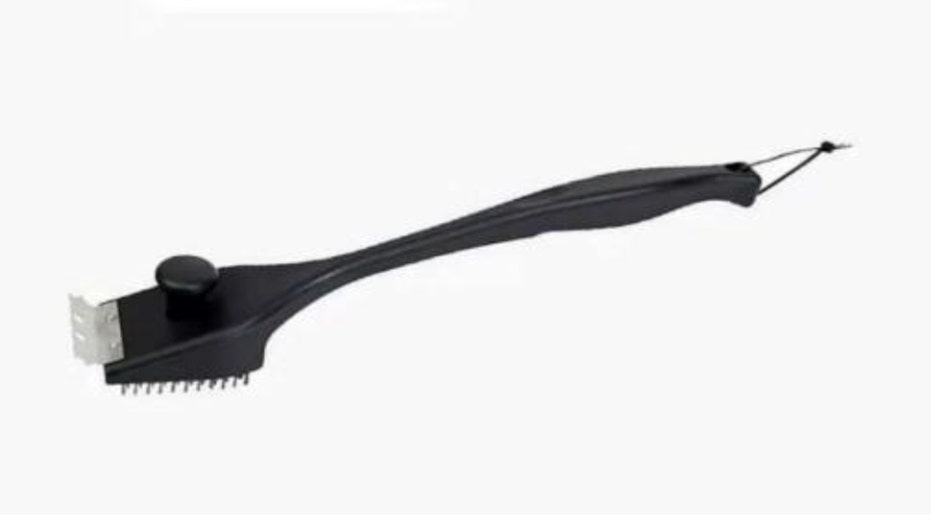
Nexgrill has received at least 68 reports of bristles coming loose. (Consumer Product Safety Commission)
Nexgrill has received at least 68 reports of bristles coming loose.
Five people reported swallowing the metal pieces and needed medical treatment to remove them from the throat or digestive tract, according to the CPSC.
Advertisement
The recall includes multiple models of brushes with black plastic or wood handles measuring about 18 to 21 inches long.
The recall includes multiple models of brushes with black plastic or wood handles measuring about 18 to 21 inches long. (Consumer Product Safety Commission)
Model numbers were listed on the packaging, and each product is labeled “Nexgrill.”
The recall covers the following models:
Advertisement
19-Inch Grill Brush (Model 530-0024), sold 2015–2016
Grill Cleaning Brush with Scraper (Model 530-0024G), sold 2022–2026
Long Handle Grill Brush (Model 530-0034), sold 2015–2026
Grill Brush and Scraper (Model 530-0039), sold 2015–2026
Grill Brush with Scrub Pad (Model 530-0041), sold 2015–2026
Wood Handle Grill Brush (Model 530-0042), sold 2015–2021
Cleaning Edge Solutions, Australia’s fastest growing commercial cleaning provider, has invested millions of dollars into the development and rollout of its proprietary desktop platform, CESgo, in what industry leaders are describing as a major shift in how businesses manage cleaning, hygiene and operational accountability.
The significant investment signals a new era for commercial cleaning across childcare centres, schools, aged care, hospitals and medical facilities, offices, transport hubs, retail environments, food production and industrial sites, where services are no longer invisible but fully measurable and transparent.
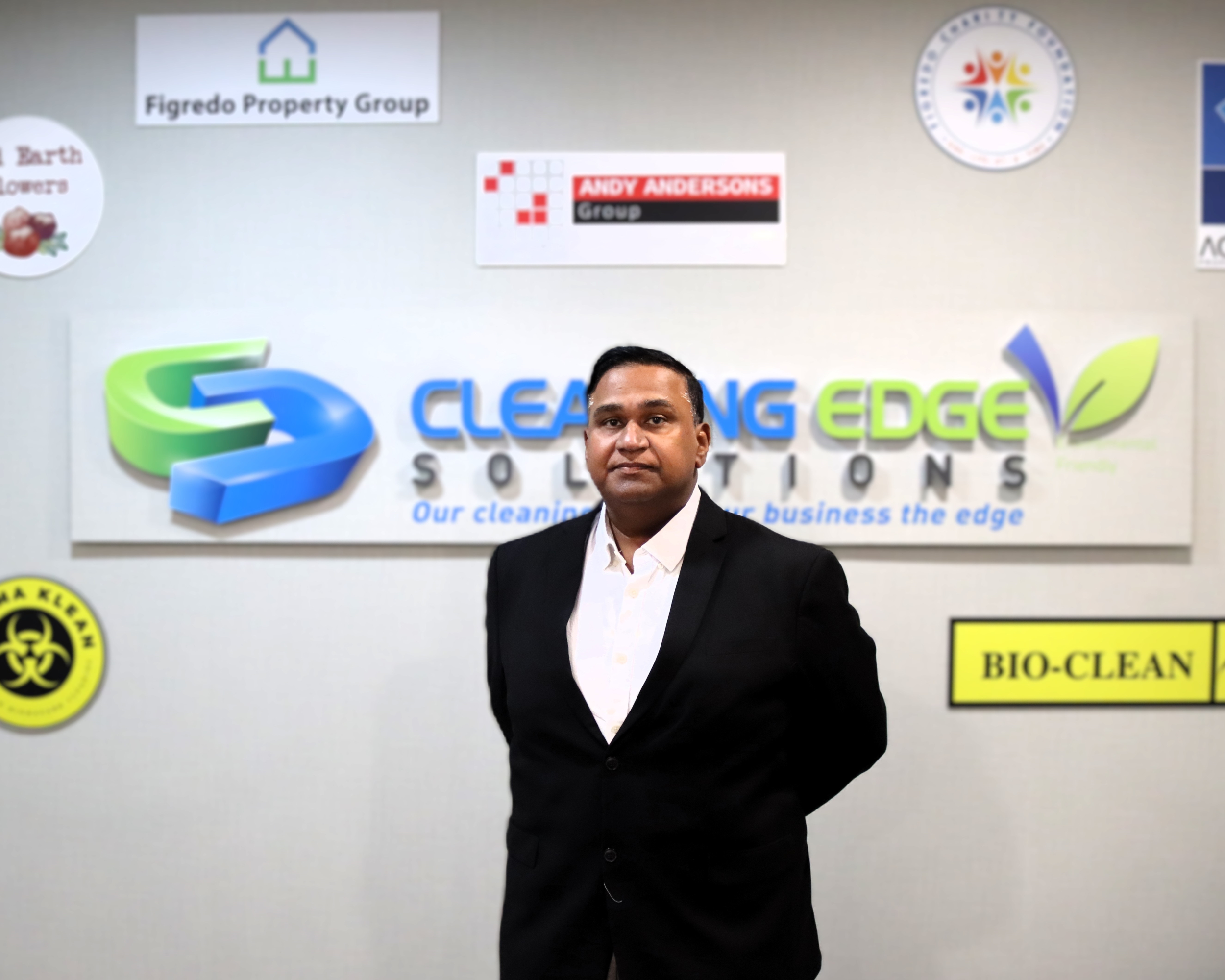
Founder Clayburn Figredo
Founder Clayburn Figredo said the company is redefining what modern cleaning looks like in Australia.
“We are not just cleaning buildings, we are creating operational transparency and real-time visibility,” Figredo said.
“CESgo is the result of a multi-million-dollar investment into technology that gives businesses clarity, control and confidence.”
Advertisement
Cleaning Edge Solutions is one of Australia’s leading commercial cleaning and facility management providers, specialising in large-scale, high-risk and clinical environments. Founded in 2008 by Managing Director Clayburn Figredo and headquartered in Mulgrave, Victoria, the company has built a national reputation for innovation, strict compliance and advanced infection-control standards.
With ISO certifications across quality, safety, environment and food safety, Cleaning Edge Solutions delivers services to major organisations across health, government, education, transport, retail and aged care sectors. Its operations span commercial and industrial cleaning, facilities maintenance, waste management and property development.
It also owns a number of brands including well-known business, Andy Andersons. For more than 45 years, Andy Andersons has supported Australian organisations with reliable, high-quality cleaning and facility services. A long-standing family business with deep industry roots, Andy Andersons became an entity of the Cleaning Edge Group in 2021, combining decades of legacy experience with the group’s national scale and innovation.
Today, the company draws on more than 100 years of combined expertise to deliver industrial cleaning, commercial cleaning, aged care cleaning and facility maintenance services. Andy Andersons remains committed to safety, integrity and exceptional service.
Advertisement
Known for its commitment to excellence and social impact, the Cleaning Edge group is dedicated to elevating national cleaning standards and creating safer, healthier environments for all Australians.
A new standard in operational visibility
The desktop-based CESgo platform captures every aspect of cleaning operations in real time, allowing businesses to see exactly what is happening across their sites.
Cleaning Edge staff log in and out digitally, with attendance and hours automatically verified. Every task is outlined through structured workflows and photographic evidence of completed work is uploaded directly into the system.
Advertisement
Clients can view services undertaken, the timing, the staff involved and the results delivered, removing the uncertainty that has traditionally surrounded outsourced cleaning.
“For decades, cleaning has been a blind spot for many organisations,” Figredo said.
“Now businesses can see the work, the results and the value in real time.”
From invisible service to measurable performance
Advertisement
The platform transforms cleaning from a reactive, checklist-based activity into a performance-driven function.
Images, reports and digital sign-offs provide a clear record of hygiene outcomes. Site requirements and task schedules are embedded into the system, ensuring consistency across locations and shifts.
“This is accountability elevated,” Figredo said.
“Every hour is captured, every job is documented and every outcome can be verified.”
Advertisement
The result is stronger oversight, improved service quality and better operational control.
Centralised communication and faster problem resolution
CESgo also functions as a communication hub between businesses, site managers and Cleaning Edge teams.
Clients can log requests, raise concerns and track progress in near real time. Issues are assigned, monitored and resolved within the platform, creating a clear record of action and accountability.
Advertisement
“Communication is one of the biggest challenges in outsourced services,” Figredo said.
“Our technology creates a single source of truth, ensuring nothing is missed and every request is followed through.”
Reducing risk and supporting governance
With increased scrutiny around hygiene, infection control and workplace standards, organisations are under pressure to demonstrate operational oversight.
Advertisement
Figredo said traditional paper-based reporting and fragmented communication systems are no longer fit for purpose.
“Boards, executives and regulators want data, not assumptions,” he said.
“CESgo provides a digital audit trail that strengthens governance, supports reporting and reduces risk.”
The platform enables businesses to generate detailed reports quickly, providing evidence of cleaning performance, service delivery and operational compliance.
Advertisement
A permanent shift in the cleaning industry
Cleaning Edge believes the future of the industry lies in technology-enabled service delivery.
“This is not about mops and buckets,” Figredo said.
“It is about intelligent systems, data and measurable outcomes.”
Advertisement
By investing heavily in proprietary technology, Cleaning Edge is positioning itself at the forefront of a new era in which cleaning services are defined by transparency, accountability and operational excellence.
“The expectations of businesses have changed permanently,” Figredo said.
“They want visibility and control and they also want proof. CESgo delivers that.”
Welcome, everyone, and thank you for joining us to discuss Insight Molecular Diagnostics Fourth Quarter 2025 Results. If you have not seen today’s shareholder letter, please visit Insight Molecular Diagnostics Investor Relations page at investors.imdxinc.com.
Today’s prepared remarks build upon the information already shared in this robust letter. Joining us today are Insight Molecular Diagnostics President and CEO, Josh Riggs; Chief Science Officer, Ekke Schutz; and CFO, Andrea James. We also have our analysts with us as panelists.
After our prepared remarks, our analysts may ask questions. Before turning the call over to Josh Riggs, I’d like to go over our safe harbor. The company will make projections and forward-looking statements regarding future events. Any statements that are not historical facts are forward-looking statements. These statements are made pursuant to and within the meaning of the safe harbor provision of the Private Securities Litigation Reform Act of 1995. We encourage you to review the company’s SEC filings, including the company’s most recent Form 10-K and subsequent Forms 10-Q, which identify risks and uncertainties that may cause future actual results or events to differ materially.
Advertisement
Please note that the forward-looking statements made during today’s call speak only to the date that they are made, and Insight Molecular Diagnostics undertakes no obligation to update them. And with that, I would like to now turn the call over to Josh Riggs.
Mumbai: Lenders are witnessing higher utilisation of working capital limits by MSMEs and other industries as input cost pressures rise due to the ongoing US-Israel conflict. Bankers told ET as cash flows slow across the economy, MSMEs are increasingly relying on working capital to manage operations.
“As input costs rise, margins come under pressure, which can lead to higher working capital utilisation as cash flows get stretched,” said Prashanth TS, head – mid corporate group, Axis Bank. “MSMEs typically operate at utilisation levels of 70-75%, and in periods of heightened volatility, these levels tend to move higher.”
He added that, from a banking standpoint, this is not a solvency challenge but an input-cost inflation issue for MSMEs. For lenders, the leadership focus is on anticipating these pressures early and ensuring adequate, well-calibrated liquidity support without compromising credit discipline.
Sectors such as hospitality, ceramics, chemicals, steel and fertilisers are expected to see higher drawdowns of existing limits, as well as fresh working capital sanctions, as firms navigate rising costs and tighter liquidity conditions.
Advertisement
“Different pockets will have different impacts. In general, when cash flow movement in the economy slows down, working capital will go up,” the MSME head of another leading private sector bank said. “Because faster the cash flow cycles move, lower is the utilisation because you churn your money.”
Live Events
For domestic basmati rice exporters, Iran is the third-largest destination, accounting for about 13% of total exports in fiscal 2025. According to Crisil Ratings, rising prices of raw materials and imported fertilisers are likely to increase working capital requirements for industry players, while also raising the government’s subsidy bill by an estimated ₹20,000-25,000 crore. “We anticipate an increase in working capital loans, worsening corporate credit metrics, worsening metrics for SMEs and households and an increase in credit costs,” CreditSights – a Fitch Group company, said in a report. According to Crisil Ratings, sectors such as oil refining, aviation and crude-linked industries – including specialty chemicals, paints, petrochemicals and synthetic textiles – may be affected by rising crude oil prices. Additionally, companies involved in basmati rice, fruits and nuts trade may see heightened impact.
“The extent of the impact will depend on each sector’s ability to pass on the incremental costs,” the rating agency said in a report.
Ascentage Pharma Group International (AAPG) Q4 2025 Earnings Call March 26, 2026 8:00 AM EDT
Company Participants
Yuly Chen Dajun Yang – Co-Founder, Chairman & CEO Veet Misra – Chief Financial Officer Zhichao Si – Head of Commercial
Conference Call Participants
Advertisement
Lut Ming Cheng – JPMorgan Chase & Co, Research Division Biren Amin – Piper Sandler & Co., Research Division Supawat Thongthip – Truist Securities, Inc., Research Division Jeet Mukherjee – BTIG, LLC, Research Division Matthew Biegler – Oppenheimer & Co. Inc., Research Division Christopher Liu – Lucid Capital Markets, LLC, Research Division Michael King – Rodman & Renshaw Research
Presentation
Operator
Advertisement
Good day, everyone, and welcome to Ascentage Pharma’s 2025 Annual Results Earnings Call. [Operator Instructions] As a reminder, today’s call is being recorded.
Thank you for joining us. I will now turn the call over to Yuly Chen, Senior Director of Investor Relations for the safe harbor statement. Yuly, please go ahead.
Yuly Chen
Advertisement
Thank you, operator. Please note that today’s discussion will include forward-looking statements based on our current expectations and assumptions. These statements involve risks and uncertainties and actual results may differ materially. For a full discussion of these risks, please refer to our filings and disclosures.
On today’s call, I am joined by Dr. Dajun Yang, Chairman and CEO, who will provide an overview of recent developments and 2025 annual performance. As well as Dr. Veet Misra, CFO, who will go through the financial highlights. The presentation will then be followed by a Q&A session. During the Q&A session, the team will be joined by Dr. Yifan Zhai, Chief Medical Officer; Dr. Shaomeng Wang, Cofounder, Chief Scientific Adviser, Dr. Zhichao Si, Head of Commercial, I will now turn the call over to Dr. Yang.
Dajun Yang Co-Founder, Chairman & CEO
Advertisement
Thank you. Good morning. I’m Dajun Yang, Chairman and CEO of the company. Today, I’m very
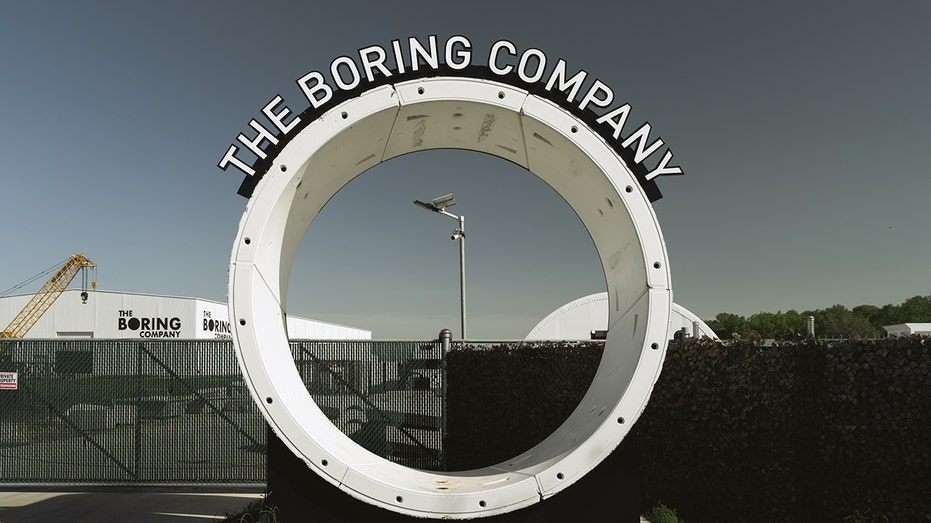
Several U.S. cities could soon see major underground transportation upgrades led by billionaire Elon Musk’s The Boring Company (TBC).
In a Tuesday post on X, the construction company named the winners of its nationwide “Tunnel Vision Challenge,” naming New Orleans, Louisiana, and Dallas, Texas, as candidates for new transportation systems.
Advertisement
“Thanks again to all of the participants — your enthusiasm and positivity has been inspiring for the TBC team,” the company wrote.
Baltimore, Maryland, was initially named as a winner, but TBC later announced Wednesday that the project will not move forward following early discussions.
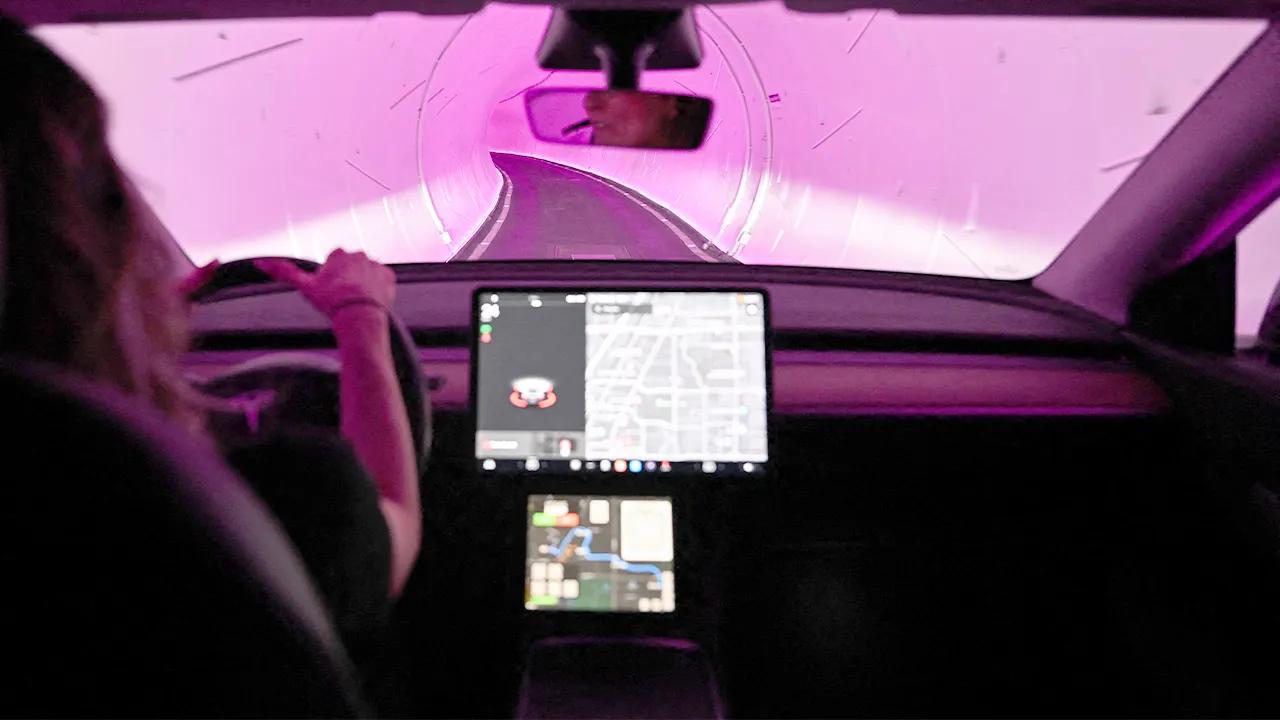
A Tesla Inc. electric vehicle is driven through The Boring Company’s Las Vegas Convention Center Loop during the Consumer Electronics Show in Las Vegas, Nevada, on Jan. 5, 2023. (Patrick T. Fallon/AFP via Getty)
The next phase will involve collaboration with local officials and regulators, along with geotechnical borings to determine feasibility.
Advertisement
In a Wednesday update, TBC provided additional details on its early discussions with local leaders in both Dallas and New Orleans, saying both proposed projects had “great initial meetings.”
Two additional cities — Hendersonville, Tennessee, and San Antonio, Texas — remain under consideration as discussions continue.
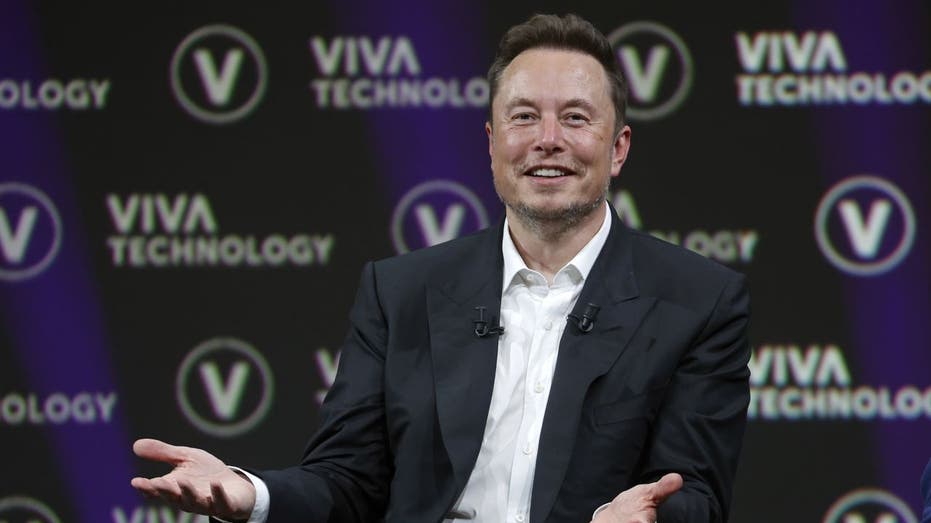
Elon Musk attends the Viva Technology conference at the Porte de Versailles exhibition center on June 16, 2023, in Paris, France. (Chesnot/Getty Images)
The challenge, which launched in January, invited proposals for a one-mile tunnel concept, with the winning concept promised a free build.
Advertisement
Separately, TBC was recently selected to begin negotiations on a proposed underground transit system connecting Universal Orlando’s parks.
The company’s most notable project is the Las Vegas Convention Center (LVCC) Loop, which opened in 2021 after about a year of construction.
Argan, Inc. (AGX) Q4 2026 Earnings Call March 26, 2026 5:00 PM EDT
Company Participants
David Watson – CEO, President & Director Joshua Baugher – Senior VP, CFO & Treasurer
Conference Call Participants
Advertisement
Jennifer Belodeau – Institutional Marketing Services, Inc. Robert Brown – Lake Street Capital Markets, LLC, Research Division Christopher Moore – CJS Securities, Inc. Ati Modak – Goldman Sachs Group, Inc., Research Division Michael Fairbanks – JPMorgan Chase & Co, Research Division
Presentation
Operator
Advertisement
Good evening, ladies and gentlemen, and welcome to the Argan, Inc. earnings release conference call for the fourth quarter and fiscal year ended January 31, 2026. This call is being recorded. [Operator Instructions] There is a slide presentation that accompanies today’s remarks, which can be accessed via the webcast.
At this time, it’s my pleasure to turn the floor over to your host for today, John Nesbett and Jennifer Belodeau of IMS Investor Relations. Please go ahead.
Jennifer Belodeau Institutional Marketing Services, Inc.
Advertisement
Thank you. Good evening, and welcome to our conference call to discuss Argan’s results for the fourth quarter and fiscal year ended January 31, 2026. On the call today, we have David Watson, Chief Executive Officer; and Josh Baugher, Chief Financial Officer.
I’ll take a moment to read the safe harbor statement. Statements made during this conference call and presented in the presentation that are not based on historical facts are forward-looking statements. Such statements include, but are not limited to, projections or statements of future goals and targets regarding the company’s revenues and profits. These statements are subject to known and unknown factors and risks. The company’s actual results, performance or achievements may differ materially from those expressed or implied by these forward-looking statements, and some of the factors and risks that could cause or contribute to such material differences have been described in this afternoon’s press release and in Argan’s
















































You must be logged in to post a comment Login