Connect with us

Business

Family offices back health care and biotech startups in August

Published

on

Family offices back health care and biotech startups in August

Stanley Druckenmiller at CNBC’s Delivering Alpha on Sept. 28, 2022.

Scott Mlyn | CNBC

A version of this article first appeared in CNBC’s Inside Wealth newsletter with Robert Frank, a weekly guide to the high-net-worth investor and consumer. Sign up to receive future editions, straight to your inbox.

Advertisement

Investment firms of ultra-wealthy families are helping fuel the venture capital rebound in biotechnology. In August, family offices made 52 direct investments in private companies, with biotech startups representing about 20% of transactions, according to data provided exclusively to CNBC by Fintrx, a private wealth intelligence platform.

Stanley Druckenmiller’s Duquesne Family Office, one of the most active family offices in the U.S., has backed at least four pharmaceuticals or life sciences companies this year, according to Fintrx. Last month, Duquesne participated in a $90 million Series C round for Epicrispr Biotechnologies. The 8-year-old startup is pioneering a new gene therapy for a rare muscle disorder known as facioscapulohumeral muscular dystrophy, or FSHD.

Druckenmiller said in January that Duquesne had made substantial investments in biotech due to the potential of artificial intelligence.

“I knew because I’ve been on the board of Memorial Sloan Kettering for 30 years, that probably the best use case out there of AI is biotech through drug discovery, diagnostics, monitoring everything,” he said in an interview conducted by Morgan Stanley.

Advertisement

In August, the namesake family office of Jeff Bezos also joined a $188 million Series E for LifeMine Therapeutics, which uses AI to analyze fungal genomes to develop new drugs. LifeMine is currently testing a drug compound to prevent organ failure in transplant recipients.

Bill Gates‘ venture capital firm, Gates Frontier, also participated in the megaround.

Get Inside Wealth directly to your inbox

Venture funding for biotechnology has rebounded strongly this year. U.S. and European biopharma startups raised a whopping $12.6 billion in the first half of 2026, a five-year high, according to analysis by Silicon Valley Bank, now a division of First Citizens Bank after its 2023 collapse and subsequent sale.

That said, investors are writing fewer checks overall, especially for early-stage startups, with a greater share of funding going toward companies with drugs already in testing, according to SVB’s analysis, citing its own data and data from PitchBook.

Advertisement
Choose CNBC as your preferred source on Google and never miss a moment from the most trusted name in business news.
Continue Reading
Click to comment

You must be logged in to post a comment Login

Leave a Reply

Business

Halloween Chocolate Eyeballs Recalled In 13 States Over Undeclared Milk Allergen, Sold At Marshalls, TJ Maxx

Published

on

Halloween Chocolate Eyeballs Recalled In 13 States Over Undeclared Milk

NORTH ARLINGTON, N.J. — A popular Halloween candy sold at major discount retailers across 13 states is being recalled after federal regulators found the product contained an undeclared milk allergen that could pose a serious health risk to consumers with dairy allergies.

Crystal Temptations, based in North Arlington, New Jersey, is recalling its Halloween Chocolatey Eyeballs candy after discovering the product contains whey, a milk-derived ingredient, that was not disclosed on the packaging label, according to a recall notice posted by the U.S. Food and Drug Administration.

“People who have an allergy or severe sensitivity to milk run the risk of serious or life-threatening allergic reaction if they consume these products,” the recall notice states.

The recalled candy was sold at Marshalls, T.J. Maxx, HomeGoods and Sierra Trading Post, all of which operate under parent company TJX. The affected products were distributed across Arizona, Texas, Virginia, Georgia, Massachusetts, North Carolina, Indiana, Nevada, California, New Jersey, Connecticut, Ohio and Wyoming.

Advertisement

The recall was initiated after a TJX analyst discovered that the Chocolatey Eyeballs, which contain whey, had been packaged and distributed without the milk allergen being disclosed on the label, according to the recall notice. The FDA said further investigation traced the issue to a temporary breakdown in the company’s production and packaging processes.

As of the recall’s publication, no illnesses had been reported in connection with the affected products. Even so, the FDA is urging consumers who purchased the recalled candy to avoid eating it and to destroy any remaining product, given the potential severity of an allergic reaction for individuals with milk allergies or sensitivities.

The recalled Crystal Temptations Chocolatey Eyeballs can be identified by five separate style numbers and corresponding packaging formats. They include a plastic bag with a designed header card in a 10-ounce size, labeled with style number 54040-CHEY; an acrylic box with a designed paper wrap in a 7-ounce size, labeled 54077-CHEY; a round plastic jar in a 10.5-ounce size, labeled 58008-CHEY; a designer plastic pouch bag in a 16-ounce size, labeled 58089-CHEY; and a plastic bag tied with a tag in an 11-ounce size, labeled 54083-CHEY.

Retailers that sold the affected candy are not offering direct refunds to customers. Instead, consumers seeking a refund are being directed to contact Crystal Temptations directly with proof of purchase, or to call the company at 201-246-7990 for more information on how to proceed.

Advertisement

Federal law requires food manufacturers to clearly disclose any of the nine major food allergens recognized by the FDA, including milk, on product packaging, given the potential for serious or even fatal allergic reactions among sensitive consumers who unknowingly consume an undisclosed allergen. Failing to disclose such ingredients, even unintentionally due to a production error, can trigger a mandatory recall once the issue is identified, regardless of whether any illnesses have yet been reported in connection with the affected product.

This recall adds to a broader wave of Halloween candy-related recalls that have surfaced in the weeks leading up to the holiday this year. In a separate incident, Michigan-based Zingerman’s Candy recalled two of its full-size chocolate bar products, Peanut Butter Crush and Ca$hew Cow, after discovering that packaging for both bars failed to disclose the potential presence of tree nuts and peanuts. According to Zingerman’s, the Peanut Butter Crush bars may have contained undisclosed cashews, while the Ca$hew Cow bars may have contained undisclosed peanuts, an issue the company said was traced to a similar type of production and packaging oversight. Zingerman’s said no illnesses had been reported in connection with that recall either, and the company indicated the underlying packaging issue had since been resolved.

Food allergy advocacy groups have continued to emphasize the importance of accurate ingredient labeling, particularly around Halloween, a period when candy consumption among children and other allergy-prone individuals rises significantly compared with the rest of the year. Even a small amount of an undisclosed allergen, such as milk protein hidden within a product not labeled as containing dairy, can trigger a severe reaction in individuals with a diagnosed allergy, underscoring why regulators treat such disclosure failures as serious enough to warrant a formal recall even in the absence of any reported illnesses.

Consumers who are uncertain whether they purchased an affected product are advised to check the specific style number and packaging format against the list published in the FDA’s recall notice, since Crystal Temptations sells multiple Halloween-themed candy products, and not all of the company’s offerings are included in this particular recall.

Advertisement

The recall comes amid a broader pattern of food safety alerts affecting products sold through major national retailers in recent weeks, spanning categories from candy to pet food, as manufacturers and regulators continue working to identify and address labeling and production issues before they result in consumer harm. Nearly 2,000 pounds of cat and dog food were separately recalled nationwide in a distinct incident tied to concerns over salmonella and listeria contamination, illustrating the range of food safety issues regulators have flagged across different product categories this fall.

For now, Crystal Temptations has not indicated whether it plans to resume distribution of the affected Chocolatey Eyeballs products once its packaging and labeling processes have been corrected, nor has the company specified a timeline for when consumers might expect to see updated, properly labeled versions of the candy return to store shelves ahead of the Halloween shopping season. Consumers with questions about the recall, or those seeking a refund for an affected purchase, are encouraged to contact Crystal Temptations directly using the phone number provided in the official FDA recall notice.

Continue Reading

Business

Southwest Airlines to launch lounge network with Chase Sapphire Reserve

Published

on

Southwest Airlines to launch lounge network with Chase Sapphire Reserve

Southwest Airlines on Wednesday unveiled plans to debut its first-ever network of airport lounges, with work underway on the first lounges due to open in late 2027.

The airline announced that four Southwest lounges will open in late 2027, with those locations including Austin, Baltimore, Honolulu and Nashville.

Advertisement

Southwest’s announcement also included the news that it will partner with Chase to build off the financial service provider’s Chase Sapphire Reserve Lounge Network, offering dining options, amenities and travel benefits through the network.

DELTA, SOUTHWEST HIKE CHECKED BAG FEES AS AIRLINES FACE SURGING FUEL COSTS

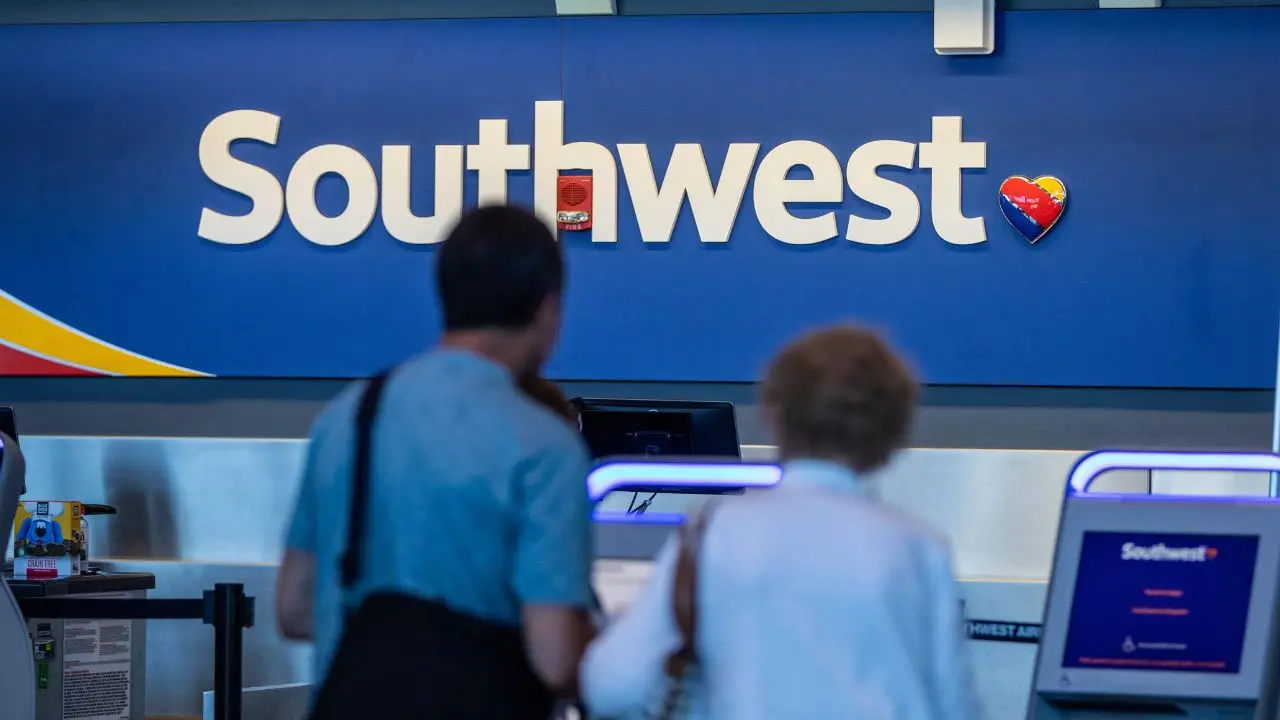
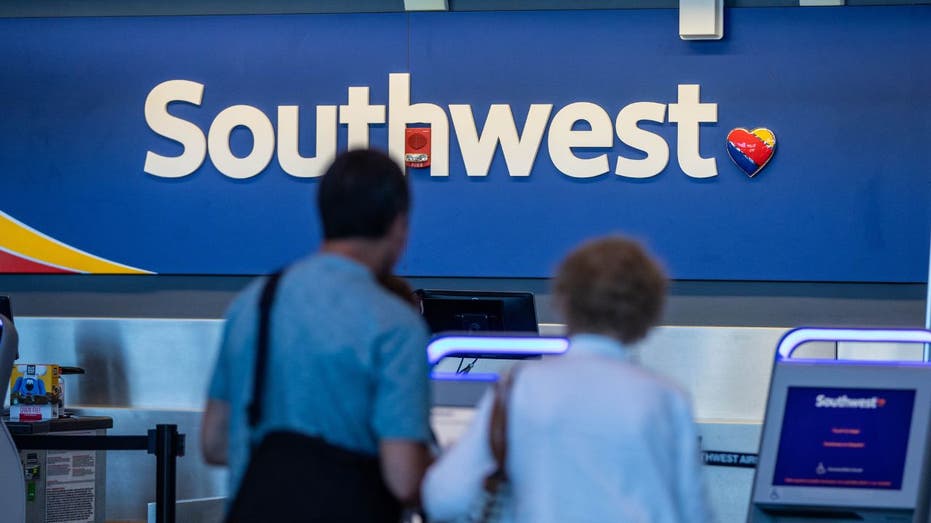
Southwest passengers check in

Southwest Airlines plans to open four airport lounges in late 2027 as part of a broader network that will grow in the coming years. (Scott Eisen/Bloomberg via Getty Images)

“Southwest Airlines has built one of the most trusted brands in travel by delivering authentic hospitality that customers value. Our lounges will be a natural extension of that experience, offering customers a place to relax and experience the Southwest brand in a new way,” said Tony Roach, EVP and chief customer and brand officer at Southwest Airlines.

“The introduction of a lounge network represents a strategic investment in Rapid Rewards and deepens our 30-year partnership with Chase,” Roach added.

Advertisement

RETIRING SPIRIT PILOT WHOSE FINAL FLIGHT WAS CANCELED GETS TRIBUTE FROM COMPETITOR AIRLINE

Ticker Security Last Change Change %
LUV SOUTHWEST AIRLINES CO. 38.52 +0.09 +0.22%

Customers will be able to access Southwest’s lounge network with a new Southwest Rapid Rewards Credit Card issued by Chase that is planned to launch in 2027.

Southwest Airlines said in the announcement that the first four lounge locations that are set to come online next year represent the “beginning of a border footprint across the Southwest system, with at least seven more lounges planned to open over the next several years across high-demand business and leisure networks.”

SOUTHWEST AIRLINES OFFICIALLY ENDS LONGSTANDING OPEN-SEATING MODEL, BEGINS PLUS-SIZE PRICING CHANGE

Advertisement
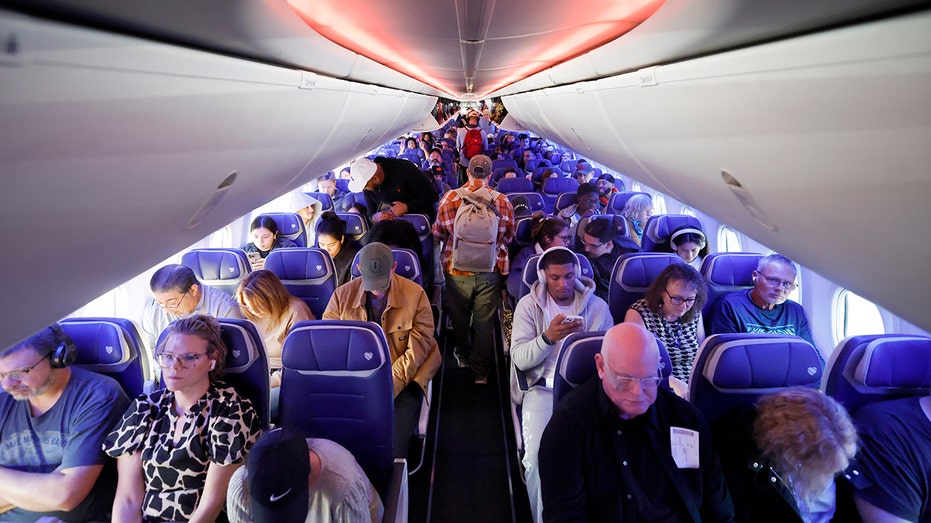
Southwest Airlines passengers cabin

Travelers will be able to use a special Southwest Rapid Rewards credit card issued by Chase to access the lounge network. (Tom Fox/The Dallas Morning News via Getty Images)

In September last year, Southwest Airlines indicated that it was exploring the creation of a network of premium airport lounges that would boost the airline’s loyalty revenue, according to a Reuters report at the time.

Data from a J.D. Power study released in December 2025 showed that about 47% of lounge users plan their routes based on access to lounges, while 82% choose airlines based on whether they offer lounge access.

GET FOX BUSINESS ON THE GO BY CLICKING HERE

FOX Business’ Sophia Compton contributed to this report.

Advertisement
Continue Reading

Business

Jensen Meat Co. introduces plant-based snack stick

Published

on

Jensen Meat Co. introduces plant-based snack stick

SAN DIEGO — Jensen Meat Co. is launching Butcher Stick, a plant-based, shelf-stable snack.

Each snack is non-GMO, vegan, gluten free and dairy free.

The snacks are available in pepperoni and teriyaki flavors. Each flavor contains 4 grams of protein.

“The meat-stick category has evolved from a convenience-store staple into a mainstream snack enjoyed at work, school, the gym and anywhere on the go,” said Abel Olivera, chief executive officer of Jensen Meat Company. “The Butcher Stick extends our reach into this large and expanding segment with an innovative plant-based option that checks all the boxes for consumers who are looking for healthy protein choices in a meat-stick format.”

Advertisement
Continue Reading

Business

Ignitis Group updates EUR 2 billion debt programme

Published

on


Ignitis Group updates EUR 2 billion debt programme

Continue Reading

Business

Right to Work checks extend to subcontractors from 1 October

Published

on

Right to Work checks extend to subcontractors from 1 October

Businesses that use subcontractors, agency labour and complex workforce supply chains have less than a month to prepare for a major expansion of Right to Work rules, immigration lawyers have warned.

The changes, introduced under the Border Security, Asylum and Immigration Act 2025, come into force on 1 October 2026 and will extend Right to Work obligations well beyond traditional employees. Firms that fail to carry out the required checks could face civil penalties of up to £60,000 per illegal worker.

The government’s penalties for employing illegal workers guidance already sets the civil penalty at up to £60,000 for each illegal worker, with criminal sanctions of up to five years in prison and an unlimited fine in the most serious cases. What changes in October is the range of working arrangements to which those penalties can apply.

Under the new framework, businesses may no longer be able to assume that individuals classed as self-employed, or engaged through subcontracting arrangements, sit outside the regime. Instead, liability could extend across labour supply chains, placing greater scrutiny on how workers are supplied, managed and verified.

“The reality of working arrangements rather than the labels”

Mandeep Khroud, head of immigration at law firm Irwin Mitchell, said: “Many firms operate through subcontractor networks and flexible labour arrangements. From 1 October, businesses will need to look much more closely at who is actually carrying out work on site and whether appropriate Right to Work checks have been completed.

Advertisement

“The Home Office has made clear that it will focus on the reality of working arrangements rather than the labels used in contracts. Businesses that assume a worker is outside the regime simply because they are described as self-employed could be taking a significant risk.”

The Home Office published a draft employer’s guide to right to work checks in July, setting out how the scheme will apply from 1 October to employment under a worker’s contract, to individual subcontractors and to online matching services, and how businesses should handle contracts that allow a worker to send a substitute.

According to Irwin Mitchell, the obligations are expected to cover individual subcontractors, individuals engaged under worker contracts, certain outsourced labour arrangements, platform-based and online matching services, and contracts containing substitution rights. Businesses could also find themselves exposed where they sit higher up the contractual chain and fail to put the necessary compliance measures in place.

To establish a statutory excuse against liability, the firm says businesses are expected to need robust contractual controls, processes for verifying workers’ identities, and measures to manage substitution arrangements.

Advertisement

Failure to comply could result in civil penalties of up to £60,000 per illegal worker, criminal sanctions in serious cases, suspension or revocation of sponsorship licences, and public naming by the Home Office.

One month to map the supply chain

The extension of checks to freelancers and gig workers was first flagged when the government set out plans to extend right-to-work checks to freelancers, prompting warnings at the time that many small business owners were unaware of the change. Delivery platforms have already tightened their own controls, with Deliveroo having sacked more than 100 riders for sharing accounts with people who had no right to work.

Khroud added: “With just one month until implementation, firms should be reviewing subcontractor arrangements, auditing onboarding processes and mapping their labour supply chains. Organisations that leave preparations until October may find themselves exposed to significant financial and reputational risks.”

Irwin Mitchell is advising businesses to use the remaining weeks before the changes take effect to review contracts, assess workforce structures and ensure they have appropriate systems in place to verify the immigration status of anyone carrying out work on their projects.

Advertisement

For smaller firms that lean on subcontracted or platform-sourced labour, the practical task, on the law firm’s reading of the rules, is to establish who is actually doing the work, whether a valid check has been carried out on each of them, and who in the chain is responsible for doing it.


Amy Ingham

Amy Ingham

Amy Ingham is a reporter at Business Matters, covering UK business news with a focus on breaking news, business policy, late payments and insolvency. She joined the magazine in 2026 after completing the NCTJ Diploma in Journalism at Harlow College’s journalism school. Her recent reporting includes British Steel’s nationalisation and its impact on SME suppliers, the decline in late payments by large firms, and Insolvency Service director disqualifications. Reach her at aingham@cbmeg.co.uk.

Advertisement
Continue Reading

Business

Samsung Expands One UI 9 Free Upgrade To Millions More Galaxy Phones Ahead Of Stable Release

Published

on

iPhone 17e

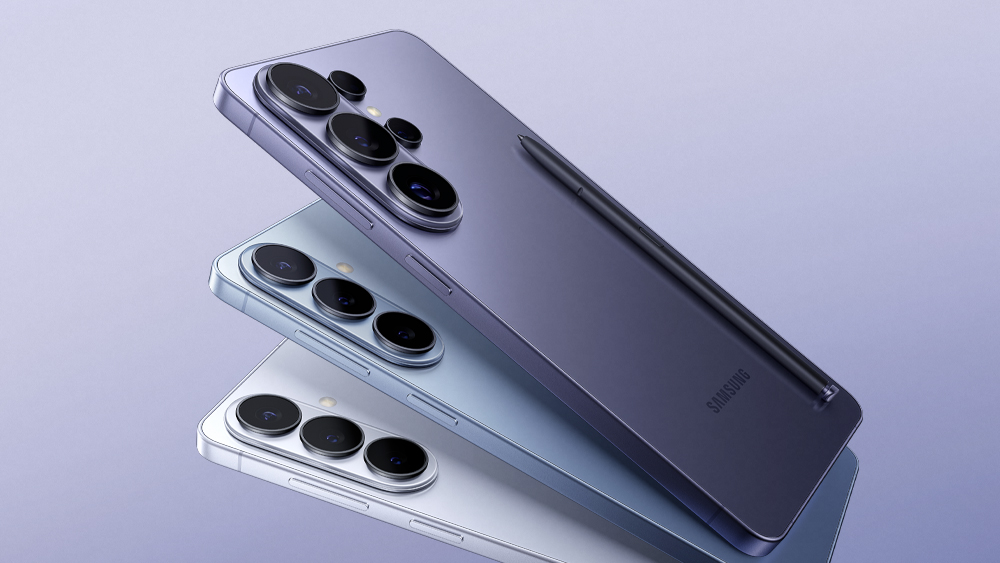
Samsung has significantly expanded access to its One UI 9 software update, adding beta programs for several older Galaxy devices while pushing toward a stable release for the Galaxy S26 series, bringing millions more phones closer to receiving the software’s newest features.

The rollout builds on One UI 9’s official launch alongside the Galaxy Z Fold 8 series on July 22, with Samsung now moving to extend both beta and stable versions of the software across a broader range of devices in the weeks since.

For current Galaxy S26 owners, Samsung has confirmed that One UI 9 Beta 7 is now rolling out globally, available for download through the Samsung Members app for users enrolled in the One UI Beta Program. The update brings several features that debuted exclusively on the Galaxy Z Fold 8 to the S26 lineup, including a redesigned Finder tool with Google Search integration, a feature called My FanCam that lets users film a wide crowd shot and later spotlight a specific person within the Gallery app, and custom cards within Now Nudge, a proactive suggestion feature that anticipates a user’s next likely action, such as offering to open a calendar app when a user is texting about scheduling a meetup.

Both My FanCam and Now Nudge, which originally launched exclusively alongside the Galaxy Z Fold 8 in July, are now also available on Samsung’s new midrange Galaxy S26 FE, extending features once reserved for the company’s premium foldable lineup down to a more budget-friendly device.

Advertisement

Beyond the Galaxy S26 series, Samsung has significantly widened its beta testing program to include several older Galaxy devices. The company officially confirmed an expanded One UI 9 beta rollout covering the Galaxy S25, S25+, S25 Ultra and S25 FE, along with the Galaxy Z Fold 7 and Galaxy Z Flip 7, with availability confirmed in India, South Korea, the United Kingdom and the United States.

The Galaxy S25 beta program launched earlier, with Samsung officially rolling out the first beta build, sized just under 4 gigabytes, to users in the U.S., U.K., South Korea and India. Notably, Samsung included the Galaxy S25 FE in the South Korean rollout for that beta, marking the first time a midrange Galaxy device had been included in the One UI 9 beta program at that stage of the rollout.

Samsung update tracker Tarun Vats, who closely monitors the company’s software rollout schedule, has separately identified additional beta builds in development for the Galaxy S24, S23 and Z Fold 7 device families, suggesting those devices are moving closer to receiving their own formal beta programs even though some, like the Galaxy S24, were not included in Samsung’s initial official device list for the expanded beta. According to Vats, the Galaxy S24 series beta could go live soon in the U.S. and India specifically, despite not appearing on Samsung’s confirmed rollout list, reflecting the rapid pace at which the update appears to be expanding to additional devices beyond the company’s initially announced schedule.

For the Galaxy Z Fold 7 specifically, Samsung has now released both a stable build, internally labeled CZHI, and a newer beta build, labeled ZZHL, a combination that suggests a full stable release of One UI 9 for last year’s flagship foldable device could be approaching relatively soon.

Advertisement

Signs also point toward an imminent stable release for the current Galaxy S26 series. Samsung has now released two separate stable builds for the S26 in quick succession, with a build carrying a September date, internally labeled BZI2, spotted following an earlier stable build labeled BZHK that appeared the previous week. Industry trackers have interpreted the pattern of multiple stable builds appearing close together as a strong signal that Samsung is in the final stages of preparing the software for full public release, rather than continuing to test additional beta iterations.

The Galaxy S24 has similarly received a new stable build, labeled EZHO, though industry trackers following the rollout do not currently expect Samsung to offer a public beta program for that device, suggesting Samsung may skip directly to a stable release for the S24 family without an intermediate beta testing phase.

For users interested in joining any of the currently available beta programs, Samsung has outlined a straightforward process: open the Samsung Members app, locate the One UI 9 Beta Programme banner, register for the program, and then navigate to Settings, followed by Software Update, and select Download and Install to receive the update.

Separately, Samsung’s rollout of One UI 9 has drawn attention to a notable feature limitation on its newest midrange device, the Galaxy S26 FE. While the phone launches with One UI 9 and Android 17 preinstalled, along with features including My FanCam, a Horizontal Lock function for stabilized video recording, and Document Scan, Samsung has confirmed the device will not support the full agentic capabilities of Google’s Gemini Intelligence, the AI assistant feature capable of autonomously completing tasks such as booking restaurant reservations or locating documents across different apps on a user’s behalf.

Advertisement

The limitation appears tied to hardware constraints rather than a deliberate software restriction. Google’s official requirements for Gemini Intelligence specify a minimum of 12 gigabytes of RAM, while the Galaxy S26 FE launches with only 8 gigabytes, a 4-gigabyte gap that appears to represent the dividing line between Samsung’s full AI flagship experience and the more limited feature set available on its lower-tier devices.

It remains unclear whether Samsung’s full agentic Gemini Intelligence experience will eventually be made available on older Galaxy flagship devices that do meet the 12-gigabyte RAM requirement, or whether the feature will remain exclusive to newer hardware going forward. Samsung and Google have not provided a definitive answer to that question, though the continued rollout of One UI 9 to older Galaxy devices in the coming months is expected to offer clearer insight into how broadly the company plans to extend its full AI feature set across its existing device lineup before the end of the year.

Continue Reading

Business

Ciena Stock: Ciena Earnings Beat Amid AI Data Center Boom

Published

on

Ciena Stock: Ciena Earnings Beat Amid AI Data Center Boom

Ciena (CIEN) stock fell on Thursday after the optical gear maker’s fiscal third-quarter earnings topped estimates while revenue edged by views amid big share gains in 2026. While the company’s October-quarter revenue guidance came in slightly above views, management’s outlook for adjusted gross margins pressured Ciena stock.   For the quarter ending July 31, Ciena earnings boomed 215% to $2.11…

Copyright ©2026 Investor’s Business Daily, LLC. All rights reserved. 87990cbe856818d5eddac44c7b1cdeb8

Continue Reading

Business

Snowflake Stock: Snowflake Earnings, Revenue, Guidance Top Estimates

Published

on

Snowflake Stock: Snowflake Earnings, Revenue, Guidance Top Estimates

Snowflake (SNOW) stock jumped on Thursday after the company reported second-quarter earnings and revenue that handily beat Wall Street targets. The company raised full-year product revenue guidance amid growing demand for new artificial intelligence coding products. The enterprise software maker released the Snowflake earnings report after the market close. Product revenue growth accelerated for the third straight quarter. Snowflake sells…

Copyright ©2026 Investor’s Business Daily, LLC. All rights reserved. 87990cbe856818d5eddac44c7b1cdeb8

Continue Reading

Business

Hull workers build 115m blades for Hornsea 3, world’s largest offshore wind farm

Published

on

Business Live

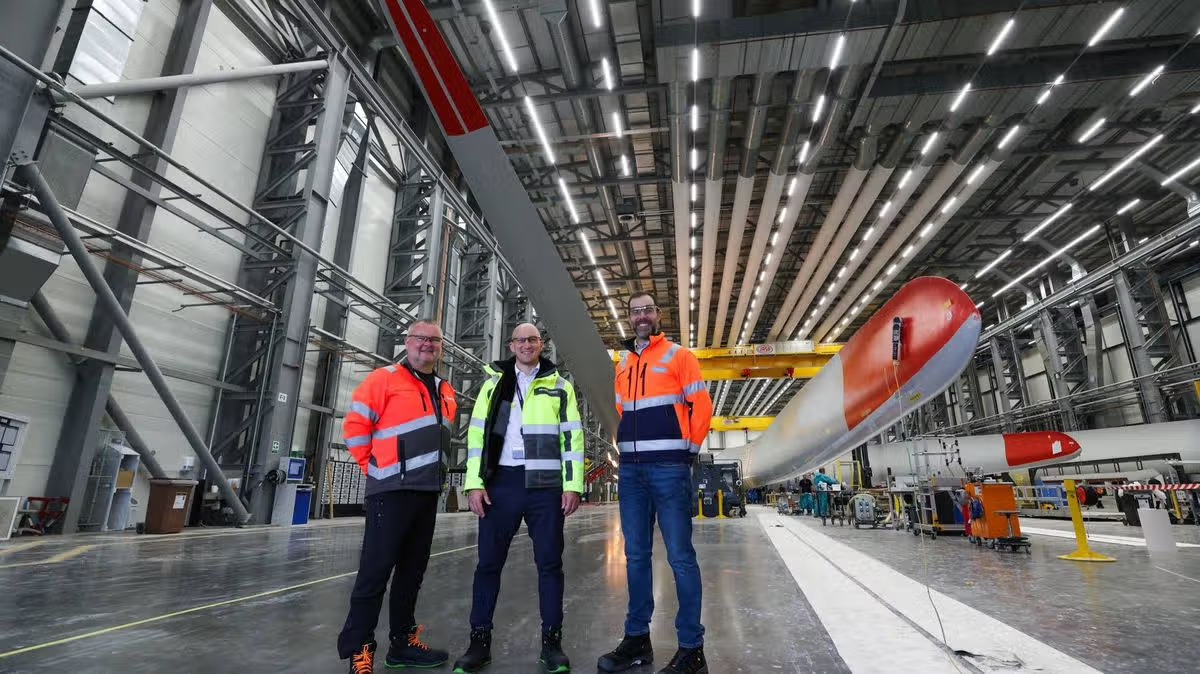
The 115m blades – the largest ever made in the UK – are being built by Siemens Gamesa at Hull’s Alexandra Dock plant for Ørsted’s Hornsea 3 offshore wind farm

Siemens Gamesa is based at Alexandra Dock.

Hull workers will produce the blades for the world’s single largest offshore wind farm. From left: Jason Ledden, senior project director, Hornsea 3; Andy Sykes, plant director, Siemens Gamesa and, Luke Bridgman, managing director Hornsea 3(Image: Orsted)

Massive blades destined to power wind turbines in the North Sea are now being manufactured by workers in Hull at Siemens Gamesa. Production for Ørsted’s Hornsea 3, the world’s largest single offshore wind farm, has commenced at the Alexandra Dock facility, which employs 1,400 people.

Each blade stretches 115m in length – marginally longer than a Premier League football pitch. Every 15MW turbine requires three blades and, once fully operational, Hornsea 3 will be capable of generating 2.9GW of clean energy – sufficient to power more than 3.3m UK homes.

Advertisement

It is the third instalment in Ørsted’s Hornsea Zone, following Hornsea 1 and 2, which together are capable of generating enough electricity for 2.5 million UK homes. Blades for those earlier farms were also produced in Hull.

The Hornsea region is overseen from Ørsted’s Royal Dock hub in Grimsby. The first of nearly 200 enormous foundations for the turbines comprising Hornsea 3 was positioned off the East Yorkshire coastline earlier this year.

The blades each measure 115m long – slightly longer than a Premier League Football Pitch.

From left: Jason Ledden, senior project director, Hornsea 3; Andy Sykes, plant director, Siemens Gamesa and, Luke Bridgman, managing director Hornsea 3(Image: Chris Booth)

Energy Minister Michael Shanks said: “This is what good growth in every postcode looks like – world-leading offshore wind blades built in Hull, powering clean homegrown electricity for millions of homes from off the coast of Yorkshire. As we tackle the root cause of high energy bills, our exposure to volatile international fossil fuel markets, we are determined that the homegrown power we build must deliver for Britain too: creating British jobs and backing British innovation in our communities.”, reports Hull Live.

Luke Bridgman, managing director, Hornsea 3 at Ørsted, said: “This is a proud milestone for the Hornsea 3 offshore wind farm and these massive blades reflect how offshore wind energy continues to develop. This impressive feat of engineering is another part of the jigsaw that will help to power the UK.”

Advertisement

Darren Davidson, UK vice president for Siemens Energy and Siemens Gamesa, said: “Projects like Hornsea 3 demonstrate the scale of industrial capability required to deliver the energy transition. At 115 metres, these are the largest blades ever manufactured in the UK, reflecting how far offshore wind technology has advanced in recent years.

“Producing them in Hull is the result of over 10 years of investment in facilities, people, and expertise, and shows how offshore wind can support skilled manufacturing jobs while strengthening the UK’s domestic supply chain.”

Continue Reading

Business

GameStop Shares Rise Ahead Of Sept. 8 Earnings As EBay Stake Reshapes Company’s Bottom Line

Published

on

GameStop shares are buzzing anew on Wall Street

GRAPEVINE, Texas — Shares of GameStop Corp. climbed Thursday morning, trading at $19.15, up 17 cents, or 0.90%, as of 10:02 a.m. ET, as investors continued positioning ahead of the video game retailer’s full second-quarter earnings report, scheduled for after market close on Tuesday, Sept. 8.

The stock’s modest gain comes as GameStop’s business increasingly reflects the impact of its sizable investment portfolio, particularly a large stake in eBay, rather than the performance of its traditional video game and collectibles retail operations, which have continued to shrink.

GameStop released preliminary second-quarter results on Aug. 31, disclosing that it expects quarterly net income of between $290 million and $310 million, nearly double the $168.6 million the company reported during the same period a year earlier. The stronger bottom line, however, is not being driven by a rebound in core sales. Instead, GameStop said quarterly revenue is expected to fall to between $780 million and $800 million, down from $972.2 million a year earlier, with the sales decline attributed to the prior year’s launch of the Nintendo Switch 2, planned store closures, and the divestiture of the company’s operations in France.

The gap between GameStop’s shrinking sales and its rising net income has been driven largely by investment gains tied to the company’s eBay position. GameStop said its quarterly net income figure includes approximately $238 million in net gains related to its eBay derivative asset and equity investment. As of Aug. 1, GameStop held roughly 43.4 million shares of eBay common stock, with a fair value of approximately $4.947 billion.

Advertisement

During the quarter, GameStop converted a previously disclosed derivative position related to eBay into a direct equity investment, a move that also affected the company’s overall liquidity profile. GameStop said its cash, cash equivalents and marketable securities are expected to range between $5.05 billion and $5.07 billion, down from $8.69 billion at the close of the prior year’s second quarter, reflecting the conversion of that derivative position into direct eBay shares.

GameStop’s broader strategy toward eBay has continued to take shape throughout the year. On May 3, the company made a non-binding proposal to acquire the remaining shares of eBay for $125 per share in a combination of cash and GameStop stock. That proposed transaction cleared a key regulatory hurdle when the required Hart-Scott-Rodino antitrust waiting period was satisfied on June 3, allowing for potential optional physical settlement of GameStop’s existing options positions tied to eBay shares. GameStop directly owns 4,343,725 eBay shares outright, and separately holds put and call option pairs providing economic exposure to an additional 39,046,658 shares.

Shareholders have already taken formal steps to support GameStop’s broader strategic ambitions involving eBay. At the company’s 2026 Annual Meeting of Stockholders, shareholders approved an amendment to GameStop’s certificate of incorporation increasing the number of authorized shares of Class A common stock, a change supported by 68.7% of votes cast. The amendment gives GameStop additional capacity to issue common stock in connection with strategic transactions, including its proposed eBay acquisition, should that deal ultimately move forward.

Alongside its preliminary earnings release, GameStop also announced an amendment to a previously disclosed plan to exchange approximately $1.4 billion in convertible notes for shares of Class A common stock. Under the revised terms, noteholders will receive roughly 55.5 million shares of common stock, representing about 73% of the total consideration, along with approximately $358.4 million in cash, representing the remaining 27%, which GameStop said it expects to fund from cash on hand. The amended exchange is expected to close on or about Sept. 3. The original agreement, announced earlier in the same month, had been structured to be settled entirely in stock, with the total share count determined by GameStop’s average volume-weighted stock price over a 35-day reference period; the amendment terminates that reference period early, fixing the total number of shares to be issued rather than leaving it subject to further market fluctuation.

Advertisement

GameStop shares rose 5% in premarket trading following the announcement of the amended note exchange terms, as investors welcomed the reduced dilution shareholders would face compared with the original all-stock structure. Once completed, the exchange will reduce GameStop’s outstanding long-term debt by roughly $1.4 billion, leaving $1.1 billion of 2030 Notes and $1.7 billion of 2032 Notes outstanding.

GameStop had earlier issued formal fiscal year 2026 guidance projecting adjusted EBITDA above $600 million for the fiscal year ending Jan. 30, 2027, a significant increase from the $345.4 million reported in fiscal 2025. The company’s board also separately approved a request from Chief Executive Ryan Cohen to withdraw a proposed CEO Performance Award from this year’s proxy statement, with Cohen stating he wanted company leadership focused on operating performance and the proposed eBay acquisition rather than on compensation matters.

GameStop’s first-quarter 2026 results, covering the period ended May 2, showed net sales rising 14% year-over-year to $835.3 million, driven by strength in the company’s collectibles business, with net income reaching a record $389.6 million for the quarter.

The stock’s trajectory this year has remained well below its meme-stock-era highs. Shares of the Texas-based retailer, founded in 1984 and known for video games, gaming consoles, accessories and collectibles, famously surged more than 1,600% in January 2021, fueled by a coordinated retail investor push originating on Reddit’s WallStreetBets forum. GameStop shares reached a record $120.75 during that period before giving back roughly 85% of those gains in the years since. Despite Thursday’s modest gain and the earlier 2.9% jump following the preliminary earnings release, GameStop stock remains down roughly 8% for 2026 overall.

Advertisement

With GameStop’s full second-quarter results due after market close on Sept. 8, investors and analysts will be watching closely to see whether the company’s expanding investment portfolio, anchored by its eBay position, can continue offsetting the ongoing decline in its core retail business, or whether Wall Street will ultimately demand clearer signs of stabilization in GameStop’s traditional operations regardless of gains generated through its broader investment strategy.

Continue Reading

Trending

Copyright © 2025