Fastenal Company (FAST) Shareholder/Analyst Call April 23, 2026 11:00 AM EDT
Company Participants
Scott Satterlee John Milek – VP & General Counsel Jeffery Watts – President & Chief Sales Officer Daniel Florness – CEO & Director
Conference Call Participants
Advertisement
Mark Dumke Ken Lyons Kate Hazelton Andrew Elcock
Presentation
Scott Satterlee
Advertisement
Good morning, everybody, and welcome to Fastenal’s 2026 Annual Meeting of Shareholders. My name is Scott Satterlee, Chair of the Board. And first off, I’d like to thank and appreciate the global Fastenal Blue Team for that intro video. Before we move on to official business, actually, I want to make sure I thank everybody here for taking the time as well as those watching on the webcast. We appreciate your connection and your investment in Fastenal. So thank you very much.
Before we move on to official business, I would like to introduce Pastor Mark Dumke, the retired pastor of Faith Lutheran Church to lead the invocation.
Mark Dumke
Advertisement
Thank you, Scott, for the invitation. And friends, it’s good to be here with you again this morning. I’m thinking of 2 words this morning, gratitude and confidence. Dan, I’ve known you since you moved to town in 1996. And with your wife, Jenny, and your 4 wonderful kids who have now grown to be outstanding adults. It’s been a pleasure to watch you and Fastenal and your family grow. Likewise, it’s been a pleasure, along with all of you to watch the growth of Fastenal all of these years. I am grateful for your integrity and for your leadership and stewardship of the Fastenal company, especially as CEO these past 10 years. Congratulations.
I’m also confident in the ability of Fastenal to continually raise up leaders who are the best in the industry. I’m confident in your successor, Jeff Watts, who will build on your
OutKick founder Clay Travis joins ‘Varney & Co.’ to comment on sports streaming and a report about the Justice Department probing the NFL over streaming deals.
Boxing’s future as both a sport and a business was front and center on Capitol Hill this week, where lawmakers and industry leaders discussed whether a fragmented system that has governed the sport for decades can still compete in today’s media landscape.
At issue is a proposed overhaul that would allow for the creation of a “new, centralized, alternative professional boxing system called Unified Boxing Organizations (UBO).”
Advertisement
The entities would be capable of controlling promotion, rankings and championships under one system.
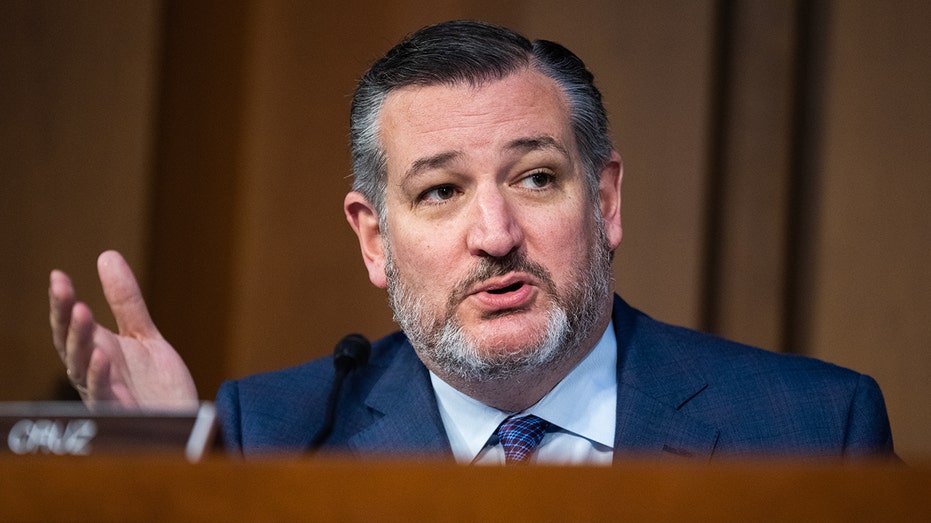
Senate Commerce Committee Chairman Ted Cruz, R-Texas, framed the moment as a turning point for the sport’s business model.
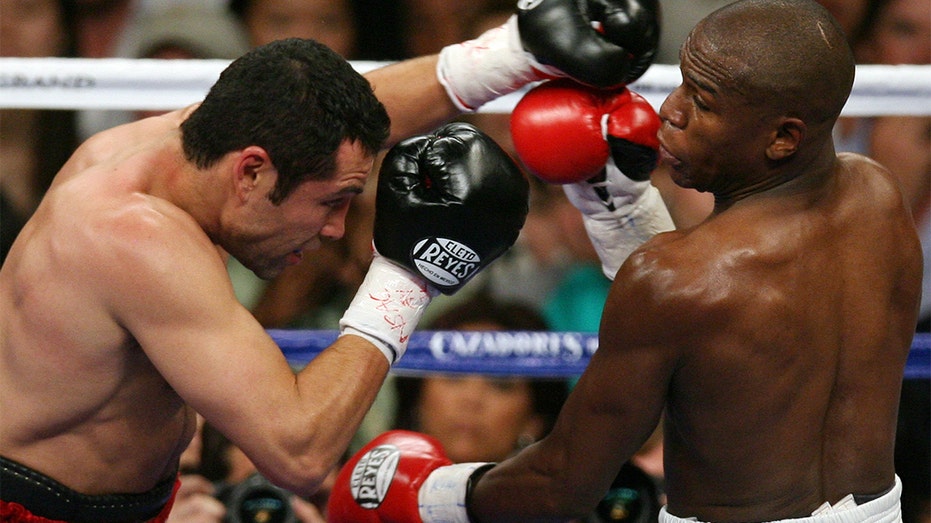
Oscar De La Hoya, left, fights Floyd Mayweather for the WBC super welterweight world championship in Las Vegas May 5, 2007. (Gabriel Bouys/AFP via Getty Images)
“Thirty, forty years ago, boxing was a dominant sport in America,” Cruz said in an interview with FOX Business. “Now there’s chaos and division: fractured belts, disputed titles.”
Advertisement
He added that the goal of the proposed reforms is “to make boxing great again” by increasing compensation, improving safety and rebuilding the sport’s pipeline of talent.
The legislation under consideration, the Muhammad Ali American Boxing Revival Act of 2026, and already passed by the House of Representatives, would not eliminate the current system outright.
Instead, it would create what Cruz described as “a second alternative path,” allowing fighters to choose between the existing system and the more centralized model designed to generate larger media deals and new revenue streams.
Advertisement
That dual-track approach has done little to resolve a deeper divide within the sport, however.
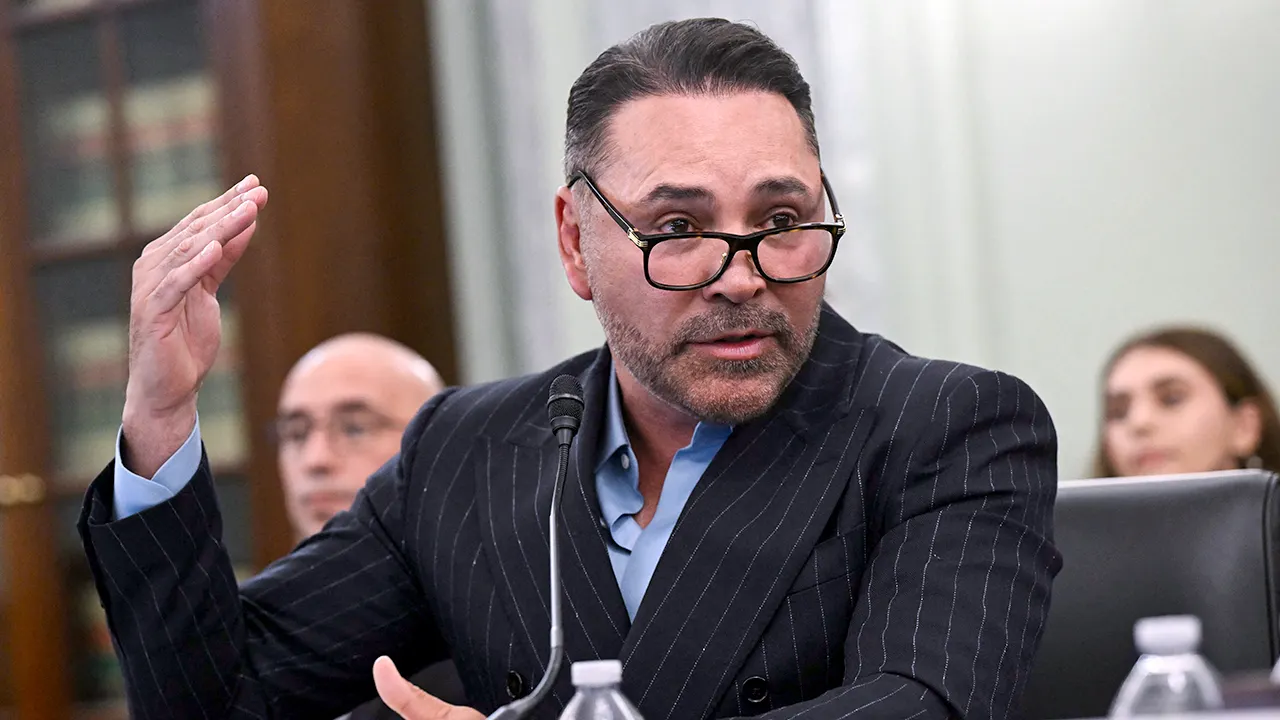
Former champion and Olympic gold medalist Oscar De La Hoya, who testified before the committee, argued the current framework remains essential to protecting fighters, particularly those early in their careers.
“We’re here to make sure we protect the fighters’ rights,” De La Hoya said in an interview with FOX Business after the hearing.
Oscar De La Hoya testified before a Senate committee this week. (Amy Sussman/Getty Images)
Drawing on his own experience, he pointed to a famous 1998 fight against Félix Trinidad, when he signed a lucrative deal with promoter Bob Arum but was unaware of the full financial windfall from the event.
Advertisement
At the time, De La Hoya said, fighters were not given clear disclosures about how much revenue their bouts generated, leaving them at a disadvantage in negotiations.
De La Hoya also argued that boxing’s decentralized system helps protect fighters by preventing too much power from being controlled by a single group.
“The fighters are making the majority of the money,” he added. “We don’t have to answer to corporate America. We don’t have to answer to shareholders. … We answer to the fighters.”
But proponents of reform argue that fragmentation has become boxing’s biggest commercial obstacle.
WWE President Nick Khan, who also testified at the hearing, said boxing lacks the centralized infrastructure that has helped leagues like the NFL and UFC grow into global media titans.
“Boxing — especially in the United States — is dying. … It’s a sport that needs to be revived,” Khan, who was representing TKO and Zuffa Boxing at the hearing, told FOX Business, pointing to limited media integration, weak merchandising and inconsistent event quality.
“When boxing is great, there might not be anything better,” he said. “The issue is it’s just not great often enough.”
Advertisement
Khan and other supporters envision a system that could standardize competition and deliver more consistent, marketable events that could potentially unlock larger broadcast deals and sponsorship opportunities.
Sen. Ted Cruz, R-Texas, said the goal of the proposed reforms is “to make boxing great again” by increasing compensation, improving safety and rebuilding the sport’s pipeline of talent. (Tom Williams/CQ-Roll Call, Inc via Getty Images)
“There’s some central body” behind the growth of other major sports leagues, Khan said, suggesting boxing has struggled in part because it lacks that structure.
For now, Cruz emphasized flexibility, arguing that giving fighters a choice between systems could allow the market to decide what works.
Advertisement
“If they choose not to take the new option, that’s their choice,” he said.
“But if it results in higher compensation … I think that improves the outcome for everyone.”
Khan echoed that view, pointing to boxing’s decline in cultural and commercial relevance.
Advertisement
“In 1976, [boxing] was the most culturally dominant sport of (the) bicentennial year a mere 50 years ago. Now, if you look at the current state of boxing, not one major media conglomerate is in the boxing space outside [one] deal,” Khan said.
“Our hope and plan is to change all of that. That will benefit the fighter.”
PITTSBURGH — The 2026 NFL Draft opened with a bang Thursday night at Acrisure Stadium as the Las Vegas Raiders selected Indiana quarterback Fernando Mendoza with the No. 1 overall pick, kicking off a first round heavy on skill-position talent and defensive playmakers.
2026 NFL Draft Result: Raiders Shock with No. 1 Pick on QB Fernando Mendoza, Star RBs Fly Off Board
Mendoza, the 2025 Heisman Trophy winner, stood as the clear consensus top prospect in a class defined by quarterback upside and explosive offensive weapons. At 6-foot-4 and 236 pounds, the athletic signal-caller brings arm talent, mobility and leadership that Raiders brass hope will finally stabilize the franchise’s long-troubled quarterback position.
New York Jets general manager took the edge with the second pick, selecting Texas Tech standout David Bailey, a versatile EDGE rusher praised for his explosiveness and run-stopping ability. The Arizona Cardinals made history of sorts at No. 3 by grabbing Notre Dame running back Jeremiyah Love — the highest drafted running back since Saquon Barkley — signaling a commitment to revitalizing their ground game.
The surprises continued at No. 4 when the Tennessee Titans selected Ohio State wide receiver Carnell Tate, a polished route-runner with elite hands and contested-catch ability. The New York Giants followed by taking Ohio State linebacker Arvell Reese, bolstering their front seven.
Trades spiced up the evening. The Kansas City Chiefs moved up to No. 6 to snag LSU cornerback Mansoor Delane, a shutdown talent who immediately upgrades their secondary. Multiple deals involving the Giants, Cowboys and Dolphins reshuffled the board, underscoring aggressive maneuvering for premium talent.
Advertisement
The draft, hosted in Pittsburgh for the first time since 1948, drew massive crowds to Point State Park and Acrisure Stadium. Fans packed the North Shore as Commissioner Roger Goodell announced picks amid roaring cheers and occasional boos for certain selections. The shortened 8-minute clock between first-round picks kept the pace brisk compared to previous years.
Analysts praised several teams for addressing core needs. The Raiders, coming off another losing season, landed their franchise quarterback. Mendoza’s selection marks a bold reset in Las Vegas, where new coaching staff and front office personnel are under pressure to deliver results quickly.
The running back surge stood out as a defining theme. Love’s selection at No. 3 broke a long-standing trend of devaluing the position early. Later in the round, additional backs and skill players heard their names called, reflecting a class rich in offensive firepower. Notre Dame’s Jadarian Price also went in the first round, giving the Fighting Irish two early selections at the position.
Defensive talent flowed steadily. Bailey’s selection by the Jets addressed pass-rush concerns, while several linebackers and cornerbacks found homes in the top 15. The draft’s depth at EDGE and secondary positions allowed teams to fill immediate holes without reaching.
Advertisement
Quarterback movement extended beyond the top spot. The Los Angeles Rams selected Alabama’s Ty Simpson at No. 13, adding a developmental prospect to compete and learn behind Matthew Stafford under Sean McVay’s tutelage. Other teams addressed the position later as the board unfolded.
Team grades poured in quickly from analysts. The Baltimore Ravens earned high marks for smart value picks, including interior offensive lineman Olaivavega Ioane from Penn State. The Carolina Panthers and Chicago Bears also drew positive reviews for addressing key roster gaps efficiently.
Off-field storylines added intrigue. Several top prospects brought compelling personal narratives, from Mendoza’s rise through the Big Ten to Love’s work ethic at Notre Dame. The event’s Pittsburgh setting amplified local pride, with Steelers fans turning out in force despite their team picking later.
As Round 1 wrapped, attention shifted to Friday’s Rounds 2 and 3, where depth at wide receiver, offensive line and defensive tackle should produce strong value. Teams with multiple early selections, including the Jets and Giants, positioned themselves well to build around their top picks.
Advertisement
The 2026 class is projected as one of the stronger groups in recent memory, particularly on offense. Mendoza’s leadership qualities and arm strength drew comparisons to established NFL starters, while skill-position talent across positions offered immediate contributors for contending teams.
General managers emphasized fit and character in post-pick interviews. Many highlighted how selected players aligned with scheme needs and locker room culture. The draft’s three-day format allows continued action Friday evening and Saturday, culminating with Mr. Irrelevant on the final day.
Broader NFL context frames the event’s importance. Several franchises, including the Raiders, Giants and Titans, view this draft as pivotal for their rebuild timelines. Veteran free agency moves earlier in the offseason created specific holes that Thursday’s selections aimed to fill.
Fans and analysts will debate value for weeks. Early consensus suggests the top of the board played out largely as anticipated, with some reaches and steals emerging as the round progressed. The inclusion of multiple Ohio State and Notre Dame products underscored the strength of those programs’ recent cycles.
Advertisement
Pittsburgh’s vibrant atmosphere enhanced the spectacle. From riverside fan zones to stadium energy, the host city delivered a memorable experience, boosting local economy and NFL visibility in the region. Organizers reported strong turnout for the free NFL Draft Experience at Point State Park.
As the league moves into Day 2, expectations remain high for continued impactful selections. Teams still seeking quarterbacks, edge rushers and offensive linemen will find options in the middle rounds, while depth charts across the league begin taking shape for the 2026 season.
The 2026 NFL Draft has already delivered drama, star power and strategic maneuvering. With Fernando Mendoza leading the way as the Raiders’ new hope and dynamic talents like Jeremiyah Love and Carnell Tate joining NFL rosters, the class promises to influence the league for years to come. Rounds 2 and 3 on Friday will determine which teams maximized their opportunities in this talent-rich draft.
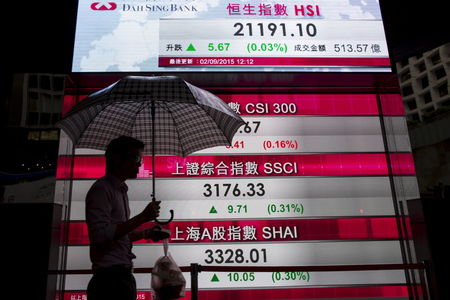
Indian stock markets declined nearly 1% on Thursday, mirroring losses in Asian benchmarks as Brent oil prices surpassed $100, fueling cautious sentiment. Analysts anticipate range-bound trading until strong market triggers emerge, with the Nifty closing at 24,173.05 and Sensex at 77,664.
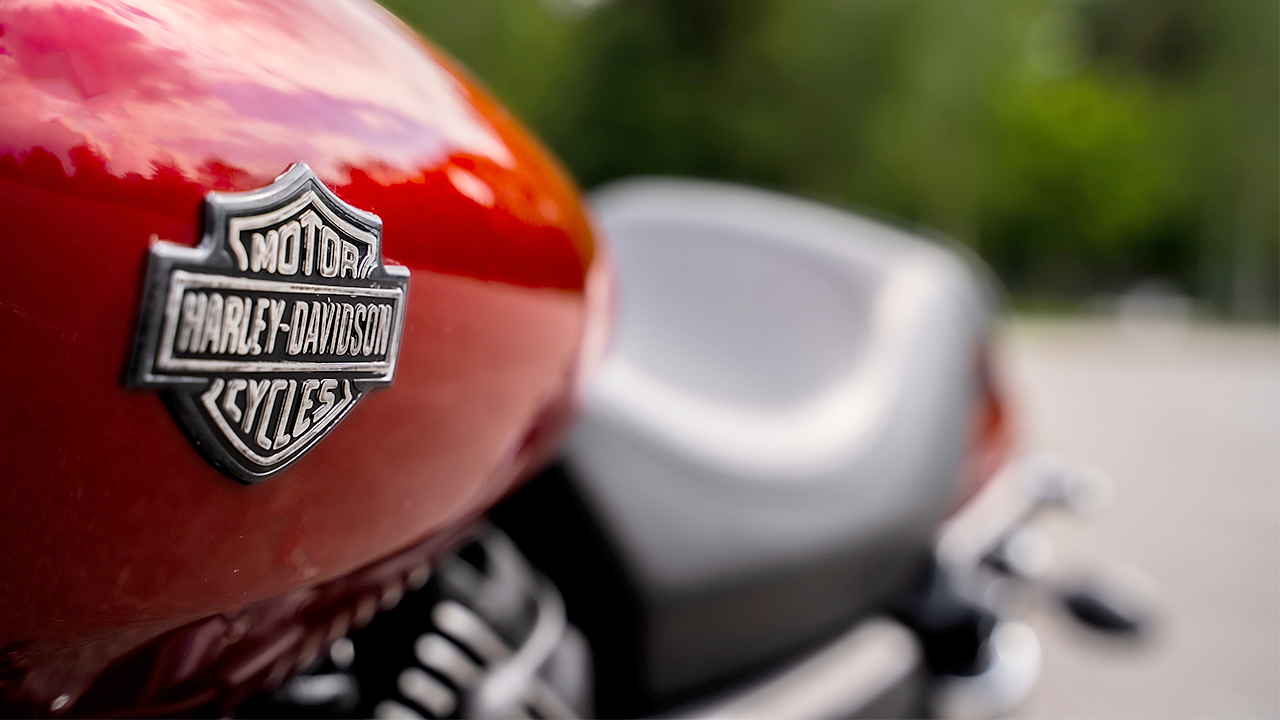
Harley-Davidson is recalling nearly 17,000 motorcycles over a potential brake failure issue that could heighten the risk of a crash, according to federal regulators.
The recalled motorcycles include 2025 and 2026 models.
Advertisement
Affected motorcycles include the Harley-Davidson FXLRS with a production date from Dec. 5, 2024, to March 16, 2026; Harley-Davidson FXLRST with a production date from Oct. 3, 2024, to March 16, 2026; Harley-Davidson FXBB with a production date from Oct. 3. 2024, to March 16, 2026; and Harley-Davidson FLHC with a production date from Oct. 3, 2024, to March 12, 2026.
Harley-Davidson is recalling nearly 17,000 motorcycles over a potential brake failure issue. (Getty Images / Getty Images)
Three other claims of brake fluid loss or inoperable rear brakes were identified after a review of warranty and service records, the report states.
Advertisement
Upon further investigation, Harley-Davidson discovered that the affected models lacked enough clearance between the rear brake line and the body control module (BCM).
“Contact between the brake line and the BCM, over time, could lead to a hole in the brake line and a loss of brake fluid. If brake fluid loss remains undetected, rear braking may be compromised, increasing the risk of a crash,” the NHTSA said in its report.
Harley-Davidson discovered the affected models lacked enough clearance between the rear brake line and the body control module. (iStock / iStock)
“The operator may note the presence of brake fluid underneath the motorcycle. In addition, the rider may note a decrease in rear brake performance,” the report says.
No accidents or injuries have been reported with the motorcycles included in the recall.
No accidents or injuries have been reported. (Jakub Porzycki/NurPhoto via Getty Images / Getty Images)
Harley-Davidson will notify all dealers about the recall effort by Monday, and owners are expected to receive notification letters by May 25, according to the recall notice.
“The BCM caddy and associated hardware will be replaced on all affected vehicles. In addition, the rear brake line will be inspected and, if damaged, will be replaced along with associated parts,” the notice states.
Advertisement
Harley-Davidson did not immediately respond to FOX Business’ request for comment.
As artificial intelligence reshapes search algorithms and user behavior in 2026, digital marketers need smarter, faster and more integrated tools to stay competitive. Traditional keyword stuffing and basic backlink building no longer guarantee results. Success now depends on AI-powered content optimization, real-time ranking tracking, competitor intelligence and visibility across both traditional search and AI-generated answers.
20 Best SEO Tools Every Digital Marketer Must Use in 2026
From all-in-one platforms to specialized AI assistants, the SEO toolkit has evolved dramatically. Here are the 20 best SEO tools that leading marketers and agencies rely on in 2026, grouped by primary use case with practical insights on why they matter and how to use them effectively.
All-in-One SEO Platforms
1. Semrush Semrush remains the most comprehensive SEO platform in 2026. With over 50 tools covering keyword research, site audits, rank tracking, content optimization and competitive intelligence, it serves as a complete command center for marketers. The AI-powered features, including predictive keyword trends and content briefs, help teams create search-optimized material faster than ever. Agencies particularly value its white-label reporting and client management tools.
2. Ahrefs Ahrefs excels in backlink analysis and competitor research with the industry’s largest index of live backlinks. Its Site Explorer, Keywords Explorer and Content Gap tools help marketers uncover opportunities competitors miss. In 2026, enhanced AI insights predict ranking potential and flag toxic links more accurately, making it essential for link-building strategies.
Advertisement
3. SE Ranking SE Ranking offers an affordable all-in-one alternative with strong rank tracking, site audits and AI content tools. Its clean interface and flexible pricing make it popular among small to medium businesses and growing agencies. The platform’s AI Overview Tracker monitors how brands appear in AI-generated search results, a critical capability in the current landscape.
AI-Powered Content Optimization Tools
4. Surfer SEO Surfer SEO leads in on-page optimization by analyzing top-ranking pages and providing data-driven recommendations for headlines, structure, keyword usage and readability. Its AI features generate optimized content outlines and score drafts in real time. Marketers use it to consistently create content that ranks higher with less guesswork.
5. Clearscope Clearscope focuses on content quality and topical authority. It evaluates search intent and suggests semantically related terms that strengthen relevance. In 2026, its integration with AI writing tools makes it a favorite for content teams producing large volumes of high-performing material.
Advertisement
6. Rankability Rankability stands out as a full-cycle AI SEO platform. It combines research, content briefs, optimization and performance monitoring in one workflow. Many agencies name it their top AI SEO tool for 2026 due to its autonomous capabilities and strong results in both traditional and AI search visibility.
Keyword Research and Discovery Tools
7. Google Keyword Planner Still free and essential, Google Keyword Planner provides accurate search volume and competition data directly from the source. Marketers combine it with paid tools for deeper insights.
8. Google Search Console No SEO toolkit is complete without Google Search Console. It delivers first-party data on indexing, performance, core web vitals and AI Overview appearances. Regular monitoring here remains the foundation of any successful strategy.
Advertisement
Technical SEO and Site Audit Tools
9. Screaming Frog SEO Spider This desktop crawler remains the gold standard for technical audits. It identifies broken links, duplicate content, crawl issues and schema opportunities across large websites.
10. Nightwatch Nightwatch excels at accurate daily rank tracking across thousands of locations and devices. Its competitor visualization and white-label reports make it popular among agencies.
Backlink and Link-Building Tools
Advertisement
11. Majestic Majestic specializes in trust flow and citation flow metrics that help evaluate link quality. Its fresh index supports proactive outreach campaigns.
12. Moz Moz offers beginner-friendly SEO tools with strong domain authority metrics and link analysis features.
Specialized and Emerging Tools
13. Writesonic — Strong AI content generator with built-in SEO optimization.
Advertisement
14. AirOps — Excellent for scaling content operations with AI automation.
15. SE Ranking AI Overview Tracker — Monitors brand visibility in AI search engines like ChatGPT and Perplexity.
16. Exploding Topics — Identifies trending keywords and topics early for content planning.
17. AlsoAsked — Reveals related questions and people-also-ask data for comprehensive topic coverage.
Advertisement
18. SparkToro — Uncovers audience interests, websites and influencers for better targeting.
19. AgencyAnalytics — Best for white-label reporting and multi-client dashboard management.
20. Gumloop — Leading automation tool that connects SEO workflows and eliminates repetitive tasks.
Choosing the Right Stack in 2026
Advertisement
Most successful marketers use a combination of three to five tools rather than trying to master everything. A typical powerful stack includes Semrush or Ahrefs for research, Surfer or Clearscope for content optimization, Nightwatch or SE Ranking for tracking, and Google Search Console for free foundational data.
Budget-conscious beginners can start with free tiers of Semrush, Google tools and limited Ahrefs access. As campaigns scale, investing in premium features delivers strong returns through higher rankings and efficiency gains.
Emerging Trends in SEO Tools
AI integration has become table stakes. Tools now predict ranking volatility, generate content briefs, monitor AI search visibility and automate outreach. Voice search optimization, schema markup automation and zero-click search strategies appear more prominently in 2026 platforms.
Advertisement
Mobile-first indexing, core web vitals and user experience signals continue growing in importance. The best tools provide actionable recommendations across these areas rather than raw data alone.
Final Advice for Digital Marketers
Mastering these 20 tools will not guarantee success by itself. The most effective marketers combine technology with strong strategy, creativity and a deep understanding of their audience. Regular testing, continuous learning and ethical practices remain essential as algorithms evolve.
In 2026, the marketers who win are those who use the best SEO tools not just to chase rankings but to create genuine value for users. The platforms listed here provide the capabilities needed to achieve that goal efficiently and at scale.
Advertisement
Start by auditing your current toolkit against this list. Identify gaps in research, optimization, tracking or automation. Then build a focused stack that matches your budget, team size and objectives. The investment in the right tools consistently pays dividends through improved visibility, traffic and conversions.
The SEO landscape moves quickly, but professionals equipped with these 20 essential tools will stay ahead of the curve throughout 2026 and beyond.
Oil prices edged higher on Friday morning, extending gains for a fifth session in a row, amid fresh concerns of escalating tensions in the Middle East. The move followed Iran releasing footage of commandos boarding a cargo vessel in the Strait of Hormuz, along with reports that its air defence systems had engaged what were described as “hostile targets.”
U.S. President Donald Trump said Iran may have increased its weapons stockpile “a little bit” during the two-week ceasefire, but added that U.S. forces could neutralize it within a day.
Crude oil price on April 24
Brent crude futures climbed $1.23, or 1.17%, to $106.3 per barrel by 0107 GMT, while West Texas Intermediate rose $1.07, or 1.12%, to $96.92. Both benchmarks had already settled more than 3% higher on Thursday, surging nearly $5 a barrel after reports of air defence activity over Tehran and indications of a power struggle within Iran between hardliners and moderates.The standoff has increasingly taken the form of competing naval pressures, with both the U.S. and Iran seeking economic leverage to strengthen their negotiating positions.
Advertisement
Live Events
Iran continues to insist that vessels obtain its permission before passing through the strait, while Trump claimed the U.S. has “total control” over the waterway. At the same time, the U.S. Navy has maintained a blockade targeting Iranian ports and vessels. Separately, Israel’s defence minister said Jerusalem is awaiting U.S. approval to resume military action against Iran and “complete the elimination of the Khamenei dynasty.” Trump also stated in a social media post that Israel and Lebanon have agreed to extend their ceasefire by three weeks following a high-level meeting at the White House.
Where are prices headed?
A Haitong Futures note cited by Reuters said that the ceasefire phase increasingly appears to be a buildup toward further conflict. It added that if U.S.-Iran negotiations fail to make meaningful progress by the end of April and hostilities resume, oil prices could hit new highs for the year.
Macquarie estimates that crude prices could remain supported in the $85 to $90 range in the near term, with a gradual rise towards $110 as supply conditions improve. It also cautioned that prolonged disruptions through April could push Brent prices as high as $150 per barrel.
Nuvama Institutional Equities added that an extended closure of the Strait of Hormuz, which carries around 20 million barrels per day, could drive crude prices into the $110 to $150 range.
(Disclaimer: Recommendations, suggestions, views and opinions given by the experts are their own. These do not represent the views of The Economic Times)















































You must be logged in to post a comment Login