Business
FCC proposes Robocall Scorecard to strengthen consumer protection

Federal Communications Commission Chairman Brendan Carr joins ‘Varney & Co.’ to climb a 2,000-foot tower, spotlight tower crews, and tout Trump-era reforms boosting high-paying jobs and expanding 5G.
EXCLUSIVE: The Federal Communications Commission (FCC) on Wednesday proposed a new consumer tool dubbed a Robocall Scorecard that gives consumers insight into efforts to crack down on illegal robocalls, FOX Business has learned.
A public notice was released by the FCC on Wednesday that seeks input on key principles for the creation and usability of a Robocall Scorecard. Those include ensuring that it’s easy to understand and accessible to consumers, establishing rating criteria that are relevant and accurate, as well as creating an iterative process to improve the Scorecard.
“Combatting the scourge of illegal robocalls remains the FCC’s top consumer protection priority. And since I became chairman, we have been tackling the problem at every point of the call path,” said FCC Chairman Brendan Carr.
“In keeping with this steady drumbeat of work on behalf of American consumers, today’s announcement reinforces the agency’s dedication to protecting consumers from illegal robocalls and ensuring they have the tools they need to make informed choices,” Carr added.
US BANS NEW FOREIGN-MADE CONSUMER INTERNET ROUTERS OVER SECURITY CONCERNS

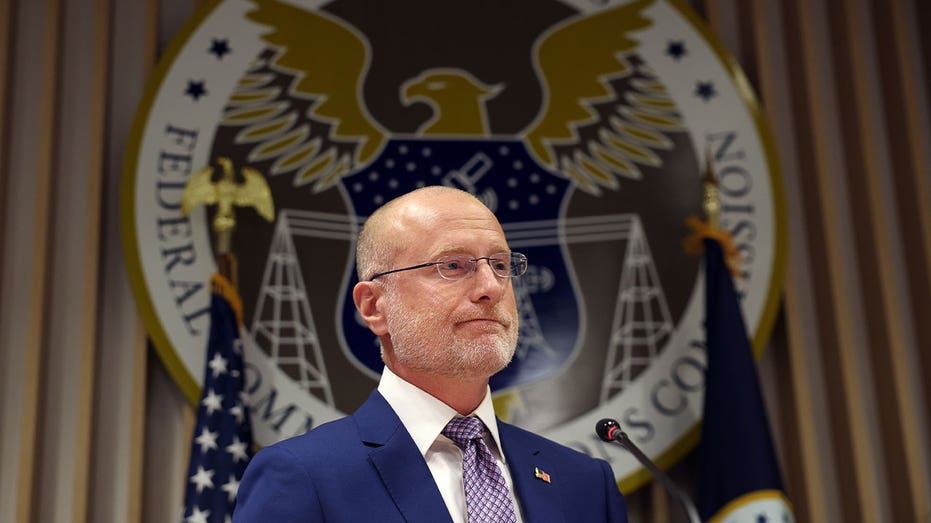
FCC Chairman Brendan Carr said the Robocall Scorecard will help consumers assess how providers are mitigating illegal robocalls, as well as incentivize providers to improve. (Kevin Dietsch/Getty Images)
The notice outlines categories of potential metrics – conduct-based metrics and outcome-based metrics – while also seeking comment on the FCC’s data sources and metrics to ensure they’re relevant in assessing how well providers are successfully and accurately protecting their customers from illegal robocalls.
Additionally, the FCC is seeking comment on ways to ensure that rating criteria and data are derived from sources that clearly disclose reliability limitations, while not inherently disadvantaging any particular provider.
Carr said that the scorecard will not only give consumers “more information about the measures providers are taking to fight illegal robocalls,” but will also “incentivize providers to improve their efforts.”
FCC ROBOCALL CRACKDOWN COULD CHANGE PHONE PRIVACY
The FCC said that it remains focused on protecting consumers by cracking down on robocalls. (iStock)
The notice says that it’s seeking comment on which providers should receive a scorecard rating, adding that the FCC’s proposal is to only rate domestic voice service providers with retail customers – including all types of retail providers across network types that are subject to illegal robocalls. It also offers more detail about the proposed conduct and outcome-based metric categories.
Conduct-based metrics would evaluate whether a provider has taken specific steps or responded to specific requests regarding illegal robocall mitigation, regardless of whether doing so is shown to reduce illegal robocalls.
This would cover things like providers offering consumer tools to label or block calls, as well as efforts made by providers to label or block calls and their responses to traceback requests.
FCC MAKES AI-GENERATED ROBOCALLS ILLEGAL AFTER FAKE BIDEN VOICE USED
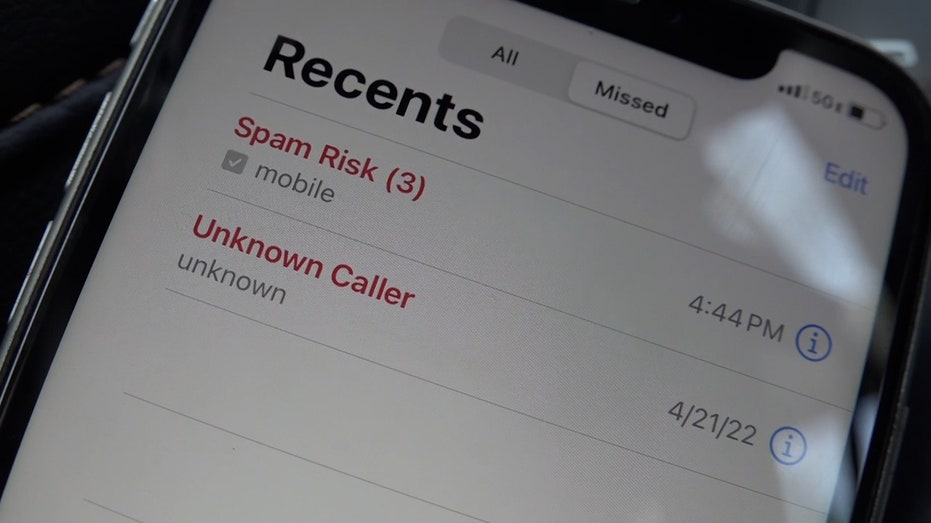
The FCC’s proposed Robocall Scorecard could measure conduct-based and outcome-based mitigation efforts. (FNC)
Outcome-based metrics would measure if a provider’s efforts actually reduce illegal robocalls reaching consumers, such as whether the number, rate, or severity of illegal robocalls experienced by consumers is lower because of something the provider did.
The outcome-based category would look at consumer complaints filed with the FCC and other federal agencies; aggregated data on the number of calls blocked along with the false positive rate for legitimate calls that are mistakenly blocked, and on the percentage of illegal robocalls received by consumers; as well as trend data showing the change over time in the volume or rate of illegal robocalls, drawn from third-party analytics sources when possible.
You must be logged in to post a comment Login