
Business
Fed holds rates steady as Powell’s chairmanship winds down: April FOMC

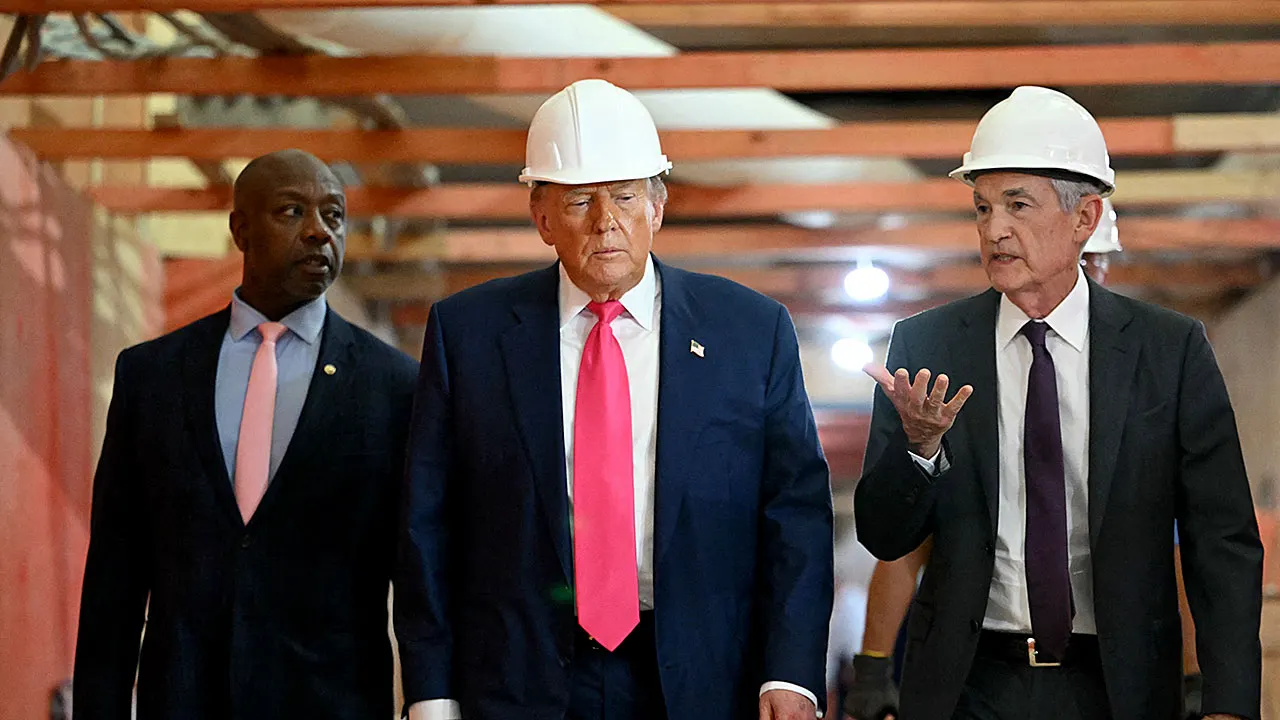
Powell is holding his likely last press conference before stepping down as Fed chairman next month.
This story about the Federal Reserve’s April interest rate decision is developing and will be updated with further details.
The Federal Reserve on Wednesday announced it will leave interest rates unchanged amid concerns about inflation rising further amid the war in Iran.
Fed policymakers voted to leave the benchmark federal funds rate unchanged at its current range of 3.5% to 3.75%. The move follows the central bank’s decision to hold rates steady in January and March after three successive 25-basis-point rate cuts in September, October and December to close out last year.
The Federal Open Market Committee (FOMC), the central bank’s panel responsible for monetary policy moves, voted 11-1 to leave interest rates unchanged. Fed Governor Stephen Miran dissented in favor of a 25-basis-point cut.
Three other FOMC members – Cleveland Fed President Beth Hammack, Minneapolis Fed President Neel Kashkari and Dallas Fed President Lorie Logan – dissented as they opposed the inclusion of language showing a bias toward easing interest rates. The four total dissents were the highest total for a FOMC meeting since 1992.
The FOMC meeting is expected to be the last under the leadership of Federal Reserve Chairman Jerome Powell, as his term as Fed chairman is due to expire on May 15. Powell said at his press conference that he intends to continue serve his term as a member of the Fed’s Board of Governors for a period of time that’s to be determined due to his concerns regarding the Trump administration’s investigations of the Fed.
KEVIN WARSH MOVES ONE STEP CLOSER TO BECOMING NEXT FED CHAIR
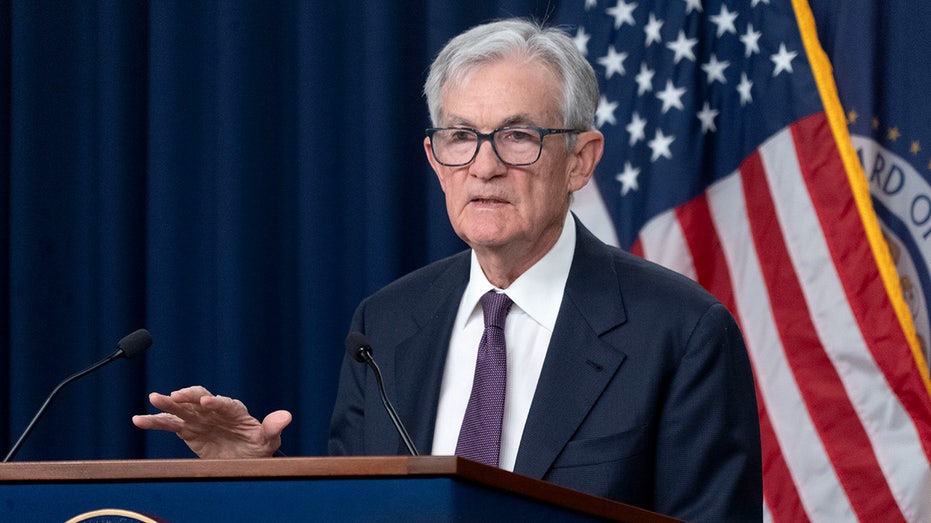
Federal Reserve Chair Jerome Powell’s term as a member of the Fed’s Board of Governors runs until January 31, 2028, though his chairmanship officially ends next month. (Li Yuanqing/Xinhua via Getty Images)
The FOMC’s statement noted that the war in the Middle East is “contributing to a high level of uncertainty about the economic outlook,” and that the economy is expanding with low levels of job gains and inflation elevated due to the recent rise in global energy prices.
Powell opened his press conference by saying that policymakers are “squarely focused on achieving our dual mandate goals of maximum employment and stable prices for the benefit of the American people.”
He noted that the slowdown in job growth stems from a “decline in the growth of the labor force due to lower immigration and labor force participation,” and said that inflation has risen recently due in part to the “significant rise in global oil prices that has resulted from the conflict in the Middle East.”
GOP SENATOR DROPS OPPOSITION TO TRUMP FED CHAIR NOMINATION AFTER DOJ DECISION
Powell was asked about the impact of the ongoing oil price shock and said that “in the textbook, you would look through an oil shock because they tend to be short-lived and they tend to revert, and monetary policy works with long and variable lags, so you know, you wouldn’t necessarily react right away.”
“That’s all the more true given that we’re several years above 2% inflation and we’re already looking through the tariff shock, so I think we’re going to be very cautious about that. But the question about looking through energy really is not in front of us right now, it hasn’t even peaked yet, and I think we’d want to see the back side of that and progress on tariffs before we even thought about reducing rates,” he explained.
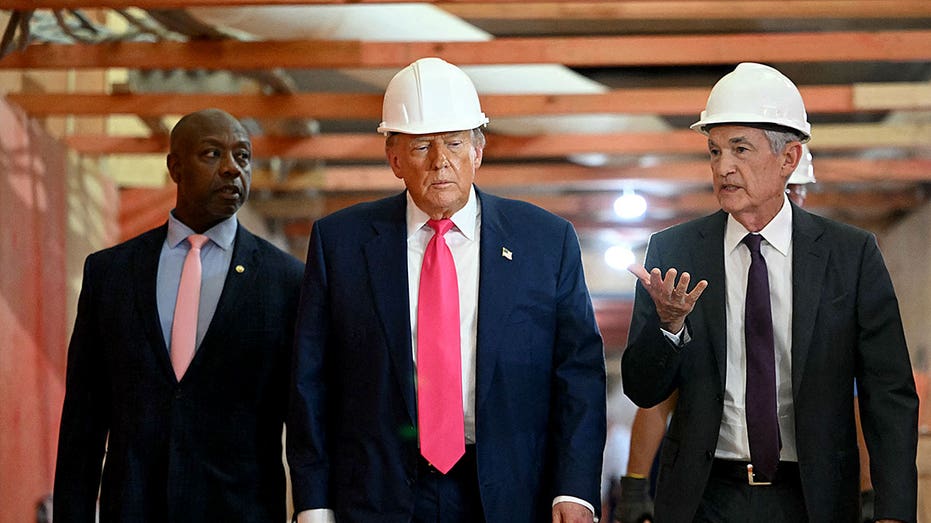
President Donald Trump appointed Powell as Fed chair in 2017, but has repeatedly criticized him and threatened to fire him in the years since. (Andrew Caballero-Reynolds/AFP / Getty Images)
FOX Business’ Edward Lawrence noted the four dissents in the FOMC statement and asked Powell if he’s handing a divided Fed to his successor.
“The thing to remember is, we have always had vigorous debates and they’re excellent debates, I have to say, they’ve been really good. And we’re in an unusually difficult situation, we’ve really had four supply shocks – you could actually say more than four, but at minimum, we had the pandemic, we had the invasion of Ukraine, we had the tariffs, and now we have Iran and the oil spike,” Powell said.
“Every supply shock has the capability of driving inflation up and unemployment up, and the central bank has a really hard time knowing what to do. So the right thing to do is to try to balance the achievement of those two goals, and that’s what our framework calls for us to do,” he said. “It’s only natural that you have a range of views on the committee… if everybody agreed, that would be surprising, and I think it’s partly a function of extraordinarily challenging set of supply shocks that we’ve been dealing with now for five or six years.”
POWELL WARNS OF NEW ENERGY SUPPLY SHOCK AS GAS PRICES SURGE: ‘NO ONE KNOWS HOW BIG IT WILL BE’
What’s next for Jerome Powell?
Powell said that this would be his last press conference as chair and congratulated his expected successor, former Fed Governor Kevin Warsh, on his nomination advancing from the Senate Banking Committee earlier on Wednesday.
He said that he plans to continue serving as a member of the Fed’s Board of Governors following the conclusion of his term as chairman due to lingering concerns over the Trump administration’s legal actions against the Fed.
“I welcomed the announcement last Friday by the U.S. Attorney for the District of Columbia that she had closed the criminal investigation. She also noted, however, that she would not hesitate to restart the investigation. Over the weekend, the Department of Justice provided assurances that they will not reopen the investigation unless there’s a criminal referral from the Fed’s inspector general. And if they do appeal the recent court decision, they would not seek, as part of that appeal, to restart the investigation, or send new subpoenas,” Powell said.
PIRRO CLOSES INVESTIGATION INTO FEDERAL RESERVE OVER BUILDING PROJECT
He said that he’s encouraged by recent developments and his decisions on these matters “will continue to be guided entirely by what I believe is in the best interest of the institution and the people we serve.”
“My concern is really about the series of illegal attacks on the Fed which threaten our ability to conduct monetary policy without considering political factors. And I want to note here, this has nothing whatever to do with verbal criticism by elected officials. I’ve never suggested that such verbal criticism is a problem, and neither has anyone else here,” Powell explained.
“But these legal actions by the administration are unprecedented in our 113-year history and there are ongoing threats of additional such actions. So I worry that these attacks are battering the institution and putting at risk the thing that really matters to the public – which is the ability to conduct monetary policy without considering political factors,” he added.
“It is so important for economy, for the people that we serve, that they can depend, over time, on a central bank that operates that way free of political influence. It’s part of the absolute foundation of this amazing economy that we have, it’s just one of the many reasons why the U.S. economy is the envy of the world,” Powell said.
TRUMP THREATENS TO FIRE POWELL, BLASTS FED LEADERSHIP AS ‘INCOMPETENT’
The outgoing Fed chair added that he previously planned to retire at the end of his chairmanship, but that he’s waiting for the “investigation to be well and truly over with finality and transparency, and I’m waiting for that, and I will leave when I think it’s appropriate to do so.”
Powell said that he plans to “keep a low profile as a governor. There’s only ever one chair of the Federal Reserve Board, when Kevin Warsh is confirmed and sworn in, he will be that chair once sworn in… his new colleagues will elect him to chair the FOMC as well.”
What experts are saying about interest rates

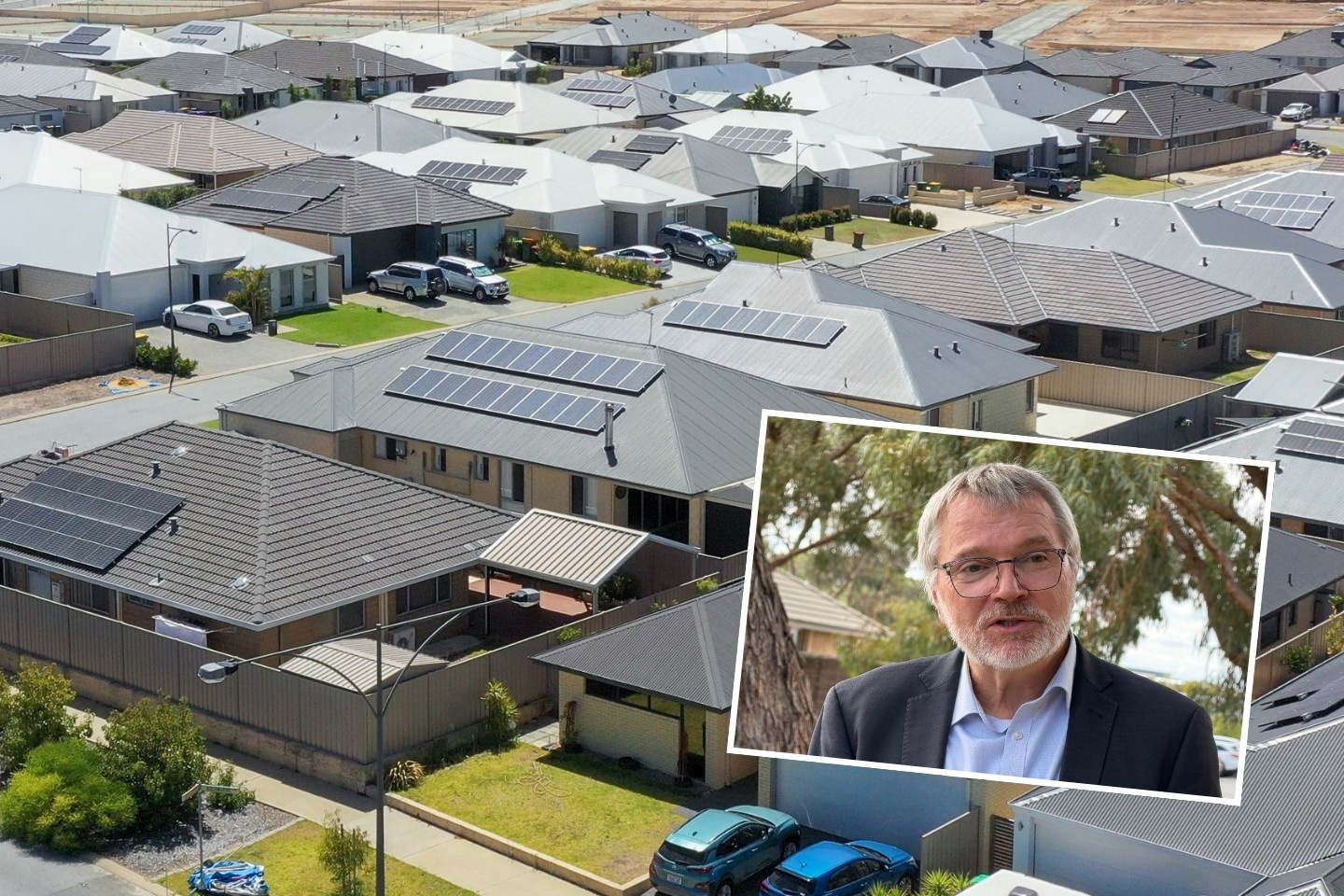
Western Australia’s rental availability and affordability have decreased from last year, Anglicare WA’s latest report shows.
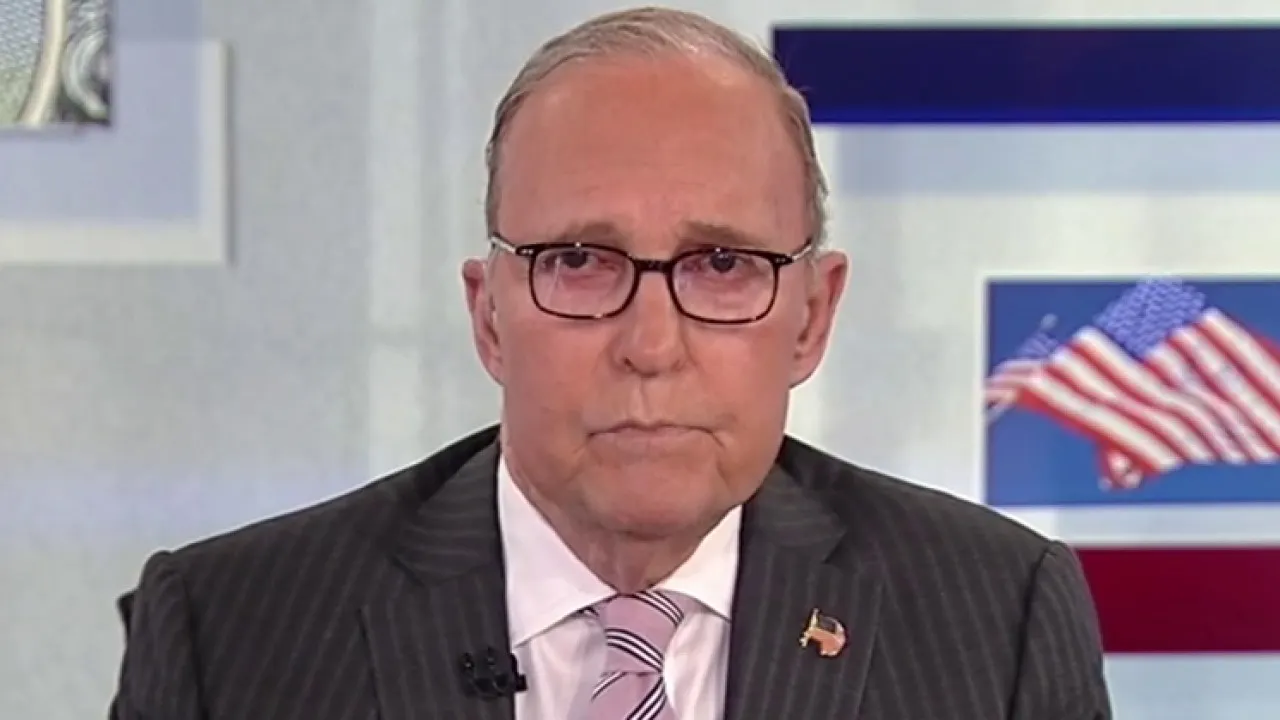
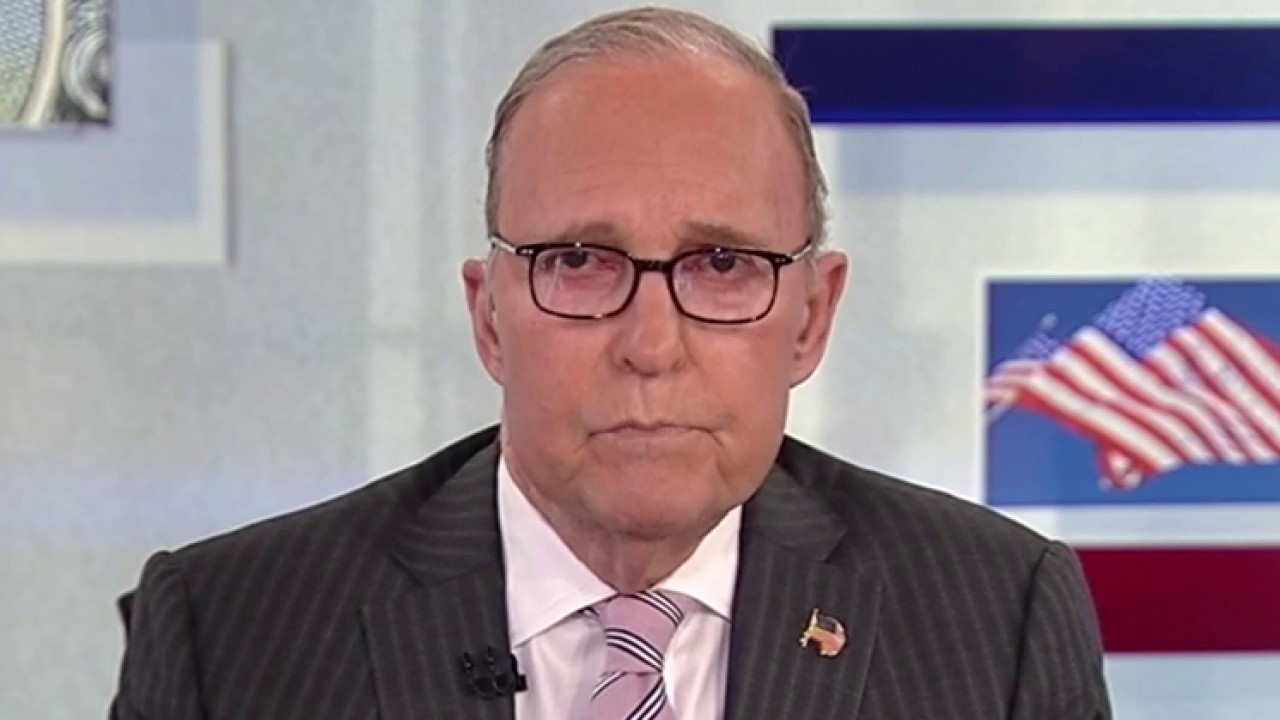
FOX Business host Larry Kudlow discusses the Federal Reserve chairman’s leadership decision on ‘Kudlow.’
So I guess the Fed chairman, Jay Powell, is not going off quietly into the night. Today is his last meeting as chairman, but he announced his ungentlemanly decision to stay on as a Fed board member for who knows how long. “I’ve said that I will not leave the board until this investigation is well and truly over with transparency and finality, and I stand by that,” he said. “In terms of when I would leave, I will leave when I think it’s appropriate to do so,” he added. “The things that have happened in the last three months, I think, left me no choice but to stay.” Mr. Powell concluded that “after my term as chair ends on May 15th, I will continue to serve as a governor for a period of time to be determined. I plan to keep a low profile as a governor.”
Mr. Powell’s not the martyr he thinks he is. You can’t have two chief executives.
President Trump’s choice to lead the Fed, Kevin Warsh, was confirmed today by the Senate Banking Committee, by a 13-11 vote. And he undoubtedly will be confirmed by the whole Senate probably some time next week.
Nobody’s going to listen to Mr. Powell. The cost overrun investigation is being run by the Fed’s inspector general, who is independent, and Mr. Powell has nothing to do with it. And by the way, only once before in the 113-year history of the central bank, has another former chairman stayed on as a board member.
This speaks poorly of Mr. Powell. His record as Fed chairman was undistinguished. The Consumer Price Index averaged 3.5 percent per year under Mr. Powell. That was the highest level since the tenure of Paul Volcker, giving Mr. Powell the worst record in more than 40 years. Cumulatively the CPI rose a whopping 32 percent. And as far as the economy, real gross domestic product averaged 2.4 percent at an annual rate. Another unimpressive performance. On top of that, Mr. Powell was also a highly political Fed chairman who embraced President Biden’s radical climate agenda and even more radical DEI.
U.S. Treasury Secretary Scott Bessent breaks down Operation Economic Fury and the pressure against the Iranian regime on ‘Kudlow.’
In an interview today, Treasury Secretary Scott Bessent expressed to me his strong displeasure with Powell by saying “I think it is an insult to Kevin Warsh, Miki Bowman, and Chris Waller to think that these other Republican nominees do not care about the institution of the Fed and that he alone can maintain the integrity of the Fed.”
The good news is that Mr. Warsh will take the helm as chairman and make a number of important changes. Hopefully the Fed’s economic models that are based on the false premise that strong growth leads to higher inflation will be thrown out the window.
Mr. Warsh understands the positives of low tax rates and deregulation in producing a disinflationary impact of faster productivity and lower unit labor costs. Mr. Warsh wants to shrink the Fed’s balance sheet by refocusing the central bank on monetary policy, and leaving fiscal and debt management policies to Mr. Bessent at the Treasury.
The Fed should not be some vast central planning agency. And the cacophony of yapping by various Fed officials will come to an end hopefully, along with something called forward guidance. Mr. Warsh wants the Fed to earn its independence by staying out of politics, and sticking to better control of the money supply, and maintaining a strong and stable dollar. The chairman’s job at the central bank is a very powerful job. So whether Mr. Warsh sees fit to give Mr. Powell a parking spot remains to be seen.

The Facebook-parent now expects 2026 capital expenditure between $125 billion and $145 billion, compared with its prior forecast of $115 billion to $135 billion.
Shares of the company fell around 5% in extended trading.
Family daily active people (DAP), a metric Meta uses to track unique users who open any one of its apps in a day, rose 4% from a year earlier to 3.56 billion.
The results come weeks after Reuters reported first about Meta’s plans for sweeping layoffs, as CEO Mark Zuckerberg attempts to aggressively integrate AI into the company’s workflows and reshape its workforce around the technology.

Meta, which owns Instagram, WhatsApp and Threads, has been spending heavily on AI infrastructure and high compensation for employees such as those working in its Meta Superintelligence Labs, which released its first AI model called Muse Spark earlier this month.
The company’s robust ad platform, which allows advertisers to automate and personalize their campaigns, has remained its growth engine and has helped support its investments in AI infrastructure. Its Advantage+ ad automation tools are powered by ad-retrieval engine Andromeda, ranking architecture Lattice and generative recommendation model GEM, helping it attract more marketers on the platform even as companies face geopolitical uncertainty due to the Middle East conflict.
Meta launched ads on messaging service WhatsApp and microblogging platform Threads last year, intensifying competition with platforms like Elon Musk’s X. Simultaneously, Instagram’s Reels continue to jostle with TikTok and YouTube Shorts in the lucrative short-video market.
For the first time, Meta is projected to overtake Alphabet as the world’s biggest online advertiser, with an expected $243.46 billion in global net ad revenue this year, excluding traffic acquisition costs. The forecast, by research firm Emarketer, puts the Google- and YouTube-parent’s annual ad revenue at $239.54 billion.
Last week, the company expanded the availability of Meta AI business assistant, designed to help advertisers optimize campaign performance and resolve technical issues through real-time guidance.
Meta is installing new tracking software on U.S.-based employees’ computers to capture mouse movements, clicks and keystrokes to train its AI models, part of a broad initiative to build AI agents that can perform work tasks autonomously, Reuters reported last week.
Meanwhile, China ordered Meta to unwind its $2 billion-plus acquisition of AI startup Manus on Monday, as Beijing tightens scrutiny of U.S. investment in domestic startups developing frontier technologies.

Rush Street Interactive CLO Paul Wierbicki sells $1.24 million in stock
Earnings call transcript: Moelis & Co Q1 2026 earnings miss forecasts, stock dips
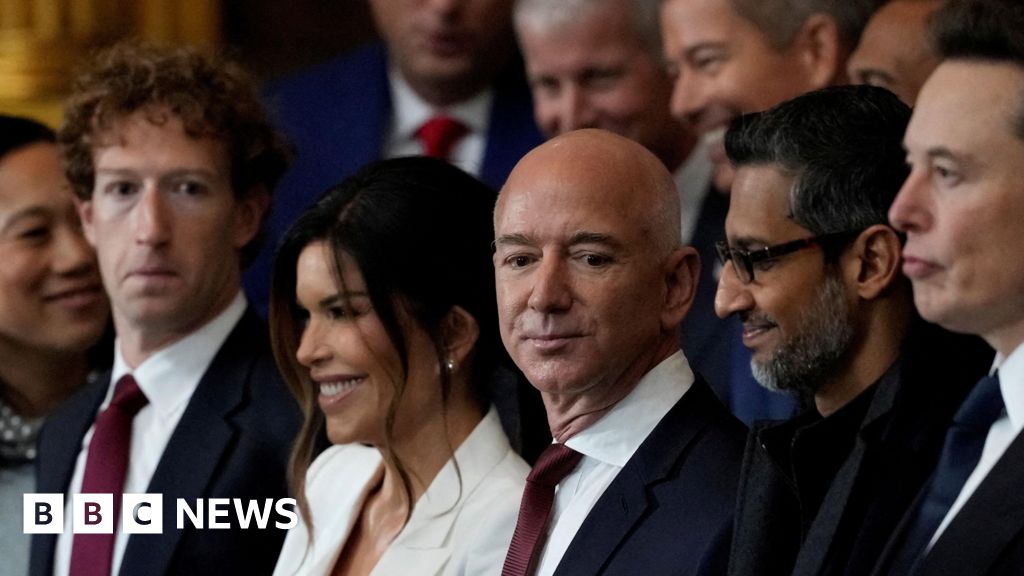
Meta, Amazon, Alphabet, and Microsoft all reported their financial performance at the same time on Wednesday

By TBN Editorial Staff April 29, 2026
For decades, the economic heartbeat of South Asia has been inextricably linked to the pulse of the Persian Gulf. From the crude oil that fuels its growing industries to the billions in remittances that prop up its foreign exchange reserves, the region has long been the primary beneficiary of Gulf stability.
Key Points
- Regional markets split: AI-driven optimism has propelled Taiwan, South Korea, and Japan to record highs. India, however, has struggled to keep pace, weighed down by the absence of strong AI-linked stocks.
- Exporters under strain: Indian exporters face mounting crude-linked input costs. While Western buyers resist price hikes, new contracts are expected to carry increases of 15–30%, raising concerns over client retention.
- Corporate pressures: Reliance Industries reported an 8% year-on-year profit decline in its oil and gas units. Chairman Mukesh Ambani cited “unprecedented dislocation in global supply chains” as a key factor.
- Capital flows disrupted: Indian venture capital firms, traditionally reliant on Middle Eastern funding, are seeing negotiations slow. Many are now turning to Europe and Asia to secure new investment.
Now, as the war between the U.S.-Israeli coalition and Iran enters its third month, that dependence has turned into a systemic vulnerability. With the Strait of Hormuz effectively “functionally impaired” and regional output losses estimated by the UNDP to reach as high as $299 billion, South Asia is facing its most severe economic shock since the 1970s energy crisis.
The Energy Blockade: A Continent Paralyzed
The closure of the Strait of Hormuz on March 4, 2026, sent shockwaves through energy markets that South Asian capitals were unprepared to absorb. With roughly 80% of the region’s oil and LNG imports typically transiting this narrow chokepoint, the impact was instantaneous.
In Bangladesh, which relies on imports for 95% of its energy needs, the government has been forced into “survival mode.” Fuel caps and the closure of universities have become the new norm. In India, the government has invoked emergency powers to redirect LNG supplies from industrial users to households, while IT giants like Cognizant and HCLTech have reverted to full work-from-home policies to mitigate the “cafeteria crisis” caused by fuel shortages.
Brent Crude, which surged past $120 per barrel in mid-March, has settled into a volatile range of $105-$110, but for South Asia, the price tag is only half the problem. The physical absence of supply has led to record-high electricity costs and a “grocery supply emergency” as transport fleets sit idle.
The Remittance Rupture: A Human and Fiscal Toll
Perhaps more devastating than the energy crisis is the potential collapse of the labor export model. There are an estimated 6 million Pakistanis and over 5 million Bangladeshis working in the Gulf. As the war intensifies, these workers are no longer just economic assets; they are a massive humanitarian and fiscal liability.
“We are seeing a wave of voluntary and forced returns as contracts are prematurely terminated in sectors like hospitality and domestic work,” says Dr. Shujaat Faruq, Professor of Economics at the Pakistan Institute of Development Economics.
The World Bank projects that South Asian growth will slow to 6.3% in 2026, down from 7% in 2025. This downward revision is driven largely by the expected dip in remittances, which serve as the primary hedge against balance-of-payment crises for nations like Nepal and Sri Lanka.
From Fields to Factories: The Fertilizer Squeeze
The ripple effects have now reached the soil. The Gulf region produces over 30% of the world’s urea, a critical fertilizer for South Asia’s agrarian economies. With production halted at major complexes like Qatar’s Ras Laffan—following Iranian strikes on March 18—fertilizer prices have jumped 31%.
This creates a “toxic confluence” for farmers in India and Pakistan ahead of the next planting cycle. Rising input costs, combined with a 140% surge in LNG spot prices, are making basic food production prohibitively expensive. In some Indian markets, agricultural exports like bananas and rice have stalled due to shipping disruptions, forcing farmers to dump produce locally at a loss while urban consumers face soaring prices.
The Emergence of the “War Economy”
South Asian governments are responding with a mix of desperation and radical innovation.
- The Four-Day Week: Pakistan and Sri Lanka have officially introduced shortened workweeks to curb fuel consumption.
- Energy Transition: Analysts suggest the crisis is providing an unintended boost to the renewable sector. In India, IT firms are switching to solar-powered kitchens and electric vehicle fleets to bypass the kerosene-based fuel shortages.
- Trade Rerouting: With the Red Sea and Suez Canal routes increasingly hazardous due to Houthi involvement, shipping is being diverted around the Cape of Good Hope, adding 15–20 days to transit times and tripling insurance premiums.
The Long Shadow
The UNDP warns that the conflict could push an additional 8.8 million people in South Asia into poverty by the end of the year. While a temporary ceasefire was announced on April 8, maritime traffic remains at 20% of pre-war levels.
For the economies of South Asia, the “narrative of a safe Gulf” has been irreversibly shaken. The lesson of 2026 is clear: when the Middle East catches fire, South Asia feels the burn more intensely than perhaps any other region on earth. The challenge now is not just weathering the current storm, but rebuilding a regional economy that is no longer one blockade away from collapse.
The Iran war is reshaping South Asia’s economic landscape—boosting some East Asian markets, squeezing India’s exporters and conglomerates, redirecting capital flows, and worsening Pakistan’s fuel costs.
Other People are Reading
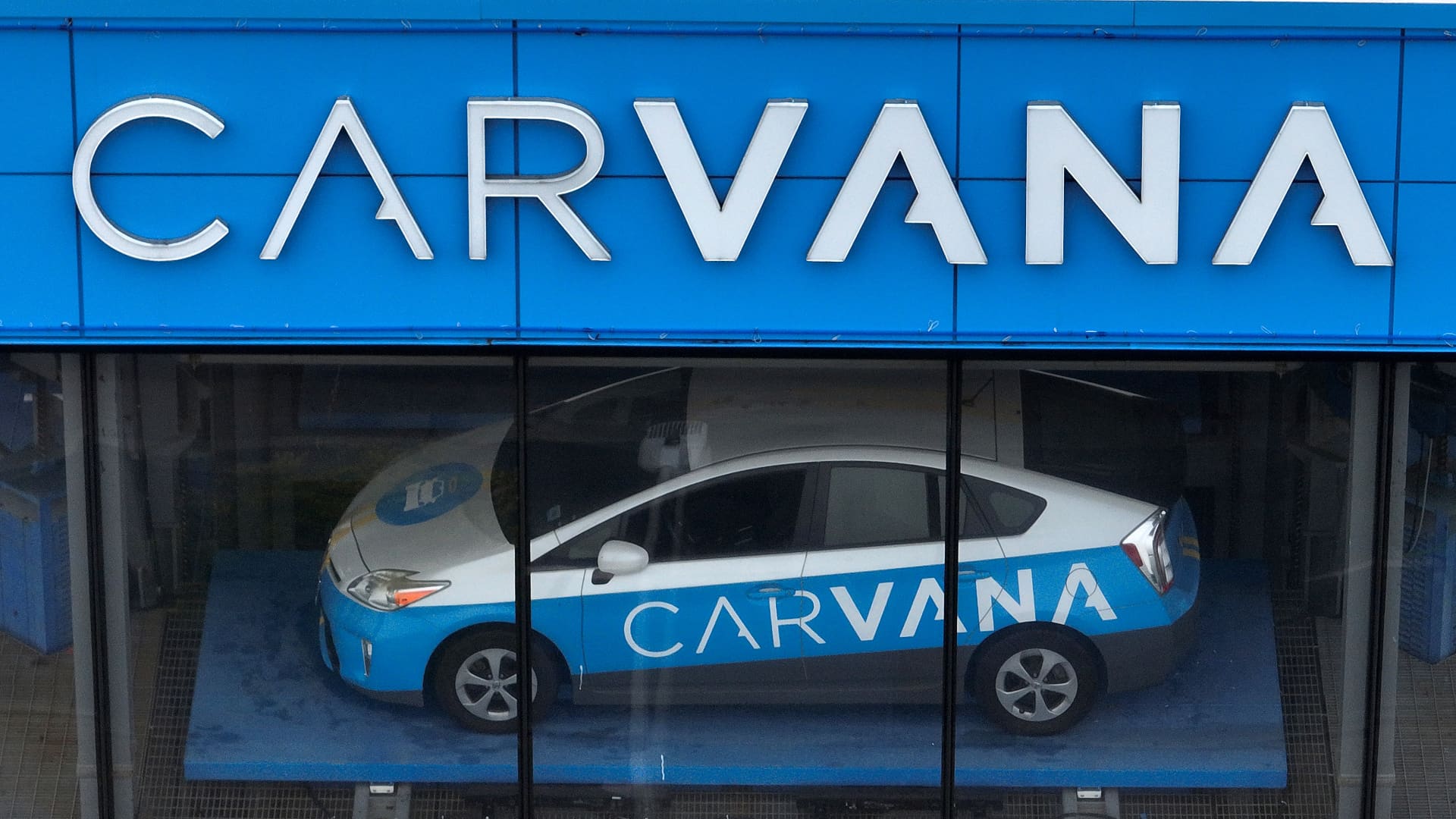
In an aerial view, a sign is posted on the exterior of a Carvana car vending machine on July 19, 2023 in Daly City, California.
Justin Sullivan | Getty Images
Shares of Carvana jumped by as much as 10% in extended trading after the company reported record results during the first quarter that topped Wall Street’s expectations.
Here’s how the company performed in the first quarter, compared with average estimates compiled by LSEG:
- Earnings per share: $1.69 vs. $1.43 expected
- Revenue: $6.43 billion vs. $6.08 billion expected
The online used car retailer reported adjusted earnings before interest, taxes, depreciation and amortization of $672 million, and net income of $405 million, up from $373 million a year earlier.
Carvana reported retail sales of 187,393 units, a 40% increase compared with a year earlier. Its revenue was $6.43 billion, up 52% from a year ago.
The company does not release annual guidance but said it expects sequential increase in both retail units sold and adjusted EBITDA during the second quarter, leading to all-time company records on both metrics.
Shares of Carvana, which has a roughly $87 billion market cap, are off 6% in 2026, but are roughly 63% higher over the past year.
Capital expenditure rose 49% to $31.9 billion in the company’s fiscal third quarter, the company said on Wednesday, compared with Wall Street expectations of $34.90 billion, according to Visible Alpha. Spending had totaled $37.5 billion in the second quarter.
The results could ease fears that sluggish adoption of its Copilot 365 assistant for businesses and a heavy reliance on OpenAI may have chipped away Microsoft’s early lead in the AI race.
It may also help justify data-center spending that has strained cash flows, with major cloud players on track to spend more than $600 billion on AI infrastructure this year.
To sharpen its competitive edge, Microsoft has aggressively added Anthropic’s technology to its cloud service and products like Copilot amid rising demand for the Claude creator’s models. The expanded AI model options helped the company land on Monday its biggest-ever roll-out of Copilot, covering roughly 743,000 Accenture employees – a majority of the IT firm’s workforce.
Earlier this week, Microsoft also overhauled its OpenAI deal to lock in its 20% cut of the startup’s revenue through 2030 regardless of whether it achieves technological breakthroughs.
But the new arrangement also strips Microsoft of exclusive rights to resell OpenAI’s products on its cloud, just as competition heats up from Alphabet and Amazon.
The e-commerce giant has already started offering OpenAI’s latest models and Codex coding tool on its cloud.
The move could free up cloud capacity for Microsoft, which has blamed shortages for holding back revenue growth and used that to argue for its massive spending.
Funding those outlays has, however, forced companies to look for ways to cut costs. Microsoft earlier this month rolled out its first employee buyout program in more than five decades.
Amazon and Meta have also announced job cuts affecting thousands of employees.


Manufacturers are tapping into texture, flavor trends to drive product development.

Sainsbury’s shoppers can bag Nectar points with simple trick

WA rental listings, affordability continue decline

MoonPay Folds Sodot Into New Institutional Platform

Manchester United reach agreement with Casemiro over contract clause amid transfer speculation

US brings back mandatory military draft registration

Steven Gerrard disagrees with Gary Neville over ‘shock’ Chelsea and Arsenal claim | Football


-

 Tech2 days ago
Register Renaming | Hackaday
-

 Fashion5 days ago
Weekend Open Thread – Corporette.com
-
 Crypto World4 days ago
Hyperliquid $HYPE Rally Builds Momentum as AI Sector Enters Prove-It Phase
-

 Business6 days ago
Patterson-UTI Energy, Inc. (PTEN) Q1 2026 Earnings Call Transcript
-
 Sports3 days ago
IPL 2026: Ruturaj Gaikwad registers slowest fifty of the season, enters all-time unwanted list | Cricket News
-

 Politics2 days ago
Drax board avoid their own AGM, accused of greenwashing & environmental racism
-

 NewsBeat4 days ago
LK Bennett closes all stores after entering administration
-

 Crypto World6 days ago
Michael Saylor says BTC winter is over. Market analyst disagrees, says bitcoin was in a pullback
-
 Sports7 days ago
Tim Bradley names the current best in the world: “Better than Inoue and Usyk”
-

 Fashion24 hours ago
Kylie Jenner’s KHY Enters a New Era with ‘Born in LA’
-
Entertainment7 days ago
Michael B. Jordan and Austin Butler's “Miami Vice” movie will bring the action back to the '80s
-
 Entertainment4 days ago
Mariah Carey Slams Deposition Claims In Brother’s Lawsuit
-
Business7 days ago
Altimmune prices $225 million public offering at $3 per share
-
Entertainment7 days ago
Russell Brand Had Sex With 16 Year Old When He Was 30
-
Crypto World6 days ago
Is Algorand One of the Few Quantum-Resistant Blockchains? Here’s What the Data Shows
-

 Business1 day ago
Most Commercial Energy Audits Miss the Real Losses
-
 NewsBeat6 days ago
Trump threatens to review UK’s claim to Falkland Islands and punish Nato allies over Iran war disagreement
-

 Business7 days ago
SL Green Realty: Dividend Cut And Record Leasing Fuel Their Potential Recovery
-

 Sports6 days ago
2026 NFL Draft tonight: Time, TV channel, where to watch, order
-

 Tech2 days ago
Images of Samsung’s rumored smart glasses have leaked
You must be logged in to post a comment Login