

Business
Federal Trade Court Declares Trump’s 10% Global Tariff Illegal in Landmark Decision

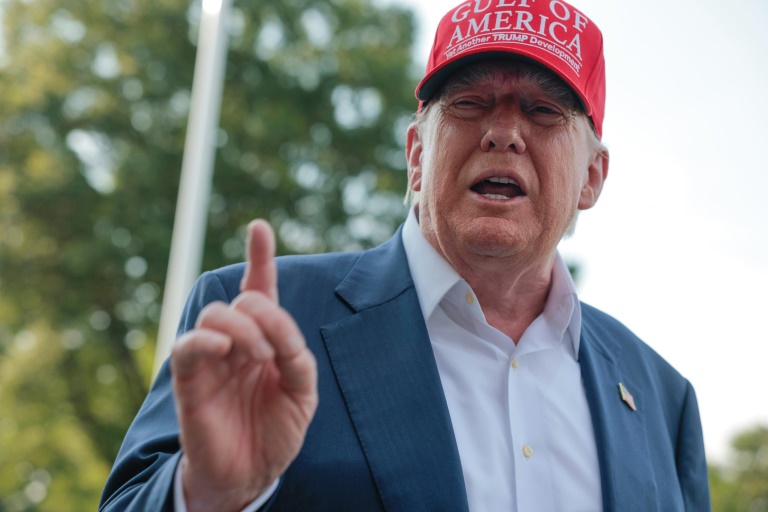
WASHINGTON — A federal trade court ruled Thursday that President Donald Trump’s sweeping 10% global tariff policy is illegal, delivering a major blow to one of the administration’s signature economic initiatives and potentially reshaping international trade negotiations. The three-judge panel of the U.S. Court of International Trade found that the tariffs exceeded presidential authority under existing trade laws and violated procedural requirements.
The decision immediately sent shockwaves through financial markets, with stocks of major importers and manufacturers rallying while broader indices showed mixed reactions. White House officials vowed a swift appeal, calling the ruling “judicial overreach” that undermines national security and economic sovereignty. Trade partners from Europe to Asia welcomed the decision but cautioned that uncertainty remains high.
The tariffs, imposed in early 2026 under Section 232 of the Trade Expansion Act and emergency powers, applied a baseline 10% duty on nearly all imported goods. The administration argued the measure was necessary to address trade imbalances, protect domestic industries and counter perceived unfair practices by countries like China. Critics, including business groups and several U.S. trading partners, challenged the tariffs in court, claiming they were overly broad and lacked proper justification.
In a 68-page opinion, the court sided with the challengers. Judges wrote that while the president has significant discretion in trade matters, the 10% across-the-board tariff went beyond statutory authority and failed to demonstrate a direct link to national security threats as required under the law. The ruling permanently blocks enforcement of the tariff and orders refunds for duties already collected.
Immediate Market and Economic Reaction
Stocks of retailers, automakers and consumer electronics companies rose sharply on the news, with the Dow Jones Industrial Average gaining more than 300 points in afternoon trading. Companies that had absorbed higher costs or passed them to consumers stood to benefit most. Conversely, some domestic steel and manufacturing stocks dipped on fears of renewed foreign competition.
Economists estimated the tariffs had already added billions in costs to U.S. businesses and consumers. The ruling could ease inflationary pressures in certain sectors, though the administration warned that any revenue shortfall would need to be addressed through other means.
White House Response
White House Press Secretary Karoline Leavitt called the decision “disappointing but expected from an activist court.” She said the administration would appeal to the U.S. Court of Appeals for the Federal Circuit and, if necessary, the Supreme Court. President Trump, speaking at a rally in Pennsylvania, reiterated his commitment to protecting American workers. “We’re going to keep fighting for fair trade. This is not over,” he said.
Legal experts predict a lengthy appeals process that could extend well into 2027. In the meantime, the tariffs remain on hold pending further court action.
Reactions from Trade Partners
Several U.S. allies expressed relief. The European Union, which had threatened retaliatory measures, welcomed the ruling and called for renewed negotiations on a more balanced trade framework. China described the decision as “a victory for multilateral trade rules,” though tensions over technology and subsidies persist. Mexico and Canada, key partners under the USMCA agreement, said the ruling reinforces regional economic stability.
Business organizations including the U.S. Chamber of Commerce and the National Retail Federation praised the court’s decision, arguing that broad tariffs harm American consumers and exporters. Labor unions were more divided, with some praising Trump’s original intent while others supported the legal challenge.
Background of the Tariff Policy
Trump first proposed the 10% global tariff during his 2024 campaign as a simple mechanism to protect U.S. industries and generate revenue. The policy was implemented in phases starting in January 2026, with exemptions for certain allies and critical goods. It quickly became one of the most controversial economic moves of his second term, drawing lawsuits from more than a dozen plaintiffs including importers, trade associations and state governments.
The Court of International Trade, which specializes in trade disputes, has historically shown deference to presidential authority in national security matters but drew a line at what it called an overly expansive interpretation of executive power.
Broader Implications for Trade Policy
The ruling could force the administration to pursue more targeted tariff actions or seek new congressional authority. It also raises questions about the limits of executive power in trade, a recurring theme in recent decades. Legal scholars expect the case to eventually reach the Supreme Court, where it could set important precedents for future presidents.
For American businesses, the decision provides short-term relief but continued uncertainty. Many companies had already adjusted supply chains or absorbed costs in anticipation of prolonged tariffs. The appeals process means planning remains difficult.
Political Ramifications
The ruling hands Democrats and free-trade Republicans a significant political victory heading into midterm election season. However, Trump’s base has strongly supported protectionist policies, and the administration is likely to frame the court decision as part of a larger battle against “globalist” institutions.
Congress could step in with legislation to clarify or expand presidential trade authorities, though partisan divisions make swift action unlikely. Bipartisan efforts to reform trade law have gained some momentum in recent months but face steep hurdles.
What Happens Next
The administration has 60 days to appeal. In the interim, importers can seek refunds for tariffs paid since implementation. The court stayed parts of its ruling pending appeal to avoid market chaos. Trade negotiations with major partners are expected to accelerate as all sides reassess their positions.
For consumers, the decision could eventually translate into lower prices on imported goods ranging from electronics and clothing to automobiles and machinery. For U.S. manufacturers competing with imports, the relief may be temporary if new, more targeted tariffs are introduced.
The landmark ruling underscores the complex interplay between executive power, judicial oversight and global commerce in an era of heightened economic nationalism. As the legal battle continues, the future of U.S. trade policy remains uncertain, with profound implications for businesses, workers and consumers alike.

Business
InflaRx N.V. (IFRX) Discusses Strategic Focus on Izicopan for ANCA-Associated Vasculitis and Renal Diseases Transcript

Jan Medina
Head of Investor Relations & VP
Good morning, everyone. Thank you for standing by, and thank you for joining our conference call this morning to discuss our recently announced effort to pursue izicopan for AAV and other renal diseases. Today’s presentation will take about 45 minutes. [Operator Instructions] Please note that today’s call is also being recorded. [Operator Instructions] As I said, we’ll be done in about 45 minutes this morning and get you on your way.
I would now like to turn the call over to Niels Riedemann, CEO and Founder of InflaRx. Niels, please go ahead.
Niels Riedemann
Co-Founder, CEO & Executive Director
Thank you, Jan. Ladies and gentlemen, good morning, and thanks for listening in. It is our pleasure to be sharing with you our recent prioritization here on the renal space, particularly in the ANCA-associated vasculitis. So may I please ask to forward to first slides. Please take note of the important notice and disclaimers. We will be making forward-looking statements. We are a public-listed company. So I appreciate your taking note.
Next slide, please. So we’re excited about our new molecule, izicopan, which is an oral inhibitor of the C5a receptor really. The C5a/C5aR pathway is a critical driver of inflammatory cascade, both angles, C5a, the ligand and its main receptor C5aR, both validated targets. From a clinical, both and the regulatory and commercial perspective also in ANCA-associated

Spyre Therapeutics director Michael Henderson sells $5.95 million in shares


US concerned by Taiwan defence delay ’concession’ to China
Equal Employment Opportunity Commission Chair Andrew Lucas says a lawsuit alleges ‘race discrimination’ against the entire corporate workforce at Nike on ‘The Bottom Line.’
Nike is facing a new class action lawsuit accusing the company of failing to refund tariff-related costs it passed on to consumers through higher prices.
In the proposed lawsuit, consumers argue Nike should not be allowed to keep “significant” refunds it may receive after the U.S. Supreme Court ruled in February that the president lacked authority under the International Emergency Economic Powers Act (IEEPA) to impose certain tariffs.
Nike has said it paid roughly $1 billion in tariffs on imported goods as a result of those actions. Plaintiffs allege the company raised prices on some footwear by $5 to $10 and on some apparel by $2 to $10 to offset those costs.
“Nike has made no legally binding commitment to return tariff-related overcharges to the consumers who actually paid them,” the complaint, filed in federal court in Portland, Oregon, states.
TRUMP RAMPS UP TARIFFS ON EUROPEAN CARS IMPORTED INTO US
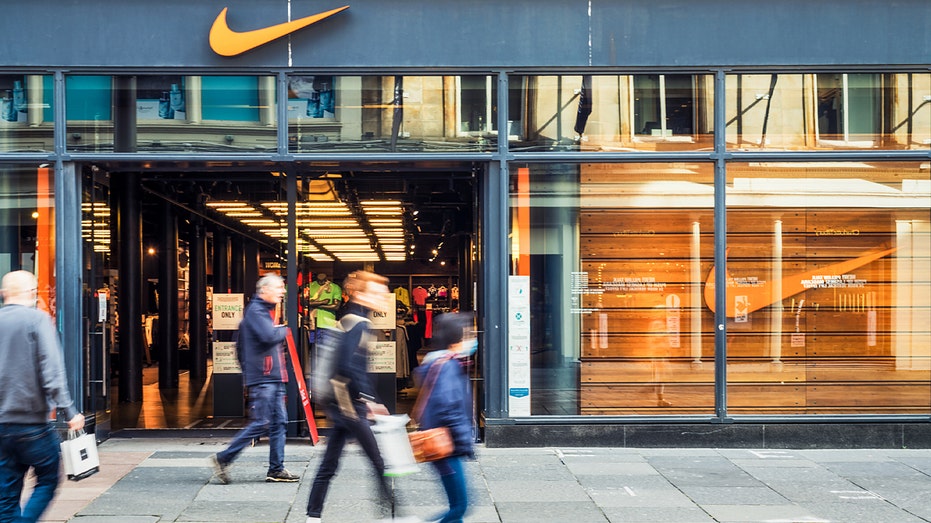
Nike is facing a class action lawsuit alleging the company failed to refund tariff-related costs passed on to consumers through higher prices. (istock / iStock)
“Unless restrained by this court, Nike stands to recover the same tariff payments twice — once from consumers through higher prices and again from the federal government through tariff refunds,” the complaint continues.
The lawsuit is one of several filed against major companies, including Costco, alleging they failed to pass tariff-related refunds on to consumers.
| Ticker | Security | Last | Change | Change % |
|---|---|---|---|---|
| NKE | NIKE INC. | 44.14 | -0.27 | -0.61% |
More than 2,000 companies have filed suits in the U.S. Court of International Trade seeking to recover tariffs paid on imported goods.
TRUMP SAYS KING CHARLES ‘GOT ME TO’ DROP WHISKY TARIFFS AFTER ROYAL VISIT
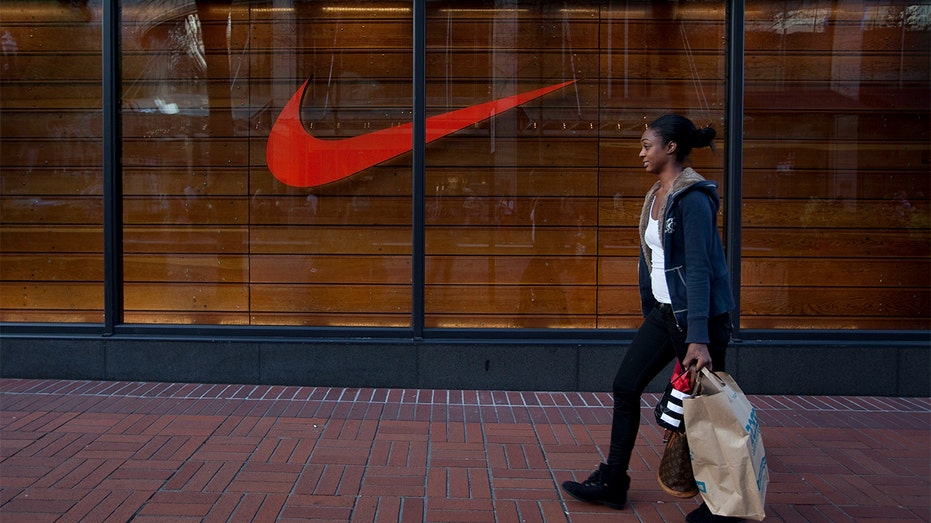
A woman carries a shopping bag while passing in front of a Nike Inc. store in Portland, Oregon, on Wednesday, April 24, 2013. (Natalie Behring/Bloomberg via Getty Images / Getty Images)
During a March conference call, Nike said its fiscal quarter ending in August 2026 would likely be the final period in which tariffs materially impact gross margins.
The lawsuit comes weeks after Nike announced plans to lay off roughly 1,400 employees across its Global Operations team.
In a memo to staff, Chief Operating Officer Venkatesh Alagirisamy said the cuts would primarily affect the company’s technology division across North America, Asia and Europe, representing just under 2% of its global workforce.
CLICK HERE TO GET FOX BUSINESS ON THE GO
The logo of Nike is pictured in a store in Manhattan on March 30, 2026, in New York City. (Zamek/VIEWpress / Getty Images)
Nike declined to comment to FOX Business.
FOX Business’ Eric Revell and Reuters contributed to this report.

Markets Weekly Outlook: Is The 'Risk-On' Rally Sustainable With Rates And Energy Elevated?
US military says it killed 2 in strike on alleged drug-trafficking boat

iSpecimen prices $2.5M private placement at $5.12 per share

These 3 Big AI IPOs Could Test Demand Before SpaceX Debuts

AppLovin Beats Quarterly Revenue Expectations. The Stock Is Rising.

Flex director Charles K. Stevens III sells $2.07m in shares

Europe records surge in wrench attacks on crypto assets, $101M lost

Jacob Misiorowski hits 103.6 mph vs. Yankees, unleashes hardest pitches ever tracked by MLB from starter

NYT Strands hints and answers for Saturday, May 9 (game #797)

Manchester United reach agreement with Casemiro over contract clause amid transfer speculation

US brings back mandatory military draft registration

Steven Gerrard disagrees with Gary Neville over ‘shock’ Chelsea and Arsenal claim | Football


-
 Crypto World17 hours ago
HarrisX Poll Found 52% of Registered Voters Support the CLARITY Act
-

 NewsBeat5 days ago
Channel 5 – All Creatures Great and Small series 7 new post
-

 Crypto World2 days ago
Upbit adds B3 Korean won pair as Base token gains Korea access
-

 Tech4 days ago
Image AI models now drive app growth, beating chatbot upgrades
-
 NewsBeat2 days ago
NCP car park operator enters administration putting 340 UK sites at risk of closure
-

 News Videos6 days ago
AP Dhillon – Old Money (Official Audio)
-

 Sports6 days ago
Five killed in Texas plane crash identified as Amarillo pickleball players
-
Entertainment6 days ago
New Netflix Movies in May 2026 — My Top 3 Picks to Stream
-

 Entertainment6 days ago
Melissa Joan Hart and More Stars Attend 2026 Kentucky Derby
-

 Fashion8 hours ago
Weekend Open Thread: Marianne Dress
-

 Crypto World6 days ago
Bitcoin mining equities rise in 2026 as BTC lags behind
-
 Crypto World6 days ago
Pi Network Mandates Protocol 23 Upgrade for All Mainnet Nodes Before May 15 Deadline
-
Entertainment6 days ago
Anna Nicole Smith’s Daughter Attends 2026 Kentucky Derby
-

 Business6 days ago
Luka Doncic Injury Update: Doncic’s Hamstring Recovery Slows Lakers’ Hopes Against Thunder: Can He Run Yet?
-
Entertainment6 days ago
Venus Williams’ Best Met Gala Looks Over the Years
-
 Entertainment6 days ago
After 2 Years, This Taylor Sheridan Neo-Western Doesn’t Have a Single Bad Episode
-
 Entertainment6 days ago
Netflix’s 10-Part Miniseries Based on a True Story Is a Perfect Weekend Binge
-

 Sports6 days ago
Is Man United v Liverpool on TV? Channel, streaming and how to watch Premier League fixture
-

 Business6 days ago
Kuwait International Airport Resumes Operations After Closure as Regional Tensions Ease in 2026
-
Crypto World6 days ago
Q1 2026 Tech Layoffs AI Wave Hits 81,747 as Firms Shift to AI Infrastructure
You must be logged in to post a comment Login