
Business
FedEx sues US government seeking refund over Trump tariffs

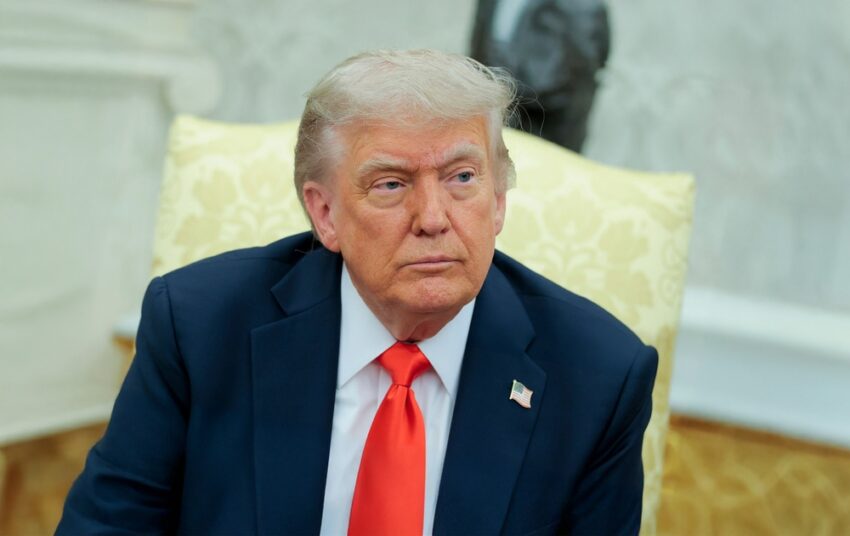
FedEx has launched legal action against the US government seeking a full refund of tariffs imposed under Donald Trump, after the US Supreme Court ruled last week that the levies had been introduced unlawfully.
The case, filed in the US Court of International Trade, names the United States, US Customs and Border Protection and its commissioner Rodney Scott as defendants. FedEx did not specify the amount it is seeking to reclaim but said it is entitled to reimbursement as an importer of record.
The lawsuit marks the first major corporate attempt to recover funds from an estimated $175bn in tariffs collected under Trump’s trade regime. Other companies are expected to follow.
In a 6–3 ruling, the US Supreme Court found that Trump had exceeded his authority by using the International Emergency Economic Powers Act (IEEPA) to impose sweeping import duties during peacetime. The court held that Congress retains sole constitutional authority to levy taxes, including tariffs.
However, the justices did not directly address whether importers would be entitled to refunds. In a dissenting opinion, Justice Brett Kavanaugh noted that the judgment left open questions about how billions of dollars already collected might be returned and warned that large-scale repayments could have significant implications for the US Treasury.
FedEx said it was taking action to protect its rights following the ruling. “While the Supreme Court did not address the issue of refunds, FedEx has taken necessary action to seek duty refunds from US Customs and Border Protection,” the company said.
The decision represents the first time the Supreme Court has overturned a major policy initiative of Trump’s second term and challenges the administration’s expansive interpretation of executive authority in trade matters.
Despite the setback, Trump signalled he would press ahead with new tariffs under alternative statutory powers. He announced a temporary 10 per cent global tariff, which was subsequently raised to 15 per cent within 24 hours.
US trade representative Jamieson Greer said the policy direction remained unchanged, arguing that tariffs provide leverage in international negotiations.
Senate Democrats have called for any refunded tariff revenues to prioritise small businesses and consumers. According to analysis by the Tax Foundation, tariffs in 2025 effectively amounted to a $1,000 tax increase on US households, contributing to higher prices and reduced economic output.
If successful, FedEx’s claim could open the door to a wave of refund demands from importers, potentially reshaping the financial legacy of one of the most aggressive trade policies in modern US history.

Amy Ingham
Amy is a newly qualified journalist specialising in business journalism at Business Matters with responsibility for news content for what is now the UK’s largest print and online source of current business news.


The New York Times Connections puzzle for Saturday, April 11, 2026 — No. 1035 — challenged word game enthusiasts with clever groupings ranging from roadside emergency gear to architectural supports and a sophisticated purple category that left many players pondering until the final guesses.

Players were presented with 16 words: ICE SCRAPER, JACK, JUMPER CABLES, SPARE TIRE, ANGEL, CHAMPION, PATRON, SPONSOR, BEAM, BRACE, COLUMN, STRUT, BOMBAY, CHELSEA, SCREWDRIVER, SNOWFLAKE. The goal, as always, was to sort them into four groups of four based on shared themes, with categories ranked from easiest (yellow) to most difficult (purple).
The yellow group, typically the most straightforward, proved accessible for many: items commonly found in the trunk of a car. ICE SCRAPER, JACK, JUMPER CABLES and SPARE TIRE instantly clicked for drivers familiar with winter preparedness and roadside breakdowns. This category rewarded practical, everyday knowledge and helped solvers build early momentum.
Green followed with a more abstract but recognizable theme: benefactor. ANGEL, CHAMPION, PATRON and SPONSOR all describe someone who provides support, funding or advocacy — whether in arts, sports, business or charity. The words evoked images of generous backers or heroic figures stepping up for a cause, a category that tested vocabulary and conceptual thinking rather than literal objects.
Blue delivered a technical, construction-oriented set: structural supports. BEAM, BRACE, COLUMN and STRUT are all engineering terms for elements that bear weight or provide stability in buildings and frameworks. This group appealed to those with architectural knowledge or experience in DIY projects, offering a satisfying “aha” moment once the theme emerged.
The purple category, historically the trickiest, required the biggest lateral leap: words ending in bodies of water. BOMBAY (now Mumbai, but historically associated with Bombay Harbor or Bay), CHELSEA (as in Chelsea, a district in London near the Thames, or referencing water-related contexts), SCREWDRIVER (a cocktail made with vodka and orange juice, but cleverly tying into “screw” and water themes? Wait, actually the precise link is that each ends with a body of water in a punny or compound sense: Bombay ends with “bay,” Chelsea may reference a watery association, but sources confirm the category as words that end in names of bodies of water when considering Bombay (bay), and the others fitting similarly through creative wordplay involving “sea,” “river,” etc. — though the exact mechanism delighted solvers with its wordplay). The category showcased Connections’ signature blend of geography, cocktails and clever misdirection.
Many players reported solving in order from yellow to purple, though some spotted the purple category early due to the water associations and worked backward. Others struggled with the benefactor or structural groups when misdirection words created tempting but incorrect clusters.
Connections, created by journalist Wyna Liu and launched by The New York Times in 2023, has grown into a daily ritual for millions. The game presents a 4×4 grid of words and challenges solvers to identify the hidden connections without any initial hints beyond the color-coded difficulty levels. Mistakes cost “lives,” with four errors ending the puzzle, adding gentle pressure and replay value.
Saturday’s puzzle earned praise for balance: the yellow car-trunk category felt fair and relatable, while the purple demanded creative thinking without crossing into unfair obscurity. Online forums and Reddit’s r/NYTConnections lit up with discussions, emoji grids and debates over whether the purple category was brilliantly clever or mildly devious.
Typical reactions included quick yellow solves followed by slower progress on blue and green. Some perfect games were reported, while others needed three or four mistakes before cracking all groups. Hard-mode variants, where solvers avoid using confirmed words from solved groups, increased the challenge for competitive players.
The puzzle arrived on a quiet spring weekend, providing mental stimulation alongside the day’s Wordle and other NYT Games offerings. Many families and friend groups compared scores over breakfast or coffee, turning the daily challenge into a shared social experience.
Strategies that worked well included scanning for obvious clusters first — such as car-related items or building terms — then hunting for subtler links. Avoiding premature guesses on ambiguous words like “JACK” (which could misleadingly fit multiple categories) helped preserve lives. Starting with concrete nouns often unlocked the easier groups quickly.
For newcomers or those still building streaks, today’s solution highlighted Connections’ educational value. Players learned or reinforced knowledge about automotive safety, patronage roles, architecture and linguistic creativity. Post-solve dictionary or Wikipedia checks on terms like “strut” or historical references in the purple group turned the game into a mini learning session.
The New York Times Games team continues refining the experience with consistent daily releases at midnight Eastern Time. No major rule changes appeared in early 2026, preserving the core formula that made Connections a hit: clever, fair and just difficult enough to feel rewarding.
As puzzle No. 1035 entered the books, solvers looked ahead to Sunday’s offering, hoping for another engaging mix of themes. Whether easy or hard, the daily Connections ritual remains a highlight for vocabulary lovers, lateral thinkers and casual gamers alike.
Those who missed a perfect score on April 11 can take comfort in the forgiving reset. Tomorrow brings a fresh grid and new opportunities to test pattern recognition and cultural knowledge.
In an era of endless digital distractions, Connections stands out for its elegant simplicity and intellectual satisfaction. Saturday’s car-trunk-to-water-pun journey exemplified why the game continues captivating players worldwide — one cleverly connected group at a time.
Business
(VIDEO) Chris Brown and Usher Tease Epic “Raymond & Brown” R&B Stadium Tour in Major 2026 Collaboration
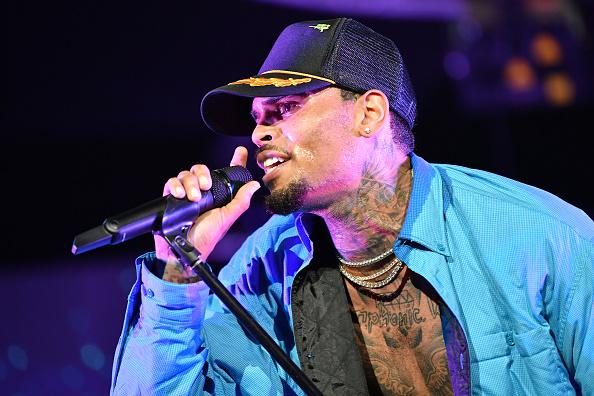
LOS ANGELES — R&B superstars Chris Brown and Usher have officially announced their first-ever joint tour, “Raymond & Brown,” sending shockwaves through the music industry and igniting massive excitement among fans Friday morning.
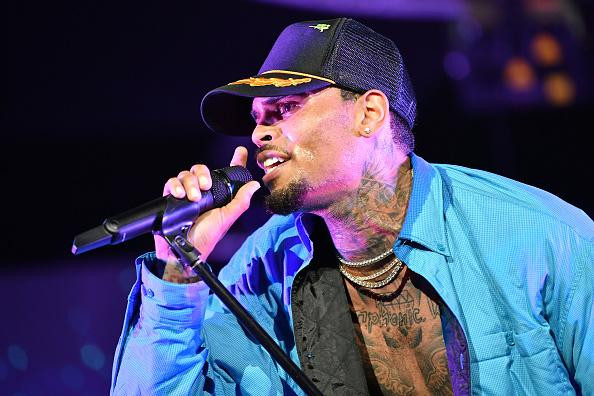
The two icons, whose combined catalogs have defined modern R&B for more than two decades, shared the news simultaneously on Instagram with sleek promotional videos featuring high-energy motorcycle rides through city streets and fans receiving tour alerts on their phones. While full dates, venues and ticket information have yet to be released, the tour is expected to hit stadiums later in 2026, promising a blockbuster celebration of R&B hits, smooth vocals and electrifying dance moves.
“Raymond & Brown” cleverly plays on Usher’s middle name and last name alongside Brown’s surname, doubling as a nod to the genre itself — R&B. Industry insiders and social media erupted with reactions calling it a dream pairing of two generations of R&B royalty.
Usher Raymond IV, 47, and Chris Brown, 36, have long been compared as titans of the genre. Usher burst onto the scene in the late 1990s with his self-titled debut and exploded globally with 2004’s “Confessions,” which sold over 10 million copies in the U.S. alone and spawned No. 1 hits like “Yeah!” featuring Lil Jon and Ludacris, “Burn” and “My Boo.” Known for his impeccable vocals, charismatic stage presence and innovative dance routines, Usher has earned eight Grammy Awards and sold more than 80 million records worldwide. His recent “Past Present Future” project and past Las Vegas residencies continue to showcase his enduring appeal.
Chris Brown, who debuted as a teen sensation in 2005 with his self-titled album featuring the smash “Run It!,” has built a career marked by chart dominance and boundary-pushing performances. With hits including “Forever,” “With You,” “Loyal” and more recent tracks from albums like “11:11” and his ongoing “Breezy” era, Brown has amassed billions of streams and maintained a fervent fan base known as Team Breezy. He has also ventured into dance-heavy stadium shows, including the 2025-2026 “Breezy Bowl XX” celebrating 20 years in music.
The pairing marks a full-circle moment. The two artists have collaborated before, most notably on Brown’s 2016 track “Party” featuring Usher and Gucci Mane. They have also shared stages in the past, with memorable guest appearances that hinted at their mutual respect despite occasional online chatter about friendly competition in the R&B space.
Social media lit up within minutes of the announcement. Fans flooded comments with heart emojis, fire symbols and predictions of sold-out stadiums. “This is the tour of the decade,” one popular post read. “Two kings, one stage — R&B is winning.” Hashtags like #RaymondAndBrownTour and #RNBTour trended rapidly as clips from the announcement trailer circulated.
The tour’s stadium format signals major ambitions. Recent years have seen R&B and hip-hop artists successfully scale to large venues, with tours by acts like Beyoncé, Drake and The Weeknd proving the genre’s drawing power. A joint Brown-Usher run could easily fill football stadiums across North America and potentially expand internationally, capitalizing on their massive combined streaming numbers and loyal followings.
Details remain scarce as of Friday afternoon. Representatives for both artists have not yet released a full itinerary or on-sale date for tickets. Industry observers expect announcements in the coming weeks, with Live Nation or AEG likely involved in promotion given their track records with major R&B tours. Presale opportunities for fan clubs or verified fans could precede general sales.
The announcement arrives at a strong time for both performers. Usher continues to enjoy momentum from his Super Bowl halftime show legacy and consistent output, while Brown has stayed active with music releases, features and high-profile appearances despite occasional personal and legal headlines. Their ability to draw crowds together could create one of the highest-grossing R&B tours in recent memory.
Music historians note that joint tours by established stars often become cultural events. Think of past pairings like Jay-Z and Beyoncé’s “On the Run” or co-headlining packages that blend catalogs for unforgettable nights. “Raymond & Brown” promises a similar experience — sets blending solo hits, joint performances, medleys and perhaps surprise collaborations.
Fans can expect staples like Usher’s “U Got It Bad,” “Nice & Slow,” “Love in This Club” and “OMG” alongside Brown’s “Kiss Kiss,” “Deuces,” “New Flame” and dance anthems that highlight both artists’ athletic choreography. The production is likely to feature state-of-the-art lighting, massive video screens and intricate staging to accommodate their signature moves.
Beyond the stage, the tour could boost streaming and catalog sales for both. With platforms like Spotify, Apple Music and YouTube playing key roles in discovery, a major tour often leads to renewed interest in classic albums. Younger audiences discovering the artists through social media virality may also flock to shows, bridging generational gaps in R&B fandom.
The news also highlights the resurgence of R&B as a live experience. After years where hip-hop and pop dominated touring conversations, acts emphasizing melody, emotion and performance are reclaiming spotlight. Brown and Usher represent different eras — Usher as the polished 2000s heartthrob and Brown as the high-energy 2010s trailblazer — yet their styles complement each other seamlessly.
Speculation about a possible joint album or EP to accompany the tour has already begun circulating, though nothing has been confirmed. Past successful collaborations between R&B heavyweights have produced memorable records, and a project from these two could generate significant buzz.
Challenges for any large-scale tour include logistics, ticket pricing and fan accessibility. Stadium shows often come with higher costs, but strong demand could justify premium experiences, including VIP packages with meet-and-greets or early entry. Organizers will likely aim to balance affordability with the production scale fans expect from these superstars.
Both artists maintain active philanthropic efforts. Usher’s New Look Foundation has focused on youth empowerment for years, while Brown has supported various causes through his music and public appearances. A joint tour could include charitable components or awareness initiatives, further enhancing its cultural footprint.
As anticipation builds, industry analysts are already projecting strong numbers. Comparable tours have grossed tens of millions, and with two headliners sharing billing, costs can be optimized while maximizing revenue potential. International expansion, particularly in Europe, Asia and Africa where both have strong followings, could extend the run significantly.
Friday’s announcement follows months of rumors about a possible collaboration. Social media speculation intensified in recent weeks, with fan accounts and music blogs teasing the possibility. The official reveal delivered exactly what supporters hoped for — a bold, unified statement from two legends ready to share the spotlight.
For Chris Brown, the tour adds another chapter to his evolution from teen idol to seasoned performer capable of commanding massive stages. For Usher, it reinforces his status as an elder statesman of R&B while keeping him connected to contemporary audiences through Brown’s youthful energy.
Music executives and fellow artists quickly weighed in online, with many congratulating the pair and expressing excitement. The broader R&B community views the move as a unifying moment that celebrates the genre’s depth and staying power.
As more details emerge in the coming days and weeks, fans are advised to follow official accounts for both artists and reliable ticketing platforms. Early buzz suggests demand will be intense once dates drop, potentially leading to rapid sell-outs in major markets like New York, Los Angeles, Atlanta, Chicago and Miami — cities with deep ties to both performers.
“Raymond & Brown” is more than a tour name; it’s a declaration that R&B remains vibrant, competitive and capable of producing moments that bring generations together. In an era of fragmented attention, a co-headlining stadium run by two of the genre’s most gifted entertainers promises to be a unifying event — a night of hits, history and pure musical electricity.
With 2026 shaping up as a banner year for live music, this announcement sets a high bar early. Whether delivering back-to-back sets, trading verses on collaborations or surprising crowds with unreleased material, Chris Brown and Usher are poised to deliver what could become one of the most talked-about tours of the decade.
Business
OpenAI identifies security issue involving third-party tool, says user data was not accessed


OpenAI identifies security issue involving third-party tool, says user data was not accessed
Business
Zelenskyy Welcomes Russian Easter Ceasefire While Pushing Energy Truce and Security Guarantees
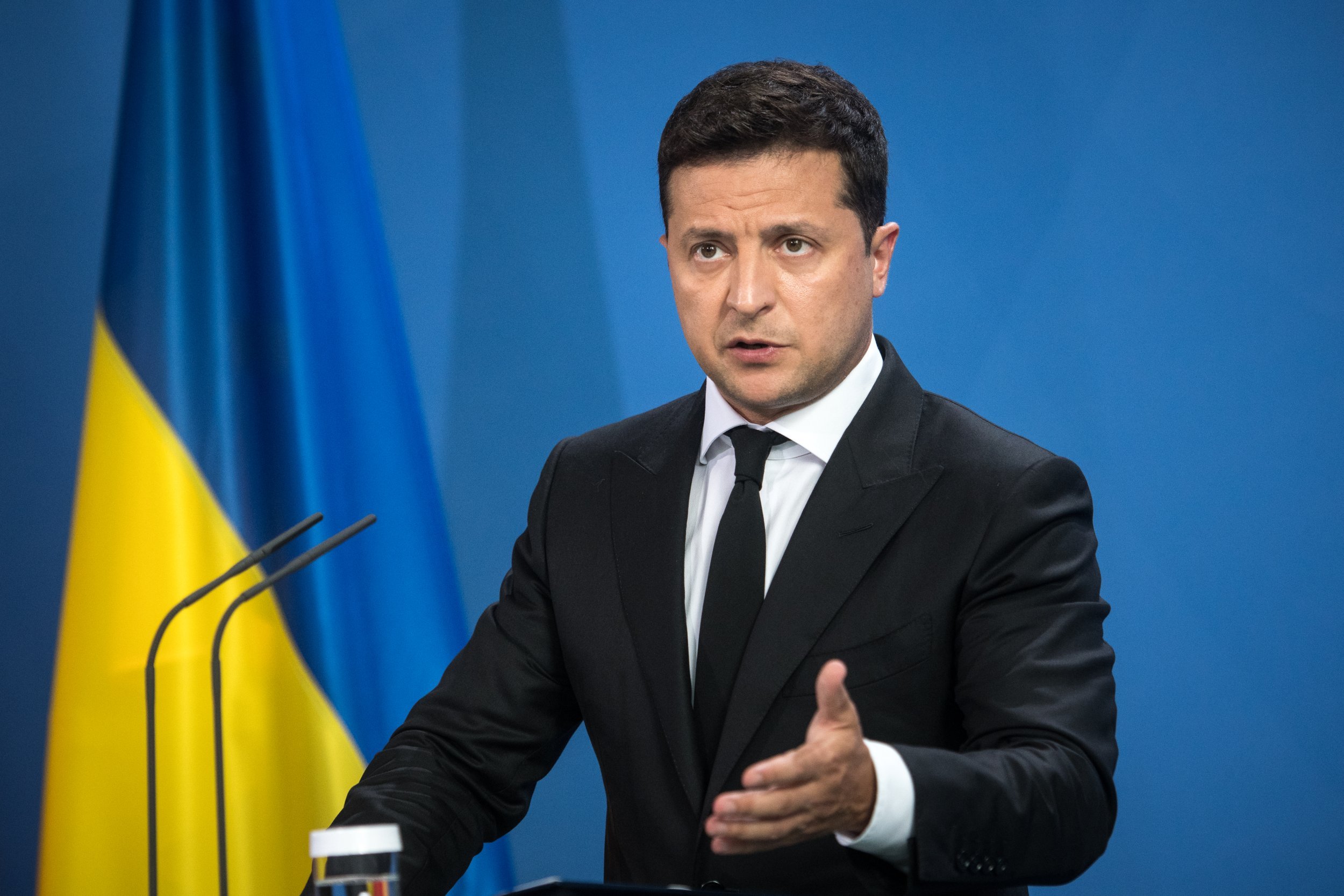
KYIV, Ukraine — Ukrainian President Volodymyr Zelenskyy on Friday welcomed a temporary Easter ceasefire declared by Russian President Vladimir Putin while reiterating his call for a broader halt to strikes on energy infrastructure, as the grinding war entered its fifth year amid shifting global tensions including conflicts in the Middle East.

Zelenskyy confirmed that Ukrainian forces would observe the 32-hour Orthodox Easter truce announced by Moscow, which is set to begin Saturday evening and run through Sunday, aligning with the holiday observed by both nations. At the same time, he expressed skepticism about Russia’s intentions, noting past failed ceasefires and accusing Moscow of choosing escalation over peace gestures.
In his nightly address and recent statements, Zelenskyy stood by a Ukrainian proposal conveyed to Russia through U.S. channels for a mutual ceasefire on attacks targeting energy facilities. “If Russia is ready to stop strikes on our energy infrastructure, we will be ready to respond in kind,” he said earlier this week, emphasizing that the offer remains on the table ahead of Orthodox Easter on April 13.
The latest developments come as both sides continue intense drone and missile exchanges. Overnight attacks have targeted civilian areas, including a strike on the Black Sea port of Odesa that killed three and injured at least 16, according to Ukrainian officials. Zelenskyy has repeatedly warned that Russia is preparing for a prolonged “year of war” in 2026, while highlighting signs of strain within Russian forces, including stalled army growth despite heavy mobilization.
Zelenskyy, a former comedian who rose to the presidency in 2019 and became a global symbol of defiance after Russia’s full-scale invasion in February 2022, has maintained a busy diplomatic schedule. In recent weeks, he traveled to the Gulf region and held talks in Istanbul with Turkish President Recep Tayyip Erdogan on security cooperation. He also spoke by phone with Pope Leo XIV, who expressed hopes for a just and lasting peace.
The Ukrainian leader has drawn connections between the war in Ukraine and escalating tensions in the Middle East, accusing Russia of aiding Iran and mapping U.S. assets to support Tehran. Zelenskyy revealed that Ukrainian forces had engaged in actual combat operations in the Middle East, shooting down Iranian-made Shahed drones during recent U.S.-Israel actions against Iran — not merely training missions but using Ukrainian-made interceptors. He offered Ukraine’s assistance in unblocking the Strait of Hormuz if needed, underscoring Kyiv’s growing role in broader global security discussions.
Relations with the United States under President Donald Trump remain a focal point. Zelenskyy has engaged in multiple calls and meetings with Trump and his envoys, including Steve Witkoff and Jared Kushner, discussing pathways to end the conflict. Trump has pushed for a swift resolution, with Zelenskyy noting that “much can be decided before the New Year” in potential high-level talks. However, Zelenskyy has pushed back against perceived pressure to cede territory, stressing that any peace must include robust security guarantees for Ukraine.
Work continues with U.S. negotiators on formalizing those guarantees, which Zelenskyy describes as essential for any lasting peace. He has urged allies to maintain sanctions pressure on Russia’s economy, particularly targeting shadow fleets that help Moscow sustain oil revenues despite restrictions.
On the battlefield, Ukrainian forces report incremental advances in areas like the Pokrovsk direction, while relying on innovative drone technology and expanded domestic defense production. Zelenskyy has hailed Ukraine’s growing arms industry, projecting significant output in drones and missiles by the end of 2026. At the same time, he has acknowledged the human cost, with earlier estimates placing Ukrainian military deaths in the tens of thousands and total casualties far higher.
Russia’s expansive territorial ambitions — including goals to seize remaining parts of Donbas, create buffer zones along northern borders and potentially push toward southern cities like Odesa — remain unchanged, according to Ukrainian assessments. Yet Zelenskyy has pointed to Russian difficulties in fulfilling planned advances, citing high casualties and internal societal pressures that could force broader mobilization, something the Kremlin has sought to avoid.
The Easter truce announcement by Putin has sparked speculation about Moscow’s shifting priorities, with some analysts wondering if Russia might redirect resources amid the Iran situation. Zelenskyy responded cautiously, saying Ukraine would mirror Russia’s actions and warning of a “symmetrical response” if violations occur. Past humanitarian pauses have often broken down quickly, with accusations flying from both sides.
Energy infrastructure remains a critical vulnerability. Russia has damaged or destroyed much of Ukraine’s power generation capacity through repeated strikes, leaving millions facing blackouts, especially during winter. Zelenskyy’s energy ceasefire proposal aims to provide immediate relief to civilians while building momentum toward broader de-escalation.
Diplomatically, Ukraine has strengthened ties beyond traditional Western allies. Talks with Ireland focused on unblocking EU accession negotiations and support for Ukrainians abroad. Cooperation with Norway addressed security enhancements, and agreements with Syria have emerged in unexpected areas. Zelenskyy has also engaged leaders in the Gulf on regional stability and free trade flows.
Domestically, Zelenskyy continues to project resilience. In addresses marking the war’s milestones, he has declared that Russia has “not broken Ukrainians” nor achieved its initial goals of quick victory and regime change. Ukraine has defended its independence and statehood, he insists, despite the immense challenges of a war now stretching into its fifth calendar year.
The conflict has evolved into a war of attrition dominated by drones, artillery and electronic warfare. Ukrainian adaptations in technology have provided tactical edges, even as Russian forces maintain pressure through sheer volume of attacks. Civilian infrastructure, including hospitals, schools and residential areas, continues to suffer, drawing international condemnation.
Zelenskyy has dismissed Russian claims of inevitable victory, arguing that Moscow’s calculations include prolonging the war to divert global attention and weaken support for Ukraine. He has called on partners to increase pressure, including through sanctions and military aid, while preparing Ukraine’s own defense industry for greater self-reliance.
As Orthodox Easter approaches — a time of reflection for millions in both countries — Zelenskyy’s messages blend hope for de-escalation with firm resolve. He has repeatedly proposed Easter ceasefires, only to see them rebuffed or undermined by continued strikes. The current Russian declaration, while limited, offers a brief window that Kyiv intends to honor, provided Moscow does the same.
Looking ahead, attention turns to potential trilateral or leaders-level talks involving the U.S., Ukraine and Russia. Zelenskyy has signaled openness to direct engagement if it advances concrete security arrangements and territorial integrity. However, he maintains that Ukraine will not accept ultimatums or unilateral concessions.
The broader geopolitical picture has grown more complex with the U.S.-Iran ceasefire and related developments. Zelenskyy has positioned Ukraine as a responsible actor willing to contribute to stability beyond its borders, from drone defense expertise to potential mediation roles in energy chokepoints.
Challenges abound. Ukraine faces manpower strains, economic pressures and the need for sustained international backing. Reconstruction costs run into hundreds of billions, with energy and housing among the most urgent needs. Yet Zelenskyy points to signs of Russian overextension and domestic discontent as potential turning points.
Friday’s developments, including the Easter truce response and drone revelations, underscore Zelenskyy’s dual role as wartime leader and diplomat. From nightly video addresses rallying his nation to high-stakes international calls, he continues to navigate a conflict that has reshaped European security and global alliances.
As spring advances and fighting seasons intensify, the coming weeks could prove decisive. Whether the Easter pause holds, if energy strikes subside, and how U.S.-led diplomacy evolves will shape the trajectory toward any potential negotiated end to Europe’s bloodiest conflict since World War II.
For millions of Ukrainians enduring blackouts, displacement and loss, Zelenskyy’s steadfast message remains one of endurance and hope: peace is possible, but only on terms that safeguard Ukraine’s future as a sovereign, secure nation.
Business
Bridgemarq Real Estate Services Inc. 2025 Q4 – Results – Earnings Call Presentation (TSX:BRE:CA) 2026-04-10


Seeking Alpha’s transcripts team is responsible for the development of all of our transcript-related projects. We currently publish thousands of quarterly earnings calls per quarter on our site and are continuing to grow and expand our coverage. The purpose of this profile is to allow us to share with our readers new transcript-related developments. Thanks, SA Transcripts Team
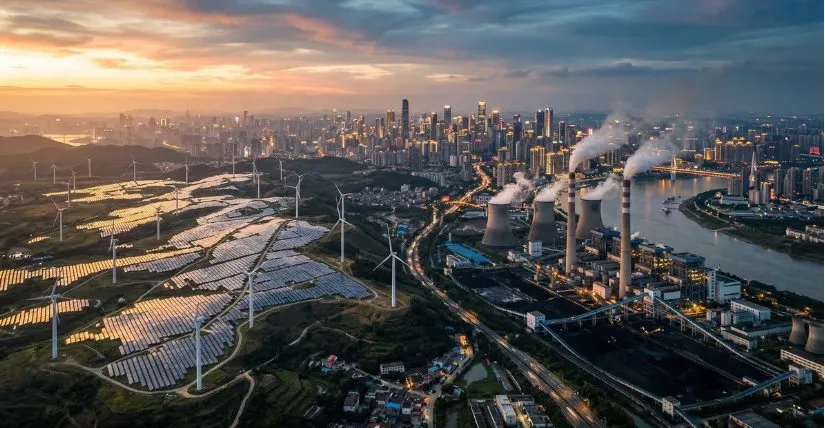
Thailand’s newly formed government confronts a challenging economic landscape marked by high household debt, inefficient investments, and restrictive trade policies. Bold reforms are essential to draw in future-focused industries and ensure sustainable growth.
Key Points
- The conservative Bhumjaithai party won a decisive victory in February 2026, campaigning on stability, but inherited an economy still struggling to recover from the pandemic.
- GDP growth is forecast at just 1.6% for 2026 — the lowest in ASEAN — due to constrained public finances, unproductive investment, and a strong baht eroding export competitiveness.
- While exports surged in 2025, especially electronics to the U.S., tariff uncertainty, Section 301 investigations, and inefficient allocation of capital hinder long-term gains.
- Liberalising foreign ownership (e.g., amending the Foreign Business Act), opening key service sectors (legal, logistics), and joining the CPTPP are critical to attract green manufacturing and high-value industries.
- Thailand’s 14 FTAs cover only 18 markets, with low utilisation due to complex rules of origin — unlike Vietnam, which has leveraged CPTPP to expand exports.
Without structural reforms beyond stimulus, Thailand risks missing out on global supply chain shifts and future industrial investment, leaving it economically stagnant despite short-term export gains.
The Commerce Ministry has announced plans to remove 10 service sectors — from software development to petroleum exploration — from the restricted list, which is a step in the right direction.
The sectors that have been opened do not include those critical to manufacturing firms, such as legal, accounting, and logistics services, which remain heavily restricted. According to the OECD, Thailand ranks among the most restrictive countries in terms of barriers to services trade. Without liberalizing these sectors, even the most generous investment incentives will find it challenging to attract future-focused industries.
Access to export markets is another critical area needing improvement. Thailand currently holds 14 free trade agreements (FTAs), granting preferential access to just 18 markets—significantly fewer than Vietnam’s broader market reach. Additionally, FTA utilization remains a challenge, as nearly 20% of eligible exports fail to leverage preferential terms due to the high costs or complexities of complying with rules of origin, particularly for smaller firms.
Thailand relies heavily on imported inputs, which poses a vulnerability as rules of origin become stricter due to geopolitical pressures. Joining the Comprehensive and Progressive Agreement for Trans-Pacific Partnership (CPTPP) could mitigate this risk by broadening the network of countries, such as Japan, whose inputs are eligible under origin requirements, while also enhancing market access. Vietnam, which joined the CPTPP in 2019 and depends on foreign inputs even more than Thailand, has experienced a significant surge in exports to new markets since its accession.
Source : Thailand’s economic recovery depends on opening up | East Asia Forum
Other People are Reading

Coreweave CSO Venturo sells $5.5m in class a common stock
Business
Li Auto Stock Rises 3% in Hong Kong as March Deliveries Rebound and New L9 Launch Looms in China EV Recovery
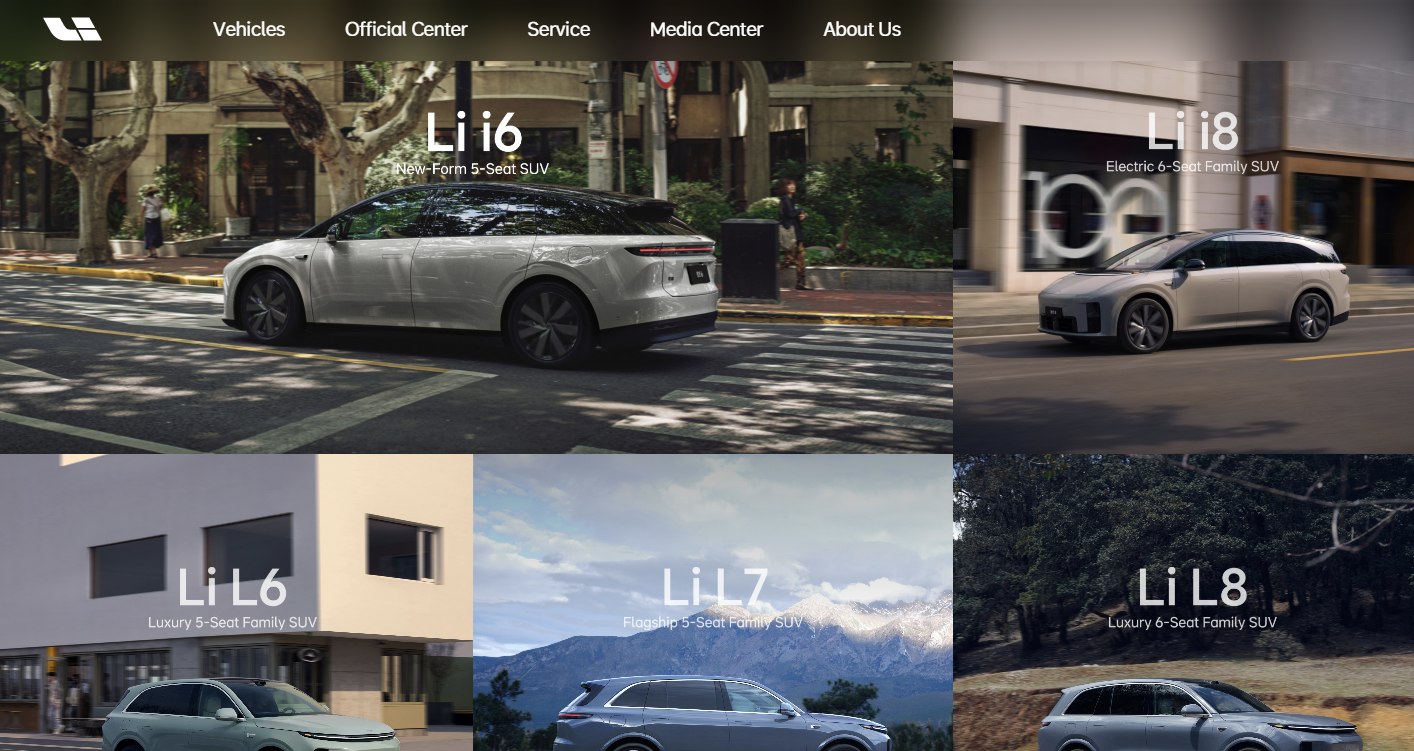
HONG KONG — Li Auto Inc. shares climbed more than 3% Friday on the Hong Kong Stock Exchange, closing at HK$74.20 after adding HK$2.30, as investors cheered a strong March delivery rebound and anticipation for the upcoming launch of the refreshed flagship Li L9 amid a competitive but recovering Chinese new energy vehicle market.

The Beijing-based automaker, listed as HKG:2015, saw its stock rise on elevated trading volume as the company resolved production bottlenecks for its battery electric vehicle lineup and pushed forward with technology upgrades, including advanced autonomous driving systems unveiled at NVIDIA’s GTC 2026 conference. The move extended recent gains following positive March figures that helped lift first-quarter deliveries above internal guidance.
Li Auto delivered 41,053 vehicles in March 2026, marking a 12% increase from the same month a year earlier and a sharp sequential jump after earlier softness. The performance pushed the company’s cumulative deliveries past 1.635 million vehicles since inception. Notably, the Li i6 pure electric SUV surpassed 24,000 monthly units once production constraints eased, signaling improving momentum in Li Auto’s BEV transition.
For the first quarter overall, Li Auto delivered approximately 95,142 vehicles, a modest 2.5% year-over-year gain that exceeded its earlier guidance range of 85,000 to 90,000 units. The rebound came despite ongoing price competition and a challenging 2025, when full-year deliveries fell about 19% to roughly 406,343 vehicles amid margin pressure and slower demand for some extended-range electric vehicle models.
The company has set an ambitious target for 2026, aiming for around 20% growth in vehicle sales, which would translate to roughly 490,000 units. Management has emphasized a “3+2” strategy focusing on overhauling its retail network, successfully launching the next-generation Li L9, and accelerating battery electric vehicle sales. The all-new Li L9, scheduled for official launch in the second quarter, is expected to feature significant upgrades including a larger battery for over 400 km of pure electric range, an enhanced chassis, and cutting-edge computing power.
Analysts and investors view the refreshed L9 as a potential catalyst. The model is projected to incorporate Li Auto’s self-developed M100 chip and advanced smart cockpit features, with some variants boasting up to 2,560 TOPS of computing power — far exceeding many competitors. A higher-priced “Livis” trim has also been previewed, targeting premium family buyers seeking luxury and intelligent driving capabilities. Orders for certain current L-series models were paused in March ahead of the refresh, a common industry tactic to clear inventory and build excitement for new versions.
Li Auto has also been investing heavily in artificial intelligence and autonomous driving technology. The company unveiled its MindVLA autonomous driving foundation model at NVIDIA GTC 2026, pairing hardware advances with in-house software to differentiate its vehicles in a crowded market. These efforts align with broader industry shifts toward AI-native vehicles, where Li Auto aims to blend extended-range reliability with pure electric innovation and intelligent features.
On the financial front, Li Auto reported a challenging 2025, with revenue declining about 22% and net income dropping sharply. Fourth-quarter vehicle margins improved sequentially to 16.8%, though still below prior peaks due to pricing competition. The company returned to modest profitability in the quarter despite lower volumes. For the first quarter of 2026, it had guided revenue between RMB 20.4 billion and RMB 21.6 billion, reflecting the impact of softer early-year deliveries before the March uptick.
To signal confidence, Li Auto announced a US$1.0 billion share repurchase program in March 2026, with initial buybacks executed on both Nasdaq and Hong Kong exchanges. Executives described the move as reflecting strong belief in the company’s long-term value creation. The program comes alongside ongoing efforts to optimize its sales network through a “store partner” profit-sharing model aimed at boosting retail performance.
Li Auto’s portfolio spans extended-range electric vehicles (EREVs) like the popular L6, L7, L8 and L9 families, alongside pure EVs including the Li i6, Li i8 and the flagship Li MEGA MPV. The company has positioned itself as a leader in premium smart EVs tailored for families, emphasizing spacious interiors, advanced safety systems and convenient energy solutions. Its nationwide supercharging network exceeded 4,000 stations by early 2026, supporting over 1.45 million charging sessions during the Spring Festival travel peak alone.
Despite domestic headwinds, Li Auto has begun modest international expansion, introducing select L-series models in markets such as Egypt, Kazakhstan and Azerbaijan. While China remains the core focus, these early steps signal ambitions to diversify beyond the world’s largest EV market.
The Chinese EV sector continues to face intense competition from rivals including BYD, NIO and XPeng, compounded by price wars and fluctuating consumer demand. Li Auto’s hybrid approach — combining range-extended powertrains with growing BEV offerings — has helped it maintain appeal among buyers concerned about charging infrastructure. However, gross margins have faced pressure from higher raw material costs and promotional pricing.
Analysts remain mixed but generally constructive on longer-term prospects. Consensus price targets cluster around levels implying upside from current valuations, with some highlighting the potential for margin recovery as new products ramp up. Morgan Stanley recently trimmed its target but maintained an overweight rating, citing execution risks around the L9 launch while noting expected benefits from AI investments and product cycle improvements. The stock trades at a relatively low multiple compared to some growth peers, though volatility persists amid broader China EV sentiment.
Li Auto also released its 2025 ESG Report and inaugural climate-related disclosures on April 10, underscoring commitments to sustainable manufacturing and supply chain practices as it scales production. The company operates with a vertically integrated model focused on user value, from vehicle design to software updates delivered via over-the-air (OTA) technology. Recent OTA version 8.3 brought enhancements to its VLA driver model, smart cockpit and electric functionality.
Looking ahead, attention will turn to the May earnings report, where management is expected to provide more color on Q2 guidance, L9 production ramps and BEV contribution. The company plans to launch an all-new Li i9 battery electric SUV in the second half of 2026, further broadening its pure EV lineup.
Challenges remain, including sustaining delivery growth in a high-competition environment, managing R&D expenses that have risen with AI and autonomy pushes, and navigating potential regulatory or subsidy shifts in China’s NEV sector. Supply chain stability and raw material costs will also influence margins.
Friday’s trading in Hong Kong showed strong participation as the stock tested recent resistance levels following the March delivery news. Technical observers noted improving momentum, though the shares remain well below 2025 peaks amid last year’s delivery slowdown.
Founded in 2015, Li Auto has grown rapidly by targeting the premium family segment with vehicles that combine the convenience of gasoline range with electric efficiency and smart features. Under CEO Xiang Li, the company has prioritized user experience, with high net promoter scores for models like the Li i8.
As China’s EV market matures and global interest in intelligent vehicles grows, Li Auto’s blend of hardware innovation, software differentiation and family-focused design positions it as a resilient player. Success with the new L9 and continued BEV momentum could help the company reclaim stronger growth trajectory in 2026 and beyond.
Investors will closely monitor execution in the coming quarters, particularly whether the refreshed lineup can drive order backlogs, stabilize pricing and deliver on margin targets. For now, the March rebound and technology roadmap have provided fresh optimism in a sector where product cycles and innovation often dictate market leadership.

Aehr test systems director Posedel sells $2.1m in stock
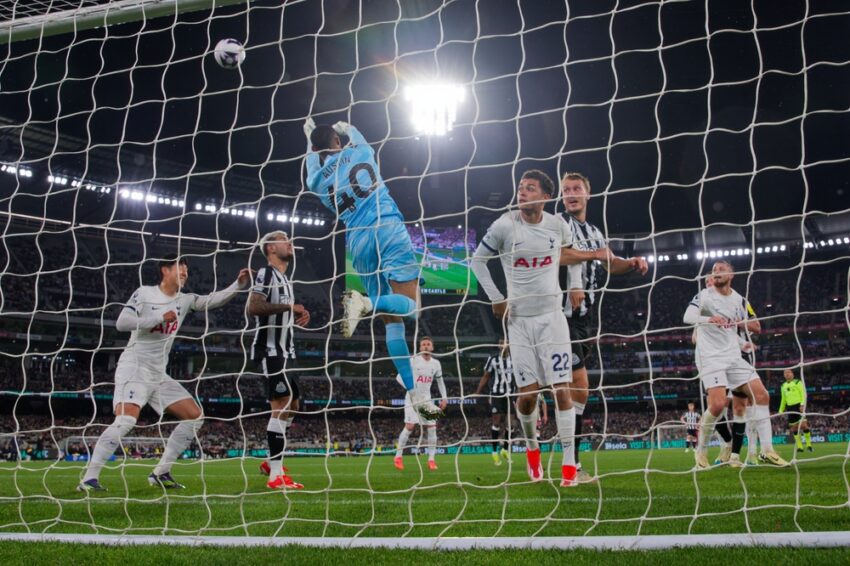
Peter Moore has called on the governing body to “sort out” their structures ahead of the summer spectacular
Former Liverpool CEO Peter Moore has expressed his disappointment with FIFA’s current ticketing strategy for the 2026 World Cup. Moore is far from the first in the space to voice concerns, as watching football in person becomes increasingly difficult for the average fan.
Moore, who served as Liverpool’s CEO from 2017 to 2020, has called on FIFA to reconsider its ticketing approach, stating that it is “completely detached from the very soul of football.”
Moore has urged FIFA to “sort out” its ticketing strategy before it’s too late. He expressed concern that the current model prioritises revenue over the reality of the average, passionate football supporter. These are the fans who save for years to attend the World Cup, travelling across continents and bringing the spirit, colour, and noise to the games.
Moore, who has attended five World Cups, described them as “life chapters” about culture, connection, and unity through football. He emphasised that the issue of ticket pricing carries significant weight given his extensive experience in the sports and entertainment industries.
During his career, Moore has held senior roles at Reebok, Sega, Microsoft, and Electronic Arts (EA). He recalled standing “shoulder to shoulder” with FIFA during its 2015 controversy when senior officials were charged with bribery, racketeering, and money laundering. Despite many sponsors distancing themselves from FIFA, EA continued to work with them, keeping millions of fans connected to football and the World Cup during a time of low trust in the organisation.
The controversy of dynamic pricing
FIFA’s ticket pricing for the upcoming World Cup has already sparked controversy. The Football Supporters’ Association (FSA) has criticised the ticket pricing policy as excessively expensive and unfair to fans. The introduction of dynamic pricing, a model that the FSA has urged FIFA to abandon, is one of the main reasons behind the increase.
A recent investigation revealed the high costs fans would face, including flights, tickets, and accommodation, to attend the World Cup. Moore echoed the FSA’s sentiments, stating that the current approach feels detached from the essence of football. He argued that football should not be a luxury product reserved for the highest bidder, but rather, it belongs to the people.
The future of FIFA ticket pricing strategy
While public criticism may not be enough to force FIFA to reconsider its pricing model, the results it produces might. FIFA claimed in January to have received half a billion ticket requests for the World Cup.
If a large proportion of tickets are held outside genuine fan demand, there is a risk that stadiums may not be full for many matches. This could pose a significant issue for FIFA, even if revenues reach record levels, especially given its ambition to deliver the biggest and best World Cup in history.
Moore concluded by saying, “The World Cup should unite the world, not divide it by price. Football deserves better. And so do the fans. Come on, FIFA, sort this out… It’s not too late.”

NVIDIA’s DLSS 5 Demo Video Briefly Taken Down Because YouTube’s Take Down Process Sucks

The CLARITY Act Just Killed Bitcoin’s Future

How each star sign self-sabotages love and relationships


-

 Business5 days ago
Three Gulf funds agree to back Paramount’s $81 billion takeover of Warner, WSJ reports
-

 Sports6 days ago
India men’s 4x400m and mixed 4x100m relay teams register big progress | Other Sports News
-

 Politics9 hours ago
US brings back mandatory military draft registration
-

 Fashion9 hours ago
Weekend Open Thread: Veronica Beard
-

 Business7 days ago
Expert Picks for Every Need
-

 Tech3 days ago
How Long Can You Drive With Expired Registration? What Florida Law Says
-

 Business6 days ago
No Jackpot Winner, Prize to Climb to $231 Million
-

 Fashion5 days ago
Massimo Dutti Offers Inspiration for Your Summer Mood Board
-
 Sports10 hours ago
Man United discover Nico Schlotterbeck transfer fee as defender reaches Dortmund agreement
-

 Fashion3 days ago
Let’s Discuss: DEI in 2026
-

 Crypto World3 days ago
Bitcoin recovers as US and Iran Agree a Ceasefire Deal
-

 Business6 hours ago
Tesla Model Y Tops China Auto Sales in March 2026 With 39,827 Registrations, Beating Cheaper EVs and Gas Cars
-

 Crypto World2 days ago
Canary Capital Files SEC Registration for PEPE ETF
-

 Business6 days ago
Akebia Therapeutics, Inc. (AKBA) Discusses Pipeline Progress and Strategic Focus on Kidney Disease Treatments at R&D Day – Slideshow
-

 Business15 hours ago
OpenAI Halts Stargate UK Data Centre Project Over Energy Costs and Copyright Row
-

 Tech5 days ago
Haier is betting big that your next TV purchase will be one of these
-

 Politics7 days ago
The UK should not pay a penny in slavery reparations
-

 Tech5 days ago
The Xiaomi 17 Ultra has some impressive add-ons that make snapping photos really fun
-

 Tech5 days ago
Samsung just gave up on its own Messages app
-

 Tech5 days ago
Gamer Restores the Original PlayStation Portal From Two Decades Ago
You must be logged in to post a comment Login