Italian automotive giant Fiat has stopped importing new passenger vehicles into Australia, leaving one of the world’s most recognizable car brands in a precarious position locally as buyers increasingly shift toward more affordable Chinese alternatives.
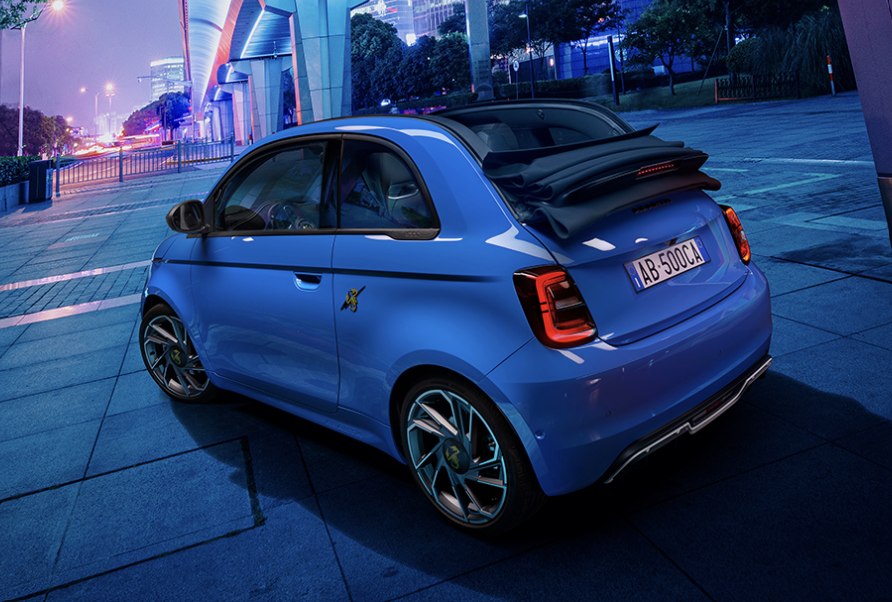
Fiat’s passenger vehicle division will no longer import its Fiat 500e electric hatchback or the Abarth 500e electric hot hatch, effectively halting the brand’s active new-vehicle offerings in the Australian market. The move places Fiat, part of the broader Stellantis Group, in a similar position to its French sister brand Peugeot, whose local importer has already surrendered the right to sell Peugeot vehicles in Australia altogether.
Stellantis says Fiat remains open, for now
Despite the suspension of new imports, a spokeswoman for Stellantis said Fiat has not shut down its Australian operations entirely. “As part of Stellantis Australia’s ongoing portfolio and product planning process, the availability of specific models can vary over time as we assess market demand and future product opportunities,” she said. “We remain focused on ensuring the vehicles we bring to Australia meet customers’ expectations. Following Stellantis’ recent confirmation of Fiat as one of its core global brands, we are excited by the opportunities the brand presents for the future.”
The spokeswoman added that existing stock of the Fiat 500e and Abarth 500e has largely sold through in Australia, and confirmed that Stellantis is not currently planning additional orders of those models while it evaluates future product opportunities for the local market. She said the company remains committed to supporting existing Fiat and Abarth customers and its dealer network, and indicated more details about the brands’ future plans in Australia would be shared at an unspecified later date.
Sales figures underscore the brand’s struggles
The scale of Fiat’s decline in Australia is reflected in its recent sales figures. The brand has recorded just 144 sales in the country so far this year, including only 13 vehicles sold last month, a total lower than luxury sports car brands Ferrari or Lamborghini managed over the same period.
Fiat’s difficulties in Australia mirror broader challenges facing the brand globally. The company has cut thousands of jobs in Italy as it grapples with intensifying competition from Chinese manufacturers, whose lower-cost vehicles have put sustained downward pressure on prices across multiple vehicle segments worldwide.
Stellantis chief executive Antonio Filosa has continued to publicly affirm Fiat’s importance to the broader company’s future, even as the brand’s presence in individual markets like Australia has come under increasing strain. In Australia specifically, Fiat’s now-discontinued Abarth 500e launched in 2024 at approximately $64,000 drive-away, before the company slashed the price by $20,000 in an unsuccessful attempt to clear remaining inventory.
Other Stellantis brands face similar pressure
Fiat is far from alone within the Stellantis portfolio in facing significant challenges in the Australian market. Alfa Romeo has sold just 139 vehicles in Australia so far this year, while Jeep has delivered only 322 vehicles over the same period, figures that underscore broader struggles for several of Stellantis’ European and American-focused brands locally.
Within the same corporate group, Leapmotor has emerged as a notable bright spot, outperforming its Stellantis sibling brands by offering affordable China-sourced electric and hybrid vehicles that have begun gaining meaningful traction with Australian buyers. Fiat’s commercial vehicle lineup remains unaffected by the passenger vehicle import suspension, according to the company.
A broader shift reshaping Australia’s car market
Fiat’s retreat comes amid what industry observers describe as an unprecedented transformation of the Australian automotive market, driven largely by the rapid rise of Chinese manufacturers. BYD has recorded a 124% increase in sales this year, positioning the Chinese automaker within striking distance of overtaking Toyota as Australia’s top-selling car brand. BYD sold just shy of 19,000 vehicles in Australia last month alone, a figure that puts it well ahead of established brands including Ford, Mazda, Hyundai and Kia.
Electric vehicles more broadly accounted for more than 23% of the Australian new car market in June, with more than 32,000 EVs delivered to Australian buyers that month. Tesla’s Model Y remained the most popular electric vehicle on the market by a wide margin.
Chinese-brand sales overall climbed by approximately 70% across the Australian market, with individual manufacturers posting even sharper gains: Geely sales rose 494%, Leapmotor climbed 151%, Chery increased 76.8%, and GWM grew 20.5%. South Korean brands Hyundai and Kia have also posted sales increases for the year to date, suggesting the shift in Australian buyer preferences extends beyond Chinese manufacturers alone.
Japanese brands bear the brunt of the shift
By contrast, several long-established Japanese automakers have seen significant sales declines in Australia this year. Toyota’s sales have fallen 21.4%, while Mitsubishi is down 25%, Nissan has dropped 32%, Mazda has declined 17%, Subaru has fallen 25.6%, and Suzuki has decreased 20.9%, according to year-to-date figures.
With Fiat’s new passenger vehicle imports now paused indefinitely and Stellantis offering only vague assurances about the brand’s long-term future in Australia, the company’s next moves are likely to be closely watched by both existing Fiat owners and the broader Australian auto industry. For now, Fiat’s situation illustrates the broader competitive pressure reshaping Australia’s automotive landscape, as legacy European and Japanese manufacturers increasingly find themselves squeezed by a wave of lower-cost, rapidly improving Chinese alternatives capturing an ever-larger share of Australian car buyers’ attention.



























































You must be logged in to post a comment Login