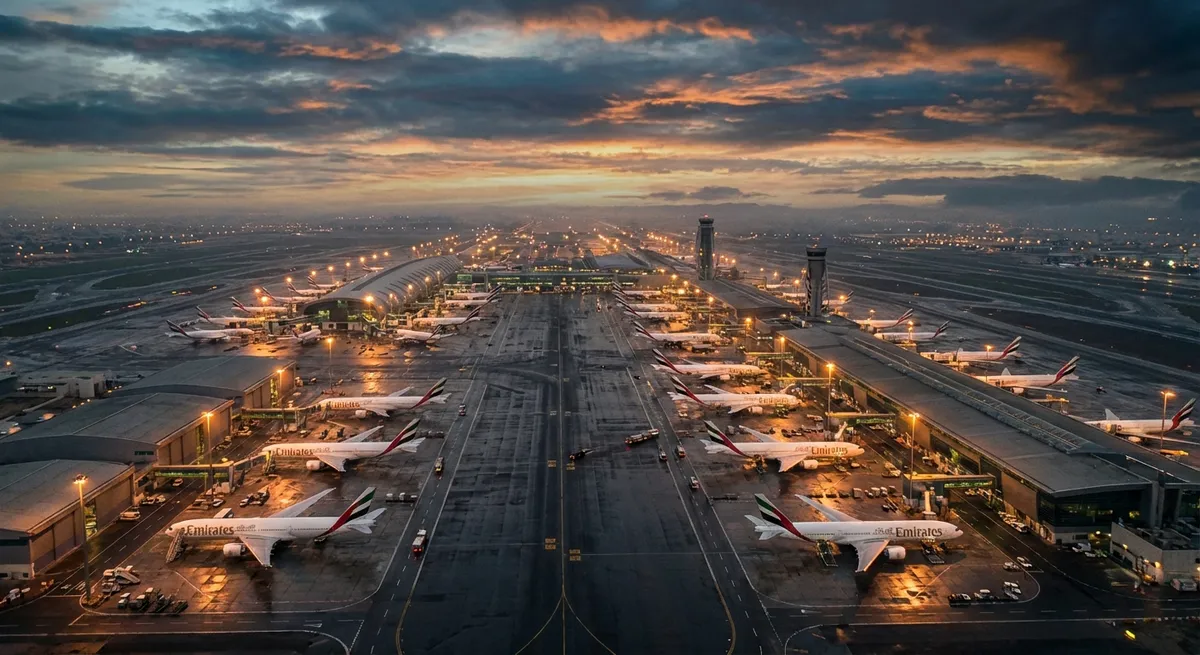
Amidst repatriations and a gradual return to operations, air traffic is slowly picking up as several airlines begin reopening some of their routes.
The recovery is starting timidly in the Middle East. After several days of paralysis, long-haul air traffic is gradually resuming. On Friday, several Emirati airlines relaunched some of their international routes, particularly to Europe, with reduced schedules.
Daily flight operations through 9 March: Air Arabia and Emirates continuing to climb, while Qatar doubled the number of operated flights and Etihad nearly so. A bit of a pullback from flydubai on Monday. pic.twitter.com/9xuopI5kEj
Etihad Airways (Abu Dhabi): Restarted limited commercial flights from March 6–19 to over 70 destinations including Paris, London, New York, and Tel Aviv. Prices are unusually high — €1,900–2,000 for economy one-way, compared to €350–650 normally.
Emirates (Dubai): Operating reduced services to 82 destinations such as Sydney, Singapore, and New York, aiming to restore its full network soon. Transit passengers are only accepted if their connecting flights are confirmed.
Qatar Airways (Doha): Doha’s hub remains closed, but the airline is running emergency flights from Oman and Saudi Arabia.
Capacity & Safety: Dubai International Airport is running at about 25% of normal traffic. The European Aviation Safety Agency (EASA) has extended its high-risk advisory until March 11.
Repatriation Efforts: France and other states are organizing special flights to bring citizens home. Over 15,000 people, including many French nationals, have already been evacuated.
Future Outlook: The crisis raises questions about the vulnerability of Gulf hubs and whether ultra-long-range aircraft could shift demand toward more direct flights.
Abu Dhabi-Paris flights available again
Abu Dhabi-based Etihad Airways announced on Friday the resumption of a limited commercial flight schedule. From March 6 to 19, the carrier plans rotations between the capital of the United Arab Emirates and more than 70 destinations including London, Paris, Frankfurt, Delhi, New York, Toronto and Tel Aviv.
Another major player in the Gulf, Emirates has also started to revive its rotations. The Dubai-based airline is currently operating a reduced schedule to 82 destinations, including London, Sydney, Singapore and New York, with the aim of “a return to 100% of its network” in the coming days. For now, the operator only accepts passengers transiting through Dubai if their connecting flight is maintained.
Advertisement
The situation remains more uncertain for Qatar Airways. The hub in Doha, Qatar, remains closed. However, the company continues to organize relief flights from Oman and Saudi Arabia to allow passengers to move in the region.
For the time being, activity at Dubai International Airport remains much lower than normal. According to data from the air tracking site Flightradar24, the hub – usually one of the busiest in the world – is still operating at only about 25% of its usual capacity. The European aviation safety regulator (EASA) has also extended its high-risk warning until 11 March.
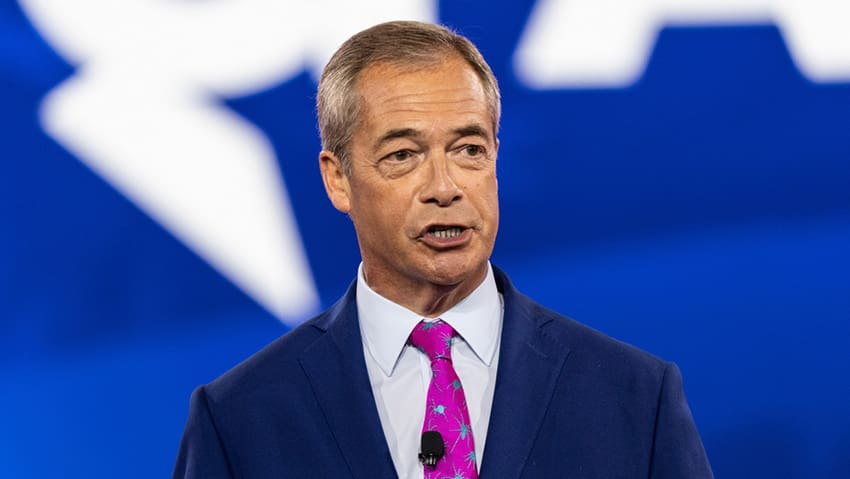
Reform UK is venturing into podcasting with a weekly show that will offer listeners behind-the-scenes access to Nigel Farage and senior figures within the party, marking the first time a British political party has produced its own audio programme.
The first episode, due out on Saturday, will feature footage from Reform’s campaign trail ahead of the local elections, including exchanges with both supporters and detractors. Subsequent instalments will follow Farage’s campaigning efforts in Wales and Scotland while covering major policy announcements in depth. The show will be available on Spotify and Apple, though the party has confirmed there are no plans to appoint a regular presenter.
The move represents a significant escalation in Reform’s broader digital media strategy, which has already seen the party invest tens of thousands of pounds in an in-house television studio. Farage commands a social media following of nearly 7.3 million across X, Facebook, TikTok, Instagram and YouTube, a figure that exceeds the combined followings of Sir Keir Starmer, Kemi Badenoch, Sir Ed Davey and Green Party leader Zack Polanski.
That digital dominance has translated into tangible political momentum. Reform now leads the national polls and has become the most popular party among Generation Z men, according to research by JL Partners for the think tank Onward. The party’s sharp use of TikTok has been widely credited as a driving force behind its surge in support among younger voters.
The podcast launch also underscores a growing tension between political parties and traditional broadcast media. Farage already hosts a primetime programme on GB News, a channel that has faced repeated scrutiny from Ofcom over its use of politicians as presenters. Culture Secretary Lisa Nandy has argued that Farage’s show is undermining public trust in news broadcasting.
Advertisement
Reform’s digital success has not gone unnoticed by its rivals. The Prime Minister joined both TikTok and Substack late last year, while Labour has enlisted FourOneOne, a digital marketing agency backed by Silicon Valley investors including LinkedIn founder Reid Hoffman, to mount a campaign targeting Reform on TikTok. The party has further strengthened its online presence following Robert Jenrick’s defection from the Conservatives, with the former shadow justice secretary having built a considerable profile through attention-grabbing social media content.
Farage said the podcast would bring listeners closer to the party’s operations in a way that no other political organisation has attempted, describing it as offering access to every aspect of Reform’s activities.
Amy Ingham
Amy is a newly qualified journalist specialising in business journalism at Business Matters with responsibility for news content for what is now the UK’s largest print and online source of current business news.
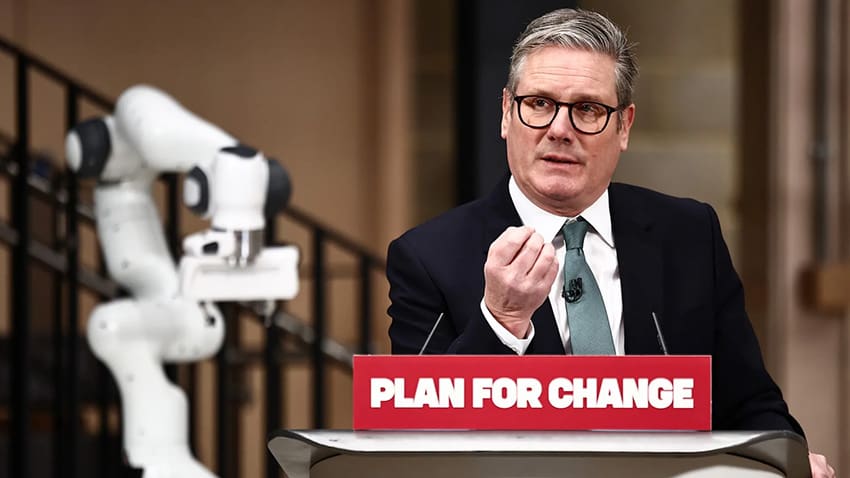
OpenAI’s much-trumpeted plans to build a major data centre in the north-east of England have ground to a halt, dealing a significant blow to Sir Keir Starmer’s strategy of placing artificial intelligence at the centre of Britain’s economic growth.
The maker of ChatGPT announced last September that it would bring its Stargate programme, a global data centre initiative originally valued at $500bn (£378bn), to British shores through a partnership with Nscale, the UK-based data centre operator. The initial plan envisaged housing approximately 8,000 Nvidia AI processors at Cobalt Park on Tyneside during the first quarter of 2026. That deadline has now passed without a spade in the ground, and OpenAI has declined to offer a revised timetable.
The reasons behind the delay remain unclear, though commercial negotiations between the parties are understood to be continuing. Both OpenAI and Nscale refused to comment on the state of play.
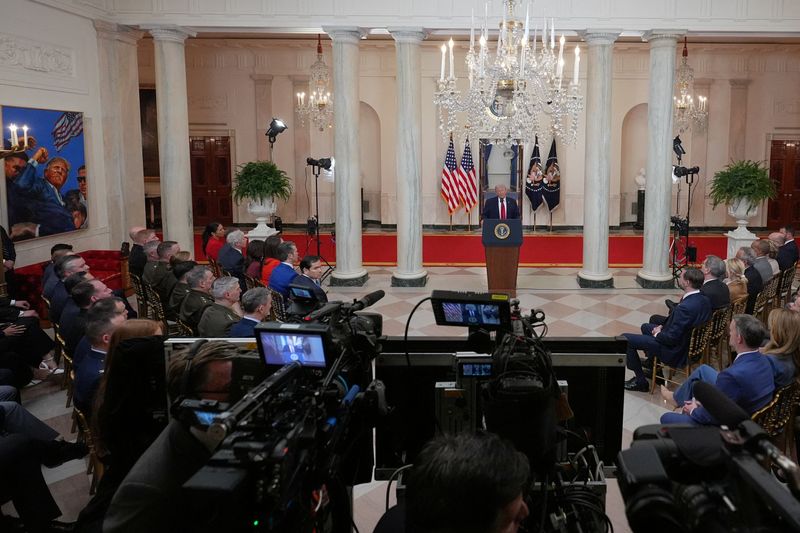
The Stargate concept was first unveiled by Sam Altman, OpenAI’s chief executive, at a White House press conference in January 2025 alongside Donald Trump. Altman subsequently pledged to extend the programme internationally, with the UK earmarked as a key location. In a government press release at the time, he described Stargate UK as part of a “shared vision” to expand opportunity through the right infrastructure.
The project was enthusiastically embraced by ministers, who have sought to position Britain as a global leader in AI. OpenAI further signalled its commitment to the UK by appointing George Osborne, the former Conservative chancellor, to spearhead its international expansion.
Advertisement
Yet the Tyneside setback is far from an isolated case. In the United States, negotiations over Stargate’s broader rollout have proceeded sluggishly, with key backer SoftBank among those yet to finalise terms. A planned expansion of a major site in Texas, being developed with the American data giant Oracle, was quietly shelved earlier this year.
The wider industry is grappling with similar headaches. Technology groups have collectively committed to spending hundreds of billions of dollars on data centres to satisfy surging demand for AI applications, but delivery is proving far harder than the headline figures suggest. Research by Sightline Climate indicates that up to half of all large-scale data centre projects are now running behind schedule, hampered by planning difficulties and constraints on energy supply.
Nscale, valued at $15bn and counting Sir Nick Clegg, the former deputy prime minister, among its board members, has itself been forced to push back timelines on a separate development in Loughton, Essex, as Business Matters reported last week.
Critics have been quick to seize on the lack of progress. Tom Hegarty, a spokesman for Foxglove, the campaign group that has raised concerns about the environmental impact of the data centre boom, said the Stargate UK project amounts to little more than a press release issued eight months ago.
Advertisement
The government maintained that it remains focused on fostering the right conditions for investment. A spokesman said ministers are continuing to work with OpenAI and other leading AI firms to strengthen the UK’s computing capacity. Whether that reassurance will be enough to quieten growing scepticism about the pace of delivery is another matter entirely.
Amy Ingham
Amy is a newly qualified journalist specialising in business journalism at Business Matters with responsibility for news content for what is now the UK’s largest print and online source of current business news.
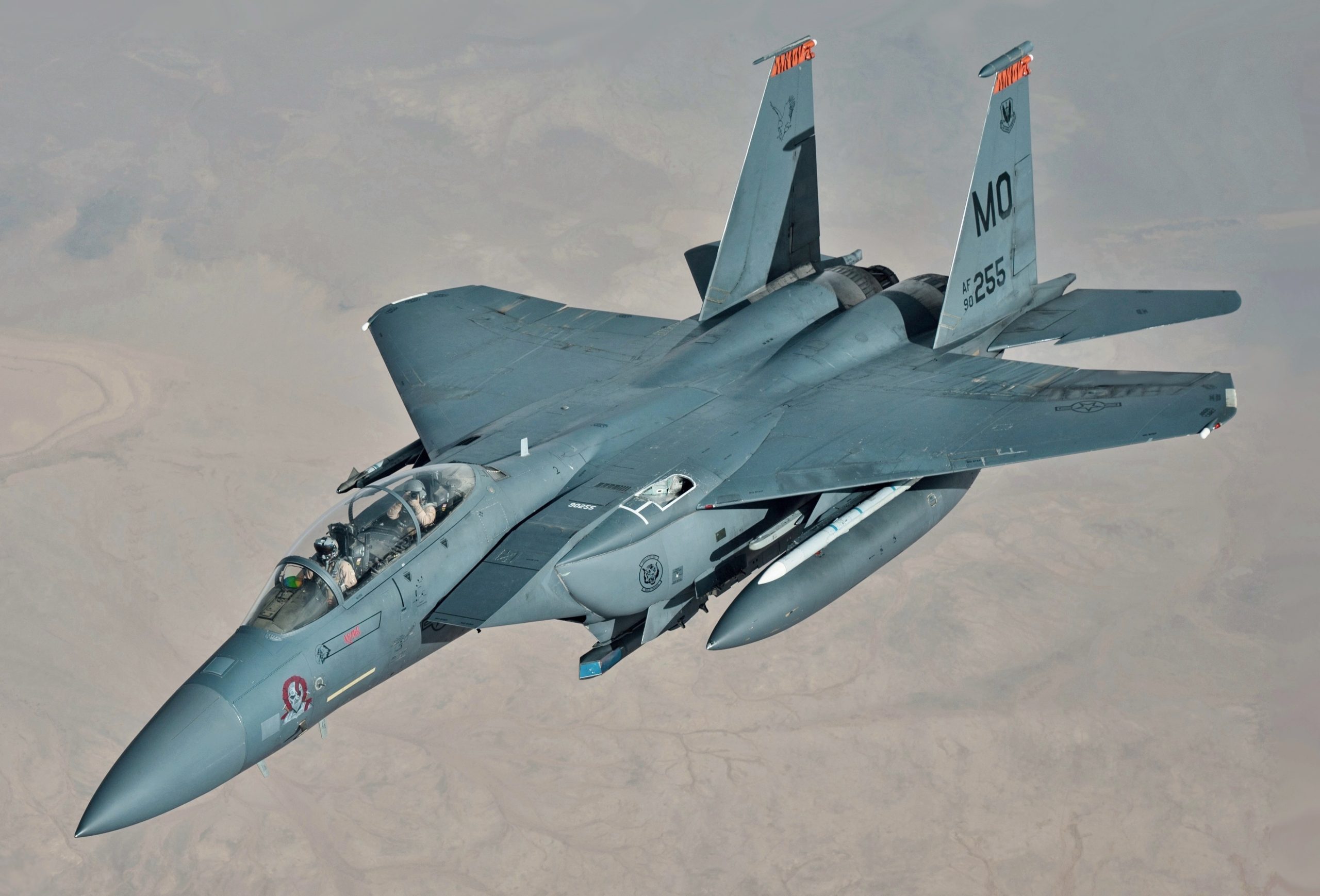
The U.S. military pressed ahead Saturday with a high-stakes search-and-rescue operation for a missing American airman after Iran shot down a U.S. F-15E Strike Eagle fighter jet on Friday, while Iranian state media urged citizens in rugged southwestern provinces to hunt for the “enemy pilot” and hand him over alive in exchange for a “precious prize.”
F-15E Strike Eagle
The incident marked the first confirmed loss of a U.S. manned aircraft over Iranian territory since the conflict between the United States and Iran escalated nearly six weeks ago. One of the two crew members aboard the two-seat F-15E was rescued by U.S. special forces in a daring operation, but the status of the second service member — believed to be the weapons systems officer — remained unknown as of early Saturday, U.S. officials told lawmakers and reporters.
Iranian forces also claimed to have struck a second U.S. aircraft, an A-10 Thunderbolt II ground-attack plane near the Strait of Hormuz, though its pilot was reported rescued. U.S. officials confirmed two aircraft were hit in separate incidents Friday but provided limited details, citing operational security during the ongoing search.
The downing occurred in Kohgiluyeh and Boyer-Ahmad province, a mountainous and sparsely populated area in southwestern Iran near the border with Iraq. Iranian state television affiliates broadcast images of what appeared to be aircraft wreckage and debris, while a local channel in the province aired an urgent appeal to residents.
“If you capture the enemy pilot or pilots alive and hand them over to the police, you will receive a precious prize,” an anchor declared on air Friday, according to multiple reports. An on-screen crawl earlier urged viewers to “shoot them if you see them,” referring to circulating footage of U.S. aircraft. It was the first time Iranian media publicly mobilized civilians in the search for a downed U.S. airman.
Advertisement
U.S. Central Command and the Pentagon have not released the identities of the crew members, citing family privacy and security concerns. The rescued crew member was undergoing medical evaluation, sources said. Search efforts involved combat search-and-rescue teams, helicopters and supporting aircraft, with reports that two Black Hawk helicopters involved in the operation came under enemy fire but safely exited Iranian airspace.
The episode comes amid broader U.S. and Israeli airstrikes targeting Iranian military infrastructure, nuclear sites and missile capabilities as part of what the Trump administration has described as efforts to degrade Tehran’s ability to threaten the region. President Donald Trump has warned of continued pressure but has not detailed specific responses to the aircraft losses.
Pentagon officials notified the House Armed Services Committee that the status of the second service member from the F-15E was unknown. The notification underscored the gravity of the situation, as the war — now in its sixth week — has already resulted in American casualties, with earlier reports citing at least 15 U.S. troops killed and hundreds wounded in related regional actions.
Iranian parliamentary speaker Mohammad Bagher Ghalibaf mocked the U.S. on social media, writing that the American campaign had shifted from ambitions of “regime change” to pleas of “Hey! Can anyone find our pilots?” Iranian military officials claimed the downing demonstrated strengthened air defenses despite weeks of strikes.
Advertisement
Military experts noted the challenges of combat search and rescue (CSAR) in hostile territory. Retired pilots and analysts described how downed aviators are trained in survival, evasion, resistance and escape (SERE) techniques, including hiding in rugged terrain, signaling for help and avoiding capture. The southwestern Iranian landscape — with its mountains, valleys and limited infrastructure — could complicate both U.S. recovery efforts and Iranian searches.
Retired Air Force officers emphasized that time is critical. Crew members carry survival kits, radios and signaling devices, but exposure to elements, injury from ejection and pursuit by enemy forces heighten risks. In past conflicts, such as the 1991 Gulf War or operations in Afghanistan, CSAR missions have sometimes involved ground teams inserting deep behind lines, supported by overhead cover from fighter jets and drones.
U.S. forces have conducted numerous airstrikes across Iran since the conflict intensified in late February or early March 2026. Iranian claims of downing U.S. or allied aircraft have circulated frequently but were often unverified or disproven. Friday’s events appeared to mark the first substantiated loss inside Iranian borders, raising questions about air defense effectiveness and the evolving risk to U.S. pilots.
The missing airman’s potential capture could hand Iran a significant propaganda victory, with fears he might be paraded publicly or used as leverage in any future negotiations. Iranian Revolutionary Guard Corps elements and local militias were reported active in the search area, alongside civilians responding to the media appeal.
Advertisement
White House officials have downplayed immediate escalation risks while stressing the priority of recovering the service member. Trump, in recent remarks, indicated the incident would not derail broader objectives but declined to outline specific retaliatory steps.
The broader conflict has disrupted shipping through the Strait of Hormuz, strained global oil markets and drawn international concern over civilian impacts. Humanitarian groups have reported difficulties accessing affected areas, while regional allies monitor developments closely.
For U.S. military families and service members, the news revives painful memories of past captivity cases, such as the 1980 Iran hostage crisis or downed pilots in Vietnam. Support networks and counseling resources have been activated as details remain scarce.
As Saturday progressed, U.S. search operations continued without public confirmation of the missing airman’s location or condition. Analysts warned that involving civilians in military hunts could lead to unintended confrontations or endanger non-combatants.
Advertisement
The F-15E Strike Eagle is a versatile fighter-bomber known for its speed, range and precision-strike capabilities. Its loss, even if isolated, highlights the persistent dangers of operating over defended airspace despite U.S. technological advantages in stealth and electronic warfare.
Iran has long invested in layered air defenses, including Russian-supplied systems and indigenous developments. While U.S. and Israeli strikes have targeted many radar and missile sites, some capabilities evidently remain operational.
Pentagon spokespeople have emphasized that aircraft losses are an inherent risk in combat but vowed to adapt tactics. “We have specially trained rescue units who will be combing that area,” one retired general told media, noting the speed and coordination required for successful extractions.
As the search stretched into a second day, families of U.S. service members awaited updates with growing anxiety. The incident has fueled debate in Washington about the scope and duration of operations against Iran, with some lawmakers calling for clearer exit strategies and others urging sustained pressure.
Advertisement
International reactions varied. Allies expressed concern for the missing personnel, while some nations criticized the escalation. The United Nations and humanitarian organizations called for de-escalation and protection of all parties.
For now, the focus remains on the rugged terrain of southwestern Iran, where American and Iranian search parties race against time and each other. The outcome could influence the trajectory of a conflict that has already reshaped regional security dynamics.
U.S. officials continue to monitor developments closely, with rescue teams supported by intelligence assets and air cover. Whether the missing serviceman is located safely, captured or remains unaccounted for will likely shape the next phase of this volatile chapter in U.S.-Iran relations.
ETMutualFunds outlines ready-made SIP portfolios for conservative investors across three investment brackets. The allocation blends large-cap and hybrid funds to balance risk and returns. Selected using in-house criteria like rolling returns and downside risk, these portfolios aim to simplify fund selection for investors seeking stable, long-term wealth creation.
£2m Blackburn project will take seven months to complete
Bill Jacobs and Local Democracy Reporter
11:00, 04 Apr 2026
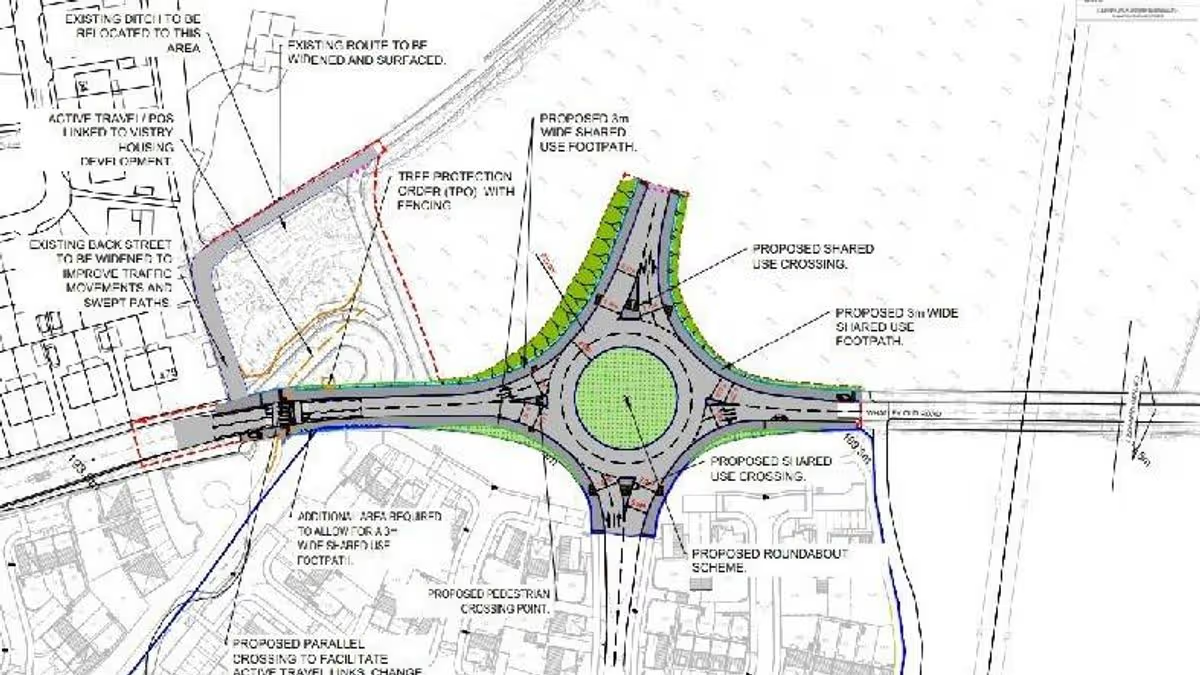
The plan for the new roundabout at Whalley Old Road, Blackburn(Image: Local Democracy Reporting Service)
The project to build a new four-arm roundabout in a busy gateway road in Blackburn has taken a major step forward.
Advertisement
Senior councillors have been asked to approve the appointment of the main contractor for the scheme due to start in May when they meet on Thursday next week (April 9).
Blackburn with Darwen Council’s executive board has been recommended to approve Farnworth civil engineering firm George Cox & Sons Ltd to manage the highway works.
A report from the authority’s growth boss Cllr Quesir Mahmood also reveals that the original cost of £1.75million for the project had now increased to £2m but that the initial estimate of eight months to complete it has now been reduced to seven.
The scheme, which will realign Whalley Old Road, was granted planning permission in February,
Advertisement
It will still need a lengthy closure causing major traffic disruption, as the roundabout is installed for new housing developments.
The roundabout will serve the controversial Sunnybower Meadow housing estate of 165 new homes currently being built by Vistry Partnerships/Bovis Homes, and pave the way for a proposed 1,250-home development in north-east Blackburn built on 241 acres of land off Brownhill Drive over 20 years.
Cllr Mahmood’s report says: “The board is recommended to approve the appointment of George Cox & Sons Ltd as Preferred Bidder for the highway works following a competitive tender process.
“It notes the contractor will commence mobilisation in May 2026 following confirmation of appointment with works planned to commence over the summer with a seven-month construction programme aiming for all works to be complete by December 2026.
Advertisement
“It approves a total project budget of £2,000,000 to cover construction, fees, surveys and contingency and notes this includes £201,000 costs incurred to date,
“It notes the council has £1,500,000 allocated funding within the capital programme with an additional £119,200 provided by Bovis Homes under a Section 106 Agreement.
“The funding provided by Bovis Homes is equivalent to the cost of the entrance works which are omitted from their scheme to prevent abortive work due to the proposed roundabout works now providing a combined entrance for the two sites.
“It approves the addition of a further £130,800 to the capital budget funded by S106 contributions and the reallocation of £250,000 capital funding from the north-east Blackburn capital budget.
Advertisement
“The use of a roundabout at this location is also more in keeping with the semi-rural nature of Whalley Old Road and once completed will mark the transition between the rural and urban environments and provide a gateway entrance to both sites.
“Roundabouts allow traffic to flow more continuously, reducing queues and delays compared with priority junctions.
“Vehicles also approach and circulate roundabouts at lower speeds, which also reduces the likelihood of collisions.”
“To facilitate pedestrian crossings, splitter islands are included on each arm of the roundabout.”
Advertisement
To find all the planning applications, traffic diversions, road layout changes, alcohol licence applications and more in your community, visit the Public Notices Portal.
Julian Lin is a financial analyst. He finds undervalued companies with secular growth that appreciate over time. His approach is to look for companies with strong balance sheets and management teams in sectors with long growth runways.
Julian is the leader of the investing group Best Of Breed Growth Stocks where he only shares positions in stocks which have a large probability of delivering large alpha relative to the S&P 500. He also combines growth-oriented principles with strict valuation hurdles to add an additional layer to the conventional margin of safety. Features include: exclusive access to Julian’s highest conviction picks, full stock research reports, real-time trade alerts, macro market analysis, individual industry reports, a filtered watchlist, and community chat with access to Julian 24/7. Learn more.
Analyst’s Disclosure: I/we have a beneficial long position in the shares of PATH either through stock ownership, options, or other derivatives. I wrote this article myself, and it expresses my own opinions. I am not receiving compensation for it (other than from Seeking Alpha). I have no business relationship with any company whose stock is mentioned in this article.
Seeking Alpha’s Disclosure: Past performance is no guarantee of future results. No recommendation or advice is being given as to whether any investment is suitable for a particular investor. Any views or opinions expressed above may not reflect those of Seeking Alpha as a whole. Seeking Alpha is not a licensed securities dealer, broker or US investment adviser or investment bank. Our analysts are third party authors that include both professional investors and individual investors who may not be licensed or certified by any institute or regulatory body.

















































You must be logged in to post a comment Login