Connect with us
DAPA Banner

Business

Form 13D/A lululemon athletica inc. For: 1 May

Published

on

Continue Reading
Click to comment

You must be logged in to post a comment Login

Leave a Reply

Business

Amadeus IT Group, S.A. (AMADY) M&A Call Transcript

Published

on

OneWater Marine Inc. (ONEW) Q1 2026 Earnings Call Transcript

Amadeus IT Group, S.A. (AMADY) M&A Call April 29, 2026 7:00 AM EDT

Company Participants

Luis Camino – President, CEO & Executive Director
Decius Valmorbida – President of Travel
Caroline Borg – Chief Financial Officer

Advertisement

Conference Call Participants

George Webb – Morgan Stanley, Research Division
Alexander Irving – Bernstein Institutional Services LLC, Research Division
Sven Merkt – Barclays Bank PLC, Research Division
Michael Briest – UBS Investment Bank, Research Division
Nooshin Nejati – Deutsche Bank AG, Research Division
Toby Ogg – JPMorgan Chase & Co, Research Division
Ted Wang
Nicolas David – ODDO BHF Corporate & Markets, Research Division

Presentation

Advertisement

Operator

Good day, ladies and gentlemen, and welcome to the Amadeus’ intention to acquire IDEMIA Public Security Conference Call. [Operator Instructions]

I would now like to turn the conference over to Luis Maroto, President and CEO of Amadeus. Please go ahead.

Advertisement

Luis Camino
President, CEO & Executive Director

Good afternoon, and thank you for joining us at such short notice today. Today, we are pleased to announce our intention to acquire IDEMIA Public Security, or IPS. This is a complementary and travel-centric acquisition aimed at creating seamless end-to-end travel journeys of the future. Decius, Carol and I will walk you through the strategic and financial rationale for this acquisition as well as our time line to obtain regulatory approvals. So let’s begin.

Please turn to Slide 5. Let me start by explaining why this acquisition is strategically important for Amadeus. IPS is a world-class market-leading end-to-end biometric technology platform with a strong global blue-chip client base. IPS fits naturally within our strategy. We already connect airlines, airports, hotels and border systems today. By bringing together the Amadeus travel platform with IPS’ leading biometric and identity capabilities, we deepen our own capabilities and also strengthening our offering.

We link a larger part of the travel journey, enabling Amadeus to

Advertisement
Continue Reading

Business

Rivian Automotive Boosts Initial Capacity for Georgia Plant; First-Quarter Revenue Rises

Published

on

Rivian Automotive Boosts Initial Capacity for Georgia Plant; First-Quarter Revenue Rises

Rivian Automotive plans to increase initial production capacity for a plant it’s building in Georgia by 50%, a move the electric car maker disclosed as it posted higher revenue in its latest quarter.

The change will allow for 300,000 units of annual production capacity for its mid-sized vehicles, known as the R2, Rivian said Thursday. The move is aimed at lowering cost per unit while still providing room for future capacity expansion. Rivian said it remains on track to start vehicle production in Georgia in late 2028.

Copyright ©2026 Dow Jones & Company, Inc. All Rights Reserved. 87990cbe856818d5eddac44c7b1cdeb8

Continue Reading

Business

ActBlue sues to block Texas attorney general’s ’retribution’ lawsuit

Published

on

ActBlue sues to block Texas attorney general’s ’retribution’ lawsuit


ActBlue sues to block Texas attorney general’s ’retribution’ lawsuit

Continue Reading

Business

Japanese PM Takaichi lands in Hanoi to address sharp investment decline – Reuters

Published

on


Japanese PM Takaichi lands in Hanoi to address sharp investment decline – Reuters

Continue Reading

Business

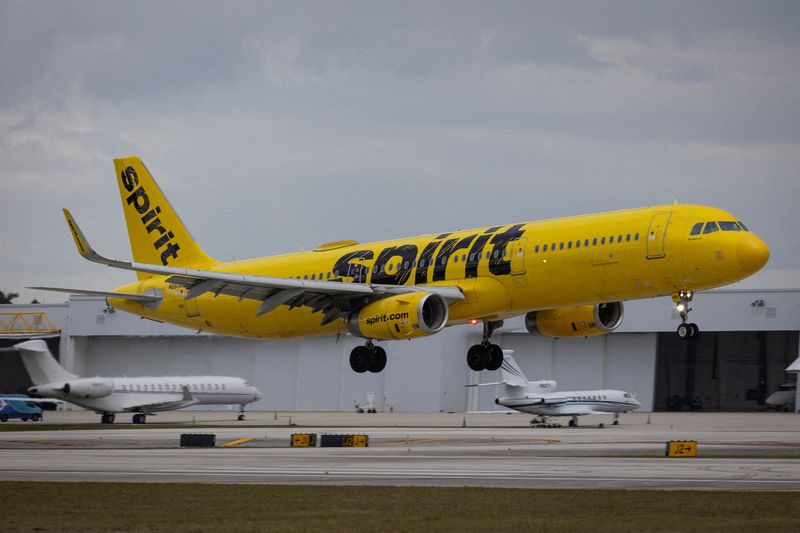
Spirit Airlines prepares to shut down operations overnight, sources say

Published

on

Spirit Airlines prepares to shut down operations overnight, sources say


Spirit Airlines prepares to shut down operations overnight, sources say

Continue Reading

Business

Apple CEO Tim Cook Warns of Extended Memory Crunch as AI Demand Strains Supply Chain

Published

on

Apple chief executive Tim Cook has called generative AI a 'key opportunity' across the iPhone maker's line of products

CUPERTINO, Calif. — Apple CEO Tim Cook on Thursday warned investors of significantly higher memory costs in the coming quarters due to an intensifying global supply crunch driven by artificial intelligence demand, signaling potential pressure on the company’s hardware margins and hinting at a range of mitigation strategies under consideration.

Speaking during Apple’s fiscal second-quarter earnings call, Cook described the memory constraints as an ongoing challenge that the company has managed so far through inventory and supplier relationships but expects to intensify. “We believe memory costs will drive an increasing impact on our business,” he said, adding that Apple would “continue to evaluate” options without providing specifics on pricing adjustments or design changes.

The warning comes as the tech industry grapples with what some analysts have dubbed “RAMageddon” — a shortage of high-bandwidth memory chips essential for AI training and inference. Major cloud providers and AI developers have consumed vast quantities of DRAM and HBM chips, driving prices higher and creating allocation battles among suppliers. Apple, which relies heavily on memory for iPhones, Macs and iPads, is feeling the ripple effects despite its scale and long-term supplier deals.

Apple reported strong quarterly results overall, with revenue beating expectations and services continuing robust growth. However, Cook’s comments on memory highlighted emerging headwinds in the hardware business as the company ramps up AI features across its product lineup. The iPhone maker has invested heavily in on-device AI capabilities, which require substantial memory resources, particularly in flagship devices.

Advertisement

Supply chain experts say the crunch stems from limited manufacturing capacity for advanced memory. Samsung, SK Hynix and Micron dominate production, and their output has been prioritized for AI accelerators from Nvidia and others. Consumer electronics companies like Apple face stiffer competition for remaining supply, leading to higher costs and potential delays. Cook noted Apple navigated the current quarter’s constraints effectively but anticipates greater impact ahead.

Analysts have speculated on Apple’s potential responses. These could include passing some costs to consumers through selective price increases, optimizing designs to use less memory, or securing more long-term supplier contracts. The company has a history of efficient component management, but sustained shortages could challenge its premium pricing strategy. Cook emphasized flexibility in the supply chain remains limited in the near term.

The memory warning arrives as Apple pushes its Apple Intelligence features, which promise enhanced Siri capabilities, writing tools and image generation. On-device processing requires significant RAM, particularly in newer iPhones and Macs. Demand for AI-enabled devices has further strained supply, creating a feedback loop where AI growth drives component shortages that then affect AI device production.

Wall Street reacted cautiously to Cook’s comments. While Apple’s overall results were solid, some investors worried about margin compression if memory costs rise sharply without corresponding price adjustments. Apple has maintained strong gross margins historically through premium positioning and supply chain mastery, but prolonged component inflation could test that track record.

Advertisement

Broader industry implications extend beyond Apple. PC makers, smartphone manufacturers and automotive companies all compete for memory chips. Analysts predict continued volatility through 2026 unless new manufacturing capacity comes online. Governments and companies are exploring ways to diversify supply, including investments in domestic production in the United States and Europe.

Cook’s remarks also underscore Apple’s evolving relationship with the AI boom. While the company has been more cautious than rivals about generative AI, it has steadily integrated machine learning across its ecosystem. The memory crunch highlights the hardware realities behind software ambitions, as even on-device AI requires substantial physical resources.

Apple has not indicated immediate product price changes. The company typically adjusts pricing strategically, often absorbing some cost increases to protect sales volume. However, sustained pressure could force difficult choices, particularly for lower-margin products. Cook’s “range of options” comment suggests internal discussions are underway across engineering, procurement and finance teams.

The earnings call also featured updates on services growth, Mac performance and iPhone demand. Apple reported record quarterly revenue in some segments, demonstrating resilience despite macroeconomic challenges. Services, including App Store, Apple Music and iCloud, continue as a high-margin bright spot less affected by hardware supply issues.

Advertisement

For consumers, the memory crunch may eventually translate to higher device prices or slower availability of certain configurations. Tech enthusiasts tracking component costs have already noted rising DRAM prices in the aftermarket. Apple’s loyal customer base may tolerate modest increases, but broader economic sensitivity could influence purchasing decisions.

Looking ahead, industry watchers will monitor Apple’s next earnings for further updates on memory costs and mitigation efforts. The company’s scale gives it advantages in negotiations, but the AI-driven demand surge represents an unprecedented challenge. Cook’s measured tone suggests Apple is preparing proactively rather than reacting to crisis.

The memory situation exemplifies how AI’s rapid advancement is reshaping the entire technology supply chain. From chips to data centers to consumer devices, the technology’s hunger for resources is creating bottlenecks that could slow innovation or raise costs across the board. Apple’s experience may offer lessons for the wider industry as it navigates this new era of computing.

Advertisement
Continue Reading

Business

EVV: This Fund's Distribution May Continue To Decline Going Forward

Published

on

Janus Henderson Forty Fund Q4 2025 Commentary (MUTF:JACCX)

EVV: This Fund's Distribution May Continue To Decline Going Forward

Continue Reading

Business

Qantas Jetstar Extend Domestic Cuts Trim NZ Flights as Fuel Crisis Drives Higher Costs

Published

on

Australia's competition regulator said it would block a pricing, code-sharing and scheduling deal between Qantas and Japan Airlines because it would likely mean higher fares for passengers

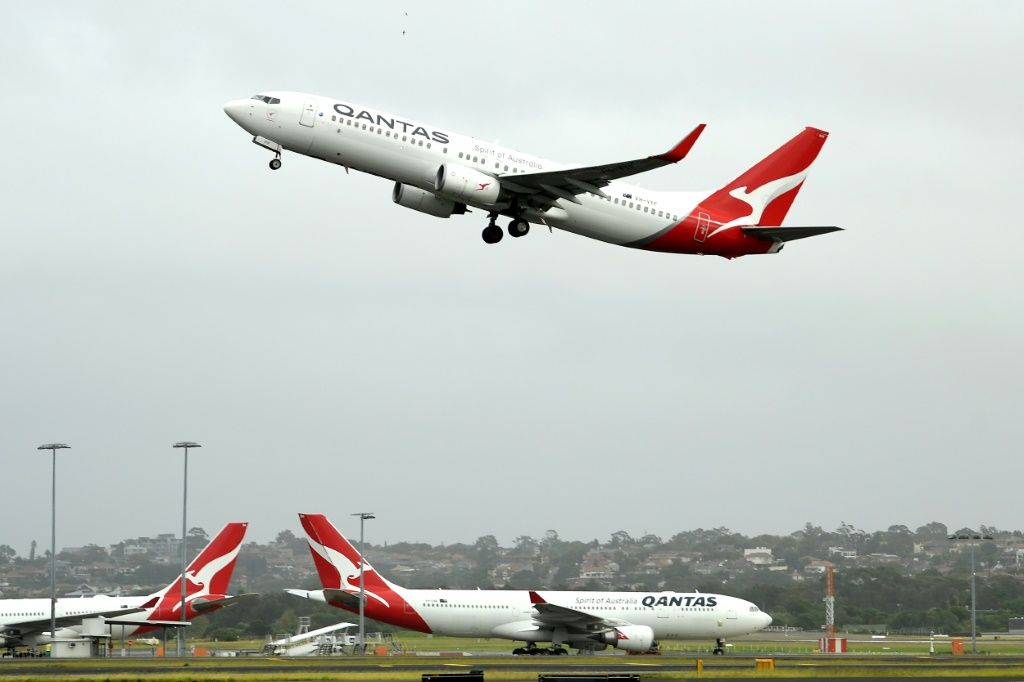
SYDNEY — Qantas and its low-cost carrier Jetstar are extending domestic flight reductions and trimming services to New Zealand as surging jet fuel prices triggered by Middle East disruptions continue to bite, with the airline group warning of up to AU$800 million in additional fuel costs this financial year.

The moves, announced this week, reflect broader industry pressure as oil prices remain elevated following disruptions in the Strait of Hormuz. Qantas said it would cut thousands more domestic seats in coming months while Jetstar is reducing trans-Tasman and internal New Zealand flights. The decisions aim to match capacity with demand while protecting profitability amid rising input costs.

Qantas CEO Vanessa Hudson cited the ongoing fuel crisis as a key factor. “We are taking decisive action to manage capacity in response to significantly higher fuel prices,” she said in a statement. The group expects fuel costs to surge as much as AU$800 million higher than previously forecast, prompting route adjustments and fare reviews on some services.

Specific domestic cuts include suspension of flights from Melbourne to Hamilton Island and Melbourne to Coffs Harbour from mid-May to late June. Jetstar is halting Sydney to Busselton services until September and Darwin to Gold Coast routes until October. Trans-Tasman reductions affect about 12% of certain Auckland-Sydney and Auckland-Brisbane flights starting in May, with further trims on Auckland-Christchurch and Auckland-Wellington services. Affected passengers are being rebooked or offered refunds.

Advertisement

The fuel crisis stems from reduced oil flows through the Strait of Hormuz, a critical chokepoint for global crude shipments. Geopolitical tensions have driven oil prices higher, with refining margins also elevated due to supply tightness. Airlines worldwide are responding with surcharges, capacity cuts and hedging strategies, but Qantas’ scale in the Australian and New Zealand markets makes its adjustments particularly visible.

Industry analysts say the cuts are prudent but could inconvenience travelers during peak travel periods. Qantas maintains it is prioritizing high-demand routes while trimming less profitable ones. The airline has also raised some fares to offset costs, though it faces competitive pressure from Virgin Australia and international carriers on key routes.

The developments highlight aviation’s vulnerability to energy markets. Jet fuel typically accounts for 20-30% of operating costs for full-service carriers like Qantas. Sharp increases strain margins, particularly for domestic operations where yields are lower than long-haul international flights. Qantas has hedged some fuel exposure but cannot fully insulate against sustained spikes.

New Zealand routes have been particularly affected. Jetstar’s reductions reflect lower demand and higher operating costs on thinner routes. Tourism operators in both countries have expressed concern, as trans-Tasman travel is a key economic driver. Australian visitors are major contributors to New Zealand’s tourism sector, while Kiwis frequently travel to Australia for business and leisure.

Advertisement

Qantas has pledged to monitor the situation closely and restore capacity when fuel markets stabilize. The airline is also exploring efficiency measures, including fleet optimization and operational improvements to reduce consumption. Longer-term, sustainable aviation fuel initiatives could help mitigate volatility, though current production volumes remain limited and expensive.

The fuel crisis coincides with other challenges for the aviation industry. Labor shortages, aircraft delivery delays and regulatory pressures add complexity. Qantas has faced criticism in the past for capacity management during recovery from the COVID-19 pandemic, with accusations of profiteering during high-demand periods. The current cuts, while cost-driven, risk similar backlash if perceived as reducing competition or service quality.

Travelers are advised to check bookings directly with airlines and consider flexible options. Many affected passengers have been rebooked on alternative flights, but peak periods like school holidays may see higher load factors and fewer choices. Industry groups urge consumers to book early and monitor updates as the situation evolves.

Broader economic impacts could emerge if fuel costs remain elevated. Higher airfares contribute to inflation and may dampen consumer spending on travel. Tourism-dependent regions in Australia and New Zealand are particularly exposed. Governments have been monitoring the situation, with some considering targeted support for carriers or tourism operators if disruptions worsen.

Advertisement

Qantas remains optimistic about long-term demand. Domestic and international travel has rebounded strongly post-pandemic, with premium cabins and leisure travel driving revenue. The airline’s loyalty program and diversified businesses provide buffers against pure flying volatility. However, sustained fuel pressure could force more structural adjustments in the network.

As the Northern Hemisphere summer approaches and Southern Hemisphere winter travel patterns shift, airlines globally are adjusting schedules. Qantas and Jetstar’s actions reflect a cautious approach in a volatile energy environment. The coming weeks will reveal whether other carriers follow suit or whether stabilizing oil markets allow capacity restoration.

For now, passengers face a more constrained schedule on some routes as the fuel crisis continues to reshape aviation networks across the region. Qantas has assured customers it is doing everything possible to minimize disruption while protecting the long-term sustainability of its operations.

Advertisement
Continue Reading

Business

Form 10Q Roper Technologies Inc For: 1 May

Published

on


Form 10Q Roper Technologies Inc For: 1 May

Continue Reading

Business

Fermi Says It Terminated Former CEO and Co-Founder

Published

on

Toby Neugebauer earlier this month.

Fermi said Thursday it terminated co-founder and former CEO Toby Neugebauer for cause, an escalation of leadership turmoil at the company that plans to build a giant power and data-center campus in Texas.

In a regulatory filing on Thursday, Fermi said because Neugebauer was being removed for cause, he “was automatically removed from the Company’s board of directors.” Neugebauer couldn’t be reached immediately for comment.

Continue Reading

Trending

Copyright © 2025