
Business
Franchise hits keep falling flat, weighing on box office



Moviegoers will find a wealth of familiar franchises on the big screen this year. It may not be enough to save the box office.
New entrants from popular film series dominate the movie slate in the next 12 months. The 2026 schedule features releases from Star Wars, Marvel, DC Comics, Toy Story, Super Mario Bros., Hunger Games, Scream, Scary Movie, Minions, Dune and Jumanji.
Intellectual property like these established franchises has long been an important part of Hollywood, but they are increasingly vital in 2026 as the theatrical industry seeks to break the $10 billion mark at the domestic box office for the first time since the pandemic.
But some big-name installments aren’t drawing the crowds they used to, and industry insiders worry the $10 billion benchmark may be beyond reach this year for a post-pandemic industry that has been rocked by production shutdowns, the consolidation of major studios and a shift in consumer viewing toward streaming.
“The reliance on franchises has been a little trickier the last few years,” said Alicia Reese, senior vice president of equity research for Wedbush. “Yes, there’s a level of certainty … but it’s not a home run. It’s never going to be a home run from here on out, because people are pickier than they used to be. They know what’s coming. Word of mouth means more than ever.”
Since 2010, the top 10 highest-grossing films domestically have predominantly been franchise films, according to data from Comscore. During that time, between eight and 10 of the films released each year were a sequel, prequel or remake. The only outlier was 2020, when seven of the top 10 films were franchise-based, due to the number of films that were delayed during Covid shutdowns.
And, of course, a number of the original titles that broke into the top 10 have become franchises themselves in the last two decades. Look at “Avatar,” “Frozen,” “Zootopia,” “Inside Out,” “Secret Life of Pets” and “Ted.”
“Studios clearly feel that audience comfortability — with going to see a movie where they already, in some sense, know what they’re getting before they walk into the auditorium — is a bet worth making,” said Paul Dergarabedian, head of marketplace trends at Comscore.
As studios lean into the safety of a built-in audience, box office sales become more reliant on the success of these franchise films.
Prior to the pandemic, during the span of 2010 to 2019, top 10 films represented an average of 30% of the total domestic box office annually. Outpacing the group was the 2019 calendar where these films accounted for nearly 40% of the annual haul. All 10 films that year were IP-driven, and nine of them generated more than $1 billion globally.
Post-pandemic, the average percentage that the top 10 films represent of the total annual domestic box office is 44%.
“I remember having this conversation the late ’90s,” said Eric Handler, managing director and senior research analyst at Roth Capital Partners. “The box office has for the last several decades been franchise-driven. That’s just the way it is. Why? It’s because when there’s familiarity with content, there’s a greater chance that people will show up because there’s an affinity towards a particular franchise and it’s already known.”
Now, Hollywood is facing the harsh reality of what happens when franchises fall flat.
Great expectations
Two of the most anticipated films to hit theaters last year — Universal’s “Wicked: For Good” and Disney’s “Avatar: Fire and Ash” — underperformed expectations.
The first “Wicked” movie, released in 2024, tallied $475 million at the domestical box office and a little more than $750 million globally during its run in theaters. A year later, the second part of the duology collected just under $350 million from the U.S. and Canada and about $525 million globally.
Box office analysts attributed the smaller ticket sales to a drop in quality between the first and second installments. “Wicked” generated an 88% “Fresh” rating on review aggregator Rotten Tomatoes, while “Wicked: For Good” scored a 66% rating.
“Avatar: Fire and Ash” had even bigger shoes to fill. James Cameron’s breakout hit “Avatar,” released in 2009, snared $785.2 million domestically and $2.1 billion internationally. It remains the highest-grossing film of all-time at the box office with $2.9 billion in ticket sales.
More than a decade later, “Avatar: The Way of Water” hit theaters, generating $688.8 million domestically and $1.6 billion internationally, bringing its total haul to $2.3 billion.
But when “Fire and Ash” hit theaters in December, consumer demand wasn’t nearly as high and the allure of Cameron’s ground-breaking filming techniques had worn off. “Fire and Ash,” which is still playing in theaters, has tallied just $378.5 million domestically and passed $1 billion internationally as of Sunday.
Wedbush’s Reese said part of the problem can be trying to mine too much from any one franchise.
Take, for example, Disney’s Marvel Cinematic Universe. The film franchise has been a box office darling for nearly two decades, but struggled in the wake of the climactic “Avengers: Endgame” in 2019 to produce consistent quality sequels. At the same time, it flooded the streaming market with a dozen new television series.
“If you try to stretch it too thin and you don’t put the same level of attention to details that it’s not going to work,” Reese said.
There’s also risk in trying to broaden a niche interest into a global success, she said. Do filmmakers stay close to the original IP and play to its base, or do they shoot for a wider audience and a bigger splash?
Sandworms emerge on the desert planet Arrakis in Denis Villeneuve’s “Dune: Part Two.”
Warner Bros. | Legendary Entertainment
Reese noted Warner Bros.’ new Dune franchise, starring Timothée Chalamet and directed by Denis Villeneuve, is a good example of a series that’s threaded the needle, landing with fans who already loved the books at the same time that it drew in new crowds.
“If it’s a good film, it’ll service that core audience and it might bring in some newbies and have that broader appeal,” Reese said. “But, if you try to get that broad appeal and you’re not servicing your core fans, they will turn against you. That will spell huge problems, because if they don’t like the film, everyone else is going to find out about it, and they won’t go either, right?”
More than a film
Since Covid shutdowns all but decimated the movie industry in early 2020, the number of films being produced for theatrical release has declined.
As studios produce fewer films, they’re counting even more on what they perceive as the safe bets of tried and true IP.
In 2024, 94 movies were released in more than 2,000 locations, a 20% decline from the 120 wide releases in 2019. That decline was mirrored in the box office results, which were down about 23% from the $11.4 billion tallied in 2019.
In 2025, there were 112 wide released films, about 6.6% down from 2019 levels, but the box office still lagged more than 20%.
Hollywood analysts point to several factors to explain why the domestic box office continues to drag.
There is a lack of theatrical content, particularly films that are in the mid-budget range — $15 million to $90 million. Most of these films, which tend to be dramas, comedies, romantic comedies and thrillers, have transitioned to streaming, as they are cheaper to make and help pad digital libraries with new content.
At the same time, consumers have become pickier about what they watch and the home entertainment space has advanced in a way that in-home technology makes staying on the couch easier.
Because of this, studios and theater owners have started “eventizing” film releases — promoting the films as must-see in premium large format theaters like IMAX, Dolby Cinema, Screen X or 4DX; selling specialty merchandise like popcorn buckets and drink sippers as well as limited-time food options; and hosting events associated with a film release like friendship bracelet making for the Taylor Swift concert film release.
Often, the films that are easiest to promote in this way are those that are based on known franchises.
Last year, when “Downton Abbey: The Grand Finale” hit theaters, Alamo Drafthouse hosted fancy dress screenings, encouraging moviegoers to arrive in period-appropriate attire. The event included a costume contest and themed drinks and food. The theater chain has hosted similar events for screenings of James Bond and Star Wars films and will host one for the upcoming “Wuthering Heights” adaptation.
And these franchises aren’t just showing up in movie theaters. Many major film studios also have their own consumer product and experience divisions, which rely on theatrical content to not only sell merchandise but fuel theme park designs, live events and even cruise ships.
Fans of franchises are hungry for products that celebrate and show off their favorite characters or movie moments. This can manifest in the form of apparel, bedding, kitchen utensils and bumper stickers all the way to collectibles, luxury watches, electronics and seasonal products like ornaments.
Disney has built theme park lands, rides and cruise ship elements based on Star Wars, Marvel, The Muppets, Pixar films like Cars, The Incredibles, Toy Story and Monsters Inc., as well as Disney Animation properties like Frozen, Zootopia, Moana, The Lion King and the Little Mermaid.
New Toy Story Land at Disney’s Hollywood Studio
Source: Courtesy Visit Orlando
Comcast’s Universal, too, has decked out its theme parks with its own properties — Jurassic Park, Minions, Secret Life of Pets, Dark Universe and How to Train Your Dragon — alongside licensed franchises like the Wizarding World of Harry Potter and Nintendo.
And beloved and well-tended-to franchises have staying power: The Star Wars franchise hasn’t notched a new theatrical release since 2019, yet it’s remained one of the top film franchises in the cultural zeitgeist, according to Fandom, the world’s largest platform for entertainment fans.
Disclosure: CNBC and Rotten Tomatoes are divisions of Versant Media.


Fans of The New York Times’ popular word-grouping game Connections woke up Monday to a fresh challenge in puzzle #1030, blending themes of lively parties, financial stakes, arcade nostalgia and clever wordplay on Broadway hits.

The daily brainteaser, which tasks players with sorting 16 words into four groups of four based on hidden connections, continues to draw millions as one of the most engaging additions to the NYT Games lineup since its 2023 debut. On April 6, 2026, solvers navigated a mix of straightforward links and trickier puns that tested both vocabulary and cultural knowledge.
Today’s NYT Connections words were: BALL, CAROUSER, CLAIM, CONCERN, EVITE, HOEDOWN, HOLES, HOP, MALLET, MOLE, OLIVES, RAVE, SHARE, STAKE, TIMER, WICKET.
Players typically start with the yellow category, rated as the easiest. For Monday’s puzzle, that group centered on events with dancing: BALL, HOEDOWN, HOP, RAVE. These terms evoke everything from formal galas and country barn dances to energetic club nights and underground parties where guests groove the night away. A “hop” historically refers to a casual dance event, while “rave” captures the modern electronic dance scene. Solvers who spotted this festive thread early gained quick momentum.
Next came the green category, focusing on interest in its financial or stake-holding sense: CLAIM, CONCERN, SHARE, STAKE. Here, the words double as synonyms for involvement or ownership. A “stake” represents an invested portion, much like a “share” in a company. “Claim” and “concern” extend the idea to legal or business interests, a subtle linguistic pivot that rewards careful reading over surface-level associations.
The blue group, often medium difficulty, delivered a burst of childhood nostalgia with components of Whac-A-Mole: HOLES, MALLET, MOLE, TIMER. This classic arcade game, where players frantically hammer popping moles back into their holes before time runs out, remains a staple at fairs and family entertainment centers. The connection hinges on gameplay mechanics rather than abstract ideas, making it accessible once the theme clicks.
The trickiest purple category required the sharpest eye for wordplay: musicals with last letter changed. The words — CAROUSER, EVITE, OLIVES, WICKET — transform into familiar Broadway titles when their final letters are swapped. “Carouser” becomes “Carousel,” the Rodgers and Hammerstein classic. “Evite” turns into “Evita,” the Andrew Lloyd Webber musical about Argentina’s iconic first lady. “Olives” yields “Oliver!,” the Dickens-inspired hit, and “Wicket” reveals “Wicked,” the long-running prequel to “The Wizard of Oz.” This meta-layer of altered spellings delighted puzzle veterans while stumping casual players.
Difficulty for Connections #1030 registered at 3.3 out of 5 according to the NYT’s internal metrics, indicating a moderately challenging start to the workweek. Many solvers reported clearing the board with lives to spare, though the purple category tripped up those rushing through without considering puns.
Connections, created by former software engineer Josh Katz and editor Will Shortz, has surged in popularity alongside other NYT Games like Wordle and Strands. The simple-yet-addictive format — no timers, just pure pattern recognition — appeals to commuters, remote workers and families competing over breakfast. Players can share streaks and compare scores via the official app or website, fostering a sense of community.
Monday’s puzzle arrived amid growing discussions about the game’s expanding role in daily routines. Social media lit up with reactions ranging from triumphant “perfect game” posts to good-natured groans over missed connections. Some players praised the dancing theme for injecting fun energy, while others appreciated the Whac-A-Mole nod as a nostalgic callback.
For those who prefer hints before full spoilers, early clues included thinking about party scenes for yellow, business jargon for green, arcade cabinets for blue and theater tweaks for purple. The official companion article on nytimes.com offered one-word reveals per category for strategic assistance without ruining the solve.
NYT Games continues to refine Connections with fresh themes drawn from pop culture, history, science and everyday life. Monday’s mix highlighted the puzzle’s strength in weaving disparate elements — from rural hoedowns to corporate stakes and Broadway classics — into a cohesive mental workout.
As word games maintain their hold on digital audiences, Connections stands out for encouraging lateral thinking over rote memorization. Educators note its value in building vocabulary and cognitive flexibility, while casual fans enjoy the low-pressure format that fits neatly into coffee breaks or bedtime wind-downs.
Those still puzzling over April 6’s edition can revisit the game on the NYT site or app, where past puzzles remain available. New players receive tutorials highlighting color-coded difficulty levels: yellow easiest, followed by green, blue and purple hardest.
Looking ahead, the NYT Games team teases evolving mechanics and potential crossovers with other properties, keeping the franchise dynamic. For now, Monday’s solution offers satisfaction for thousands who nailed all four groups and motivation for those plotting a better score tomorrow.
In a world of endless digital distractions, Connections delivers a brief, rewarding pause that rewards curiosity and quick wits. Whether you danced through the yellows or hammered out the blues, puzzle #1030 delivered classic Connections charm with a theatrical twist.

Super Micro Computer: Don't Buy Into Lawsuit (Rating Downgrade)


US, Iran and mediators make push for 45-day ceasefire, Axios reports
Business
Australia’s 10 Best Workplace Companies 2026 Offer Exceptional Culture and Employee Satisfaction
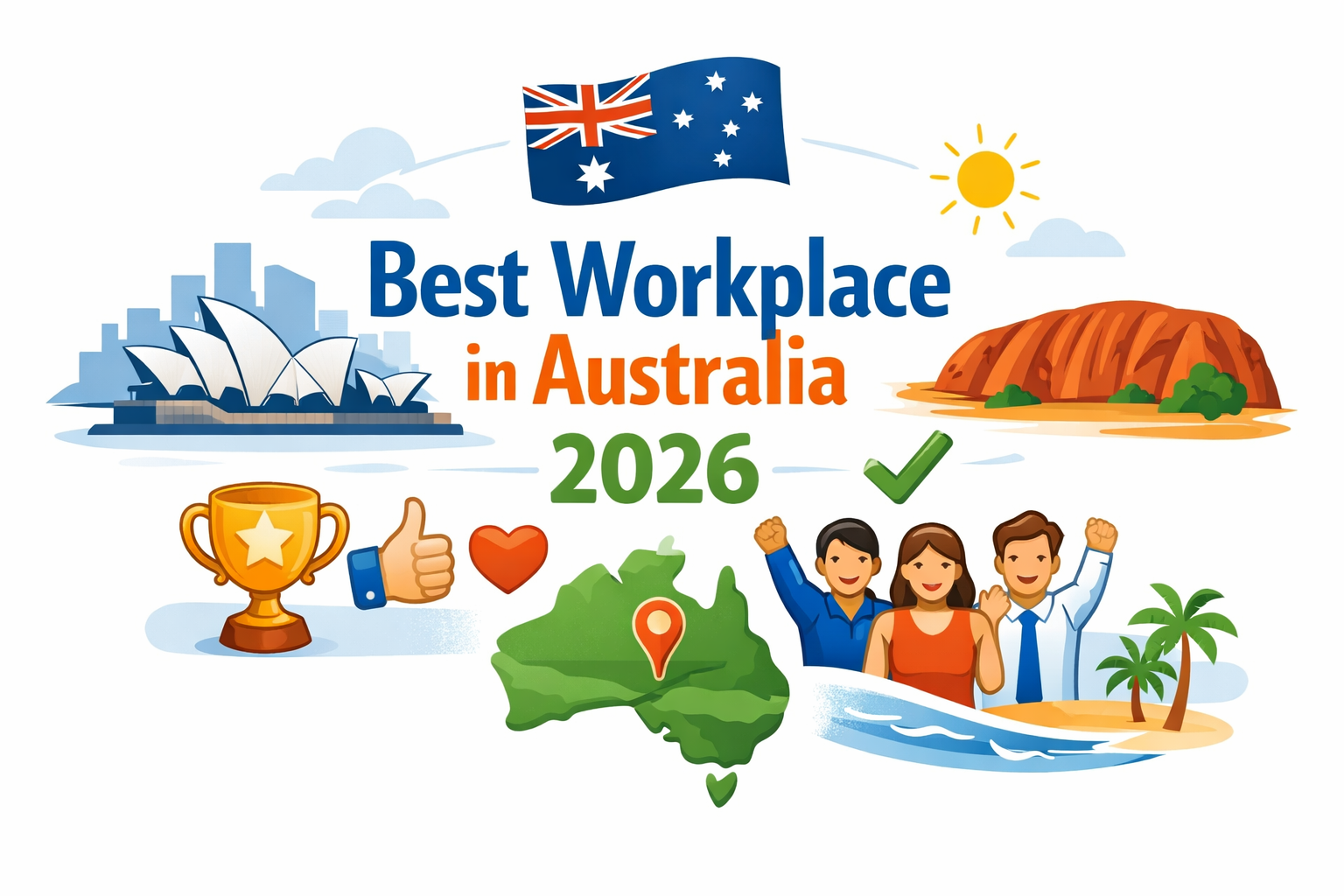
As Australian businesses navigate economic pressures, hybrid work demands and talent shortages in 2026, a select group of companies stands out for creating environments where employees report high levels of trust, pride and camaraderie. Great Place to Work Australia, the Australian Financial Review’s Best Places to Work awards and WORK180’s equitable workplace rankings highlight organizations that excel in culture, flexibility, inclusion and genuine employee engagement.
These 10 companies — drawn from a composite of 2026 lists including Great Place to Work’s Best Workplaces for Women, AFR industry and size-based winners, and broader employee satisfaction surveys — demonstrate that strong workplace culture drives business performance, innovation and retention. From multinational consultancies to local fintechs and energy firms, they share common traits: transparent leadership, meaningful flexibility, investment in wellbeing and a commitment to diversity that goes beyond compliance.
The rankings rely heavily on confidential employee feedback through tools such as Great Place to Work’s Trust Index survey, which measures credibility, respect, fairness, pride and camaraderie. Companies must also submit detailed culture briefs showing how policies translate into real outcomes. In 2026, with hybrid models maturing and mental health remaining a priority, the top performers emphasize psychological safety, career development and work-life integration.
Here are 10 of Australia’s standout companies for workplace environment in 2026, presented in no strict order but grouped by notable strengths:
- Medibank Named Best Enterprise Organisation (2000+ employees) in the 2026 AFR Best Places to Work awards, Medibank continues to set the benchmark for large-scale Australian employers. Employees praise its comprehensive wellbeing programs, generous parental leave, mental health support and genuine commitment to hybrid flexibility. The health insurer’s “People First” philosophy translates into tangible benefits, including subsidized fitness programs, confidential counselling and career pathways that support internal mobility. In Great Place to Work surveys, Medibank consistently scores above 80% on trust and pride metrics. Leadership transparency, including regular CEO town halls and open feedback channels, has helped the company maintain high engagement even during industry challenges such as rising claims costs.
- Liberty Financial Recognized as Best Large Organisation (500+ employees) in the AFR awards, Liberty Financial has built a reputation for empowering employees through autonomy and growth opportunities. The financial services company offers competitive remuneration, strong learning and development budgets, and a culture that celebrates both individual and team success. Employees highlight inclusive decision-making processes and a supportive environment for working parents and carers. Liberty’s focus on diversity has earned it recognition in multiple 2026 equitable workplace lists, with women and culturally diverse staff reporting high satisfaction levels.
- Adobe Australia Frequently appearing on Great Place to Work’s Best Workplaces for Women 2026 list alongside global recognition, Adobe Australia excels in fostering creativity and innovation. The technology company provides unlimited flexible working arrangements, generous parental leave (including for secondary carers), and robust professional development programs. Employees value the emphasis on psychological safety, regular pulse surveys and leadership that actively addresses burnout. Adobe’s Australian operations benefit from the company’s global resources while maintaining a local culture that feels collaborative and supportive.
- EY (Ernst & Young) Ranked among the top workplaces for women in 2026 by both Great Place to Work and WORK180, EY Australia stands out for its structured approach to flexibility, mentorship and inclusive leadership. The professional services firm has invested heavily in reducing billable-hour pressure for certain roles, introducing “recharge days” and career coaching programs. Employees report strong satisfaction with diversity initiatives, including targeted support for women in leadership and LGBTQ+ networks. EY’s commitment to hybrid work and mental health resources has helped it attract and retain talent in a competitive consulting market.
- hipages Group A standout on WORK180’s 2026 equitable workplace list and frequently cited in Great Place to Work recognitions, hipages Group (a leading online home services marketplace) prioritizes transparency and employee voice. The company offers unlimited leave for many roles, generous parental support and a culture that encourages innovation without burnout. Staff surveys highlight high levels of autonomy, clear communication from leadership and genuine care for wellbeing. hipages has been praised for its rapid response to employee feedback and its focus on creating an environment where people can “bring their whole selves to work.”
- Prospa Named on Great Place to Work’s Best Workplaces for Women 2026, the fintech lender has built a reputation for high-performance culture paired with strong support systems. Prospa offers competitive salaries, equity participation for many roles, flexible working and comprehensive parental leave. Employees appreciate the company’s flat structure, open-door policy and focus on professional growth. Prospa’s emphasis on diversity and inclusion has helped it attract talent in the competitive fintech sector while maintaining strong business results.
- AGL Energy Recognized in the AFR Best Places to Work awards for its performance in the agriculture, mining and utilities sector, AGL has made significant strides in modernizing its workplace culture. The energy company has invested in hybrid work models, mental health programs and diversity initiatives, including support for women in traditionally male-dominated technical roles. Employees report improved satisfaction with leadership communication and career development opportunities. AGL’s focus on sustainability and purpose-driven work resonates with staff seeking meaningful employment.
- Docusign Australia A consistent performer on Great Place to Work’s Best Workplaces for Women list, Docusign emphasizes flexibility, learning and inclusion. The digital agreement company provides generous time-off policies, professional development stipends and employee resource groups that support diverse backgrounds. Staff feedback highlights a collaborative environment where innovation is encouraged and wellbeing is prioritized. Docusign’s Australian team benefits from the company’s global best practices while adapting to local needs.
- Robert Half Australia Recognized in 2026 as one of Australia’s Best Workplaces for Women, the specialized recruiter has strengthened its internal culture through targeted wellbeing initiatives, flexible arrangements and clear career pathways. Employees value the company’s investment in training, mentorship programs and a supportive leadership style. Robert Half’s focus on work-life balance has helped it maintain high retention rates in a competitive recruitment market.
- Brown Brothers Wine Group Featured on Great Place to Work’s Best Workplaces for Women 2026, this family-owned wine company combines traditional values with modern employment practices. Employees praise its family-friendly policies, strong community focus and genuine care for staff wellbeing. The company offers flexible rosters, professional development and a culture that values long-term loyalty. Brown Brothers demonstrates that even traditional industries can create exceptional workplaces when leadership prioritizes people.
These 10 companies illustrate the diversity of Australia’s top workplaces in 2026. They range from large listed entities such as Medibank and AGL to nimble fintechs and professional services firms. Common success factors include genuine flexibility beyond basic hybrid policies, investment in leadership development, transparent communication and measurable commitment to diversity, equity and inclusion.
Great Place to Work Australia’s methodology, which underpins many of these recognitions, relies on employee feedback representing thousands of voices. In 2026, surveys showed that the highest-performing workplaces scored particularly well on statements such as “Management is honest and ethical in its business practices,” “I am treated as a full member here regardless of my position” and “People care about each other here.”
The Australian Financial Review’s Best Places to Work awards add another layer by incorporating policy submissions and demonstrating how organizations translate intentions into outcomes. Winners in 2026 showed strong uptake of flexible working, learning opportunities and bias-reduction measures in recruitment and promotion.
WORK180’s equitable workplace rankings further highlight companies that go beyond compliance on gender equity, pay transparency and shared caring responsibilities. Organizations such as EY, hipages and Prospa consistently perform well across multiple frameworks, suggesting a holistic approach to culture rather than isolated initiatives.
For job seekers in 2026, these rankings offer valuable guidance but should be considered alongside other factors such as role fit, compensation, location and growth opportunities. Many of the listed companies actively recruit through university partnerships, career fairs and targeted campaigns emphasizing culture and values.
Employers aiming to improve their workplace environment can learn from these leaders. Key lessons include listening to employee feedback through regular surveys, acting on results transparently, investing in managers as culture carriers and designing policies that support the whole person rather than just the employee.
Challenges remain across the Australian workforce. Hybrid work fatigue, cost-of-living pressures and skills shortages continue to test even the best employers. The top companies differentiate themselves by addressing these issues proactively — through targeted wellbeing support, fair pay reviews and genuine career conversations.
As Australia’s economy evolves with greater emphasis on technology, sustainability and service industries, workplace culture has become a competitive advantage. Companies that attract and retain top talent through exceptional environments are better positioned to innovate and adapt.
The 10 organizations highlighted here represent the pinnacle of Australian workplace culture in 2026. They prove that business success and employee wellbeing are not opposing goals but mutually reinforcing outcomes. For current and future employees, these companies offer models of what a great workplace can look like — supportive, inclusive, challenging and rewarding.
Prospective applicants are encouraged to review each company’s careers page, Glassdoor reviews and recent employee testimonials for the most current insights. Many of these organizations also participate in open days, webinars and graduate programs that provide direct exposure to their culture.
In a competitive talent market, Australia’s best workplaces understand that culture is built daily through thousands of small interactions, decisions and gestures of respect. Their 2026 success demonstrates that when organizations prioritize people, performance follows.
The recognition these companies have received serves as both celebration and inspiration. As new lists for the remainder of 2026 are prepared, including Great Place to Work’s flagship Best Workplaces in Australia awards, the bar continues to rise for what constitutes an exceptional workplace.
For Australian workers, the message is clear: high-quality employment opportunities exist where leadership genuinely values culture. For employers, the path forward involves continuous listening, transparent action and a commitment to creating environments where every employee can thrive.

At the upper end of the price band, the IPO values the company at a pre-issue market cap of around Rs 159 crore. The issue size and SME platform positioning, coupled with a flat GMP, suggest cautious investor sentiment despite a reasonable anchor participation.
The company raised nearly Rs 13 crore from anchor investors ahead of the issue, with institutional allocation forming a significant portion. Of the net offer, nearly 49% is reserved for qualified institutional buyers, about 15% for non-institutional investors, and around 36% for retail investors. Retail participation requires a minimum investment of Rs 2.56 lakh for 3,200 shares.
About the company
Safety Controls and Devices operates as an EPC (engineering, procurement and construction) player, focusing on substations, solar projects, firefighting systems, and healthcare infrastructure projects under the Ministry of Ayush. The company primarily caters to government entities and utilities, with operations spanning power infrastructure and renewable energy segments.

The company has reported steady profitability, with profit after tax at Rs 8.5 crore for the period ended January 2026, compared with Rs 9 crore in FY25. Revenue, however, saw some moderation to Rs 68 crore from Rs 103 crore in the previous financial year, suggesting some volatility in execution cycles typical of EPC businesses.
Proceeds from the IPO will largely be used to fund working capital requirements at Rs 31.5 crore, along with Rs 6 crore earmarked for debt repayment and the rest towards general corporate purposes.
While the company’s government-linked order book and diversification into solar and EV infrastructure provide long-term visibility, the flat GMP suggests that investors are likely weighing execution risks, working capital intensity, and SME liquidity factors before committing aggressively.
The subscription trend over the next two days will be key in determining listing performance, especially in a market where investor appetite for smaller IPOs remains selective.
(Disclaimer: Recommendations, suggestions, views and opinions given by the experts are their own. These do not represent the views of Economic Times)

Thailand’s tourism ministry cautions that the ongoing Middle East conflict may lead to a decline of up to 3 million foreign visitors this year, potentially resulting in a 150 billion baht economic loss.
Key Details
- Thailand’s 2026 target of 35 million foreign visitors could fall to ~32 million — or as low as 28 million (2023 levels) — if the conflict continues for six months.
- Thailand recorded 8.54 million tourists between January 1 and March 22, 2026 — a 3% decline year-on-year.
- To offset losses, Thailand is redirecting marketing budgets from Europe and the US toward Middle Eastern countries, aiming for at least 200,000 visitors from the region — Middle Eastern tourists spend an average of 80,000 baht per trip, the highest of any group.
- Tourism contributes approximately 12% of Thailand’s GDP, and the industry is still recovering from COVID-19, a 2025 earthquake, severe flooding, and border clashes with Cambodia.
- Domestic travel incentives are being planned, including tax allowances for tourism spending and potential debt moratoriums for hotel operators.
Why It Matters:
Thailand’s tourism sector faces compounding pressures, and the government’s ability to attract high-spending alternative visitors — particularly from the Middle East — will be critical to cushioning the economic impact of the conflict.
This strategy involves tailoring marketing campaigns to highlight Thailand’s luxury offerings, cultural experiences, and medical tourism, which are particularly appealing to affluent travelers from the region. Additionally, strengthening diplomatic ties and easing visa processes for Middle Eastern visitors could further bolster arrival numbers. Diversifying tourism markets and focusing on high-value segments will be essential for long-term resilience and growth in the face of global uncertainties.
Other People are Reading
Continue Reading
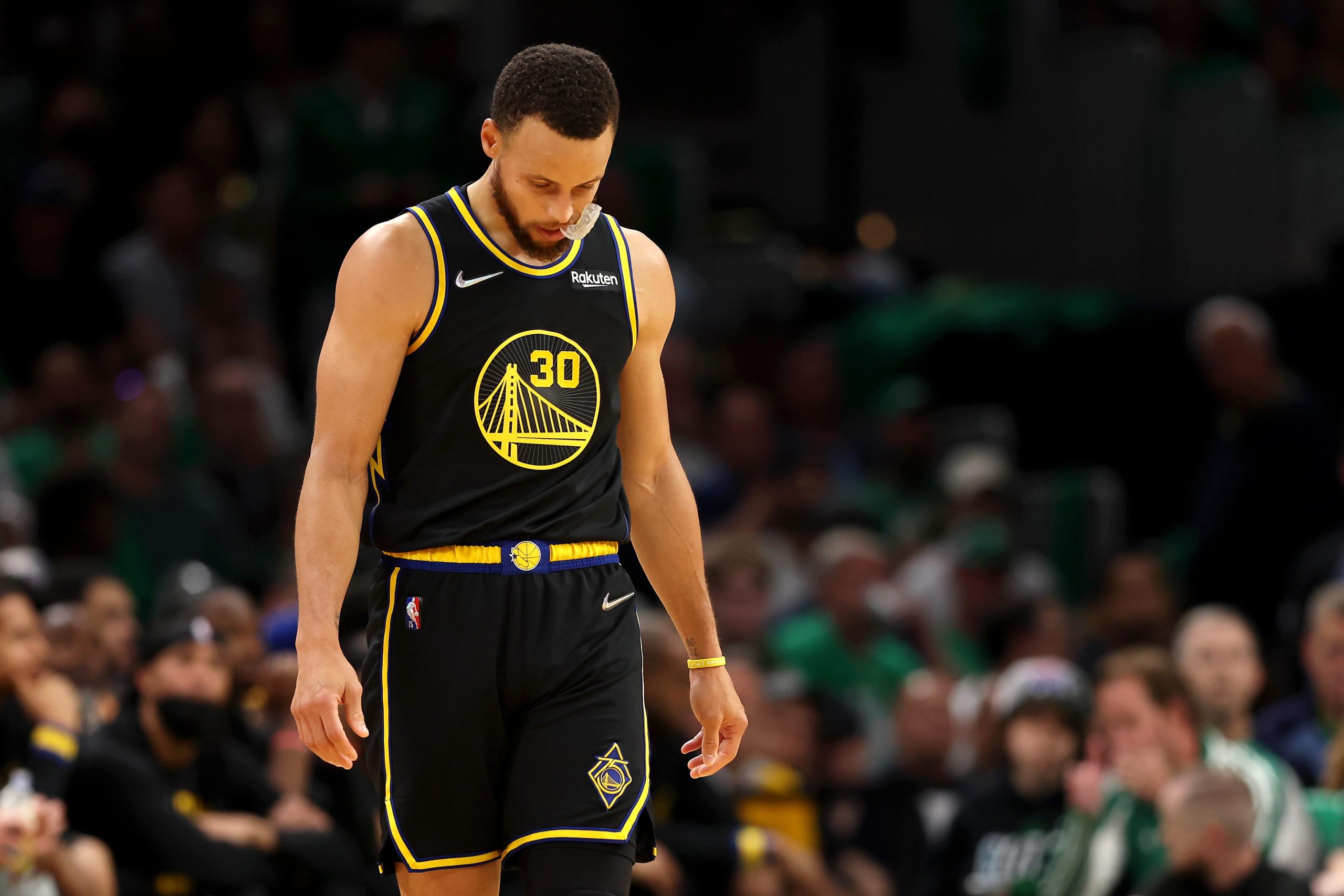
Golden State Warriors superstar Stephen Curry is expected to make his long-awaited return from a nagging right knee injury when the team hosts the Houston Rockets on Sunday, April 6, 2026, ending a 27-game absence that has tested the franchise’s playoff hopes and forced the 38-year-old point guard to confront a “new normal” with his body.
Curry, who last played on Jan. 30 against the Detroit Pistons, has been sidelined since then with patellofemoral pain syndrome accompanied by bone bruising in his right knee. The injury, often described as “runner’s knee,” sidelined him for more than two months, during which the Warriors struggled to a 9-18 record without their franchise icon. With Curry averaging 27.2 points per game prior to the injury, his absence left a massive void in Golden State’s offense and leadership.
The latest update comes after encouraging developments in recent days. On April 1, the Warriors announced Curry had participated in a live 5-on-5 scrimmage, marking a significant step in his return-to-play protocol. He was scheduled for another scrimmage later in the week and underwent re-evaluation over the weekend. Multiple reports, including from ESPN’s Shams Charania and Anthony Slater, indicated Curry had set a personal goal to return against Houston, and coach Steve Kerr confirmed the plan was for him to play, albeit with minutes restrictions.
Kerr told reporters Saturday that Curry would be listed as questionable but that the intention was clear: “The plan is for him to play.” The coach added that Curry would likely see limited action — around 20-25 minutes — in his first game back, coming off the bench to ease him into game action. “We’ll see how he recovers tomorrow,” Kerr said, emphasizing the collaboration between Curry, director of sports medicine and performance Rick Celebrini, and the medical staff.
Curry himself addressed the media after practice, sounding optimistic yet realistic. “Feels great,” he said of his knee. “There’s nothing structurally wrong with my knee, so it’s not like I’m in danger of making it worse long-term.” He acknowledged the lengthy rehabilitation process and the need to adjust expectations. “I kind of understand what the new normal is, and it’s good enough to play,” Curry added, noting he hoped the positive feeling would persist.
The injury saga began in late January when Curry aggravated the knee issue during a game against the Phoenix Suns. Initially described as a minor setback, it quickly became evident that the problem required extended rest and conservative management. Warriors medical staff opted against rushing him back, prioritizing long-term health over short-term gains in a season where Golden State hovered near the play-in tournament threshold in the competitive Western Conference.
Without Curry, the Warriors relied heavily on a revamped supporting cast that included acquisitions like Jimmy Butler III and contributions from younger players. Draymond Green, Klay Thompson’s successor in the backcourt rotation, and emerging talents stepped up, but the team’s offensive efficiency and spacing suffered noticeably. Golden State’s record without Curry highlighted just how central the two-time MVP remains to the franchise’s identity, even at age 38.
The return timing is critical. With roughly two weeks left in the regular season, the Warriors are fighting for positioning in the Western Conference play-in tournament. A healthy Curry could dramatically shift their outlook, providing the shooting gravity, playmaking and clutch scoring that defined their dynasty years. Kerr has emphasized that any return must include a proper ramp-up period rather than a desperate insertion for the final games or play-in. “We’re not bringing him back just for the play-in game,” Kerr said earlier in the week. “He needs to play some games, and we need to give him a runway if this is going to work.”
Curry’s own comments reflected a mix of eagerness and caution. He spoke of wanting to contribute immediately while understanding the physical realities of his age and the injury. “I love playing basketball,” he said simply, underscoring the motivation that has driven his remarkable career. Teammates have echoed that sentiment. Green, who has leaned on Curry for leadership during the absence, reportedly received encouragement from the star during his own recovery periods. The mutual support within the veteran core has been a quiet strength for the franchise amid adversity.
Medical experts outside the organization note that patellofemoral pain syndrome can be persistent in older athletes, particularly those with high-volume shooting mechanics like Curry. The condition involves irritation behind the kneecap and can be exacerbated by repetitive stress. Bone bruising adds another layer of caution, as it requires time for healing to prevent long-term cartilage damage. Curry’s medical team has reportedly used a combination of rest, physical therapy, anti-inflammatory measures and progressive loading to rebuild strength and confidence.
The broader context of Curry’s career makes this latest chapter compelling. At 38, he is no longer the transcendent young phenom who revolutionized the game with his shooting range, but he remains one of the NBA’s most impactful players when healthy. His career three-point record, playoff heroics and four championships — including the 2022 title run — have cemented his legacy. Yet questions about longevity have grown as he enters the twilight of his prime. This knee issue, while not structurally catastrophic, serves as a reminder that even the greatest athletes must adapt to the physical toll of a long career.
Fan reaction has been overwhelmingly positive to the return news. Dub Nation, the Warriors’ passionate supporter base, has flooded social media with excitement, sharing highlights from Curry’s pre-injury performances and expressing hope that his presence can spark a late-season surge. Ticket sales for Sunday’s game against the Rockets reportedly surged after the update, reflecting the star power Curry still commands.
For the Rockets, the matchup presents a challenging test. Houston has enjoyed a strong season and will face a Warriors team suddenly energized by Curry’s return. Rockets coach Ime Udoka acknowledged the threat, saying any version of Curry demands special defensive attention. “Even with minutes restrictions, he changes the game,” Udoka said. “His gravity alone opens things up for everyone else.”
Warriors general manager Mike Dunleavy Jr. has been cautiously optimistic throughout the recovery process. The front office’s decision to prioritize long-term health over short-term roster moves has drawn mixed reviews, but the potential payoff of a healthy Curry in the play-in or playoffs could validate the approach. Golden State’s veteran core — Curry, Green, Butler and others — still believes it has championship DNA if health aligns.
Looking ahead, Curry’s return will be managed carefully. The Warriors are expected to monitor his workload closely in the final stretch of the regular season, potentially limiting him to targeted minutes while gradually increasing his role. If the knee responds well, he could play a pivotal part in any postseason run, however brief it might be. Should setbacks occur, the organization has signaled it would err on the side of caution rather than risk a more serious injury that could impact future seasons.
The injury has also sparked broader conversations about player load management in today’s NBA. With longer seasons, more back-to-backs and the physical demands of modern play, veterans like Curry face unique challenges. Some analysts argue that teams must become even more sophisticated in monitoring and protecting star players, while others point to the success of load-management strategies employed by contenders.
Curry’s personal approach to the setback has drawn praise. Known for his work ethic and positive demeanor, he has used the time away to focus on family, recovery and mentoring younger teammates. His leadership off the court has been credited with helping maintain team morale during a difficult stretch.
As Sunday’s game approaches, all eyes will be on Chase Center. Whether Curry plays 20 minutes or more, his mere presence on the floor is expected to lift Golden State’s performance and energize the crowd. For a franchise that has ridden Curry’s brilliance through multiple eras, this return represents more than just one game — it symbolizes resilience, adaptation and the enduring hope that the Splash Brother can still author memorable moments.
The Warriors’ season has been defined by injury adversity, but Curry’s comeback offers a narrative of perseverance. As he steps back onto the court, the basketball world will watch closely to see how the greatest shooter of all time navigates his latest physical challenge. For now, the focus remains on a measured, successful return that prioritizes both short-term contribution and long-term health.
With the regular season winding down and the play-in tournament looming, Curry’s availability could prove the difference between an early summer and extended postseason drama. Golden State fans, long accustomed to miracles from their star, are once again daring to dream that one more magical run might be possible.
Business
Oil Price Today (April 6): Crude oil reclaims $110 as Trump warns of hitting Iran’s power plants. Where are prices headed?

Tensions intensified on Sunday after Trump issued a sharply worded Easter Sunday social media post directed at Tehran. He warned that Iran’s power plants and bridges could be targeted on Tuesday if the strategic Strait of Hormuz is not reopened.
Crude oil price on April 6
Brent crude futures advanced by $1.71, or 1.6%, to $110.74 per barrel as of 0057 GMT. U.S. West Texas Intermediate crude also rose, gaining $0.71, or 0.6%, to trade at $112.25 per barrel. In the previous session on Thursday, which marked the last trading day before the Good Friday holiday, both benchmarks saw sharp gains in highly volatile trade. WTI surged more than 11%, while Brent climbed nearly 8%, marking their largest absolute price increases since 2020.The conflict shows little sign of easing. Iran has conveyed to mediators that it is not willing to hold talks with U.S. officials in Islamabad in the coming days. According to a Wall Street Journal report on Friday, efforts to secure a ceasefire have stalled.
Meanwhile, OPEC+, which includes members of the Organization of the Petroleum Exporting Countries and allies such as Russia, agreed on Sunday to increase output by 206,000 barrels per day in May. However, the impact of this decision is expected to be limited, as several key producers are unable to ramp up supply due to the ongoing conflict.
Where are prices headed?
Crude oil is holding at elevated levels, reflecting sustained strength driven by supply disruption fears, while natural gas remains largely range-bound with mild volatility, indicating a balanced demand-supply scenario.International brokerage Macquarie has said that even if tensions ease in the near term, oil prices are likely to find support in the $85–$90 range, with a gradual move back toward $110 until normal flows through the Strait of Hormuz resume. The note added that if disruptions persist through April, Brent could still climb to $150 per barrel.
Looking ahead, crude prices could move higher from current levels. According to Kayanat Chainwala of Kotak Securities, oil may rise to $120 per barrel in the near term and potentially touch $150 if the conflict continues.
Nuvama Institutional Equities echoes the same view. The continued closure of the Strait of Hormuz, which handles around 20 million barrels per day, could push crude prices to the $110–150 per barrel range.
Experts say if ongoing tensions persist, the outlook for crude oil remains volatile and tilted upward. Continued conflict in the Middle East, especially disruptions around the Strait of Hormuz, would keep supply chains constrained, pushing Brent and WTI prices higher and sustaining inflationary pressures worldwide.
(Disclaimer: Recommendations, suggestions, views and opinions given by the experts are their own. These do not represent the views of The Economic Times)
The Democratic Party drew sharp criticism over the weekend after an official Easter social media post evoked “better times at the White House” with an image of former President Barack Obama but made no mention of former President Joe Biden, sparking accusations of a deliberate snub and reigniting internal party tensions less than two years after Biden left office.
The post, shared Saturday on the official Democratic Party X account, featured a photo of Obama viewed from behind standing next to a person in an Easter Bunny costume with the Washington Monument visible in the background. The caption read simply: “Better times at the White House.” Biden’s name and image were absent, prompting an immediate wave of online backlash from both conservative critics and some Democrats who questioned why the party appeared to skip its most recent president in a holiday message.
The controversy erupted as Republicans and conservative commentators seized on the omission to portray the party as eager to move past the Biden era amid ongoing debates about his legacy, age and the 2024 election outcome. Former President Donald Trump and his allies quickly amplified the story, with Trump posting on Truth Social that Democrats were “trying to erase Joe Biden because even they know how bad he was.”
The Democratic National Committee did not immediately respond to requests for comment on the post or the resulting furor. Party officials have historically used Easter messages to highlight themes of hope, renewal and community, often featuring images of past Democratic presidents celebrating the holiday with their families. Similar posts in previous years included photos of John F. Kennedy, Jimmy Carter, Bill Clinton and Obama, sometimes with Biden included on other platforms such as Facebook and Instagram.
This year’s X post, however, focused solely on Obama, fueling speculation about intentional distancing. Social media users flooded the replies with questions such as “Why skip Biden?” and “Better times without Joe?” Conservative accounts labeled it a “snub” and an “egg on their face” moment for Democrats. Some users noted that Biden, a devout Roman Catholic who frequently referenced his faith during his presidency, had been active in Easter observances, including hosting the annual White House Easter Egg Roll.
The backlash extended beyond partisan lines. Moderate Democratic voices expressed discomfort with the optics, arguing that sidelining Biden risked alienating older voters and party loyalists who still view his administration positively on issues such as infrastructure investment, COVID-19 recovery efforts and judicial appointments. One anonymous Democratic strategist told The Associated Press that the post “looked tone-deaf at best and ungrateful at worst,” especially given Biden’s role in delivering the White House to Democrats in 2020.
Biden, now 83 and largely out of the public spotlight since leaving office in January 2025, has maintained a low profile in retirement. He has occasionally surfaced for private events and limited public remarks, focusing on family and his presidential library project. Allies say he remains proud of his record but has stepped back to allow the next generation of leaders to define the party’s future.
The incident comes at a sensitive time for Democrats, who are navigating a post-2024 landscape after losing the presidency and facing internal soul-searching about messaging, leadership and appeal to working-class voters. Speculation has swirled for months about whether the party is quietly shifting away from Biden’s brand, particularly as younger figures like California Gov. Gavin Newsom and others position themselves for future national roles.
Newsom himself drew attention in the replies to the Easter post, with some users tagging him and suggesting the image subtly promoted a return to an earlier Democratic era. The governor’s office did not comment on the social media reaction.
Political analysts offered differing interpretations of the post’s intent. Some viewed it as a harmless nostalgic nod to Obama’s popularity and polished image, noting that holiday messages often emphasize aspirational themes rather than exhaustive historical recaps. Others saw it as symptomatic of deeper fractures, with the party struggling to reconcile Biden’s mixed electoral legacy with a desire to project forward momentum.
Republican National Committee Chairwoman reacted swiftly, calling the omission “disrespectful” and evidence that “even Democrats know the Biden years were anything but better times.” She pointed to inflation peaks, border challenges and Afghanistan withdrawal controversies as reasons the party might prefer to highlight Obama’s tenure.
Defenders of the Democratic Party argued that social media posts are fleeting communications designed for engagement rather than comprehensive historical statements. They noted that Biden received recognition in other party channels and that focusing exclusively on one popular former leader is common practice across both parties during holidays.
The Easter timing amplified the controversy, as the holiday carries religious significance for many Americans, including Biden himself. Past debates over Biden’s Easter observances, including proclamations related to Transgender Day of Visibility when it coincided with the holiday in 2024, had already made the date politically charged. This year’s social media flap added another layer to the ongoing culture-war discussions surrounding faith and politics.
Biden’s supporters pushed back on social media, sharing photos and clips from his own Easter events during his presidency, including family gatherings and the traditional White House Easter Egg Roll. They emphasized his personal faith and public expressions of hope during difficult national moments.
The episode highlights the challenges political parties face in managing legacies in the social media era, where every post is scrutinized for symbolism and omission. Experts in political communication note that visual messaging carries disproportionate weight, and the choice of imagery can unintentionally signal priorities or preferences.
As Democrats prepare for midterm elections and the 2028 presidential cycle, the incident serves as a reminder of the delicate balancing act between honoring past leaders and projecting a fresh vision. Party insiders say internal discussions continue about how best to invoke the Biden administration’s achievements without dwelling on its electoral shortcomings.
Biden has not publicly commented on the post or the backlash. Close associates say he remains focused on personal matters and has expressed no bitterness toward the party he led for decades.
The Democratic National Committee’s broader Easter messaging included calls for unity, compassion and renewal — themes traditionally aligned with the holiday. Officials encouraged supporters to engage in community service and reflect on shared values.
Whether the controversy fades quickly or lingers as a talking point remains to be seen. In Washington’s hyper-partisan environment, even seemingly minor social media choices can ignite days of debate, particularly when they touch on generational shifts within a political party.
For now, the Easter post has become the latest flashpoint in the ongoing conversation about Biden’s place in Democratic history. Supporters credit him with steady leadership through crisis, while critics — including some within party ranks — argue his tenure left the party vulnerable in subsequent elections.
As Americans celebrated Easter with family gatherings, church services and traditional egg hunts, the political class found itself once again divided over symbolism and messaging. The Democratic Party’s attempt at a lighthearted holiday greeting instead opened a window into deeper questions about loyalty, legacy and the party’s direction heading into the latter half of the decade.
Political observers will watch closely to see whether the incident prompts any official clarification or adjustment in future communications. In the meantime, the backlash serves as a vivid illustration of how quickly online narratives can form and how past presidents continue to loom large even after leaving the stage.
The full story of the party’s relationship with Biden’s record will likely unfold over many months and years, shaped by electoral outcomes, historical assessments and the evolving priorities of a new generation of Democratic leaders.

Brent rose 1.9% to trade above $111 a barrel, as Trump renewed threats early Sunday to attack Iranian infrastructure if the key energy-shipping route through the Strait of Hormuz remains closed. He followed it later with another that said: “Tuesday, 8:00 P.M. Eastern Time!” with no further explanation.
US equity-index futures erased early losses to trade little changed, while Asian stocks edged up at the open. The Nikkei index in Japan rose 0.7% while shares in South Korea advanced 2%. Markets are closed in China and Hong Kong for a public holiday.
Trump’s comments came as OPEC+ warned that damage to Mideast energy assets will have a prolonged impact on oil supply even after the conflict ends. Yet there are few signs of progress toward a ceasefire as attacks have continued to flare around the region, keeping oil prices hovering well above $100 a barrel.
“The prediction game remains quite tricky for investors,” said Homin Lee, a strategist at Lombard Odier in Singapore. “Investors’ focus will squarely be on military actions on both sides of the Persian Gulf and whether or not Hormuz vessel crossings can improve further despite these attacks.”
The fallout from the war has rapidly darkened the economic outlook by threatening to cool growth and push up already elevated inflation, roiling bets on whether the Federal Reserve will resume cutting interest rates later this year. Attention remains firmly on energy prices and the closure of the Strait of Hormuz — a waterway crucial for the flow of oil from the Middle East.
Investors will watch for the impact of the surge in crude oil when monthly US inflation data is released Friday. The roughly $1-per-gallon increase in US gasoline pump prices probably drove the March consumer price index up 1%, the most since the post-pandemic inflation surge in 2022, according to an economist survey before the report is published. Meanwhile, the Islamic Republic’s continued attacks damaged Kuwait’s oil headquarters and shut down an Emirati petrochemicals plant. Fifteen ships have passed through the Strait of Hormuz with permission from Iran, semi-official Fars news agency reports, citing the latest data on strait traffic.
Trump has previously dialed back his escalation threats, including two weeks ago before markets reopened for the week. Trump also said he plans to hold a news conference at 1 p.m. New York time on Monday.
“Trump is probably serious in his expressed desire to step away after two or three more weeks,” Lombard Odier’s Lee said. “But the obvious path-dependency inherent in the conflict suggests that his attempt to carry out a final round of aggressive strikes can backfire significantly for the markets.”

Country pub of the week: the Dolphin, Thorpeness

Full Solution to Game #1030
5 Draft Curveballs the Vikings Could Throw


-

 NewsBeat3 days ago
Steven Gerrard disagrees with Gary Neville over ‘shock’ Chelsea and Arsenal claim | Football
-

 Business3 days ago
No Jackpot Winner and $194 Million Prize Rolls Over
-

 Fashion2 days ago
Weekend Open Thread: Spanx – Corporette.com
-
Entertainment7 days ago
Fans slam 'heartbreaking' Barbie Dream Fest convention debacle with 'cardboard cutout' experience
-

 Crypto World4 days ago
Gold Price Prediction: Worst Month in 17 Years fo Save Haven Rock
-

 Business3 hours ago
Three Gulf funds agree to back Paramount’s $81 billion takeover of Warner, WSJ reports
-
Crypto World6 days ago
Dems press CFTC, ethics board on prediction-market insider trades
-

 Tech7 days ago
Avatar Legends: The Fighting Game comes out in July and it looks pretty slick
-

 Sports1 day ago
India men’s 4x400m and mixed 4x100m relay teams register big progress | Other Sports News
-

 Business4 days ago
Login and Checkout Issues Spark Merchant Frustration
-

 Tech6 days ago
Apple will hide your email address from apps and websites, but not cops
-

 Tech6 days ago
EE TV is using AI to help you find something to watch
-

 Sports5 days ago
Tallest college basketball player ever, standing at 7-foot-9, entering transfer portal
-

 Politics6 days ago
Should Trump Be Scared Strait?
-

 Tech6 days ago
Flipsnack and the shift toward motion-first business content with living visuals
-
Tech6 days ago
Daily Deal: StackSkills Premium Annual Pass
-

 Fashion7 days ago
The Best Spring Trends of 2026
-

 Crypto World6 days ago
U.S. rule change may open trillions in 401(k) funds to crypto
-

 Sports6 days ago
Women’s hockey camp eyes fitness boost, tactics ahead of WC 2026 campaign | Other Sports News
-

 Tech6 days ago
How to back up your iPhone & iPad to your Mac before something goes wrong
You must be logged in to post a comment Login