
Business
From Banks to Metals: Where Neeraj Dewan sees value now


Market expert Neeraj Dewan believes there are early signs of stability, though risks remain.
“Since last week, markets have recovered and many stocks have moved up from their lows. It looks like a short-term bottom may be in place, but we must watch whether the ceasefire sustains. For investors, this is an opportunity in largecap blue chips, though we are not fully out of the woods yet.”
Banks: PSU Strength, Private Value
The banking sector continues to be a key pillar for portfolios, with Dewan maintaining a positive stance on PSU banks while also highlighting value in private lenders.

“I remain positive on PSU banks given their balance sheets and credit growth outlook. At the same time, large private banks like HDFC Bank and ICICI Bank are attractive on valuations. Investors should have exposure to both, but slightly reduce overall financial allocation.”
Correction Opens Doors for FIIs
Dewan points out that the recent correction could mark a turning point, particularly in attracting foreign flows back into India.
“We have seen a meaningful correction of around 15–17%, which is significant. This could encourage FIIs to gradually return, which has been a key concern over the past year.”
He also stresses the importance of sector rotation in such phases.
“There are always opportunities in sectors that have corrected recently. Investors should focus on strong companies with long-term potential rather than short-term noise.”
Metals: Still a Strong Play
The metals sector has delivered strong returns, and Dewan believes the structural story remains intact.
“I remain positive on metals. Post-resolution, demand will rise across ferrous and non-ferrous segments, supported by global rebuilding and manufacturing trends.”
Autos: Be Selective
While certain developments in the auto space have been encouraging, Dewan advises a cautious and selective approach.
“Bosch news is positive, but valuations have run up, so better entry levels are needed. I prefer commercial vehicles, but remain cautious on passenger vehicles and two-wheelers due to demand normalisation and macro factors.”
The Takeaway
Markets may have found some footing, but uncertainty hasn’t fully faded. For investors, the strategy remains unchanged—stay patient, focus on quality, and use corrections as opportunities rather than signals for panic.


U.S. Money Markets: Slow Calm To Steady State

Epam Systems stock hits 52-week low at $125.53
BlackBerry earnings up next: All eyes on FY27 revenue outlook
The U.S. Tariff Shock In 2025 Vs. 2026 – Same Negative Impact, Different Drivers
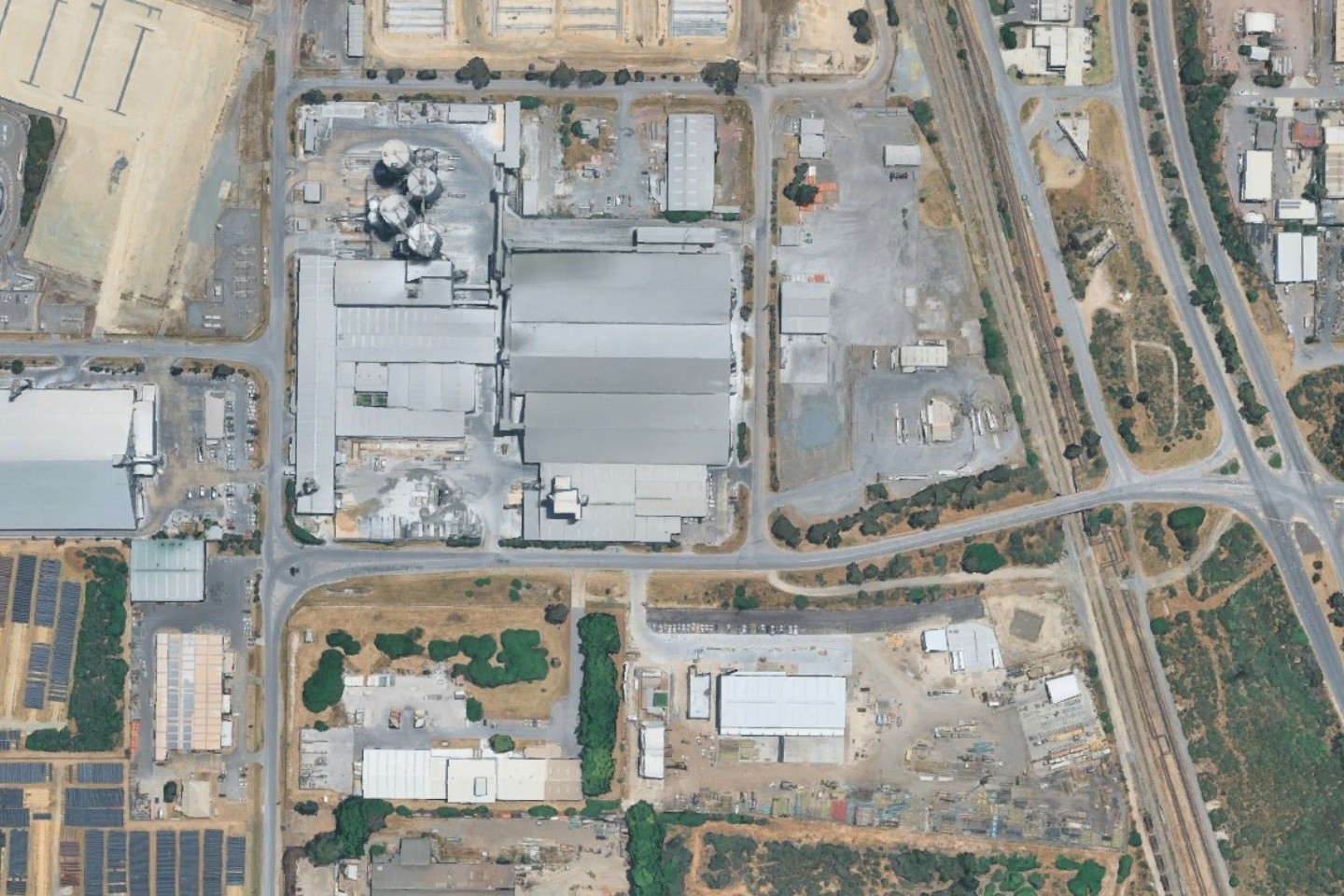
The two purchases in Naval Base are part of Main Roads’ plans to make way for the state’s $7.2 billion Westport project.


American Airlines raises checked bag fees, trims economy perks amid soaring fuel prices
Dwayne Schnell | 500px Plus | Getty Images
A version of this article first appeared in CNBC’s Inside Wealth newsletter with Robert Frank, a weekly guide to the high-net-worth investor and consumer. Sign up to receive future editions, straight to your inbox.
The Iran war has propelled oil prices to above $94 a barrel, up about 30% since the conflict began in late February. That rally has been a boon for investment firms of ultra-wealthy families who made opportunistic bets on oil in recent years.
Since the pandemic, private equity funds and other institutional investors have backed away from oil and gas in part due to pressure from environmentally conscious stakeholders. Family offices have stepped in to fill some of that void, investors and advisors told CNBC.
While many family offices are environmentally minded — with a September survey by Citi Private Bank showing more than half of respondents reporting they were likely to make sustainable investments in the next five years — they’re not subject to the same ESG mandates as private equity firms or endowments, which have faced pressure to divest from oil and gas.
“Family offices are contrarian players. A lot of investors left the sector for non-fundamental reasons, like endowment funds, who had students protesting,” said Keith Behrens, head of energy and clean energy investment banking at Stephens. “Family offices saw that flight of capital, and it created really good investment opportunities for them. They were able to come in and invest with pretty reasonable cash flow multiples.”
Family offices also have an edge on private equity players as they generally hold investments for longer periods, meaning they can weather oil price fluctuations and dealmaking downturns, according to Gillon Capital’s Jeff Peterson.
“We back teams who are looking to build businesses over the long term, because that’s where we really differentiate ourselves. A fund can only really hold a business for their fund life,” he said. “We invest for generations in mind so we can look through current cycles.”
Peterson has managed investments for the descendants of oil tycoon H.L. Hunt for 14 years. About five years ago, A.G. Hill Partners, one of the family’s personal investment firms, doubled down on oil and gas to take advantage of attractive valuations.
Multiples for the sector typically range between two to three times cash flow, according to Peterson, who is now chief investment officer for Gillon Capital, a family office spun out of A.G. Hill Partners a year ago.
Peterson said the family has taken the lead on major deals in the sector, such as forming a consortium of family offices and a few PE funds for the $2 billion acquisition of natural gas producer PureWest Energy. The family is also an anchor investor in a minerals and royalty fund that has raised about $500 million in capital and has a substantial position in the Permian Basin, which is the highest-producing oil field in the U.S., he said.
The sector is increasingly drawing interest from family offices without ties to energy, according to Tailwater Capital’s Doug Prieto. He leads upstream energy funds, which back oil and gas exploration and production, for the middle-market PE firm. Prieto said the funds have raised about $500 million from family offices without backgrounds in energy and just last week took a commitment from a family office built from an options-trading fortune.
Family offices without energy expertise are typically seeking to diversify their portfolio with assets that are uncorrelated to stocks and bonds, Prieto said. Oil and gas are also attractive as inflation hedges, he added.
The Trump administration’s efforts to prioritize oil, gas and nuclear power over clean energy have given investors more confidence in the sector, according to Ellen Conley, lawyer and co-chair of Haynes Boone’s energy finance practice group.
Plus, the potential for cash dividends appeals to family offices, she said.
“Family offices are viewing these assets as cash-flowing real assets rather than a speculative commodity gamble,” she said. “We’re dealing with real assets, particularly in Texas, where you have this repeatable cash flow and predictive models.”
Conley said investors’ interest in energy was already on the rise before the recent oil surge. But headlines about oil prices tied to the Iran war have spurred queries from family offices looking to invest, according to Vicki Odette, global chair of Haynes Boone’s investment management practice group.
However, investors who are new to the space can only realistically take advantage of the current price surge by hedging, Peterson said.
“For anybody to start a drilling program today, you’re really not looking at production this calendar year. You’re looking at next year,” said Peterson.
Analysts generally expect the current spike to be temporary.
And while high prices are good for existing investors, they make it harder to get deals done, according to Behrens.
“If someone’s selling a property, they’re going to want to sell it at the highest price possible and get the latest day close,” he said. “The buyer is going to say, ‘Hey, that’s great that oil is at $115 a barrel, but three months ago it was at $60.’”
Prieto added that it is possible to have too much of a good thing. High oil prices for a prolonged period of time poses a recession risk, he said.
“We like to see a robust U.S. economy. I think for us, somewhere between $75 and $85 a barrel feels pretty darn good,” he said. “When you get over $100, you start to have adverse impacts that don’t benefit anyone.”
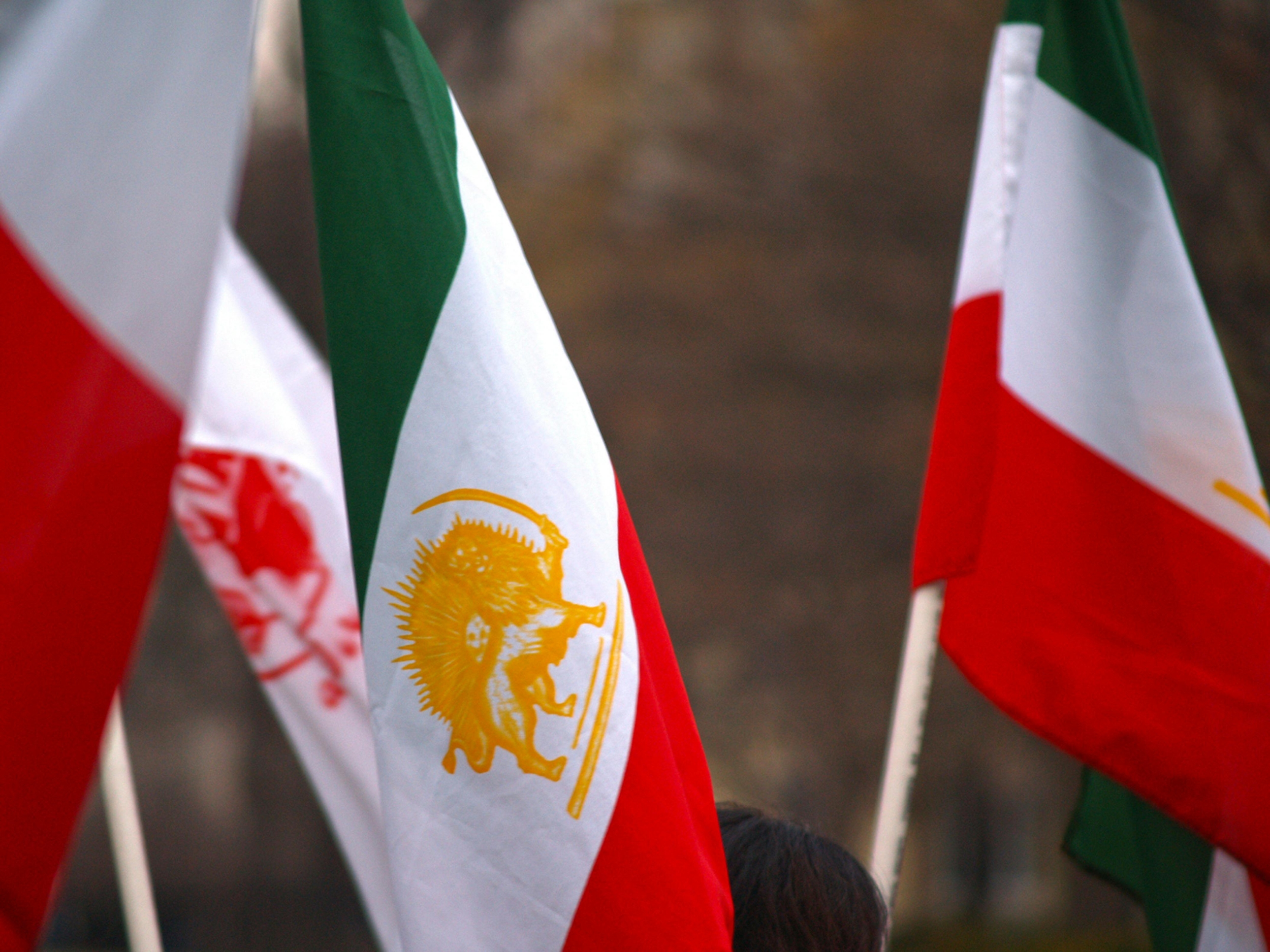
Iran is demanding the right to collect tolls in the Strait of Hormuz as a precondition for reopening the vital waterway after its war with the United States and Israel.
The strait is a key route for global oil supplies, but analysts warn that charging ships would violate the long-standing principle of freedom of navigation under international law.
The United Nations’ Convention on the Law of the Sea, in effect since 1994, guarantees the “innocent passage” of ships through straits that do not threaten coastal states.
Experts say allowing Iran to collect tolls could set a dangerous precedent.
“Freedom of navigation has always been recognized, including specifically in straits,” said Philippe Delebecque, a maritime law professor at Paris’ Sorbonne University.
He added that if Iran were allowed to charge tolls, other strategic waterways like the Strait of Gibraltar or the Strait of Malacca could face similar restrictions, potentially undermining international maritime order.
According to AP News, after the war began on February 28, Iran blocked the strait with attacks and threats, causing immediate shortages in Asia and higher gasoline prices in the US and Europe.
It then implemented a “tollbooth” scheme, requiring ships to detour around Larak Island and submit detailed information about their crew and cargo to intermediaries of Iran’s Islamic Revolutionary Guards Corps.
At least two vessels reportedly paid $2 million in Chinese yuan for passage.
US Opposes Iran’s Hormuz Toll Plan
Iran’s 10-point proposal to end the war includes allowing itself and Oman to charge ships passing through the strait, with the funds earmarked for reconstruction, according to a regional official involved in the negotiations.
While the financial impact of tolls on global oil prices might be small—around $1 per barrel on a fully loaded tanker—experts warn about the geopolitical consequences.
An Iranian toll could enrich the Revolutionary Guards and encourage other countries to restrict navigation in their waters, including China in the Taiwan Strait.
US President Donald Trump has prioritized reopening the strait, but the White House opposes tolls, Inquirer reported.
Gulf producers, including Saudi Arabia, share the concern, fearing that Iranian control could limit oil exports.
The region has already had to shut down roughly 12 million barrels per day in crude production due to the blockade, and pipelines bypassing the strait are insufficient to replace lost shipments.
Julien Raynaut, head of the French Association of Maritime Law, said, “Not having ratified the convention doesn’t give Iran total freedom of action in the Strait of Hormuz. It remains subject to international law and notably this customary right of passage.”
Analysts argue that reopening the strait freely would stabilize energy prices, reduce the geopolitical windfall for Russia, and restore a measure of predictability to global trade.
Originally published on vcpost.com


I am Gen Alpha. I have more than 14 years of investment experience, and an MBA in Finance. I focus on stocks that are more defensive in nature, with a medium- to long-term horizon. I provide high-yield, dividend growth investment ideas in the investing group iREIT®+HOYA Capital. The group helps investors achieve dependable monthly income, portfolio diversification, and inflation hedging. It provides investment research on REITs, ETFs, closed-end funds, preferreds, and dividend champions across asset classes. It offers income-focused portfolios targeting dividend yields up to 10%. Learn more.
Analyst’s Disclosure: I/we have a beneficial long position in the shares of REXR, PFE either through stock ownership, options, or other derivatives. I wrote this article myself, and it expresses my own opinions. I am not receiving compensation for it (other than from Seeking Alpha). I have no business relationship with any company whose stock is mentioned in this article.
I am not an investment advisor. This article is for informational purposes and does not constitute as financial advice. Readers are encouraged and expected to perform due diligence and draw their own conclusions prior to making any investment decisions.
Seeking Alpha’s Disclosure: Past performance is no guarantee of future results. No recommendation or advice is being given as to whether any investment is suitable for a particular investor. Any views or opinions expressed above may not reflect those of Seeking Alpha as a whole. Seeking Alpha is not a licensed securities dealer, broker or US investment adviser or investment bank. Our analysts are third party authors that include both professional investors and individual investors who may not be licensed or certified by any institute or regulatory body.
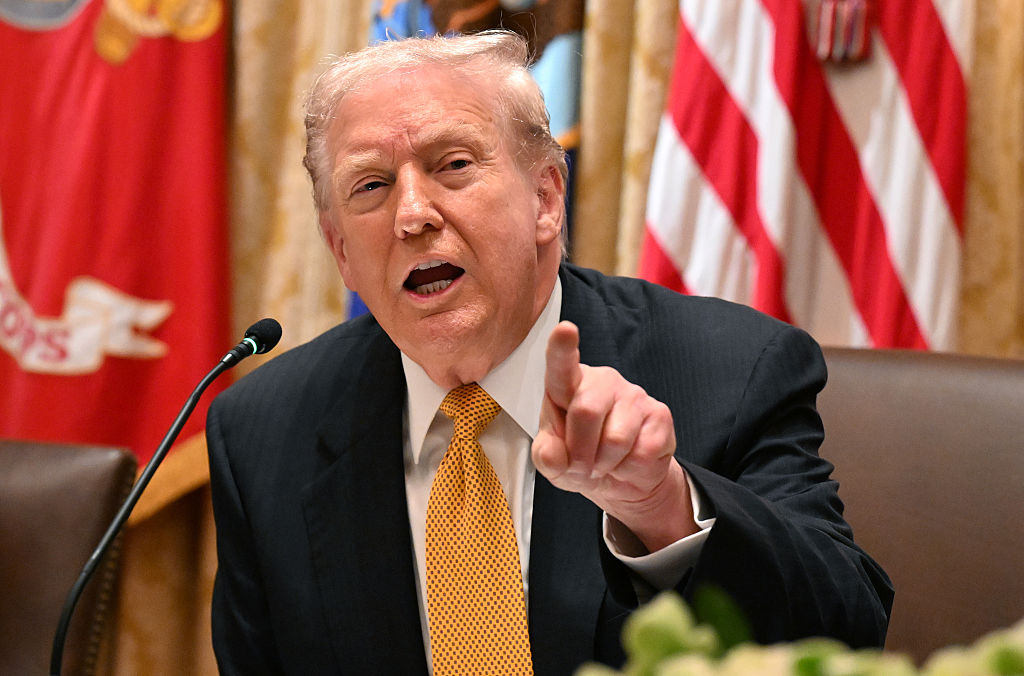
WASHINGTON — President Donald Trump warned Wednesday that U.S. military forces will remain positioned around Iran and stand ready to resume combat operations if Tehran fails to fully comply with what he called the “real agreement” reached in a fragile two-week ceasefire, as tensions over the Strait of Hormuz and ongoing regional strikes threaten to unravel the delicate truce.
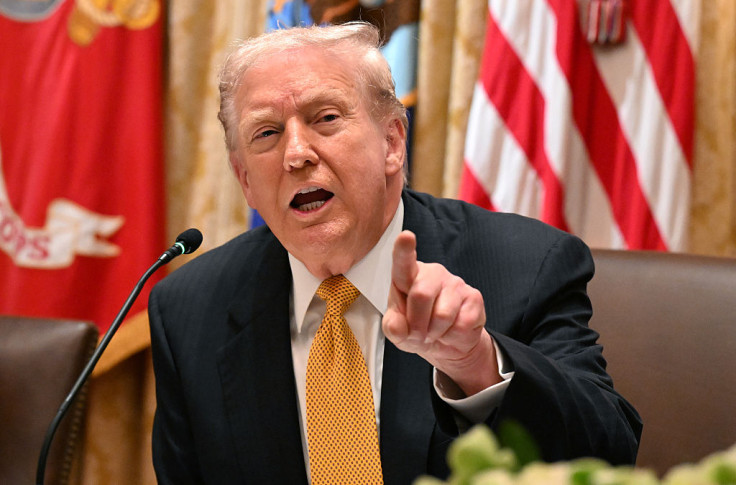
In a Truth Social post early Wednesday, Trump stated that all U.S. ships, aircraft and military personnel, along with additional ammunition and weaponry, would stay in place “until such time as the REAL AGREEMENT reached is fully complied with.” He added a stark warning: “If for any reason it is not, which is highly unlikely, then the ‘Shootin’ Starts,’ bigger, and better, and stronger than anyone has ever seen before.”
The comments came less than 24 hours after Trump announced the two-week ceasefire with Iran on Tuesday evening, just hours before his self-imposed deadline for Tehran to reopen the Strait of Hormuz or face devastating strikes on Iranian infrastructure, including bridges and power plants. The agreement, which also involves Israel, was intended to pause more than a month of direct conflict that began in February 2026 and had escalated dramatically in recent weeks.
Trump had earlier escalated his rhetoric dramatically on Tuesday, warning that a “whole civilization will die tonight, never to be brought back again” if Iran did not meet his demands. He later pulled back from immediate action after what he described as a “workable” 10-point proposal from Iran, though he later dismissed some media reports of the plan’s details as a “made up HOAX.”
The ceasefire is contingent on the safe and complete reopening of the Strait of Hormuz, the narrow waterway through which roughly one-fifth of global oil supplies normally pass. Vessel traffic through the strait remained negligible as of Thursday morning, with shipping data showing hundreds of tankers still anchored or rerouted. Iranian media reported suspensions in tanker traffic, citing risks from possible sea mines and Israeli strikes on Lebanon, while the White House described such reports as “false.”
Iranian officials offered mixed signals. Parliament Speaker Mohammad Bagher Qalibaf called negotiations with the U.S. “unreasonable” and accused Washington of violating several of Tehran’s conditions for ending the fighting. Iranian state media suggested Tehran might formalize new tolls on ships passing through the strait, a move the White House has opposed.
Despite the public friction, both sides claimed elements of victory. Trump described the pause as allowing time to finalize a longer-term peace agreement in the Middle East, while Iranian statements framed the ceasefire as a successful stand against U.S. and Israeli pressure. Vice President JD Vance echoed the president’s hard line, warning that failure to honor the deal would bring “serious consequences.”
The fragile truce faces multiple challenges. Israel has continued operations against Hezbollah in Lebanon, which Iran views as a violation of the broader de-escalation spirit. Reports of new drone and missile activity in the Gulf region emerged shortly after the ceasefire announcement, though it remained unclear whether they breached the terms.
Background to the Escalation
The conflict intensified after U.S. and Israeli strikes targeted Iranian facilities earlier in 2026. Trump repeatedly framed the military campaign as highly successful, claiming U.S. forces had “met and exceeded all military objectives” and left Iran’s capabilities “substantially degraded.”
The Strait of Hormuz became the central flashpoint. When Iran restricted traffic in response to the strikes, global oil prices spiked before easing on ceasefire news. Major shipping companies have diverted vessels around the Cape of Good Hope or explored limited alternative pipelines, but full resumption of normal flows depends on verifiable safe passage.
Trump has emphasized that U.S. forces will not withdraw until compliance is assured. “We are helping with the traffic buildup in the Strait of Hormuz,” he posted, adding that “there will be lots of positive action! Big money will be made.”
International reactions have been cautious. Allies including the United Kingdom have offered to assist with reopening the strait, while analysts warn that any misstep could rapidly reignite direct hostilities. Some legal experts previously raised concerns that threats to destroy civilian infrastructure could violate international law, though the White House has denied plans involving nuclear weapons or indiscriminate attacks.
Market and Global Impact
Oil prices showed modest volatility Wednesday, with Brent crude rising more than 2% after earlier sharp declines on ceasefire hopes. Energy traders remain wary, monitoring both Hormuz traffic and any signs of renewed Iranian restrictions.
The ceasefire has also affected broader regional dynamics. Lebanon continues to see Israeli strikes, straining the agreement’s scope. Gulf Arab states have expressed relief at the pause but remain concerned about long-term stability and potential Iranian retaliation through proxies.
What Comes Next
The two-week window is intended to allow negotiations, possibly beginning in Islamabad, to solidify a more permanent arrangement. Trump has signaled optimism about a “definitive Agreement concerning Longterm PEACE with Iran, and PEACE in the Middle East,” while maintaining maximum military pressure as leverage.
Critics, including some Democrats in Congress and international observers, have condemned the apocalyptic tone of Trump’s earlier statements. Supporters argue the tough approach forced Iran to the table after weeks of escalation.
For now, the situation remains fluid. Shipping companies await clear guidance on safe transit, naval forces stay on high alert, and diplomats work behind the scenes to prevent the ceasefire from collapsing within its first days.
Trump’s latest warning serves as a reminder that while the immediate threat of wider war has receded, the path to lasting de-escalation is narrow and heavily conditioned on verifiable compliance — particularly the full reopening of the Strait of Hormuz. Any perceived violation, whether real or perceived, could trigger the renewed “shootin’” the president has promised would be unprecedented in scale.
As the ceasefire enters its second day, global markets, energy security and millions of lives in the region hang in the balance. The coming weeks will test whether the fragile agreement can hold or whether the region slides back into open conflict.

The House Opinion Article | Neighbourhood policing is returning to our streets

STRONGEST Bitcoin Indicator Says MUCH LOWER

World’s oldest octopus isn’t really an octopus | News UK


-

 NewsBeat7 days ago
Steven Gerrard disagrees with Gary Neville over ‘shock’ Chelsea and Arsenal claim | Football
-

 Business7 days ago
No Jackpot Winner and $194 Million Prize Rolls Over
-

 Fashion6 days ago
Weekend Open Thread: Spanx – Corporette.com
-

 Business5 days ago
Expert Picks for Every Need
-

 Business4 days ago
Three Gulf funds agree to back Paramount’s $81 billion takeover of Warner, WSJ reports
-

 Sports5 days ago
India men’s 4x400m and mixed 4x100m relay teams register big progress | Other Sports News
-

 Tech2 days ago
How Long Can You Drive With Expired Registration? What Florida Law Says
-
Business4 days ago
No Jackpot Winner, Prize to Climb to $231 Million
-

 Fashion3 days ago
Massimo Dutti Offers Inspiration for Your Summer Mood Board
-

 Tech7 days ago
Commonwealth Fusion Systems leans on magnets for near-term revenue
-

 Fashion2 days ago
Let’s Discuss: DEI in 2026
-
Politics6 days ago
Wings Over Scotland | The quality of mercy
-

 Business5 days ago
Akebia Therapeutics, Inc. (AKBA) Discusses Pipeline Progress and Strategic Focus on Kidney Disease Treatments at R&D Day – Slideshow
-

 Fashion7 days ago
Statement Sunglasses: The Accessory Shaping Modern Fashion
-

 Crypto World24 hours ago
Bitcoin recovers as US and Iran Agree a Ceasefire Deal
-
 Politics6 days ago
East Jerusalem Palestinian families eviction orders
-

 Sports7 days ago
Which German players will make final cut?
-

 Fashion7 days ago
For Love & Lemons’ Spring 2026 Line is for the Romantics
-

 Politics6 days ago
Why so many children are now classified as ‘disabled’
-

 Fashion7 days ago
Coffee Break: Santa Croce Tote
You must be logged in to post a comment Login