Business
From Tokyo Neon To Okinawa Beaches

Japan continues to captivate Australian travellers, with more than 1 million Aussies visiting the country in 2025 — a record 15 per cent increase from the previous year. As 2026 unfolds, the destination remains a top choice for those seeking a perfect blend of ancient traditions, futuristic cities, stunning nature and world-class food, all easily accessible visa-free for up to 90 days.
Australian passport holders enjoy straightforward entry with no visa required for short-term tourism or business stays. Travellers simply need a valid passport covering the duration of their visit, proof of onward travel and sufficient funds. Direct flights from major Australian cities such as Sydney, Melbourne and Brisbane make the journey convenient, with flight times around 9-10 hours to Tokyo.
Here are 10 must-visit places in Japan for Aussies planning a trip in 2026, offering a mix of iconic highlights and experiences tailored to Australian tastes for beaches, food, culture and efficient travel via the Japan Rail Pass.
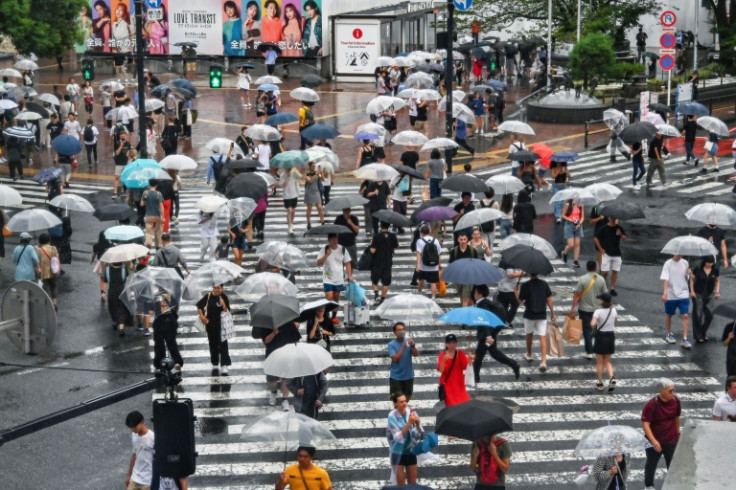

1. Tokyo Japan’s bustling capital tops nearly every list for good reason. From the neon lights of Shibuya Crossing and Shinjuku to the serene grounds of the Imperial Palace and historic Senso-ji Temple in Asakusa, Tokyo delivers endless contrasts. Aussies love the efficient public transport, including the famous bullet trains, and the vast array of dining options from Michelin-starred restaurants to casual izakayas and conveyor-belt sushi. New attractions in 2026, such as expanded anime and esports zones, add fresh appeal for younger travellers. Allow at least four to five days to explore neighbourhoods like Harajuku, Akihabara and teamLab Planets.
2. Kyoto The former imperial capital remains the heart of traditional Japan, with more than 1,500 Buddhist temples and 400 Shinto shrines. Fushimi Inari-taisha’s thousands of red torii gates, the golden Kinkaku-ji (Golden Pavilion) and Arashiyama’s bamboo grove are unmissable. In spring 2026, cherry blossoms are forecast to peak around late March to early April, creating magical scenes in Maruyama Park and along the Philosopher’s Path. Aussies appreciate the walkable historic districts, geisha culture experiences and kaiseki dining. Pair it with a day trip to nearby Nara for its famous deer park.
3. Mount Fuji and Hakone No trip to Japan is complete without viewing the iconic, snow-capped Mount Fuji. The Fuji Five Lakes area offers hiking, boating and views from spots like Lake Kawaguchiko. In Hakone, Aussies can relax in onsen hot springs, ride the ropeway over volcanic valleys and even catch a glimpse of Fuji on clear days. The area is easily reached from Tokyo via the JR Pass, making it ideal for a two- or three-day side trip. Summer 2026 brings pleasant weather for outdoor activities, while autumn foliage provides another spectacular season.
4. Osaka Known as Japan’s kitchen, Osaka delivers vibrant street food, friendly locals and energetic nightlife. Must-dos include Dotonbori’s neon signs and canal views, okonomiyaki and takoyaki stalls, and Universal Studios Japan with its popular Super Nintendo World. Aussies often combine Osaka with a day trip to nearby Kobe for beef or Himeji Castle, one of Japan’s most impressive feudal fortresses. The city serves as a convenient transport hub for western Japan explorations.
5. Hiroshima and Miyajima Hiroshima offers a powerful lesson in peace and resilience at the Peace Memorial Park and Museum. A short ferry ride away, the “floating” torii gate of Itsukushima Shrine on Miyajima Island ranks among Japan’s most photographed sights, especially at high tide. Deer roam freely on the island, adding a gentle charm. Many Australian visitors appreciate the region’s moving history balanced with natural beauty and fresh seafood, including oysters. The Shinkansen makes it a straightforward day or overnight trip from Osaka or Kyoto.
6. Okinawa For a tropical escape that feels worlds away from mainland Japan, head to Okinawa’s subtropical islands. White-sand beaches, turquoise waters and coral reefs make it ideal for snorkelling, diving or simply relaxing — a welcome contrast for Aussies accustomed to beach culture at home. Naha’s Kokusai Street buzzes with local Ryukyu culture, markets and unique cuisine featuring goya champuru. The Kerama Islands offer even quieter paradises. Direct flights from some Australian cities or connections via Tokyo or Osaka make it accessible, with warmer weather extending well into autumn.
7. Sapporo and Hokkaido Hokkaido’s capital Sapporo shines for its snow festivals, fresh seafood and beer. In summer 2026, the region’s vast lavender fields, national parks and outdoor adventures appeal to nature-loving Aussies. Winter visitors can enjoy world-class skiing and the famous Yuki Matsuri ice sculptures. Hokkaido’s dairy, ramen and seafood differ noticeably from mainland fare, providing delicious variety. The island’s open spaces and cooler climate offer a refreshing change of pace.
8. Kanazawa and the Japanese Alps Often called “Little Kyoto,” Kanazawa boasts well-preserved samurai and geisha districts, Kenrokuen Garden and fresh seafood from the Sea of Japan. Nearby Takayama and Shirakawa-go’s thatched-roof villages transport visitors back in time. For those seeking mountain scenery, the Japanese Alps, including Kamikochi, deliver hiking trails and dramatic landscapes. These areas see fewer crowds than the Golden Route, suiting Aussies who prefer authentic, slower-paced experiences.
9. Nara Just a short train ride from Kyoto or Osaka, Nara earns fame for its ancient temples and the free-roaming sacred deer in Nara Park. Todai-ji Temple houses the massive Great Buddha, while the surrounding park and museums provide a peaceful half- or full-day escape. It pairs perfectly with a Kyoto itinerary and offers a gentle introduction to Japan’s deep Buddhist heritage.
10. Hakone or Izu Peninsula (for onsen and nature) Beyond the Fuji area, the Izu Peninsula and Hakone region provide excellent onsen experiences, coastal views and hiking. Aussies often enjoy the mix of relaxation and scenery, with easy access from Tokyo. New or renovated ryokan (traditional inns) in 2026 continue to elevate the luxury onsen stay, complete with kaiseki meals and private baths.
Practical tips for Australian travellers in 2026 Purchase a Japan Rail Pass before departure for unlimited Shinkansen and JR train travel — it remains excellent value despite recent price adjustments. Download apps such as Google Translate, Hyperdia or the official JR app, and consider an eSIM or pocket Wi-Fi for connectivity. Cash is still widely used alongside cards and mobile payments like Suica or Pasmo.
Book accommodation and popular experiences, including teamLab, Ghibli-related sites or Universal Studios, well in advance, especially during cherry blossom season. English signage has improved significantly, and many restaurants offer English menus or picture boards. Respect local customs: remove shoes indoors, queue patiently and speak quietly on public transport.
Travel insurance is strongly recommended to cover potential health, cancellation or adventure activity needs. Japan’s safety levels remain high, though standard precautions apply in busy tourist areas.
With record numbers of Australians discovering Japan, 2026 promises even more seamless travel as infrastructure and services continue adapting to international visitors. Whether chasing cherry blossoms in spring, summer festivals, autumn colours or winter snow, the country offers layered experiences that reward both first-timers and repeat visitors.
From the high-energy streets of Tokyo to the serene temples of Kyoto and the beaches of Okinawa, these 10 destinations provide an ideal framework for an unforgettable Japanese adventure. Start planning early, embrace the efficient rail network and prepare for a destination that effortlessly balances the old and the new.
You must be logged in to post a comment Login