Connect with us

Business

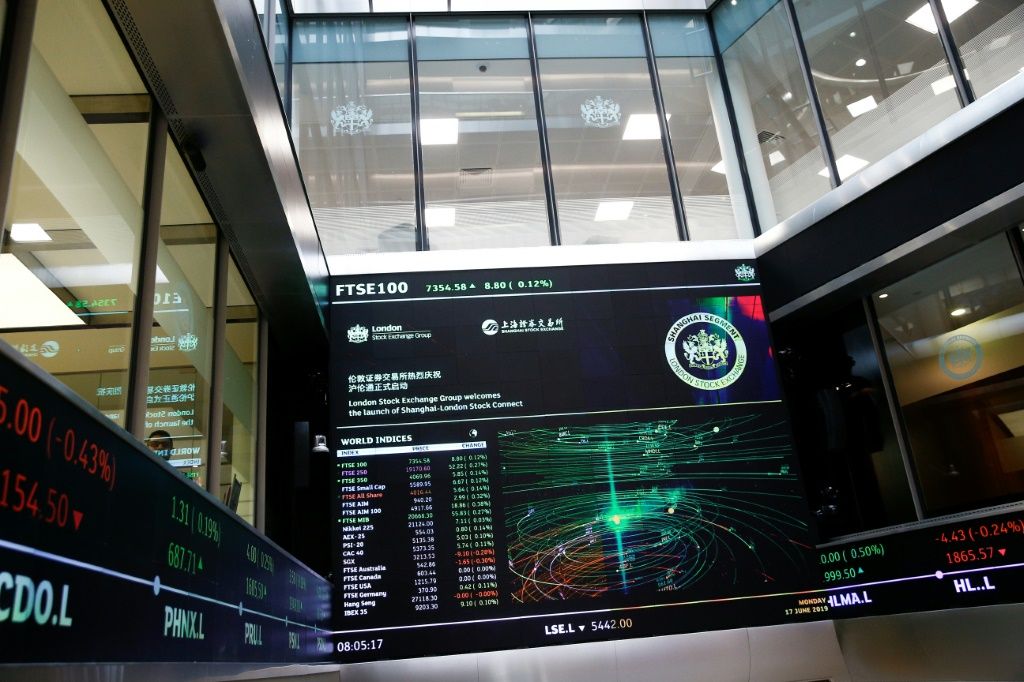
FTSE 100 Holds Steady Near 10,260 as Markets Await BoE Decision Amid Oil Surge and Geopolitical Strain

Published

on

Just 1.1 percent of senior executives on FTSE 100 firms are black

Britain’s benchmark FTSE 100 index remained little changed in early trading Monday, March 16, 2026, as investors positioned cautiously ahead of this week’s Bank of England policy meeting while digesting the fallout from elevated oil prices and ongoing Middle East tensions.

Just 1.1 percent of senior executives on FTSE 100 firms are black
FTSE 100
POOL / HENRY NICHOLLS

The FTSE 100 stood around 10,261 shortly after the London open, virtually flat from Friday’s close of 10,261.15, which marked a 44-point or 0.43% decline. The index has now declined for three consecutive sessions, though it logged only a modest 0.2% loss for the week ending March 13. Futures had pointed to mild consolidation overnight, reflecting broader global caution.

The latest close data from March 13 showed the index opening at 10,305.48, peaking at 10,367.36 and dipping to a low of 10,200.21 before settling lower on volume of roughly 814-817 million shares. That level sits about 6-7% below the 2026 peak near 10,935 hit in late February, but the benchmark remains up nearly 19% year-over-year and has demonstrated resilience relative to more tech-heavy indices elsewhere.

Persistent geopolitical risks in the Middle East, particularly involving Iran and related conflicts, have kept Brent crude elevated around $103 per barrel recently, providing a tailwind to the FTSE 100’s heavy energy weighting. Majors like BP and Shell have benefited from the oil surge, offering some offset to broader equity pressures from inflation concerns and softer domestic growth signals.

U.K. economic data continues to weigh on sentiment. The Office for National Statistics reported flat GDP in January, falling short of consensus forecasts for 0.2% growth and raising questions about the recovery pace. This stagnation has complicated the outlook for monetary policy, even as sticky inflation—exacerbated by energy costs—has markets pricing in about an 80% probability of a 25-basis-point rate hike by year-end.

Advertisement

At its March meeting later this week, the BoE is widely anticipated to hold rates steady, with focus shifting to the MPC vote split. Analysts see outcomes like 7-2 or 6-3 in favor of no change as plausible, signaling the committee’s balancing act between supporting growth and guarding against renewed price pressures. Any hawkish tilt could further pressure rate-sensitive sectors.

Sector moves on Friday highlighted the divergent forces at play. Resource and mining names led declines amid profit-taking and broader risk aversion, with Fresnillo down around 5.6%, Antofagasta off 5.5% and Rolls-Royce slipping 5.2%. Other laggards included IMI and Mondi, both down roughly 4.5-4.7%. Housebuilder Berkeley Group fell more than 2% despite reaffirming full-year profit guidance, with executives citing the Middle East situation as a drag on overall market risk appetite.

Defensive plays provided some support, as Hikma Pharmaceuticals rose 2.5%, Imperial Brands gained 2.2% and Bunzl advanced similarly. Energy stocks showed relative strength, underscoring the index’s commodity-linked buffer against pure domestic or growth-oriented weakness.

The FTSE 100’s multinational profile—with substantial overseas revenue—continues to act as a natural hedge in uncertain times. Its dividend yield, hovering near 2.81%, appeals to income seekers amid shifting rate expectations. Compared to global peers facing sharper corrections in tech-driven names, London’s blue-chips have held up better, partly due to energy tailwinds from oil above $100.

Advertisement

Broader market context includes elevated volatility, with the VIX remaining firm and other indices like the S&P 500 and Nasdaq showing weekly declines amid similar inflation and oil dynamics. The FTSE 100’s outperformance relative to some benchmarks highlights its sector composition as a partial inflation hedge.

Looking forward this week, the BoE announcement will dominate, potentially setting the near-term tone for sterling and equities. Any escalation—or signs of de-escalation—in Middle East diplomacy could sway oil prices and, by extension, resource-heavy stocks. Upcoming U.S. data and Fed signals may also influence cross-Atlantic flows.

Technically, support around 10,200 held during Friday’s dip, while resistance lingers near 10,400-10,500. A break higher would require positive catalysts, such as dovish central bank commentary or easing geopolitical headlines.

Despite recent pullbacks, the index’s longer-term trajectory remains upward, having recovered strongly from earlier lows around 7,500 and posting gains of over 20% in the past year in some measures. Investors remain watchful for commodity-driven volatility and policy cues that could dictate the next leg.

Advertisement

As trading resumes Monday, the FTSE 100’s performance reflects ongoing themes: energy resilience amid geopolitical strain, domestic growth softness and central bank caution in a high-inflation environment. For U.K.-focused portfolios, the benchmark’s global tilt offers diversification, though near-term risks from oil-driven inflation and policy uncertainty persist.

Continue Reading
Click to comment

Leave a Reply

Your email address will not be published. Required fields are marked *

Business

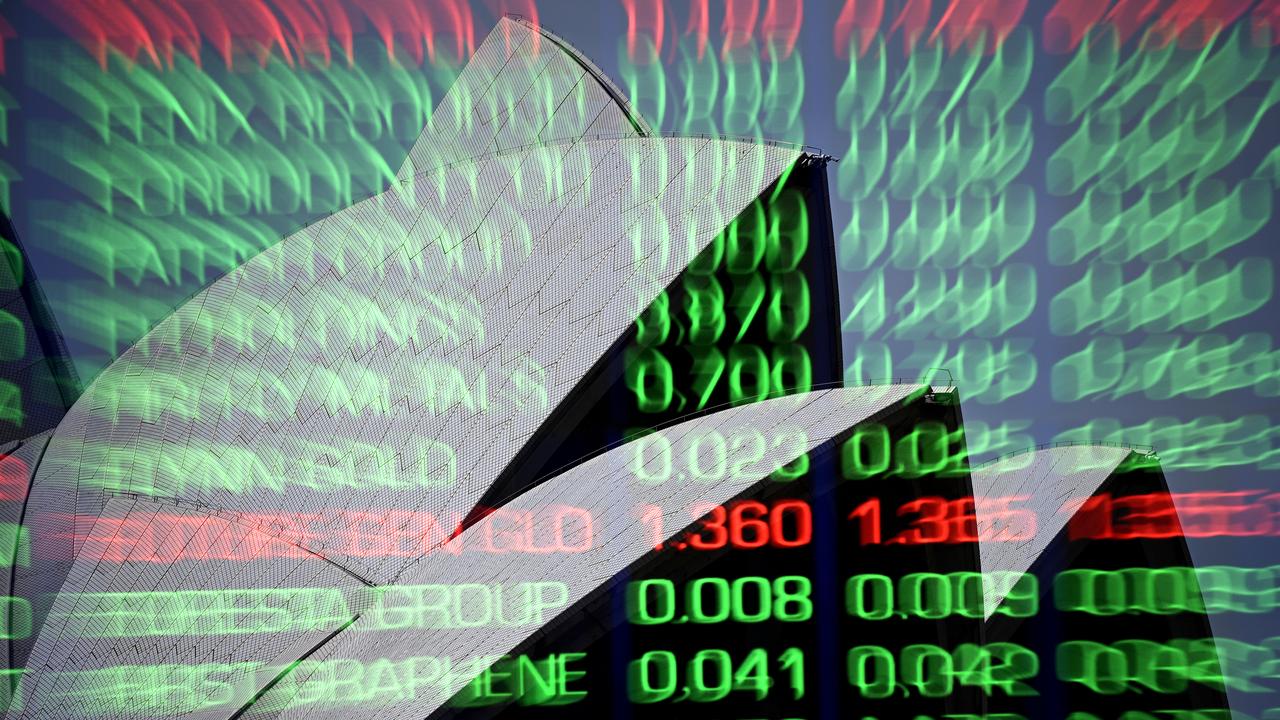
Australian shares drop as Iran war enters third week

Published

on

Australian shares drop as Iran war enters third week

The Australian share market has fallen as the US-Israeli war with Iran dragged into its third week and hopes dimmed for a quick resolution.

Continue Reading

Business

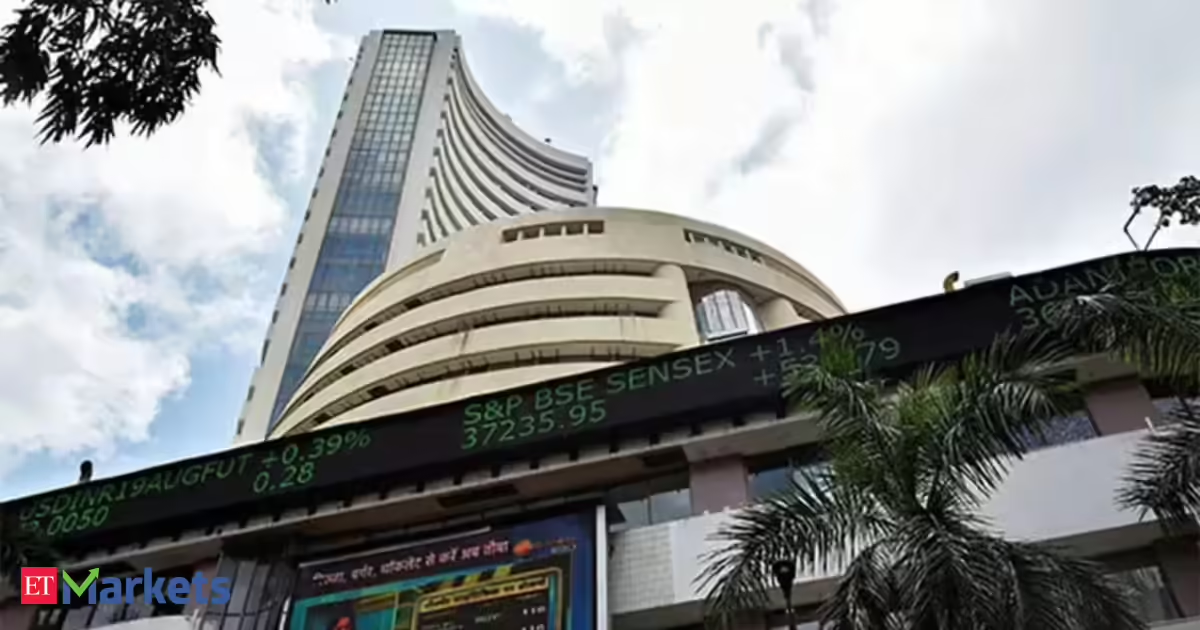
Sensex ends 3-day losing streak, settles 939 pts higher, Nifty above 23,400

Published

on

Sensex ends 3-day losing streak, settles 939 pts higher, Nifty above 23,400
Indian stock markets closed higher in the green on Monday after sharp ups and downs during the session, with Sensex settling more than 900 points higher and Nifty 50 closing above 23,400 level. The benchmark indices have snapped a three-session losing streak as investors may have resorted to value-buying after the sharp selloff last week.

Markets saw an extremely volatile session today, with strong declines and sharper rebounds. Sensex and Nifty had opened with some losses in the red, but soon recovered all of them to move into the green. However, the indices then sharply dropped later in the morning, with Sensex falling over 600 points to drop below 74,000 and Nifty 50 declining below 23,000.

Late in the afternoon, Sensex and Nifty rebounded and erased all morning losses. Sensex jumped over 1,000 points and Nifty 50 surged above 23,500. The benchmark indices erased some gains by the end of the session, but still remained in the deep green.

Sensex closed around 939 points higher at 75,502.85, while Nifty 50 gained 258 points to end the session at 23,409.

Advertisement

Top gainers and losers

UltraTech Cement, HDFC Bank, Zudio-parent Trent, Zomato-parent Eternal and Bajaj Finance were among the top gainers on Sensex, rising 2-3%. Bharat Electronics (BEL), Sun Pharma, Power Grid and NTPC were among the top losers.
Around 1,075 shares advanced on NSE, while 2,213 declined and 84 remained unchanged. Nifty Auto led gains among the sectoral indices, gaining around 2%. Nifty Oil & Gas however led losses, falling over 1.5% as oil prices continued to remain elevated.
Indian government confirmed during the weekend that Indian vessels Shivalik and Nanda Devi, carrying a combined 92,700 tonnes of LPG, safely crossed the Strait of Hormuz. In an interview with the Financial Times UK, the External Affairs Minister S Jaishankar stated that New Delhi is currently engaging with Iran to facilitate the reopening of the Strait of Hormuz.
He noted that these discussions are “already yielding some results,” suggesting that India finds it more effective to “reason and coordinate” with Tehran rather than disengage.

“Certainly, from India’s perspective, it is better that we reason and we coordinate and we get a solution than we don’t. While this is a welcome development, there is continuing conversation because there is continued work on that,” Jaishankar said.

As a result, India Vix, which measures volatility in the markets, dropped more than 4% after soaring last week.

Advertisement

Crude impact

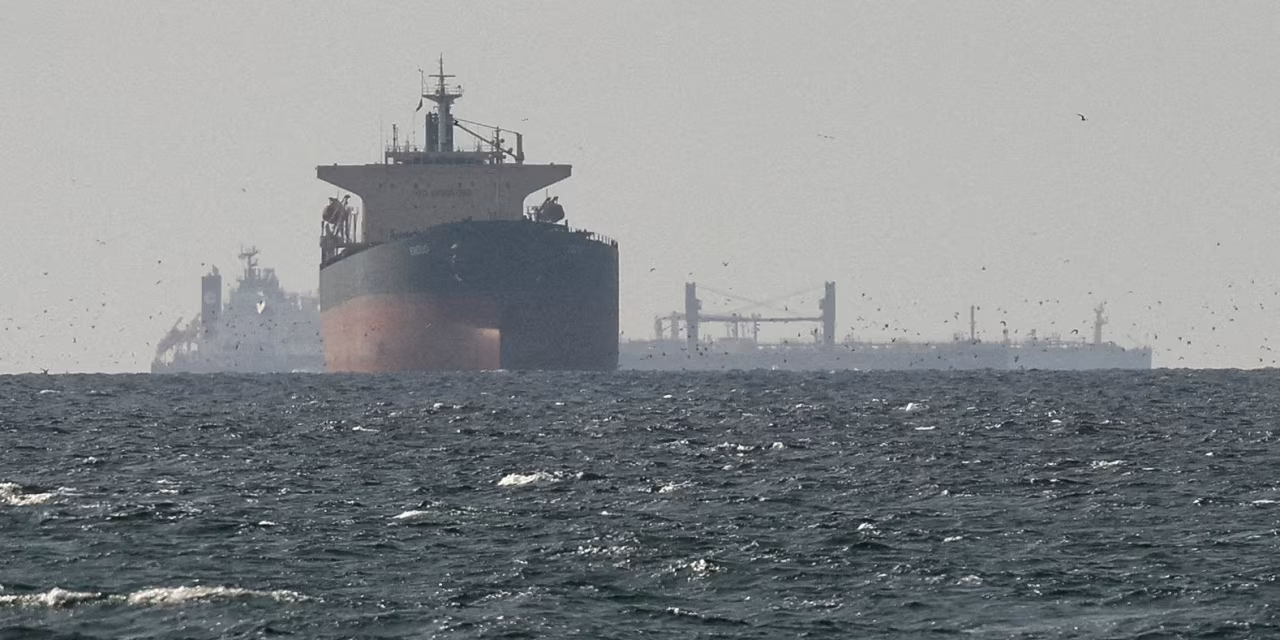
Despite the optimism in the markets, some caution is warranted. Oil prices remain significantly elevated, with Brent crude futures rising more than 2% today to trade above $105 per barrel. The war between Iran and US-Israel has entered its third week, leading to prolonged disruption to the Strait of Hormuz, a critical chokepoint for global trade. The narrow 33 kilometre long waterway connects the Persian Gulf and the Gulf of Oman, and carries over 20% of the world’s oil and gas shipments.

US President Donald Trump said on Sunday that his administration is in talks with seven countries to help secure the Strait of Hormuz amid the hostilities, calling on them to help protect ships in the vital waterway that Tehran has mostly blocked to oil tanker traffic.

“I’m demanding that these countries come in and protect their own territory because it is their territory,” Trump told reporters aboard Air Force One on the way from Florida to Washington. “It’s the ‌place from which they get ⁠their energy.”

Trump also said Washington is in contact with Iran but expressed doubt that Tehran is prepared for serious negotiations to end the conflict. Iranian Foreign Minister Abbas Araqchi meanwhile said that the country is ready to defend itself for as long as it takes.

Advertisement

Rupee

Indian rupee remained close to its all-time low level, ending the session at around 92.42 against the US dollar. Earlier last week, the Indian currency had seen a significant decline as the safe-haven appeal of the American greenback shines amid geopolitical tensions. Oil movements remain a key driver for the rupee, which tends to widen India’s import bill and weigh on the currency, said Jateen Trivedi, VP Research Analyst of Commodity and Currency at LKP Securities said.

Persistent FII selling

FII extended their selling streak for the 11th consecutive session on Friday, net selling Indian equities worth around Rs 68 lakh crore during the period. Foreign investors net sold Indian equities worth Rs 10,717 crore on Friday.

While this doesn’t reflect their trading behaviour today, persistent selling by foreign investors seen for the past several sessions dampens investor sentiment.

Global markets

Global markets remained volatile, with Japan’s Nikkei and China’s Shanghai Composite falling marginally. Hong Kong’s Hang Seng and South Korea’s Kospi however gained more than 1% each. European markets were trading in the red in the early hours, with UK’s FTSE and Germany’s DAX slipping into the red with marginal losses, and France’s CAC being down 0.7%.

Advertisement

Wall Street extended their decline on Friday, with Nasdaq declining over 0.9% and S&P 500 falling 0.6%

What lies ahead?

The equity market staged a late-session rebound, supported by value buying in domestically oriented sectors such as auto, banking, and FMCG, a relief rally following the recent sell-off, said Vinod Nair, Head of Research, Geojit Investments. The analyst however cautioned that near-term challenges persist, valuations have moderated, narrowing the premium valuation gap across several key sectors.

“In the near term, investor sentiment will hinge on developments in the Strait of Hormuz, where any easing of supply chain disruptions could provide further support. However, persistently elevated oil prices continue to weigh on broader market direction. Globally, attention remains focused on the upcoming U.S. Fed policy outcome. Rates are widely expected to remain unchanged, reflecting ongoing inflationary pressures and heightened geopolitical uncertainty,” he added.

Advertisement

Technical view

Nifty witnessed a decent recovery as the index did not sustain below 23,000 and quickly moved back above this level, noted Rupak De, Senior Technical Analyst at LKP Securities. The analyst said that on the daily chart, the index has formed a piercing line pattern, which is a bullish reversal signal after a prolonged correction. Although the broader sentiment has not changed significantly, a near-term technical pullback cannot be ruled out, he added.

“On the higher side, the index may witness a recovery towards 23,800 or even higher. On the lower end, immediate support is placed at 23,200; a break below this level could push the index back into weakness,” De concluded.

Advertisement
Continue Reading

Business

Risk Assets: Dispersion Trumps Directionality

Published

on

Risk Assets: Dispersion Trumps Directionality

Risk Assets: Dispersion Trumps Directionality

Continue Reading

Business

Paytm shares jumps 4% after rival PhonePe halts IPO plans

Published

on

Paytm shares jumps 4% after rival PhonePe halts IPO plans
Shares of One 97 Communications, the parent of digital payments platform Paytm, rose nearly 4% to Rs 1014.8 apiece on the NSE on Monday after rival PhonePe said it would temporarily put its initial public offering plans on hold. The rally came as investors interpreted the development as easing near-term competitive pressure in the fintech space, particularly in digital payments and financial services distribution, where both companies operate.

PhonePe said it has decided to defer its proposed public market listing for now, citing heightened geopolitical uncertainty and volatility across global financial markets. The company said it will revisit its listing plans once conditions stabilise.

“We sincerely hope for a swift return to peace in all the affected regions. We remain committed to a public listing in India,” Sameer Nigam, CEO of PhonePe, said in a statement.

The decision comes at a time when escalating geopolitical tensions in West Asia and broader market turbulence have made equity markets more volatile, prompting several companies preparing for IPOs to reassess their launch timelines.

Advertisement

Analysts say companies planning public offerings are increasingly evaluating whether to proceed at reduced valuations or delay launches until investor sentiment improves.


Also read: PhonePe hits pause on IPO as Iran war roils primary market sentiment

PhonePe is one of India’s largest digital payments companies. Launched in 2016, the platform had over 65 crore registered users and a merchant acceptance network spanning more than 4.7 crore merchants as of September 2025.
The company operates a wide range of digital platforms spanning consumer and merchant payments, insurance and lending distribution, and digital commerce. It has also expanded into adjacent businesses such as Share.Market, a stock broking and mutual fund distribution platform, and Indus Appstore, an Android-based mobile application marketplace.
The pause in PhonePe’s IPO plans reflects a broader trend in the primary market, where companies are becoming more cautious about timing their listings amid volatile equity markets.

According to data from Prime Database Group, 141 companies currently have regulatory approvals to launch IPOs that together could raise around Rs 1.64 lakh crore. Of these, at least 80 companies still have three to nine months of validity left to bring their public issues to market.

(Disclaimer: Recommendations, suggestions, views and opinions given by the experts are their own. These do not represent the views of The Economic Times)

Advertisement
Continue Reading

Business

Huge waterfront development could bring thousands of jobs

Published

on

Business Live

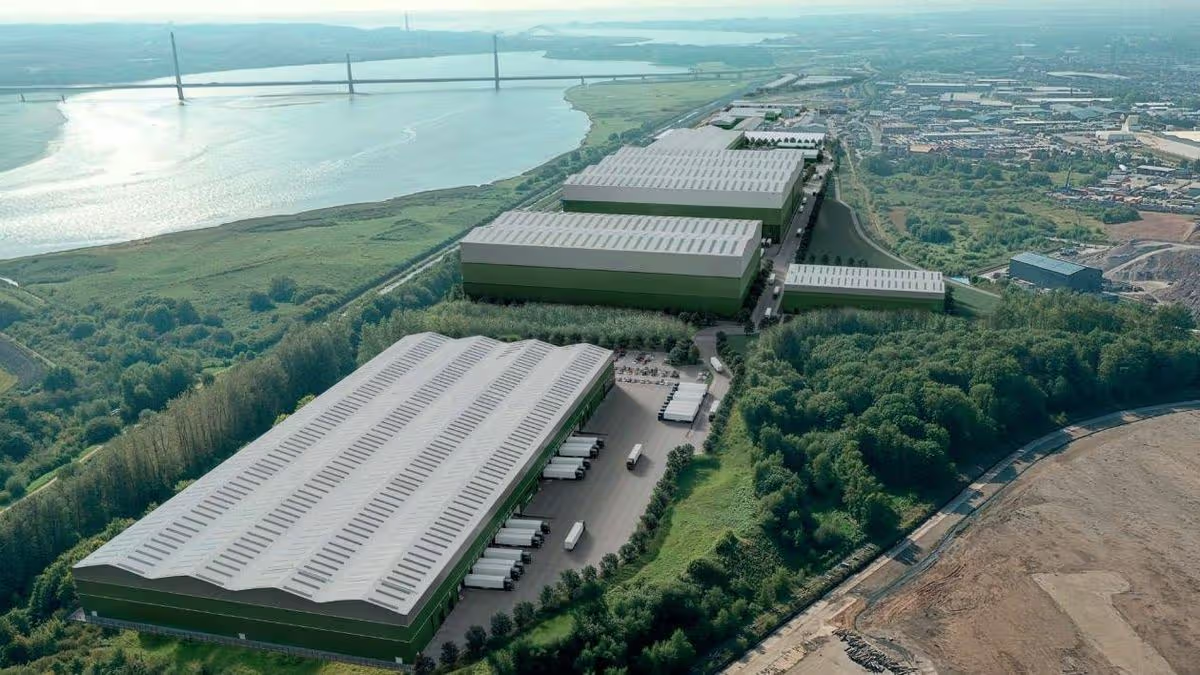
Catalyst Business Park in Widnes would cover 96 acres

The giant Catalyst Business Park development would reshape the waterfront area of Widnes.

The giant Catalyst Business Park development would reshape the waterfront area of Widnes(Image: FI Real Estate Management)

Ambitious plans have been lodged for a huge commercial and industrial development which would reshape vast swathes of Widnes waterfront and create thousands of potential new jobs.

Advertisement

Lea Valley Ltd has submitted a planning application for a scheme dubbed Catalyst Business Park. Spanning 96 acres – the equivalent of around 64 football pitches – the site off Earle Road and Tanhouse Lane would stretch between The Hive Leisure Park and what remains of the now mostly demolished Fiddler’s Ferry power station.

It would see construction of 1.8 million sq ft of floor space in units ranging in size from 1,000 to 500,000 sq ft for varying potential uses.

Depending on which companies move in to the units once complete, roles created could be between 1,675 and 3,367 – with annual wages of between £71.6 million and £127.1 million going in to the local economy.

After launching a consultation on the scheme, the firm has now submitted a planning application. The planned site would consist of five zones – one of which is in Warrington and would require its council’s planning permission.

Advertisement

A planning statement submitted in support of the scheme said: “Catalyst Business Park and its economic effects will be a significant boost to the local and sub-regional economy and long-term prosperity of Widnes.

“And will be a significant benefit to a local area with significant, deep pockets of deprivation that, in part, is linked to lack of access to good quality, employment opportunities.”

Construction would take place in four phases over a period of 10 years. It said:

“As a site that has been extensively used in the past for heavy chemical engineering and related manufacture, and which contains areas of landfill, there are significant matters relating to ground contamination to be dealt with.

Advertisement

“This forms part of the basis for the planned phasing of development across the site.”

Applicant Lea Valley Limited acquired the site in early 2024 as part of its business plan to grow its portfolio of employment land and property.

To find all the planning applications, traffic diversions, road layout changes, alcohol licence applications and more in your community, visit the Public Notices Portal.

Advertisement
Continue Reading

Business

Satu Wallet Launches All-in-One Crypto Super App With $SATU Token on Solana

Published

on


Satu Wallet Launches All-in-One Crypto Super App With $SATU Token on Solana

Continue Reading

Business

Oil Holds Above $100, Stocks Mixed as Global Markets Look for Direction

Published

on

Oil Holds Above $100, Stocks Mixed as Global Markets Look for Direction

Oil prices held above $100 a barrel and stocks struggled for direction as traders weighed mixed signals heading into the third week of conflict in the Middle East.

The dollar was flat and Asian and European stocks were mixed after President Trump sought to pressure a range of countries to help protect trade through the Strait of Hormuz. The success of Trump’s push remained unclear. Investors are focused on the crucial waterway, with markets highly sensitive to developments.

Advertisement

Copyright ©2026 Dow Jones & Company, Inc. All Rights Reserved. 87990cbe856818d5eddac44c7b1cdeb8

Continue Reading

Business

Citizens reiterates Century Casinos stock rating citing weather impact

Published

on


Citizens reiterates Century Casinos stock rating citing weather impact

Continue Reading

Business

UK manufacturing on ‘fragile footing’ with fears over Iran war and cost rises

Published

on

Business Live

Make UK warns rising oil prices above $100 and energy costs from Middle East conflict threaten sector’s modest growth outlook

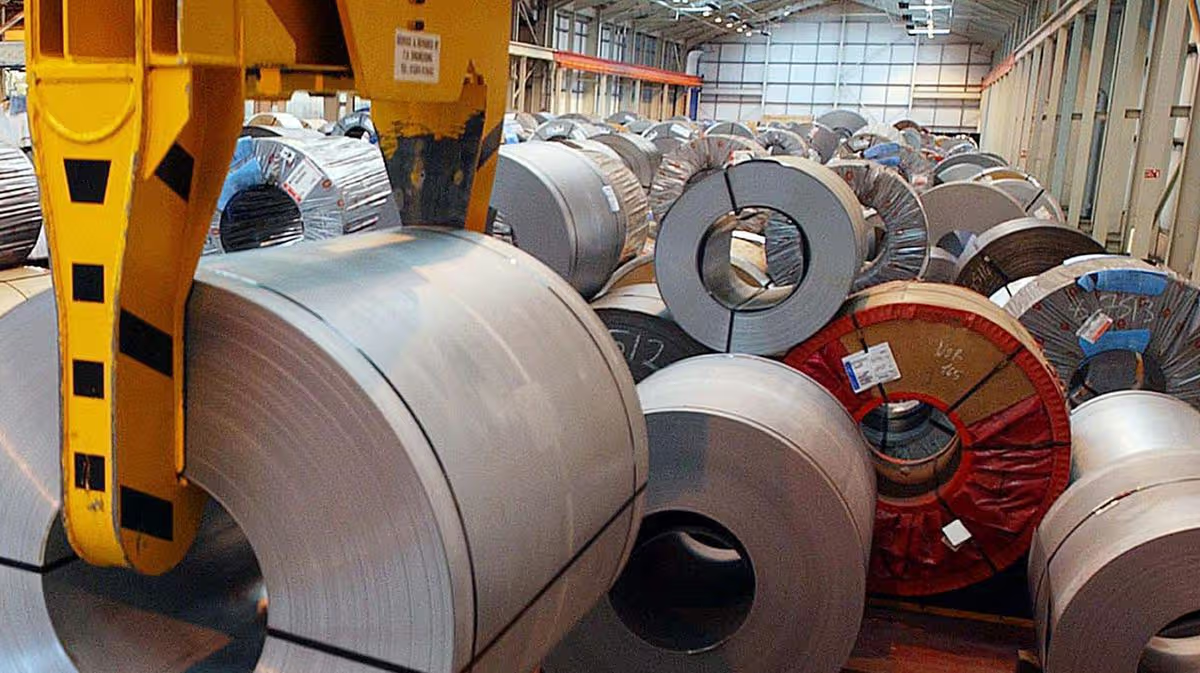
Steel at a site near Wolverhampton

Make UK is warning over rising costs(Image: PA)

UK manufacturing has begun the year on a “fragile footing,” with its economic position likely to deteriorate due to the Middle East conflict, the sector’s industry body has cautioned.

Advertisement

A new report from Make UK said the sector is projected to expand by just under one per cent in 2026, a modest recovery following a 0.2 per cent contraction in 2025.

However, the manufacturing sector’s future prospects were characterised as “precarious,” with the report highlighting a sharp decline in UK activity over recent months that had sparked concerns domestic demand had “collapsed”.

Fhaheen Khan, senior economist at Make UK said: “UK manufacturers have started 2026 on a fragile footing.

“While output and investment show some improvement after a challenging end to last year, rising costs and weakening domestic demand are creating real pressures for businesses.”

Advertisement

The latest Purchasing Managers Index (PMI) for manufacturing demonstrated a reading of 51.7 in February, above the 50-figure threshold for neutrality in output,as reported by City AM.

It represented the highest figure recorded since late 2024, with manufacturing output now growing in each of the past four months.

This came as large and medium-sized firms were bolstered by a rise in export orders, with intakes of new work from China, the EU and the Middle East increasing at the fastest rate in four and a half years. However, the data was overshadowed by ongoing falls in employment and purchasing stocks.

Nevertheless, S&P Global analysts noted a decline in employment was the mildest recorded over the past 16 months.

Advertisement

The industry body, which represents thousands of manufacturers, has urged the government to approve North Sea drilling or risk a surge in energy costs amid rising oil prices from the Iran war.

Stephen Phipson, chief executive of Make UK, said: “Manufacturers are calling for the government to act quickly to progress with the Rosebank and Jackdaw developments to mitigate energy costs and energy security because of the conflict in the Middle East.”

Energy secretary Ed Miliband has rejected this, telling Sky News on Sunday Morning: “Some people want to go around and pretend that if we only we draw more [oil and gas from the North Sea,] prices would go down. That is totally false.”

Analysis from Oxford Economics has indicated the UK could be thrust into a recession should the price of a barrel of oil climb to $140, and remain at the elevated price until at least May.

Advertisement

Oil closed above $100 for the first time since 2022 on Thursday and finished the week above $103.

Khan cautioned: “With UK industrial energy costs among the highest in the developed world, any sustained increase in oil and gas prices could quickly push up input costs, squeezing margins and limiting investment.”

Continue Reading

Business

Alcohol-free beer and pet grooming used to measure inflation

Published

on

Alcohol-free beer and pet grooming used to measure inflation

Houmous and motorhomes are also added to the basket of goods and services used to chart the rising cost of living.

Continue Reading

Trending

Copyright © 2025