

Business
Fuel summit's seven-point plan



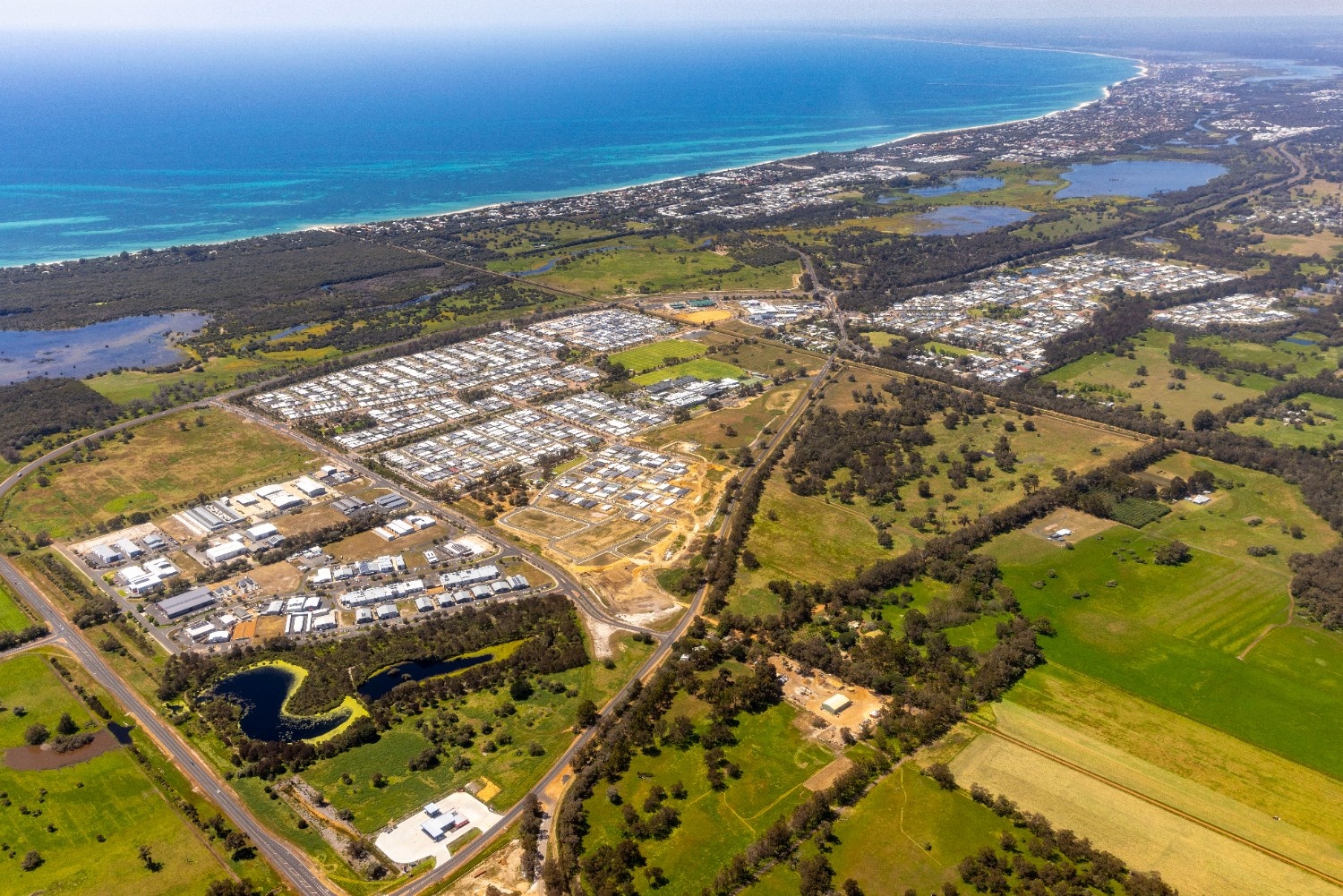
The new co-owners of Vasse Estate plan to build on momentum developed during the project’s 20-year history.
Business
Nithin Kamath says genuine hedging in options market is now harder due to heavy speculation

In a post on X, Kamath said serious hedgers typically rely on options contracts with maturities of 30 days or longer, but the market has increasingly shifted toward ultra-short-term contracts following the rise of weekly expiries.
According to data shared by Kamath, the open interest (OI) structure of Nifty index options has changed sharply over the past decade. In 2015, contracts expiring within 0-7 days accounted for about 18.8% of total index options open interest. Today, that share has surged to around 60.4%, reflecting a significant concentration of trading in near-term contracts.
At the same time, the share of 16-30 day contracts has dropped sharply from around 30% in 2015 to just about 12% now, indicating that longer-dated options, typically used for portfolio hedging, have lost liquidity.
Kamath said the shift has been even more dramatic when measured in terms of trading volumes. Total index options contracts traded per quarter have surged from about 564 million in 2015 to a peak of 34.9 billion in the third quarter of 2024, representing a roughly 62-fold increase.

However, he noted that the growth has been driven almost entirely by contracts with maturities of less than seven days, suggesting that the surge in activity reflects speculative trading rather than traditional risk management.
“The market has structurally shifted from hedging to speculation,” Kamath said in his post.While the surge in liquidity is positive for market participation, he warned that it has created an imbalance in the options market structure. Liquidity is now heavily concentrated in very short-dated contracts, while longer-tenor options, which institutional investors and portfolio managers use to hedge risks, have become relatively thin.
This imbalance becomes particularly visible during periods of elevated volatility, such as the current geopolitical tensions involving Iran, Israel and the United States.
Kamath said that during such episodes, investors looking to buy protection through longer-dated options often find it difficult to execute meaningful hedges because liquidity in those contracts has dried up.
“When volatility spikes, buying meaningful insurance is difficult precisely when people need it most,” he said.
He argued that a healthy derivatives market should offer liquidity across multiple time horizons, including 30-day, 60-day and 90-day contracts, rather than concentrating almost entirely on near-week expiries.
To address the imbalance, Kamath suggested that regulators and exchanges could consider pricing incentives to encourage longer-tenor options trading. Measures such as lower securities transaction tax (STT), reduced exchange charges and lower brokerage costs for options positions held beyond 30 days could help attract more activity to longer-dated contracts.
Business
Life sciences firm Reacta Healthcare investing in second facility on back of major export growth


The expansion has been driven by exports, which currently account for 100% of revenues.
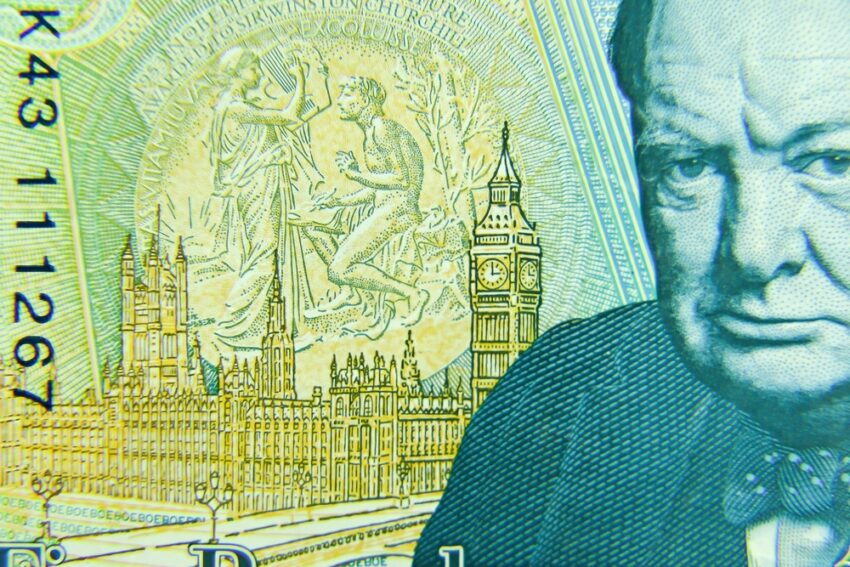
Sir Winston Churchill and other historic figures currently featured on British banknotes are set to be replaced by wildlife under plans announced by the Bank of England following a nationwide public consultation.
The central bank confirmed that future designs for £5, £10, £20 and £50 notes will focus on animals, birds and other aspects of the natural world, marking a significant departure from more than half a century of celebrating historical personalities on UK currency.
Figures who could eventually disappear from circulation include the wartime prime minister Winston Churchill, novelist Jane Austen, landscape painter JMW Turner, and mathematician and codebreaker Alan Turing.
While the historical portraits will gradually be phased out, the monarch will continue to appear on the reverse side of all British banknotes.
The shift follows a major public consultation conducted by the Bank of England to determine what theme should appear on the next generation of banknotes.
According to the bank, more than 44,000 people took part in the consultation, with around 60 per cent of respondents selecting nature and wildlife as their preferred theme for future notes.
Other themes considered included architecture and landmarks (56 per cent), historical figures (38 per cent), arts, culture and sport (30 per cent), innovation (23 per cent) and notable milestones (19 per cent).
Victoria Cleland, the Bank of England’s chief cashier, said the redesign was primarily driven by security considerations but also offered an opportunity to showcase British identity in a different way.
“The key driver for introducing a new banknote series is always to increase counterfeit resilience,” she said. “But it also provides an opportunity to celebrate different aspects of the UK. Nature is a great choice from a banknote authentication perspective and means we can showcase the UK’s rich and varied wildlife.”
The Bank of England said nature-themed imagery offers advantages in combating counterfeiting, as detailed illustrations of animals, birds and landscapes are harder to reproduce illegally.
Future notes will incorporate the latest anti-counterfeiting technology alongside complex visual designs, making them more secure than existing polymer banknotes.
The redesign process is expected to take several years, with the new series unlikely to enter circulation until the late 2020s after extensive testing, design development and manufacturing preparations.
An expert panel has been assembled to create a shortlist of wildlife species that could feature on the new banknotes before the final selection is put to a public vote.
The panel includes wildlife filmmakers and presenters Gordon Buchanan, Miranda Krestovnikoff and Nadeem Perera, alongside conservation specialists including Katy Bell of Ulster Wildlife and academics Steve Ormerod and Dawn Scott.
The group will identify animals and natural scenes that reflect the diversity of ecosystems across the UK’s four nations.
Perera said wildlife is deeply intertwined with British identity and culture.
“The wildlife of the UK is not separate from our culture, it sits in our football crests, our folklore, our coastlines and our childhoods,” he said. “Giving it space on something as symbolic as our currency feels both overdue and significant.”
Despite the changes to the reverse side of the notes, the monarch will continue to appear on the front of all Bank of England currency.
Royal portraits have featured on British coins for more than 1,000 years, while Queen Elizabeth II appeared on banknotes from the 1960s onwards.
The Bank confirmed that the new designs will maintain this longstanding tradition.
The Bank of England has previously faced criticism over the lack of diversity among the figures featured on its notes.
Since historical personalities were first introduced to banknotes in 1970, none have represented Black or ethnic minority figures.
The move toward nature-themed imagery avoids debates about which historical figures should be included and instead highlights national landscapes and wildlife.
Future designs may also incorporate plants, habitats and landscapes alongside animals to create more complex and distinctive visual themes.
The development of a new banknote series is a lengthy process involving design competitions, security testing and approval by the Bank of England’s leadership.
The shortlist of wildlife candidates is expected to be unveiled later this year, with final approval resting with Andrew Bailey, governor of the Bank of England.
Once the design process is complete, the notes will enter a testing and printing phase before being gradually introduced into circulation.
If approved, the next generation of British currency will represent a dramatic visual change, replacing some of the country’s most recognisable historical portraits with images of the natural world.

Jamie Young
Jamie is Senior Reporter at Business Matters, bringing over a decade of experience in UK SME business reporting.
Jamie holds a degree in Business Administration and regularly participates in industry conferences and workshops.
When not reporting on the latest business developments, Jamie is passionate about mentoring up-and-coming journalists and entrepreneurs to inspire the next generation of business leaders.

Jefferies reiterates Arhaus stock rating at Hold on competition concerns
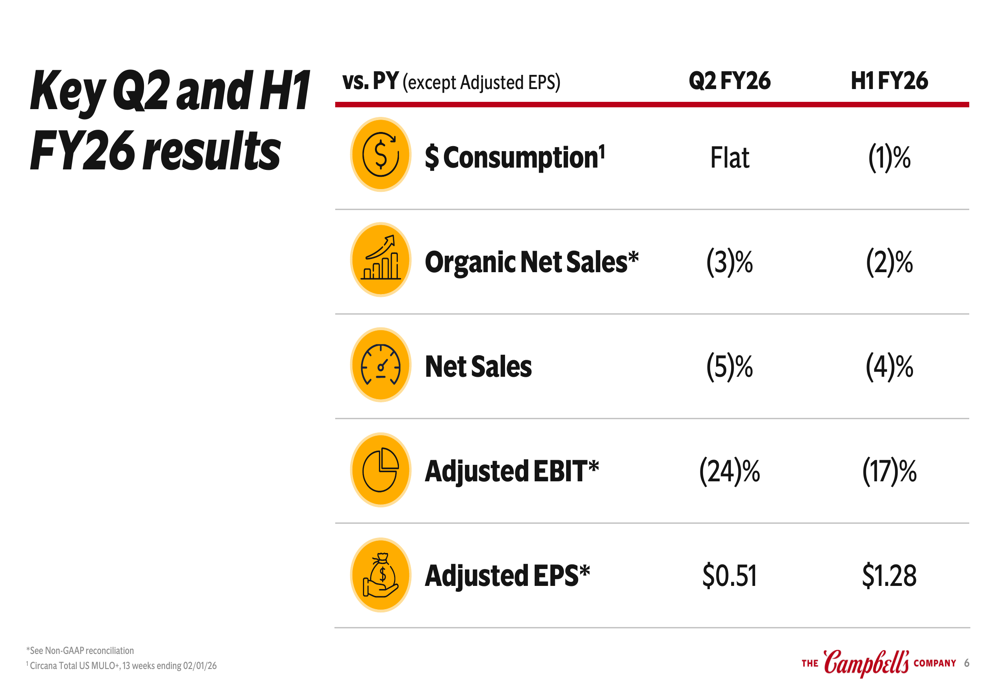
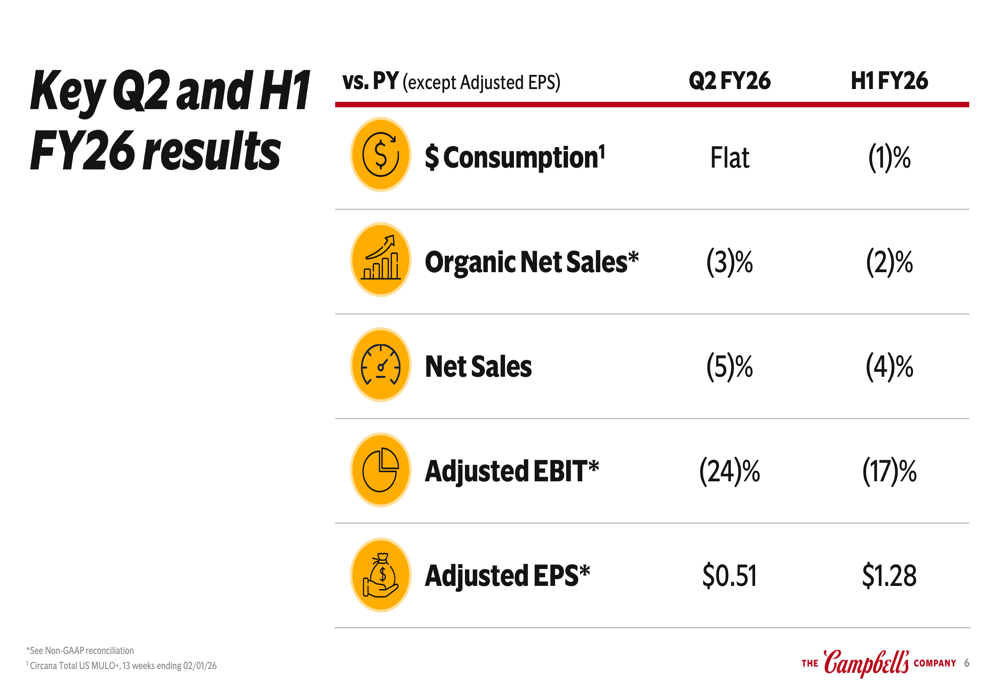
Campbell’s Q2 FY26 slides: Snacks weakness drives guidance cut
Former JP Morgan Chase chief economist Anthony Chan breaks down the run up in oil prices on ‘Varney & Co.’
This is a developing story about the February 2026 consumer price index. Please check back for updates.
Inflation remained elevated in February as the pace of consumer price growth stayed above the Federal Reserve’s target rate as policymakers weigh affordability concerns.
The Bureau of Labor Statistics on Wednesday said that the consumer price index (CPI) – a broad measure of how much everyday goods like gasoline, groceries and rent cost – rose 0.3% on a monthly basis in February and held steady at 2.4% on a year-over-year basis. The annual figure was unchanged from January, while the monthly gain was slightly higher than last month’s 0.2% reading.
Expectations vs. reality
Both figures were in line with the expectations of economists polled by LSEG.
So-called core prices, which exclude volatile measurements of gasoline and food to better assess price growth trends, were up 0.2% from the prior month and rose 2.5% from a year ago. Those figures were in line with economists’ expectations.
The monthly core CPI figure was slightly cooler than January’s 0.3% reading, while the annual figure was unchanged from last month.
FED OFFICIALS CLOSELY MONITOR IRAN CONFLICT FOR POTENTIAL INFLATION IMPACT
Economists have noted that inflation data from December 2025 through April 2026 will be affected due to data collection interruptions resulting from last fall’s 43-day government shutdown.
During the shutdown, the BLS wasn’t able to gather data and used a carry-forward methodology to make up for the lack of an October CPI report and missing data in November’s report. Economists say that going forward this is likely to impart a downward bias on inflation data until this spring, when fresh data will negate the discrepancy.
The cost of living breakdown
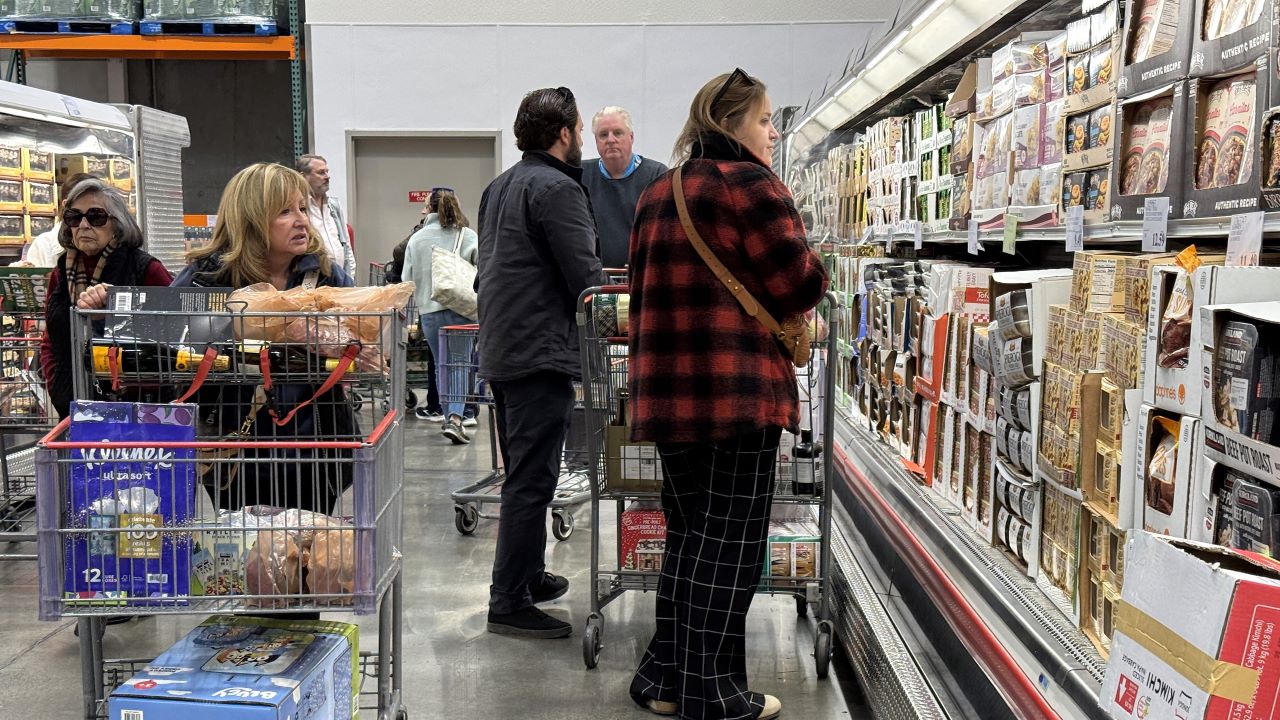
High inflation has created severe financial pressures in recent years for most U.S. households, which are forced to pay more for everyday necessities like food and rent. Price hikes are particularly difficult for lower-income Americans, because they tend to spend more of their already-stretched paychecks on necessities and have less flexibility to save.
Food prices increased 0.4% in February and were up 3.1% from a year ago. The food at home index was up 0.4% for the month and 2.4% from last year, while the food away from home index rose 0.3% on a monthly basis and is 3.9% higher than a year ago. Monthly price increases for each category rose from 0.2% in January.
HOW THE IRAN WAR COULD HIT AMERICANS’ GROCERY BILLS
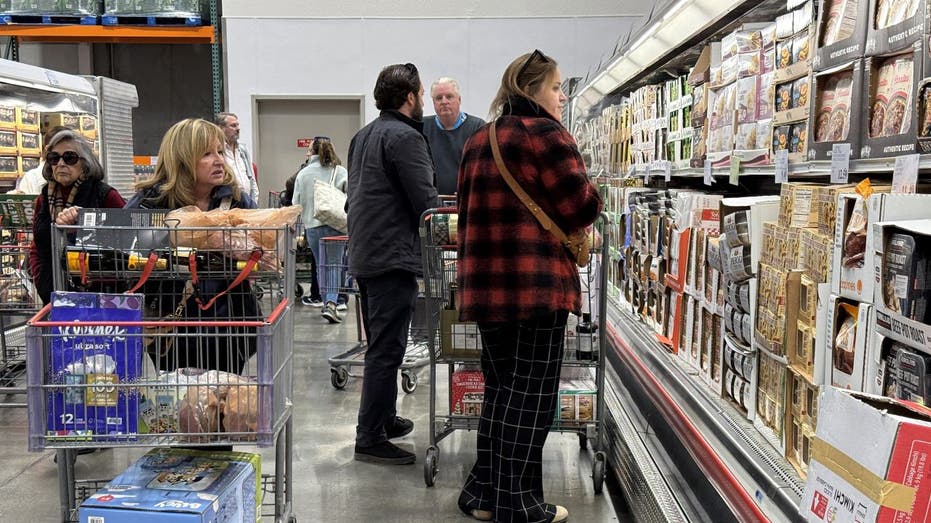
Inflation held steady in February, remaining elevated above the Fed’s target. (Justin Sullivan/Getty Images / Getty Images)
Meats, poultry and fish prices increased 0.2% in February and are up 6.8% from a year ago. Beef and veal prices jumped 1.5% for the month and are up 14.4% on an annual basis. Egg prices continued to decline following an avian flu outbreak that impacted supply, with prices down 3.8% for the month and 42.1% from a year ago. The fruits and vegetables index increased 1.4% in February and is 2.7% higher than a year ago.
Energy prices were up 0.6% in February but are up just 0.5% from last year. Gasoline prices increased 0.8% in February but were down 5.6% compared with the same month a year ago. Utility gas service prices rose 3.1% in February and are up 10.9% from a year ago. Electricity prices declined 0.7% in February and are 4.8% higher than a year ago.
Housing prices rose 0.2% in February and are up 3% from last year, as the BLS noted the shelter index was the largest factor in the overall monthly CPI increase. Tenants’ and household insurance prices were little changed and up just 0.1% in February, but have risen 6.2% in the last year.
OIL SPIKE FADES AS MARKETS REASSESS IRAN WAR SUPPLY RISKS
Transportation services prices were up 0.2% for the month and 2.2% in the last year. Motor vehicle maintenance and repair prices increased 0.9% in February and were up 5.6% from last year. Auto insurance prices declined 0.3% for the month and are up 0.2% over the past year. Airline fares rose 1.4% in February and have increased 7.1% from a year ago.
Medical care services rose 0.6% in February and are up 4.1% over the past 12 months. Prices for personal care services were up 0.3% on a monthly basis and 4.9% on an annual basis.
Household furnishings increased 0.2% for the month and 3.9% in the last year. Furniture and bedding prices were flat for the month but have risen 4.2% from a year ago. Prices for appliances rose 3.1% in February but are up 2.9% from a year ago.
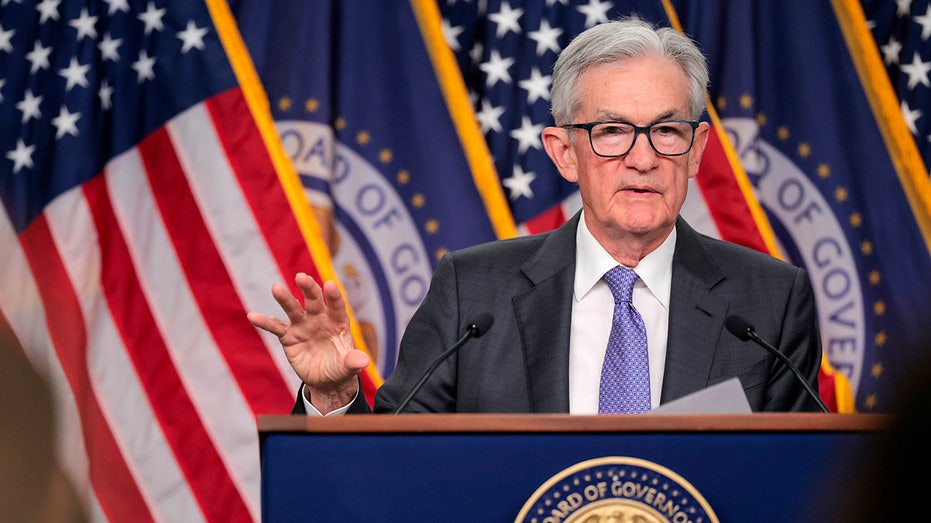
Federal Reserve Chair Jerome Powell and central bank policymakers are monitoring economic data as they weigh potential interest rate cuts. (Chip Somodevilla/Getty Images / Getty Images)
Expert analysis
“Before the war in Iran sent gas prices spiking, inflation was starting to look a bit better. February’s inflation reading of 2.4% is one of the lowest in the past five years, but it won’t stay that way with gas prices surging above $3.50 a gallon,” said Heather Long, chief economist at Navy Federal Credit Union.
“A steady inflation reading would probably be a welcome data point on any other day, but against the current backdrop of geopolitical uncertainty and surging oil prices, it may not carry as much weight in the markets – or with the Fed,” said Ellen Zentner, chief economic strategist for Morgan Stanley Wealth Management.
“Despite the prospect of releasing oil reserves, continued uncertainty translates into continued upside risk for oil prices, and that translates into a Fed that will remain cautious about cutting interest rates,” Zentner added.
What it means for the Fed
The Federal Reserve is set to hold its next monetary policy meeting next week on March 17-18, when it will announce its latest interest rate decision.
GET FOX BUSINESS ON THE GO BY CLICKING HERE
The market’s expectations that the Fed will leave the benchmark federal funds rate unchanged at its current range of 3.5% to 3.75% were reinforced by the February CPI inflation report.
The probability of the Fed holding rates steady rose to 99.3%, up from 98.3% a week ago and 93.6% last month, according to the CME FedWatch tool.

OPINION: Agriculture will need to adapt in the event of a fuel shock, as petrol prices surge amid the Middle East conflict.

Global oil markets showed signs of stabilizing after a sharp price spike triggered by the ongoing conflict involving Iran.
Prices briefly surged above $100 per barrel on Monday before falling back as concerns about major supply disruptions began to ease.
Before the fighting began, crude oil had been trading between $60 and $70 per barrel. Once the conflict escalated, prices quickly jumped, with crude futures rising to about $115 per barrel on Monday.
That level marked the highest price since the start of the Russian invasion of Ukraine, when energy markets experienced similar turmoil.
However, the spike did not last long. By Tuesday afternoon, crude prices had dropped again.
Global benchmark Brent crude fell roughly 8%, while US benchmark West Texas Intermediate crude oil declined nearly 9%, Fox Business reported.
The pullback suggested that traders were beginning to see the situation as less threatening to global oil supplies than initially feared.
Early reports had warned that oil prices could soar as high as $150 per barrel because of the potential supply shock.
But as the day progressed, markets reacted to signs that emergency plans and alternative supply routes could limit disruptions.
Market analyst Phil Flynn of Price Futures Group said the first reaction was driven by panic in the market.
“But I think as the day went on into the overnight, the market realized that maybe things aren’t that bad,” Flynn said, explaining that fears of widespread supply damage began to fade as more information emerged.
Oil prices have eased since topping $100 a barrel for the first time since 2022. But crude supply out of the Persian Gulf remains disrupted as the Iran war continues. Here’s what to know. https://t.co/HHumnPGo65
— Bloomberg (@business) March 10, 2026
Global Leaders Discuss Emergency Oil Measures
Global leaders also discussed ways to prevent a long-term oil shortage.
Officials from the Group of Seven and the International Energy Agency held talks about possibly releasing oil from emergency reserves if prices surged further.
For now, they said such a move was not needed, but they remain ready to act if the market becomes unstable.
Flynn noted that coordinated reserve releases could quickly cool prices if the situation worsens.
“We have the possibility of a coordinated release from the G7 and the IEA of oil reserves that could cool prices,” he said.
Another factor helping calm markets is the availability of alternate supply routes. According to LGM Corp, Saudi Arabia has expanded its east-to-west pipeline, which allows oil shipments to bypass the sensitive Strait of Hormuz.
The pipeline’s capacity has increased to about seven million barrels per day and could soon operate at full capacity.
Meanwhile, the US Energy Information Administration said higher oil prices could encourage producers to increase output in the coming years.
However, it noted that production changes take time because companies must first approve investments, deploy drilling rigs, and complete new wells.
Originally published on vcpost.com
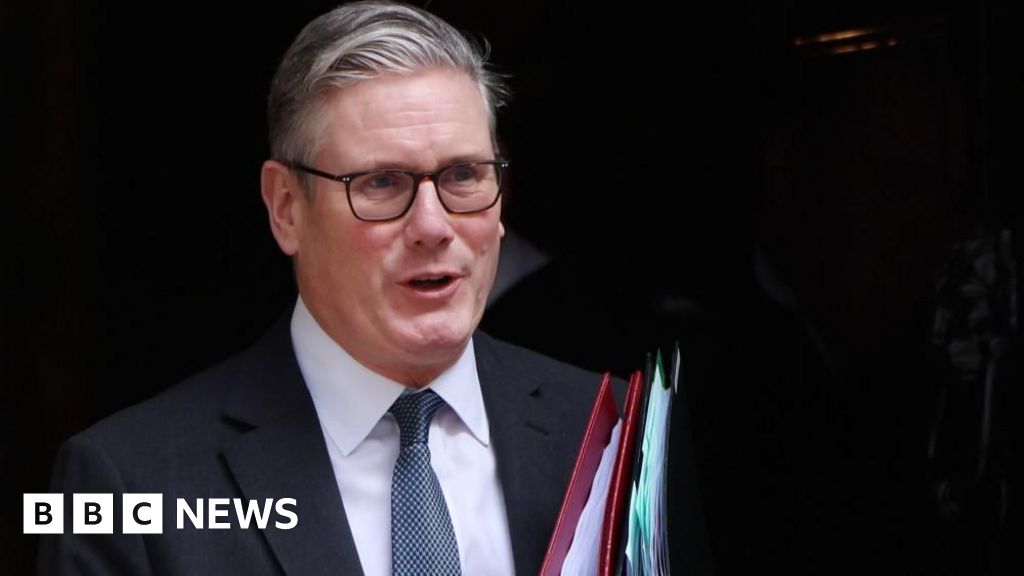
Fuel duty on petrol and diesel is due to rise from September, when a 5p cut is phased out.

Best dried flowers for gifts 2026, including Bloom & Wild and Lisa Angel

Amenity underpins Vasse demand

Gold Price Analysis: How Iran Conflict and Surging Oil Keep Precious Metal Above $5,000


-
Business5 days ago
Form 8K Entergy Mississippi LLC For: 6 March
-

 Tech6 days ago
Bitwarden adds support for passkey login on Windows 11
-

 News Videos2 days ago
10th Algebra | Financial Planning | Question Bank Solution | Board Exam 2026
-

 Fashion5 days ago
Weekend Open Thread: Ann Taylor
-

 Crypto World2 days ago
Paradigm, a16z, Winklevoss Capital, Balaji Srinivasan among investors in ZODL
-
 Tech8 hours ago
A 1,300-Pound NASA Spacecraft To Re-Enter Earth’s Atmosphere
-
 Sports6 days ago
499 runs and 34 sixes later, India beat England to enter T20 World Cup final | Cricket News
-

 Politics5 days ago
Top Mamdani aide takes progressive project to the UK
-

 Sports4 days ago
Three share 2-shot lead entering final round in Hong Kong
-

 Sports3 days ago
Braveheart Lakshya downs Lai in epic battle to enter All England Open final | Other Sports News
-

 Business23 hours ago
ExxonMobil seeks to move corporate registration from New Jersey to Texas
-

 Entertainment5 days ago
Hailey Bieber Poses For Sexy Selfies In New Luscious Lip Thirst Traps
-

 NewsBeat6 days ago
Piccadilly Circus just unveiled ‘London’s newest tourist attraction’ and it only costs 80p to enter
-

 Business3 days ago
Search for Nancy Guthrie Enters 37th Day as FBI Probes Wi-Fi Jammer Theory
-

 Business7 hours ago
Search Enters Sixth Week With New Leads in Tucson Abduction Case
-
 NewsBeat2 days ago
Pagazzi Lighting enters administration as 70 jobs lost and 11 stores close across Scotland
-

 Tech2 days ago
Despite challenges, Ireland sixth in EU for board gender diversity
-
Entertainment7 days ago
Harry Styles Has ‘Struggled’ to Discuss Liam Payne’s Death
-

 Crypto World7 days ago
New Crypto Mutuum Finance (MUTM) Reports V1 Protocol Progress as Roadmap Enters Phase 3
-

 Tech6 days ago
ACIP To Discuss COVID ‘Vaccine Injuries’ Next Month, Despite That Not Being In Its Purview