Business
Futures Waver After Monday Rally as Iran Talks Optimism Fades Amid Ongoing Conflict

Nasdaq futures pointed to a mixed open Tuesday, March 24, 2026, after the tech-heavy index posted a solid 1.38% gain the previous session on hopes of de-escalation in the U.S.-Iran conflict that briefly sent oil prices tumbling and lifted investor sentiment across Wall Street.
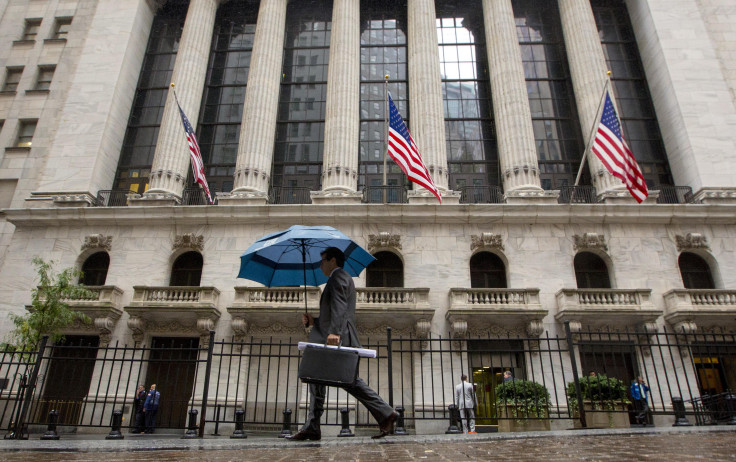

E-mini Nasdaq-100 futures traded little changed to slightly lower in early premarket action, fluctuating near flat after Monday’s relief rally. The Nasdaq Composite closed Monday at 21,946.76, up 299.15 points, or 1.38%, following President Donald Trump’s announcement of “very good and productive” talks with Iran and a decision to postpone strikes on Iranian energy infrastructure for five days.
The move reversed earlier losses tied to soaring oil prices and fears that prolonged Middle East tensions could derail economic growth and keep inflation elevated. The S&P 500 rose 1.15% to 6,581.00, while the Dow Jones Industrial Average surged 631 points, or 1.38%, to 46,208.47. Gains were broad-based, with technology, consumer discretionary and communication services sectors leading the advance as risk appetite returned.
Optimism proved short-lived, however. Iranian state media pushed back on Trump’s claims, stating no direct negotiations had taken place, while reports emerged that some U.S. allies in the Persian Gulf were considering joining operations against Tehran. Oil prices, which dropped sharply Monday, rebounded modestly early Tuesday, adding pressure on rate-sensitive growth stocks that dominate the Nasdaq.
The tech-heavy benchmark has been particularly sensitive to geopolitical developments and energy costs. Higher oil prices raise input expenses for companies and threaten to push inflation higher, reducing expectations for Federal Reserve rate cuts. Interest rate futures now price in virtually no easing before mid-2027, according to the CME FedWatch Tool, a shift that weighs on high-valuation tech names.
Monday’s session marked a sharp reversal from recent volatility. Before Trump’s Truth Social post, futures had pointed to another down day amid the ongoing conflict that has driven West Texas Intermediate crude well above pre-crisis levels. Once the news hit, Dow futures briefly spiked more than 1,100 points, while Nasdaq contracts surged as much as 2.5% in early trading.
Analysts described the market reaction as classic headline-driven trading. “Any signal of diplomatic progress provides immediate relief, especially after weeks of oil-driven selling pressure,” said one strategist at a major Wall Street firm who declined to be named because of firm policy. “But when those signals are contradicted, the rally can fade quickly.”
Technology giants helped power Monday’s gains. Nvidia, Amazon, Meta Platforms and other heavyweights in the Nasdaq-100 rose between 2% and 4% as investors rotated back into growth stocks. The Nasdaq-100 itself climbed about 1.22% to close near 24,188.59.
Broader context shows the Nasdaq has been range-bound in 2026, trading well below its record highs from late 2025. Persistent inflation concerns linked to energy shocks have kept the Federal Reserve on hold longer than many anticipated at the start of the year. The index remains vulnerable to swings in oil and bond yields.
Treasury yields edged higher early Tuesday as traders weighed the balance between growth risks and sticky inflation. The 10-year note yield hovered near recent levels, adding modest pressure on rate-sensitive sectors.
Corporate earnings season continues this week, with several major technology and industrial companies scheduled to report. Results will be scrutinized for resilience amid higher costs and any signs of softening demand tied to geopolitical uncertainty.
The partial federal government shutdown, now entering its sixth week, has added another layer of background noise but has so far had limited direct impact on equity markets compared with the Middle East situation. TSA staffing issues at major airports have drawn attention, yet broader fiscal concerns remain secondary for most investors.
International markets showed mixed performance overnight. European stocks were little changed as traders digested the same headlines. Asian markets closed mostly lower, reflecting caution over global growth prospects if the conflict persists.
For individual investors, the current environment calls for caution amid rapid headline shifts. Portfolio managers recommend maintaining diversification and keeping dry powder to capitalize on volatility. Sectors with exposure to energy or defense have benefited in recent weeks, while pure growth and consumer names have faced pressure when oil spikes.
Retail trading activity has surged during the swings, with many using futures and options to bet on short-term outcomes. Professionals caution against overreacting to single-day moves driven by unconfirmed diplomatic reports.
Looking ahead, the path for the Nasdaq will likely depend on three factors: any fresh developments on U.S.-Iran talks, the trajectory of oil prices, and incoming economic data. Housing figures and consumer confidence readings are due this week, though geopolitical news is expected to dominate.
If diplomatic efforts gain traction and oil moderates, the Nasdaq could extend Monday’s rebound, potentially testing resistance near 22,500. Conversely, renewed escalation or supply disruptions could push the index back toward recent lows around 21,500.
Wall Street opens at 9:30 a.m. Eastern. Early price action will offer clues on whether Monday’s gains can hold or if profit-taking will dominate as skepticism returns.
The Nasdaq’s performance Monday highlighted its role as a barometer for risk sentiment. Heavily weighted toward technology and growth, the index often amplifies both positive and negative macro shocks. Its 1.38% gain erased some recent losses but left it down for the month amid ongoing uncertainty.
Analysts note that while the relief rally was welcome, underlying concerns persist. Higher-for-longer interest rates, combined with elevated energy costs, continue to challenge valuations in the tech sector, where price-to-earnings multiples remain elevated compared with other parts of the market.
As trading begins Tuesday, investors will monitor any new comments from Washington or Tehran that could swing sentiment rapidly. Additional clarity on the scope and timing of potential talks will be key.
In the meantime, Nasdaq futures today signal a cautious tone following the previous session’s volatility. The coming hours and days will test whether the de-escalation hopes can translate into sustained momentum or if geopolitical risks will keep markets on edge.
The tech-heavy index, long a favorite of growth investors, continues to navigate one of its more challenging periods in recent memory, with external shocks testing its resilience.
You must be logged in to post a comment Login