Connect with us
DAPA Banner
DAPA Coin
DAPA
COIN PAYMENT ASSET
PRIVACY · BLOCKDAG · HOMOMORPHIC ENCRYPTION · RUST
ElGamal Encrypted MINE DAPA
🚫 GENESIS SOLD OUT
DAPAPAY COMING

Business

GameStop Shares Dip Modestly as Retailer Navigates Post-Meme Era Challenges

Published

on

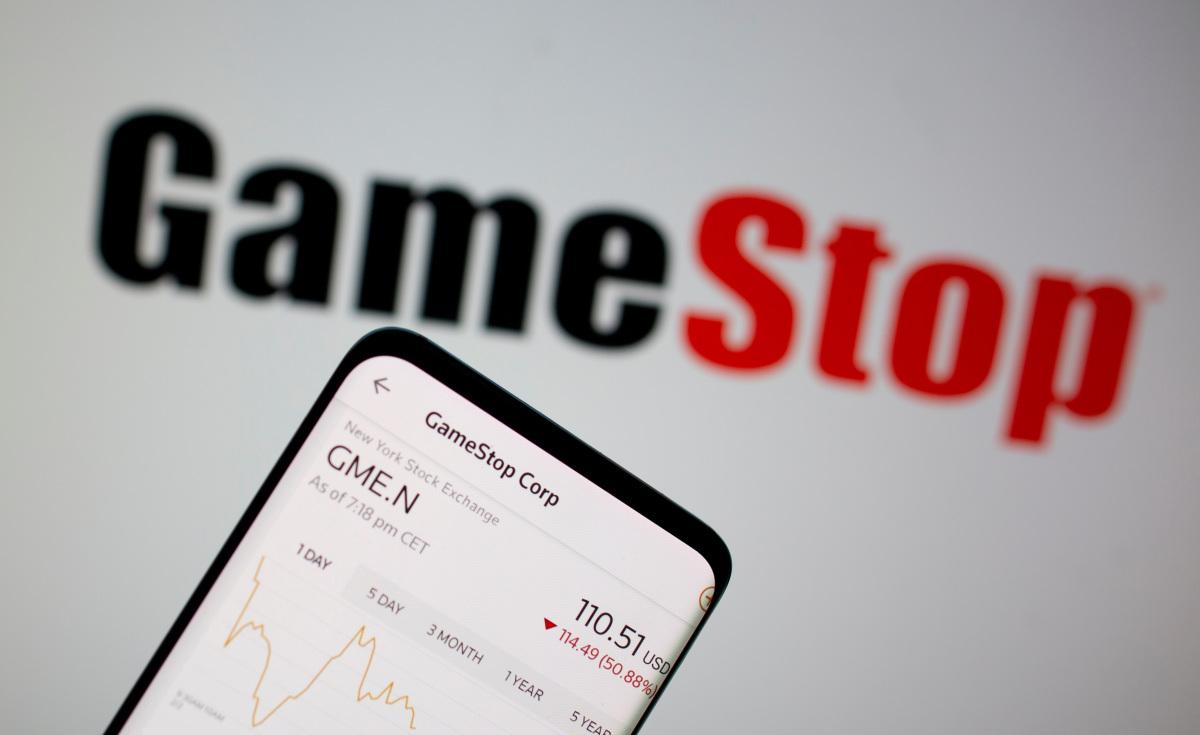
GameStop stock graph is seen in front of the company's logo

GameStop Corp. shares traded lower Tuesday, reflecting ongoing volatility for the video game retailer as it continues its evolution from brick-and-mortar mainstay to a more diversified player in a rapidly changing industry.

The stock fell about 1.34%, or 31 cents, to $22.42 in morning trading. The modest decline came amid broader market fluctuations and as investors monitored the company’s strategic initiatives following years of intense public attention tied to its meme stock status.

GameStop has been working to transform its business model amid declining physical game sales and the rise of digital downloads. Under leadership including Chairman Ryan Cohen, the company has explored e-commerce enhancements, potential acquisitions and cost-cutting measures to improve profitability. Recent reports indicate active pursuit of larger opportunities, including interest in platforms like eBay, as it seeks to leverage its brand and customer base.

The retailer still operates hundreds of stores across North America and Europe, serving enthusiasts with new and used games, consoles, accessories and collectibles. However, industry shifts toward cloud gaming, subscription services and direct-to-consumer models have pressured traditional retail footprints. GameStop has responded by closing underperforming locations, investing in online capabilities and expanding into areas like PC gaming and esports merchandise.

Advertisement

Financial results in recent quarters have shown mixed progress. While revenue has faced headwinds from reduced hardware cycles, efforts to stabilize margins through inventory management and private-label initiatives have yielded some positive results. The company maintains a sizable cash position, providing flexibility for strategic moves but also inviting scrutiny over capital allocation.

GameStop’s journey captivated markets in 2021 when retail investors on platforms like Reddit drove a massive short squeeze, sending shares from under $20 to nearly $500 at peaks. That episode highlighted the power of coordinated online communities and reshaped conversations around market mechanics, short selling and retail participation. Though the frenzy subsided, the stock has remained more volatile than peers, occasionally spiking on news or social media sentiment.

Analysts continue to debate the company’s valuation and prospects. Some see potential in a loyal customer base and opportunities in gaming-adjacent businesses, while others cite structural challenges in physical retail and question the sustainability of non-core ventures. The stock’s price-to-sales multiple reflects expectations of successful pivots, but execution remains key.

Chairman Ryan Cohen, who rose to prominence through his involvement with Chewy and subsequent stake in GameStop, has influenced direction toward technology and efficiency. His vision emphasizes customer experience, digital transformation and prudent financial management. Recent governance changes and adjusted financial targets underscore efforts to professionalize operations.

Advertisement

The broader video game industry faces its own dynamics. Major publishers like Microsoft, Sony and Nintendo navigate console cycles, while mobile and PC gaming expand. GameStop’s partnerships with these players remain important, but competition from Amazon, Best Buy and direct digital storefronts intensifies.

For investors, GameStop represents a high-risk, high-reward proposition tied to meme culture and turnaround potential. Short interest, though lower than 2021 peaks, persists as some bet against full recovery while others anticipate catalysts from new initiatives. Trading volume often surges with news, reflecting its dedicated following.

The company has explored diversification beyond gaming retail. Speculation around technology investments, e-commerce platforms or even entertainment ventures has surfaced periodically. Any major acquisition could significantly alter its trajectory and market perception.

GameStop’s balance sheet strength provides a buffer. With substantial cash reserves and minimal debt in recent periods, it has avoided the distress faced by some traditional retailers. However, prolonged unprofitability could erode that advantage if strategic bets fail to generate returns.

Advertisement

Community sentiment on social media remains a factor. The “ape” investor movement that fueled earlier rallies still monitors developments closely, though influence has waned compared to 2021. Management has focused on fundamentals over short-term hype.

Looking ahead, the holiday season and new console releases could provide tailwinds for core sales. Back-to-school periods and major game launches typically boost traffic. Success in online fulfillment and loyalty programs will be critical for competing in omnichannel retail.

GameStop’s history dates to its founding in 1984 as a small software retailer. It grew into a category leader through acquisitions and mall-based expansion. The shift to digital disrupted that model, prompting multiple turnaround attempts over the past decade.

Current leadership emphasizes agility. Store associates receive training for enhanced customer service, while technology investments target better inventory visibility and personalized marketing. The company has also ventured into collectibles and merchandise, capitalizing on pop culture trends.

Advertisement

Regulatory and market structure issues stemming from 2021 continue influencing broader discussions. GameStop’s experience highlighted settlement cycles, payment for order flow and short-sale transparency, prompting some regulatory reviews though major overhauls remain pending.

For employees and franchisees, the company’s path forward carries direct implications. Store rationalization has reduced the workforce, but investments in remaining locations aim to create more sustainable operations. Community events and in-store experiences help differentiate from pure online competitors.

Analysts’ price targets vary widely, reflecting uncertainty. Bullish cases cite undervaluation and optionality from cash reserves and brand strength. Bearish views point to secular decline in physical media and execution risks in new ventures.

Tuesday’s trading fit a pattern of relatively contained moves amid low immediate catalysts. With earnings not imminent, focus remains on operational updates and industry trends. Any news on acquisitions or partnerships could quickly shift momentum.

Advertisement

GameStop’s market capitalization hovers around $10 billion, making it a mid-cap name with outsized attention. Its inclusion in certain indices and ETFs ensures steady institutional interest alongside retail flows.

As the gaming industry evolves toward immersive experiences, metaverses and cross-platform play, GameStop must position itself as more than a product seller. Potential roles in events, content creation or technology services could open new revenue streams.

The company’s story resonates beyond finance. It symbolizes retail disruption, investor empowerment and adaptation challenges in legacy businesses. For many, GameStop evokes memories of discovering games in physical stores, a cultural touchpoint undergoing digital reinvention.

Investors will watch for signs of strategic clarity. Successful navigation could reward patient shareholders, while missteps might pressure the stock further in a competitive landscape.

Advertisement

In the near term, modest movements like Tuesday’s reflect digestion after earlier volatility. Broader market sentiment toward consumer discretionary stocks also influences performance amid economic data and consumer spending trends.

GameStop’s legacy includes pioneering loyalty programs and trade-in models that shaped industry practices. Preserving customer relationships while modernizing remains central to its strategy.

As shares traded around $22, the market weighed transformation potential against retail headwinds. The coming months may bring clarity through operational results and any transformative announcements.

Advertisement
Continue Reading
Click to comment

You must be logged in to post a comment Login

Leave a Reply

Business

Billionaire Jeremy Grantham says SpaceX IPO is the ‘craziest’ in market history

Published

on

Billionaire Jeremy Grantham says SpaceX IPO is the 'craziest' in market history

SpaceX has been fast-tracked into the Nasdaq-100 Index, meaning the stock performance of Elon Musk’s rocket company is now directly tied to the retirement accounts, mutual funds and portfolios of millions of everyday American investors.

But self-proclaimed market “permabear” and GMO co-founder Jeremy Grantham is heavily skeptical of the company’s valuation and long-term investment thesis.

Advertisement

“Everyone’s lining up to tell you to buy the craziest IPO in the history of man,” Grantham told Morningstar’s “The Long View” podcast. “In 50 years, they’ll be telling and writing stories about SpaceX, and they’ll be quoting you paragraphs from the prospectus, and you will be laughing at it.”

D.O.G.E. WEBSITE DEACTIVATES AFTER REACHING SELF-TERMINATION DEADLINE: ‘COME TO AN END’

“In the end, the reality will come out, and this will turn out to be, of course, one of the landmark historical events that I so value in history looking back,” Grantham continued. “It will be amazing, by the way, if it doesn’t collapse, because it will need such massive developments on AI that our entire lives are totally different.”

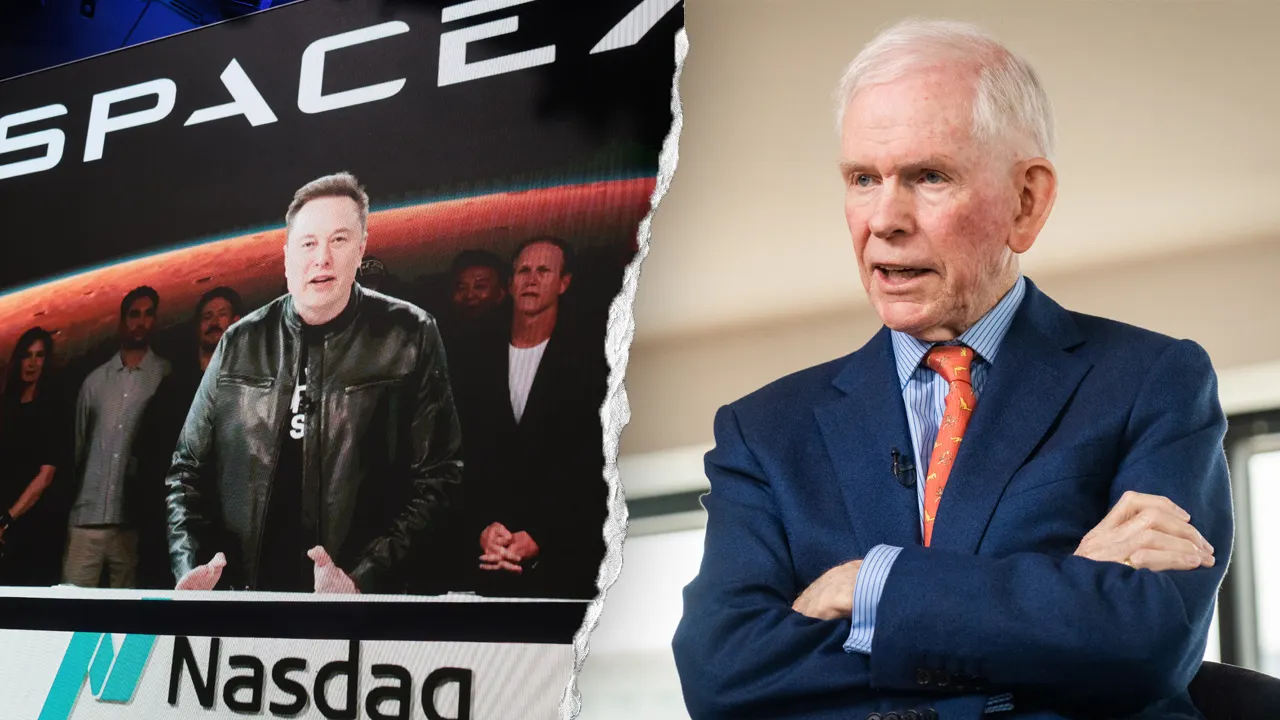
SpaceX IPO event and Jeremy Grantham

GMO founder Jeremy Grantham warns that investors “will be laughing at” SpaceX’s stock valuation in the future. (Getty Images)

SpaceX made its IPO debut on June 12, and began trading at $150 a share, above its listing price of $135 a share. As of midday Wednesday, the stock hovered around $149 per share and was down nearly 7% month-to-date.

Advertisement

Goldman Sachs, JPMorgan and Morgan Stanley have posted bullish forecasts for SpaceX’s valuation, Fortune reported, with price targets ranging from $205 to $300 per share.

Grantham also criticized Wall Street’s advice for clients to buy SpaceX, adding that even if the market ultimately validates the elevated share price, society will become a “strange one” where “we’ll be lucky not to be bossed around by our automaton friends.”

SpaceX’s quick addition to the Nasdaq-100 Index has affected its stock performance, with Grantham also saying, “What that means is there’ll be a lot of people who have to buy it for any index that is Nasdaq-y. So there’ll be much more demand than there are sellers.”

Advertisement

“So supply and demand being what it is, it’s hard to imagine the price won’t go up, and perhaps it will go up a lot,” Grantham said.

SpaceX’s IPO raised $75 billion and was the largest IPO in history, surpassing Saudi Aramco’s $29 billion IPO in 2019.

GET FOX BUSINESS ON THE GO BY CLICKING HERE

The IPO cemented Musk’s status as the world’s richest person, pushing the value of his holdings toward $1 trillion, a milestone no individual has previously reached.

Founded by Musk in 2002, SpaceX has grown into the world’s largest space company and a dominant force in commercial launch services. The company pioneered reusable rocket technology, helping lower launch costs and reshape the economics of the space industry. It has also become a key contractor for NASA and the U.S. government through civil and national security missions.

READ MORE FROM FOX BUSINESS

FOX Business’ Eric Revell and Bradford Betz contributed to this report.

Advertisement
Continue Reading

Business

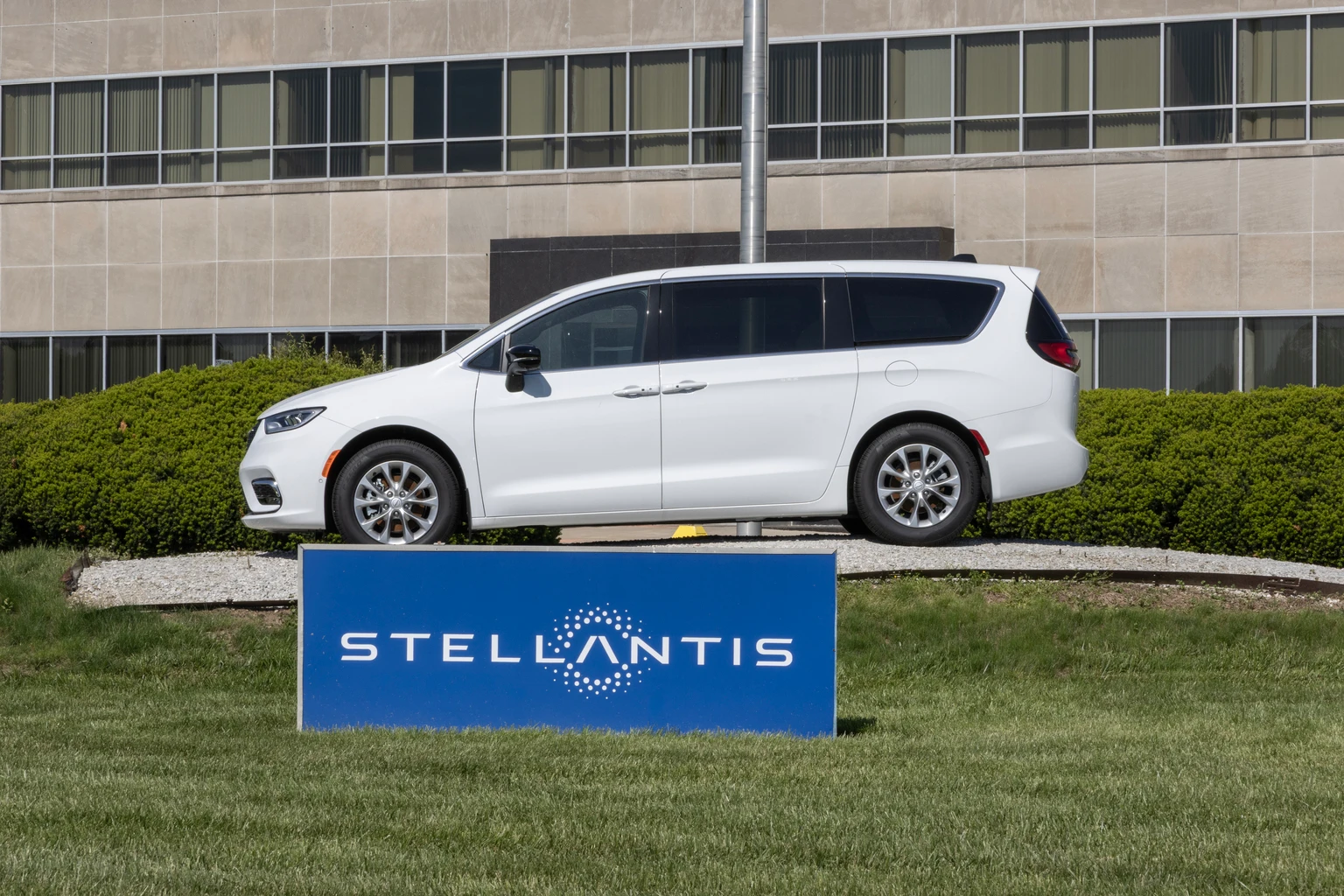
Stellantis Vehicle Sales Reflect A Glimmer Within A Dark Picture (NYSE:STLA)

Published

on

Stellantis Vehicle Sales Reflect A Glimmer Within A Dark Picture (NYSE:STLA)

This article was written by

I am a journalist based in Detroit, having spent almost my entire career writing about business and economic subjects for The Wall Street Journal, New York Times, Detroit Free Press and Bloomberg. I’m the author of two books and am an acknowledged expert on the world automotive industry.

Analyst’s Disclosure: I/we have a beneficial long position in the shares of TSLA either through stock ownership, options, or other derivatives. I wrote this article myself, and it expresses my own opinions. I am not receiving compensation for it (other than from Seeking Alpha). I have no business relationship with any company whose stock is mentioned in this article.

Seeking Alpha’s Disclosure: Past performance is no guarantee of future results. No recommendation or advice is being given as to whether any investment is suitable for a particular investor. Any views or opinions expressed above may not reflect those of Seeking Alpha as a whole. Seeking Alpha is not a licensed securities dealer, broker or US investment adviser or investment bank. Our analysts are third party authors that include both professional investors and individual investors who may not be licensed or certified by any institute or regulatory body.

Advertisement
Continue Reading

Business

The challenge of changing colors

Published

on

The challenge of changing colors

FDA approves blue and red colors, while plans call for more fruit and vegetable acreage.

Continue Reading

Business

Top MLB Injuries Impacting 2026 Season as Key Stars Navigate Recovery Timelines

Published

on

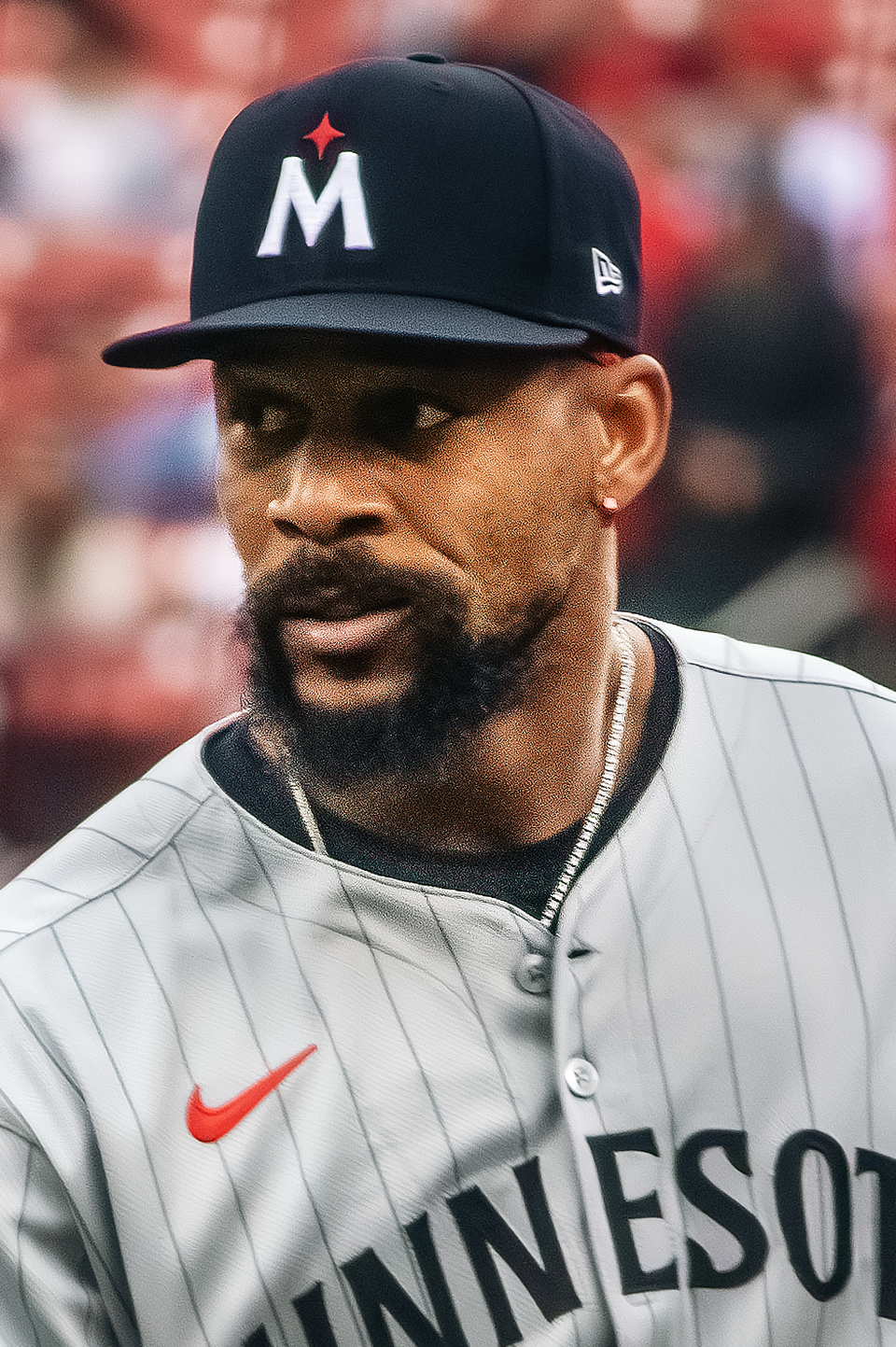
Byron Buxton

Major League Baseball teams are grappling with a wave of significant injuries heading into the midpoint of the 2026 season, with star players from contending clubs sidelined by elbow, shoulder, hip and hamstring issues that are reshaping rosters and playoff outlooks. From reigning MVPs to promising rookies, the injury list is testing depth across multiple organizations as clubs balance short-term needs with long-term health concerns.

Here are five of the most notable injury situations currently affecting MLB clubs, based on the latest updates from teams and medical evaluations:

Byron Buxton, Minnesota Twins (Hip Impingement): The dynamic center fielder aggravated a lingering right hip issue during a steal attempt, forcing him out of multiple games. Buxton’s speed and power have been central to the Twins’ lineup, but recurring lower-body problems continue to limit his availability. He remains day-to-day with hopes of returning soon, though the All-Star break could provide additional recovery time.

Brandon Woodruff, Milwaukee Brewers (Shoulder Inflammation): The veteran right-hander landed on the 15-day injured list with right shoulder inflammation after making several appearances following an earlier absence. Woodruff’s return had been a boost for Milwaukee’s rotation, but this setback highlights the careful management required for pitchers with injury histories. He is expected to miss several weeks, impacting the Brewers’ postseason push.

Advertisement

Connelly Early, Boston Red Sox (Elbow Inflammation): The promising rookie starter exited a recent outing with left elbow discomfort and was placed on the 15-day injured list. Early had been a bright spot in Boston’s rotation before the issue arose. Further evaluation is underway, with inflammation cited as the primary concern rather than a structural problem. His absence tests the Red Sox’s depth in a competitive American League East.

Mike Trout, Los Angeles Angels (Hamstring Strain): The future Hall of Famer has been sidelined since mid-June with a right hamstring strain. Trout reported progress in running bases and hopes to return this week, though the Angels are proceeding cautiously with their franchise cornerstone. His presence in the lineup remains vital for a club looking to build momentum.

Ryan Helsley, Baltimore Orioles (Elbow Discomfort): The closer experienced renewed right elbow issues after a brief return from an earlier stint on the injured list. Helsley was placed back on the 15-day IL, with further testing planned. His absence forces the Orioles to lean on other relievers for high-leverage situations in a tight division race.

These injuries reflect broader trends across MLB, where elbow and shoulder problems continue to plague pitchers while position players battle lower-body strains from the demands of a long season. Teams are increasingly relying on advanced medical protocols, rest and rehabilitation to manage workloads.

Advertisement

Clubs like the Los Angeles Dodgers and New York Yankees have also dealt with their share of absences, testing roster flexibility. The Dodgers have managed without key contributors at times, while the Yankees navigate a crowded injured list that includes several high-profile names. Depth and internal options have become critical as the trade deadline approaches.

Injuries have ripple effects beyond individual players. Rotations are shortened, bullpens are taxed, and lineups lose production, often forcing managers to get creative with platoons and call-ups from the minors. For rebuilding teams, these setbacks can accelerate timelines for prospect evaluation, while contenders must weigh short-term losses against long-term health.

Medical experts note that modern training methods and pitch-count management have helped reduce some risks, but the physical toll of 162 games plus postseason play remains significant. Hamstring and oblique strains are common among hitters due to explosive movements, while pitchers face cumulative stress on elbows and shoulders from high-velocity throwing.

Fan interest often spikes around injury news, particularly when superstars like Trout or dynamic players like Buxton are affected. Social media buzz and fantasy implications add layers to the conversation as teams provide daily updates. Transparency from clubs helps manage expectations, though timelines can shift based on individual healing.

Advertisement

The All-Star break offers a natural pause for many recovering players, with some using the time for final rehabilitation steps before the second half. Teams are monitoring progress closely, hoping key contributors can return strengthened rather than rushing back prematurely.

Front offices are also evaluating trade deadline strategies in light of injury situations. Acquiring depth or proven talent can offset absences, but salary considerations and prospect capital play major roles. Contenders may prioritize immediate help, while others focus on future assets.

Overall, 2026 has seen a typical distribution of injuries, with no single catastrophic event dominating headlines but a steady stream of absences challenging even the deepest organizations. As the season progresses toward October, health management could prove decisive in determining playoff participants and ultimate champions.

Players currently sidelined are working diligently in rehabilitation programs, supported by team medical staffs and specialized trainers. Their returns are eagerly anticipated by teammates and fans alike, as baseball thrives on the presence of its biggest stars. The coming weeks will reveal how effectively clubs adapt and whether injured players can help reshape their teams’ fortunes.

Advertisement
Continue Reading

Business

Major housing site could be marketed for business use

Published

on

Business Live

Land was earmarked for 1,200 homes but could instead see mixed-use development

The site on Stonebridge Lane, Stonebridge Cross, Croxteth, Liverpool, where a new Amazon warehouse could be built

The site on Stonebridge Lane, Stonebridge Cross, Croxteth

A huge area of land off the East Lancashire Road once earmarked for 1,000 new homes could now find itself offering around a fifth of those properties in a new employment-led scheme. Since 2014, Liverpool Council has owned Stonebridge Cross in Croxteth after acquiring it from Homes England.

Advertisement

In March 2021, plans were agreed to move a development plan forward with a view to building 1,200 homes on the site. A year later there were hopes an outline planning application could be submitted.

Now, four years on, the city council is preparing to take the site to market for a mixed-use development, with just 220 homes. It is thought this would take the form of a 70-30 split towards employment uses.

The 55-acre site is located on the East Lancashire Road (A580), one of the main thoroughfares into Liverpool. It was also one of two sites considered by Everton Football Club for its new stadium before settling on Bramley Moore Dock.

There had been hopes back in 2020 that work on the site to deliver new homes could have started within 12 to 18 months. Cabinet documents describe the site as “one of the city’s largest remaining development opportunities and is well placed to support new employment space, housing and wider regeneration benefits.”

Advertisement

Regarding the shift from a major housing development towards employment use, officials said the evidence base had changed since an assessment five years ago. In the report, which will go before councillors for a decision next Tuesday, it was said market testing and employment land evidence indicate “strong demand” for employment floorspace.

It added how an employment-led scheme would “allow the majority of the site to support modern employment development while enabling a residential element, indicatively around 220 homes, where this supports a comprehensive and well-designed scheme.” The site’s location, with access to the port, city centre and motorway network, makes it suitable for modern industrial, logistics and manufacturing uses.

The documents said: “The housing should provide an appropriate mix of tenures and property types, supporting both the diversification of the local housing market as well as delivering a substantial element of social and affordable housing to relieve affordability challenges in the city.”

The move away from a sole housing scheme is described as “more realistic and deliverable than seeking a single specialist use and gives the council the best opportunity to attract credible occupiers and deliver jobs for the local area.” Subject to cabinet approval, a specialist marketing agent will be appointed to promote the site and secure developer interest.

Advertisement

The council’s preferred approach is for an overall comprehensive approach to the site, however, it may accept bids from a singular offer based on the 70/30 split towards employment and housing.

To find all the planning applications, traffic diversions, road layout changes, alcohol licence applications and more in your community, visit the Public Notices Portal.

Continue Reading

Business

Palm Valley Capital Fund Q2 2026 Portfolio Activity

Published

on

Why I Still Don't Use A 60-40 Amid 5% Treasury Bond Yield

Palm Valley Capital Fund Q2 2026 Portfolio Activity

Continue Reading

Business

Ubisoft: Buying The Crown Jewels Below Zero

Published

on

Ubisoft: Buying The Crown Jewels Below Zero

Ubisoft: Buying The Crown Jewels Below Zero

Continue Reading

Business

Online marketplaces still selling dozens of unsafe baby products, Which? finds

Published

on

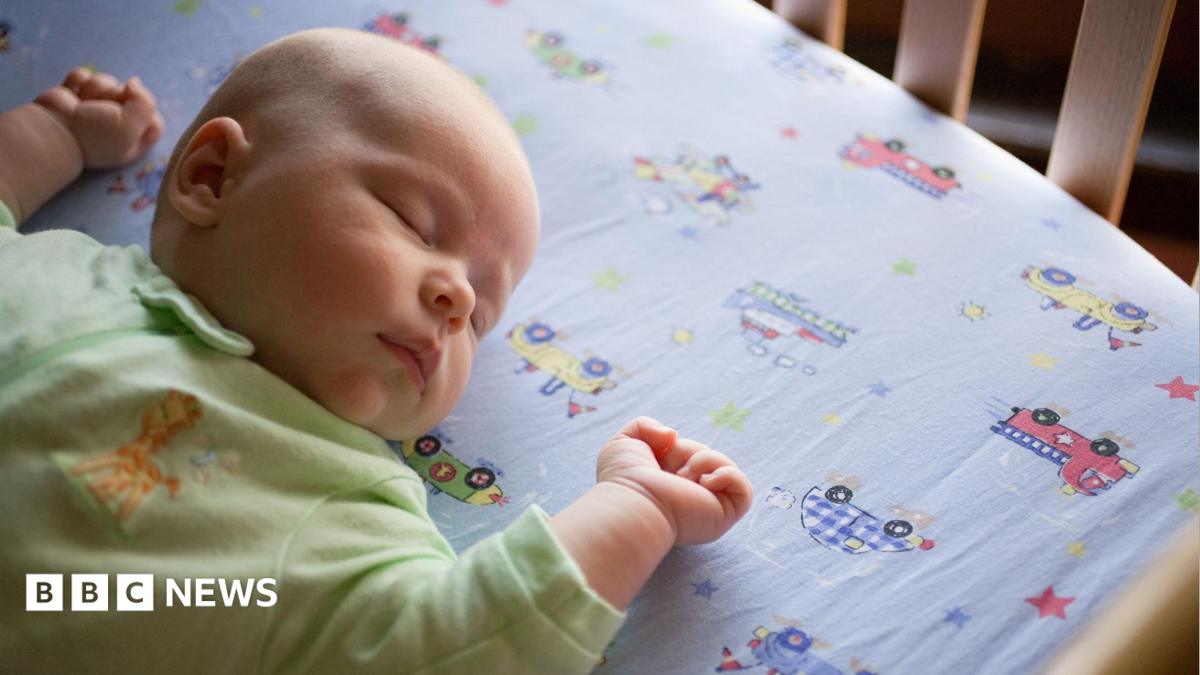
An overhead shot of a sleeping baby wearing a green onesie lying on a bedsheet with cars and trucks.

Potentially dangerous baby products – including self-feeding devices, pillows and sleeping bags – are still being sold on online marketplaces in the UK, according to Which?.

The consumer group found 150 such products listed for sale by third parties on sites like Amazon, eBay and TikTok – despite having been subject to official safety warnings and product recalls.

Sue Davies, the head of consumer protection policy at Which?, said the investigation had shown “how easy it is to find these unsafe products” and urged the government to make marketplaces liable for the safety of items sold on their sites.

Most of the companies concerned said they have removed some of the products Which? had flagged.

Advertisement

The investigation looked at three types of products – sleeping bags, self-feeders and sleep pillows – that have been the subject of warnings from the Office for Product Safety and Standards (OPSS).

It found unsafe products were listed on eight online marketplaces – Alibaba, AliExpress, Amazon, eBay, Etsy, TikTok, OnBuy and Wish.

Of the 150 unsafe products it found, more than a third were designed to feed a baby from a bottle with little or no assistance despite an “obvious” risk of choking, Which? said.

Thirty-three involved a long straw design and 21 were pillow bottle-holders designed to fasten around a baby’s neck.

Advertisement

These bottle-feeders were available on several platforms despite an OPSS alert from 2022 calling on businesses to remove such products.

The probe also found 59 sleeping bags with hoods or without armholes and 37 sleep pillows marketed for newborns, despite concerns about suffocation and overheating, as well as NHS safe sleep guidance.

OPSS also issued an alert for baby sleep pillows – some of which have been marketed with claims of improving night-time sleep – in December 2025.

Davies said: “The lives of babies are at risk because these platforms won’t stop dangerous products from reaching their customers – even though they are well aware that these products can be deadly.”

Advertisement

She added that the government “must urgently use the new powers it has under the Product Regulation and Metrology Act” to “impose a clear legal duty on online marketplaces for ensuring the safety of products sold through their third-party sellers, with tough enforcement for those that fall short”.

When shopping for baby products, Which? advises parents not to buy any self-feeding aid, and that babies under the age of one do not need a pillow to sleep at night.

It also says never to buy a baby sleeping bag with a hood or without armholes, or one with excess material or attachments, and to make sure to buy the right size sleeping bag.

The safest place for a baby to sleep is on a firm, flat mattress on their back in a clear cot with no toys inside, according to the baby sleep safety charity the Lullaby Trust.

Advertisement

Seven of the online marketplaces issued statements in response to the findings.

An Amazon spokesperson said it had removed the products highlighted by Which?, adding that it continuously monitored products being put on sale on its site and took swift action when alerted to potential issues.

“Parents trust Amazon because we take customers’ safety incredibly seriously, particularly when it comes to babies and infants,” they said.

Alibaba said it had removed any “non-compliant products” and that it would “continue to educate sellers, and take action against those who violate our terms of use”.

Advertisement

AliExpress said it “takes customer safety and product compliance extremely seriously”, that the relevant products had been removed from the UK market and that it will be making “necessary enhancements to our existing control measures” to ensure these products did not reappear.

EBay said it uses “technology, AI and expert teams” to keep unsafe items off its platform, that it had removed some of the items flagged and was carrying out wider checks to remove similar items.

An Etsy spokesperson said it had removed all the listings flagged by Which?, adding: “Keeping our users safe is paramount.”

TikTok said the products flagged by the investigation have been removed and that it had notified customers.

Advertisement

OnBuy said all relevant products had been removed and that it had been working closely with OPSS to ensure that unsafe and non-compliant products were removed from its marketplace as quickly as possible.

The BBC has contacted Wish and the Department for Business and Trade for comment.

Continue Reading

Business

Judge lets United window seat lawsuit move forward

Published

on

Judge lets United window seat lawsuit move forward

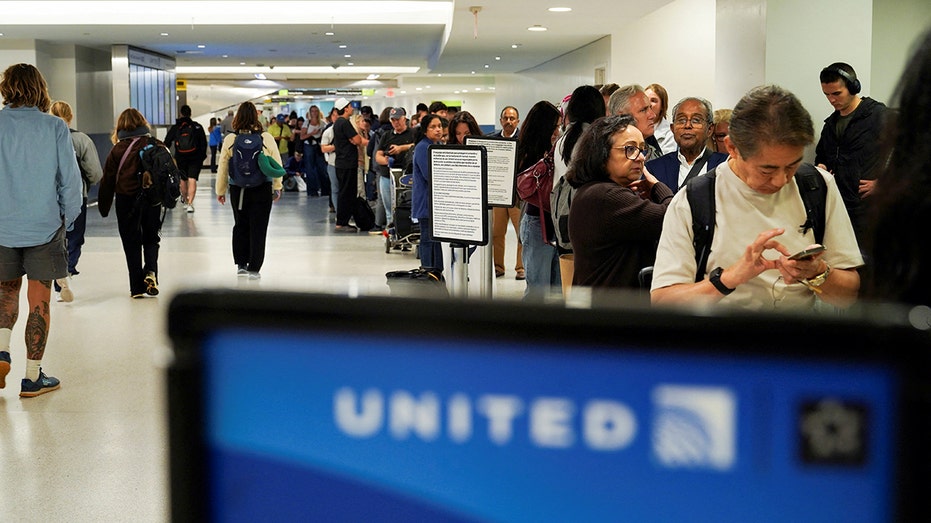
A federal judge on Monday refused to dismiss a proposed class-action lawsuit accusing United Airlines of charging passengers extra for “window seats” that lacked actual windows, allowing the case to move forward.

U.S. District Judge James Donato ruled the plaintiffs plausibly alleged United breached its contractual obligations by selling seats identified as window seats even though some were positioned next to solid cabin walls rather than windows.

Advertisement

“These terms plausibly establish that United expressly agreed to provide a seat with a window to passengers who paid for one,” Donato wrote, adding that United’s reservation screens and boarding passes represented that customers had purchased window seats. “No more is needed at this stage for the breach claims to go forward.”

UNITED FLIGHT RETURNS MIDAIR AFTER BLUETOOTH DEVICE NAME REPORTEDLY SPARKS SECURITY SCARE

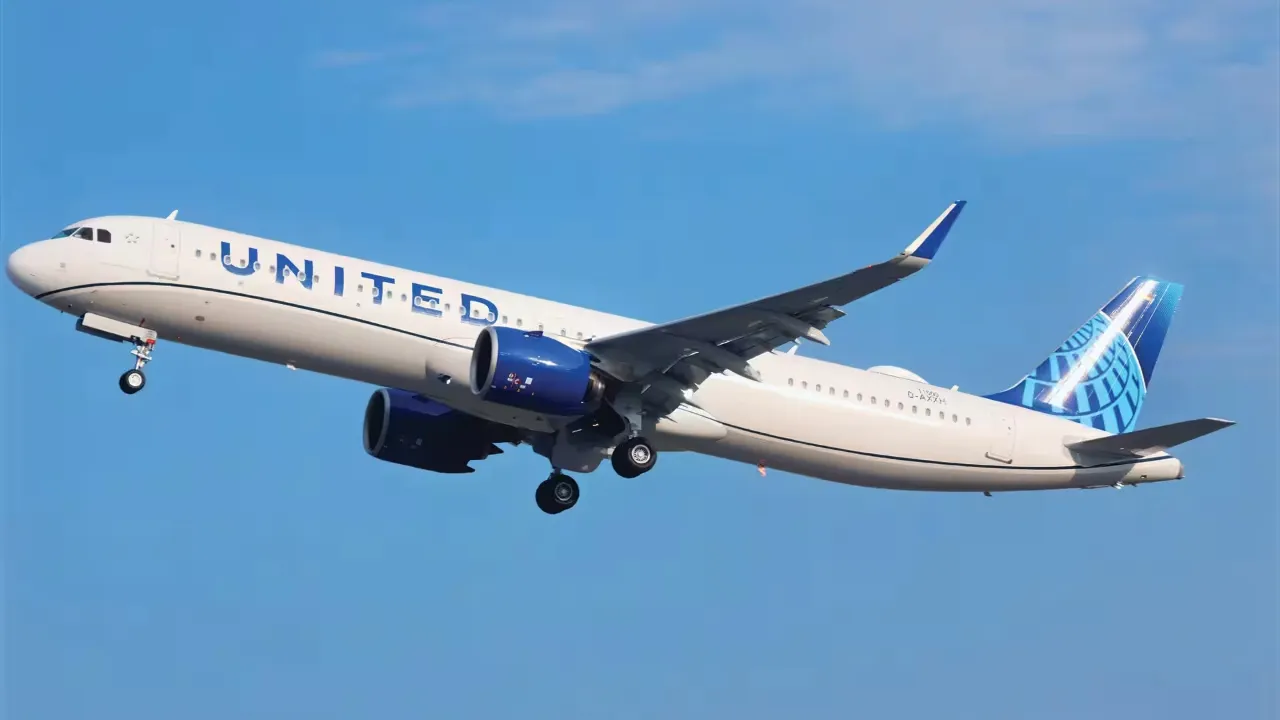
United Airlines A321neo

The lawsuit alleges United knowingly charged passengers extra for certain window seats on aircraft even though some seats lacked adjacent windows because of aircraft design. (Boeing)

The lawsuit alleges United knowingly charged passengers extra for certain window seats on aircraft, including Boeing 737s, Boeing 757s and Airbus A321s, even though some seats lacked adjacent windows because of aircraft design. Plaintiffs claim passengers often pay premiums for window seats to enjoy the view or help alleviate anxiety, claustrophobia or motion sickness.

UNITED AIRLINES DROPS MERGER PURSUIT WITH AMERICAN, CEO KIRBY DETAILS WHY

Advertisement
United Airlines passengers at Newark in August 2025

United argued the lawsuit should be dismissed. (Ryan Murphy/Reuters)

United argued the lawsuit should be dismissed, saying “window seat” describes a seat’s location relative to the aisle rather than guaranteeing an actual window and contending federal law preempts the claims. Donato rejected those arguments at this stage of the litigation.

United declined to comment on the lawsuit.

“As part of our regular review of united.com and the United App to enhance the customer experience, in 2025 we added more detail to our seat selection process, so customers can have more information about what to expect when they choose a seat,” a United spokesperson told FOX Business.

Ticker Security Last Change Change %
UAL UNITED AIRLINES HOLDINGS INC. 121.94 -6.38 -4.97%

UNITED AIRLINES RAISING TICKET PRICES UP TO 20% AS FUEL COSTS SURGE AMID IRAN WAR

Advertisement

CLICK HERE TO GET FOX BUSINESS ON THE GO

The plaintiffs seek to represent a nationwide class of passengers who paid extra for window seats but allegedly received seats without windows. The case will now move forward in federal court.

Continue Reading

Business

Used EVs keep getting more expensive amid Iran war, high gas prices

Published

on

Used EVs keep getting more expensive amid Iran war, high gas prices

Tesla EVs recharge at a Tesla Supercharger station on July 2, 2026, in South Pasadena, California.

Mario Tama | Getty Images

DETROIT – The Iran war and high U.S. gas prices are causing a surge in demand for used all-electric vehicles, which is making the pre-owned vehicles more expensive, according to Cox Automotive.

Advertisement

The company on Wednesday reported that its Manheim Used Vehicle Value Index for EVs — which tracks prices of used vehicles sold at its U.S. wholesale auctions — increased 12% last month compared with June 2025. That compares with a 1.7% increase for non-EVs over the same period.

Wholesale EV prices have increased every month this year, leading to an 11.5% jump in average pricing to roughly $30,400, according to Manheim. Non-EVs, meanwhile, have seen a less than 1% increase this year in average pricing, to $19,125, Manheim said.

The average used EV listing price as of May at $37,083, according to Cox’s Kelley Blue Book. Retail prices for consumers traditionally follow changes in wholesale prices.

“EVs continue to show strong performance, while prices for SUVs and Pickups falter compared to this time last year,” Manheim said in a release.

Advertisement

Cox reports used EV sales to consumers reached 42,923 units in May, up 5.5% month over month and 24.7% year over year, with used EV market share holding at 2.8%. Tesla models are estimated to have led with 15,353 units sold, followed by sales of Hyundai, Chevrolet, Ford and BMW all-electric vehicles.

UBS’ Evan Brown: We wouldn't rule out rate hikes regardless of what happens with oil prices

Jonathan Gregory, senior director of Cox Automotive, said gas prices are expected to continue to determine whether vehicle costs will rise amid an expected influx of off-lease EVs coming later this year.

A growing number of used EVs are expected to the market through the end of the year after automakers bumped up their sales of all-electric vehicles with leasing offers three years ago.

“The risk we’re watching for the second half is that steep ramp in off-lease supply, EVs especially, which could pressure specific segments even as the headline holds firm. Gas is the swing factor: If pump prices keep falling, some of that EV demand could fade as availability increases,” Gregory said.

AAA reports the national average for gas prices is up roughly 21% compared to a year ago, to a national average of $3.80 a gallon. Those prices have come down from recent highs, but escalating combat in Iran caused oil prices to jump Wednesday.

Advertisement

The increased demand and rise in used EV prices are contrary to those of new all-electric vehicles. Many automakers reported that they saw sharp sales declines for new EVs during the second quarter.

Aside from automakers pulling back billions of dollars for new EVs, the year-over-year comparison is difficult. EV demand began to spike last year during the second quarter ahead of expectations that the Trump administration would end up to $7,500 in incentives for consumers to purchase an EV.

The incentives ended in September, and EV sales spiked to roughly 10% of all vehicles sold that month before plummeting later in the year.

Choose CNBC as your preferred source on Google and never miss a moment from the most trusted name in business news.
Advertisement
Continue Reading

Trending

Copyright © 2025