
Business
GameStop Stock Holds Steady Near $24 Amid Acquisition Speculation and Strong Cash Position


GameStop Corp. (NYSE: GME) shares traded in a narrow range around $24 in late February 2026, reflecting cautious investor sentiment following a period of volatility driven by CEO Ryan Cohen’s aggressive push toward strategic acquisitions and the company’s robust cash reserves.
As of February 27, 2026, GME closed at $24.03, down 0.29% on moderate volume of about 1.2 million shares. The stock opened at $23.79, reached a high of $24.22 and dipped to a low of $23.70 during the session. This stability comes after a slight pullback from recent peaks near $25 earlier in the month, with the shares up roughly 20% year-to-date in calendar 2026 but still well below the meme-stock frenzy highs of prior years.
GameStop’s market capitalization hovers around $10.7 billion, supported by a cash pile exceeding $8.8 billion as reported in the most recent filings. The company’s balance sheet strength stems from disciplined cost-cutting, reduced store footprint and opportunistic capital raises during past surges. Analysts note that this liquidity positions GameStop uniquely among traditional retailers, enabling potential transformative moves under Cohen’s leadership.

GETTY IMAGES NORTH AMERICA / Michael M. Santiago
Cohen, who became chairman in 2021 and assumed the CEO role in September 2023, has emphasized turning GameStop into a more agile, value-oriented entity. In January 2026, the board approved a long-term performance award granting Cohen options to purchase over 171.5 million shares at $20.66 each. The package ties significant compensation to ambitious market capitalization milestones: 7.1% for reaching $80 billion, scaling up to 15% at $100 billion. Cohen recused himself from the board’s deliberations on the award, which requires shareholder approval.
The incentive aligns Cohen’s interests with massive upside potential, though it has drawn scrutiny for its scale and lack of base salary. Cohen has publicly criticized “risk-free insiders” and bureaucratic boardrooms, signaling a preference for bold, entrepreneurial strategies over incremental retail tweaks.
Recent months have seen heightened speculation about a “very big” consumer megadeal. In late January 2026 interviews and statements, Cohen hinted at pursuing a transformative acquisition that could “increase the company’s value tenfold.” Reports suggest interest in consumer-facing assets or technology plays to pivot beyond legacy video game retail. While no deal has materialized, the rhetoric has fueled periodic rallies, including an 8.25% jump on February 2 amid acquisition rumors.
GameStop’s most recent financials, from the third quarter ended November 1, 2025 (fiscal Q3 2025), showed net sales of $821 million, down 4.6% year over year from $860.3 million. However, operating income swung to $41.3 million from a $33.4 million loss, driven by lower selling, general and administrative expenses ($221.4 million versus $282 million). Adjusted operating income reached $52.1 million. Net income climbed to $77.1 million, bolstered by interest income and other factors.
The company also disclosed Bitcoin holdings valued at $519.4 million, adding an unconventional asset to its treasury strategy. Cash, equivalents and marketable securities totaled $8.8 billion, up substantially from the prior year.
Investors await the fiscal fourth-quarter and full-year 2025 results, expected around March 24, 2026. Consensus estimates project modest EPS, though variability remains high due to the stock’s meme-driven nature.
Broader industry context includes cautious optimism for video games. Circana forecasts U.S. industry spending to rise 3% to $62.8 billion in 2026, but GameStop faces structural headwinds from digital downloads, streaming and competition from Amazon, Best Buy and direct publisher sales.
Retail investor interest persists on platforms like Reddit’s WallStreetBets, where GME remains a focal point. Options activity has been elevated at times, contributing to short squeezes in the past, though short interest has moderated compared to 2021 peaks.
Analyst coverage remains limited and polarized. Some see the cash hoard and Cohen’s track record (from Chewy) as undervalued catalysts, with outlier fair-value estimates reaching $220 in discounted cash flow models under optimistic growth assumptions. Others point to declining core sales, high valuation multiples (forward P/E around 27 based on trailing EPS of $0.88) and execution risks in pivoting the business.
The stock’s 52-week range spans $19.93 to $35.81, with the latter hit in May 2025 during a brief resurgence. Year-to-date performance in 2026 shows resilience, up about 20% from January levels around $20.
As GameStop navigates its next chapter, attention centers on whether Cohen can deliver on acquisition ambitions without diluting shareholder value. With substantial dry powder and a motivated leader, the company could either evolve into a diversified holding entity or face challenges proving sustainable profitability in a shrinking physical retail segment.
Traders and long-term holders alike monitor for catalysts like deal announcements or earnings surprises. For now, GME trades in a consolidation phase, balancing speculative hope against fundamental retail realities in an evolving gaming landscape.

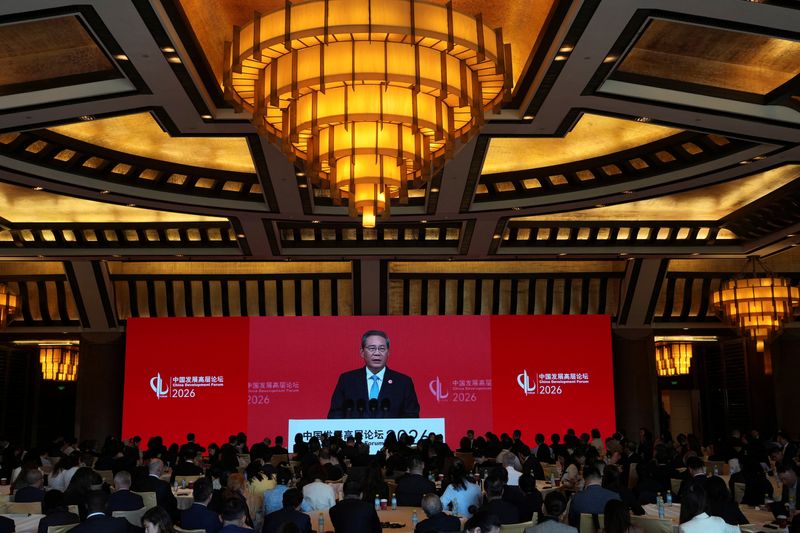

China pledges more balanced trade and further opening of the economy after record surplus
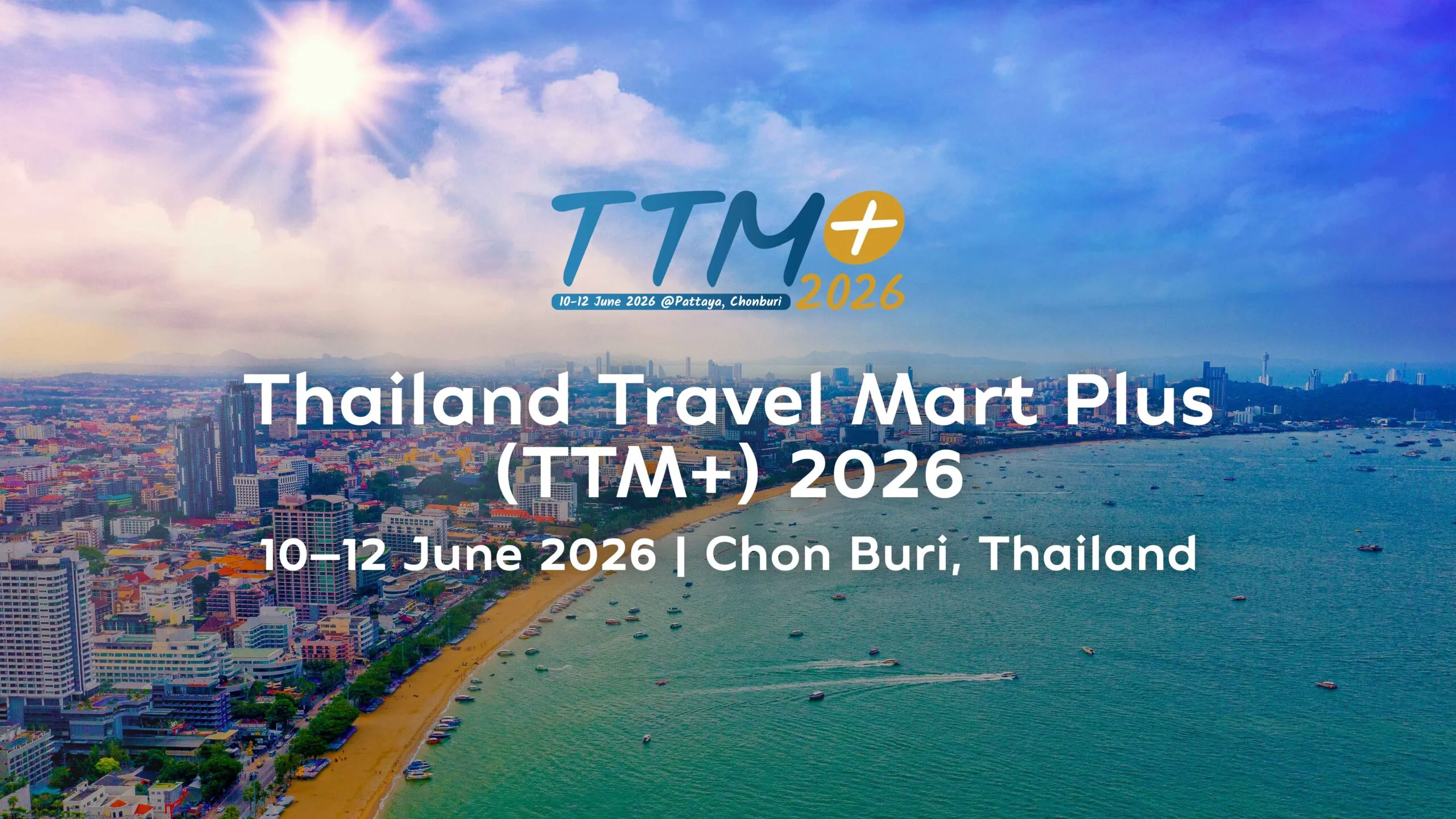
The Thailand Travel Mart Plus (TTM+) 2026 will be held in June at the NICE Pattaya Convention Center, showcasing Thailand’s tourism and business strengths, sustainability, and innovation.
Thailand Travel Mart Plus (TTM+) 2026 Announcement
Bangkok, 20 March 2026 – The Tourism Authority of Thailand (TAT) has announced that the Thailand Travel Mart Plus (TTM+) 2026 will be held from June 10 to 12 at the NICE Pattaya Convention and Exhibition Center in Chon Buri. This event underscores Thailand’s continued prominence as a hub for international business events and tourism investments, emphasizing traveler confidence, safety, and well-being. TTM+ 2026 aims to fortify Thailand’s role in the global tourism landscape.
Strengthening Global Tourism Partnerships
TAT Governor, Ms. Thapanee Kiatphaibool, highlighted TTM+ 2026 as a prime B2B platform, connecting international travel buyers with Thailand’s diverse tourism offerings. Held in Chon Buri, it presents new tourism products under the ‘New Thailand’ strategy and the ‘Healing is the New Luxury’ campaign. The event strives to foster international partnerships and drive sustainable tourism growth. Over 400 Thai sellers will meet 400 international buyers, facilitating over 11,000 pre-scheduled business appointments.
A Dynamic Experience in Chon Buri
The 23rd edition of TTM+ will feature product showcases, networking sessions, and forums on global tourism trends and sustainability. Set in Chon Buri, the event offers a diverse portfolio, highlighting both established and emerging destinations. Participants will enjoy cultural performances, local craftsmanship, and nature-based activities, reinforcing Thailand’s reputation as a destination for inspiring travel experiences. TTM+ 2026 is expected to generate substantial tourism revenue, boosting economic impact across Thailand.
Source : Thailand Travel Mart Plus 2026 set for June in Pattaya driving global tourism partnerships
Other People are Reading

SEOUL — K-pop supergroup **BTS** made a highly anticipated return to the stage on March 21, 2026, with a free public concert titled “ARIRANG” at Gwanghwamun Square in central Seoul, marking their first live performance together in nearly four years. While the event drew enthusiastic crowds and global attention via a Netflix livestream, actual attendance fell significantly short of pre-event projections, sparking debate over crowd estimates, security protocols and viewing alternatives.

Seoul Metropolitan Government and police officials estimated 40,000 to 42,000 people gathered in the Gwanghwamun and surrounding Deoksugung areas as the 8 p.m. show began, according to Yonhap News Agency and real-time city data. This figure included the 22,000 fans who secured free “Golden Tickets” for the cordoned-off prime viewing zone near the main stage. In contrast, authorities had anticipated up to 260,000 attendees stretching from the square toward historic Sungnyemun Gate, prompting one of the largest security mobilizations in recent Seoul history with 15,000 personnel deployed.
The discrepancy has fueled online discussions and media scrutiny. Police projections, based on factors like ticket demand, historical precedents such as the 2002 World Cup street celebrations (200,000-250,000 people) and Seventeen’s 2025 Bridge Concert (206,000 attendees), prepared for a massive influx. However, three hours before showtime, counts hovered around 30,000, with only 26,000-28,000 near the main zones.
BTS agency HYBE countered with its own estimate of about 104,000 attendees, derived from mobile network data across Korea’s major carriers, including foreign visitors and users on budget phones. HYBE’s method tracked cumulative foot traffic rather than a single snapshot, leading to the higher number. This variance highlighted challenges in counting open-air events, where fans move freely and some areas extend over a kilometer.
Several factors contributed to the lower-than-expected turnout, according to analysts, fans and reports. Strict security measures played a significant role. Authorities implemented extensive traffic controls, bypassed subway stations near the venue throughout the afternoon and evening, raised terror alerts (the Ministry of Culture, Sports and Tourism issued its first-ever concert disaster alert), and deployed anti-drone systems, barricades and rigorous checkpoints. Netizens on platforms like X and Korean forums criticized these as overly restrictive, potentially deterring casual or last-minute attendees who faced long waits or access issues.
The global Netflix livestream, broadcast live to 190 countries, offered a convenient alternative for millions. Fans worldwide — and even some in Korea — opted to watch from home or public screens rather than brave crowds and weather. The one-hour special, part of promotions for BTS’ fifth full-length album “Arirang” (which sold nearly 4 million copies on its first day), reached a vast audience without the physical demands of in-person attendance.
Weather and timing may have influenced decisions. March evenings in Seoul can be chilly, and the event’s Saturday scheduling overlapped with other activities for some potential attendees. Additionally, the free nature of the concert, while inclusive, meant no guaranteed entry beyond the 22,000 reserved spots — over 100,000 joined online queues last month, but many were turned away or chose not to risk the journey.
Despite the numbers debate, the concert succeeded as a cultural milestone. BTS members RM, Jin, Suga, J-Hope, Jimin, V and Jung Kook performed hits alongside tracks from “Arirang,” including a revival of the Korean folk song that inspired the title. Eight large video screens helped those farther back enjoy the show, and the event generated significant economic buzz, though below some pre-event projections of $177 million in related revenue.
The lower physical crowd did not diminish the excitement among those present, many of whom described an electric atmosphere. Global ARMY (BTS fans) celebrated online, sharing clips and praising the production quality on Netflix. The concert serves as a launchpad for BTS’ upcoming Arirang World Tour, slated for April 2026 through March 2027 across 34 regions, with expectations of millions in total attendance.
As Seoul returns to normal operations, the event underscores the evolving nature of large-scale K-pop spectacles — blending in-person intimacy with digital reach. While the 40,000-42,000 figure disappointed some hoping for a record-breaking street takeover, it still marked one of the largest public gatherings in recent years, proving BTS’ enduring pull even amid modern viewing options and heightened safety protocols.
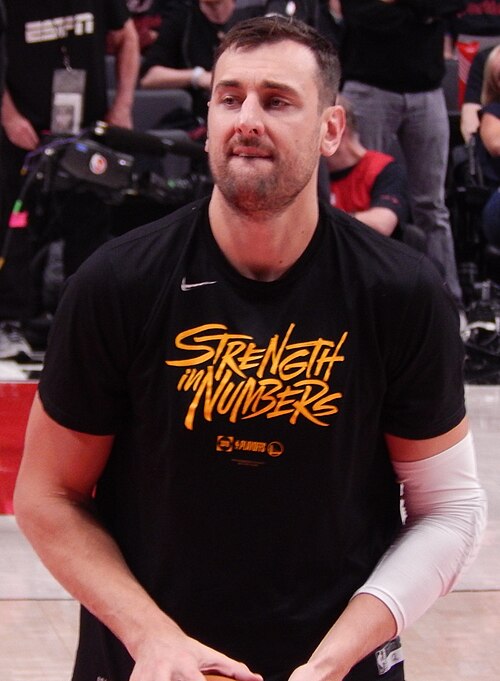
Australia’s influence on the NBA has grown steadily since Luc Longley became the first Aussie to play in the league in 1991, paving the way for a wave of talent that includes championship winners, All-Stars and rising stars. As of March 22, 2026, with the 2025-26 season underway, the list of top Australian-born NBA players balances historical pioneers, proven contributors and emerging standouts.
Rankings consider career achievements, championships, statistical impact, peak performance and longevity. Note that Kyrie Irving, born in Melbourne but raised in the U.S. and never representing Australia internationally, is often excluded from “Aussie” lists despite his Australian birth; this ranking focuses on players closely tied to Australian basketball identity.
Here are the 10 best Australian NBA players of all time, updated with the latest context from the ongoing season.
- Andrew Bogut The undisputed No. 1 overall pick in 2005, Bogut remains Australia’s greatest NBA export. The Melbourne native played 632 games across Milwaukee, Golden State, Dallas, Cleveland and the Lakers, averaging 9.6 points, 8.8 rebounds and 2.0 blocks. His crowning achievement came in 2015, starting for the Warriors’ championship team and delivering key defensive plays in the Finals against Cleveland. Bogut earned All-NBA Third Team honors in 2010 and retired in 2019 after injury setbacks. His pioneering role as the first Aussie No. 1 pick and championship contributor cements his top spot.
- Luc Longley Australia’s trailblazer, Longley was drafted seventh overall in 1991 by Minnesota before joining the Chicago Bulls. He started at center for the dynasty that won three straight titles from 1996-98 alongside Michael Jordan, Scottie Pippen and Dennis Rodman. Longley appeared in 567 games, averaging 11.2 points and 5.3 rebounds. His calm presence anchored the Bulls’ frontcourt during their second three-peat, making him the first Aussie champion and a foundational figure for future generations.
- Patty Mills The longest-tenured and most beloved Aussie in recent memory, Mills won a title with the Spurs in 2014 and played 1,000+ games across Portland, San Antonio, Brooklyn, Atlanta and Miami. Known for clutch shooting and leadership, Mills averaged 10.0 points career-wide with standout playoff performances, including 14.0 points in the 2014 Finals. Though unsigned and reportedly transitioning to coaching roles like at the University of Hawaii as of 2026, his longevity, international success with Australia and cultural impact keep him elite.
- Ben Simmons Drafted first overall in 2016 by Philadelphia, Simmons posted a peak as a versatile forward-guard with elite passing and defense. He earned Rookie of the Year in 2018, made three All-Star teams and All-NBA honors, averaging 16.9 points, 7.8 rebounds and 7.3 assists in his prime. Injuries and off-court issues limited later years with Brooklyn and now, but his 2019-20 season (16.9 PPG, 8.0 RPG, 8.0 APG) ranks among the best individual campaigns by any Aussie.
- Joe Ingles The ultimate role player, Ingles played 11 seasons primarily with Utah, excelling as a sharpshooting forward with high basketball IQ. He appeared in over 700 games, averaging 7.9 points and shooting 38.9% from three. Ingles contributed to Utah’s consistent playoff runs and mentored younger players before moving to Orlando and beyond. His reliability and championship pedigree (though not as a starter) earn him a high spot.
- Matthew Dellavedova “Delly” became a cult hero for his gritty defense, especially guarding LeBron James and Stephen Curry in Finals runs. He won a title with Cleveland in 2016 and played key bench minutes for the Cavaliers and Bucks. In 378 games, Dellavedova averaged 6.0 points and 3.8 assists, but his hustle and iconic moments — like diving for loose balls — define his legacy.
- Josh Giddey The young star is climbing fast. Drafted sixth in 2021, Giddey signed a four-year, $100 million extension with Chicago in 2025 after a breakout stretch. In 2025-26, he’s averaging around 18 points, 8 rebounds and 9 assists in recent reports, showcasing elite playmaking. With career averages near 15 points, 8 rebounds and 7 assists, Giddey represents Australia’s future and could rise higher with continued growth.
- Aron Baynes A rugged big man, Baynes won a title with the Spurs in 2014 and played solid minutes for Boston, Phoenix and others. In 499 games, he averaged 6.0 points and 5.0 rebounds, known for tough defense and three-point shooting as a stretch five.
- Dante Exum The 2014 fifth-overall pick has shown flashes of potential despite injuries. Exum, now with Dallas, averaged solid bench numbers in recent seasons and remains a versatile guard-forward in 2025-26 rotations.
- Dyson Daniels The rising defender earned Most Improved Player buzz and a $100 million extension with Atlanta. Daniels leads in steals and impacts both ends, averaging double figures while anchoring defense. His trajectory suggests he’ll climb this list quickly.
Australia’s NBA pipeline remains strong, with 14+ Aussies active in 2025-26, including veterans like Matisse Thybulle and Jock Landale alongside prospects. From Longley’s championships to Giddey’s playmaking, the legacy continues to evolve.
Will the Middle East Conflict Speed Up the Energy Transition?

China’s Sinopec reports 36.8% profit drop on weak margins, energy shift
Market Volatility Can Yield Tax Savings. What to Do.

Tencent integrates WeChat with OpenClaw AI agent amid China tech battle
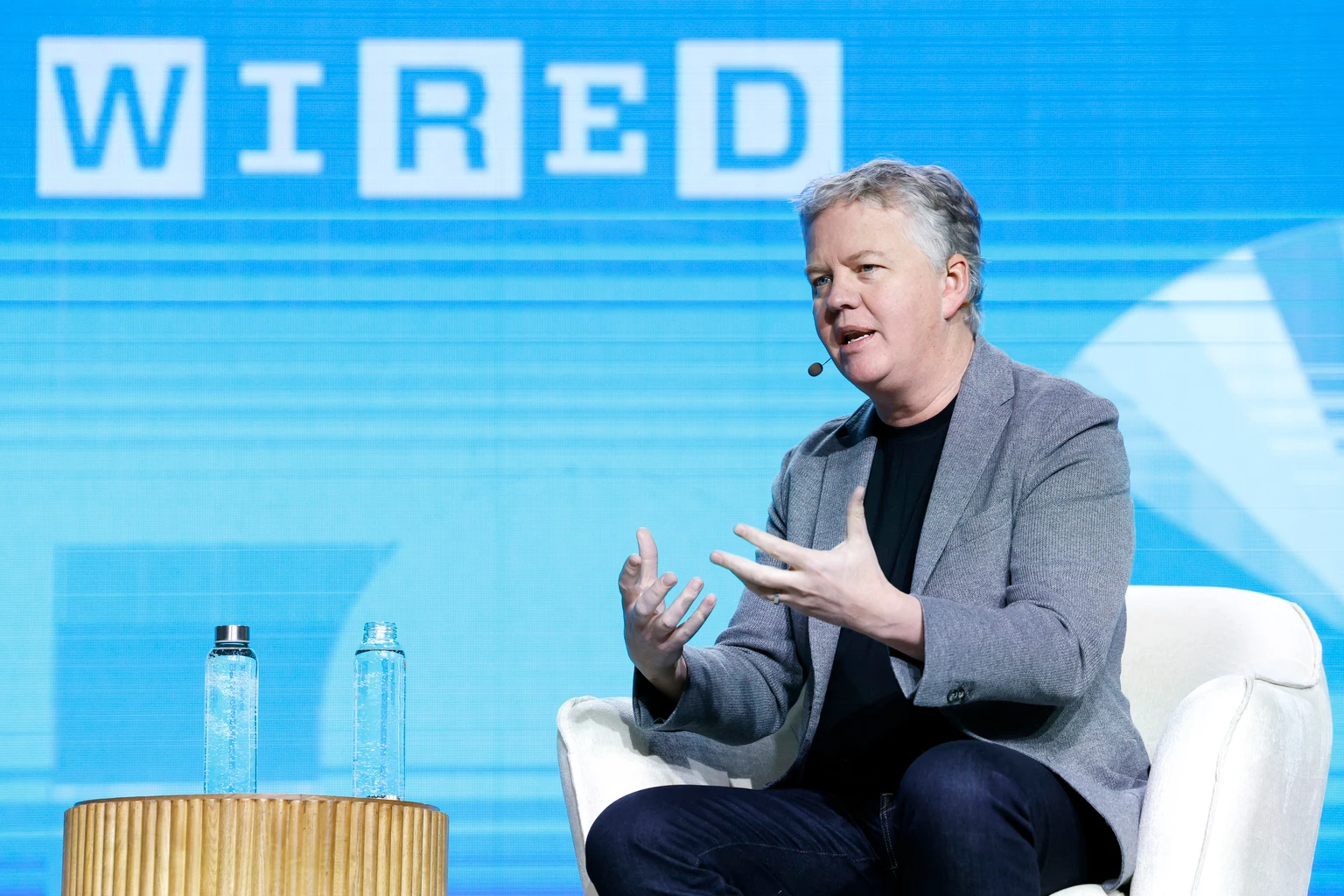

Julian Lin is a financial analyst. He finds undervalued companies with secular growth that appreciate over time. His approach is to look for companies with strong balance sheets and management teams in sectors with long growth runways.
Julian is the leader of the investing group Best Of Breed Growth Stocks where he only shares positions in stocks which have a large probability of delivering large alpha relative to the S&P 500. He also combines growth-oriented principles with strict valuation hurdles to add an additional layer to the conventional margin of safety. Features include: exclusive access to Julian’s highest conviction picks, full stock research reports, real-time trade alerts, macro market analysis, individual industry reports, a filtered watchlist, and community chat with access to Julian 24/7. Learn more.
Analyst’s Disclosure: I/we have no stock, option or similar derivative position in any of the companies mentioned, and no plans to initiate any such positions within the next 72 hours. I wrote this article myself, and it expresses my own opinions. I am not receiving compensation for it (other than from Seeking Alpha). I have no business relationship with any company whose stock is mentioned in this article.
Seeking Alpha’s Disclosure: Past performance is no guarantee of future results. No recommendation or advice is being given as to whether any investment is suitable for a particular investor. Any views or opinions expressed above may not reflect those of Seeking Alpha as a whole. Seeking Alpha is not a licensed securities dealer, broker or US investment adviser or investment bank. Our analysts are third party authors that include both professional investors and individual investors who may not be licensed or certified by any institute or regulatory body.
Business
Will Duke Basketball Win It All? Duke Basketball Enters Second Round as Third Favorite to Claim NCAA Title

The Duke Blue Devils remain firmly in the national championship conversation for the 2026 NCAA men’s basketball tournament, but a narrow escape in their opening-round matchup has tempered some of the preseason hype surrounding Jon Scheyer’s squad.

As of March 22, 2026, Duke sits as the third choice to cut down the nets in Indianapolis, with odds hovering around +500 across leading sportsbooks — translating to an implied probability of approximately 16.7%. That marks a notable drop from their pre-tournament status as the outright favorite at +300 to +330, when they earned the No. 1 overall seed following a dominant ACC regular-season and tournament run.
Arizona now leads the pack at +360, followed closely by Michigan at +380, according to aggregated lines from sites including SI.com betting reports and FanDuel. Defending champion Florida trails at +700, rounding out a quartet of No. 1 seeds that dominate the futures board.
The shift stemmed directly from Duke’s first-round performance against No. 16 seed Siena. Installed as a massive 27.5-point favorite, the Blue Devils trailed by 11 at halftime before rallying for a 71-65 victory — a six-point win that felt far from convincing. Oddsmakers responded swiftly, dinging Duke’s title odds and elevating Arizona and Michigan, both of whom posted more decisive opening-round wins.
Despite the stumble, Duke’s path remains favorable. As the East Region’s top seed, they hold -120 odds to reach the Final Four, per FOX Sports, and face No. 9 seed TCU in the second round as an 11.5-point favorite. Projections from ESPN’s BPI give the Blue Devils a 91% chance to advance past the Horned Frogs, underscoring their superior talent and depth even on an off night.
Central to Duke’s campaign is forward **Cameron Boozer**, a key piece of the program’s reloaded roster following the departure of last year’s stars. With Cooper Flagg — the 2024-25 National Player of the Year and No. 1 NBA draft pick — now in the pros after a standout freshman season, Scheyer turned to another elite recruiting class headlined by the Boozer twins (Cameron and Cayden), Nikolas Khamenia, Dame Sarr and others.
The Blue Devils posted a 32-2 record entering the tournament, including a 17-1 mark in ACC play, and captured the conference tournament title to secure the top overall seed. Their blend of size, athleticism and defensive prowess has made them a perennial threat, though injuries and inconsistent efforts have surfaced at times.
Scheyer, in his third full season as head coach, has emphasized building around freshmen once again, a strategy that paid dividends in reaching the Final Four the previous year behind Flagg. This season’s group has shown flashes of similar potential, but the close call against Siena highlighted vulnerabilities — particularly in half-court execution and closing out lesser opponents.
Analysts point to Duke’s talent edge as the primary reason they remain in the mix. The Blue Devils boast one of the deepest rotations in the field, with versatile wings and interior presence that can matchup against any contender. Their Final Four odds reflect confidence in navigating the region, where fellow No. 1 seeds like UConn lurk but at much longer prices (+650 to reach Indianapolis).
Michigan and Arizona, the current co-favorites in some markets, have benefited from stronger opening-round showings and consistent dominance throughout the season. Michigan, at 32-3, and Arizona, at 33-2, have fewer question marks heading into the weekend, per Vegas Insider updates.
Still, history favors top seeds, and Duke’s resume — including a near-undefeated conference slate and ACC title — positions them well for a deep run. A return to form against TCU could quickly restore their status atop the board.
For bettors and fans alike, the Blue Devils’ title odds represent value if they handle business in the coming days. At +500, a $100 wager would return $500 profit on a championship win, down from the more favorable pre-tournament prices but still reflecting significant belief in Scheyer’s program.
As the tournament intensifies, Duke’s championship aspirations hinge on recapturing the dominance that made them the preseason pick. With the Sweet 16 on the horizon and a potential showdown with high-powered offenses ahead, the Blue Devils have every tool needed to chase banner No. 6 — but execution, starting Saturday, will determine if that chance climbs back toward the top.

China pledges more balanced trade and further opening of the economy after record surplus
Kim Kardashian Shares Pic of Son Saint, 10, on Dirt Bike

money counting machine #shorts #shortsfeed


-

 Tech7 days ago
Your Legally Registered ‘Motorcycle’ Might Not Count Under Proposed US Law
-

 Fashion2 days ago
Weekend Open Thread: Adidas – Corporette.com
-

 Politics2 days ago
Jenni Murray, Long-Serving Woman’s Hour Presenter, Dies Aged 75
-
 Tech5 days ago
Are Split Spacebars the Next Big Gaming Keyboard Trend?
-

 Crypto World12 hours ago
Best Crypto to Buy Now: Strategy Just Spent $1.57 Billion on Bitcoin During Fear While Early Investors Quietly Enter Pepeto for 150x Potential
-

 News Videos4 days ago
RBA board divided on rate cut, unusually buoyant share market | Finance Report | ABC NEWS
-

 Crypto World13 hours ago
Bitcoin Price News: Bhutan Sells $72 Million in BTC Under Fiscal Pressure, but the Smart Money Entering Pepeto Sees What the Market Does Not
-

 Business7 days ago
Search for Savannah Guthrie’s Mother Enters Seventh Week with No Arrests
-
 Crypto World1 day ago
NIO (NIO) Stock Plunges 6.5% as Shelf Registration Sparks Dilution Worries
-

 Business6 days ago
Australian shares drop as Iran war enters third week
-

 Crypto World6 days ago
Crypto Lender BlockFills Enters Chapter 11 with Up to $500M in Liabilities
-

 Politics4 days ago
The House | The new register to protect children from their abusers shows Parliament at its best
-

 Fashion6 days ago
25 Celebrities with Curly Hair That Are Naturally Beautiful
-

 Tech2 days ago
inKONBINI Lets You Spend Summer Days Behind the Register
-

 Crypto World4 days ago
Canada’s FINTRAC revokes registrations of 23 crypto MSBs in AML crackdown
-
 Politics5 days ago
Real-time pollution monitoring calls after boy nearly dies
-
 NewsBeat4 days ago
Residents in North Lanarkshire reminded to register to vote in Scottish Parliament Election
-

 Business6 days ago
Meta planning major layoffs as AI spending and automation reshape workforce
-

 News Videos4 days ago
PARLIAMENT OF MALAWI – PAC MEETING WITH REGISTRAR OF FINANCIAL ON AMARYLLIS HOTEL – INQUIRY LIVE
-
 Crypto World7 days ago
U.S. Oil Companies Post Record Profits as Oil Prices Break $100
You must be logged in to post a comment Login