
Business
Geopolitical tensions trigger market sell-off, dragging SET below 1,400

The Stock Exchange of Thailand (SET) index fell below the critical 1,400-point threshold on March 23, 2026, closing at 1,398.82 due to heightened geopolitical tensions in the Middle East and a global “risk-off” sentiment.
While the 2.38% decline reflects significant investor anxiety and a capital flight toward safe-haven assets like gold and bonds, market analysts maintain that the sell-off is primarily driven by external macro pressures rather than a deterioration in domestic company fundamentals. The conclusion among experts is that while high volatility is likely to persist in the near term, the current correction represents a short-term shock that may eventually offer selective investment opportunities if geopolitical conditions stabilize.
Key Points
- The SET index dropped 34.17 points (2.38%) to finish at 1,398.82, with total trading value reaching 57.29 billion baht.
- This marks the first time the benchmark index has slipped below the 1,400 level since early March 2026, erasing a brief mid-month recovery.
- The sell-off was characterized as “panic selling,” with energy stocks leading the decline amidst heightened global uncertainty.
- Market experts emphasize that the downturn is fueled by external factors—such as Middle East conflicts, global inflation, and economic slowdown concerns—rather than internal earnings issues within Thai listed companies.
- Investors are increasingly moving capital away from equities and into safe-haven assets, including gold and bonds, to mitigate risk.
- Strategists warn that the Thai market remains highly sensitive to global sentiment and currency movements, suggesting that volatility will remain high as long as geopolitical risks intensify.
On March 23, 2026, the SET index experienced a significant decline of 2.38%, led primarily by the energy sector. Analysts attributed the sharp sell-off to “panic selling” as investors reacted to escalating geopolitical tensions in the Middle East.
The Stock Exchange of Thailand closed at 1,398.82 points, falling below the 1,400-point threshold for the first time since early March. Among the major individual decliners were Delta Electronics, which saw its shares drop by 3.35%, and Advanced Info Service, which fell by 2.89%. Other notable losers during the session included Gulf Energy Development, Airports of Thailand, and CP All.
Market strategists said that the downturn was driven by external global risk-off sentiment rather than domestic fundamentals. Investors shifted capital toward safe-haven assets like gold and bonds as the U.S.-Iran war threatened global energy infrastructure and supply chains. Despite the sharp correction, some analysts believe the breach of 1,400 may create selective opportunities in sectors with strong pricing power and solid fundamentals once the market stabilizes.
How are regional Asian markets performing compared to the SET?
On March 23, 2026, regional Asian markets faced a broad-based decline alongside the Stock Exchange of Thailand (SET), with several major bourses recording even sharper percentage drops than Thailand’s 2.38% loss. While the SET index fell below the 1,400-point threshold, South Korea’s market shed 5.2% and Japan’s Nikkei fell 3.8% on the same day.
The MSCI Asia-Pacific index, excluding Japan, lost 2.5% as investors reacted to escalating threats between the United States and Iran. Malaysia has emerged as a relative outlier in the region, with its benchmark index losing only 1.2% this month due to its status as a net energy exporter. Analysts say the Middle East war is driving a “risk-off” sentiment, causing global funds to exit emerging markets in favor of safe-haven assets.
Other People are Reading


TD Cowen raises AerCap stock price target on strong sales activity
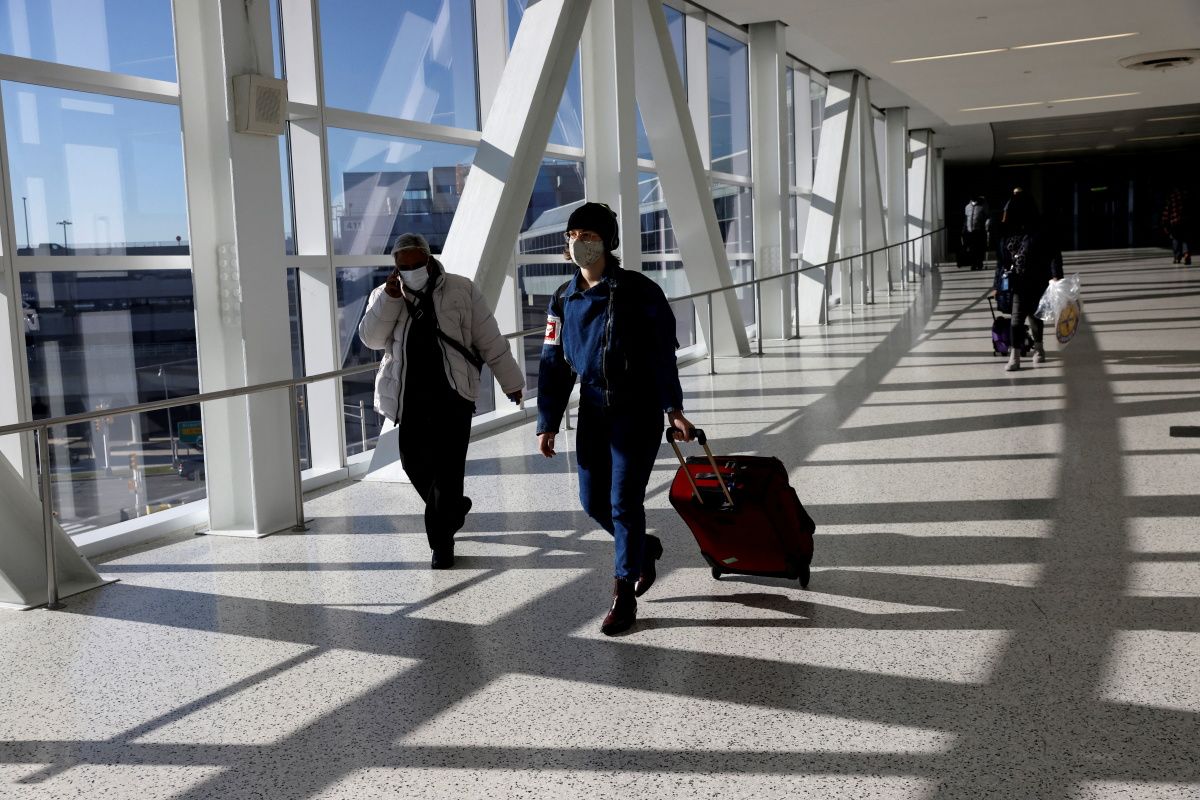
NEW YORK — Travelers at John F. Kennedy International Airport faced moderate security lines Monday as TSA wait times ranged from as little as 1 minute to around 24 minutes depending on the terminal, according to real-time data from the airport’s official website and monitoring services.
As of mid-morning on April 13, 2026, general security lines showed the shortest waits in Terminal 1 at approximately 1 minute and Terminal 7 at 5 minutes. Terminal 4 reported around 12 minutes for standard lanes, while Terminal 5 stood at 13 minutes and Terminal 8 reached 24 minutes — the longest among active checkpoints. TSA PreCheck lanes moved significantly faster, often under 10 minutes or with no wait reported in several terminals.
Airport officials noted that posted times represent estimates and can change rapidly based on passenger volume and TSA staffing levels. The technology used for these figures is most accurate when lines remain within designated queue areas, and staff actively monitor extensions beyond checkpoints to provide updated information.
JFK, one of the nation’s busiest gateways handling millions of passengers annually, typically sees average security waits of 15 to 35 minutes on regular days. Peak periods — generally 5-9 a.m. and 3-7 p.m. — can push general lines toward 30-45 minutes or longer during high-traffic surges, while off-peak hours like early morning before 7 a.m. or late evening after 8 p.m. often drop to 10-15 minutes.
Monday’s moderate conditions align with typical post-weekend patterns, though international flights concentrated in Terminal 4 and domestic-heavy Terminal 5 can create uneven distribution. Delta Air Lines, JetBlue, American Airlines and other carriers operating out of JFK advise passengers to arrive at least two to three hours before international departures and 90 minutes to two hours for domestic flights to account for potential variability.
TSA PreCheck and CLEAR services continue to offer substantial time savings for enrolled travelers. PreCheck lanes frequently clear in 1-9 minutes, making membership particularly valuable during busier periods. CLEAR, which uses biometric screening to expedite the initial identification step, pairs well with PreCheck for even smoother experiences at participating checkpoints.
Travelers without expedited options should prepare for standard screening protocols, including the 3-1-1 liquids rule, removal of laptops and large electronics, and potential additional checks. TSA staffing shortages have occasionally contributed to fluctuating lines in recent months, though airport and federal officials report ongoing efforts to maintain efficient throughput.
Social media and passenger reports on platforms like Reddit and Instagram reflect mixed experiences. Some early-morning travelers Monday praised quick passages through Terminal 4 and 1, while others in Terminal 8 noted longer queues during mid-morning hours. Occasional complaints of lines exceeding posted estimates highlight the importance of checking multiple sources before heading to the airport.
The MyTSA mobile app from the Transportation Security Administration provides additional real-time crowd-sourced data and general airport delay information. Passengers can also monitor the official JFK website, which updates security wait times regularly throughout the day. Third-party trackers like takeofftimer.com and airlineairport.com offer supplementary estimates, though official airport figures remain the most authoritative.
JFK’s five terminals each operate independent security checkpoints, meaning wait times can differ dramatically depending on departure location. Terminal 4, a major international hub for Delta and others, often sees higher volumes but benefits from multiple lanes. Terminal 8, used primarily by American Airlines, has shown longer waits at times due to concentrated domestic and some international traffic.
Beyond security, travelers should factor in additional time for check-in, baggage drop, customs and border protection for international flights, and ground transportation to the airport. Traffic on major routes like the Van Wyck Expressway and Belt Parkway can add significant delays, especially during weekday rush hours. Ride-share services, taxis and the AirTrain provide options, but planning ahead is essential.
Airport authorities recommend downloading the JFK app or visiting jfkairport.com for the latest updates on security, gates, parking and other services. Real-time flight status information helps passengers adjust arrival times based on any delays.
For frequent flyers, enrolling in TSA PreCheck or Global Entry can dramatically reduce stress and time at security. These programs use pre-screening and biometrics to expedite the process, with many users reporting near-instant clearance even on busier days.
Monday’s relatively manageable lines come amid a busy spring travel season, with spring break crowds largely passed but summer vacation planning underway. International travel continues to rebound strongly, adding pressure to terminals handling overseas flights.
TSA emphasizes that wait times are estimates and encourages patience and compliance with screening procedures to keep lines moving efficiently. Prohibited items or secondary screenings can create temporary backups, though most passengers clear without issue when prepared.
As the day progresses, afternoon and evening rushes may increase volumes, particularly if multiple wide-body international departures align. Travelers departing later Monday or early Tuesday should monitor updates closely.
JFK remains a vital economic engine for the New York region, supporting tourism, business travel and cargo operations. Efficient security processing plays a key role in maintaining its reputation as a world-class gateway despite occasional challenges from high passenger throughput.
Passengers with questions about specific terminals or needing accessibility assistance can contact airport customer service or airline representatives. Ground staff and TSA officers are positioned to help direct travelers and manage flow.
For those connecting through JFK or arriving from other flights, internal transit times between terminals via AirTrain or walking should also be considered when calculating overall airport time.
In summary, current TSA security wait times at JFK on April 13, 2026, remain within typical moderate ranges for a weekday, with most terminals under 25 minutes for general screening and under 10 minutes for PreCheck. Travelers are advised to check real-time sources, arrive with ample buffer time, and use expedited programs when possible to ensure a smooth experience.
Whether heading out on business, leisure or international adventures, staying informed about JFK’s dynamic security environment helps minimize stress in one of the world’s busiest airports.
Leerink reiterates Spyre stock rating on positive trial data
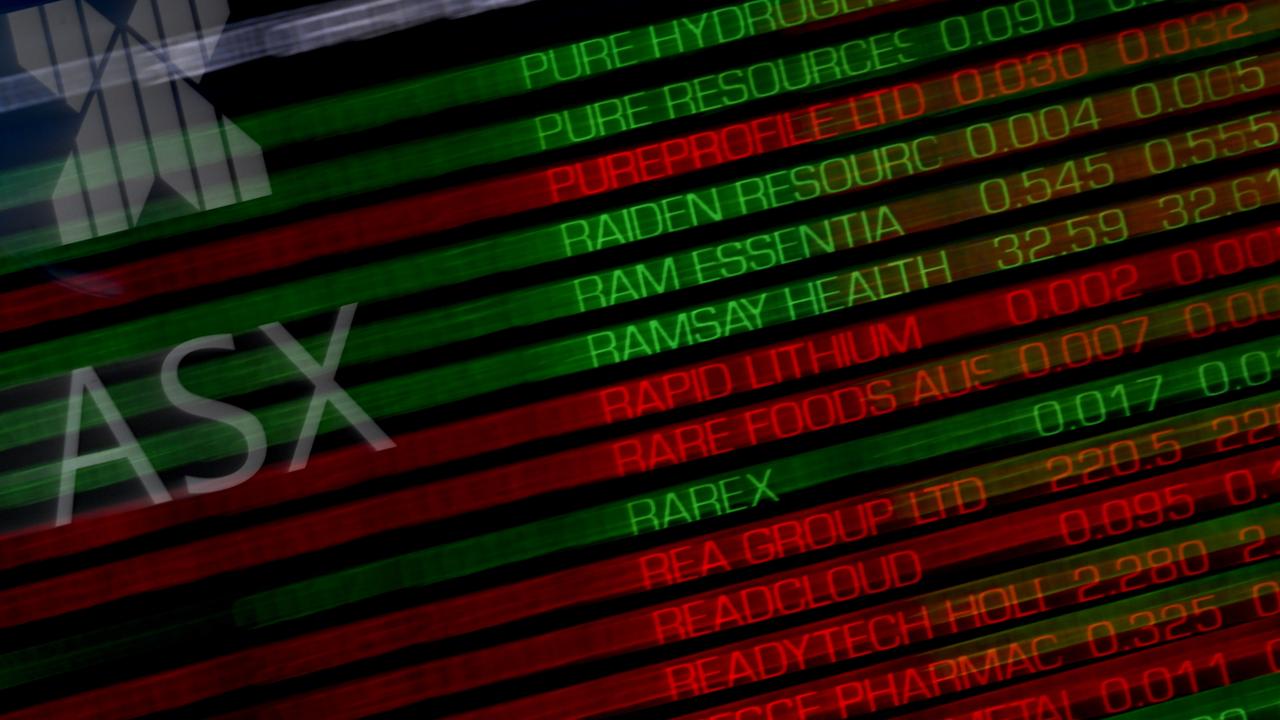
The Australian share market has fallen after Middle East peace talks broke down at the weekend and the United States said it would begin its own blockade of the Strait of Hormuz.
ALX Oncology names Jeff Knight as chief development officer
.webp?t=1743769456)
Sean Connolly will step down on June 1.
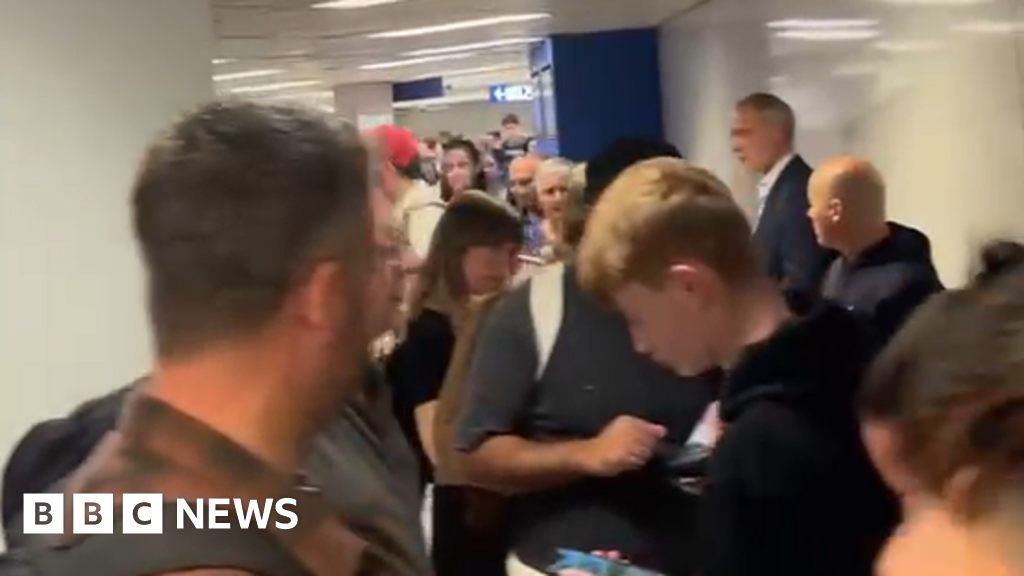
About 100 people missed their flights because of border control queues at Milan’s Linate airport.

UBS financial advisor Ryan Lynch and Laffer Tengler Investments CEO and CIO Nancy Tengler discuss the Meta and Google verdict and analyze oil markets on ‘Mornings with Maria.’
Meta is pushing back against a pair of verdicts that awarded plaintiffs hundreds of millions. The company has vowed to appeal the New Mexico and California rulings, and has already taken countermeasures against attorneys looking to recruit plaintiffs on the very social media platforms that they’re looking to fight.
In New Mexico, a jury found Meta liable for misleading customers about the safety of its platforms. The New Mexico Department of Justice celebrated the victory, which made the southwestern state the first in the country to score that kind of legal win. The jury in New Mexico ordered Meta to pay $5,000 per violation, totaling $375 million in civil penalties.
The California case was focused on a 20-year-old California woman, identified as K.G.M., who alleged the platforms fueled addictive use as a minor and contributed to her depression and suicidal thoughts through their engagement-driven design. In that instance, Meta was ordered to pay a total of $4.2 million.

Meta is pushing back against two landmark rulings on teens’ and children’s safety online. (SeventyFour/iStock/Getty Images / Getty Images)
“We think we have strong grounds on appeal on a number of counts,” Ethan Davis, VP and Head of Global Litigation Strategy at Meta, told Fox Business. “We think these cases threaten to erode fundamental principles of free speech. And so we are optimistic about our chances on appeal.”
Davis told Fox Business that Meta did not believe the cases should have been brought under Section 230, a part of the Communications Decency Act of 1996 that protects platforms from being liable for the content of posts. There have been debates about how Section 230 has been applied to social media platforms, particularly in the wake of the COVID-19 pandemic when some saw the censoring of posts as a reason to get rid of the protections for big tech companies.
“If you look at court decisions, they’ve recognized a number of times that you cannot hold a platform liable based on the content that’s on that platform or on that platform’s publishing decisions,” Davis said. “These cases are about the content that teens are seeing on the platforms and that falls squarely within what Section 230 is designed to apply to.”
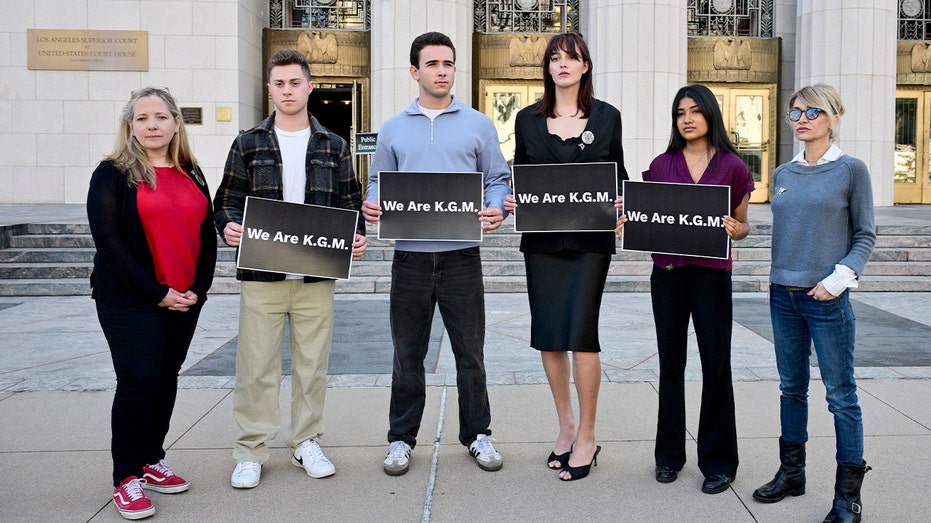
Supporters of “K.G.M.” pose with signs outside the Los Angeles Superior Court during a social media trial over whether platforms were deliberately designed to be addictive to children in Los Angeles, Feb. 25, 2026. (Frederic J. Brown/AFP Via Getty Images / Getty Images)
JILLIAN MICHAELS: BIG TECH BUILT A DIGITAL DRUG — AND OUR KIDS ARE HOOKED
Even as some attorneys argue that the social media platforms have caused harm, they have used those same tools to recruit clients. The ads have since been removed by Meta.
One removed ad read, “Anxiety. Depression. Withdrawal. Self-harm. These aren’t just teenage phases — they’re symptoms linked to social media addiction in children. Platforms knew this and kept targeting kids anyway,” according to Axios. The outlet noted that almost all the ads ran on both Facebook and Instagram, with some appearing in Threads and Messenger.
“It makes no sense to allow these plaintiff lawyers to use our platform to recruit plaintiffs to bring cases against us when the very crux of their complaint against us is that our platforms are harmful,” Davis said.

Meta plans to appeal court rulings on teen safety. (Jonathan Raa/NurPhoto via Getty Images / Getty Images)
CLICK HERE TO DOWNLOAD THE FOX NEWS APP
Meta has taken steps in the past to make its platforms safer for young users by creating teen accounts, which allow parents to have oversight of their children’s social media experience. Additionally, in February, Meta rolled out a new system that sends parents alerts if their teens repeatedly try to search for terms related to suicide and self-harm.
With Meta’s appeals looming, the cases could become a testing ground for the limits of Section 230 and whether social media companies can be held financially accountable for the effects their platforms have on younger users.

D.R. Horton Vs. Lennar: Homebuilder Showdown As Mortgage Rates Jump

I have been working in the logistics sector for almost two decades. I have been into stock investing and macroeconomic analysis for almost a decade. Currently, I focus on ASEAN and NYSE/NASDAQ Stocks, particularly in banks, telco, logistics, and hotels. Since 2014, I have been trading on the PH stock market. I focus on banking, telco, and retail sectors. A colleague encouraged me to engage in the stock market as part of my portfolio diversification instead of putting all my savings in banks and properties. That was also the year when insurance companies became very popular in the PH. Initially, I invested in popular blue-chip companies. Now, I have investments across different industries and market cap sizes. There are stocks I hold for my retirement, while others are purely for trading profits. In 2020, I also entered the US Market. It was about a year after I discovered Seeking Alpha. Originally, I was using the trading account of NY CA-based cousin. Somehow, I acted like his personal broker. That made me more aware of the US market before deciding to open my own account. I decided to write for Seeking Alpha to share and gain more knowledge since I have been trading on the US market for only four years. Like in the ASEAN market, I have holdings in US banks, hotels, shipping, and logistics companies. I discovered it in 2018. Since then, I have been using the analyses here to compare them to the ones I’m doing in the PH Market.
Analyst’s Disclosure: I/we have a beneficial long position in the shares of UPS either through stock ownership, options, or other derivatives. I wrote this article myself, and it expresses my own opinions. I am not receiving compensation for it (other than from Seeking Alpha). I have no business relationship with any company whose stock is mentioned in this article.
Seeking Alpha’s Disclosure: Past performance is no guarantee of future results. No recommendation or advice is being given as to whether any investment is suitable for a particular investor. Any views or opinions expressed above may not reflect those of Seeking Alpha as a whole. Seeking Alpha is not a licensed securities dealer, broker or US investment adviser or investment bank. Our analysts are third party authors that include both professional investors and individual investors who may not be licensed or certified by any institute or regulatory body.

The ultra speed camera that can see inside driver’s vehicles
TD Cowen raises AerCap stock price target on strong sales activity
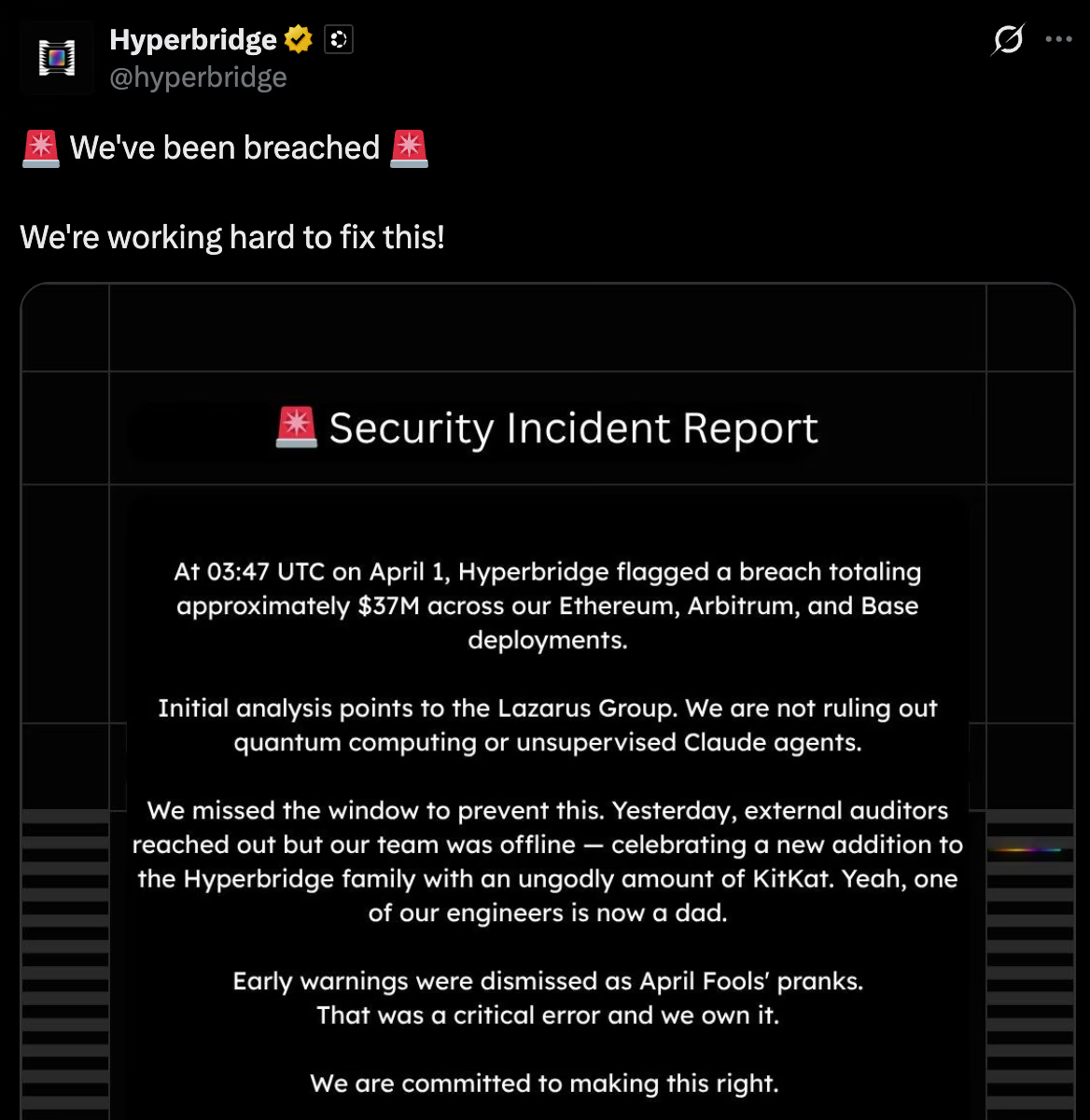
Polkadot Confirms Exploit on Hyperbridge’s Ethereum Gateway Contract


-

 Politics3 days ago
US brings back mandatory military draft registration
-

 Fashion3 days ago
Weekend Open Thread: Veronica Beard
-
 Sports3 days ago
Man United discover Nico Schlotterbeck transfer fee as defender reaches Dortmund agreement
-

 Tech6 days ago
How Long Can You Drive With Expired Registration? What Florida Law Says
-

 Politics23 hours ago
World Cup exit makes Italy enter crisis mode
-

 Crypto World4 days ago
Canary Capital Files SEC Registration for PEPE ETF
-

 Business3 days ago
Tesla Model Y Tops China Auto Sales in March 2026 With 39,827 Registrations, Beating Cheaper EVs and Gas Cars
-

 Crypto World5 days ago
Bitcoin recovers as US and Iran Agree a Ceasefire Deal
-

 Politics3 days ago
Malcolm In The Middle OG Turned Down ‘Buckets Of Money’ To Appear In Reboot
-

 Fashion6 days ago
Let’s Discuss: DEI in 2026
-
 NewsBeat15 hours ago
Pep Guardiola and Gary Neville agree over Arsenal title problem that benefits Man City
-

 Business3 days ago
OpenAI Halts Stargate UK Data Centre Project Over Energy Costs and Copyright Row
-

 Business2 days ago
Ireland Fuel Protests Enter Day 5 as Blockades Spark Shortages and Government Prepares Support Package
-

 Politics3 days ago
LBC Presenter Mocks Trump Over Iran War Failures
-

 Crypto World3 days ago
Federal judge blocks Arizona from bringing criminal charges against Kalshi
-

 Tech4 days ago
A version of Windows 10 released a decade ago is now eligible for additional security patches
-
 NewsBeat1 day ago
JD Vance announces ‘no agreement’ with Iran over nuclear weapons fear
-

 Business3 days ago
IMF retains floor for precautionary balances at SDR 20 billion
-
Business2 days ago
Coreweave CSO Venturo sells $5.5m in class a common stock
-
Sports2 days ago
1st-Round WR Enters Vikings Mock Draft Orbit
You must be logged in to post a comment Login