
Business
Goldman traders warn stock selling isn’t over


The S&P 500 Index has already breached its short-term trigger that prompted Commodity Trading Advisers, or CTAs, to sell stocks. Goldman expects these systematic strategies – which follow the stock market direction rather than fundamental factors – to remain net sellers over the coming week, regardless of market direction.
A renewed decline could trigger about $33 billion of selling this week, according to Goldman. If pressure continues and the S&P 500 falls below 6,707, it could unlock up to $80 billion of additional systematic selling over the next month, the bank’s data show. In a flat market, CTAs are projected to unload roughly $15.4 billion of US equities this week, and even if stocks rise, the funds are expected to shed about $8.7 billion.
Investor stress was running high last week. The firm’s Panic Index – which combines one-month S&P implied volatility, VIX volatility, S&P one-month put-call skew and the slope of the S&P volatility term structure – most recently stood at 9.22, a level indicating markets are not far from “max fear” on Thursday.
The S&P 500 surged 2% on Friday, ending a volatile week with its biggest gain since May. The rally followed a sharp early-week drop in both the S&P 500 and Nasdaq 100, triggered by the launch of a new AI automation tool from Anthropic PBC that wiped billions of dollars off software, financial services and asset-management stocks as investors reassessed disruption risks.

Positioning across the so-called systematic strategies was the most common question among Goldman’s clients Friday, underscoring the demand for a view of financial flows.
On top of the CTA selling, thin liquidity and ‘short gamma’ positioning will keep the market choppy, potentially magnifying swings in either direction as dealers buy into rallies and sell into drawdowns to balance their positions. S&P top-of-book liquidity — the volume of buy and sell orders available at the best bid and lowest ask price — has deteriorated sharply, falling to about $4.1 million from a year-to-date average near $13.7 million.
“The inability to transfer risk quickly lends itself to a choppier intraday tape and delays stabilization in overall price action,” Goldman’s trading desk team including Gail Hafif and Lee Coppersmith wrote in a note to clients Friday.
Option dealer positioning has also flipped in a way that may exacerbate moves. After sitting in an area of so-called long gamma that helped prevent a break above the 7,000 level, dealers are now estimated to be flat to short gamma. The dynamic that becomes more pronounced when liquidity is scarce.
“Buckle up,” the traders added.
Other systematic cohorts retain meaningful room to de-risk. Risk-parity positioning sits in the 81st percentile, looking back over a year, while volatility-control strategies are in the 71st percentile. Unlike CTAs, these funds respond to sustained changes in realized volatility, suggesting their impact would be more pronounced if volatility remains elevated. S&P 500 realized volatility is on the rise, but the 20-day gauge is still below levels seen in November and December.
Seasonality offers little relief. February has historically been a weaker and choppier month for both the S&P 500 and the Nasdaq 100 as supportive January flows — including retirement contributions and peak retail activity — fade.
Retail behavior is also showing signs of fatigue. After a year of relentless dip-buying, the latest two-day net retail imbalance showed roughly $690 million of selling last week, demonstrating less willingness to “buy all dips.” Popular retail trades tied to crypto and crypto-linked equities have been hit particularly hard, raising the risk that any broader rotation out of US stocks would mark a notable shift from last year’s trading patterns.

Business
Hua Medicine (Shanghai) Ltd. 2025 Q4 – Results – Earnings Call Presentation (OTCMKTS:HUMDF) 2026-03-28


Seeking Alpha’s transcripts team is responsible for the development of all of our transcript-related projects. We currently publish thousands of quarterly earnings calls per quarter on our site and are continuing to grow and expand our coverage. The purpose of this profile is to allow us to share with our readers new transcript-related developments. Thanks, SA Transcripts Team

Schindler ready to oppose potential Kone-TK Elevator merger, CEO says

As the 2026 FIFA World Cup draws nearer — with just over 100 days until the expanded 48-team tournament kicks off across the United States, Canada and Mexico — the eternal question of soccer’s greatest player of all time remains unresolved, but the summer spectacle could deliver a defining chapter for Lionel Messi and Cristiano Ronaldo.

Both icons are on track to appear in a record sixth World Cup, an unprecedented milestone. Messi, turning 39 during the group stage, has expressed cautious optimism about participating, while Ronaldo, who will be 41 when the tournament begins in June 2026, has declared it “definitely” his last major international outing.
Messi already holds the strongest claim for many observers after captaining Argentina to glory in Qatar 2022, ending decades of near-misses and delivering a performance widely compared to Diego Maradona’s 1986 heroics. Ronaldo, the all-time leading international goalscorer with Portugal, has lifted the UEFA European Championship and multiple UEFA Nations League titles but still lacks the sport’s ultimate prize.
A second World Cup for Argentina or a first for Portugal would dramatically reshape the narrative.
Current Landscape Entering 2026
As of late March 2026, Argentina ranks among the top favorites in most power rankings, sitting second or third behind Spain and alongside France, England and Brazil. The Albiceleste have maintained strong form since 2022, winning back-to-back Copa América titles and securing qualification early. Messi continues to dazzle with Inter Miami in Major League Soccer, recently reaching career milestone goals while contributing to team success.

Portugal sits lower in the power rankings — often outside the top five — despite Ronaldo’s continued goal-scoring exploits with Al-Nassr in Saudi Arabia. The team reached the quarterfinals or better in recent tournaments but faces a tougher path, with potential group-stage challenges and questions about Ronaldo’s physical demands at 41.
Power rankings from ESPN and others place Spain as the slight favorite, followed closely by France and Argentina. Portugal hovers around sixth, reflecting squad depth concerns beyond Ronaldo.
Impact of a Messi Repeat Victory
If Messi leads Argentina to a second consecutive World Cup title — a rare feat in modern history — many analysts argue the GOAT debate would tilt decisively in his favor. The 2022 triumph already neutralized Ronaldo’s primary counterargument: the absence of a World Cup on Messi’s résumé.
A repeat would underscore Messi’s unmatched tournament pedigree, vision, playmaking and clutch performances at the highest level. At nearly 39, such an achievement would cement his legacy as the player who elevated Argentina when it mattered most, adding to his eight Ballon d’Or awards, record club trophies and consistent excellence across eras.
Even without winning, deep progression with moments of magic could reinforce his status for supporters who prioritize creativity, dribbling and footballing intelligence over raw goal tallies.
Messi has hinted he would attend the tournament regardless, but participation as a player remains the dream scenario for fans hoping for one final masterclass.
Ronaldo’s Path to GOAT Supremacy
A Portuguese triumph led by Ronaldo at 41 would represent one of the most remarkable stories in World Cup history. Many Ronaldo advocates contend it would “neutralize” Messi’s 2022 edge, positioning CR7 as the ultimate winner who delivered for his nation in his twilight years.
Ronaldo has repeatedly stated he believes he is the greatest, citing his longevity, goal-scoring records (nearing or surpassing 965 career goals) and ability to perform across multiple leagues and countries. A World Cup win would add the missing piece, potentially silencing critics who view the absence of that trophy as the tiebreaker.
However, experts note that even a victory might not make Ronaldo the “undisputed” GOAT for all. Messi’s superior Ballon d’Or count, assist records in certain contexts, dribbling efficiency and team-oriented play style continue to sway a majority of neutral observers and former players.
A quarterfinal meeting between Argentina and Portugal — possible depending on the draw — would create a historic showdown at a combined age near 80, adding dramatic weight to the legacy question.
Broader Factors in the Debate
The GOAT conversation extends beyond World Cup success. Ronaldo leads in total career goals and has thrived in demanding environments like the Premier League, La Liga and Serie A. Messi boasts more individual awards, better efficiency in some metrics and a reputation for elevating teammates through vision and passing.
Trophy counts favor Messi slightly in major honors, but Ronaldo’s adaptability and physical dominance at elite levels earn praise. Advanced statistics, eye-test evaluations and cultural impact all play roles, ensuring the debate remains subjective.
Age and fitness will be critical. Both players have defied expectations by extending contracts — Messi with Inter Miami and Ronaldo with Al-Nassr — specifically with 2026 in mind. Their form in early 2026 shows Ronaldo maintaining sharper competitive rhythm in a full domestic season, while Messi adjusts after periods of lighter schedules.
What Experts and Fans Say
Pundits remain divided. Some, like former players and analysts, suggest a Ronaldo World Cup win would reshape perceptions significantly but might not fully overtake Messi’s body of work. Others argue the debate was effectively settled in 2022 and that additional silverware would only reinforce existing views.
Fan forums, social media and betting markets reflect passionate splits, with nationality often influencing strong opinions. Global polls and celebrity endorsements occasionally surface, but no consensus exists.
The 2026 tournament’s expanded format offers more opportunities for deep runs, yet history shows repeating as champions is exceptionally difficult. Argentina enters with “house money” after 2022, while Portugal seeks its first title under coach Roberto Martinez.
Legacy Beyond the Pitch
Regardless of outcomes, both players have already secured legendary status. Messi’s artistry and Ronaldo’s athleticism redefined excellence for a generation. Their rivalry pushed each to greater heights, benefiting soccer globally through increased popularity, commercial growth and technical benchmarks.
Post-2026, focus may shift to their post-playing contributions, coaching ambitions or continued club involvement. Messi has spoken of enjoying the game without heavy pressure, while Ronaldo maintains fierce competitiveness.
As March 28, 2026, passes with the World Cup on the horizon, the soccer world watches closely. A Messi-led repeat or Ronaldo-inspired miracle could tilt the scales for millions, yet many expect the conversation to endure as one of sport’s most enduring and passionate discussions.
Ultimately, the 2026 World Cup may not “settle” the GOAT debate for everyone — legacies this monumental rarely fit neat conclusions — but it promises unforgettable moments that will be analyzed, debated and celebrated for decades.
Whether Messi adds another chapter of magic or Ronaldo authors a fairy-tale ending, fans win through the privilege of witnessing the final acts of two transcendent careers.
Business
Is Kuwait International Airport (KWI) Today? Airport Remains Closed March 28 2026: No Commercial Flights

KUWAIT CITY — Kuwait International Airport (KWI) was not open for regular commercial passenger flights on Saturday, March 28, 2026, as ongoing regional security concerns, repeated drone strikes and resulting infrastructure damage continued to ground operations at the Gulf nation’s primary aviation hub.

The Directorate General of Civil Aviation (DGCA) and Public Authority for Civil Aviation have maintained a full suspension of commercial air traffic since late February 2026, following a series of incidents that damaged Terminal 1, fuel storage facilities, radar systems and other critical infrastructure. No confirmed reopening date has been announced, leaving thousands of travelers stranded and forcing airlines, including national carrier Kuwait Airways, to suspend or reroute services.
As of March 28, the official airport website showed no active arrivals or departures, with flight status pages displaying messages indicating no scheduled flights could be found. Kuwait Airways advised passengers to contact local offices or the airport for the latest updates, while emphasizing safety as the top priority.
Timeline of Disruptions
The closure escalated after an initial drone strike on February 28, 2026, that damaged Terminal 1 and injured several employees. Subsequent attacks on March 12, 14 and as recently as March 25 targeted fuel tanks and the radar installation, igniting fires and compounding structural issues. A strike on March 25 sparked a significant blaze at a fuel depot, prompting emergency response teams but resulting in no reported casualties.
These incidents occurred against the backdrop of heightened military tensions in the Middle East, including retaliatory actions that led to broader airspace restrictions across the Gulf region. Kuwaiti authorities activated air defense systems and prioritized civilian safety, resulting in the indefinite suspension of commercial operations.
Kuwait’s Civil Aviation Authority has developed contingency plans, including arrangements to repatriate stranded Kuwaiti citizens abroad via overland routes through Saudi Arabia after initial airlifts to safer hubs. Registration deadlines for such assistance have already passed in some cases, with revised schedules shared directly with affected passengers.
Current Status and Infrastructure Impact
As of Saturday, March 28, KWI remains fully closed to regular commercial passenger and most cargo flights. Limited military or emergency operations may continue, but civilian aviation is suspended pending comprehensive safety assessments, structural repairs and regional airspace clearance.
Damage assessments continue at Terminal 1, with reports of impacts to runways, fuel infrastructure and radar equipment. Repairs to these critical systems are expected to take weeks, not days, delaying any potential resumption of services. The long-planned new Terminal 2 project, designed by Foster + Partners, remains on track for late 2026 operations and is unaffected by the current crisis.
Flight tracking sites such as Flightradar24 and FlightAware showed minimal or no commercial activity at KWI, with many routes canceled or diverted. Travelers are strongly advised not to travel to the airport until further notice.
Advice for Passengers and Travelers
Authorities and airlines urge passengers with bookings involving KWI to:
- Contact their airline or travel agent immediately for rebooking, refund or rerouting options.
- Avoid heading to the airport, as no commercial flights are operating.
- Monitor official channels, including the DGCA, Kuwait Airways and the airport website (kuwaitairport.gov.kw).
- Consider alternative overland routes to neighboring countries with operational airports, such as Saudi Arabia, if safe and feasible.
- Check travel insurance policies for coverage related to war, strikes or force majeure events.
The U.S. Embassy in Kuwait and other diplomatic missions have issued advisories recommending heightened caution and alternative departure methods for citizens seeking to leave the country. Overland options to Saudi Arabia remain a primary pathway for some evacuations.
Broader Regional Context
The situation at KWI reflects wider disruptions across Gulf aviation amid escalating tensions. Several neighboring countries have faced airspace restrictions, flight cancellations and security alerts, though Kuwait has been particularly affected due to direct strikes on airport facilities.
Kuwait Airways has suspended all incoming and outgoing flights indefinitely, prioritizing passenger safety. Some limited rerouting, such as services to Cairo via Dammam in Saudi Arabia, has been arranged in exceptional cases, but these remain highly restricted.
The crisis has stranded passengers, disrupted business travel and impacted the local economy, which relies heavily on the airport as a regional connector. Cargo operations are also severely limited, affecting supply chains.
Looking Ahead: Reopening Challenges
Officials have outlined three key conditions for reopening: completion of structural repairs and safety inspections, confirmation of stable regional airspace, and clearance from aviation regulators. Given the physical damage sustained, Kuwait’s timeline may extend longer than purely precautionary closures elsewhere in the region.
No firm reopening date has been set as of March 28. Authorities continue to monitor the security situation closely while coordinating with international partners. Updates will be issued through official government and aviation channels as progress is made on repairs and risk assessments.
In the meantime, the airport site remains under heightened security, with access restricted. Emergency protocols are in place, but commercial activity is absent.
Travelers planning journeys involving Kuwait are encouraged to delay non-essential trips and stay informed through reliable sources. The Directorate General of Civil Aviation and Kuwait Airways continue to provide direct support to affected passengers where possible.
The closure of Kuwait International Airport underscores the vulnerability of critical infrastructure during periods of geopolitical tension. As repairs advance and the security environment evolves, authorities hope to restore normal operations as swiftly and safely as possible, though the exact timeline remains uncertain amid fluid regional developments.
For the absolute latest information, consult the official Kuwait airport website, Kuwait Airways customer service or your airline. Avoid relying on unofficial social media reports, which have circulated conflicting information about partial reopenings or specific dates.
Gilead Sciences: Caution After A Re-Rating Amidst New Concentration Risks

The electronic music scene in Newcastle is experiencing a boom, outpacing London with a 72% year-on-year growth, according to a new report. But venues on the ground say they are still struggling under the weight of funding issues and the cost of living crisis. So is the city’s club scene truly thriving?

Ukrainian drone attack on Russia’s Yaroslavl region kills child, governor says

ETMutualFunds shortlisted top large cap funds based on mean rolling returns, consistency in the last five years, downside risk, outperformance, asset size (threshold size is Rs 50 crore).
Business
IPO Calendar: No fresh issues next week; Coal India subsidiary, 6 more companies set to debut

Emiac Technologies IPO
The SME IPO of Emiac Technologies, which opened on Friday, will resume its public bidding in the coming week. The issue closes on Wednesday, April 8. The issue was subscribed 33% on the opening day.
The company plans to raise Rs 31.75 crore through the issue which is entirely a fresh issuance of equity shares. Ahead of the opening, the grey market premium (GMP) indicated a muted listing.
The company has set the price band at Rs 93–98 per share and investors can apply for a minimum of 1 lot which comprises 1,200 equity shares amounting to Rs 1,17,600.
In the book-building issue, the company will issue 32.40 lakh equity shares aggregating up to Rs 31.75 crore.
Mainboard listings
CMPDI IPO
Central Mine Planning will get listed on the exchanges on Monday, March 30. Ahead of its listing, the company’s shares were commanding a grey market premium (GMP) of Rs 6-7 over the upper price band of Rs 172. The stock is expected to list around Rs 179, implying a gain of over 4%.
The Rs 1,842 crore IPO CMPDI managed to sail through on the final day of bidding. By the end of Day 3, the issue was fully subscribed at 1.05 times the 7.97 crore shares on offer. The issue received over 8.36 crore share bids. Demand was mainly driven by Qualified Institutional Buyers (QIBs), who subscribed the IPO 3.48 times their quota, while Retail Individual Investors (RIIs) showed muted interest at just 33%. The non-institutional investors’ (NII) quota also failed to get fully booked, managing only 35% subscription.
Sai Parenteral’s IPO
The mainboard issue that closed on Friday, is expected to make its market debut on Thursday, April 2. Its GMP suggests a flat listing at Rs 392.
The issue was subscribed 1.05 times over a three-day bidding period. It received over 78.80 lakh share bids against 75,22,486 equity shares available for booking.
The demand was mainly driven by non-institutional investors’ (NII) who subscribed the issue 2.36 times. Qualified Institutional Buyers (QIBs) subscribed the IPO 1.71 times their quota, while Retail Individual Investors (RIIs) hardly showed any interest, subscribing just 12% shares of the available quota.
Powerica IPO
This mainboard issue also ended on Friday. It is expected to make its market debut on Thursday, April 2. Its GMP suggests a muted listing at Rs 395, implying a listing premium of around 1%.
The issue was overall subscribed 1.45 times over a three-day bidding period. The demand was mainly driven by Qualified Institutional Buyers (QIBs) who subscribed the IPO 4.5 times of their quota, while Retail Individual Investors (RIIs) hardly showed any interest, subscribing just 14% shares of the available quota.
The company planned to raise Rs 1,100 crore through the issue which is a combination of an offer for sale (OFS) and issuance of fresh equity. The company has set the price band at Rs 375–395 per share and retail investors can make applications for a minimum of 1 lot which comprises 37 equity shares amounting to Rs 14,615.
Amir Chand Jagdish Kumar IPO
The Rs 440 crore IPO of Amir Chand Jagdish Kumar Exports ended on Friday. The offering was subscribed 3.41 times against the total 1.89 crore shares on offer.
In the grey market, the IPO is commanding a premium of around 1.2%, or roughly Rs 3 above the issue price of Rs 212, suggesting a likely listing price near Rs 215.
This IPO is entirely a fresh issue of 2.08 crore shares, aiming to raise Rs 440 crore. The company is set to list on both the NSE and BSE, with a tentative listing date of April 2, 2026.
SME listings
The SME issue Speciality Medicines which closed on March 24 will list on Monday. The stock is expected to list flat on the BSE SME.
Tipco Engineering India IPO, ended on March 25. The stock will list on Wednesday April 1 on the BSE SME platform. The GMP revealed no listing gains.
Highness Microelectronics IPO ended on Friday. Its GMP suggests a listing at a 20% premium over the issue price of Rs 120. The estimated listing price is Rs 145.
(Disclaimer: The recommendations, suggestions, views, and opinions given by the experts are their own. These do not represent the views of The Economic Times.)
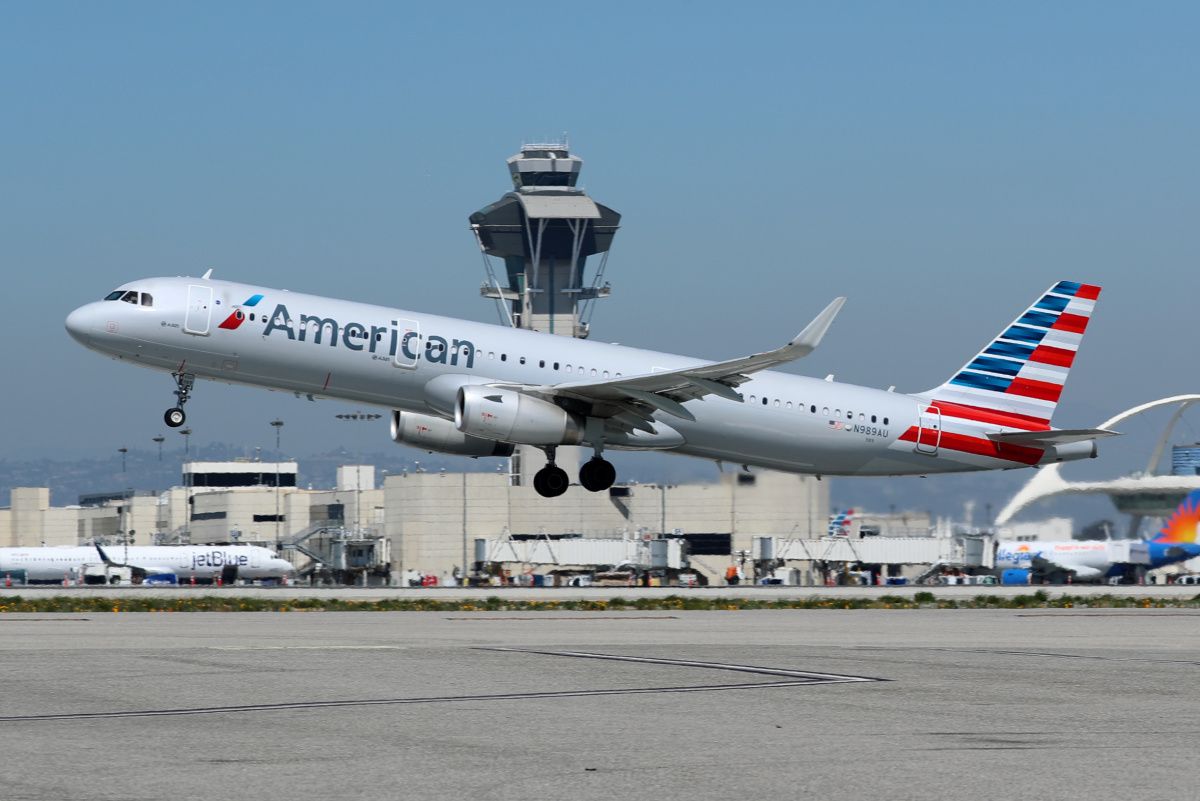
Travelers heading through Los Angeles International Airport on Saturday, March 28, 2026, are encountering relatively light TSA security wait times compared to recent nationwide disruptions, with official and third-party trackers showing standard screening lines averaging under 20 minutes at most checkpoints during midday hours.
The official LAX security wait times page reported minimal delays early Saturday, with Tom Bradley International Terminal (TBIT) showing just 2 minutes for general boarding and 0 minutes for TSA PreCheck as of 12:20 a.m. PT data refresh. Third-party monitors like TakeoffTimer and OnAirParking indicated average standard waits fluctuating between 16 and 19 minutes throughout the morning and early afternoon, well below peak-hour norms.
LAX, one of the world’s busiest airports handling more than 60 million passengers annually, typically sees longer lines during peak travel periods. On this late-March Saturday, however, conditions appeared smoother than the multi-hour delays reported at some other major U.S. hubs amid ongoing government staffing challenges.
Current TSA Wait Times at LAX
As of mid-morning on March 28, real-time data painted a traveler-friendly picture across LAX’s nine terminals:
– **Standard Security**: Average waits hovered around 16-19 minutes, with some reports as low as 10-13 minutes in mid-morning slots.
– **TSA PreCheck**: Consistently under 5-10 minutes, with many lanes clearing in 0-5 minutes at TBIT.
– **Peak Early Morning (4-6 a.m.)**: Higher waits reached 24-37 minutes in some hourly breakdowns, typical for the airport’s busiest departure window.
– **Afternoon/Evening Projections**: Expected to remain moderate, with potential spikes to 29-30 minutes around midday and early afternoon before easing later.
The flyLAX.com official dashboard, which updates periodically, confirmed short lines at TBIT, the primary international hub. Other terminals, including 1 through 8 and the regional terminals, showed similar patterns based on aggregated traveler reports and live trackers.
Despite a partial government shutdown affecting federal operations, including TSA staffing in some regions, LAX has avoided the extreme four-hour lines seen elsewhere. Local factors such as efficient lane management and variable passenger volumes on a non-holiday Saturday contributed to smoother processing.
Tips for Navigating LAX Security Today
Airport officials and travel experts recommend several strategies to minimize delays:
Arrive at least two hours before domestic flights and three hours for international departures. Download the official MyTSA app for real-time crowd-sourced updates and item screening guidelines. Enroll in TSA PreCheck or CLEAR if eligible — these programs dramatically cut wait times, often to under five minutes.
Use the LAX app or flyLAX.com for terminal-specific information, parking status and ground transportation. Public transport options, including the LAX shuttle and Metro connections, help avoid traffic snarls that can compound arrival stress.
Pack smart: Follow the 3-1-1 liquids rule and remove laptops, liquids and large electronics early. Wear slip-on shoes and avoid bulky outerwear to speed screening.
Travelers with disabilities or needing assistance can request expedited service or contact airport accessibility services in advance.
Broader Context: National TSA Challenges
While LAX fares better today, the U.S. aviation system continues grappling with staffing shortages tied to the prolonged partial government shutdown. TSA Deputy Administrator Ha Nguyen McNeill recently warned of record wait times exceeding four hours at select airports, with call-out rates as high as 40-50% among officers in heavily impacted facilities.
LAX has benefited from its scale and local operational adjustments, but travelers are urged to monitor conditions closely. Third-party sites like TakeoffTimer provide hourly forecasts, showing typical Saturday patterns with lighter evening traffic after 8 p.m.
Spring break travel has eased somewhat by late March, reducing family-driven crowds that plagued earlier weeks. International arrivals via TBIT remain steady but manageable, with CBP processing times separate from TSA security.
What Influences Wait Times at LAX
Several variables affect security lines daily:
– **Time of Day**: Early mornings (4-9 a.m.) and late afternoons (3-7 p.m.) traditionally see the longest queues due to flight banks.
– **Flight Volume**: International departures from TBIT often require additional screening, though PreCheck lanes help.
– **Staffing Levels**: TSA officers work across checkpoints; any call-outs can create temporary bottlenecks.
– **Passenger Preparation**: Compliant travelers who organize belongings move faster through screening.
– **Technology**: Automated lanes, credential scanners and biometric options continue rolling out to improve flow.
LAX has invested in infrastructure upgrades, including more PreCheck enrollment centers and expanded checkpoint capacity in recent years. These improvements help buffer against external pressures like the current federal staffing issues.
Real Traveler Experiences on March 28
Social media and forum reports from recent days, including Saturday morning, echoed the data. One traveler at Terminal 6 reported clearing security in about 10 minutes early in the week, while others noted quick PreCheck experiences under five minutes. Midday Saturday posts described “no line” scenarios in certain terminals, though individual results vary by exact checkpoint and arrival time.
Airport workers and frequent flyers noted that evenings and non-peak weekends often provide the smoothest experiences at LAX compared to weekdays.
Planning Your LAX Journey
For the most accurate information:
1. Check flyLAX.com/wait-times before leaving home.
2. Use the MyTSA app for live and historical data.
3. Monitor airline apps for gate and boarding updates.
4. Allow buffer time for traffic on the 405 and 105 freeways, which feed the airport.
Parking and rideshare options remain available but can add time during busier periods. Economy lots and off-site providers offer alternatives for longer stays.
Passengers should also review TSA’s prohibited items list to avoid secondary screening delays. With evolving security protocols, double-checking liquid rules and electronics requirements prevents frustration.
Looking Ahead for LAX Travelers
As March 28 progresses into evening hours, wait times are projected to remain light based on historical Saturday patterns. Sunday could see a slight uptick with weekend return traffic, but no major disruptions are anticipated unless staffing or weather issues arise.
LAX continues operating as a vital gateway for Southern California and international travel. Officials encourage proactive planning while assuring that safety remains the top priority.
Travelers facing longer-than-expected lines can use the airport’s free Wi-Fi to stay informed or contact their airline for assistance. Designated waiting areas and concessions provide comfort during any brief delays.
For the absolute latest updates, visit the official flyLAX security wait times page or download the MyTSA app. Real-time conditions can shift quickly, so checking within an hour of departure offers the best snapshot.
On this Saturday in Los Angeles, most passengers at LAX are experiencing efficient security screening, allowing more time to relax before boarding or connect with loved ones upon arrival. Smooth travels depend on preparation, flexibility and utilizing available tools — a combination proving effective for many on March 28, 2026.

North East scheme aims to close ‘culture gap’ for children

Hua Medicine (Shanghai) Ltd. 2025 Q4 – Results – Earnings Call Presentation (OTCMKTS:HUMDF) 2026-03-28

Ethereum Comeback Gains Momentum as Activity and Stablecoin Flows Return to L1


-
 NewsBeat3 days ago
Manchester United reach agreement with Casemiro over contract clause amid transfer speculation
-

 News Videos2 days ago
Parliament publishes latest register of MPs’ financial interests
-

 Crypto World6 days ago
Best Crypto to Buy Now: Strategy Just Spent $1.57 Billion on Bitcoin During Fear While Early Investors Quietly Enter Pepeto for 150x Potential
-

 Crypto World6 days ago
Bitcoin Price News: Bhutan Sells $72 Million in BTC Under Fiscal Pressure, but the Smart Money Entering Pepeto Sees What the Market Does Not
-

 Sports5 days ago
Remo Stars and Kano Pillars Strengthen Survival Hopes in NPFL
-

 Sports5 days ago
Gary Kirsten Accuses Pakistan Cricket Board Of ‘Interference’, Mohsin Naqvi Responds
-

 Business6 days ago
No Winner in March 21 Drawing as Prize Rolls to $133 Million for Next
-

 Tech5 days ago
Give Your Phone a Huge (and Free) Upgrade by Switching to Another Keyboard
-

 Tech5 days ago
AI enters the chat: New Seattle dating app relies on tech to facilitate meaningful human connections
-

 News Videos5 days ago
Ch 9 Financial Management Part 1 | Detailed One Shot | Class 12 Business Studies Boards 2026
-

 Tech6 days ago
Today’s NYT Connections Hints, Answers for March 22 #1015
-

 Business1 day ago
Instagram, YouTube Found Responsible for Teen’s Mental Health Struggle in Historic Ruling
-

 Business6 days ago
Will Duke Basketball Win It All? Duke Basketball Enters Second Round as Third Favorite to Claim NCAA Title
-

 Sports5 days ago
2026 Kentucky Derby horses, odds, futures, preview, date: Expert who hit 12 Derby-Oaks Doubles enters picks
-

 NewsBeat11 hours ago
The Story hosts event on Durham’s historic registers
-
 NewsBeat6 days ago
Update on Wisbech river crash as search for teenage boy enters fifth day
-
 Entertainment5 days ago
Cynthia Bailey Dishes on ‘RHOA’ Season 17, Discusses Kandi
-

 Tech6 days ago
SteamOS update adds support for Steam Machine and other non-Valve hardware
-

 Tech5 days ago
Samsung will soon let you control smart home devices from your car’s dashboard
-

 Business4 days ago
More women enter wealth management, but few in advisory roles: study
You must be logged in to post a comment Login