Helios Technologies, Inc. (HLIO) Analyst/Investor Day March 20, 2026 8:30 AM EDT
Company Participants
Tania Almond – Vice President of Investor Relations, Corporate Communications & Risk Management Sean Bagan – President, CEO & Director Billy Aldridge Rick Martich – President of Hydraulics – MCT Matteo Arduini – President of Hydraulics – FCT Jeremy Evans – CFO & EVP Billy Aldridge – President of Electronics Segment
Conference Call Participants
Advertisement
Jeffrey Hammond – KeyBanc Capital Markets Inc., Research Division Tomohiko Sano – JPMorgan Chase & Co, Research Division Peter Psallidas Christopher Moore – CJS Securities, Inc. Peter Kalemkerian – Robert W. Baird & Co. Incorporated, Research Division Jason Williams
Presentation
Tania Almond Vice President of Investor Relations, Corporate Communications & Risk Management
Advertisement
[Presentation]
Good morning, and welcome, everyone. Thank you for joining us for the Helios Technologies 2026 Investor Day. My name is Tania Almond, Vice President of Investor Relations and Corporate Communications. We are very excited to have you here with us today. Our last event was in 2021. So this has been a long time coming. We’ve done a lot of planning for this event.
We’ve got teams here with us from our operating companies for everyone who was able to join us in person with equipment on hand and customer applications. They’re super excited to engage with you as well. I want to give you a couple of backgrounds of how the day will unfold.
Obviously, we will be covering forward-looking statements, and we’ve got non-GAAP metrics as well that we’ve reconciled in the back with our supplemental materials. You can also review our risk statements in our 10-K filing that’s on our website as well as the SEC’s website. Just want to say a little bit about this beautiful venue that we’re in today. So we put out a press release earlier this week about our new partnership and sponsorship of the Mote
SYDNEY — As the Australian film industry continues its creative surge in 2026, local audiences and international viewers have a diverse slate of homegrown productions to explore. From high-profile premieres at global festivals to anticipated theatrical releases, 2026 has delivered standout works blending horror, drama, comedy and innovative storytelling. With several films already earning critical praise, festival buzz and even awards recognition, here’s a look at 10 of the best Australian movies to watch this year, based on early reviews, box office performance and cultural impact as of mid-March.
We Bury the Dead
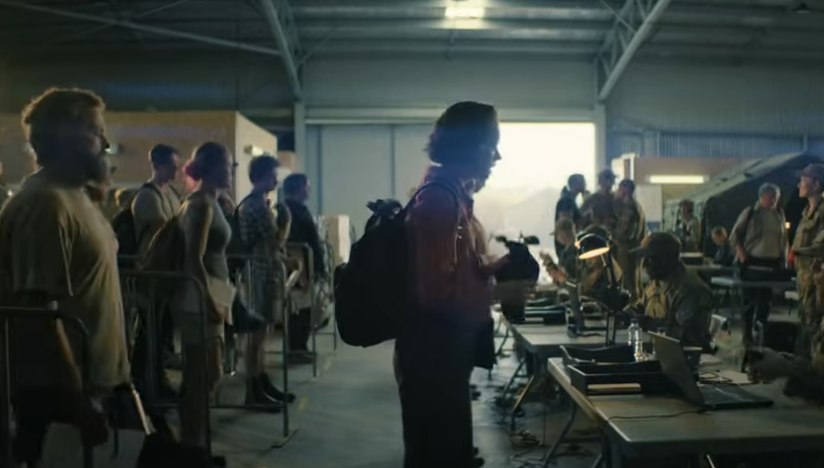
We Bury the Dead (Dir. Zak Hilditch, released February 2026) This Tasmanian-set zombie thriller starring Daisy Ridley has emerged as one of the year’s early standouts. Premiering at South by Southwest in 2025 before its Australian rollout, the film follows an American woman collecting corpses in a post-accident zombie outbreak caused by a U.S. weapon mishap. Critics lauded its urgent pacing, compelling performances and stunning cinematography, with IndieWire calling it “top-notch.” It has quickly become a must-watch for horror fans seeking a fresh twist on the genre.
Jimpa (Dir. Sophie Hyde, released February 2026) Adelaide director Sophie Hyde delivers her most ambitious project yet with this deeply personal family drama starring John Lithgow as a gay rights activist and Olivia Colman as his filmmaker daughter. Inspired by Hyde’s own father’s passing, the story follows a journey from Adelaide to Amsterdam involving intergenerational reconnection and non-binary family members. The intimate, character-driven narrative has resonated strongly, highlighting themes of identity and legacy in a heartfelt package.
The Deb (Dir. Rebel Wilson, released April 2026) Rebel Wilson’s directorial debut — an adaptation of the acclaimed stage musical by Hannah Reilly and Megan Washington — overcame production delays and legal hurdles to become a bright spot in Australian comedy. Set in a fictional country town, it centers on cousins clashing ahead of a debutante ball, featuring big laughs, pop choruses and a women-centered story. Despite controversy, the film’s charm and local flavor have made it a crowd-pleaser, with strong early box office in Australia.
Bring Her Back (Dirs. Danny and Michael Philippou, 2026) The Philippou brothers, following their breakout success with “Talk to Me,” claimed the Best Film honor at the 2026 AACTA Awards. Presented by Baz Luhrmann, the win underscores the film’s impact in horror and thriller circles. While plot details remain guarded, the Causeway Films production has sparked widespread conversation for its bold storytelling and technical prowess, solidifying the siblings as leading voices in contemporary Australian cinema.
Crowded House (2026) This anticipated biopic or music-infused drama centered on the iconic New Zealand-Australian band has generated significant excitement. Featuring Russell Crowe in a key role, the film explores the group’s legacy and personal stories. Early teasers promise an emotional, music-driven experience, appealing to fans of classic rock and Australian cultural narratives.
Leviticus (2026) A standout in the horror genre, this demonic possession tale has built buzz for its atmospheric tension and innovative approach. Highlighted in multiple “most anticipated” lists, the film draws on Australian folklore and modern dread, positioning it as a fresh entry in the country’s growing horror output.
Tenzing (2026) This adventure-drama, inspired by mountaineering themes, has been flagged for its epic scope and strong performances. With international appeal and ties to real-world exploration stories, it offers a visually striking alternative to typical outback tales.
Mockbuster / The Land That Time Forgot (2026) A playful, genre-bending project involving dinosaurs and satire, this film combines humor with creature features. Its quirky premise and potential for cult appeal make it one of the more unconventional picks for 2026.
Bear Country (2026) Blending wilderness adventure with darker undertones, this film explores Australian landscapes and human-nature conflicts. Early festival screenings have praised its cinematography and thematic depth.
The Colleano Heart (2026) A heartfelt drama drawing on Indigenous or multicultural stories, this entry rounds out the list with its focus on family, identity and resilience. It represents the ongoing push for diverse voices in Australian filmmaking.
These selections reflect a vibrant year for Aussie cinema, with strong festival performances — including at Sundance 2026 — and growing international recognition. Streaming platforms like Netflix have also bolstered accessibility, though many remain theatrical first. As the year progresses, additional releases and awards season contenders could shift the landscape, but these 10 stand as essential viewing for anyone seeking quality Australian stories in 2026.
From zombie apocalypses in Tasmania to musical celebrations in small towns, the industry continues to innovate while honoring its roots. Local audiences have embraced the mix, supporting both indie gems and bigger-budget efforts amid a competitive global market.
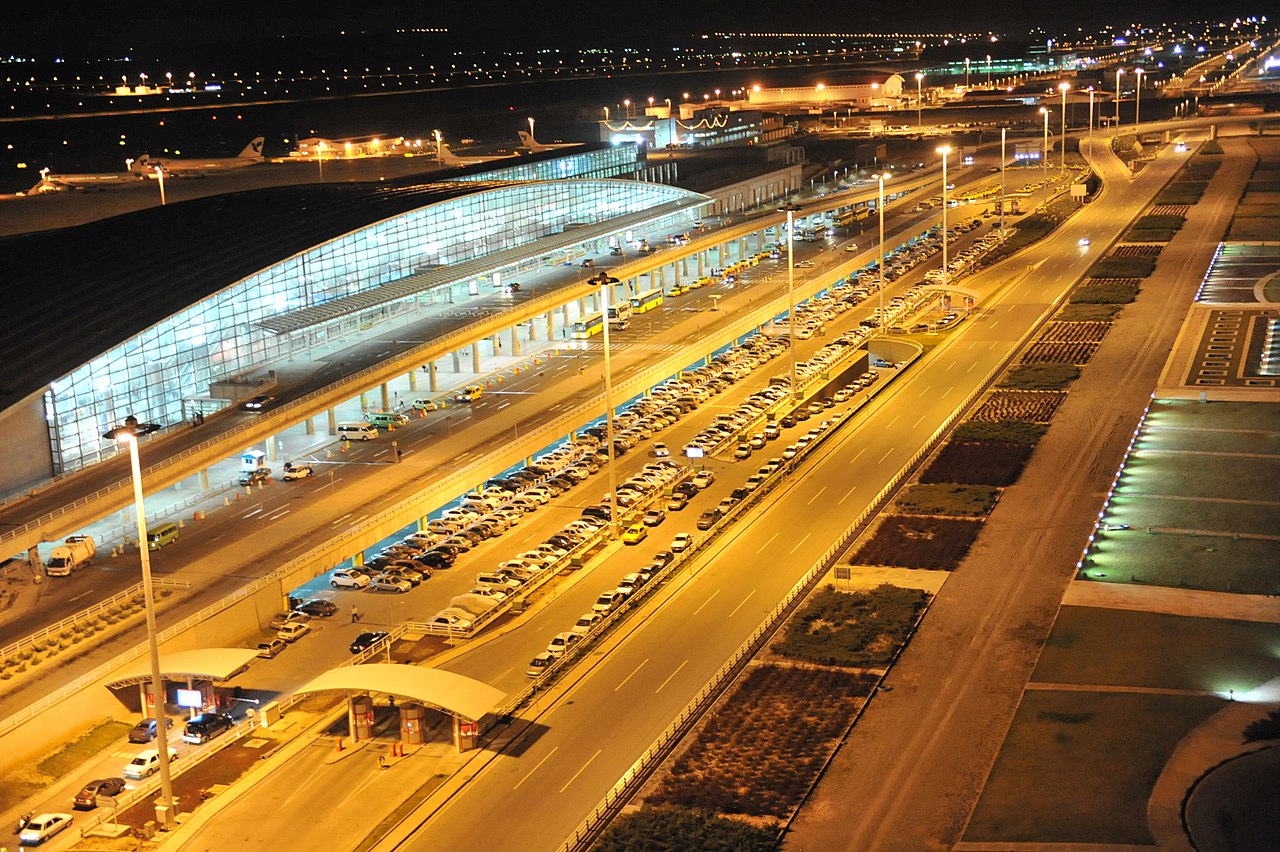
TEHRAN — Imam Khomeini International Airport (IKA), Iran’s primary gateway for international flights located about 30 kilometers south of Tehran, continues to face severe restrictions and effective closure to normal commercial passenger traffic as of March 21, 2026, due to the ongoing military conflict involving Iran, the United States and Israel.
Tehran Imam Khomeini International Airport
Flight tracking platforms including Flightradar24, FlightAware and FlightStats show minimal to no regular scheduled activity at the airport today. While some sources list isolated departures or arrivals — such as potential cargo or limited repatriation flights — the vast majority of commercial services remain suspended. FlightStats departures page displays only sporadic or no results for March 21, with search filters yielding “1 result” or none in many queries. Trip.com’s live status indicates heavily reduced schedules, with forecasts of near-100% on-time performance rendered moot by the low volume of flights.
The airport has been effectively shuttered for routine civilian operations since early March, following Israeli strikes on Iranian military infrastructure, including reported damage to radar facilities near IKA. Satellite imagery and reports from March 3 confirmed destruction of a radar dome adjacent to the airfield, contributing to airspace insecurity. Mehrabad International Airport (THR), Tehran’s domestic hub, sustained direct hits, with claims of multiple aircraft destroyed, further compounding disruptions.
Iranian airspace remains heavily restricted or closed to most civilian overflights, with NOTAMs and advisories limiting operations. Airlines have broadly suspended services to and from Iran, including major carriers like Qatar Airways (limited to one daily Doha-Tehran rotation under special permissions), Turkish Airlines, Pegasus and others extending cancellations through at least late March or into spring. Mahan Air has operated occasional long-haul flights, such as to Shanghai, but these appear exceptional rather than standard.
The conflict, now in its third week, has triggered widespread airspace closures across the Middle East. Neighboring countries including Iraq, Kuwait, Bahrain and parts of the Gulf have imposed full or partial bans, forcing reroutes and cancellations numbering in the thousands. Aviation Week reported ongoing short-term suspensions and capacity cuts, with Iranian carriers like Mahan Air filing interim schedules amid restrictions. International airlines have avoided Iranian airspace entirely in most cases, citing safety risks from missile exchanges and air defense activity.
Advertisement
Authorities have prioritized limited repatriation and essential flights. Some regional carriers maintain minimal services under special permissions, but passengers face significant hurdles. Travel advisories from multiple governments urge against non-essential travel to Iran, with warnings of unpredictable disruptions, potential further strikes and challenges in obtaining updates.
The airport’s official channels and the Civil Aviation Organization of Iran have not issued a reopening timeline. Earlier statements emphasized safety amid “current developments,” echoing broader regional alerts. Unlike Jeddah’s King Abdulaziz International Airport or Riyadh’s King Khalid, which have maintained more consistent operations, Tehran’s hubs remain among the most impacted.
Travelers with bookings are advised to contact airlines directly rather than heading to the airport. Rebooking, refunds or waivers are available under force majeure clauses for many tickets. Ground alternatives, such as land borders with neighboring countries, offer limited options but require visas, security checks and awareness of regional instability.
The situation underscores the vulnerability of Gulf and Middle Eastern aviation to geopolitical shocks. With U.S. and Israeli operations continuing to target Iranian assets and Iran responding with missile barrages, experts anticipate prolonged restrictions. Flight data from March 20-21 shows empty skies over much of Iranian territory on live maps, a stark contrast to pre-conflict busyness when IKA handled dozens of daily international arrivals from Europe, Asia and the Middle East.
Advertisement
As the conflict shows no signs of immediate resolution, Imam Khomeini International Airport stands as a symbol of the broader aviation chaos gripping the region. Passengers should monitor official airline apps, Flightradar24 or GACA-equivalent sources for any changes. For now, normal commercial flights remain off the board, leaving the airport quiet amid heightened military vigilance.
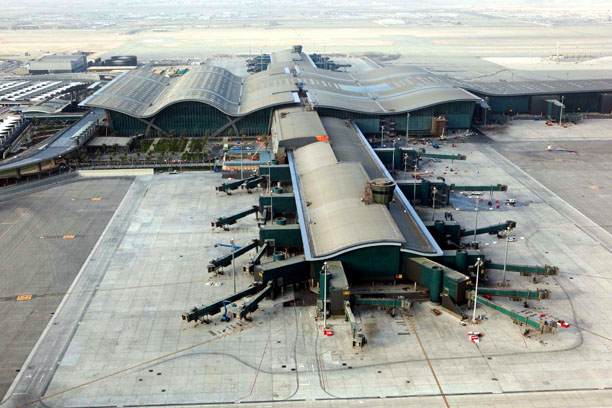
DOHA — Hamad International Airport (DOH), Qatar’s flagship global hub and home base for Qatar Airways, remains under severe operational constraints as of March 21, 2026, with scheduled commercial passenger flights heavily restricted due to the closure and partial reopening of Qatari airspace amid the escalating Middle East conflict involving Iran, the United States and Israel.
Hamad International Airport
The airport’s official flight status page shows “No results found” or “Currently no flights found” for searches on March 21, reflecting minimal regular activity. While some sources indicate isolated operations — including potential Qatar Airways repatriation or essential flights through limited approved corridors — full normal service has not resumed. The Qatar Civil Aviation Authority maintains tight control, authorizing only select movements subject to ongoing security assessments.
Qatar Airways, the dominant carrier at Hamad, continues temporary limited schedules through March 28, focusing on repatriation and essential travel via designated safe air corridors. An announcement confirmed these flights support stranded passengers but do not represent a return to standard operations. Passengers are repeatedly advised not to proceed to the airport without confirmed bookings, with emphasis on contacting airlines directly for real-time updates.
The disruptions trace back to early March when Qatari airspace closed following Iranian missile and drone responses to U.S.-Israeli strikes. Qatar partially reopened airspace around March 6-7 for evacuation, cargo and limited passenger relief flights, but scheduled services stayed suspended pending full safety clearance. By mid-March, Qatar Airways enhanced limited operations to over 70 destinations in some updates, though volumes remain far below pre-conflict levels.
Flight tracking platforms present mixed signals. Flightradar24 reports a 93% on-time performance rating but low activity, with weather conditions favorable (25°C, light winds) yet airspace constraints dominating. FlightAware shows sporadic movements, such as a Qatar Airways Boeing 787 test or repositioning flight and select arrivals/departures (e.g., from Jeddah or Istanbul), but no broad schedule. FlightStats and Skyscanner list reduced arrivals/departures, with many historical or projected entries showing cancellations or no data for today.
Advertisement
The airport has prioritized safety, withdrawing from global events like the Skytrax World Airport Awards 2026 and Passenger Terminal Expo in London to focus on internal stability. Hamad emphasized passenger, staff and family wellbeing amid regional tensions, including missile exchanges and drone threats across the Gulf.
Broader aviation impacts persist. The conflict — now in its third week — has caused thousands of cancellations and stranded passengers across the region. Qatar Airways implemented global travel waivers and relief measures, but full resumption depends on Qatar Civil Aviation Authority announcements. Unlike some neighbors (e.g., Saudi airports maintaining more consistent ops), Doha’s hub status makes it particularly sensitive to airspace volatility.
Travelers face challenges: limited options for entry/exit, potential reroutes via open corridors and advisories against non-essential travel. Qatar Airways urges monitoring via its app or website, while the airport’s FAQ confirms temporary suspensions tied to airspace status.
As the situation evolves, no full reopening timeline exists. Authorities coordinate with military for security, allowing cautious limited flights. Passengers with bookings should verify status urgently, as changes occur rapidly.
Advertisement
Hamad International Airport, normally one of the world’s busiest with state-of-the-art facilities, stands as a key indicator of Gulf aviation resilience. For now, operations continue in restricted mode, balancing essential connectivity with paramount safety concerns in a volatile region.
SYDNEY — Rhoda Roberts AO, one of Australia’s most influential Indigenous arts figures, died on March 21, 2026, at age 66 after a battle with stage 4 cancer. The Bundjalung woman from northern New South Wales left an indelible mark on theatre, festivals, broadcasting and cultural advocacy, pioneering First Nations storytelling and protocols that reshaped Australian arts.
Rhoda Roberts
Born Rhoda Ann Roberts in 1960 in Sydney’s Canterbury Hospital, she grew up in Lismore amid a family of activists and achievers. Her father, Frank Roberts, was a civil rights advocate and pastor, while her cousin Francis “Frank” Roberts became Australia’s first Aboriginal Olympian. Facing discrimination and limited educational opportunities, she left school after Year 10, trained as a nurse and graduated in 1979 before pivoting to the arts in the mid-1980s.
Here are five essential aspects of her remarkable life and legacy:
1. **Pioneer of Indigenous Theatre and Festivals** Roberts co-founded the Aboriginal National Theatre Trust in 1987–1988, one of the earliest platforms dedicated to Aboriginal performers and stories. She founded and directed the Festival of the Dreaming (1997), Sydney Dreaming Festival and the long-running Dreaming Festival (1995–2009), events that celebrated contemporary Indigenous culture on national and international stages. She also served as cultural advisor for the 2000 Sydney Olympics, Garma Festival director in 2010 and creative force behind Parrtjima Festival in Alice Springs, Boomerang Dreaming at Bluesfest and Shine on Gimuy in Cairns. Her work elevated First Nations voices in major events like the Rugby World Cup 2003 handover and Dubai Expo 2021.
2. **Trailblazer in Broadcasting and Media** Roberts broke barriers as one of the first Aboriginal presenters on prime-time television and worked extensively in radio, television and journalism. She produced documentaries such as “In the Gutter… No Way” (1989) for SBS and held roles with Network Ten and ABC Radio. She received a Deadly Award for Broadcasting in 1998 and served as Elder in Residence for SBS and NITV. Recently appointed cultural lead for the Koori Mail newspaper, she remained a sought-after voice on Indigenous issues through her writing, speaking and consulting.
Advertisement
3. **Innovator of Welcome to Country Protocols** Widely credited with popularizing and formalizing the Welcome to Country ceremony now integral to Australian public life, Roberts advocated for respectful acknowledgment of Traditional Owners. Her efforts ensured these protocols became standard at events, institutions and official gatherings, fostering greater cultural awareness and respect. Tributes highlighted this as one of her most enduring contributions to national reconciliation.
4. **Acclaimed Performer and Storyteller** Roberts acted in films including Wim Wenders’ “Until the End of the World” (1991), “Stones of Death” (1988) and television series like “Blue Heelers” (1994). She performed in stage works such as Louis Nowra’s “Radiance” (1993 revival), “Please Explain” (1998) and “Bible Boxing Love” (2008). In recent years, she wrote, directed and starred in her acclaimed one-woman show “My Cousin Frank,” which premiered in 2024 with NORPA and returned to the Sydney Opera House in December 2025. The production shared the story of her cousin, the pioneering Olympian, and her family’s history on Cabbage Tree Island and Cubawee reserve.
5. **Honored Advocate Facing Personal Challenges** Roberts received the Order of Australia (AO) for distinguished service to the performing arts, leadership, advocacy and promoting contemporary Indigenous culture. Other accolades included the Ros Bower Award (2019), Helpmann Awards’ Sue Nattrass Award (2018) and Sidney Myer Facilitators Award (1997). Diagnosed with stage 4 cancer in late 2025, she faced the illness with characteristic resilience. A tribute event at the Sydney Opera House in December 2025 drew 200 attendees, including prominent figures like the Governor-General, Prime Minister and arts leaders, to celebrate her life while she was still present. A GoFundMe raised support for medical costs and family needs, reflecting her deep community ties. She continued as First Nations Creative Director for NORPA, consultant with NIDA and practicing weaver until her final days.
Roberts’ influence extended to boards like the Sydney Opera House Trust (former), Indigenous Tourism Australia and MusicNSW. She lived on a 100-acre farm in northern NSW with partner Steven Field, embodying a holistic commitment to culture, family and legacy.
Advertisement
Tributes poured in following news of her death, with colleagues describing her as a “game changer,” “national treasure” and force for Indigenous excellence. Her work bridged commercial, community and non-profit sectors, inspiring generations of artists and advocates.
As Australia reflects on her contributions, Roberts’ legacy endures in the festivals she founded, the protocols she championed and the stories she told — ensuring First Nations voices remain central to the nation’s cultural narrative.
LOS ANGELES — Austin Reaves, the Los Angeles Lakers’ breakout guard, recently called LeBron James the “real leader” of the team, emphasizing the four-time NBA champion’s selfless play, basketball IQ and example-setting presence even as Luka Doncic has taken on the primary scoring and playmaking role.
In a post-game interview following the Lakers’ victory over the Chicago Bulls earlier this month, Reaves highlighted James’ adaptability after returning from a brief injury absence. “He’s one of the smartest guys to ever play the game of basketball,” Reaves said. “His ability to adapt and to figure out what the game needs is second to none. … When you got a player of that stature who’s willing to play the way the game needs him to play, that just shows how selfless he is and just is a leader by example for everybody in this locker room.”
The comments came as the Lakers navigated a shifting hierarchy following last season’s blockbuster trade that brought Doncic from the Dallas Mavericks. With Doncic establishing himself as the top option — often leading in points, assists and usage — and Reaves emerging as a reliable second scorer and ball-handler, James has willingly adjusted his role. Coach JJ Redick has engineered lineups that lower James’ usage to historic lows for the superstar, prioritizing Doncic and Reaves in pick-and-roll actions and late-game situations.
LeBron himself reinforced this dynamic after a recent win over the Houston Rockets, where Doncic dropped 40 points. “We have guys who have been in big games before. AR and Luka are two of our closers, and we just all try and sprinkle in, and do what we need to do defensively to help those guys out,” James told reporters. The statement aligned with reports that the Lakers are building “Dallas 2.0” around Doncic and Reaves long-term, though sources indicate both younger stars want James to remain beyond this season.
Reaves’ praise underscores James’ enduring influence despite the statistical shift. At 41, James averages 21.4 points, 5.7 rebounds and 7.0 assists on 50.5% shooting this season, numbers that reflect efficiency over volume. Reaves pointed to specific moments against the Bulls: James setting screens, crashing for offensive rebounds (including an and-1) and finishing behind defenses — contributions that don’t always show in box scores but fuel team success.
Advertisement
The Lakers sit 41-25 as of mid-March 2026, holding fourth in the Western Conference and riding a strong stretch fueled by veteran buy-in. A $16 million role player has exemplified the selfless culture James promotes, contributing to a dominant run where the trio has found balance. Analysts note the team performs exceptionally when Doncic and Reaves share primary responsibilities, with James providing spacing, facilitation and defensive versatility.
Earlier concerns about lineup fit — ESPN’s Brian Windhorst once said the three together weren’t effective — have eased as synergies develop. Locked On Lakers discussions highlight how Reaves’ elevated on-ball role and James’ reduced usage create better spacing and fewer turnovers. Reaves has thrived in this setup, averaging 23.85 points, 4.78 rebounds and 5.5 assists across recent games, often excelling in Doncic-James absences (posting 44.3 PPG in three such contests last season).
James’ leadership extends beyond stats. Reaves has repeatedly called him the smartest player he’s played with, crediting daily joy, positivity and mentorship. In one instance, during a timeout, James declared “I’m not tired” — a moment Reaves cited as motivational. “LeBron said ‘I’m not tired’ … and that was enough,” Reaves recalled in a team huddle anecdote.
The dynamic has sparked debate about the future. Reports suggest the Lakers may move on from the James era post-season, focusing on Doncic and Reaves as cornerstones. Yet Reaves’ words affirm James’ locker-room stature. “Follow the leader,” he said in reference to James’ example, per recent reports.
Advertisement
As the playoffs approach, the Lakers’ success hinges on this balance. James’ willingness to sacrifice — accepting a third-option role in key stretches — has enabled Doncic’s dominance and Reaves’ growth. The guard’s public endorsement reinforces that leadership isn’t measured solely by touches or points but by impact, adaptability and team-first mentality.
With the season heating up, Reaves’ comments serve as a reminder: While Doncic drives the offense and Reaves provides secondary creation, James remains the guiding force in the Lakers’ locker room.
The fine art, Persian rugs and luxury furniture of William and Rose Porteous will go on sale this weekend, as the couple look to offload several “valuable” items from their collections.
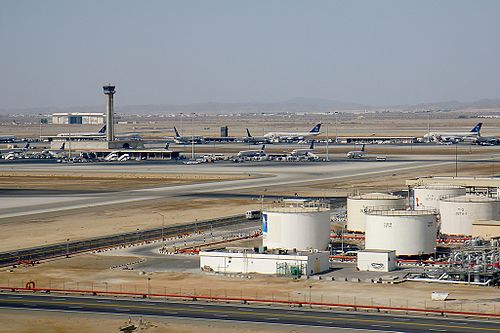
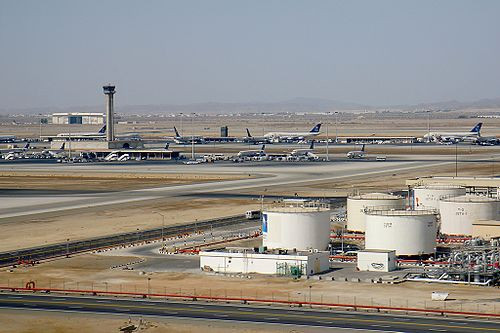
JEDDAH — King Abdulaziz International Airport (JED/OEJN), Saudi Arabia’s busiest gateway and a major hub for Hajj and Umrah pilgrims, continues to operate with scheduled commercial flights on March 21, 2026, despite ongoing regional security challenges stemming from the escalating conflict involving Iran, the United States and Israel.
King Abdulaziz International Airport
Live flight tracking data from multiple sources, including the official airport website (kaia.sa), Flightradar24, FlightAware and Trip.com, confirm active arrivals and departures throughout the day. As of early morning local time (GMT+3), departures include long-haul services such as Saudia SV 976 to Hong Kong scheduled for 06:00, Flyadeal FAD 9118 to Abuja at 05:00 and Flynas XY 697 to Bishkek at 05:00. Arrivals feature routes from Nairobi (Saudia SV 948), Karachi (Airblue ABQ 170) and Berlin (Flynas XY 644), with many flights listed as on time or experiencing only minor delays.
The airport’s official flights page shows hundreds of scheduled operations, with real-time updates indicating low overall impact — around 2% disruption on recent days according to Wego tracking. FlightAware and FlightStats report dozens of arrivals and departures in the early hours, including international carriers like Turkish Airlines codeshares and regional low-cost operators. No blanket closure has been announced by the General Authority of Civil Aviation (GACA) or Jeddah Airports Company, which manages the facility.
A travel alert posted on the KAIA website urges passengers to “check directly with their airlines for the latest flight updates before leaving for the airport” due to “current developments.” The advisory highlights potential adjustments from regional events but stops short of any suspension notice. Sustainability and service pages remain active, promoting parking bookings and passenger rights information.
The airport has handled increased traffic in recent weeks as Saudi Arabia positions itself as a key transit hub amid widespread disruptions elsewhere in the Gulf. Reports from Asharq Al-Awsat and other outlets note a surge in rerouted flights using Saudi airspace and airports after closures or severe restrictions in Dubai, Doha, Abu Dhabi and other neighboring hubs. Saudi carriers like Saudia and Flynas have maintained core domestic and select international routes while extending suspensions to certain conflict-adjacent destinations through late March.
Advertisement
Earlier in the month, temporary measures affected operations. Saudia and others canceled or postponed flights to cities like Dubai, Doha, Bahrain, Kuwait and Amman amid initial airspace safety assessments following missile exchanges and drone threats. By mid-March, however, major Saudi airports — including Jeddah, Riyadh (RUH) and Dammam (DMM) — returned to largely normal schedules, facilitating repatriation charters and commercial services. GACA reported handling over 120 flights from regional carriers between late February and mid-March to support continuity.
Unlike Kuwait International Airport, which faces prolonged closure due to reported infrastructure damage from drone incidents, Jeddah’s King Abdulaziz has avoided direct impacts. No confirmed strikes or significant damage have been reported at JED, though heightened security includes enhanced radar monitoring and coordination with military authorities. Passenger volumes remain robust, with the airport previously setting records for throughput and continuing to serve as a vital link for pilgrims and business travelers.
Delays do occur sporadically — FlightEra notes average departure delays around 44 minutes and arrivals at 76 minutes in recent periods, with low cancellation rates (4-5%). Weather conditions in Jeddah remain favorable, with scattered clouds, mild winds and good visibility contributing to smooth operations.
For travelers, the situation requires vigilance. Airlines recommend confirming status via official apps or websites, as dynamic routing and overflight permissions can lead to last-minute changes. Saudia, the primary operator at JED, has emphasized safety-first adjustments, while low-cost carriers like Flynas and Flyadeal maintain extensive domestic networks.
Advertisement
The broader Middle East aviation landscape remains volatile. Airspace over Iran, Iraq, Syria and parts of the Gulf faces intermittent restrictions, forcing longer routings over Saudi territory or the Arabian Sea. This has increased fuel costs and flight times but allowed Jeddah to absorb overflow traffic.
As the conflict enters its third week, no escalation has directly threatened Jeddah’s operations. Authorities continue emergency coordination, with focus on stranded passengers and logistical support. International advisories from the U.S. State Department and others urge caution in the region but do not prohibit travel to Saudi Arabia outright.
Passengers planning to use King Abdulaziz International Airport today or in coming days should monitor real-time sources: the KAIA flights portal, airline apps and trackers like Flightradar24. With hundreds of flights proceeding, the airport stands open and functional, serving as a stable anchor in an otherwise disrupted regional network.





















































You must be logged in to post a comment Login