
Business
Hezbollah pays steep price in battle to reverse its fortunes


The move has brought severe political consequences, too. In Beirut, opposition has hardened to its status as an armed group, which domestic rivals see as exposing Lebanon to repeated wars with Israel.
In April, Lebanon’s government held face-to-face talks with Israel for the first time in decades, a decision Hezbollah firmly opposed.
However, more than a dozen Hezbollah officials told Reuters they see a chance to reverse deteriorating fortunes by aligning with Tehran in its war with Israel and the United States. The group, founded by Iran’s Islamic Revolutionary Guard Corps in 1982, opened fire two days into the conflict, which began with U.S. and Israeli strikes on Iran on February 28.
The group’s calculations are based on the assessment that its participation would force Lebanon onto the agenda of U.S.-Iranian negotiations, and that Iranian pressure can secure a more robust ceasefire than one that took effect in November 2024 following a conflict sparked by the war in Gaza, the officials said.

Hezbollah was mauled in the last war, which killed its leader, Hassan Nasrallah, along with some 5,000 fighters, and weakened its long-dominant hold over the Lebanese state.
Rearmed with Iranian help, it has used new tactics and drones, surprising many with its capabilities after a fragile 15-month truce during which Hezbollah held fire, even as Israel continued to kill its members. Hezbollah lawmaker Ibrahim al-Moussawi denied the group was acting on Iran’s behalf when it resumed hostilities, as alleged by opponents. He told Reuters Hezbollah saw a window to “break this vicious cycle … where the Israelis can target, assassinate, bombard, kill, without any revenge.”
He acknowledged losses and damage in southern Lebanon but said “you don’t go into making calculations of how many are going to be killed” when “pride and sovereignty and independence” are at stake.
While a U.S.-mediated ceasefire that took effect on April 16 has led to a significant reduction in hostilities, Israel and Hezbollah have continued to trade blows in the south, where Israel maintains troops in a self-declared “buffer zone”.
Yezid Sayigh, a senior fellow at the Carnegie Middle East Center in Beirut, said Hezbollah had “shown more resilience than many thought possible, but that was not a strategic gain in itself”.
“The only thing that will contain Israel is a comprehensive U.S.-Iran deal,” he said. “Without a deal, there’s going to be a lot of pain for everyone. At best, a hurting stalemate.”
GRAVES FRESHLY DUG, AND QUICKLY FILLED
More than 2,600 people have been killed since March 2, around a fifth of them women, children and medics, Lebanon’s health ministry has reported. Its toll does not distinguish between civilians and combatants.
Three sources, two of them Hezbollah officials, said the ministry’s figures do not include many of the group’s casualties. They said several thousand Hezbollah fighters have been killed, though the group does not have the full picture yet.
Hezbollah’s media office said the figure of several thousand was inaccurate, but the group does not have the full toll. It referred Reuters to the health ministry’s figures.
One source, a Hezbollah commander, said scores of fighters had gone to the frontline towns of Bint Jbeil and Khiyam intending to fight to the death. Their bodies have yet to be recovered.
In the Hezbollah-controlled southern suburbs of Beirut, more than two dozen freshly dug graves were quickly filled with fighters’ bodies in the days after the ceasefire took hold. Simple marble tombstones identify some as commanders, others as fighters.
In one southern village alone, Yater, the council recorded the deaths of 34 Hezbollah fighters.
Lebanon’s Shi’ite Muslim community has borne the brunt of Israel’s attacks, forced to flee into Christian, Druze and other areas, where many blame Hezbollah for starting the war.
Israel has been entrenching its hold over a security zone stretching as far as 10 km (6 miles) into Lebanon and demolishing villages, saying it aims to shield northern Israel from attacks by Hezbollah militants embedded in civilian areas.
An Israeli government official said Hezbollah had abrogated the November 2024 ceasefire by firing on Israeli citizens on March 2. The threat to northern Israel would be eradicated, the official said, adding thousands of Hezbollah militants had been killed, and Israel was steadily destroying the group’s infrastructure.
The Israeli military says Hezbollah has fired hundreds of rockets and drones at Israel since March 2. Israel has announced 17 soldiers killed in southern Lebanon, along with two civilians in northern Israel.
Citing ongoing Israeli strikes, Hezbollah has called the April ceasefire meaningless and continued to attack.
IRAN ‘WILL NOT SELL’ THEIR FRIENDS
A diplomat who has contact with Hezbollah described its decision to enter the war as a big gamble and a survival strategy, saying it felt it needed to be part of the problem so it could be part of an eventual regional solution.
It has yet to be seen if the gamble will pay off.
Tehran has demanded that Israel’s campaign against Hezbollah be included in any deal on the wider war. But Trump said last month that any deal Washington reaches with Tehran “is in no way subject to Lebanon”.
A spokesperson for Pakistan’s Foreign Ministry, Tahir Andrabi, referred Reuters to an April 16 statement in which he said peace in Lebanon was essential to the talks it is mediating between the U.S. and Iran.
A Western official said they saw a possibility the U.S. and Iran might eventually reach a settlement that does not address the war in Lebanon.
Asked about this, the U.S. State Department, Iran’s mission to the United Nations in Geneva and Lebanon’s government did not immediately comment.
Hezbollah’s Moussawi said a ceasefire in Lebanon continues to be a top priority for Iran, adding Tehran shares Lebanon’s objectives, including that Israel halt attacks and withdraw from Lebanon. Hezbollah has “full trust in Iran – that the Iranians will not sell their own friends”, he said.
The State Department referred Reuters to an April 27 interview Secretary of State Marco Rubio did with Fox News, in which he said Israel had a right to defend itself against Hezbollah’s attacks, and that he didn’t think Israel wanted to maintain its buffer zone in Lebanon indefinitely.
The United States has urged Israel “to make sure their responses are proportional and targeted,” he said.
When the April 16 ceasefire was announced, Israeli Prime Minister Benjamin Netanyahu said Hezbollah’s disarmament would be a fundamental demand in peace talks with Lebanon.
Hezbollah has ruled out disarmament, saying the matter of its weapons is a topic for a national dialogue. Any move by Lebanon to disarm the group by force would risk igniting conflict in a country shattered by civil war from 1975 to 1990.
Lebanon’s President Joseph Aoun and Prime Minister Nawaf Salam have sought Hezbollah’s peaceful disarmament since last year. On March 2, the government banned the group’s military activities.
Hezbollah has demanded the government cancel that decision and end its direct talks with Israel.
Lebanese officials have told Reuters they believe direct talks with Israel under the auspices of the U.S. are the best way to secure a lasting ceasefire and the withdrawal of Israeli troops, as only Washington has enough leverage with Israel to achieve those aims.


Universal Logistic Holdings Is Surviving By Underinvesting, But Needs A Quick Turn

Earnings call transcript: Redwood Trust beats EPS in Q1 2026, stock mixed
Earnings call transcript: Tenable Holdings Inc. Q1 2026 beats expectations, stock rises
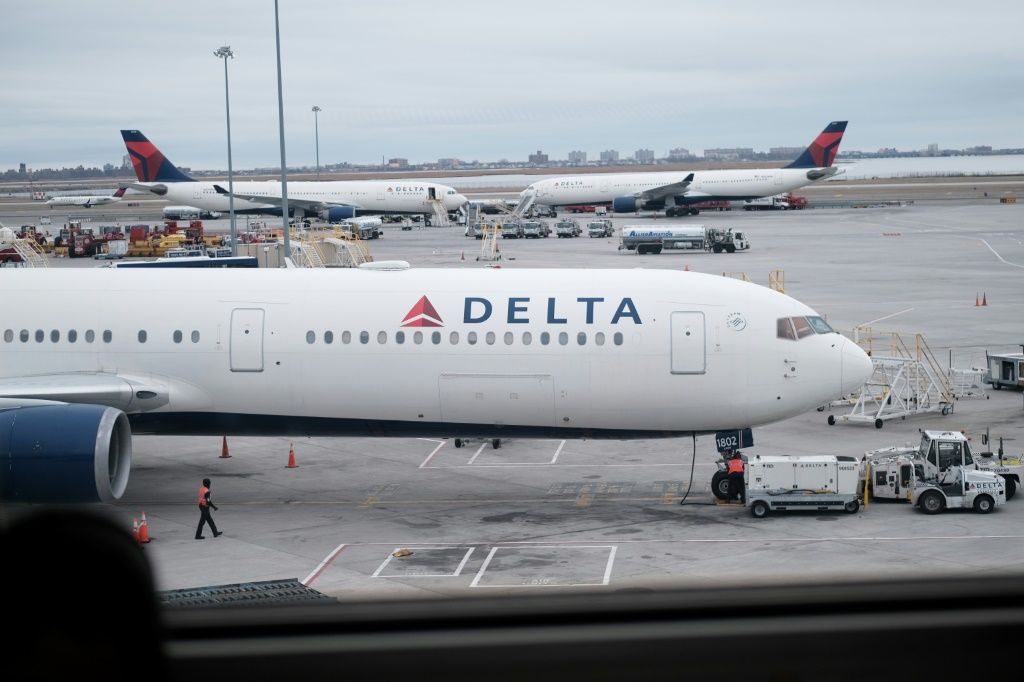
NEW YORK — A Delta Air Lines flight was delayed and a female passenger arrested after she allegedly refused repeated requests to end a phone call before takeoff, sparking a confrontation captured on video that quickly went viral and highlighted ongoing tensions over in-flight etiquette and crew authority. The incident, which unfolded at a major U.S. airport on Saturday, May 2, 2026, underscores persistent challenges airlines face in enforcing federal regulations prohibiting cellphone use during critical phases of flight.
Video footage widely shared on social media shows fellow passengers pleading with the woman to be considerate as flight attendants and the captain intervened. “Ma’am, please hang up the phone — we can’t take off until you do,” one crew member is heard saying in the clip. The woman reportedly continued her conversation, leading to escalating frustration among passengers and crew. Law enforcement was eventually called, resulting in her removal and arrest for interfering with a flight crew.
Delta Air Lines confirmed the delay but declined to release the flight number or exact airport, citing privacy and ongoing investigation. A spokesperson said the airline takes safety protocols seriously and works with authorities when passengers fail to comply with federal aviation regulations. The Federal Aviation Administration prohibits the use of cellular devices during taxi, takeoff and landing to avoid potential interference with aircraft systems, though modern planes are designed with shielding. The rule is also intended to ensure passengers pay attention to safety briefings.
Passengers on board described the situation as tense but ultimately resolved without physical altercation. One traveler, who recorded part of the exchange, posted the video with the caption “When one person ruins it for everyone.” Comments flooded in supporting the crew’s actions while others criticized the woman for prioritizing her call over collective safety and convenience. The delay reportedly lasted more than an hour as authorities processed the arrest and the plane was prepared for departure.
Aviation safety experts note that such incidents, while rare, highlight the importance of clear communication and de-escalation training for flight crews. The FAA and airlines have ramped up efforts in recent years to address unruly passenger behavior, particularly post-pandemic when travel stress has contributed to more confrontations. Federal law allows for fines and criminal charges when passengers interfere with crew members performing their duties.
This latest event comes amid broader discussions about technology use on planes. Many carriers have relaxed Wi-Fi policies and allow calls via internet-based apps in some cases, but traditional cellular calls remain restricted during critical phases. The woman’s refusal reportedly continued despite announcements and direct instructions, prompting the captain to return to the gate.
Delta passengers affected by the delay received compensation in the form of travel vouchers or meal credits, standard procedure for controllable disruptions. The airline expressed regret for the inconvenience while emphasizing safety as the top priority. No injuries were reported, and the flight eventually departed without further issues.
Social media reaction was swift and polarized. Hashtags related to the incident trended as users debated personal rights versus public responsibility. Some defended the woman, suggesting possible underlying reasons such as an emergency call, while the majority sided with the crew and fellow passengers frustrated by the selfish behavior. Viral videos often amplify these moments, turning routine travel disruptions into national conversations about civility.
Aviation analysts say enforcement of phone rules has become more challenging with smartphones’ ubiquity. While most passengers comply, a small minority test boundaries, leading to delays that cost airlines thousands of dollars in operational expenses and frustrate hundreds of travelers. Carriers continue investing in crew training and passenger education campaigns to minimize such occurrences.
The arrested woman’s identity has not been publicly released pending formal charges. Legal experts say she could face misdemeanor or felony counts depending on jurisdiction and the level of interference. Similar cases in recent years have resulted in fines, banned flying lists and court-mandated anger management. The incident serves as a reminder that airline crews have broad authority to maintain order.
Delta’s response aligns with industry standards. Major carriers have zero-tolerance policies for disruptive behavior, especially anything jeopardizing safety protocols. The FAA tracks unruly passenger reports, with numbers declining from pandemic peaks but still elevated compared to pre-2020 levels. Education and consistent enforcement remain key strategies.
Fellow passengers in the video expressed relief once the situation was resolved. One woman visible in the footage told reporters afterward that the majority supported the crew and just wanted to reach their destination. The event highlights how small acts of noncompliance can ripple through an entire flight, affecting schedules and tempers.
As air travel rebounds strongly in 2026, airlines face the dual challenge of accommodating more passengers while maintaining high standards of safety and service. Incidents like this one, though isolated, fuel calls for clearer policies and better passenger awareness. Delta and peers continue refining communication tools, including pre-boarding announcements and in-app reminders about electronic device rules.
The viral video has sparked broader conversations online about entitlement in shared spaces. Commenters range from empathy for stressed travelers to strong condemnation of rule-breaking. Aviation bloggers and frequent flyers urge passengers to remember that crew instructions exist for everyone’s safety, not convenience. The woman’s actions, regardless of intent, disrupted hundreds and led to legal consequences.
Industry groups like Airlines for America emphasize training and de-escalation. Crew members are taught to handle difficult situations professionally while prioritizing safety. In this case, the decision to involve law enforcement was likely made after multiple failed attempts at voluntary compliance. The captain’s authority to remove disruptive passengers is well-established in federal regulations.
For the traveling public, the takeaway is simple: Follow crew instructions promptly. A few minutes on a phone call is rarely worth delaying a flight or facing arrest. As summer travel season approaches, airlines will continue reminding passengers of these basic courtesies to ensure smooth operations.
Delta has not commented further on the specific passenger or charges, focusing instead on the safe completion of the flight. The incident, while unfortunate, reinforces the shared responsibility that makes modern air travel possible. Passengers, crews and regulators all play roles in maintaining order and safety at 30,000 feet.
Business
Berkshire Operating Profits Rose 18% in First Quarter. The Company Bought Back $235 Million of Stock.
Berkshire Operating Profits Rose 18% in First Quarter. The Company Bought Back $235 Million of Stock.
Asian finance leaders pledge action on market volatility risks


Rida Morwa is a former investment and commercial Banker, with over 35 years of experience. He has been advising individual and institutional clients on high-yield investment strategies since 1991. Rida Morwa leads the Investing Group High Dividend Opportunities where he teams up with some of Seeking Alpha’s top income investing analysts. The service focuses on sustainable income through a variety of high yield investments with a targeted safe +9% yield. Features include: model portfolio with buy/sell alerts, preferred and baby bond portfolios for more conservative investors, vibrant and active chat with access to the service’s leaders, dividend and portfolio trackers, and regular market updates. The service philosophy focuses on community, education, and the belief that nobody should invest alone. Learn More.
Analyst’s Disclosure: I/we have a beneficial long position in the shares of AGNC either through stock ownership, options, or other derivatives. I wrote this article myself, and it expresses my own opinions. I am not receiving compensation for it (other than from Seeking Alpha). I have no business relationship with any company whose stock is mentioned in this article.
Beyond Saving, Philip Mause, and Hidden Opportunities, all are supporting contributors for High Dividend Opportunities. Any recommendation posted in this article is not indefinite. We closely monitor all of our positions. We issue Buy and Sell alerts on our recommendations, which are exclusive to our members.
Seeking Alpha’s Disclosure: Past performance is no guarantee of future results. No recommendation or advice is being given as to whether any investment is suitable for a particular investor. Any views or opinions expressed above may not reflect those of Seeking Alpha as a whole. Seeking Alpha is not a licensed securities dealer, broker or US investment adviser or investment bank. Our analysts are third party authors that include both professional investors and individual investors who may not be licensed or certified by any institute or regulatory body.


Asia finance leaders say they are ready to act to stem volatility risks

Blue Owl: No Distress Detected
Turpaz acquires Phoenix Flavors for $95 million in U.S. expansion

‘Unexplained death’ in Cornwall as woman’s body found in woodland

Universal Logistic Holdings Is Surviving By Underinvesting, But Needs A Quick Turn

Microsoft (MSFT) or Alphabet (GOOGL): Which Tech Giant Deserves Your Investment in 2025?

Manchester United reach agreement with Casemiro over contract clause amid transfer speculation

US brings back mandatory military draft registration

Steven Gerrard disagrees with Gary Neville over ‘shock’ Chelsea and Arsenal claim | Football


-

 Tech6 days ago
Register Renaming | Hackaday
-

 Politics6 days ago
Drax board avoid their own AGM, accused of greenwashing & environmental racism
-

 Tech6 days ago
Why Blue Badges Disappeared From Toyota Hybrids
-

 Tech6 days ago
Images of Samsung’s rumored smart glasses have leaked
-
 Tech2 days ago
Trump’s 25% EU auto tariff breaches Turnberry Agreement that also covers semiconductors and digital trade
-

 Fashion5 days ago
Kylie Jenner’s KHY Enters a New Era with ‘Born in LA’
-

 Business5 days ago
Most Commercial Energy Audits Miss the Real Losses
-

 Crypto World5 days ago
CFTC’s AI will review U.S. crypto registration applications, chairman tells CoinDesk
-

 Business6 days ago
(VIDEO) Charlize Theron Climbs Times Square Billboard to Promote New Netflix Thriller ‘Apex’
-

 Business4 days ago
Barclay Brothers Avoid Bankruptcy: HSBC Drops High Court Petitions After IVA Deal
-
 Sports2 days ago
Paul Scholes issues Marcus Rashford reality check as agreement emerges over Man United star
-
 Business4 days ago
Tesla Officially Registers Elon Musk’s Stock: What Investors Need to Know
-
 Entertainment6 days ago
Alicia Keys Calls Out Music Industry ‘Boys Club’
-

 Tech5 days ago
Get Ready for More Brain-Scanning Consumer Gadgets
-

 Tech7 days ago
Dyson Vacuums And The Curse Of Cooked Capacitors
-
 Crypto World5 days ago
Robinhood Phishing Scam Exploits Gmail Dot Feature to Bypass Security
-

 Entertainment6 days ago
Sister Wives: Janelle Posts New Scary Warning
-

 Crypto World5 days ago
Gmail Dot Trick Underpins Robinhood Phishing, Sending Real-Looking Emails
-

 Business7 days ago
AI-Driven App Creation at Your Fingertips
-

 Business3 days ago
Two Powerball Tickets Split $143 Million Jackpot in Indiana and Kansas
You must be logged in to post a comment Login