Business
House Or Business First? A Smart Financial Guide To Building Wealth
One of the biggest financial decisions many people face is this: Should you buy a house first or start a business? There is no universal answer because every person’s financial situation, career goals, family responsibilities, and risk tolerance are different.
Some people believe that owning a home provides security and stability before taking entrepreneurial risks. Others argue that building a successful business first creates income that can later make buying a dream home much easier.
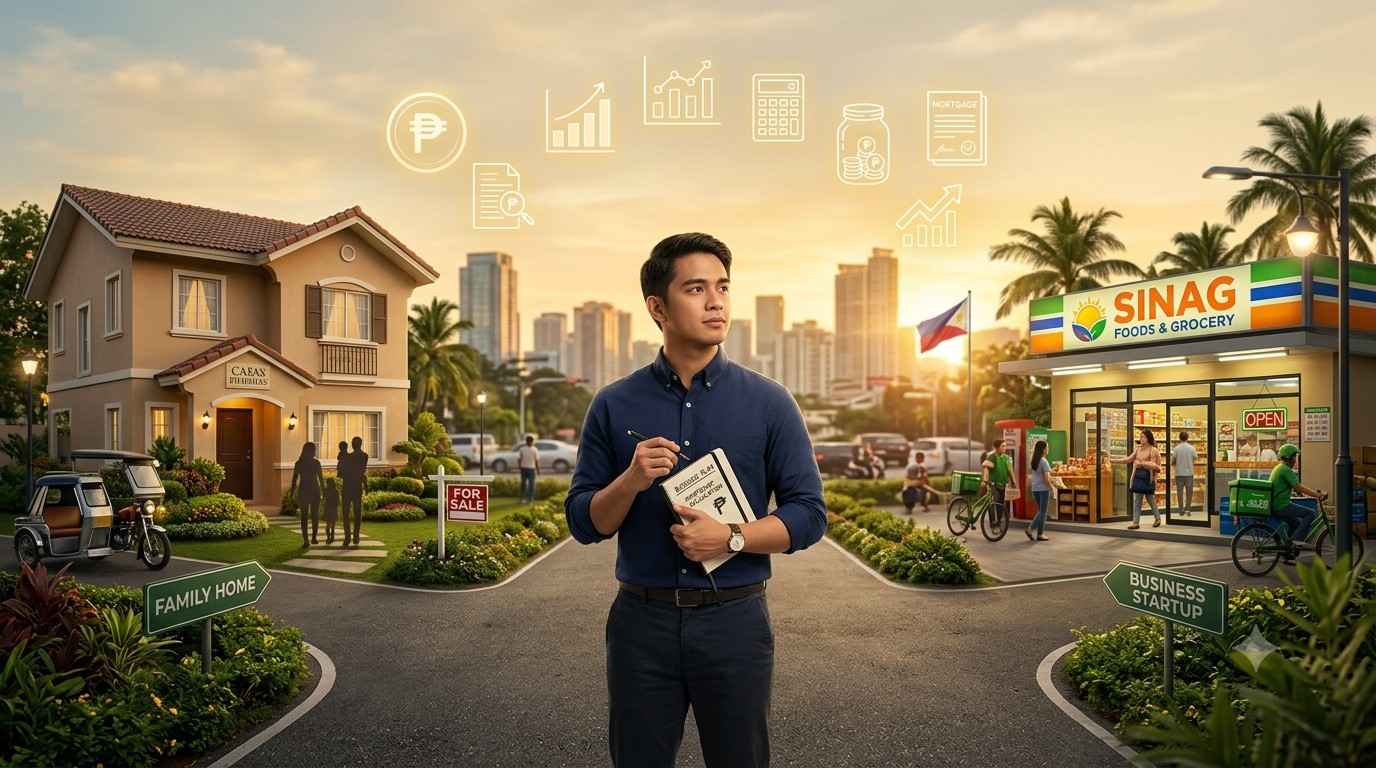

If you’re asking yourself, “Should I prioritize a house or a business?”, this guide will help you evaluate both options, understand their advantages and disadvantages, and make a smarter financial decision.
Why This Decision Matters
Both buying a house and starting a business require a significant financial commitment. In many cases, you may not have enough capital to do both at the same time.
Your choice today can influence your financial future for years, even decades. That’s why understanding the long-term impact is more important than simply following what friends or relatives recommend.
When Buying a House First Makes Sense
Purchasing a home is often viewed as a major life milestone. It provides stability and can become a valuable long-term asset.
Advantages of Buying a House First
- Stable Living Situation
You no longer worry about rising rental costs or frequent moves. - Build Home Equity
Instead of paying rent every month, your payments help build ownership in your property. - Potential Property Appreciation
Real estate often increases in value over time, especially in growing cities and developing communities. - Greater Family Security
A permanent home offers emotional stability, especially for families with children. - Easier Financial Planning
Fixed mortgage payments can be easier to budget than fluctuating rental expenses.
Disadvantages
- Large down payment requirements
- Monthly mortgage obligations
- Property taxes and maintenance costs
- Less available capital for investments
- Reduced financial flexibility
If most of your savings go toward buying a home, you may have little remaining capital to invest in business opportunities.
When Starting a Business First Makes Sense
A successful business can generate income that far exceeds what traditional employment offers. Many entrepreneurs choose to invest in their businesses first before purchasing real estate.
Advantages of Starting a Business First
- Higher Income Potential
A profitable business may generate significantly more income than your regular salary. - Creates Multiple Income Streams
Business profits can later fund investments, retirement savings, and property purchases. - Greater Financial Growth
Businesses have the potential to scale, increasing profits over time. - Tax Advantages
Depending on your country’s tax regulations, business owners may qualify for deductible business expenses. - Future Home Purchase Becomes Easier
A thriving business may allow you to purchase a home with less financial stress.
Disadvantages
- Higher financial risk
- Income may not be stable during the early years
- Long working hours
- Possible business losses
- No guarantee of success
Unlike real estate, businesses can fail if they are poorly managed or if market conditions change dramatically.
Consider Your Personal Financial Situation
Before deciding, honestly evaluate your finances.
Ask Yourself These Questions
- Do I have emergency savings?
- How stable is my current income?
- Do I have existing debts?
- Can I handle financial risks?
- Do I have dependents?
- How much capital do I have?
- Do I have entrepreneurial experience?
Your answers can reveal which option better aligns with your current financial position.
Business First: Who Is It Best For?
Starting a business before buying a house may be a good choice if you:
- Are young and have fewer financial obligations
- Already have a validated business idea
- Possess industry knowledge or experience
- Can tolerate financial uncertainty
- Want to build wealth faster
- Already have affordable housing arrangements
Many successful entrepreneurs rented modest homes while investing heavily in growing their businesses.
House First: Who Is It Best For?
Buying a house first may be more appropriate if you:
- Have a growing family
- Need housing stability
- Prefer lower financial risk
- Have a steady long-term career
- Already have sufficient savings
- Do not yet have a proven business concept
Can You Do Both?
Yes—but it requires careful planning.
Instead of making an all-or-nothing decision, many financially successful individuals gradually build both assets.
For example:
- Build an emergency fund.
- Start a small side business.
- Grow business profits.
- Save for a house down payment.
- Purchase a home when business income becomes stable.
This balanced approach reduces financial stress while allowing both goals to progress.
Common Mistakes to Avoid
1. Buying an Expensive House Too Early
A large mortgage can limit your ability to invest in opportunities that could grow your wealth.
2. Starting a Business Without Research
Never invest simply because others are doing it. Conduct market research and prepare a business plan.
3. Ignoring Emergency Savings
Unexpected expenses happen. Maintain at least three to six months of living expenses before making major financial commitments.
4. Depending on Debt
Borrow responsibly. Excessive debt can create financial pressure whether you buy a home or start a business.
Questions to Help You Decide
Consider these practical questions:
- Will this investment generate income?
- Can I comfortably afford the monthly payments?
- What happens if my income decreases?
- Am I financially prepared for unexpected emergencies?
- Will this decision improve my financial future?
The Best Strategy for Long-Term Wealth
For many people, the smartest strategy isn’t choosing one forever—it is choosing the right priority at the right stage of life.
If you have a profitable business opportunity with strong potential, investing in that business first could create the income needed to buy a better home later.
If your family urgently needs stability and your finances are secure, purchasing a home first may provide peace of mind while you slowly build a business on the side.
The key is avoiding decisions based solely on emotion or social pressure. Your financial goals should reflect your own circumstances—not someone else’s timeline.
So, should you buy a house first or start a business?
The answer depends on your income, financial stability, family responsibilities, risk tolerance, and long-term goals.
If your objective is maximizing wealth, many financial experts encourage investing in income-producing assets before acquiring lifestyle assets. A successful business can eventually pay for the home you truly want.
However, if stability, security, and family needs are your highest priorities, buying a home first may be the better decision.
Ultimately, the best investment is the one that moves you closer to financial freedom while allowing you to sleep peacefully at night.
Take time to evaluate your options, create a realistic financial plan, and remember that building wealth is a marathon—not a sprint.


Business News Philippines was launched in October 2015 as a portal for readers to learn more about operating a business in the Philippines.
You must be logged in to post a comment Login