Business
How Chinese EV Manufacturers Are Captivating Consumers

Legacy Western automakers once dominated China’s car market, but the 2026 Beijing Auto Show highlights how domestic EV manufacturers now lead. Chinese companies are gaining market share with innovative electric vehicles, challenging traditional Western brands.
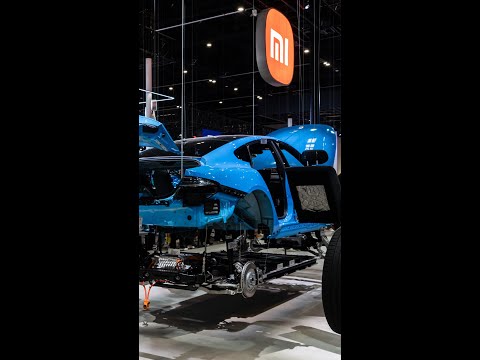
Chinese electric vehicle (EV) manufacturers are increasingly winning over consumers through a combination of affordability, advanced technology, and innovative features. Brands like BYD, NIO, and XPeng offer competitive pricing that makes EVs accessible to a broader audience, reducing the initial purchase barrier often associated with electric cars. Their focus on cutting-edge batteries and charging infrastructure ensures longer ranges and shorter charging times, addressing common consumer concerns about EV usability.
A Market Shift Happening in Real Time
Thailand’s automotive landscape is undergoing one of its most dramatic transformations in decades—and Chinese electric vehicle (EV) manufacturers are at the center of it.
By 2025–2026, Chinese brands dominate between 70% and 80% of Thailand’s EV market, with multiple models consistently topping sales charts.
Even more striking: 7 of the top 10 EV brands in Thailand are Chinese, signaling not just momentum—but structural change.
Additionally, Chinese EV makers excel in integrating smart and connected features that appeal to tech-savvy buyers. Many vehicles come equipped with AI-powered navigation, autonomous driving capabilities, and seamless smartphone connectivity, enhancing the overall driving experience. This technological edge helps Chinese brands stand out in a crowded market and attracts a newer generation of environmentally-conscious consumers.
Feature-Rich Cars at Mass-Market Prices
Chinese EVs don’t just win on affordability—they overdeliver on technology.
Buyers are getting:
- Large touchscreen interfaces
- Advanced driver-assistance systems
- Long driving range relative to price
- Modern, minimalist interiors
This creates a compelling “premium feel without premium cost”—a gap that legacy automakers have struggled to fill.
Furthermore, Chinese government support and local market dominance bolster these manufacturers’ growth. Policies promoting clean energy and subsidies make EVs more financially attractive, while aggressive expansion into international markets helps Chinese brands build global recognition. As a result, Chinese EV makers are rapidly transforming from domestic players into influential global competitors.
You must be logged in to post a comment Login