Aggregate washing plays a key role in producing clean, saleable materials for construction, concrete, and asphalt. Whether you are working in quarrying, mining, or recycling, the right washing setup can make a real difference to output and product quality.
One of the biggest decisions operators face is whether to buy new equipment, invest in used plant, hire machinery, or contract the work out altogether. Each option has its place. The right choice depends on your workload, budget, and long-term plans.
Understanding Your Project Demands
Before making any decision, it helps to look closely at your workload. Is the washing requirement part of a long-term operation, or is it tied to a short-term contract?
If you are running a fixed quarry with steady production targets, owning your own washing plant may make sense. You have full control over throughput, maintenance schedules, and product specifications.
On the other hand, if you have won a contract for a limited period, hiring equipment or contracting the washing work can reduce financial risk. There is no large capital outlay, and you are not left with equipment that may sit idle once the job is complete.
Advertisement
Seasonal demand also plays a part. In some sectors, work can fluctuate. Hiring or contracting allows you to scale up or down without long-term commitment.
The Case for Buying New Equipment
Buying new aggregate washing equipment gives you access to the latest design improvements and efficiency gains. Modern washing plants are built with better water management systems, improved wear protection, and easier access for maintenance.
For businesses with a consistent pipeline of work, new plant can be a sound long-term investment. You know the full service history from day one, and warranties provide added peace of mind.
However, buying new requires significant upfront capital. For smaller operators or companies testing a new market, that cost can be hard to justify. There is also the question of lead times. Manufacturing and delivery can take months, which may not suit urgent projects.
Advertisement
The Role of Used Plant in Today’s Market
Used aggregate washing equipment remains popular, particularly for operators looking to control spending. A well-maintained second-hand plant can offer strong performance at a lower price.
The key is knowing what you are buying. Inspection, service records, and support from a reputable supplier matter. Without them, hidden wear or outdated components can lead to downtime.
Used plant works well for businesses expanding capacity without stretching budgets too far. It can also be a practical choice for satellite sites or smaller operations where top-end output is not required.
That said, used equipment may not offer the same efficiency or water-saving features as newer models. Over time, operating costs can rise if maintenance demands increase.
Advertisement
Why More Businesses Are Choosing to Hire
Hiring aggregate screening and washing equipment has become more common across the minerals and construction sectors. The main reason is flexibility.
When you hire, you gain access to modern machinery without tying up capital. This allows you to respond quickly to new contracts or changes in workload. If a project grows, additional equipment can often be added. If work slows, machines can be returned.
Hiring can also reduce maintenance concerns. Many hire agreements include servicing support, which keeps the plant running while allowing your team to focus on production.
For companies entering a new area of work, hiring provides a way to test demand before committing to purchase. It lowers the financial risk while still delivering the capability required on site.
Advertisement
The Rise of Contract Washing Services
An increasing number of operators are choosing to contract out their washing requirements altogether. Instead of buying or hiring equipment, they bring in a specialist team to supply, operate, and maintain the washing plant.
This approach shifts responsibility away from the quarry or site owner. The contractor manages setup, compliance, maintenance, and output targets. For many businesses, this frees up internal resources and simplifies project management.
Contract washing can be particularly attractive for short to medium-term projects, high-clay sites that require tailored solutions, or locations where in-house expertise is limited.
It also offers predictable costs. Rather than dealing with unexpected repair bills or downtime, you work to agreed terms that reflect production volumes or project duration.
Advertisement
Weighing Up Cost Against Control
At the heart of the decision is a balance between cost and control. Buying equipment, whether new or used, gives you full ownership and long-term availability. It suits established operations with steady demand.
Hiring provides flexibility and lower upfront cost, making it ideal for variable workloads or growing businesses. Contract washing goes one step further, removing much of the operational responsibility from your team.
There is no single answer that fits every quarry, mine, or construction project. The best choice depends on how often the plant will run, how confident you are in future workloads, and how much responsibility you want to carry in-house.
By reviewing your production plans and speaking with experienced equipment suppliers, you can find a solution that supports both your immediate needs and your long-term goals.
LOS ANGELES — Security wait times at Los Angeles International Airport (LAX) remained relatively short on Friday, April 3, 2026, with most checkpoints reporting general boarding waits of 5 to 12 minutes and TSA PreCheck lines moving even faster at 2 to 5 minutes, according to the latest official airport data and real-time tracking services.
The Tom Bradley International Terminal (TBIT), the busiest at LAX, showed general boarding wait times around 12 minutes late Thursday evening, dropping to as low as 5 minutes in early morning updates on Friday. TSA PreCheck lanes in TBIT were processing passengers in approximately 5 minutes or less. Other terminals reported similarly light to moderate lines, with no major backups observed during overnight and early morning hours.
LAX’s official security wait times page, updated as recently as late Thursday, listed TBIT general boarding at 12 minutes and PreCheck at 5 minutes. Third-party trackers such as Takeoff Timer and Delta’s airport wait times dashboard showed comparable figures, with standard security averaging 3 to 11 minutes depending on the exact checkpoint and time of day. Historical patterns indicate that waits can spike to 20-45 minutes during peak morning (7-9 a.m.) and afternoon (3-6 p.m.) rushes, but current conditions appear calmer than typical busy travel periods.
Travelers are advised to check real-time data before heading to the airport, as conditions can change quickly with passenger volume, flight schedules and staffing levels. The MyTSA mobile app from the Transportation Security Administration provides user-reported and official wait times, while the official flylax.com website offers checkpoint-specific updates for each terminal.
Current Conditions and What to Expect
As of early Friday morning, security lines at LAX were moving efficiently in most terminals. Terminal 1, 2, 3, 4, 5, 6, 7 and 8 checkpoints were open with minimal reported delays. Some overnight hours showed near-zero waits, while early morning ramps saw slight increases but nothing approaching the long lines sometimes associated with LAX during peak holiday or summer travel.
Advertisement
TSA PreCheck and CLEAR members continued to enjoy significantly shorter waits, often clearing security in under 5 minutes. Standard lanes remained manageable for most passengers, though those without expedited screening should still plan to arrive at least two hours before domestic flights and three hours before international departures to account for potential fluctuations.
LAX has made efforts in recent years to improve the passenger experience through additional TSA staffing, better lane configurations and technology upgrades, including more automated screening lanes. However, the airport’s massive scale — handling over 80 million passengers annually — means that even modest surges in traffic can cause temporary backups.
Tips for Smooth Security at LAX
To minimize time spent in security lines at Los Angeles International Airport:
Enroll in TSA PreCheck or CLEAR: These programs consistently deliver the fastest screening. TSA PreCheck costs $78-$85 for five years and is available through many credit cards as a benefit.
Prepare in advance: Remove liquids, electronics and belts before reaching the checkpoint. Use the 3-1-1 rule for liquids (3.4 ounces or less in a single quart-sized bag).
Check real-time data: Use the official flylax.com wait times page, the MyTSA app, or third-party sites like Takeoff Timer before leaving for the airport.
Avoid peak hours if possible: Early morning (before 7 a.m.) and late evening (after 8 p.m.) typically see shorter lines. Midday can be more unpredictable.
Use the right terminal: Confirm your airline’s terminal in advance, as some have dedicated checkpoints with varying efficiency.
Passengers with disabilities, families with small children or those needing extra assistance can request accommodations through TSA Cares or airport services.
Broader Travel Context at LAX
Los Angeles International remains one of the world’s busiest airports and a major gateway for both domestic and international travel. On a typical day, security processing can vary widely depending on flight banks, weather delays elsewhere and special events. Friday, April 3, falls during the Easter travel period, yet current data suggests lines have not reached the heavy congestion seen during busier holiday peaks.
Advertisement
The airport continues infrastructure improvements, including terminal modernizations and technology upgrades aimed at speeding up screening. Long-term projects, such as the Automated People Mover and expanded facilities, are designed to ease overall congestion, though security remains a key pinch point for many travelers.
For international flights departing from TBIT, passengers should factor in additional time for customs and immigration on arrival if connecting, though outbound security has generally been efficient in recent reports.
How to Monitor LAX TSA Wait Times Live
Several reliable sources provide up-to-date information:
Official LAX Security Wait Times: flylax.com/wait-times
MyTSA App: Available for iOS and Android, with user reports and official data
Airline apps (Delta, American, United, etc.): Often include airport-specific wait time estimates
Third-party trackers: Takeoff Timer, iFly, and Delta’s airport wait times page
Travelers are encouraged to refresh these sources close to departure time, as conditions can shift rapidly with arriving flight waves or temporary lane closures for maintenance.
LAX officials recommend arriving early and building in a buffer, especially for first-time visitors or those traveling during holidays. With Easter weekend approaching, passenger volumes may increase, potentially lengthening lines later in the day or over the weekend.
Advertisement
As of Friday, April 3, 2026, TSA security at Los Angeles International Airport is operating smoothly with short to moderate wait times across most checkpoints. While LAX has a reputation for occasional long lines, current real-time data indicates favorable conditions for travelers departing today. Staying informed through official channels remains the best way to ensure a stress-free journey through security.
LOS ANGELES — Taylor Swift and Travis Kelce are navigating the final stretch of wedding planning with a reported shift toward a more intimate celebration, according to multiple insiders, as the couple prepares for a highly anticipated summer ceremony.
Taylor Swift
The pop superstar and Kansas City Chiefs tight end, both 36, announced their engagement in August 2025 with a joint Instagram post captioned, “Your English teacher and your gym teacher are getting married.” Since then, rumors have swirled about details of their big day, including venue, date and guest list size. Recent reports suggest the couple has dialed back expectations for a massive event, opting instead for a more private affair capped at around 150 guests.
“They’ve gone back and forth between inviting everyone and keeping it small and private,” one source told Us Weekly. “As of now, they’ve scaled it down. It’s no longer going to be a massive blowout.” Another insider added that the event might be so intimate that Swift and Kelce “aren’t even sure they will” send out formal invitations in the mail to protect their privacy.
The reported changes come amid intense public scrutiny of the couple’s relationship, which has captivated fans since they began dating in 2023. Swift, fresh off promoting her 12th studio album “The Life of a Showgirl,” and Kelce, who wrapped his NFL season in December 2025, have kept a relatively low profile while balancing careers and wedding preparations. The pair made a joint appearance at the 2026 iHeartRadio Music Awards, where Swift playfully flashed her engagement ring during a performance.
Sources indicate the wedding is still targeted for this summer, with June 13 frequently cited as a potential date. The choice aligns with Swift’s lucky number 13 and fits Kelce’s offseason schedule, allowing time for a honeymoon before the Chiefs’ training camp begins in late July. Rhode Island remains the frontrunner location, with festivities potentially split between Swift’s $18 million beachfront mansion in Watch Hill and the nearby five-star Ocean House resort.
Advertisement
“The guest list grew, so the ceremony and private gatherings associated with the wedding will be split between the venues,” a source told Us Weekly. However, the insider noted that Swift “always has a plan B and C for every scenario,” leaving room for adjustments. The area is expected to be heavily secured for privacy, a priority for the couple amid past leaks and media attention.
Earlier speculation pointed to a larger celebration, with reports in late 2025 suggesting the couple considered expanding their guest list or even hosting events at alternative venues like a Tennessee property or a private island. Those ideas appear to have evolved as the couple focused on keeping things manageable and enjoyable.
“They’re both involved and making decisions together,” another source said. “They’ve been focused on actually enjoying the process rather than getting caught up in the pressure. They’re keeping things light.”
Planning has not been without challenges. Insiders describe Swift as detail-oriented, wanting to control aspects of the day while prioritizing a grounded experience. Kelce has reportedly been an active participant, which Swift finds endearing. The couple has discussed starting a family soon after marriage, with sources noting they “don’t want a long engagement” and are excited about their next chapter.
Advertisement
The reported scaling back of the guest list includes a mix of celebrities and close friends. Expected attendees could include Emma Stone, Gigi Hadid, Selena Gomez, Miles Teller and Patrick Mahomes with his wife Brittany. Swift’s inner circle, such as childhood friends and collaborators, is also likely to feature prominently. Bridesmaids rumors have centered on names like Selena Gomez, Gigi Hadid, Blake Lively and Sophie Turner.
Kelce’s bachelor party is reportedly set for late May in the Bahamas, described as a “chill” golf-focused getaway with his brother Jason Kelce and teammates like Mahomes. Swift is said to be planning multiple bachelorette celebrations with her friends.
For the ceremony itself, details remain closely guarded. Swift has reportedly selected a wedding gown in the final stages of tailoring, drawing from designers she has favored in the past such as Oscar de la Renta. The couple is said to favor “classic touches” and a traditional yet personal celebration.
The timeline aligns with Kelce’s NFL commitments. ESPN’s Nate Taylor reported in March 2026 that Kelce plans to marry Swift before training camp, a detail echoed by multiple outlets. Kelce has publicly stated he intends to play another season with the Chiefs, crediting Swift’s support as motivation.
Advertisement
Despite the adjustments, the couple appears united in their approach. Sources emphasize that nothing feels rushed or one-sided. “When it comes to wedding planning, nothing feels rushed,” a People magazine source said in December 2025. “They’re both equally involved and excited, and this isn’t something one or the other is carrying on their own. They’re approaching it as a partnership.”
Public interest remains sky-high. Fans and media outlets continue to speculate, with some reports suggesting potential clashes with other celebrity events, including rumors about Swift’s ex Matty Healy’s own wedding plans. Family members, including Kylie Kelce, have pushed back against constant questions, emphasizing the couple’s desire for privacy.
Ocean House has previously denied rumors that Swift bought out another couple’s reservation for the June 13 date, stating the venue does not allow such arrangements. The resort and Swift’s property offer a scenic, seaside setting that has inspired her music, including references in “The Last Great American Dynasty.”
As the date approaches, the couple continues to prioritize their relationship. They have been spotted on low-key outings and are said to be bonding over the planning process. A Caribbean honeymoon, possibly revisiting spots like Harbour Island in the Bahamas where they vacationed earlier in their relationship, is among the rumored post-wedding plans.
Advertisement
The evolution of their wedding vision—from initial ideas of a larger event to a more streamlined gathering—reflects the realities of planning under a global spotlight. Swift’s history of maintaining control over her personal narrative, combined with Kelce’s more laid-back personality, has created a dynamic that insiders describe as collaborative and fun.
No official confirmation has come from the couple or their representatives, consistent with their strategy of keeping details under wraps until closer to the event. Loved ones have reportedly been told to keep summer open but will receive specifics shortly before the wedding.
The high-profile romance has already influenced pop culture, with Swift’s music and Kelce’s on-field performances drawing crossover attention. Their engagement announcement generated millions of likes and endless fan theories, a trend likely to continue as the wedding nears.
For now, Swift and Kelce appear focused on creating a meaningful day surrounded by those closest to them. As one insider put it, the priority is celebrating their partnership in a way that feels authentic rather than performative.
Advertisement
With just months remaining until the rumored June timeline, any further adjustments to plans could spark new rounds of speculation. Yet the core message from those close to the couple remains consistent: Swift and Kelce are enjoying the journey together and are committed to making their wedding a private milestone amid public fascination.
Updates on the couple’s plans are expected to emerge organically, if at all, as they finalize arrangements. In the meantime, fans continue to watch closely for any subtle clues in Swift’s music, social media or public appearances.
Globally, the private credit market has entered a phase of heightened uncertainty. This has occurred as the sector is increasingly being exposed to vulnerabilities in leveraged credit structures in developed markets due to rapid interest rate increases, ongoing geopolitical tensions, and tightening liquidity. From the United States to parts of Europe, the sector is grappling with a “triple threat” of excessive leverage, loose lending terms, and a mismatch between when investors want their money back and when the underlying loans actually mature. As defaults rise and redemption pressures mount, there is a natural tendency to assume that India will follow the same path.
Yet, the current turbulence in global private credit markets is, in many ways, being misdiagnosed. The stress has not been driven primarily by borrower defaults or deteriorating credit quality. In many affected funds, underlying loans have continued to perform, covenants have held, and repayment discipline has remained intact. What has failed is not the credit, it is the structure of the funds themselves, their design, leverage, and liquidity promises.
Against this backdrop, India’s private credit ecosystem is not just a smaller version of the global market; it is built on a fundamentally different blueprint. To understand why India is resilient, we must look beyond the credit itself and focus on the architecture of how these funds are built. The scale of the opportunity here is still in its infancy. Private credit in India currently accounts for roughly 0.6% of GDP and just 1% of total bank credit. In contrast, in the US, private credit has expanded to nearly 5% of GDP. This vast difference highlights that, while the global market may be facing saturation and leverage issues, India is operating within a significant margin of safety. In this market, the structure of the fund matters just as much as the underwriting.
The primary difference lies in how funds are organised. Globally, many funds operate under perpetual or semi-liquid structures, which allow investors to withdraw their money relatively quickly. This creates a dangerous loop. When the macro environment gets tough, investors rush to withdraw their cash just as banks withdraw leverage. This forces funds to sell assets at a loss, creating acute liquidity pressure.
Advertisement
India learned this lesson the hard way during the shadow banking crisis of 2018. In response, the market shifted towards the Category II Alternative Investment Fund (AIF) structure. These funds are closed-ended by mandate, meaning the money is locked in for a fixed period that aligns with the maturity of the underlying loans. By aligning these timelines, the Indian framework effectively removes the risk of a “run on the fund” during volatile times.
Live Events
Another major differentiator is leverage. While global funds often rely on heavy borrowing to boost their returns, a practice known as financial engineering, Indian regulations are remarkably strict. Under Sebi rules, Category I and II AIFs are generally prohibited from borrowing money to make investments. This ensures that returns in India are driven primarily by the actual performance of the companies being funded, rather than by layers of debt. Because there is no hidden leverage, a problem in one fund is unlikely to trigger a systemic collapse. In India, we also recognise that while a financial model is a helpful map, the promoter or business owner is the actual terrain. In our market, performing credit is anchored by hard collateral and predictable cash flows. Unlike the covenant-light loans seen in some Western sectors, Indian private credit usually comes with strong protections and shorter repayment periods. While venture debt for startups carries its own risks, the core of India’s performing credit is backed by companies with healthy balance sheets and clear paths to exit through our robust public markets.An infrastructure analogy helps put this into perspective. Economies must build highways to sustain growth. The occurrence of accidents does not invalidate the need for roads, it highlights the importance of design, regulation, and discipline. Similarly, adverse events in private credit should be viewed as exceptions, not systemic failures.
We are just at the beginning of delivering performing private credit via the AIF route and becoming a reliable source of alternative capital for Indian corporates. The global private credit stress of 2026 will likely be remembered as a lesson in both market dynamics and regulatory design. Jurisdictions that embraced open-ended structures and expansive leverage inadvertently embedded fragility into their systems. India, by contrast, adopted a more calibrated approach, one that now appears prescient. The broader lesson is clear: private credit is not broken, but poorly designed structures are. In this market, architecture matters as much as underwriting. (Sandeep Agarwal is CEO at Modulus Alternatives)
(Disclaimer: Recommendations, suggestions, views and opinions given by the experts are their own. These do not represent the views of Economic Times)
The West Yorkshire Combined Authority is reviewing the future of the site
An artist’s impression of a West Yorkshire tram(Image: WYCA)
A planned redevelopment site in West Yorkshire will be reviewed after it was revealed a section of the land has been “safeguarded” for the Bradford to Leeds tram route.
The Parry Lane Enterprise Zone, in the Bowling Back Lane area, was due to be one of the biggest regeneration schemes in West Yorkshire. It was earmarked for a £19m development industrial units that would bring almost 500 jobs to the area, with hopes that the development would be completed by 2025.
But although £8.8m has been spent on clearing the site, it currently remains vacant, and now it has emerged that the land has been sold to West Yorkshire Combined Authority – which will “assess options” for its future.
Parry Lane was one of nine Enterprise Zones first proposed by the authority a decade ago. It had hoped to take vacant areas of land that were in prime locations, but had attracted little investment, and make them more attractive to potential developers.
Advertisement
The Parry Lane site was the former home of Yorkshire Energy, but had been vacant for years before it was suggested as an Enterprise Zone. In 2020, plans for 25,000 square metres of employment space across 10 industrial units on the site was approved.
Since then, the site has been referenced in the early plans for a new tram line between Bradford and Leeds. One possible route would pass through the Bowling Back Lane area, with a possible stop at Parry Lane.
WYCA has now purchased the Parry Lane site at the request of its Mass Transit team.
A West Yorkshire Combined Authority spokesperson said: “As of March this year the Combined Authority is the new owner of the land at Parry Lane, following the successful completion of an £8.8m remediation of the site.
Advertisement
“Options will now be assessed in the proper way to determine the future use of the land, some of which remains safeguarded for Mass Transit. Further details will be made available to the public and to members of the Combined Authority at its next full meeting.”
Meghan Markle is pressing ahead with her lifestyle brand As Ever and a paid speaking engagement in Australia, even as her production partnership with Netflix faces changes and speculation swirls about tensions in her marriage to Prince Harry.
IBTimes US
The Duchess of Sussex, 44, appeared barefoot in a new promotional video posted on As Ever’s Instagram on Tuesday night, demonstrating flower-arranging skills and tablescaping for a limited-edition tea box priced at around $191. The clip, which showed her arranging a “complicated” floral display, highlights her continued focus on lifestyle content following the end of Netflix’s direct investment in the brand.
Markle and Prince Harry, also 41, announced in March 2026 that their Archewell Productions company would develop a new fictional series based on the world of polo for Netflix, while promising additional projects across multiple streaming platforms. The couple’s production firm has faced challenges, with some Hollywood insiders describing slowed momentum after earlier Archewell content underperformed expectations. A spokesperson for the couple insisted that Markle’s lifestyle series “With Love, Meghan” is not canceled and will return for seasonal specials.
The latest developments come as the Sussexes prepare for their first joint trip to Australia since 2018. Markle is scheduled to speak at the Her Best Life luxury wellness retreat in Sydney from April 17-19, an event with ticket prices ranging from about $2,699 to $3,199 per person. Prince Harry is set to appear at the InterEdge Psychosocial Safety Summit in Melbourne. A petition with more than 35,000 signatures has called for no use of Australian taxpayer funds for the visit, noting the mix of business and private engagements.
Reports surfaced Thursday claiming Prince Harry is “furious” over Markle’s paid appearance at the wellness event, with some insiders describing it as a potential “tasteless money-grab” ahead of the couple’s tour. The claims, which could not be independently verified, add to ongoing tabloid speculation about strains in the couple’s relationship. Separately, broadcaster commentary suggested Markle may be “pretty annoyed” with Harry following the leak of alleged flirty text messages.
Advertisement
Markle’s As Ever brand launched with Netflix support last year alongside the lifestyle series, which featured cooking, gardening and hosting tips with celebrity guests. In early March 2026, Netflix confirmed it was ending its investment in the lifestyle company, though the streamer had never planned long-term backing. Viewership for the second season of “With Love, Meghan” reportedly declined, and the show did not receive an order for a full third season. Markle is now running As Ever independently, with recent promotions focusing on tea, chocolate and home goods.
A website glitch earlier in 2026 briefly revealed strong early sales for As Ever products, which royal commentators interpreted as a positive sign for Markle’s pivot to direct-to-consumer business. One analyst suggested the success could embolden her to return to the U.K. later this year as a “Californian business elite,” potentially complicating family dynamics with the Waleses.
The Sussexes restructured their charitable arm at the end of 2025, renaming Archewell Foundation to Archewell Philanthropies and shifting to a fiscal sponsorship model. The change was framed as allowing greater flexibility and family involvement, including with their children, Prince Archie, 6, and Princess Lilibet, 4. Several senior staffers departed around the same time, leading to reports that the organization entered 2026 “substantially weakened.” In February, the couple visited a refugee camp in Jordan as part of a Middle East trip focused on health, women’s empowerment and humanitarian issues.
Public interest in the couple remains high, fueled by occasional glimpses into their Montecito life. On New Year’s Day, As Ever shared photos marking a “Reset & Rituals” theme for 2026, including black-and-white images of Markle with Lilibet and a casual anniversary portrait of the couple. Markle has largely kept her children’s faces obscured in public posts, citing privacy concerns.
Advertisement
Relations with the British royal family continue to show little sign of thaw. In March, Harry and Meghan issued a strongly worded statement accusing royal author Tom Bower of pushing “deranged conspiracy and melodrama” after extracts from his book alleged that Queen Camilla had described Markle as having “brainwashed” Harry. The couple rejected the claims as fixation rather than fact.
Speculation persists about a possible return to Britain. Some reports suggest Markle could join Harry for Invictus Games-related events in Birmingham in July, marking her first U.K. visit since Queen Elizabeth II’s funeral in 2022. Others point to ongoing security disputes and family rifts as barriers. Prince William has reportedly taken a firmer stance against any significant reintegration of the Sussexes.
Markle’s Hollywood ambitions have encountered mixed results since the couple stepped back as working royals in 2020 and relocated to California. Early projects, including the Netflix deal and Spotify podcast “Archetypes,” generated significant upfront payments but faced criticism over delivery and audience numbers. The polo series announcement signals continued efforts to expand their media footprint beyond lifestyle content.
At the same time, Markle has maintained selective public appearances, including attending the 2026 Fifteen Percent Pledge Fundraising Gala in Los Angeles honoring Tina Knowles. She has also been linked to potential cameo roles and other entertainment ventures, though details remain limited.
Advertisement
Critics and supporters alike continue to debate the Sussexes’ post-royal path. Some commentators describe Markle’s business moves as a determined effort to build an independent brand, while others portray the couple as struggling to translate royal fame into sustainable Hollywood success. Tabloid coverage frequently highlights perceived tensions, staff turnover and financial pressures, though representatives for the couple have dismissed much of it as inaccurate or agenda-driven.
As the Australia trip approaches, security and logistical details are expected to draw attention, particularly given past controversies over public funding and privacy. The couple has emphasized that the visit combines personal, philanthropic and professional elements.
Markle’s latest promotional activity underscores her commitment to As Ever as a standalone venture. The brand’s focus on mindful living, home entertaining and limited-edition products aligns with her pre-royal interests in lifestyle blogging and acting. Whether the independent model can achieve long-term commercial success remains an open question in an increasingly crowded wellness and lifestyle market.
For now, the Duchess appears focused on the present. In the flower-arranging clip, she moved confidently through the demonstration, offering tips that echoed the approachable tone of her Netflix series. Supporters see it as evidence of resilience; detractors view it as another chapter in an ongoing quest for relevance outside palace walls.
Advertisement
The coming weeks will likely bring more details about the Australia engagements and any further Archewell Productions announcements. As Markle and Harry balance family life, philanthropy and business ambitions, their every move continues to captivate audiences on both sides of the Atlantic.
New research from the Folk Group shows the growing use by consumers of AI in searching for the best financial deals
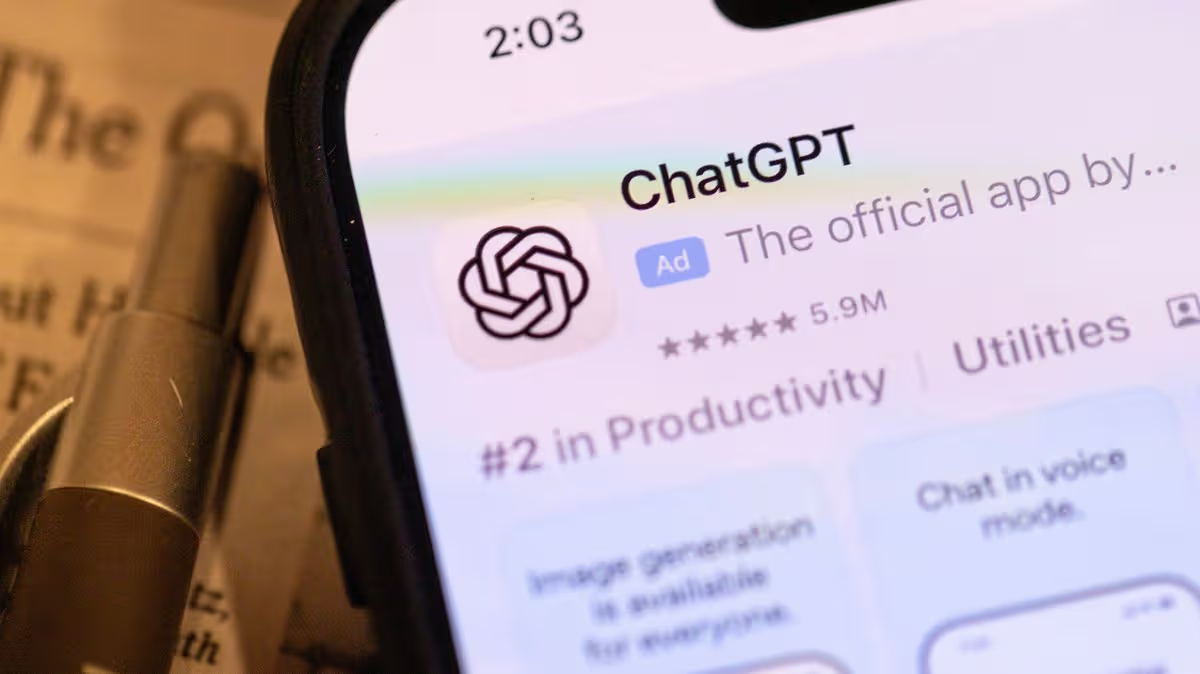
ChatGPT(Image: Getty Images)
The increasing use of AI as a financial advice tool could pose a threat to the business models of price comparison sites, claims new research.
A report from Cardiff-based strategic communications consultancy the Folk Group says that up to 50% of financial services website traffic could be at risk as AI tools begin to replace traditional search-led journeys.
It says that the price comparison model, built on the assumption that consumers arrive via Google search, complete a form, receive a ranked results table and click through to buy, is precisely the journey that AI is beginning to challenge.
Wales is home to some of the biggest players in the price comparison with Moneysupermarket, GoCompare and Confused. The industry was created in Wales with the first website launched by Admiral (Confused) in 2002.
The AI and the Disruption of Financial Search and Distribution report, identifies early but clear signs of behavioural shift, with 11% of focus group participants already using AI to compare financial services products including insurance, mortgages and bank accounts.
However, price comparison sites remain the principal route for researching and choosing financial products such as car insurance. This is backed up by data from Mintel showing that 67% of UK adults have used a price comparison website to search for insurance policies in the last year.
For AI competitors the report says that regulatory and accuracy hurdles are high with direct price comparison and financial advice highly regulated. General purpose assistants like ChatGPT and Gemini are still prone to “hallucinations” (making up facts) and giving inaccurate or even risky davice on high-stakes financial questions
Advertisement
The report identifies three plausible paths for price comparison websites as AI reshapes consumer journeys:
They are bypassed as consumers shift to conversational AI interfaces, their traffic thins and market share transfers to whoever owns the AI layer.
They become the data backbone powering AI agent recommendations, surviving commercially but losing the direct customer relationship that has historically been their greatest asset.
Price comparison websites moves quickly to build or acquire a regulated AI agent capability and competes for the conversational front door in financial services
Moneysupermarket became the first UK comparison brand to launch a ChatGPT app in February, a signal that at least one Welsh business is already moving toward the third path.
Dan Mines, co-founder of Menna.ai and former head of customer and innovation at Confused.com – which was acquired from Admiral by Uswitch in 2020 – said: “It’s not ‘ask Google’ time anymore, it’s ‘ask ChatGPT or Gemini.’ These tools fundamentally change consumer behaviour in terms of expectations.
“The consumption of the internet is changing; you’ve now got a much more diverse landscape, including AI assistants, social platforms, embedded finance and app-based ecosystems. Anyone whose distribution model was built around the browser-based journey needs to be asking hard questions now.”
Nicolas Weng Kan, former chief of both Confused.com and Google Compare, said: “Price comparison sites still offer a purely price-led vision, but customers don’t buy purely on price. AI can use your history, who you bought from before, to predict what you actually want, not just what’s cheapest. That’s a fundamentally different model.”
Advertisement
Sharon Flaherty, chief executive of the Folk Group and former head of communications at both Confused and Moneysupermarket, said: “Wales built the price comparison industry and it’s a genuine success story. These businesses changed how millions of people shop for financial products and drove a shopping around mentality to get the best deal.
“But what we’re seeing now is a shift that challenges the foundations that this success was built on. The businesses that understand how to navigate it, not just move fast will win. Those that don’t risk being displaced by players who weren’t even in this market five years ago.”
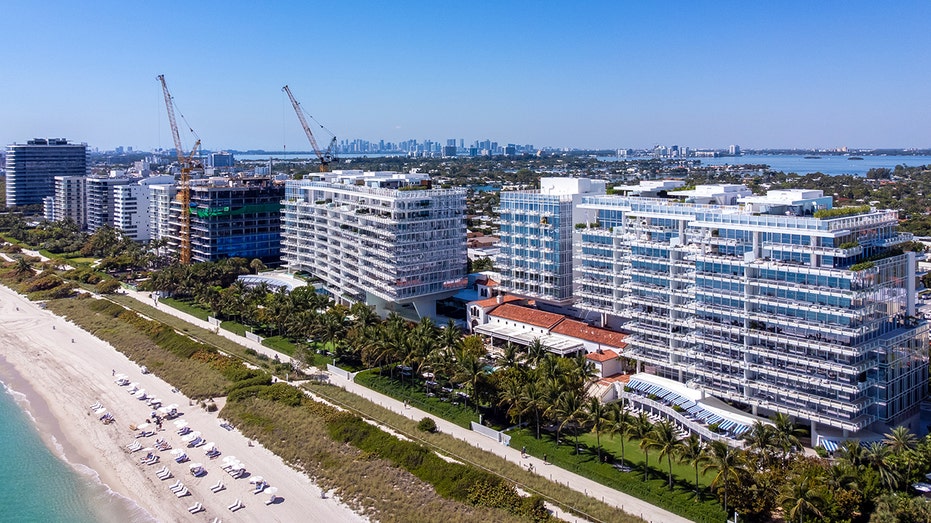
The Corcoran Group’s Mick Duchon gives Fox News Digital a tour of a $21.95 million unit at the Four Seasons residences in Surfside, where ex-Starbucks CEO Howard Schultz just bought the penthouse.
From the moment you step through a private foyer and into the sun-washed living area, it’s clear that $44 million buys more than just a view; it buys a masterpiece.
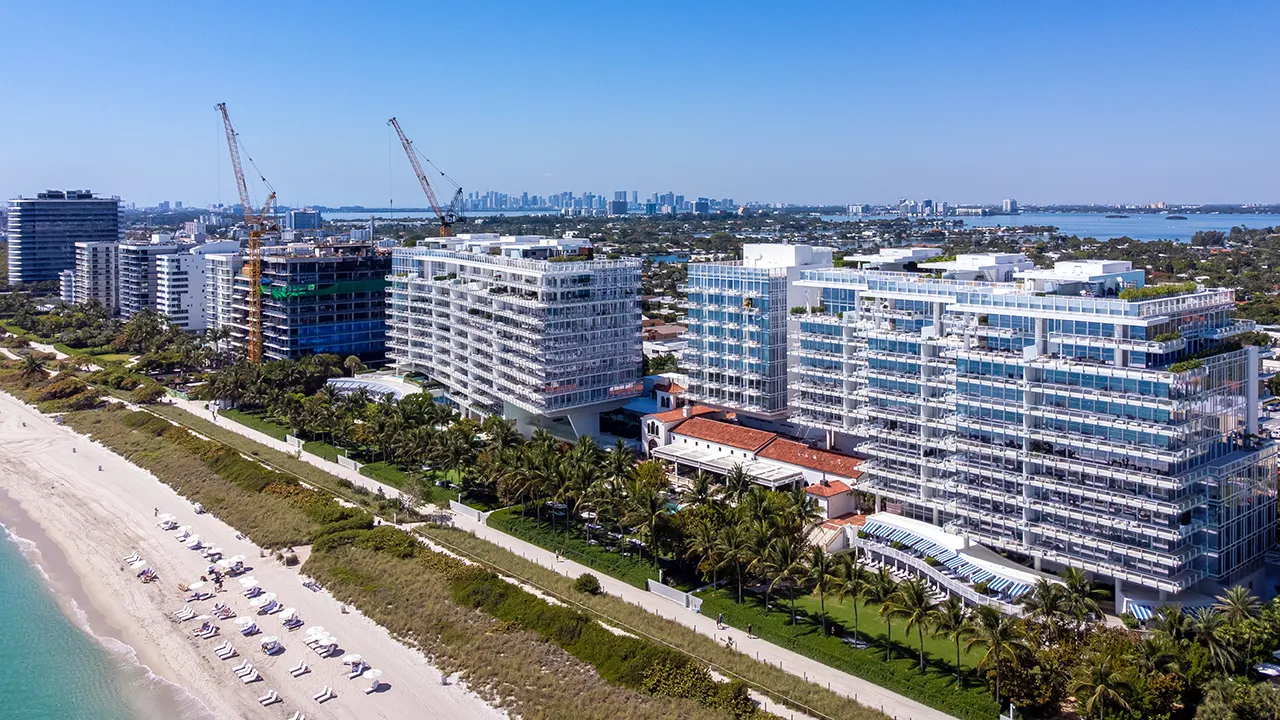
At the legendary Four Seasons Surf Club in Surfside, Florida, the modern coastal aesthetic is defined by striking architecture and a warm glow all around, illuminating custom millwork and slatted wood feature walls. Outside, rows of crisp white umbrellas line tranquil pool decks that reflect resort-style luxury.
Advertisement
For titans like former Starbucks Chairman and CEO Howard Schultz, this is the new “Wall Street South” — a place where floor-to-ceiling glass erases the line between a high-stakes boardroom and the turquoise horizon of the Atlantic.
“It seems like the frequent thread that we discuss is, if they can facilitate business here, why would they do it in a place that is freezing cold? They may as well do it sitting next to the ocean,” The Corcoran Group’s Mick Duchon told Fox News Digital during a showing of a $21.95 million unit in the same residential building Schultz just moved into.
“What I find with a lot of the buyers that are looking in this space in the market, they never really retire,” he continued. “So they’re looking for the next step in their adventure, like [Schultz], and it’s an exciting place to take that step.”
Advertisement
The Four Seasons Private Residences at The Surf Club in Surfside, Florida, on Monday, March 23, 2026. (Getty Images)
Last month, Schultz and his wife announced they had relocated to Florida for their “retirement phase,” leaving Washington state after nearly half a century. Schultz shared the news in a post on LinkedIn, recounting how he, his wife Sheri, and their golden retriever, Jonas, made the move from New York City to Seattle 44 years ago.
“We were starting a new life,” Schultz wrote, recalling how Sheri would be their primary income earner as he started a new job “at a place called Starbucks” in September 1982.
“The spirit of continuing forward has long underpinned our approach to life—in business, in philanthropy and most importantly, as a family,” Schultz further wrote. “We will be forever grateful for the memories made in Seattle and the relationships built along the way… To the family, friends and partners who made Seattle our home for so many years, thank you.”
The unit’s balcony overlooks the resort-style pool and the Atlantic Ocean.
Advertisement
He and his wife purchased a $44 million penthouse at the Four Seasons Surf Club Residences, The Wall Street Journal first reported, down from an initial listing price of $55 million. It features five bedrooms, a rooftop terrace, central courtyard, private garage and oceanfront cabana.
Schultz’s announcement came as Washington state has been working to pass what has been dubbed the “millionaires tax,” which would impose a 9.9% income tax on households earning more than $1 million annually. The Washington State House of Representatives passed the controversial bill in a 51-46 vote, and it was signed into law by Democratic Gov. Bob Ferguson on Monday.
“The wealth tax as a threat in the states that potentially may implement… is a major catalyst for these high-net-worth people moving here, and where we are right now at the Four Seasons Surf Club is a perfect landing for them because of everything that it offers,” Duchon said.
Living at the Four Seasons Surfside means buying into a history where Winston Churchill used to paint and the Rat Pack hung out. In 2026, it has been updated for the modern business leader with dining by three-Michelin-starred Thomas Keller and a state-of-the-art hammam and spa.
Four Seasons Hotel at the Surf Club opened on New Year’s Eve in 1930.
“The 1930s history… creates this historical importance, and it just adds character to the property, which is meaningful. It has a story built into the property that these people really appreciate,” Duchon noted. “It creates a place that these people are comfortable in.”
“The lifestyle here is extraordinary, the climate’s extraordinary, and the landscape is unbelievable and there’s a few properties — the Surf Club being one of them — that really fits the criteria that they’re looking for from a service perspective, an exclusivity perspective, security, architecture, design and location,” he added.
Advertisement
The billionaire landing pad that Duchon has as a pending sale is a turnkey four-bedroom, multiple-bathroom sanctuary spanning just over 5,000 square feet. Upon entering, guests are greeted by fine art, remarkable light fixtures and calming, comfortable white and beige furniture. In the dining area, a bespoke travertine wine cellar towers to the ceiling. The primary lounging space feels vast and grand, all while overlooking the Atlantic Ocean.
When it comes to greater Miami, some might see a cooling market. However, insiders argue that in the ultra-luxury tier, the rules of traditional real estate don’t apply.
“The market dictates the price, and sellers are entitled to ask whatever they want,” he continued. “The price points are open oftentimes, there isn’t a ceiling… They’re oftentimes willing to spend more than any other transactions in order to achieve what they want.”
Fox News Digital gets a tour of Indian Creek Village from the Corcoran Group’s Julian Johnston, who shows why the world’s wealthiest are choosing to move into the ultra-exclusive neighborhood.
Advertisement
“That market is separate from the rest of the market,” he expanded, “and there’s only specific properties that those high-net-worth people would consider, including Indian Creek, the Four Seasons… It’s a specific demographic that we’re focusing on, and it’s only really a specific type of product that they’re going to be interested in.”
As the sun sets over the emerald green lawns and white cabanas at the Surf Club, the message to the rest of the country is clear: Miami is the new destination for American capital and culture. The multimillion-dollar sales aren’t just isolated events; they are the catalysts for a “trickle-down” economy that is “really growing culturally” at a record pace.
“The transactions that are occurring now in this price point, they create a lot of momentum for the rest of the market, and it does have a trickle-down effect,” Duchon said. “It’s across the other markets on the islands and single-family homes and other condos… It has created more demand and appreciation comes from that. But it is a market within itself. So there are other spaces within the Miami market that are pretty stable and steady and approachable.”
SYDNEY — Sydneysiders and visitors can look forward to a mix of family fun, outdoor adventures and selective shopping during the Easter long weekend 2026, which runs from Good Friday, April 3, to Easter Monday, April 6.
New South Wales treats Good Friday and Easter Sunday as restricted trading days, meaning most major retail stores, supermarkets and shopping centres must close. Easter Saturday operates under normal trading rules, while Easter Monday follows public holiday hours with many businesses open but often on reduced schedules.
Good Friday (April 3) Most large retailers, including Coles, Woolworths and Aldi stores across Sydney, remain closed. Westfield shopping centres and other major malls are shut for the day. Small exempt businesses such as pharmacies, petrol stations, convenience stores and some fruit and vegetable shops may open with limited hours. Many cafes and restaurants in tourist areas stay open, though some apply public holiday surcharges.
Easter Saturday (April 4) Trading returns to normal with no restrictions. Most supermarkets, department stores and shopping centres operate standard hours, typically 9am to 5pm or 6pm at Westfield locations and similar centres. This is often the busiest shopping day of the weekend.
Easter Sunday (April 5) Another restricted day in NSW. Major supermarkets and most Westfield centres close, though a small number of exempt or regional stores may trade. Some smaller independent retailers and tourist-focused outlets remain open. Dining options are widely available, especially near harbourside and beach precincts.
Advertisement
Easter Monday (April 6) Public holiday trading applies with fewer restrictions. Most supermarkets reopen, often from 8am to 8pm with some variations. Shopping centres typically open from around 9:30am or 10am to 4pm or 6pm. Check individual venues, as hours can differ.
Supermarkets and grocery stores
Coles, Woolworths and Aldi: Closed Good Friday and largely closed Easter Sunday in metro Sydney; open normal or extended hours Easter Saturday and Monday.
Smaller IGA or independent grocers may have more flexible hours on restricted days. Bottle shops face tighter rules, particularly on Good Friday when alcohol sales are heavily restricted unless served with a meal at licensed venues.
Cafes, restaurants and diningPlenty of options stay open across the long weekend, especially in popular areas such as the CBD, Darling Harbour, Bondi, Manly and Surry Hills. Chains like Bills, Black Star Pastry and many harbourside spots operate with adjusted hours and possible surcharges. Book ahead for popular venues, particularly on Good Friday and Easter Sunday.
Public transport Transport for NSW runs on a Sunday or public holiday timetable for Good Friday, Easter Sunday and Easter Monday, with fewer services than weekdays. Extra trains serve Sydney Olympic Park for the Royal Easter Show. Ferries and light rail generally follow holiday schedules. Travellers should check the Transport NSW app or website for real-time updates and allow extra time.
Major attractions and activities Many of Sydney’s top draws operate throughout the Easter long weekend, though crowds are expected and advance booking is recommended.
Advertisement
Sydney Royal Easter Show: Runs from Thursday, April 2, to Monday, April 13, at Sydney Olympic Park. Gates open daily around 8:30am. Families can enjoy rides, showbags, animal displays, fireworks and entertainment. This is one of the biggest draws of the period.
Sydney Family Easter Show at the Entertainment Quarter (Moore Park): Features rides, animals and activities from early April.
Beaches and outdoors: Bondi, Manly, Coogee and other beaches remain open for swimming, surfing and walks. Coastal tracks and national parks are popular for hiking.
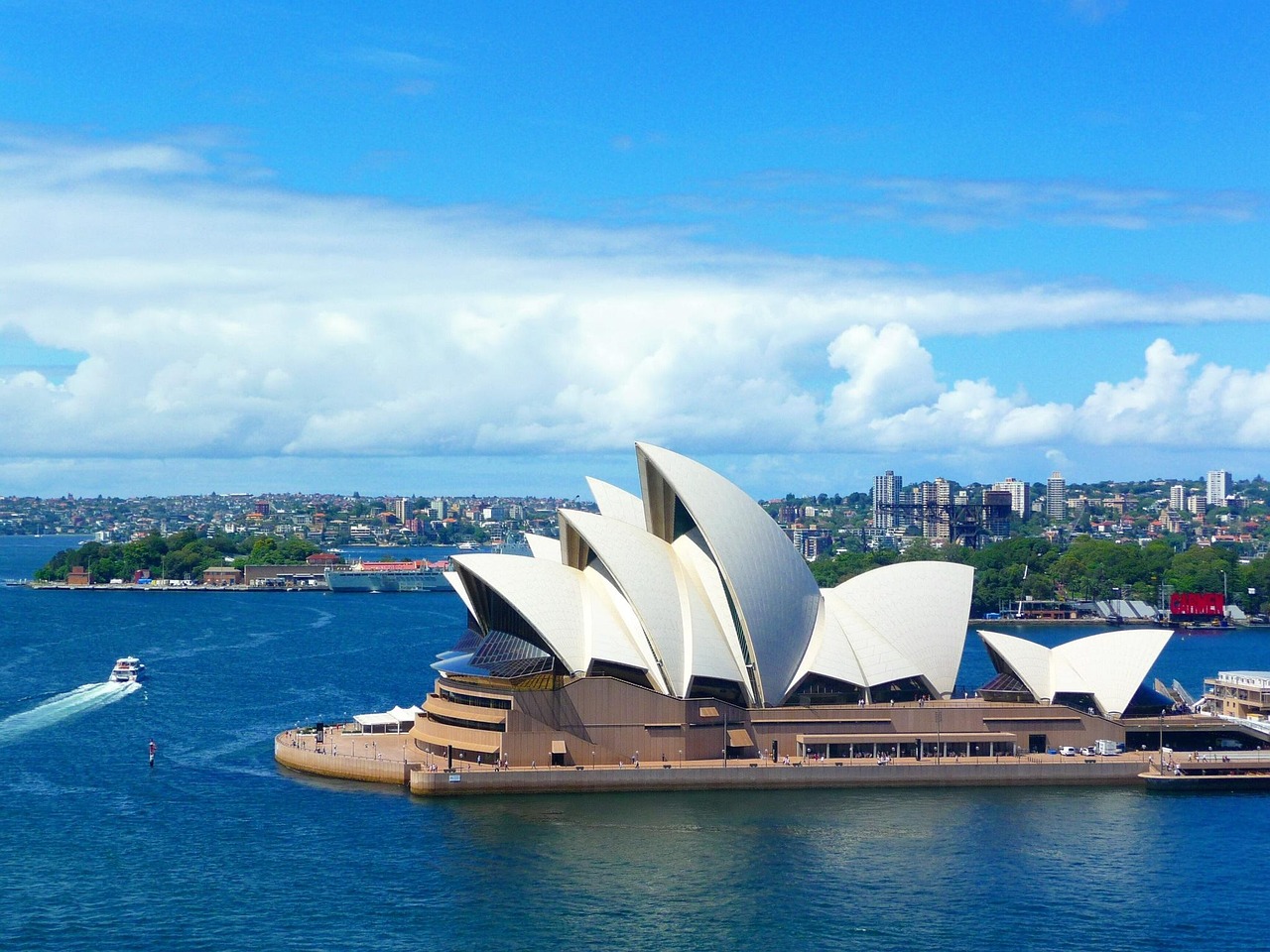
Iconic experiences: Sydney Harbour Bridge climbs, Opera House tours, Taronga Zoo, SEA LIFE Sydney Aquarium and Luna Park typically open with possible adjusted hours. Harbour cruises and ferry rides offer scenic alternatives.
Easter egg hunts and family events: Venues such as The Grounds of Alexandria, Centennial Parklands and various gardens host egg hunts and seasonal activities, often on Good Friday through Easter Sunday.
Markets and other events: Some local markets and Easter-themed fairs operate, though major retail centres are limited on restricted days.
Tips for the weekendPlan grocery shopping for Thursday or Easter Saturday to avoid shortages. Book tickets for major attractions and restaurants early, as demand spikes. Public holiday parking and traffic rules apply, with potential congestion near Olympic Park and harbourside spots. Weather in early April is usually mild and pleasant for outdoor activities, but check forecasts.
Essential services including hospitals, emergency services and selected pharmacies remain available. Many smaller cafes and takeaway outlets provide coffee and meals when big chains close.
The Easter long weekend offers a balance of relaxation and excitement in Sydney. Whether hunting for chocolate eggs at family events, exploring the Royal Easter Show or enjoying a harbourside walk, plenty of options exist despite retail restrictions on Good Friday and Easter Sunday.
For the latest updates, consult official websites for individual stores, attractions and Transport for NSW, as hours can change.
Australians are being urged yet again to stop panic buying as more than 600 service stations run out of fuel.
This is despite the government’s assurance that billions of litres of fuel are on their way to Australia.
Aussies Told to Stop Panic Buying
According to a report by Sky News, Energy Minister Chris Bowen revealed that 410 service stations across Australia have run out of diesel. 193 service stations, on the other hand, have run out of petrol.
New South Wales reported the most shortages as of Friday. 182 service stations are without diesel, while 48 are without petrol.
Victoria follows behind NSW with 76 service stations out of diesel and 37 out of petrol. Queensland reported the third highest shortage with 75 service stations out of diesel and 24 service stations running out of petrol.
Advertisement
Here are the numbers for other states and territories:
Western Australia – 37 stations without diesel and 58 without petrol
South Australia – 28 stations without diesel and 15 without petrol
Tasmania – seven stations without diesel and seven without petrol
Northern Territory – five stations without diesel and four without petrol
Despite this, Bowen has assured the public that there is no need to panic buy.
“I encourage people to be sensible, not to take more fuel than you need, to fill up when you need to, but not before that, and to get as much fuel as you normally would,” said Bowen.
Billions of Litres of Fuel on the Way to Australia
There has been good news amidst the fuel crisis as the Australian government assured that billions of litres of fuel are now on the way to the country.
According to ABC News, Bowen revealed that 53 ships carrying fuel are currently on their way.
Advertisement
However, some industry stakeholders have expressed uncertainty regarding whether the fuel will even make it to Australia or not.
It can be recalled that six oil tankers meant to deliver fuel to Australia either deferred or cancelled at the end of March.























































You must be logged in to post a comment Login