Connect with us

Business

How to Plan a High Reach Demolition Project: A Step-by-Step Guide

Published

on

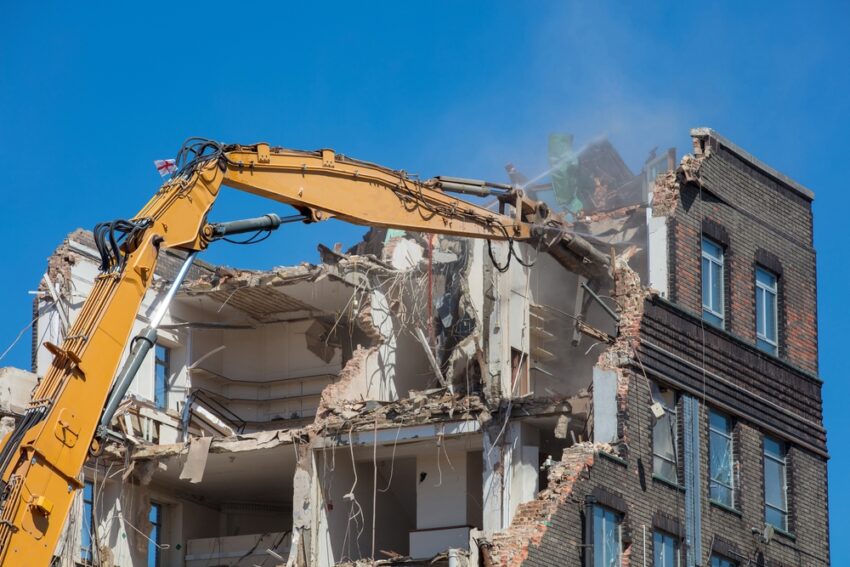
Planning a high-reach demolition project requires meticulous attention to detail, specialized equipment, and strict adherence to safety protocols.

Planning a high-reach demolition project requires meticulous attention to detail, specialized equipment, and strict adherence to safety protocols.

Unlike traditional ground-level demolition, taking down a multi-story structure involves unique challenges, including working at significant heights, managing debris fall, and protecting adjacent properties.

This guide outlines the essential steps for planning a successful high-reach demolition project, from initial surveys to final site cleanup.

Step 1: Conduct Comprehensive Site and Structural Surveys

A safe demolition begins with a thorough structural and environmental assessment. Before any machinery arrives, a qualified engineer must evaluate the building’s age, integrity, and construction type to identify risks of uncontrolled collapse. The survey also considers overhead hazards like power lines and the proximity of neighboring structures.

Contractors exploring equipment options may also review specialized attachments, such as Kocurek demolition equipment, to ensure compatibility with site conditions.

Advertisement

Step 2: Perform a Detailed Risk Assessment

With survey data in hand, the next step is developing a comprehensive risk assessment. This process identifies all potential hazards associated with the project and establishes control measures. Some key areas of concern for high-reach demolition include falls from height, injury from falling materials, structural collapse, and risks from connected services.

The risk assessment should evaluate the stability of the ground where the high-reach machine will operate and determine required exclusion zones to keep unauthorized personnel at a safe distance. It must also consider environmental factors such as dust emissions, noise, and vibration that could affect workers and the surrounding community.

Step 3: Design the Demolition Operation

The demolition project documentation can translate survey findings and risk assessments into an actionable plan. This technical document must include structure specifications, detailed ramp and embankment sizing, a time sequence of events, and characteristics of the high-reach machine to be used.

Critical technical considerations during this phase include establishing a proper relationship between building height and machine distance, determining optimal machine positioning relative to the structure, and designing appropriate working platforms.

Advertisement

Step 4: Select Appropriate High-Reach Equipment

Equipment selection is a pivotal decision directly impacting project success. High-reach excavators are specialized equipment equipped with extended booms and stick combinations designed for large vertical and horizontal reach. These machines have some features, such as reinforced undercarriages with additional counterweight and even specific working range diagrams to maintain tipping stability.

When selecting equipment, project planners must consider the maximum height requiring demolition, types of materials to be processed, and the permissible tool weight at full extension. Modern ultra-high demolition excavators typically include stability monitoring systems, tiltable cabs for better visibility, and heavy-duty cab protection.

Step 5: Plan Attachment Strategy

The versatility of high-reach demolition comes from various attachments deployed on the extended boom. A well-planned attachment strategy matches tools to specific project phases and material types. Some common attachments include concrete pulverizers for processing facades and slab edges, steel shears for cutting reinforcement and structural steel, and grapples for material handling.

Tool selection must account for weight limitations at the stick tip, hydraulic performance requirements, and jaw opening capacities that allow efficient attachment changes to maximize productivity throughout the demolition process.

Advertisement

Step 6: Establish Exclusion Zones and Safety Protocols

Safety during high-reach operations depends heavily on maintaining strict exclusion zones. These designated areas must be kept clear of all personnel except those essential to operation, and the general public must be prohibited from entering at all times.

The drop zone where debris may fall must be sufficiently large and clear of any encroachments. For operations with limited visibility, a trained banksman should be positioned at strategic points to communicate with the operator via two-way radio.

Step 7: Execute Top-Down Demolition Sequence

The actual demolition work follows a systematic top-down approach. The high-reach machine begins by removing the highest portions of the structure first, working progressively downward. This method can ensure structural integrity is maintained throughout the process and debris falls into designated areas without endangering equipment or operators.

During operations, the machine’s boom should be fully retracted when lifting or lowering, and stability should be maintained by operating on level, firm ground. Modern machines equipped with camera systems allow operators to see attachments even at maximum height, enabling precise, controlled demolition even in limited-space applications.

Advertisement

Step 8: Manage Materials and Recycling

As demolition progresses, material management becomes increasingly important. Effective waste separation on site can achieve high recycling rates, with some projects successfully recycling over approximately 90% of building materials. Secondary crushing at ground level using concrete pulverizers and shears allows for further processing and material sorting.

A comprehensive waste management plan should outline procedures for handling debris, hazardous materials, and recyclables using wheel loaders, crawler loaders, and material handling machines for efficient sorting. Designated storage areas and pickup schedules should account for environmental data to ensure compliance with local regulations.

When dealing with tall structures, high-reach dismantling techniques allow safe work on high-rise buildings using specialized demolition attachments. These heavy-duty demolition equipment choices maximize both the environmental and economic benefits of material recovery.

Step 9: Execute Safe Shutdown and Demobilization

At shift end, high-reach machines must be parked safely in designated areas with attachments grounded and keys removed. Project demobilization follows a planned sequence that may include removing fencing, backfilling basements, and final cleanup.

Advertisement

Throughout the project, regular maintenance can ensure safe operation of crawler excavators and other essential demolition tools, with daily attention to lubrication points, hydraulic systems, and wear items. This commitment to equipment care helps prevent failures on demolition sites and demonstrates how the demolition industry prioritizes safety features.

Complete documentation of activities supports quality and safety requirements while providing records regarding demolition technology advancements and the proper handling of demolition waste.

Conclusion

Successful high-reach demolition projects result from thorough planning, appropriate equipment selection, and unwavering commitment to safety protocols. By following these steps, project managers can execute complex demolitions efficiently while protecting workers, the public, and surrounding properties.

Advertisement

Continue Reading
Click to comment

Leave a Reply

Your email address will not be published. Required fields are marked *

Business

GameStop (GME) Stock Holds Steady Near $24.50 Amid Acquisition Speculation and Meme Stock Resilience

Published

on

Microsoft CEO Satya Nadella says the US tech giant plans to invest $3 billion in India on AI and cloud infrastructure over the next two years

GameStop Corp. (GME) shares traded modestly higher in early March 2026 trading, closing at $24.46 on March 11 after a 0.37% gain, as the video game retailer continues to outperform many peers in the meme-stock category amid ongoing speculation about a major acquisition and CEO Ryan Cohen’s transformation efforts.

GameStop is laying off people as the company tries to fit in with a digitally-transforming videogame industry. In photo: GameStop stock graph is seen in front of the company's logo in this illustration taken February 2, 2021.
GameStop (GME) Shares

The stock opened March 12 around $24.40 and climbed to $24.51 by mid-morning, up about 0.20% from the previous close, according to real-time data from Yahoo Finance and other platforms. Volume remained moderate at around 833,000 shares in the opening hours, below the average daily figure of roughly 5 million.

GameStop has gained more than 20% year-to-date in 2026, rising from about $20.08 at the end of 2025 to current levels near $24.50. This performance stands in contrast to other meme stocks like AMC Entertainment and SoundHound AI, which have declined sharply over the same period. Analysts attribute GME’s relative strength to renewed short-squeeze interest, a robust cash position and persistent buzz around Cohen’s plans to deploy the company’s roughly $8.8 billion in cash reserves for a significant acquisition.

In late January 2026, reports surfaced that Cohen was eyeing a “very big” deal involving a publicly traded consumer company, sparking a rally that pushed shares above $24 in early February. Michael Burry, the investor famous from “The Big Short,” disclosed a long position in GameStop around the same time, further fueling optimism despite his comments downplaying the odds of another massive short squeeze like the one in 2021.

The company has maintained a strong balance sheet, bolstered by previous equity raises and cost-cutting measures, including hundreds of store closures as it shifts away from traditional brick-and-mortar retail toward collectibles, partnerships and potential new ventures. GameStop’s Q3 2025 revenue came in at $821 million, down 4.57% year-over-year, reflecting ongoing challenges in physical game sales amid the rise of digital downloads.

Advertisement

Options activity has shown mixed sentiment in recent sessions. On March 11, call volume was relatively light but directionally varied, with some moderately bullish trades noted earlier in the week. TipRanks reported mixed options sentiment on March 9 with shares up 0.9%, while other days saw moderately bullish or neutral flows.

Analyst coverage remains cautious. The consensus rating leans toward “Reduce,” with a median price target around $13.50 from a handful of firms, well below current levels. No major Wall Street upgrades have materialized recently, and some forecasts highlight risks from declining core business fundamentals. However, institutional interest persists — Van ECK Associates increased its stake by 58.3% in the third quarter of 2025 to over 3 million shares.

GameStop’s next earnings report is expected around March 24 or 31, 2026, depending on scheduling, with investors watching for updates on cash deployment, store rationalization and any progress on strategic initiatives. The board previously approved a performance-based stock option award for Cohen in January 2026, contingent on shareholder approval at a special meeting likely in March or April, tying his compensation to ambitious long-term goals.

The stock’s 52-week range spans $19.93 to $35.81, with the high reached in May 2025 during earlier volatility. Recent trading has stayed in a tighter band around $23-$25, reflecting a stabilization after the January-February surge.

Advertisement

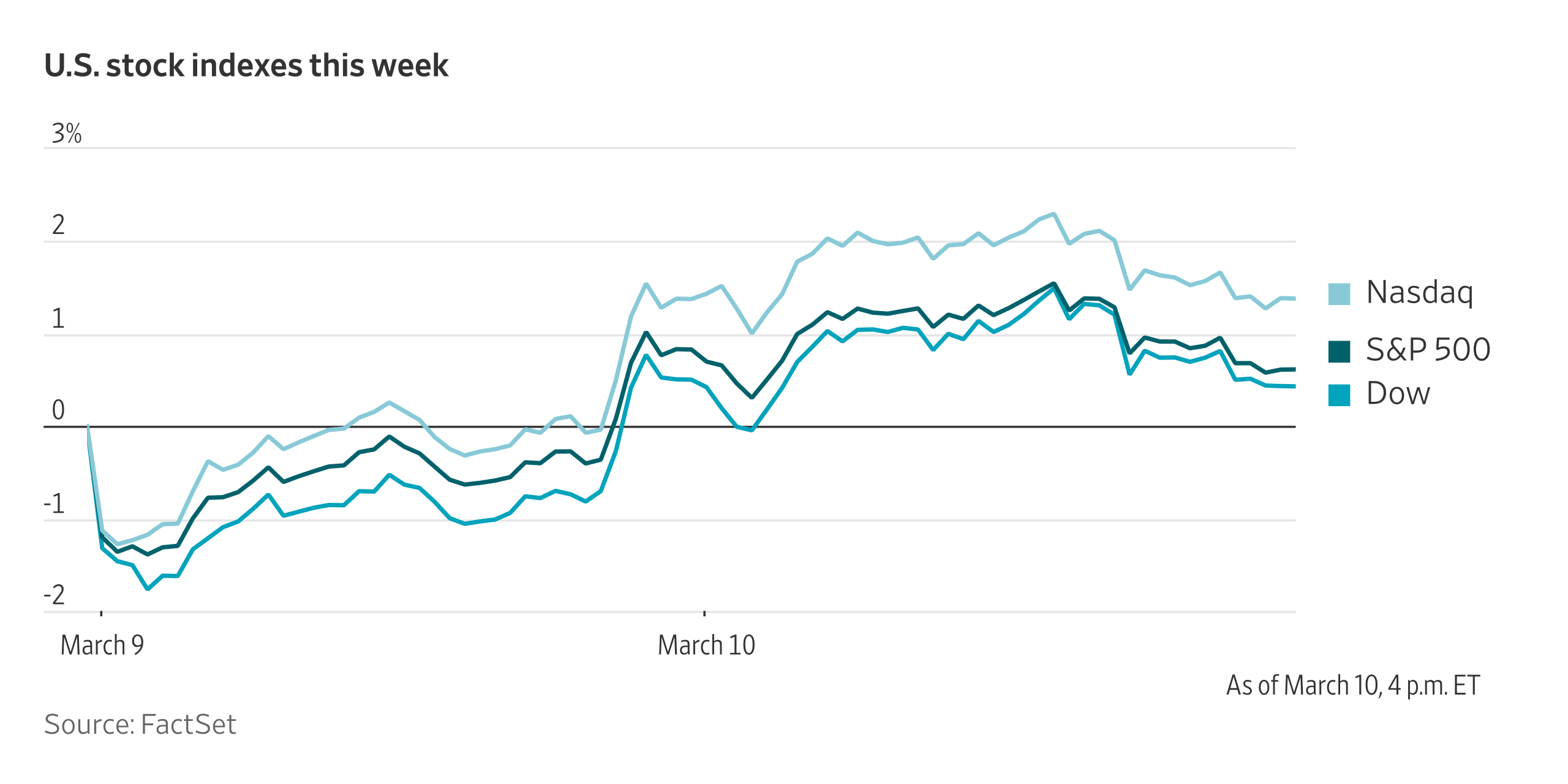
Broader market context includes steady U.S. equity gains in early 2026, though meme stocks remain highly volatile and sentiment-driven. GameStop’s ability to decouple somewhat from the pack underscores evolving narratives: from pure speculation to a cash-rich entity potentially pivoting under Cohen’s leadership.

Short interest data has not shown extreme levels recently, tempering squeeze fears, but retail enthusiasm on platforms like StockTwits and Reddit keeps the name in focus. Traders note that any confirmed acquisition news could trigger sharp moves, while continued silence might lead to drift.

As GameStop navigates its post-meme era, the stock’s performance in March 2026 illustrates resilience amid uncertainty. With earnings approaching and acquisition rumors lingering, volatility is likely to persist for shareholders.

Advertisement
Continue Reading

Business

Radiator firm Stelrad sees profits tumble in ‘subdued’ market

Published

on

Business Live

The Newcastle firm has its main manufacturing base in Yorkshire, as well as significant operations overseas

Inside Stelrad Group's Mexborough facility.

Inside Stelrad Group’s Mexborough facility.(Image: Shaun Flannery Photography Ltd)

Radiator company Stelrad saw its operating profit almost halve as revenues fell and it incurred costs in some of its overseas operations.

The Newcastle company, which has its main manufacturing base in South Yorkshire, has released interim full-year results for 2025. They show that revenue fell slightly to £279.6m but operating profit went down by 44% to £17.5m.

But Stelrad said that it was well-placed for growth and that its adjusted operating profit increased slightly to £32.5m. The company recognised exceptional costs of £14.9m relating to restructuring in its Turkish and Danish facilities and an impairment charge on the assets of Radiators SpA in Italy.

The company said it was driving growth in its higher-margin products and continuing to make efficiencies. But continued economic uncertainty in core territories of UK and Ireland and mainline Europe resulted in a 3.8% decline in overall revenues, it said.

Advertisement

Stelrad said it had successfully renewed its £100m loan facility with existing banking partners last December to reduce future borrowing costs. It increased its recommended dividend to 5.05p, saying that was “reflecting the board’s ongoing confidence in Stelrad’s future prospects, the strength of the group’s balance sheet and cash conversion.”

Chief executive officer Trevor Harvey said: “2025 demonstrated once again our ability to deliver adjusted operating profit growth through the market cycle while continuously improving our operations and positioning as we optimise our business for further progress. There remains a level of uncertainty around the timing of a wider market recovery, however, we remain confident in the opportunities that a market recovery offers for a stronger, simplified and more operationally efficient Stelrad.

Trevor Harvey, CEO of Stelrad

Trevor Harvey, CEO of Stelrad(Image: Stelrad)

“Our leadership positioning across the range of markets where we operate provides us with a platform from which to build and positions the group well to continue to drive the adoption of higher-margin, value-added products, including increasing the penetration of premium panel and higher heat output ranges in key markets.

“The board remains confident in delivering further progress during 2026. Our operational excellence initiatives, underpinned by our competitive advantages and market positioning, mean that Stelrad remains well-placed to outperform its peers in the near term and benefit from any medium-term market recovery.”

Advertisement

In its statement to the Stock Exchange, Stelrad said that it had market leadership in six of the 10 countries in which it operated and was seeing significant growth in products that reflected the transition to net zero. It said current trading was in line with expectations but that it expected market conditions to remain “subdued” this year.

Stelrad, which dates back to the 1930s, has its headquarters in Newcastle with manufacturing and other facilities in Mexborough, South Yorkshire, and in Turkey, Italy, the Netherlands, Denmark and Poland. It listed on the London Stock Exchange in 2021.

Continue Reading

Business

Adobe shares drop after CEO exit adds to AI-disruption concerns

Published

on

Adobe shares drop after CEO exit adds to AI-disruption concerns


Adobe shares drop after CEO exit adds to AI-disruption concerns

Continue Reading

Business

Demand for Perth hotels continues to rise, study shows

Published

on

Demand for Perth hotels continues to rise, study shows

A new study on Perth hotels has highlighted investment opportunities as it forecasts growth in visitor demand outpacing the development pipeline.

Continue Reading

Business

WA finally above GST floor as deal hailed 'success'

Published

on

WA finally above GST floor as deal hailed 'success'

Western Australia is set to receive a record $9.3 billion in GST revenue for the 2026-27 financial year, a large boost which experts said vindicated controversial reforms in 2018.

Continue Reading

Business

Forget Oil: Iran War Could Eventually Trigger AI Recession

Published

on

Forget Oil: Iran War Could Eventually Trigger AI Recession

Forget Oil: Iran War Could Eventually Trigger AI Recession

Continue Reading

Business

At Close of Business podcast March 13 2026

Published

on

At Close of Business podcast March 13 2026

Claire Tyrrell and Ella Loneragan discuss ideas from European cities to address the empty spaces in Perth and Fremantle.

Continue Reading

Business

Morgan Stanley cuts KinderCare stock rating on industry headwinds

Published

on


Morgan Stanley cuts KinderCare stock rating on industry headwinds

Continue Reading

Business

More Troubled Waters: Heard on the Street Recap

Published

on

More Troubled Waters: Heard on the Street Recap

More Troubled Waters: Heard on the Street Recap

Continue Reading

Business

AFC, RM Williams launch fashion manufacturing strategy

Published

on

AFC, RM Williams launch fashion manufacturing strategy

The Australian Fashion Council and RM Williams have launched a national plan to rebuild Australia’s manufacturing capability across the textile, clothing and footwear sector.

Continue Reading

Trending

Copyright © 2025