

Business
How Unexpected Workplace Incidents Can Disrupt Business Continuity


Businesses often prepare for financial volatility, supply chain disruption, and competitive pressure, yet many overlook how quickly routine operations can be interrupted by incidents that occur inside or around the workplace.
These events are rarely part of long-term planning discussions, even though they can create immediate strain on staffing, scheduling, and leadership focus. When an incident involves harm to an individual, the consequences tend to extend far beyond the initial moment, pulling attention away from growth and into damage control.
For small and mid-sized businesses in particular, stability depends on predictability. Even a single unexpected event can ripple through daily operations, forcing managers to reassign responsibilities, review internal policies, and address concerns from employees or partners. These disruptions are not always catastrophic on their own, but they accumulate quickly when leadership is unprepared. Businesses that underestimate these risks often discover that the cost is measured not only in money, but also in lost momentum and strained trust.
When Injury Becomes a Business Liability
According to a top-ranked lawyer, personal injury enters the business equation when an individual is harmed in connection with workplace activity, whether as an employee, contractor, or third party. These situations introduce immediate legal exposure that businesses cannot ignore. Medical costs, lost wages, and formal claims often follow, requiring careful handling and timely response. At this stage, the issue is no longer limited to safety concerns. It becomes a matter of liability management, documentation, and professional accountability.
From a business perspective, personal injury claims demand structured decision-making. Owners must balance legal obligations with internal communication and external perception. Failure to respond appropriately can escalate a manageable situation into prolonged conflict. This is where legal professionals experienced in injury-related matters play a critical role. Their involvement helps ensure that responses align with legal requirements while protecting the organization from unnecessary risk. Treating these incidents casually or delaying action often leads to greater financial and operational consequences.
How Injury-Related Claims Affect Long-Term Operations
As mentioned by PCW Law, beyond the immediate response, personal injury situations can reshape how a business operates moving forward. Claims may extend over months or longer, requiring ongoing attention from leadership and administrative staff. Insurance reviews, policy adjustments, and internal audits frequently follow. These processes consume time and resources that would otherwise support revenue-generating activity. Even when claims are resolved, the internal disruption can linger.
Additionally, unresolved or poorly managed injury claims can influence workplace culture. Employees pay close attention to how leadership handles incidents involving harm. Transparency, fairness, and consistency matter. When workers perceive that issues are mishandled, morale and retention suffer. From an operational standpoint, this creates a secondary risk that is harder to quantify but equally damaging. Businesses that treat personal injury matters as isolated events often miss how deeply they can affect long-term stability.
Risk Awareness Beyond Compliance
Risk management is often discussed in terms of compliance, but true preparedness extends further. Businesses that remain resilient tend to assess risk from multiple angles, including how incidents are prevented, reported, and addressed. This approach requires leadership involvement and clear internal processes. Training, documentation, and communication protocols are essential tools that reduce uncertainty when something goes wrong.
Importantly, risk awareness is not about fear or overcorrection. It is about recognizing that certain events are inevitable in active business environments. Companies that proactively address potential exposure place themselves in a stronger position to respond calmly and decisively. This reduces panic-driven decisions and limits operational fallout. Over time, these habits contribute to smoother operations and stronger internal confidence.
A mature approach to risk awareness also improves decision-making across departments. When expectations are clear, employees are more likely to report issues early and follow established procedures. This consistency reduces confusion and helps leadership assess situations accurately rather than react emotionally. Businesses that embed this mindset into daily operations tend to face fewer surprises and recover more efficiently when disruptions occur.
Financial and Reputational Consequences
The financial implications of incident-related disruptions often extend beyond direct costs. Insurance premiums may rise, budgets may need adjustment, and growth plans can be delayed. These outcomes are especially challenging for smaller businesses operating with tighter margins. What begins as a single event can affect forecasts, investor confidence, and lender relationships.
Reputation also plays a critical role. Clients, partners, and employees form opinions based on how businesses respond under pressure. Silence, inconsistency, or visible confusion can damage credibility. Conversely, measured and professional handling reinforces trust. Businesses that understand this dynamic tend to invest more carefully in internal systems that support responsible responses, even when facing uncomfortable situations.
Long-term brand perception is shaped less by the incident itself and more by the response that follows. Businesses that communicate clearly, act responsibly, and demonstrate accountability often preserve confidence even in difficult circumstances. This becomes particularly relevant in industries where trust underpins ongoing relationships. A poorly managed situation can linger in public perception far longer than its operational effects, while a disciplined response can strengthen credibility and reinforce professionalism across the organization.
Protecting Continuity Through Prepared Leadership
Sustaining business continuity requires leadership that anticipates disruption rather than reacting to it. This includes acknowledging that not all risks are operational or financial in origin. Some arise from human factors that demand structured response and professional guidance. Leaders who accept this reality are better positioned to protect both their people and their organizations.
Prepared leadership does not rely on improvisation. It relies on clear policies, trusted advisors, and a willingness to address difficult issues directly when they arise. Businesses that operate with this mindset tend to recover faster and maintain stability even after unexpected incidents. Over time, this approach becomes a competitive advantage that supports long-term success.
Ultimately, continuity is preserved through consistency. Leaders who establish reliable procedures before issues arise reduce uncertainty when pressure appears. This steadiness reassures employees, partners, and stakeholders that the organization is capable of handling adversity without losing direction. Over time, this preparedness becomes embedded in company culture, strengthening resilience and supporting sustainable growth even in unpredictable environments.



Blizzard warnings issued for New York area as storm heads to East Coast


Germany’s ruling party backs social media curbs for children
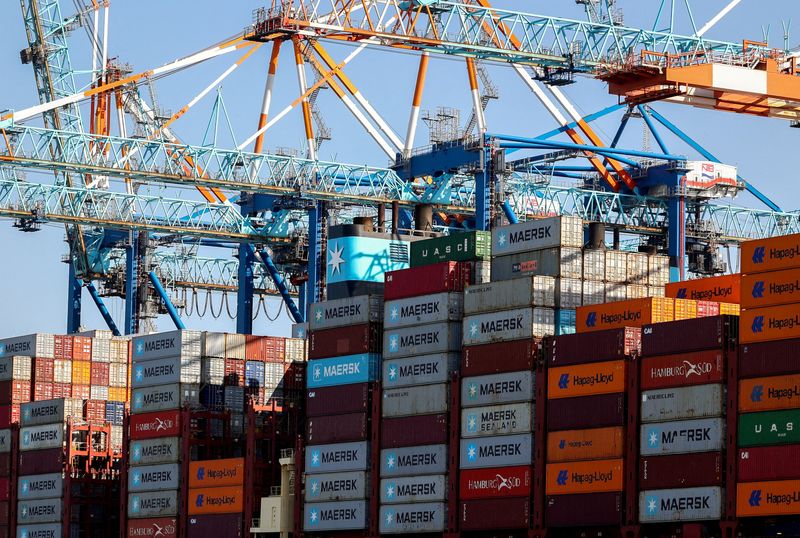

Germany’s Merz expects lower tariff burden after US court verdict on Trump tariffs

Ukraine strikes ballistic missile producer deep inside Russia, Kyiv says
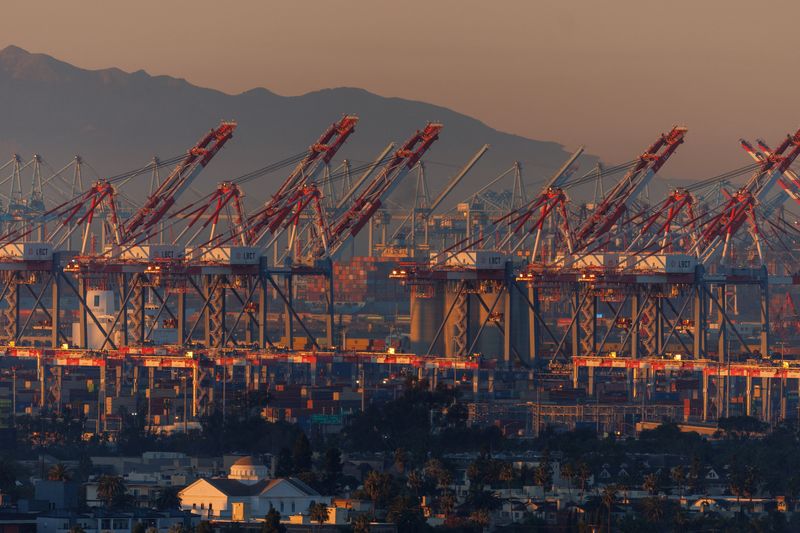

Trump says he will raise global tariff rate from 10% to 15%
Business
NASA may take moon mission Artemis II rocket back to assembly site, affecting March launch window
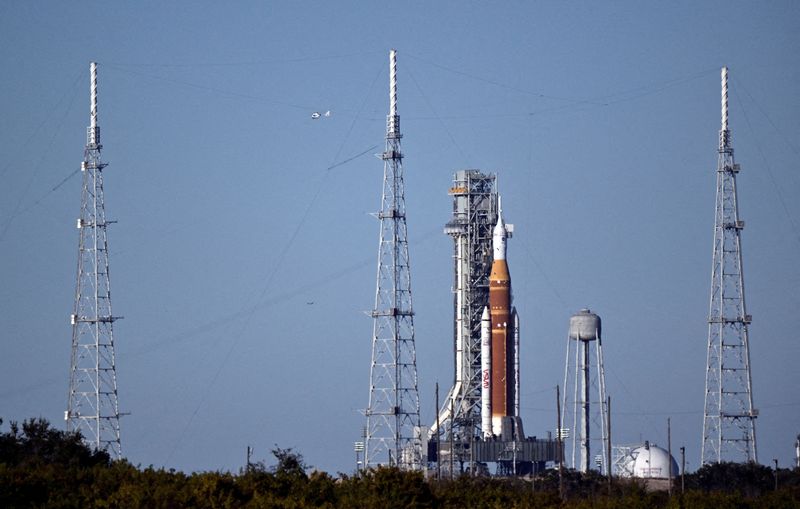

NASA may take moon mission Artemis II rocket back to assembly site, affecting March launch window
Australia’s extraordinary isolation over millions of years has produced one of the planet’s most distinctive wildlife collections, with more than 80% of its mammals, reptiles and frogs endemic — meaning they exist nowhere else naturally. In 2026, amid ongoing conservation efforts and renewed interest in eco-tourism following recent wildlife documentaries and park reopenings, these unique creatures continue to captivate visitors and researchers alike.
From cuddly marsupials to bizarre monotremes, here are 10 standout animals that are truly Australian exclusives, highlighting the continent’s biological marvels:
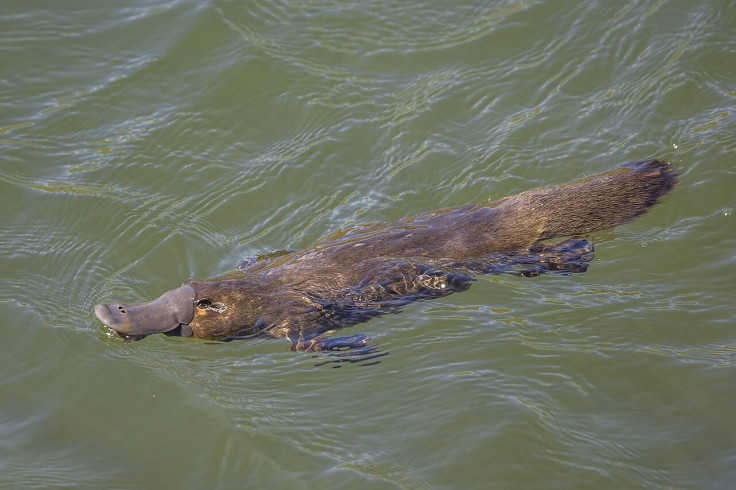
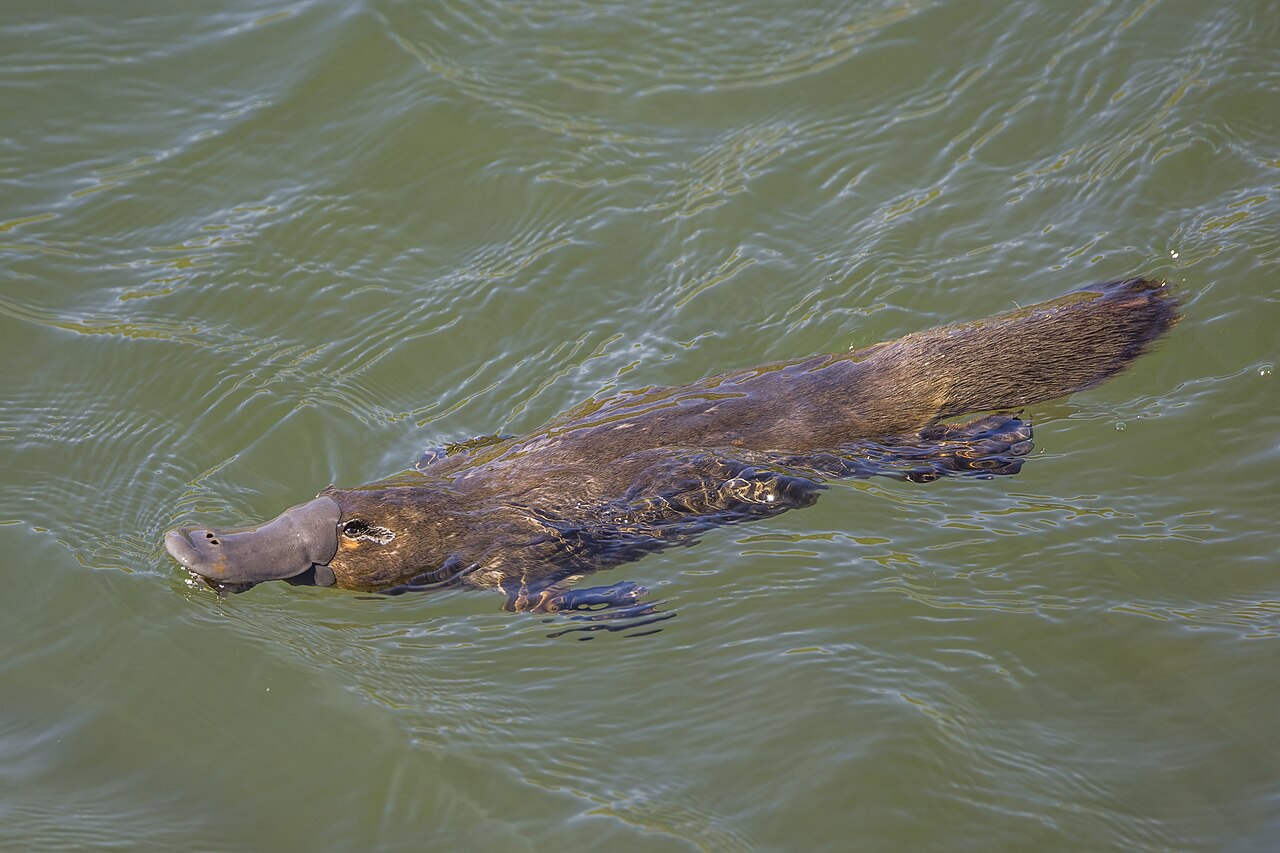
- Platypus The platypus (Ornithorhynchus anatinus) remains one of nature’s strangest creations: a semi-aquatic, egg-laying mammal with a duck-like bill, beaver tail, otter-like body and venomous spurs on males’ hind legs. Found in eastern Australia’s freshwater rivers and streams, it hunts using electroreception to detect prey in murky water. Conservation status is near threatened due to habitat loss and climate impacts, but sightings remain possible in places like the Atherton Tablelands and Tasmania.
- Koala The koala (Phascolarctos cinereus), often mistakenly called a bear, is an arboreal marsupial specialized for eucalyptus forests in eastern and southeastern Australia. These leaf-eaters sleep up to 20 hours daily to conserve energy from their low-nutrient diet. Vulnerable to habitat fragmentation, bushfires and disease, koalas symbolize Australian wildlife, with populations monitored closely in 2026 recovery programs.
- Kangaroo (Red and Eastern Grey species) Several kangaroo species, including the red kangaroo (Osphranter rufus) — the world’s largest marsupial — and eastern grey kangaroo (Macropus giganteus), are found only in Australia. Reds roam arid interiors while greys inhabit eastern woodlands. Their powerful hind legs enable bounds up to 8 meters and speeds of 56 km/h. As national emblems, they thrive in open country but face threats from drought and vehicle strikes.
- Quokka Often called the “world’s happiest animal” for its perpetual smile-like expression, the quokka (Setonix brachyurus) is a small wallaby restricted to Rottnest Island near Perth and limited mainland pockets in Western Australia. Herbivorous and curious, they approach visitors fearlessly on Rottnest, boosting tourism. Vulnerable due to habitat loss and predators, their population remains stable on the island.
- Wombat Three wombat species — common, northern hairy-nosed and southern hairy-nosed — are exclusive to Australia. These burrowing marsupials feature backward-facing pouches to prevent dirt entry while digging. Common wombats (Vombatus ursinus) inhabit forests and grasslands across the southeast, while hairy-nosed varieties live in drier regions. Known for cube-shaped scat and resilience, they dig extensive warrens.
- Tasmanian Devil The Tasmanian devil (Sarcophilus harrisii), now confined to Tasmania after mainland extinction around 3,000 years ago, is the world’s largest surviving carnivorous marsupial. Famous for powerful jaws and ferocious feeding, devils play a key ecological role controlling pests. Threatened by devil facial tumor disease, conservation breeding programs in 2026 continue to bolster wild populations.
- Short-beaked Echidna One of only five living monotreme species, the short-beaked echidna (Tachyglossus aculeatus) is widespread across Australia, including Tasmania. This spiny, ant-eating mammal lays eggs and nurses young with milk secreted through skin pores. Least concern status reflects its adaptability, though roadkill and habitat changes pose risks.
- Southern Cassowary The southern cassowary (Casuarius casuarius), a large flightless bird with a helmet-like casque and powerful legs, inhabits tropical rainforests in northern Queensland. As seed dispersers, they are vital to rainforest regeneration. Vulnerable due to habitat loss and vehicle collisions, sightings in Daintree and Cape Tribulation remain highlights for eco-tourists.
- Numbat The numbat (Myrmecobius fasciatus), a small, striped marsupial anteater, survives in fragmented southwestern woodlands after near-extinction from introduced predators. Diurnal and termite-dependent, it lacks a pouch, carrying young on its belly. Endangered but supported by reintroduction efforts, numbats represent successful conservation stories.
- Thorny Devil The thorny devil (Moloch horridus), a spiky lizard adapted to arid deserts, drinks through capillary action in its skin grooves. Found only in Australia’s dry interior, it feeds exclusively on ants and blends into sandy environments. Least concern, its bizarre appearance makes it a favorite for wildlife photographers.
These species underscore Australia’s megadiverse status and the importance of protecting unique ecosystems. Conservation challenges persist — feral predators, climate change, habitat loss and disease — but initiatives like fenced reserves, breeding programs and community monitoring offer hope. In 2026, eco-tourism and citizen science continue to raise awareness, ensuring these one-of-a-kind animals endure.
Visitors can ethically observe many in national parks, wildlife sanctuaries or guided tours, contributing to their protection while experiencing Australia’s unparalleled biodiversity firsthand.

The president will increase import taxes to 15% on most products coming into the US from Tuesday.

The S&P 500 rose on Friday, after the Supreme Court ruled that President Donald Trump’s IEEPA tariffs were illegal.
That was probably the right reaction, according to one Wall Street research firm.
“We believe that Friday’s Supreme Court decision was a risk-clearing event that will ultimately be viewed by investors as disinflationary,” wrote Fundstrat Head of Research Tom Lee on Friday evening. “Thus, we view the decision as positive for stocks.”

Samsung is gearing up for its next flagship tablet lineup, with the Galaxy Tab S12 Ultra emerging as a highly anticipated refresh to the premium Android tablet segment. While the company has not officially announced the device, recent certifications, supply chain leaks and analyst reports point to a late 2026 debut, likely in the September–October window alongside other major product launches.

The Galaxy Tab S12 series first surfaced in early February 2026 through IMEI database listings, confirming development of the Tab S12+ (model SM-X846B) and Tab S12 Ultra (SM-X946B). These entries, spotted by tipsters and reported by GSMArena and NotebookCheck, indicate Samsung is actively preparing the tablets for market. Notably absent is a standard “Tab S12” model, continuing the pattern where Samsung alternates base/Plus variants annually while maintaining the Ultra as a consistent flagship offering.
The Tab S11 series, which included the Tab S11 and Tab S11 Ultra, launched in September 2025 with availability starting later that month. That timing aligns with Samsung’s historical cadence for Galaxy Tab S releases — typically unveiled at a summer or early fall Galaxy Unpacked event, often coinciding with foldables like the Galaxy Z Fold and Flip series. Industry consensus from PhoneArena, GSMArena and YouTube leakers suggests the Tab S12 Ultra will follow suit, with an expected announcement in September or October 2026 and market availability shortly thereafter.
This places the device in the second half of 2026, potentially late summer or early autumn. Some sources, including Smartprix and Mobileinto, float a tentative date around September 4, 2026, based on patterns, though this remains speculative. The inclusion of new wearables like the Galaxy Watch 9 and Galaxy Watch Ultra 2 in the same certification batch hints at a bundled Unpacked event featuring tablets, watches and possibly foldables.
Rumors paint an ambitious picture for the Tab S12 Ultra. The device is expected to retain its massive 14.6-inch Dynamic AMOLED 2X display with 120Hz refresh rate, high brightness (potentially exceeding the Tab S11 Ultra’s 1600 nits) and anti-reflective coating for outdoor usability. Leaks suggest evolutionary design tweaks: a notch-less or under-display front camera for a cleaner bezel-to-edge experience, thinner bezels, reduced overall thickness (building on the Tab S11 Ultra’s 5.1mm profile) and possibly a Grade 5 titanium frame for enhanced durability and premium feel.
Performance upgrades are a focal point. The tablet is rumored to feature Qualcomm’s next-generation flagship processor — likely a Snapdragon 8 Elite successor or a custom variant optimized for tablets — paired with up to 24GB of RAM (a significant jump from the Tab S11 Ultra’s max 16GB configurations). This would enable seamless multitasking in Samsung DeX mode, turning the tablet into a laptop-like workstation, alongside advanced Galaxy AI features under One UI 8 or later. Storage options could range from 256GB to 1TB or higher, with microSD expansion support retained.
Battery capacity may see a slight increase from the Tab S11 Ultra’s 11,200mAh, potentially reaching 12,000mAh for extended productivity sessions, backed by faster wired charging (45W or higher). Camera setups are not expected to see major overhauls, focusing instead on software enhancements for video calls and content creation.
Galaxy AI integration remains a key selling point, with rumored features like enhanced Neural DeX for desktop-level multitasking, improved S Pen Pro 3 support for precise note-taking and drawing, and on-device AI tools for productivity and creativity. These would build on the Tab S11 Ultra’s AI capabilities, positioning the device as a strong iPad Pro competitor in the high-end tablet market.
Pricing details remain unconfirmed, but expectations place the Tab S12 Ultra in premium territory. Starting configurations could begin around $1,200–$1,400 for base models, scaling higher with increased RAM and storage. This would maintain its positioning above the Tab S12+ and well beyond mid-range alternatives.
The Tab S12 Ultra’s development comes amid intense competition from Apple’s iPad Pro lineup and emerging Android challengers. Samsung’s focus on larger, more powerful tablets reflects growing demand for hybrid devices that bridge smartphones and laptops, especially for professionals, creators and students.
As certifications and leaks accumulate, excitement builds for what could be Samsung’s most ambitious Tab S release yet. Official confirmation is likely months away, but the trajectory points to a late-2026 launch that could redefine premium Android tablets.
For now, consumers eyeing upgrades can consider the current Tab S11 Ultra, widely available with strong reviews for its display, performance and S Pen ecosystem. Stay tuned to Samsung’s channels for updates on the Galaxy Tab S12 series.
“ANTM” star injured after falling off pendulum runway speaks out on 'inappropriate' challenge (exclusive)

Reform ‘s Laila Cunningham panics

EVIL GUY Uses Girlfriend For MONEY | Dhar Mann Bonus!


-

 Video5 days ago
Bitcoin: We’re Entering The Most Dangerous Phase
-

 Tech7 days ago
Luxman Enters Its Second Century with the D-100 SACD Player and L-100 Integrated Amplifier
-

 Crypto World4 days ago
Can XRP Price Successfully Register a 33% Breakout Past $2?
-

 Sports5 days ago
GB's semi-final hopes hang by thread after loss to Switzerland
-

 Fashion23 hours ago
Weekend Open Thread: Boden – Corporette.com
-

 Video2 days ago
XRP News: XRP Just Entered a New Phase (Almost Nobody Noticed)
-
 Tech5 days ago
The Music Industry Enters Its Less-Is-More Era
-

 Business4 days ago
Infosys Limited (INFY) Discusses Tech Transitions and the Unique Aspects of the AI Era Transcript
-

 Entertainment3 days ago
Kunal Nayyar’s Secret Acts Of Kindness Sparks Online Discussion
-

 Video4 days ago
Financial Statement Analysis | Complete Chapter Revision in 10 Minutes | Class 12 Board exam 2026
-

 Tech3 days ago
Retro Rover: LT6502 Laptop Packs 8-Bit Power On The Go
-
 Sports3 days ago
Clearing the boundary, crossing into history: J&K end 67-year wait, enter maiden Ranji Trophy final | Cricket News
-

 Entertainment3 days ago
Dolores Catania Blasts Rob Rausch For Turning On ‘Housewives’ On ‘Traitors’
-

 Business3 days ago
Tesla avoids California suspension after ending ‘autopilot’ marketing
-
 NewsBeat6 days ago
The strange Cambridgeshire cemetery that forbade church rectors from entering
-

 Politics4 days ago
Eurovision Announces UK Act For 2026 Song Contest
-

 Crypto World3 days ago
WLFI Crypto Surges Toward $0.12 as Whale Buys $2.75M Before Trump-Linked Forum
-
 NewsBeat6 days ago
Man dies after entering floodwater during police pursuit
-

 Crypto World2 days ago
83% of Altcoins Enter Bear Trend as Liquidity Crunch Tightens Grip on Crypto Market
-
 NewsBeat1 day ago
Andrew Mountbatten-Windsor latest: Police search of Royal Lodge enters second day after Andrew released from custody